

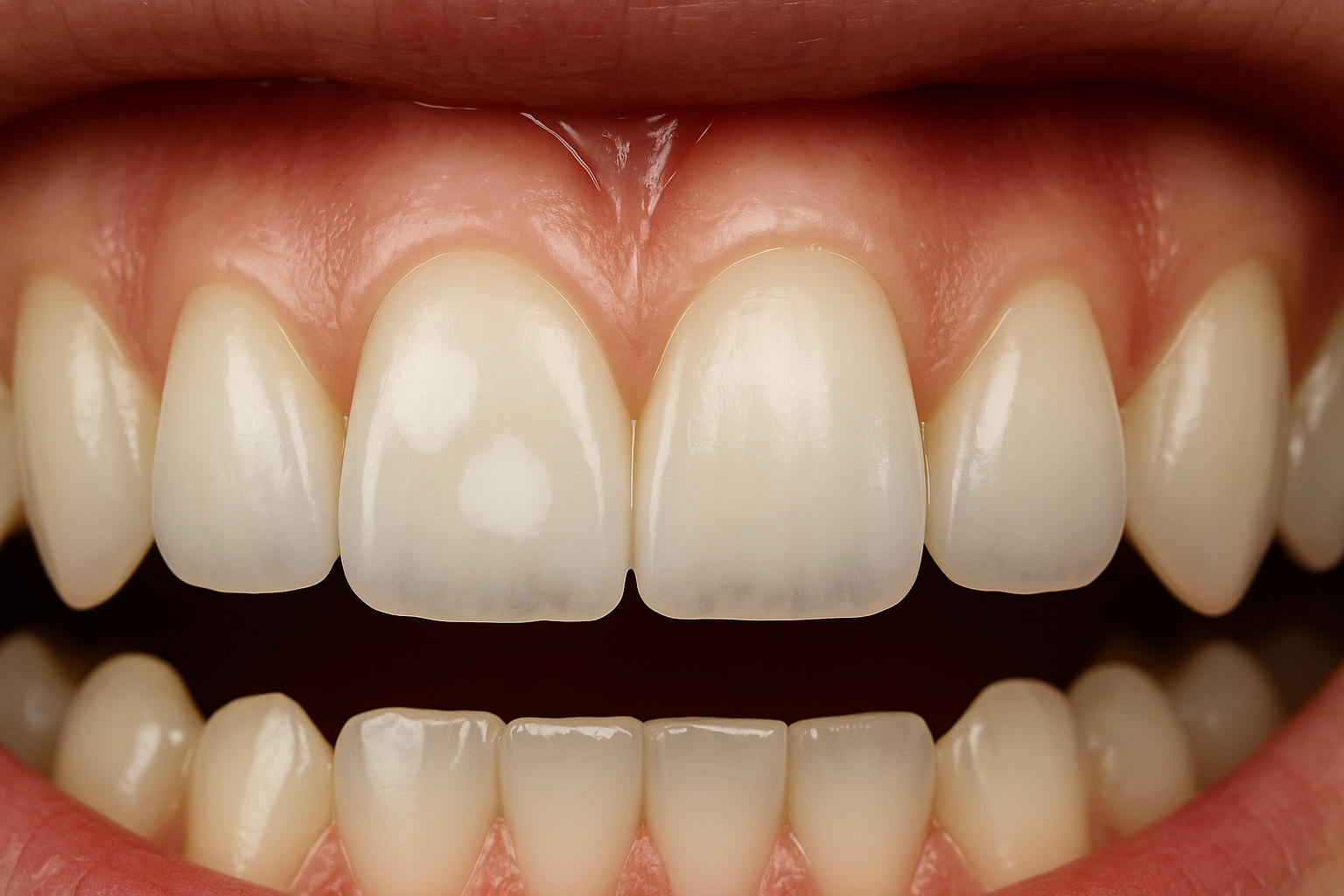
White spots on teeth are an aesthetic concern that increasingly worries patients of all ages. They may appear in both children and adults. While many people treat them merely as a cosmetic defect, in reality, they can be an early sign of developing disease, such as incipient caries. As a dentist with many years of experience, I know that proper diagnosis of such changes allows us to avoid more serious problems and plan effective treatment. In this article, I will explain: the main causes of white spots on teeth, how modern dental clinics diagnose them, which treatment methods bring the best results, and how to prevent the recurrence of this problem. Causes of White Spots on Teeth 1. Early Caries The most common cause of white spots is early-stage caries. At this stage, enamel demineralization occurs due to the action of bacteria and acids. Fortunately, the process can still be reversible if the patient visits the dentist promptly. 2. Fluorosis In children, excessive fluoride intake – from diet or supplements – may cause chalky white marks on tooth surfaces. This phenomenon is called fluorosis and requires dental assessment to determine appropriate treatment. 3. Demineralization after Orthodontic Treatment Patients who have worn fixed braces often notice white discolorations around brackets. These marks are areas of enamel demineralization, which can be treated effectively if detected early. 4. Enamel Developmental Disorders Congenital enamel defects (enamel hypoplasia) also manifest as white or yellowish spots. This is a developmental issue that requires an individualized approach. 5. Diet and Oral Hygiene Poor eating habits, frequent consumption of fizzy drinks, sweets, or acidic foods, as well as lack of professional dental cleaning, all increase the risk of white spots forming. Diagnosis of White Spots At Warsaw Dental Center, we use advanced diagnostic methods to precisely assess the nature of such changes: Microscope examination – allows us to observe enamel under magnification and assess the degree of demineralization, Intraoral photos and X-rays – help to check whether decay is developing beneath the enamel surface, Analysis of oral hygiene habits – helps determine the cause and tailor an effective treatment plan. It’s important to remember that the sooner a patient visits the dentist, the greater the chance to stop the progression and avoid drilling. Treatment of White Spots on Teeth 1. Enamel Remineralization In the earliest stages, we apply fluoride, calcium, and phosphate preparations to help rebuild the enamel structure. This treatment is completely painless. 2. ICON – Resin Infiltration This modern technique removes white spots without drilling. The dentist applies a special infiltrating resin that penetrates enamel micropores and restores natural tooth color. ICON is especially effective for spots after orthodontic treatment. 3. Teeth Whitening In some cases, controlled whitening helps even out the tooth shade and reduce the visibility of white spots. The procedure is performed under dental supervision to minimize sensitivity. 4. Porcelain Veneers If the changes are extensive or aesthetics require full correction, porcelain veneers are the best option. These thin ceramic shells provide teeth with perfect color and shape. Prevention : How to Avoid White Spots Regular professional cleaning at the dental office (at least once or twice a year). Daily brushing with fluoride toothpaste and flossing. Limiting sweets and acidic beverages in the diet. Routine dental check-ups – especially important for children and patients after orthodontic treatment. For pregnant women – regular check-ups to prevent demineralization and caries. Conclusion White spots on teeth may appear to be only a minor aesthetic issue, but they are often the first sign of caries or enamel mineralization disorders. Modern dentistry offers many solutions – from remineralization and ICON infiltration to aesthetic veneers. At Warsaw Dental Center, we approach every patient individually, using microscopes and advanced diagnostic tools to provide the best treatment. Urszula Leończak, MSc – Medical Director, Dentist
What are the types of dental fillings?
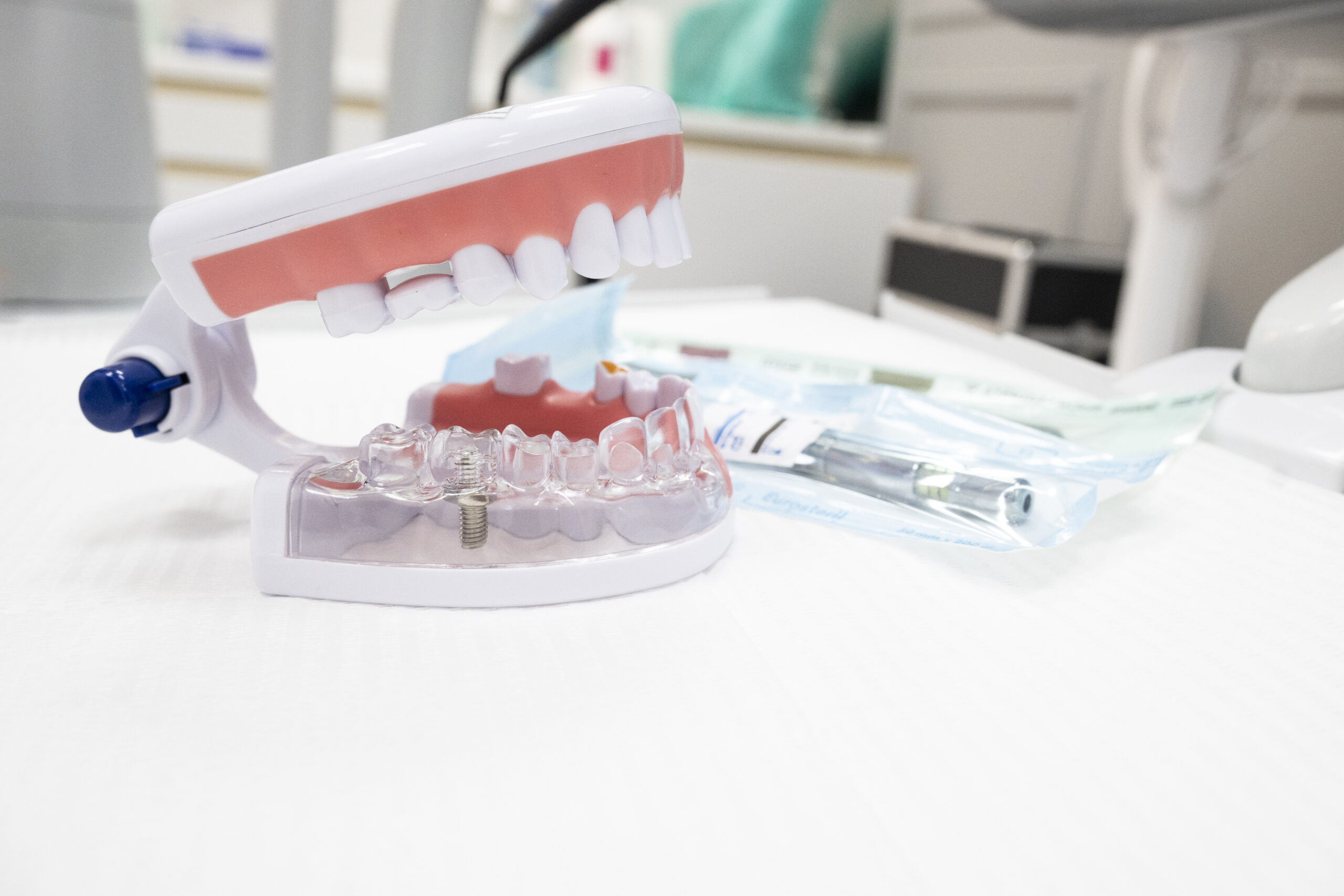
Plomba is a colloquial term for a dental filling used in cases of cavities caused by tooth decay. After appropriately preparing the diseased tissues of the tooth by removing the infected area with a drill, the dentist must carefully fill the space with an appropriate substitute material, which is the filling. There are various types of tooth fillings, each with its own characteristics and uses. It is based on the conducted dental examination that the dentist decides which type of filling will be most suitable and provide optimal functionality. Types of Tooth Fillings Dentistry and cavity treatment through tooth filling is a method that has evolved over the years. The origins of this practice date back to the 7th century, although the exact date of the inception of this concept is unknown. Fillings first appeared then, and over the centuries, various materials, including even gold, were used. Despite the difficulties in processing this material, alternatives were constantly sought – substances that were more economical and easier to shape. Currently known dental amalgam fillings, or their equivalents, emerged at the end of the 19th century. Since then, dentistry has undergone significant development, and there are many types of fillings. Below are a few of them: Amalgam Fillings These are older types of fillings, now rarely used in private dental practices. Amalgam does not provide aesthetic filling or a tight connection with tooth tissues, which can lead to the development of decay. Additionally, preparing the tooth for amalgam filling must be more extensive and deeper than with modern materials. Composite Fillings These are the most popular and commonly used. Their popularity stems from good sealing and aesthetics. They are available in different colors, allowing dentists to match them to the natural shade of the tooth. Composite fillings can be easily shaped, giving them the desired shape and appearance. The shaping process takes as long as needed, because the composite hardens under the influence of a polymerization lamp. Glass Ionomer Fillings These are most commonly used in children and in adults for small cavities. Their advantage is the content of fluoride ions, which additionally protect against decay. However, they are prone to discoloration and have greater fragility. Glass ionomer cement is also used for fixing orthodontic brackets. Porcelain or All-Ceramic Fillings These are porcelain crowns used for larger cavities, endodontic treatment, or tooth damage. All-ceramic crowns offer an aesthetic and durable solution in prosthetic treatment. Conservative tooth treatment, regular hygiene in the dental office, and proper home hygiene are the foundation of healthy teeth for many years. Thanks to a wide range of anesthetics, the process of filling cavities is now practically painless, and the materials used, as well as the quality and tightness of the fillings, allow you to enjoy healthy teeth for a long time. Choosing the Right Filling? Choosing the right material for filling a tooth is mainly the decision of the dentist. When making this decision, the dentist takes into account a number of factors, considering both indications and contraindications. Currently, about 95% of dental professionals prefer the use of light-cured composite fillings due to their excellent aesthetics, optimal application time, and high level of patient satisfaction. If you are looking for professional dental assistance and a trusted dentist in Warsaw, we warmly invite you to use the services of Warsaw Dental Center.
Conservative dentistry – what does it actually mean?
Conservative Dentistry, also known as general dentistry, encompasses a wide range of procedures related to both cavity prevention and the treatment of various tooth cavities. The main goal of general dental practice is to maintain a high standard of oral health by preserving the integrity of the teeth and ensuring their aesthetic appearance. Regular visits to the dentist and adherence to medical recommendations enable effective strengthening of tooth structure and prevention of cavities, which often serve as precursors to more advanced periodontal conditions. Treatments within General Dentistry The field of general dentistry offers a wide array of procedures aimed at preventing oral diseases and treating existing cavities. As part of preventive measures carried out in the dental office, we can mention: Oral cavity check-ups and assessment of dental health, Instruction on proper oral hygiene, Comprehensive teeth cleaning, including scaling, sandblasting, polishing, and fluoridation procedures, Sealing of milk teeth, which is a specialty of pediatric dentists, Therapy related to tooth sensitivity and gum bleeding issues. In addition to preventive actions, conservative dentistry also deals with the diagnosis and treatment of cavities and their complications. In this scope, procedures such as cavity filling, root canal treatment, restoration of missing teeth with bridges, cosmetic crown restoration, as well as treatment of permanent tooth injuries are performed. Pedodontics – Specialization in Pediatric Dentistry Pedodontics is a branch of dentistry dedicated to the care, prevention, and treatment of primary and permanent teeth in children and adolescents. It was created due to significant differences between children’s and adults’ dentition, requiring a special approach to treatment. Regular dental care is extremely important for both children and adults to prevent potential oral health problems. Therefore, it is recommended that the first dental visit takes place around the age of one when the first teeth erupt. During this visit, the dentist not only advises parents on proper care of milk teeth but also assesses the development of the child’s oral cavity and face. Pedodontics covers several areas, including: Adaptation visits aimed at preparing the child for future dental procedures and building a positive relationship with the dentist, Educating children about proper oral hygiene, Teaching about cavity prevention, bite defects, and healthy dietary habits, Dealing with teething issues and any disruptions in this process, Performing preventive treatments such as sealing, varnishing, or sealing of milk teeth, Treating oral mucosal diseases, Early cavity treatment, which may involve conservative methods, eliminating the need for drilling and preserving healthy tooth tissue, Treating milk teeth and immature permanent teeth in adolescents using a conservative approach. With specialized care from a pedodontist, children can enjoy a healthy oral cavity and developing teeth, contributing to maintaining good dental health for years to come. Dental Examination and Diagnosis In the dental office, a key step in diagnosis is conducting a thorough interview and visually assessing the condition of the teeth and oral mucosa. For diagnostic purposes, the dentist may decide to perform a panoramic X-ray, which allows for a comprehensive assessment of the condition of all teeth in the oral cavity. It is recommended to perform such X-rays every two years. Additionally, single-tooth X-rays are also used to detect subtle changes not visible to the naked eye and assess the extent of cavities. Performing these types of X-rays is often necessary for proper treatment planning in cases of advanced cavities, enabling a precise assessment of the extent of carious lesions and the need for possible root canal treatment. Moreover, the dentist can assess the quantity and shape of tooth canals if the cavity reaches the pulp, which is essential in case root canal treatment is necessary. In addition to X-rays, specialists also use other diagnostic tools that allow for the early detection of cavities. These include a microscope, intraoral camera, and diagnostic laser. The microscope allows for observation at high magnification, enabling the detection of even the smallest changes in tooth structure. The intraoral camera enables the identification of cavities in hard-to-reach interdental spaces, which would be impossible to see without this tool. Meanwhile, the diagnostic laser is used to assess the nature of visible spots, whether it is staining, demineralization, or a cavity requiring intervention. The dentist may also recommend a computed tomography scan or ultrasonographic examinations for precise diagnosis and planning of appropriate treatment, but such procedures go beyond the scope of conservative dentistry.
Acid erosion of enamel – symptoms and treatment
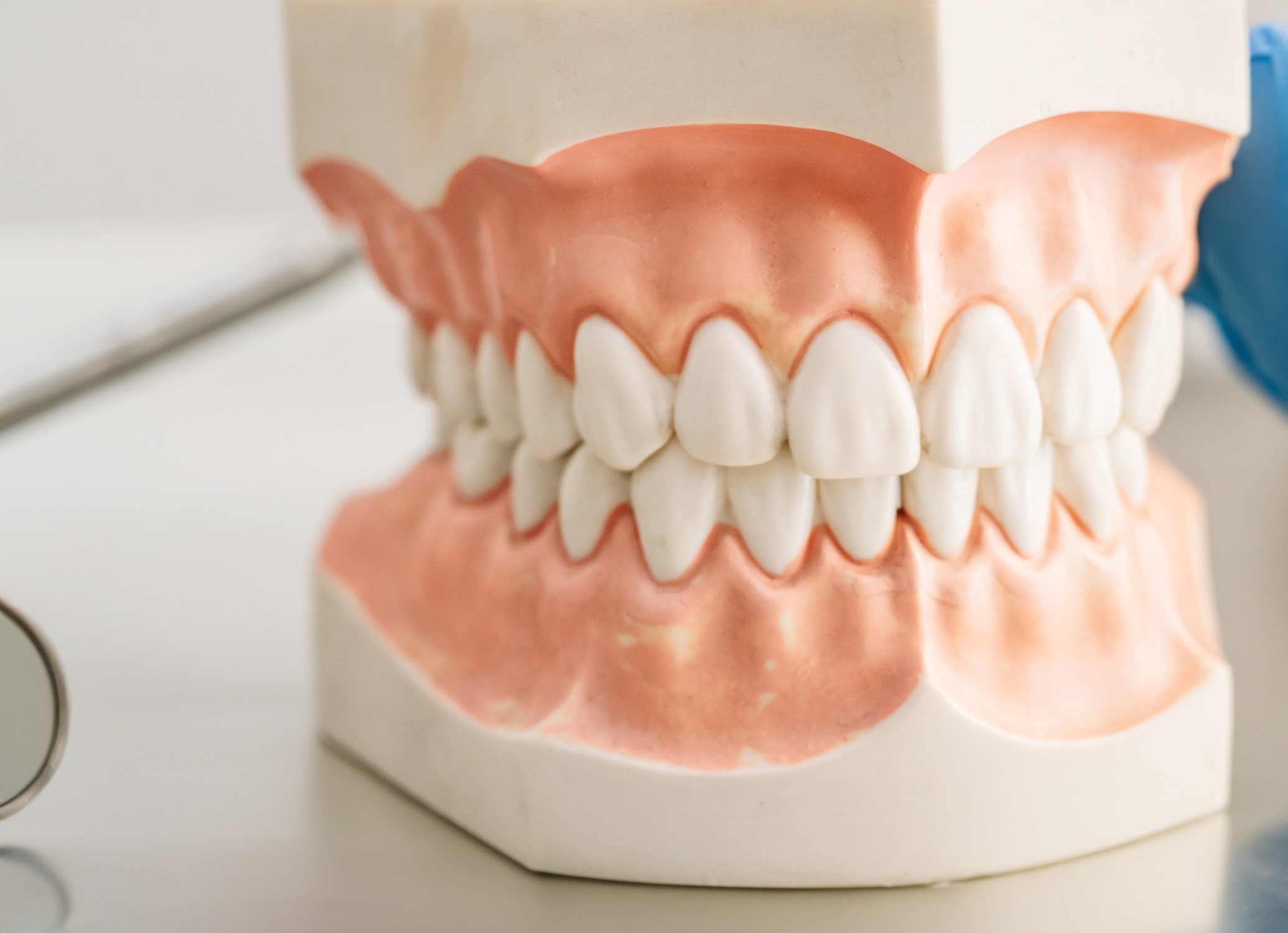
Awkward discomfort in the teeth that occurs after consuming cold or hot food is called sensitivity, often unaware that it may be the first symptoms of dangerous tooth structure damage, referred to by dentists as dental acid erosion. This is a signal that should not be underestimated but immediately consulted with a specialist. Dental acid erosion is flat, smooth, and difficult to notice defects in the tooth structure (first in the enamel, and later also in the dentin), caused by chemical reactions under the influence of acids. They appear in various parts of the tooth surface, usually in different places than cavities. They usually do not occur on proximal surfaces, cervical areas, or in fissures and incisal edges. In advanced stages of the disease, teeth become dull, rough, slightly yellow, or even translucent. They are also exceptionally brittle and prone to mechanical damage. This condition can lead to damage to the tooth pulp and require root canal treatment. Acid erosion in the initial stages is difficult to notice, and diagnosis can only be made by a specialist dentist. What Causes Dental Acid Erosion? Both external and internal substances cause dental acid erosion. Among the most dangerous external substances are cola drinks and other acidic beverages, fruit juices, alcohol, fruits (especially citrus fruits), and some vegetables (such as asparagus, sorrel, Brussels sprouts). All these products cause a significant decrease in pH in the oral cavity. Systemic diseases can also cause enamel erosion. An internal substance that can destroy the tooth surface is stomach acid, which can come into contact with teeth during vomiting or as a result of gastric contents reflux during heartburn or gastroesophageal reflux. Salivary secretion disorders (caused, for example, by certain medications) can also lower the pH of the oral cavity. How to Treat Damaged Teeth? The formed enamel defects are irreversible. The efforts of the dentist focus on stopping the progression of the disease, performing fillings, and alleviating pain symptoms. It is essential to eliminate the cause of erosion by treating the disease that causes it or changing dietary habits, as well as implementing proper oral hygiene. Gentle toothbrushes that will not excessively wear down the enamel and mouth rinses are recommended. Fluoridation is also used to strengthen teeth and reduce pain associated with sensitivity to cold and hot foods.
The importance of dental technology in the treatment of dental caries
Nowadays, progress in the treatment and prevention of dental caries is extremely important for the health of the cavity oral. The threat posed by dental caries is being counteracted more and more effectively thanks to modern technologies in dentistry. At Warsaw Dental Center in Warsaw, we specialize in the treatment of this disease, aware of the key role that dental technology plays in combating caries. The Role of Dental Technology Dental technology is not only innovative tools, but also a modern approach to therapy dental. It covers a wide range of applications – from general care, through aesthetic and reconstructive dentistry, prosthetics and orthodontics. It is this technology that improves treatment processes and dental care, eliminating the need for outdated and time-consuming procedures. Key Aspects of Dental Technology One of the key benefits of dental technology is precise diagnostics. In During caries treatment, experts from the Warsaw Dental Center carefully diagnose the infected teeth tooth areas, which enables the effective use of appropriate therapeutic methods. Plus, thanks to these modern tools, it is possible to eliminate the causes of caries and, in unavoidable situations, painless removal of teeth affected by the disease. Reduction of Visits Thanks to Dental Technology Using advanced technological solutions, we can reduce the number of patients’ visits to the dentist, while maintaining high effectiveness of caries treatment. Thanks to dental technology in Warsaw Dental Center in Warsaw we can provide our patients with not only painless, but also effective treatment therapeutic solutions, thus supporting their oral health.

Conservative dentistry: Dr. Rogulska on how often fillings should be replaced
Conservative dentistry is a key field in caring for the health of our oral cavity. Natalia Rogulska, who specializes in conservative dentistry at Warsaw Dental Center, explains one of the frequently asked questions among patients. Why is it necessary to renew fillings? Doctor Natalia Rogulska says: During regular check-ups, it happens that existing fillings turn out to be leaky or we notice secondary caries, i.e. caries under the existing filling. Cause? Each filling has its own “expected lifespan”. The longevity of a filling depends on several aspects: regularity of visits to the dentist, attention to oral hygiene, eating habits and problems with clenching or grinding teeth. At Warsaw Dental Center, we focus on the highest quality filling materials. During the procedure, we also use a rubber dam, i.e. a saliva chute, which isolates the tooth during treatment. Over time, the filling loses its original properties, and a leak may develop where the tooth meets the filling. This is a small gap that is a gateway for bacteria and food remains, which makes it difficult to maintain proper hygiene. The treatment process involves removing the old filling, removing the caries, and then applying a new, tight filling in the appropriate shade. Thanks to this, we restore the teeth’s natural shape and functionality. If you have additional questions, please contact us directly or by e-mail at: kontakt@warsawdentalcenter.pl. We encourage you to make an appointment with Dr. Natalia Rogulska. Reservations can be made: – by phone at: 22 542 18 04, – by e-mail: kontakt@warsawdentalcenter.pl, – or via social media. We are waiting for you at Warsaw Dental Center!

What are the risks of drinking energy drinks? Doctor Natalia Rogulskaolicy warns!
Healthy and white teeth are the result not only of regular visits to the dentist, but also of a proper diet. It is therefore important to take care of what we eat. Why is diet so important for our teeth? Explains Dr. Natalia Rogulska from Warsaw Dental Center, specializing in conservative treatment. Dental caries can develop due to several main factors: eating foods that promote tooth decay (high content of carbohydrates, which are needed by bacteria for enzymatic transformations); the presence of microorganisms in the oral cavity; teeth’s susceptibility to demineralization, related to their chemical composition; length and frequency of exposure to the above factors. To sum up: for the development of caries, we need time, susceptible teeth, lack of attention to hygiene and an unhealthy diet. Are sweets the only problem? Unfortunately, it’s not just them. More and more young people aged 12 to 30 require dental treatment, which includes: caused by greater consumption of drinks such as “cola”, sweet juices or flavored waters. Even though we don’t see them as “cute”, we should. Why? In the mouth, the natural pH is approximately 6.5-7, but after eating or drinking, it drops and returns to normal after approximately 30-60 minutes. Any drink other than water changes this pH. When we often drink small amounts of sweet drinks, the pH in the mouth has no chance to return to normal, which creates ideal conditions for bacteria. These bacteria process carbohydrates and produce acids that affect the pH of the teeth. Energy drinks have an even worse effect. In addition to the impact on the circulatory system, the risk of diabetes, overweight and other diseases, “energetics” contribute to the “dissolution” of teeth. This is due to their low, acidic pH (2.0-4.0). Enamel begins to dissolve at pH 5.5, and if strengthened with fluoride, at 4.5. The acidity of energy drinks leads to erosion, or dissolution, of tooth structure. The result is that teeth are more susceptible to hypersensitivity and dental caries. In studies, changes were visible after just five days of drinking “energy drinks”, and the effects are permanent. We cordially invite you to a consultation with Dr. Natalia Rogulska at Warsaw Dental Center! Booking appointments: – by phone at: 22 542 18 04 – by e-mail: kontakt@warsawdentalcenter.pl – and through social media. We invite you to Topiel 11 in the capital!

Tooth filling – what is it and what are its types?
One of the very common methods of dental treatment are dental fillings when the tooth has been damaged as a result of caries or mechanical injuries. The episode below contains information about filling techniques and methods used in modern dentistry, we invite you to watch the latest episode! Watch the episode here: https://bit.ly/KlinikaUsmiechu_Wypelzenie_zeba If you want to stay up to date with the latest information on oral health and modern dental solutions, subscribe to the Warsaw Dental Center channel. After watching the episode, don’t forget to also click 🔔 to receive notifications about our latest episodes! If you would like to support us on other social media platforms, please follow us on: ► Facebook: Link to the Facebook page ► Instagram: Link to the Instagram profile
Alarming statistics from the Ministry of Health
Ministry of Health Alerts: The condition of the teeth of children and adults in Poland Recent reports from the Ministry of Health raise serious concerns. Research results show that Polish six-year-olds have significantly more cavities than their Ugandan peers, which indicates the alarming state of oral hygiene in the country. Data from January 2023, prepared on behalf of the Ministry of Health, show that Polish three-year-olds on average have three damaged teeth. It is worth noting that six-year-olds in Poland suffer from caries much more often than their peers from Uganda and Vietnam. Additionally, it is surprising that one in ten seven-year-olds have never used a dentist’s chair. Unfortunately, disturbing statistics also apply to older age groups. Data indicate that as many as 92 percent of teenagers and 99 percent of adult Poles struggle with problems related to dental caries. What also seems shocking is the fact that as many as 4 million people in Poland do not care about brushing their teeth regularly. It is clear that prevention plays a key role in maintaining oral health. Therefore, we strongly encourage our patients to undergo regular check-ups and consultations to avoid serious health problems. It is also extremely important to use the services of dental hygienists. We would like to emphasize that our team of specialists is ready to provide professional assistance. Appointments can be booked: By phone at: 22 542 18 04 By e-mail: kontakt@warsawdentalcenter.pl