Endodontic Center of Excellence

Endodontic Center of Excellence in Warsaw

A specialist referral center for complex endodontics, second opinions before extraction, and multidisciplinary tooth preservation

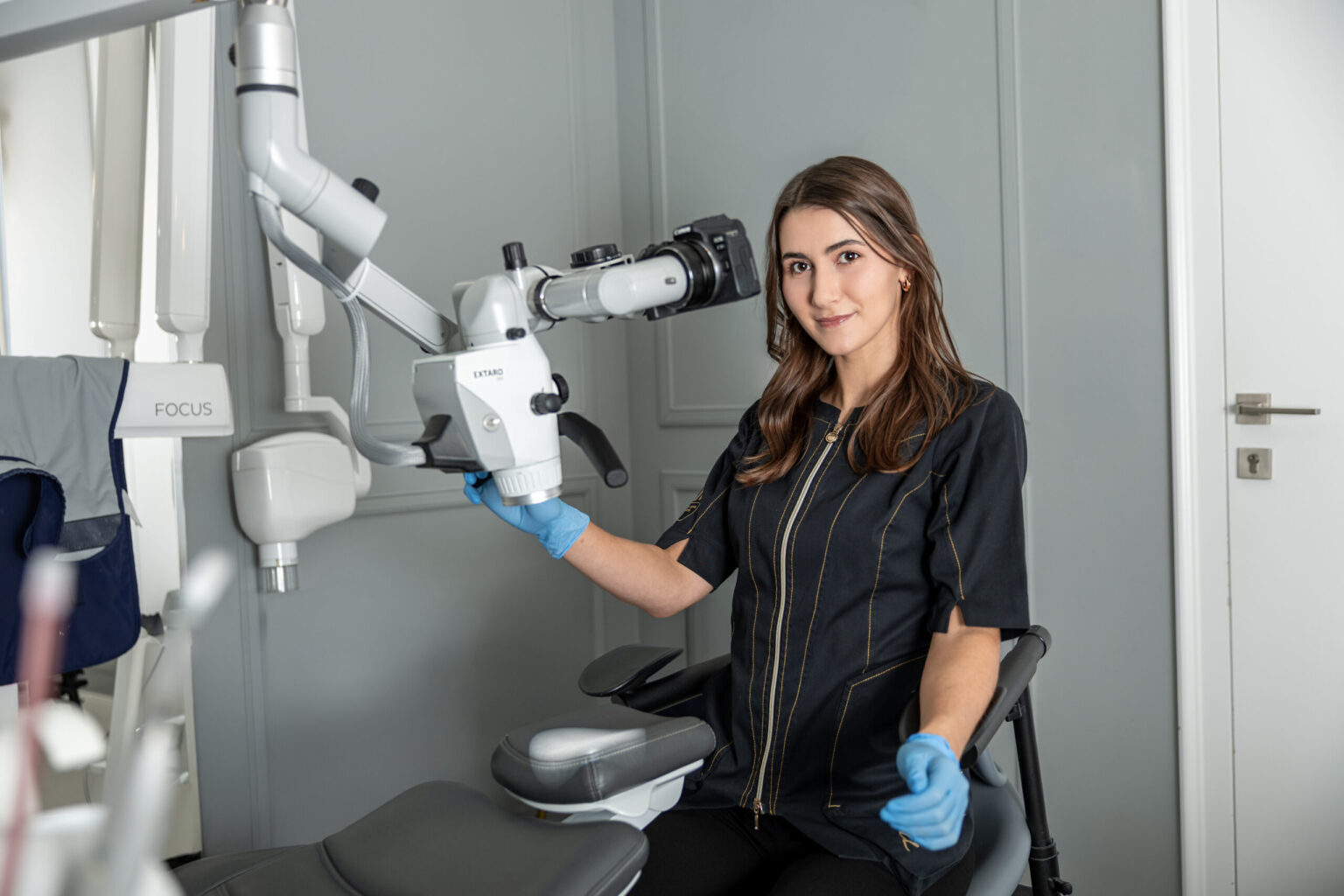
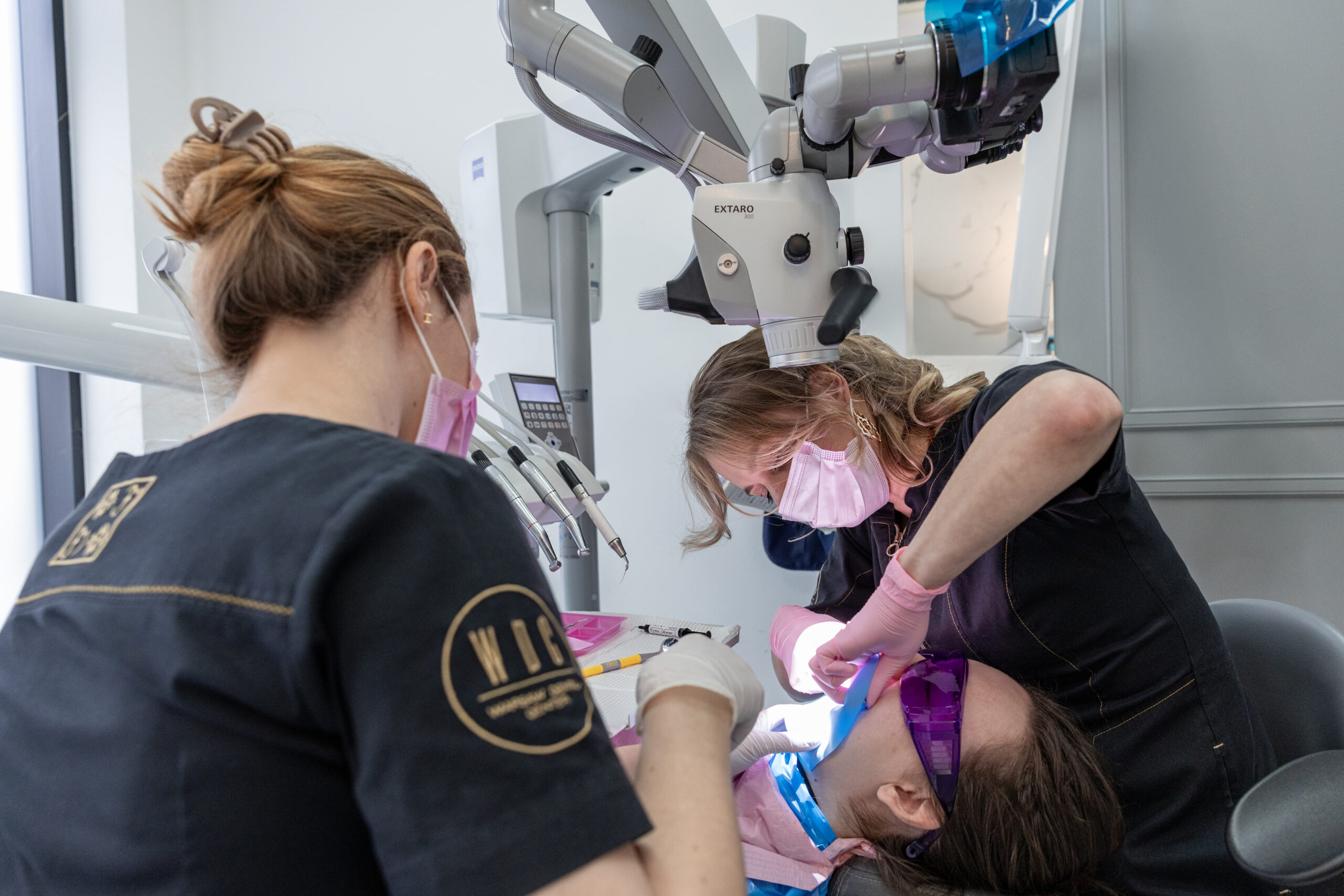
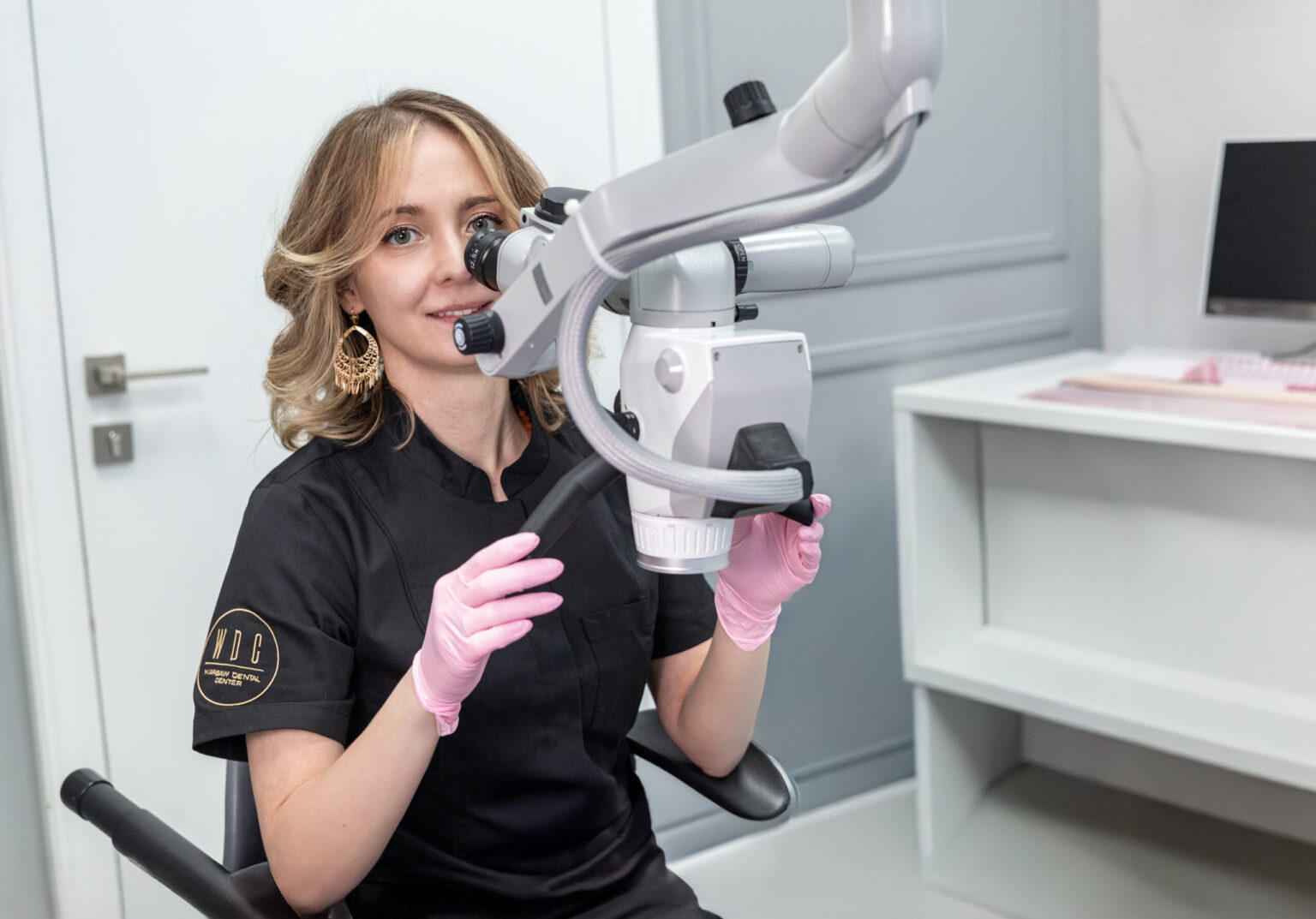
Led by Dr Urszula Leonczak, the Endodontic Center of Excellence at Warsaw Dental Center was created to manage complex endodontic cases through one coordinated clinical pathway.

This Center brings together advanced endodontics, restorative dentistry, prosthodontics, orthodontic support, hygiene support, and laboratory coordination so treatment decisions are made around one goal: preserving the patient’s natural tooth whenever it is clinically responsible and safe.

For referring doctors, this means clear diagnosis, consistent communication, and accountable clinical follow through. For patients, it means calm, specialist led care with a serious commitment to precision, transparency, and long term protection of the tooth.

Clinical lead

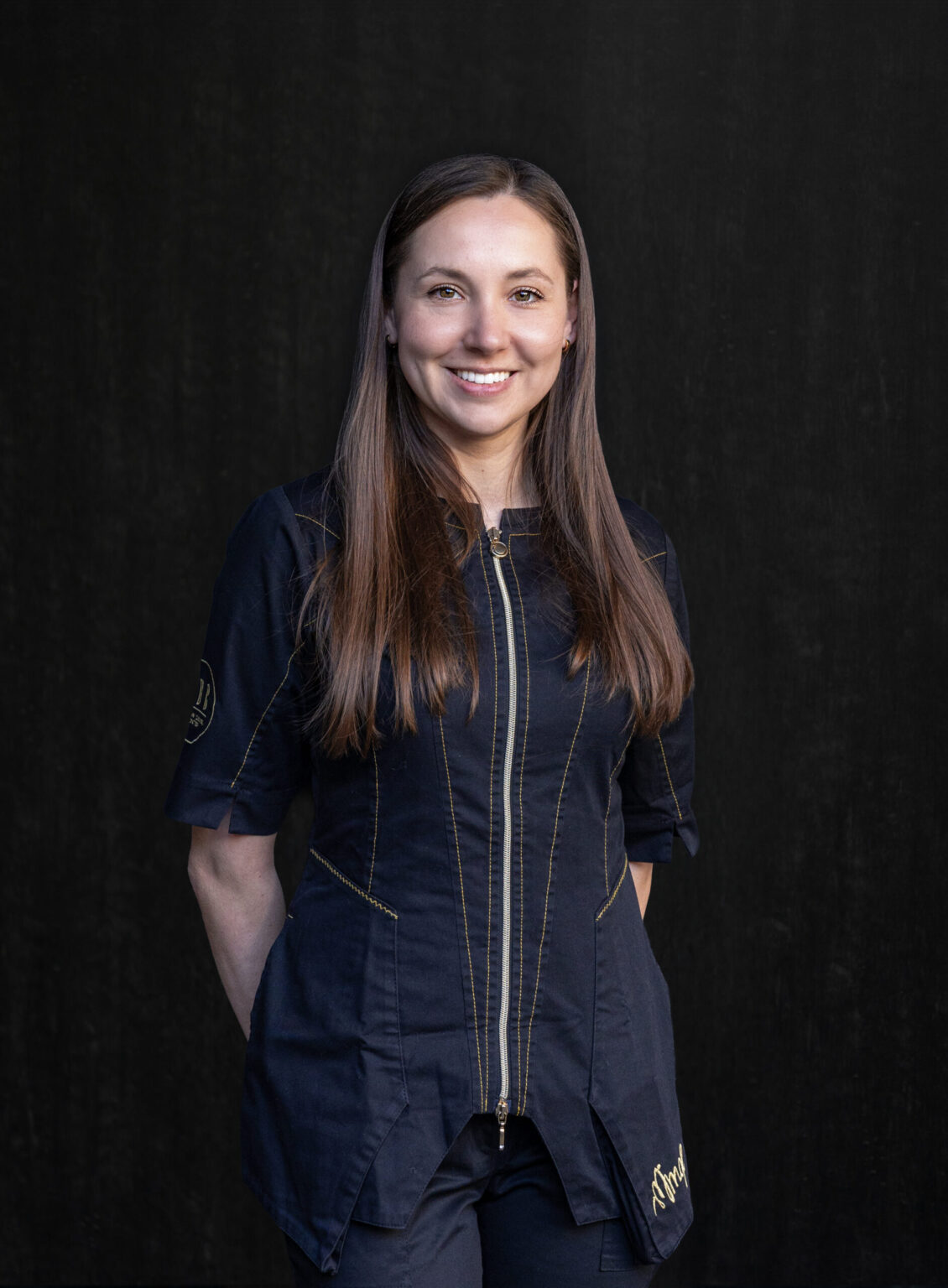
Dr Urszula Leonczak

Complex endodontics, retreatment, second opinions before extraction, microscope assisted tooth preservation.

Center model

Multidisciplinary

Endodontic, restorative, prosthodontic, orthodontic, hygiene, and lab coordination aligned around one treatment pathway.

Built for

Referrals, Patients, Education

A flagship page for referring dentists, patients seeking to save a tooth, and education through DentalWings.

Clinical Leadership and Multidisciplinary Team

One center, one shared objective

Warsaw Dental Center follows a deliberately multidisciplinary model of care focused on the patient rather than individual ego. The Center is built around coordinated judgment, where each specialist contributes to the same objective: saving the patient’s tooth when possible and providing the best possible service at every stage.

Clinical lead

Dr Urszula Leonczak

Endodontics

Endodontic team

Dr Zuzanna Jończyk

Endodontics

Orthodontic support

Dr Aleksandra Marcula

Orthodontics

Restorative and esthetic support

Dr Natalia Rogulska

Esthetic and Restorative Dentistry

Prosthodontic support

Dr Aleksandra Kostrz

Prosthodontics

Why the Center Exists
Complex endodontic cases often require more than successful root canal treatment alone

Long term success may depend on whether the tooth is restorable, whether the bite is stable, whether the final seal can be protected, whether tissue support is adequate, and whether restorative reconstruction is planned early enough.

We created the Endodontic Center of Excellence to bring those decisions into one accountable system. The Center is led by endodontics, but it is supported by restorative, prosthodontic, orthodontic, hygiene, and laboratory collaboration. This allows treatment decisions to be made around one question: what gives the patient the safest and most responsible chance to preserve the tooth and restore function well.

Our mission is clear. Save the natural tooth whenever it is clinically responsible and safe. If it is not, explain that honestly and guide the patient toward the best alternative without pressure.

A Multidisciplinary Model with One Shared Objective
Focused on the patient rather than individual ego

The Center is not built around isolated opinions or around one clinician defending one preferred treatment style. It is built around coordinated judgment, where each specialist contributes to the same objective: saving the patient’s tooth when possible and providing the best possible service at every stage.

Endodontics leads diagnosis, infection control, retreatment strategy, microsurgical judgment, and prognosis assessment. Restorative and esthetic dentistry help determine whether the tooth can be predictably rebuilt and sealed. Prosthodontics helps define long term reconstruction, occlusal stability, and durability. Orthodontic input supports cases where tooth position, spacing, or function affects the long term result. Hygiene, periodontal support, and laboratory coordination help protect the final outcome over time.

This model reduces fragmentation and gives both patients and referring dentists one coherent pathway instead of disconnected opinions.

For Referring Dentists and Clinics

A trusted referral pathway built on team based judgment

The Center is designed to support referring practices with specialist led diagnosis, microscope assisted treatment, and clear communication at every stage. Cases are evaluated through a multidisciplinary lens when needed, especially when restorability, reconstruction, occlusion, esthetics, or timing may influence prognosis.

Our role is not to take ownership of the patient relationship. Our role is to manage the endodontic and tooth preservation phase with clarity, precision, and accountability while respecting the referring doctor’s long term relationship with the patient.

Cases commonly referred to the Center

  • Retreatment after previous root canal treatment
  • Persistent symptoms after prior treatment
  • Complex canal anatomy, including additional canals
  • Calcified or obliterated canals
  • Separated instruments and bypass or retrieval planning
  • Perforation assessment and repair planning
  • Unclear diagnosis and complex pain assessment
  • CBCT based evaluation of anatomy or lesions
  • Endo perio lesions requiring coordinated timing
  • Restorative constraints affecting isolation or sealing
  • Second opinions before extraction
  • Apicoectomy and endodontic microsurgery assessment

What referring doctors can expect

  • Careful diagnosis and prognosis assessment
  • Microscope assisted endodontic treatment when indicated
  • CBCT supported planning in complex cases
  • Clear staging and decision making before irreversible treatment
  • Consistent communication during treatment when requested
  • A concise clinical summary after treatment
  • Restorative recommendations and timing guidance
  • Respect for the referring doctor’s long term relationship with the patient

What to include in a referral

  • Tooth number
  • Primary concern and urgency
  • Symptoms and duration
  • Relevant medical notes
  • Existing radiographs or CBCT if available
  • Restorative plan or timing constraints
  • Preferred communication method for follow through
For Patients Seeking to Save a Tooth

If you have been told a tooth may need extraction, if a previous root canal has failed, or if you feel uncertain about the next step, this Center was built for exactly those situations

Our goal is not to pressure you into treatment. Our goal is to help you understand whether the tooth can be saved safely, what the prognosis looks like, and what the full treatment pathway would involve. We explain your options clearly before treatment begins so you can make a calm and informed decision.

Common reasons patients come to the Center

  • Persistent toothache or pain on biting
  • Lingering sensitivity to hot or cold
  • Swelling, drainage, gum boil, or bad taste
  • Deep decay close to the nerve
  • Tooth darkening after trauma
  • Symptoms after a previous root canal
  • A tooth recommended for extraction without a second opinion
  • Complex or hidden canals
  • Calcified canals
  • Infection visible on imaging
  • Need for retreatment or microsurgical assessment

What patients can expect

  • Calm communication and clear explanations
  • A realistic discussion of whether the tooth can be saved
  • A written treatment plan before irreversible steps
  • Careful pain control and calm pacing for anxious patients
  • Microscope assisted precision when treatment is indicated
  • A plan to protect the tooth after treatment so it is not left vulnerable

  • When needed, your case may be planned with input from endodontic, restorative, prosthodontic, orthodontic, hygiene, and laboratory perspectives so treatment is designed around what protects the tooth and serves you best in the long term.
What We Treat

Focused on saving natural teeth through microscopic endodontics, careful diagnosis, and coordinated long term planning

Microscopic root canal treatment
Root canal retreatment
Second opinions before extraction
Calcified and narrowed canals
Complex canal anatomy
Broken instrument management
Persistent apical infection
Endodontic microsurgery, including apicoectomy when indicated
Diagnosis of pain, lesions, and uncertain prognosis
Coordination of endodontics with periodontal, restorative, and prosthodontic care

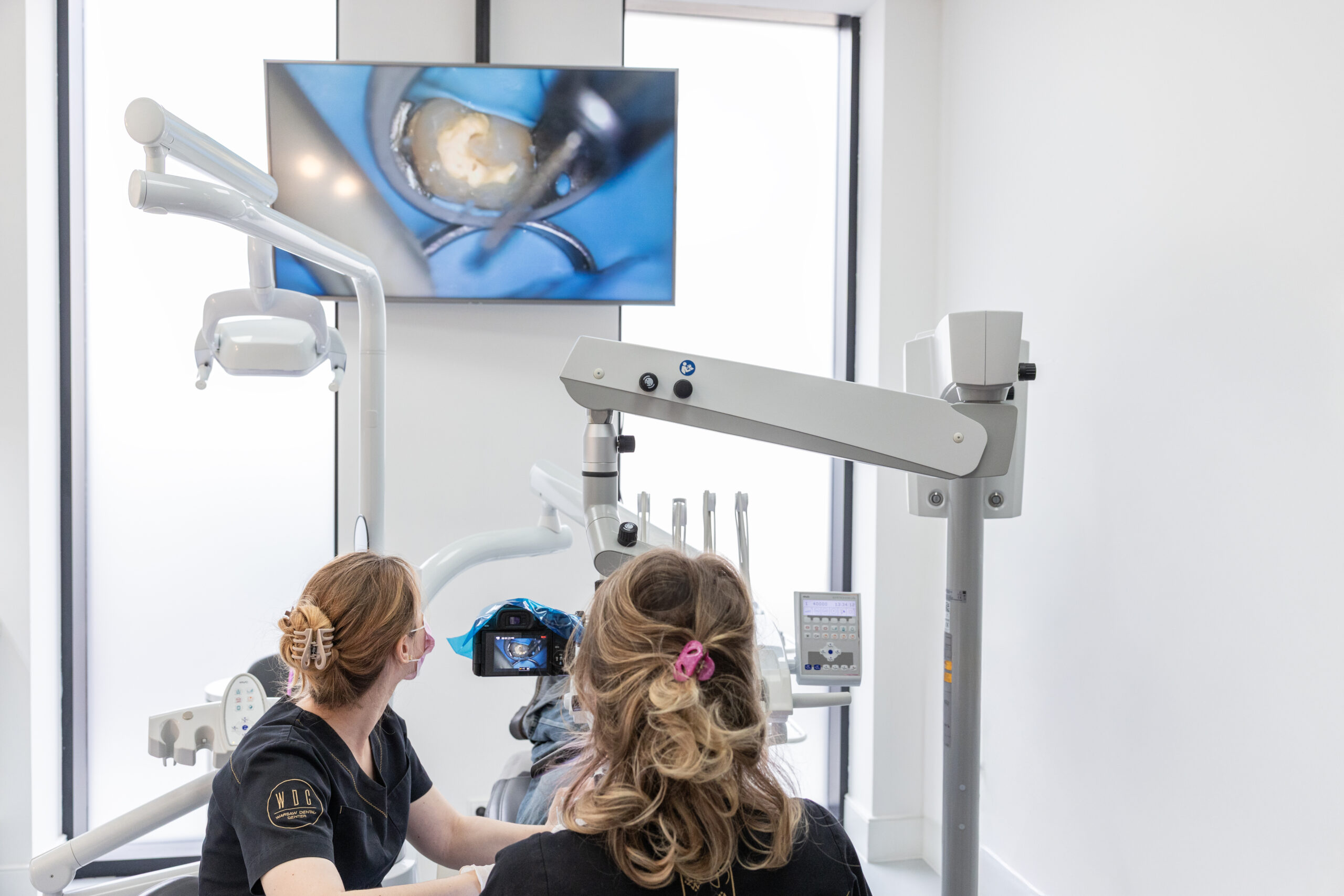
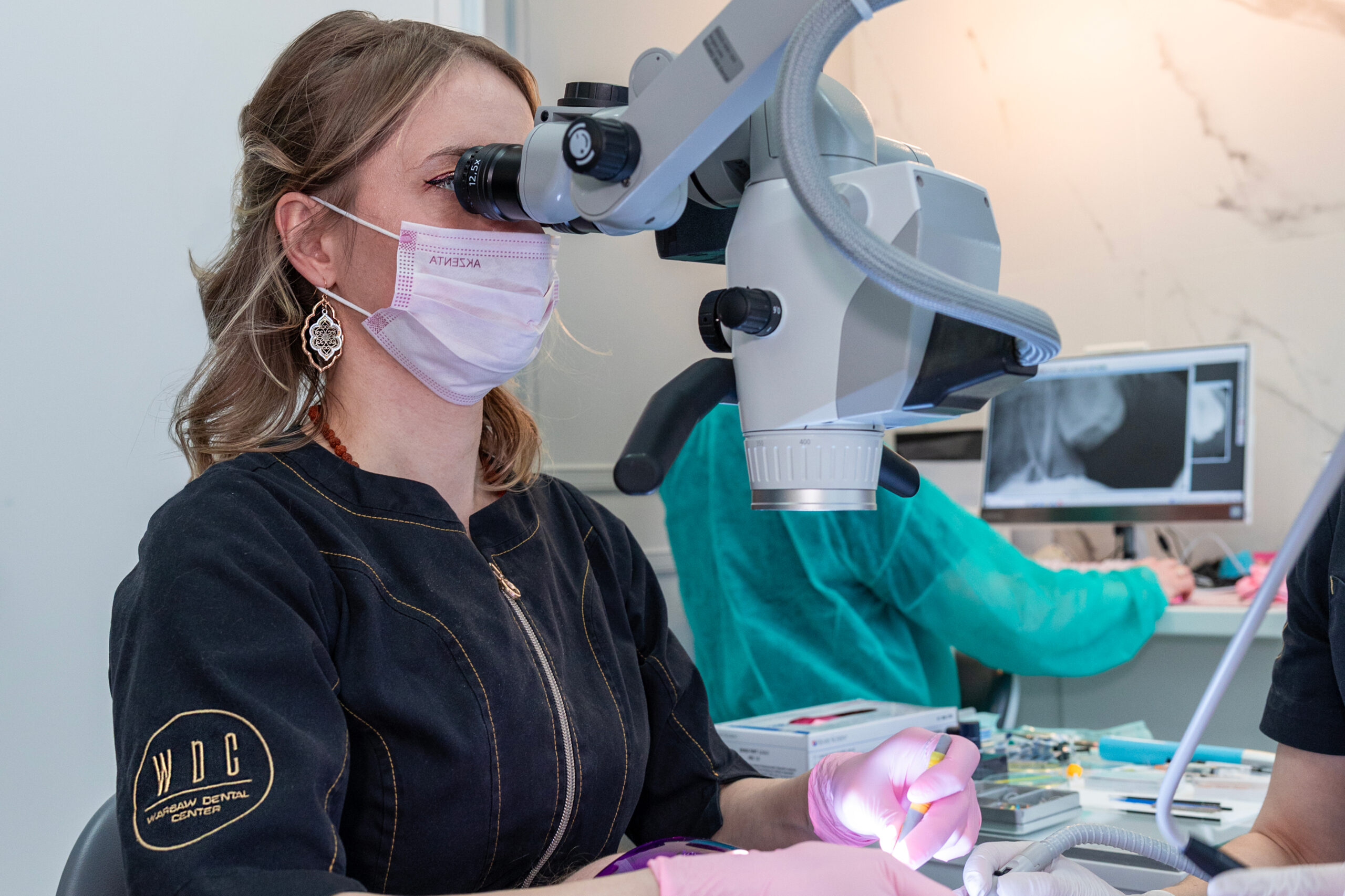
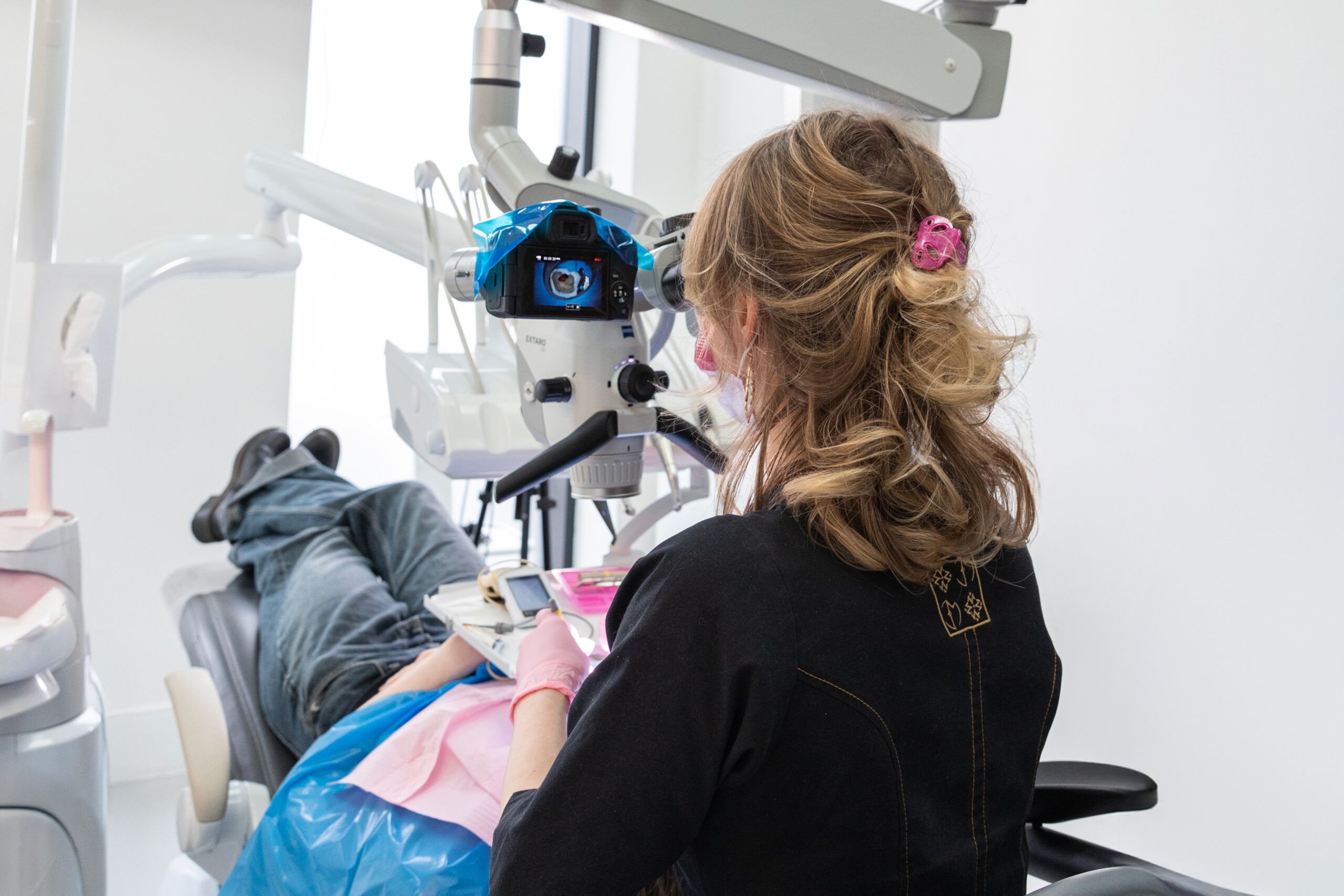
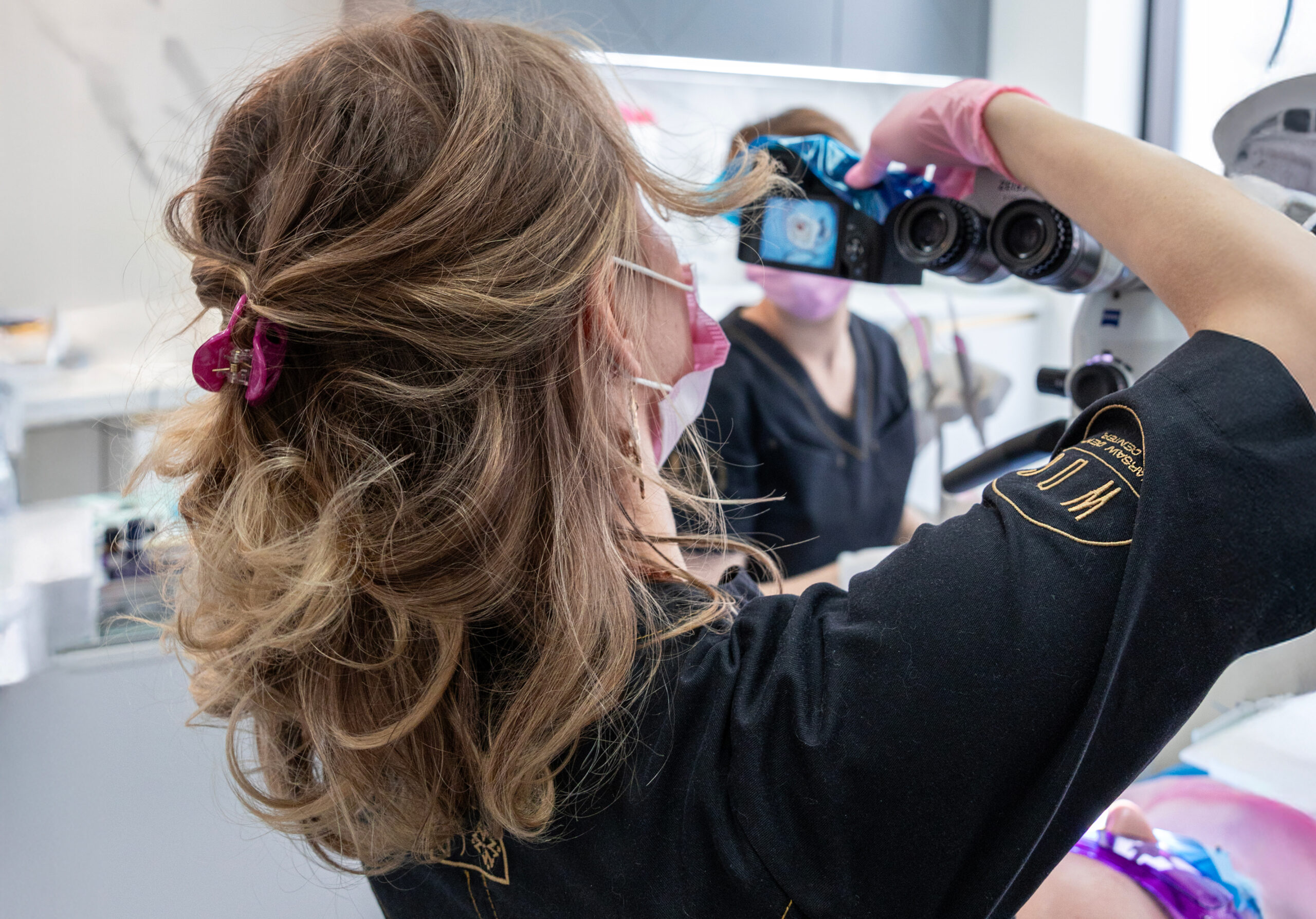
When clinically indicated, CBCT supports three dimensional assessment of anatomy, lesions, and treatment planning. Microscopic magnification supports controlled, precise treatment in difficult cases.

Clinical Standards That Define the Center

Complex tooth preservation requires more than technical skill

It requires consistency, interdisciplinary timing, and a culture where the best clinical decision matters more than personal preference.


Diagnosis and planning

Endodontic precision

Isolation and infection control

Restorative and prosthodontic protection

Long term stability

How We Decide Whether a Tooth Can Be Saved

We do not promise to save every tooth, and we do not rush into irreversible decisions.

Every case is assessed carefully so the patient understands both the possibilities and the limits before treatment starts.

  • Restorability and durable sealing potential
  • Periodontal support and maintenance risk
  • Anatomy and ability to treat all canals safely
  • Infection profile, symptoms, and imaging findings
  • Structural risk, including cracks, fractures, occlusion, and parafunction
  • Timing and ability to protect the tooth promptly after treatment
  • Patient goals, comfort needs, and expectations
  • Overall long term risk benefit balance

If saving the tooth is realistic, we explain the pathway clearly. If it is not, we explain why and help the patient understand the safest alternative.

Why Restorative Protection Matters

A root canal is only as reliable as the seal and protection above it.

When a treated tooth remains with a temporary restoration for too long, it can become vulnerable to leakage, reinfection, and structural failure.
That is why restorative protection is planned early in the process rather than treated as an afterthought. In complex cases, success depends not only on controlling infection, but also on what happens next.

  • Faster progression from treatment to final protection when clinically appropriate
  • Closer collaboration between clinician and technician
  • Better control of fit, function, and bite
  • Less time with a vulnerable temporary restoration
  • A clearer path from pain or infection to long term stability
REPRESENTATIVE CASE PATHWAYS

How diagnosis, endodontic treatment, restorative judgment, prosthodontic planning, and interdisciplinary coordination come together in real tooth preservation decisions

These cases are presented to show how the Center works as a system. In complex care, the best outcome often depends on the quality of the plan around the procedure, not just the procedure itself.

CASE 01

Referred pain and CBCT diagnostics

CLINICAL CHALLENGE

The patient experienced pain mimicking a failed endodontic treatment, requiring precise diagnostic tools to differentiate true endodontic pathology from referred pain.

TREATMENT

CBCT imaging and clinical expertise helped identify the true source of pain, preventing unnecessary extraction and guiding appropriate endodontic care.

OUTCOME

The correct diagnosis enabled successful treatment planning and patient reassurance, preserving the natural tooth.

CASE 02

Microscope‑assisted root canal rescue

CLINICAL CHALLENGE

A previously failed root canal treatment left the patient with unresolved symptoms, challenging the team to save the tooth.

TREATMENT

Using microscope‑assisted endodontics, the clinician located and treated missed anatomy to eliminate infection and restore function.

OUTCOME

The tooth was preserved and prepared for definitive restoration, avoiding extraction and improving prognosis.

CASE 03

Invasive cervical resorption management

CLINICAL CHALLENGE

A young patient presented with invasive cervical resorption threatening the structural integrity of the tooth and long‑term survival.

TREATMENT

Targeted endodontic and restorative strategies were combined to arrest resorption and reconstruct affected areas.

OUTCOME

The coordinated treatment approach preserved the natural tooth and restored aesthetics and function.

Education and Advanced Training

A broader teaching environment built around repeatable clinical standards, practical judgment, and interdisciplinary care

This educational dimension matters because it shows that the methods used in the Center are structured, teachable, and consistent across clinicians.

Education connected to the Center is delivered through DentalWings, the educational platform associated with Warsaw Dental Center. DentalWings publishes hands on training in Warsaw and publicly shows courses by Urszula Leończak and Natalia Rogulska.

Educational philosophy

The same mindset that defines the Center also shapes the educational philosophy behind it. Diagnosis before intervention, strict isolation, microscope based precision, restorative foresight, and respect for long term prognosis are taught as practical habits rather than abstract theory. The emphasis is on better decisions, better sequencing, and better long term outcomes.

Core educational perspectives within the Center
  • Endodontic perspective
    Led by Dr Urszula Leonczak, this includes modern endodontic diagnosis, retreatment judgment, microscopic workflow, case selection, and second opinion thinking before extraction.
  • Restorative and esthetic perspective
    Led by Dr Natalia Rogulska, this includes esthetic dentistry, conservative dentistry, difficult tooth reconstruction, microscope and rubber dam based treatment, and comprehensive treatment planning.
  • Prosthodontic perspective
    Supported by Dr Aleksandra Kostrz, this includes long term reconstruction strategy, implant based restorations where relevant, occlusal rebuilding, and prosthodontic planning that influences whether a tooth can be functionally and predictably maintained.
  • Orthodontic perspective
    Supported by Dr Aleksandra Marcula, this includes cases where orthodontic planning may affect function, spacing, or comprehensive care.
Education linked to the Center
  • Microscope based endodontic workflow
  • Root canal diagnosis, access, and treatment strategy
  • Retreatment planning and decision making
  • CBCT based assessment in complex anatomy
  • Rubber dam isolation and clinical control
  • Complex reconstruction of damaged teeth
  • Restorative planning around endodontically treated teeth
  • Prosthodontic thinking around long term stability and occlusion
  • Interdisciplinary treatment planning
  • Case documentation and communication standards
  • Custom tailored training based on real clinical challenges

Who this training is for
  • Dentists developing confidence in modern endodontics
  • Clinicians refining retreatment strategy and microscope workflow
  • Doctors seeking stronger restorative planning around endodontic cases
  • Dentists interested in advanced conservative and esthetic reconstruction
  • Practices interested in practical, clinic based skill development
  • Teams that want tailored training around specific procedural or workflow challenges

Explore
Human Support Matters

Technology defines our methods, but empathy defines the patient experience

Saving a tooth can feel stressful, especially when pain, uncertainty, or a previous difficult experience is involved.

Our team guides patients through each step with calm communication, clear planning, and practical support during healing.

What that means in practice
  • A clear explanation before treatment begins
  • No pressure to proceed without understanding your options
  • Calm pacing and stop signals for anxious patients
  • Availability for questions during recovery
  • A sense of structure and reassurance at every stage
Frequently Asked Questions for Referring Dentists

Professional referral questions first

These questions reflect how the Center works in practice: as an endodontic led referral destination supported by multidisciplinary judgment when restorability, reconstruction, occlusion, esthetics, or timing affect prognosis.

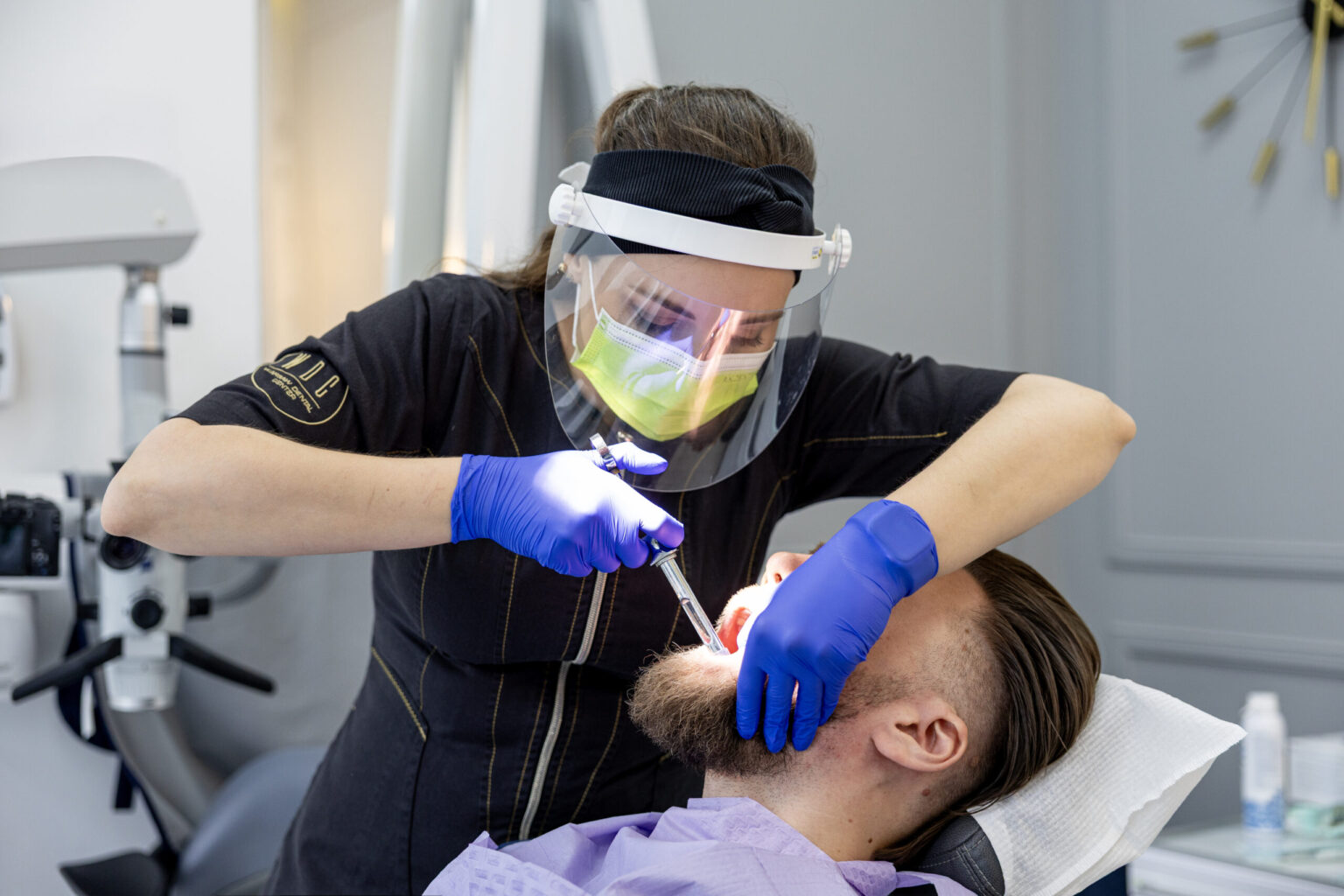
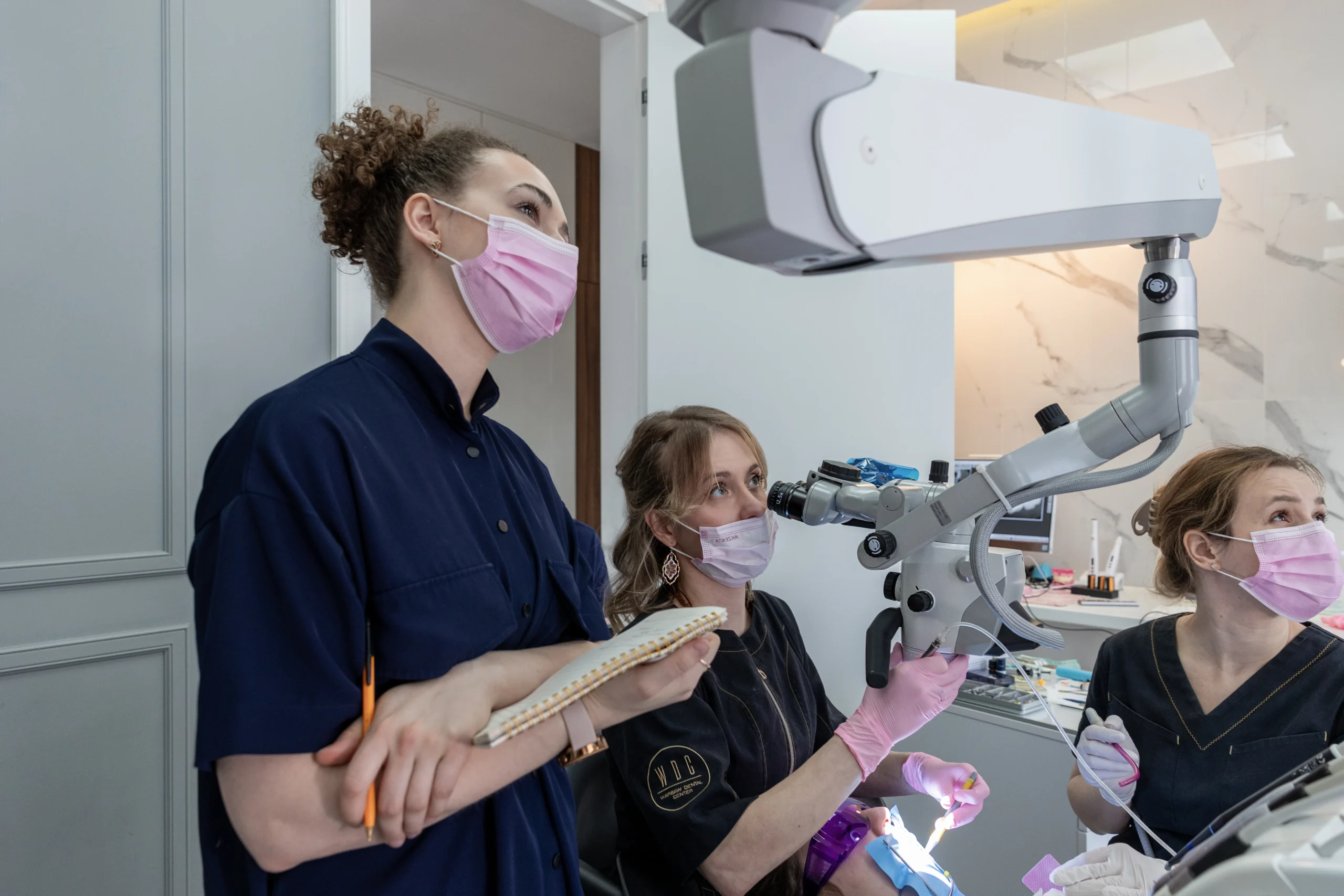
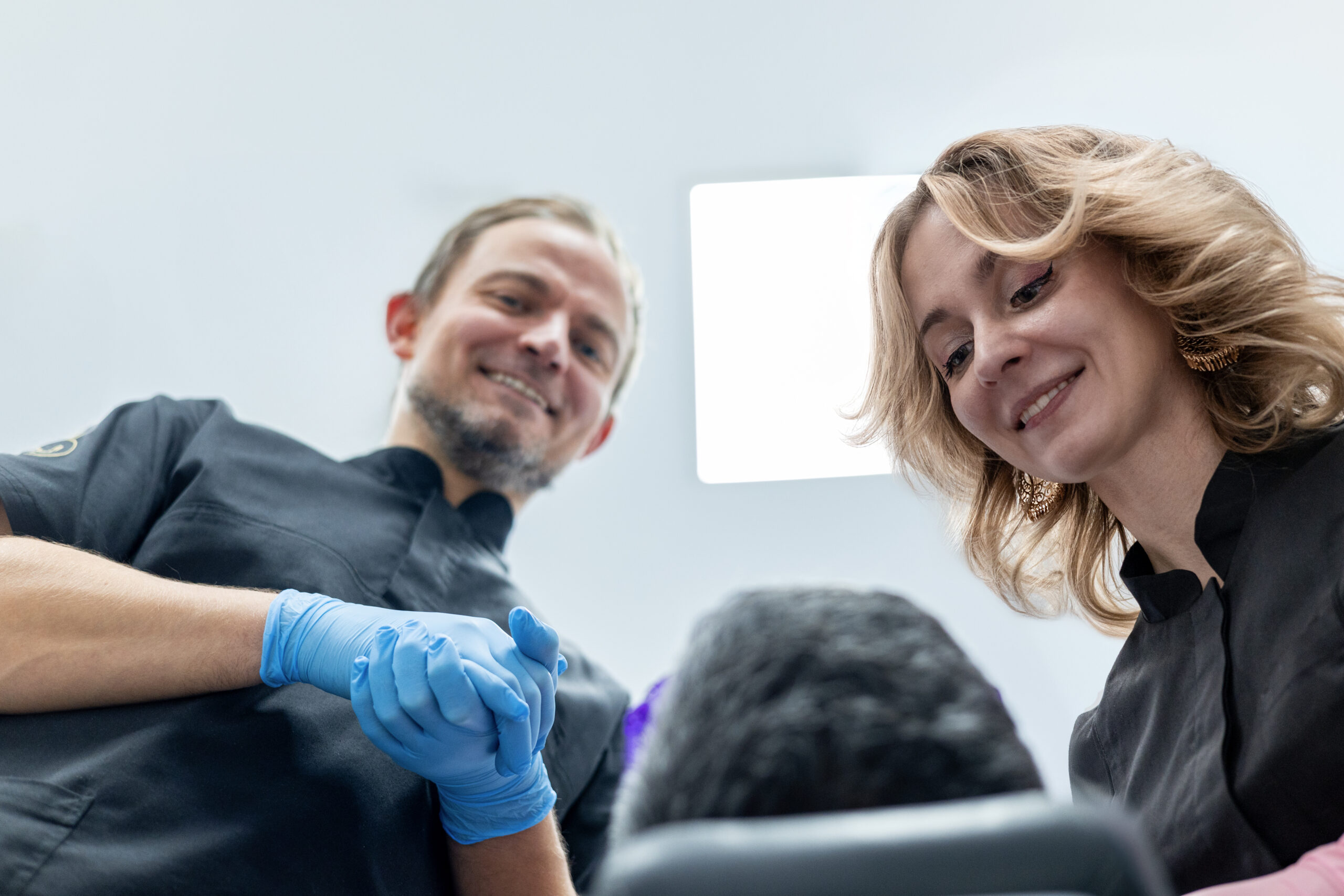
Dr. Urszula Leonczak and Dr. Bartosz Leonczak during patient care at Warsaw Dental Center in Warsaw

Frequently Asked Questions for Referring Dentists

What cases are best to refer to the Endodontic Center of Excellence? Arrow

The Center is designed for retreatment, complex anatomy, calcified canals, separated instruments, unclear diagnosis, endo perio coordination, microsurgical assessment, and second opinions before extraction.

Can you provide a second opinion before treatment? Arrow

Yes. We regularly assess teeth that have been recommended for extraction or where the diagnosis, restorability, or safest pathway remains uncertain.

What information should I include in a referral? Arrow

Tooth number, symptoms, duration, urgency, relevant medical information, existing radiographs or CBCT, restorative timing, and preferred communication method are all helpful.

Do you accept urgent or pain referrals? Arrow

Yes, when clinically appropriate and scheduling allows. Urgency should be included clearly in the referral information.

Will you send a clinical summary back after treatment? Arrow

Yes. When requested, we provide a consistent summary of diagnosis, treatment performed, key findings, and restorative recommendations.

Will the patient return to my practice for restoration and follow up? Arrow

That depends on the agreed pathway. The Center is structured to support referring practices and coordinate clearly around the restorative phase.

How do you decide between retreatment and apicoectomy? Arrow

That decision depends on anatomy, prior treatment quality, restorability, symptoms, lesion characteristics, and whether orthograde retreatment is feasible and responsible.

Can you manage separated instruments, ledges, and calcified canals? Arrow

Yes. These are among the complex indications the Center was built to assess and manage.

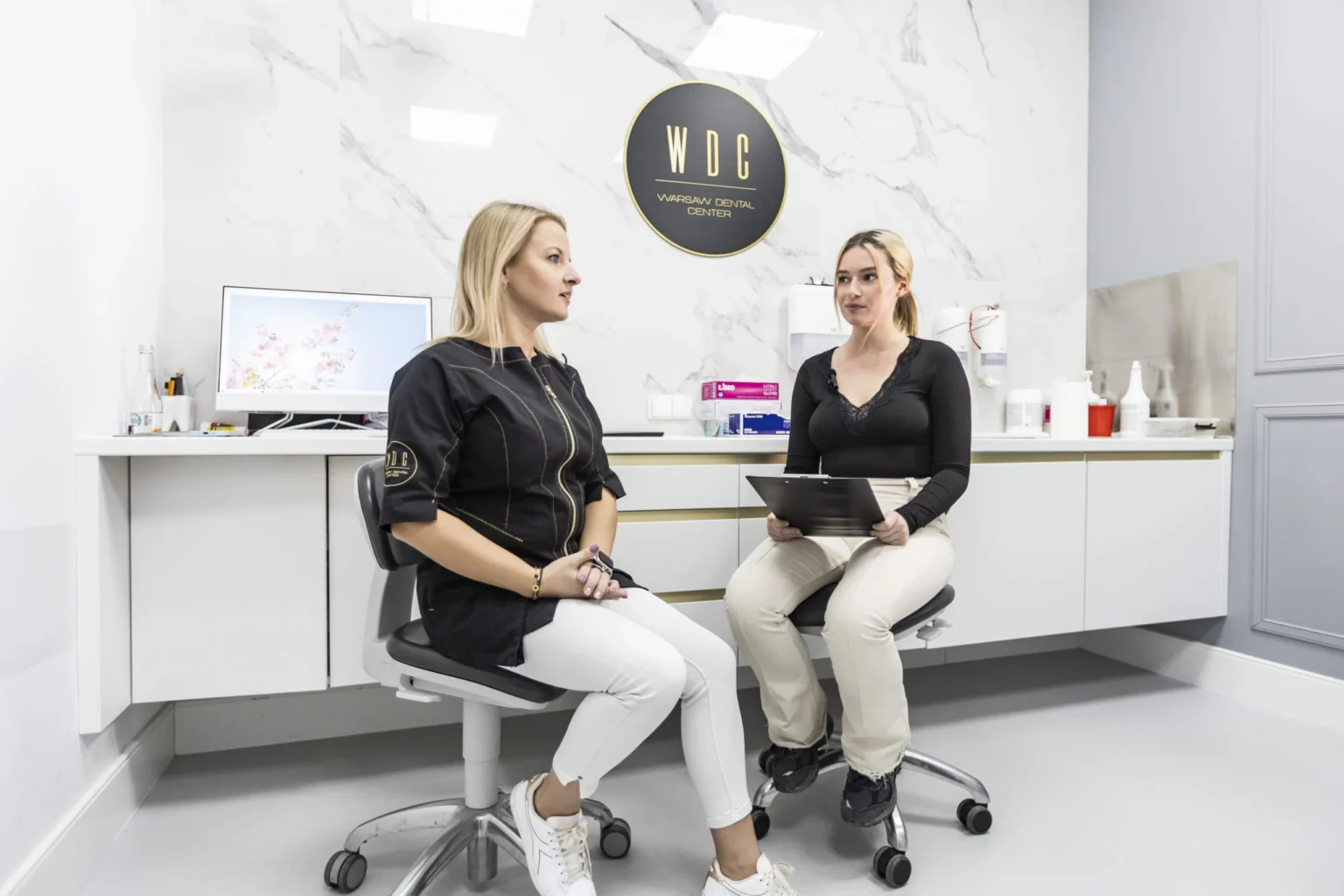
Endodontic consultation and treatment planning with Dr Urszula Leończak
Frequently Asked Questions for Patients

Clear answers for worried patients

Clear guidance for patients who want to understand their diagnosis, treatment options, comfort, and what happens next.

Is microscopic root canal treatment painful? Arrow

Our goal is to keep treatment as comfortable as possible through careful anesthesia, calm pacing, and precise technique. Many patients say the experience is easier than they expected.

Do I really need a CBCT scan? Arrow

Not every patient needs CBCT imaging, but it is extremely valuable in complex cases, retreatment, hidden anatomy, and surgical planning. It helps us make safer and more informed decisions.

My tooth stopped hurting. Do I still need treatment? Arrow

Pain can decrease even when infection or tissue damage remains. A proper diagnosis is the only reliable way to know whether treatment is still necessary.

Are antibiotics enough to treat a tooth infection? Arrow

Antibiotics may help control acute symptoms in selected situations, but they usually do not remove the source of infection inside the tooth. Treatment is often still needed.

Is it better to save the tooth or extract it? Arrow

When the natural tooth can be saved safely and restored predictably, preserving it is usually the preferred option. If that is not realistic, we explain why clearly and discuss alternatives.

Do I need a crown after root canal treatment? Arrow

Many teeth do require additional protection after endodontic treatment, especially when they are structurally weakened. The exact restorative plan depends on the tooth and the amount of remaining structure.

Can a failed root canal be saved? Arrow

In many cases, yes. Retreatment, microscope assisted management, or microsurgical options may still allow the tooth to be preserved.

What is apicoectomy and when is it needed? Arrow

Apicoectomy is a microsurgical procedure performed at the root end when conventional retreatment is not the best or safest solution. It is considered only after careful evaluation.

ENDODONTIC CENTER OF EXCELLENCE AT WARSAW DENTAL CENTER

A specialist pathway for complex endodontics, retreatment, second opinions before extraction, and long term tooth preservation in Warsaw

For patients, this means careful diagnosis, honest guidance, and a calm path forward. For referring doctors, it means trusted communication, specialist execution, and respect for the referring relationship. For the profession, it means standards that can be taught, repeated, and defended.

Сontact with
Warsaw Dental Center

Experience dental care that’s affordable, world-class, and truly welcoming.

+ 48 22 542 18 04

kontakt@warsawdentalcenter.pl

street Topiel 11, 00-342 Warsaw

Kind words
from our patients
Schedule
your first visit
at Warsaw Dental Center!
Site links
Follow us

Warsaw Dental Center Leończak Sp.k.

NIP: 1182180875

Referral Form

Make an appointment

Umów wizytę