

Effective root canal therapy at Warsaw Dental Center relies on seamless, interdisciplinary collaboration between general dentists and endodontist Dr. Urszula Leończak. This report emphasizes the synergy between high-end diagnostics, microscope-aided procedures, and final tooth restoration. By combining 3D CBCT (Computed Tomography) imaging with high-magnification endodontics, we ensure maximum preservation of natural teeth and predictable long-term clinical outcomes for patients seeking specialist dental care in Poland. Introduction: Modern Endodontics is a Team Sport Dr. Urszula Leończak emphasizes that successful microscope root canal treatment depends on close cooperation between the general dentist, the prosthodontist, and the endodontic specialist. This interdisciplinary approach is crucial when patients search for solutions like “endodontist Warsaw” or “good root canal dentist.” Instead of suggesting tooth removal (extraction), we join forces to save natural dentition even in the most challenging cases. The Specialist’s Role: When is an Endodontist Needed? While the general dentist is responsible for overall diagnostics and conservative treatment, the endodontic specialist steps in for situations requiring the highest level of precision. Patients come to Warsaw Dental Center seeking: Endodontic Re-treatment (Reendo): When pain returns years after the initial treatment. Treatment under a microscope: To locate hidden canals (e.g., MB2). Saving a tooth after trauma: In emergency situations requiring immediate intervention. Thanks to advanced technology (Zeiss microscope, CBCT) and specialized expertise, Dr. Urszula Leończak serves as the final authority in preventing tooth loss. 3D Diagnostics and Digital Dentistry in Warsaw Patients often search for: “how long does a root canal take” or “does a root canal hurt.” Thanks to modern digital diagnostics (digital RVG, 3D CBCT tomography) and painless anesthesia, the process is both fast and comfortable. We perform chemo-mechanical canal preparation, which patients often refer to as “deep tooth cleaning.” The use of an electronic apex locator (endometer) guarantees precision down to the millimeter. Integrated Planning: From Canals to Restoration The key to longevity is not just the canal filling itself, but also the subsequent post-endodontic restoration. Our team collaborates on: Choosing between a composite filling, a prosthetic crown, or an onlay. Ensuring an airtight coronal seal, which prevents reinfection. This is exactly what people searching for “comprehensive dental treatment Warsaw” are looking for-a seamless path from pain to a beautiful smile. Patient Benefits Why Choose Us? As a referral clinic, we provide: A higher chance of saving the tooth: Where others see an extraction, we see a chance for treatment. Total safety: Working with a rubber dam (latex/non-latex isolation) is our gold standard. Transparent root canal costs: The patient knows the treatment plan and budget before the procedure begins. Literature: Abbott, P. V. (2004). Factors influencing the diagnosis and management of cracked teeth: a review. Australian Dental Journal. Siqueira, J. F., & Rôças, I. N. (2009). Clinical implications and microbiology of bacterial persistence after treatment procedures. Journal of Endodontics. Iqbal, M. K., & Kim, S. (2007). For teeth requiring endodontic treatment, what are the differences in outcomes of restored endodontically treated teeth compared to implants? Journal of Evidence-Based Dental Practice.

Modern Dentistry in Warsaw: What Truly Changes Patient Care in 2026?
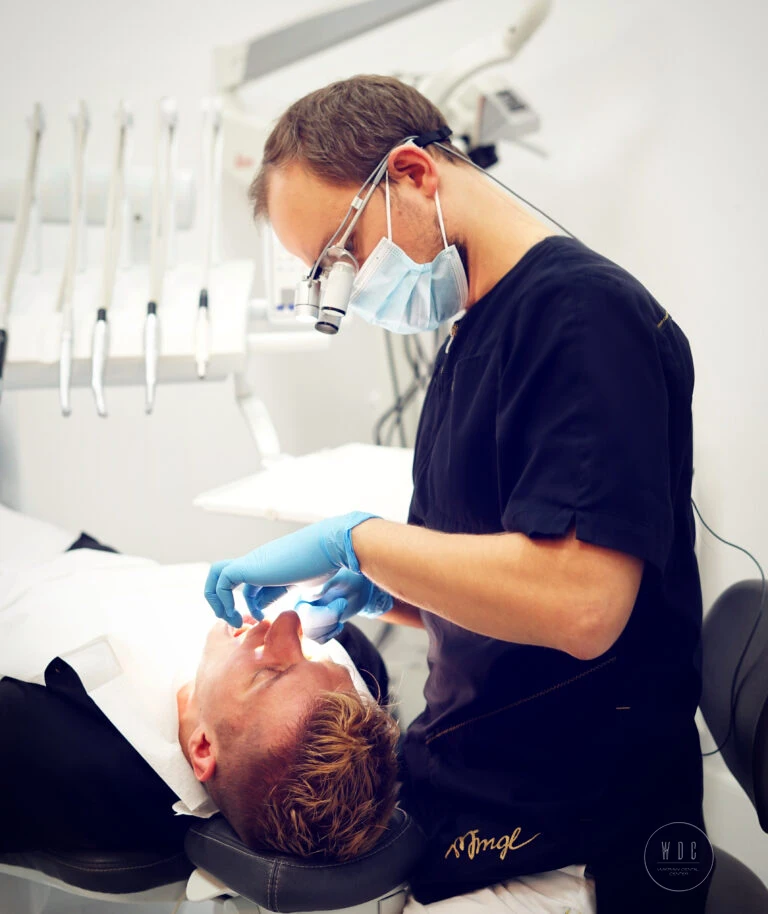
Modern dentistry today is far more than treating tooth pain or improving the appearance of a smile. In 2026, the focus has clearly shifted toward precision, predictability, and patient comfort, rather than the procedure alone. As a dentist and Medical Director of Warsaw Dental Center, I observe how significantly patients’ needs and expectations have evolved, especially in large cities such as Warsaw. Patients are looking for treatment that is not only effective, but also calm, well planned, and tailored to their lifestyle. So what truly has the greatest impact on the quality of dental care today? 🔬 Precise Diagnostics Instead of Guesswork One of the most important changes in recent years is the approach to diagnostics. In modern dentistry, treatment begins long before a tooth is touched. CBCT scans, digital imaging, intraoral scanners, and photographic documentation allow for a precise assessment of the clinical situation and treatment planning without surprises. For patients, this means: greater safety, fewer complications, a more predictable final outcome. 🔍 Dental Microscope as a Standard, Not a Luxury Just a few years ago, a dental microscope was considered specialist equipment. Today, in endodontics, surgery, and precise restorative dentistry, it has become a standard of modern dental care. Working under magnification allows dentists to: preserve more healthy tissue, clean root canals more accurately, improve the durability of treatment, reduce the risk of repeat procedures. This is a real improvement in quality that patients increasingly notice and appreciate. 🧠 Planned Treatment Instead of “Immediate Fixes” Contemporary dentistry is moving away from the “here and now” approach toward comprehensive treatment planning. More and more often, patients do not come in with just one problem, but with the goal of organizing their oral health for years to come. A treatment plan takes into account: the health of teeth and gums, bite function, smile aesthetics, a treatment pace adapted to the patient. This approach avoids chaos and gives patients a sense of control and peace of mind. 🦷 Patient Comfort Comes First A modern dental clinic is not only about technology, but also about atmosphere and the relationship with the patient. In 2026, dental treatment should be: painless, clearly explained, carried out at a calm, comfortable pace. We place increasing importance on communication, empathy, and understanding patients’ concerns. This is especially important for those who have avoided dental visits for years due to fear or negative past experiences. ⏱ Treatment Adapted to Life in a Big City Warsaw is a city with a fast-paced lifestyle. Patients expect solutions that save time without compromising treatment quality. Modern technologies now make it possible to: reduce the number of visits, combine treatment stages, plan appointments with precision. As a result, dental care no longer conflicts with work, travel, or everyday responsibilities. 🏥 What Defines a Modern Dental Clinic? In 2026, a modern dental clinic is a place where: doctors work as a team in an interdisciplinary way, decisions are based on diagnostics, not haste, the patient is a partner in the treatment process, quality and ethics matter more than quick results. This approach builds long-term trust and a genuine sense of safety. Conclusion Modern dentistry in Warsaw today is a combination of technology, knowledge, and empathy. It is treatment that is carefully planned, precise, and focused on the person, not just the tooth. In 2026, the greatest change is not a single device or method, but a holistic approach to patient care. If you are looking for dental care that combines modern solutions with an individual approach, it is worth paying attention to how a clinic plans treatment, communicates with patients, and takes care of details. With care for our patients’ health,Medical Director, Dentist, MSc Urszula LeończakWarsaw Dental Center
Luxury Dental Clinic in Warsaw : Premium Dental Care for Discerning Patients
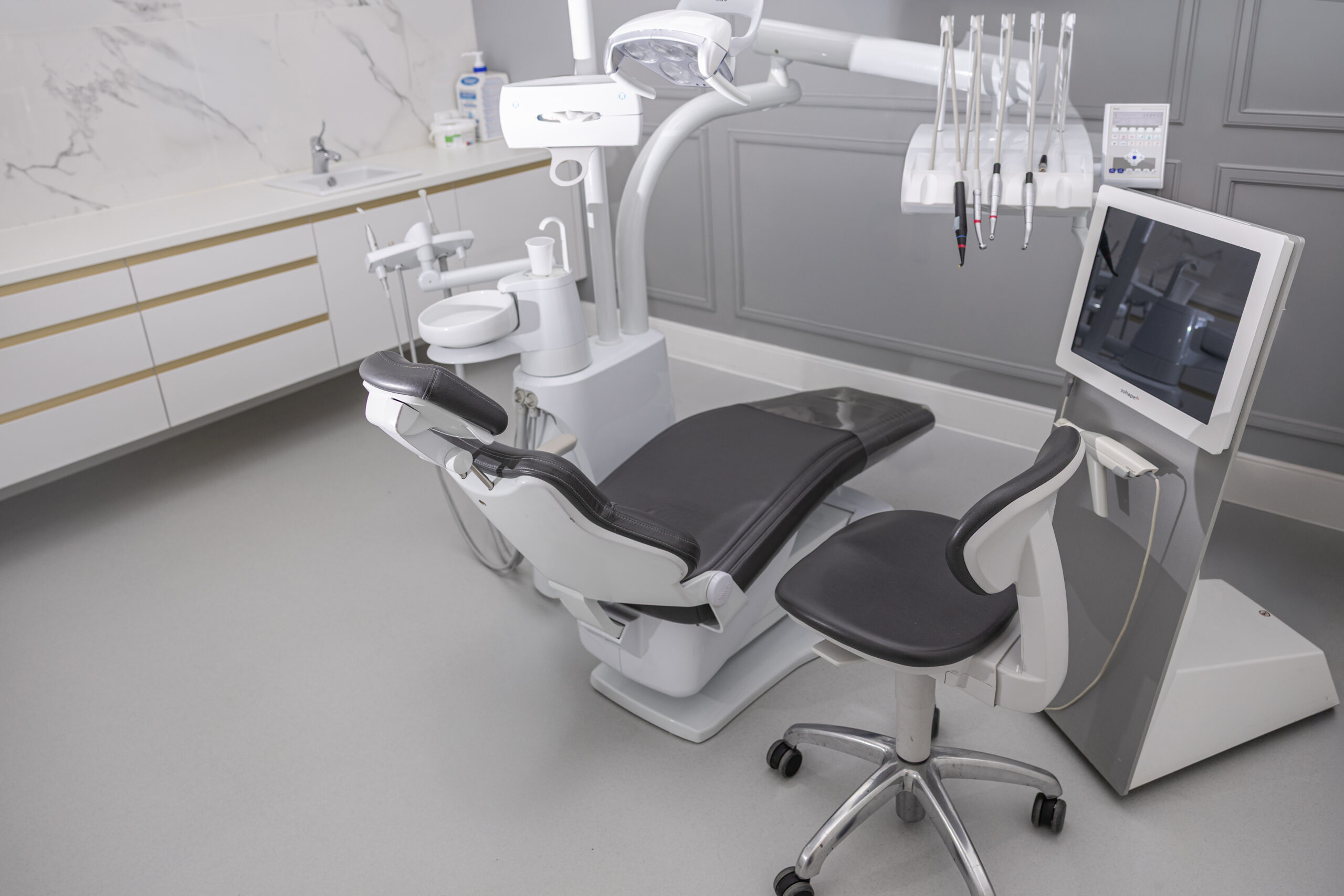
Choosing the right dental clinic in Warsaw is crucial for maintaining a healthy and beautiful smile. Our luxury dental office offers the highest standard of dental services, state-of-the-art technology, and an exclusive patient experience. Why Choose Our Dental Clinic? 1. Experienced Specialists and Comprehensive Care Our team consists of highly skilled dentists specializing in various fields, ensuring top-quality dental treatments: ✔ Cosmetic Dentistry – professional teeth whitening, bonding, and veneers ✔ Dental Implants – permanent and aesthetic solutions for missing teeth ✔ Orthodontics – modern Invisalign treatment for discreet teeth straightening ✔ Microscopic Endodontics – precise and painless root canal treatment ✔ Preventive Dentistry – professional dental hygiene and scaling 2. Cutting-Edge Technology and Premium Materials We use state-of-the-art dental technology to provide painless, effective, and long-lasting treatments. Our materials are of the highest quality, ensuring durability and a natural appearance for fillings, crowns, and veneers. 3. Personalized Approach and Patient Comfort Your comfort is our priority. We create a stress-free environment, offering: ✅ Painless dentistry techniques ✅ Sedation options for anxious patients ✅ A relaxing atmosphere with premium interiors and attentive care 4. Prime Location in the Heart of Warsaw Our exclusive dental clinic is located in a prestigious area of Warsaw, offering convenient access and flexible appointment scheduling to fit your busy lifestyle. Book an Appointment at the Best Dental Clinic in Warsaw! If you are looking for a premium dental experience, our clinic is the perfect choice. Contact us today and enjoy a healthy, radiant smile in a comfortable, high-end setting. 📞 Call us now! 📍 Location: Central Warsaw 🌐 Book your appointment online
Oligodontia – congenital absence of teeth
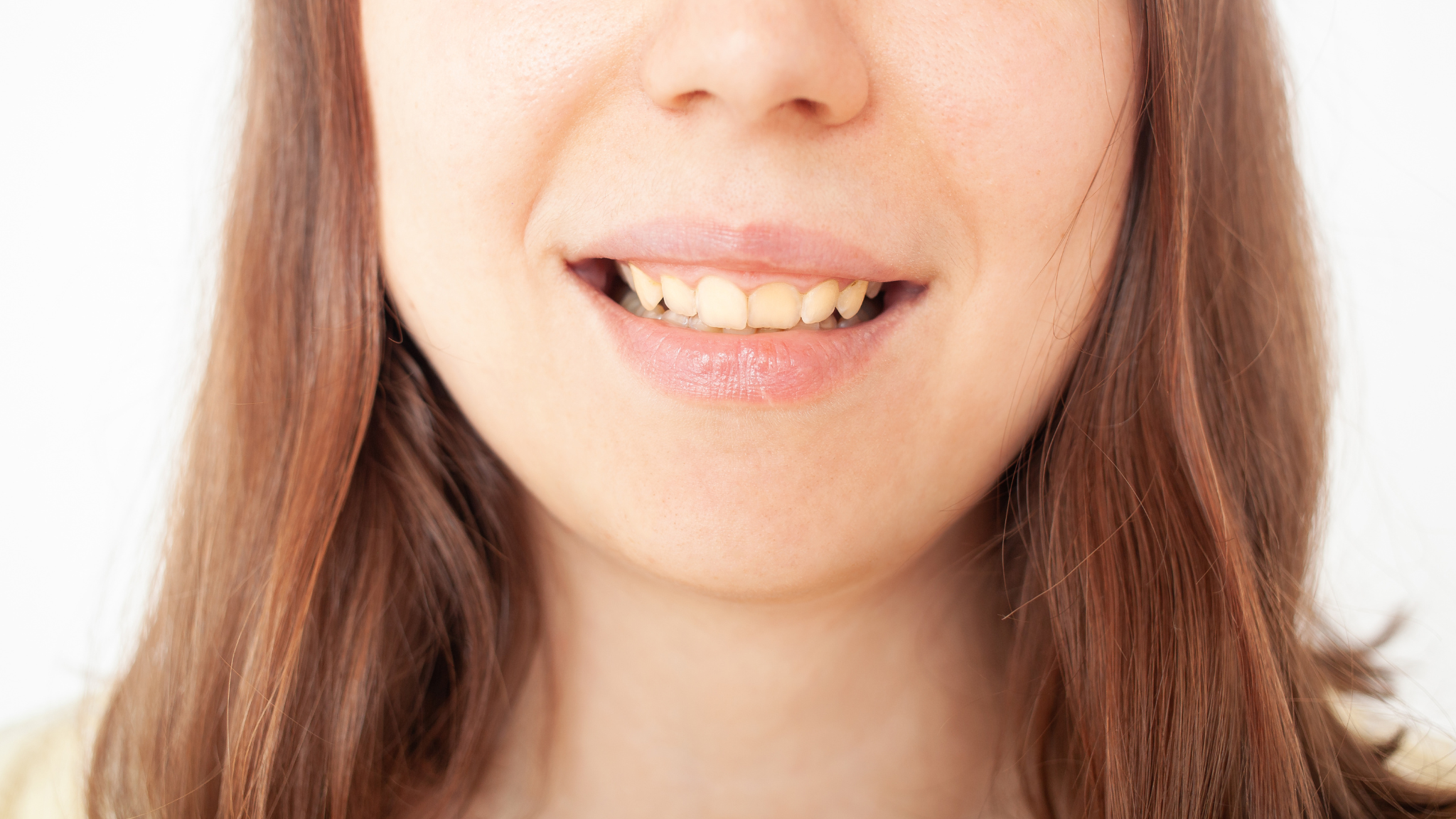
At our clinic, we treat patients with a variety of issues, both aesthetic and serious skeletal defects. One such condition is oligodontia—the congenital absence of at least six permanent teeth. Effective treatment of oligodontia requires a comprehensive interdisciplinary approach to ensure the best results for patients. Oligodontia – What is it? Oligodontia is a rare developmental disorder characterized by the congenital absence of six or more permanent teeth. If 1-5 teeth are missing, it is referred to as hypodontia, whereas the absence of all primary or permanent teeth is called anodontia. The lack of dental buds is the most common developmental dental anomaly, with a prevalence ranging from 0.3% in Israel to 17.5% in Lapland. Causes of Oligodontia Oligodontia and hypodontia can occur as isolated defects or as part of genetic syndromes. They are most commonly associated with ectodermal dysplasia—a rare disorder that also involves developmental anomalies of the hair, nails, and sweat glands. Studies in Norway have shown that 57% of individuals with oligodontia also have other developmental disorders. Symptoms and Diagnosis of Oligodontia In addition to missing teeth, oligodontia often involves other anomalies in the stomatognathic system, such as reduced jaw size, narrower alveolar ridges, or microdontic teeth. The causes of these conditions are usually gene mutations but can also include viral diseases during pregnancy or environmental factors. Diagnosis and Treatment of Oligodontia The diagnosis of oligodontia is based on radiographic images and clinical examination. Treatment requires an interdisciplinary approach, involving an orthodontist, prosthodontist, surgeon, and often a speech therapist, physiotherapist, and psychologist. Treatment Stages: Diagnosis: Detailed examination of occlusal conditions, including condylographic examination. Treatment Planning: Development of an orthodontic treatment plan to create conditions for future prosthetic reconstruction. Preparatory Procedures: Bone augmentation is often necessary due to challenging anatomical conditions. Prosthetic Restorations: Crowns on implants are most commonly used. For patients under 18, temporary solutions such as fixed or overlay dentures are used, provided there are no indications for earlier implantation. Orthognathic Surgery: Orthognathic surgery may be necessary in some cases. Patients can also choose orthodontic camouflage and dental compensation. Properly planned and executed compensatory treatment allows patients with oligodontia to achieve satisfactory permanent dentition, restoring normal chewing, biting, speaking functions, and aesthetics. Summary Oligodontia is a serious condition that requires comprehensive treatment and specialist collaboration. Thanks to modern diagnostic and therapeutic methods, effective management of this condition is possible, restoring full functionality and dental aesthetics to patients.
Panoramic photo of teeth – effective dental diagnostics
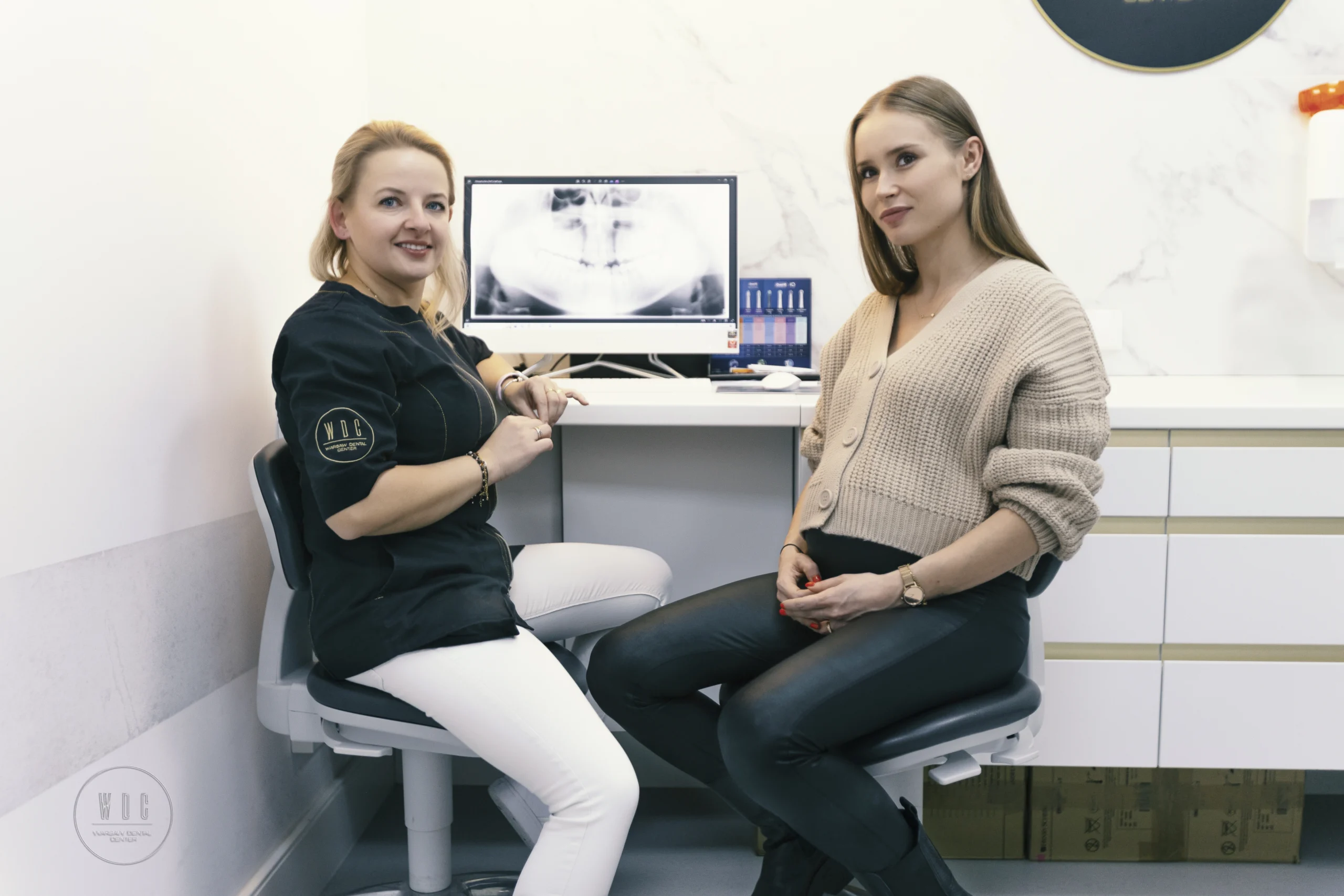
Dentist Aleksandra Kostrz discusses treatment with the patient about dental x-rays. Although an experienced dentist can detect many abnormalities using his eyes, he cannot see all the details. Therefore, to obtain greater certainty, it is recommended to perform a dental pantomography. This short and effective test allows you to detect even the smallest abnormalities, including the presence of cancer. Dental panoramic radiograph – for whom? A panoramic radiograph is a basic diagnostic test that is an important element of the patient’s medical documentation. Its aim is to quickly assess the condition of the teeth, periodontium, jaw bones, mandible, maxillary sinuses and temporal joints. They are performed using a device known as a pantomograph. This test detects diseases and problems invisible to the naked eye, such as: initial caries, impacted teeth, e.g. wisdom teeth, irregularities resulting from root canal treatment, cancer, cysts. A dental panoramic radiograph is also extremely useful in planning prosthetic treatment, such as dentures, crowns or bridges. Before starting orthodontic treatment, it is recommended to perform a panoramic radiograph, especially if the patient has unerupted wisdom teeth, which allows for appropriate preparation for their possible surgical removal. The course of the procedure of taking a panoramic X-ray The dental pantomography procedure takes several seconds and takes place in a separate room to prevent radiation from escaping. The patient is covered with a lead blanket, which, combined with a low dose of radiation, guarantees a high level of safety. No special preparations are required, such as the need to come on an empty stomach. Only movable elements, e.g. earrings, should be removed to avoid marks on the photo. The entire procedure is painless. During pantomography, the radiation-generating head moves simultaneously with the recorder, which allows obtaining a precise image of a specific part of the facial skeleton. The resulting image is then enlarged by approximately 15%.
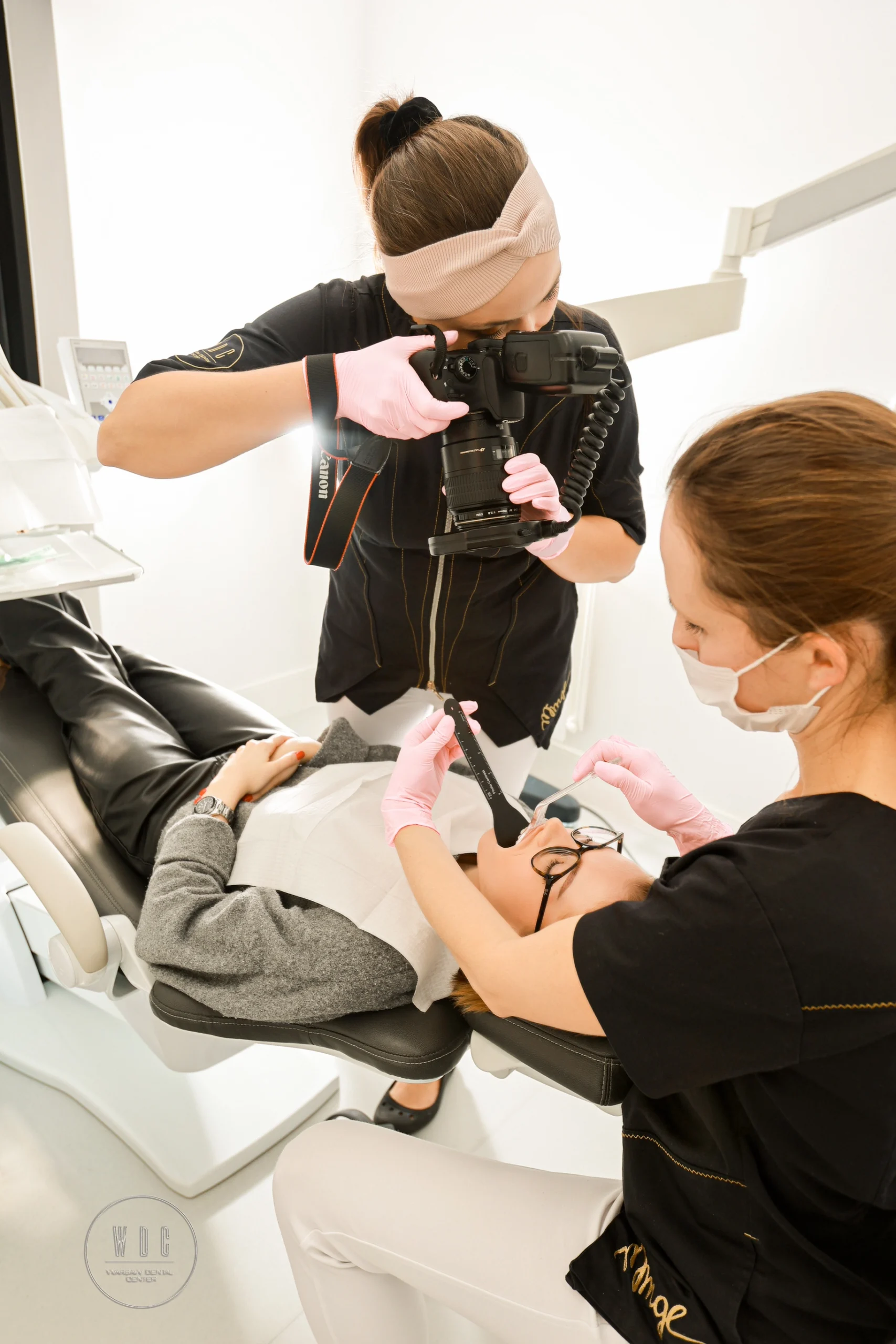
Benefits of using a camera in dentistry
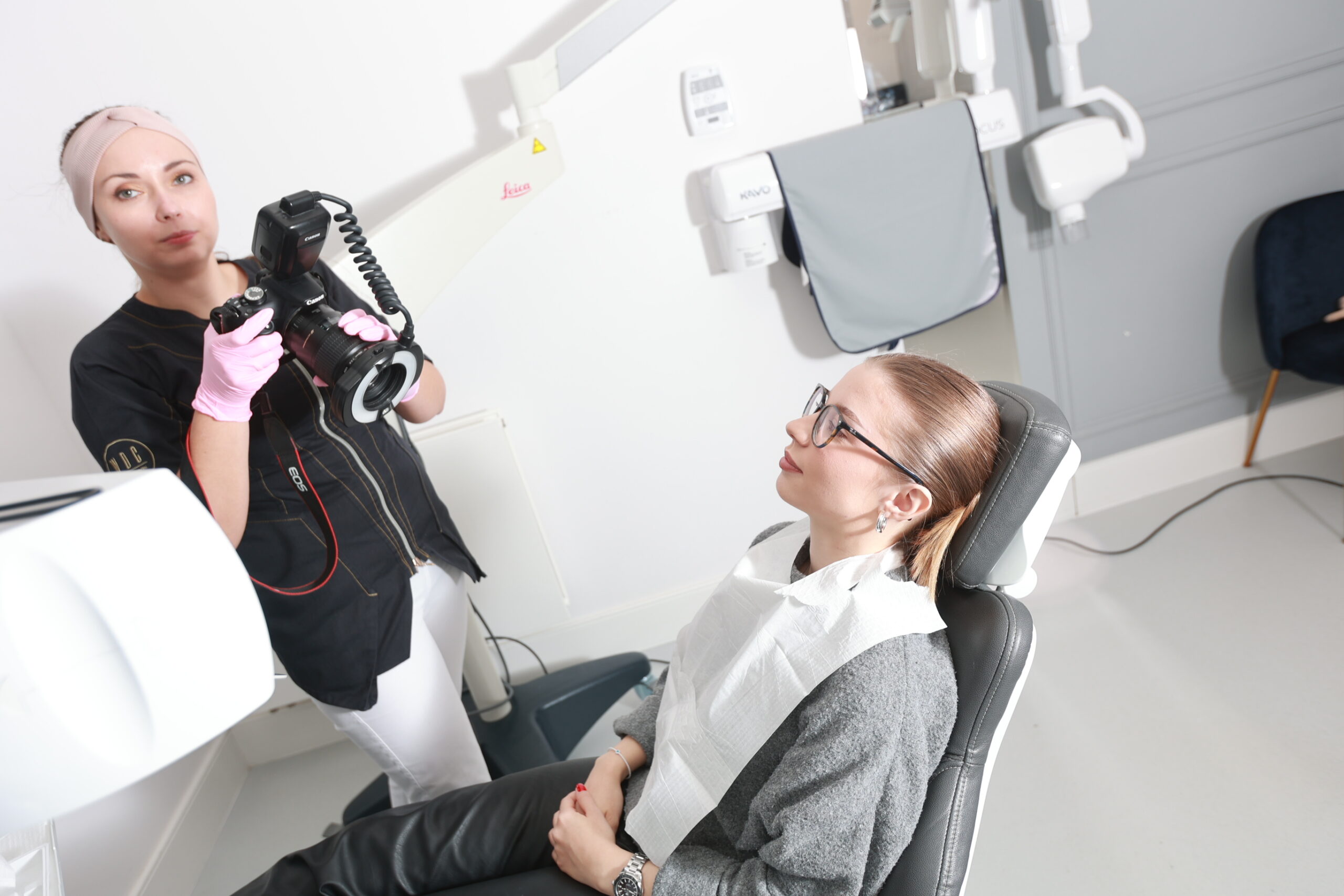
Dentist Natalia Rogulska takes a photo of the patient’s teeth Nowadays, cameras have become an indispensable tool in every modern dental clinic. Photographic documentation not only records the patient’s image, but opens the door to many benefits that can significantly improve the treatment process and communication with patients. Full photo protocol: The patient is always at your fingertips Taking a complete set of intraoral photos is a fundamental part of our practice. Thanks to this graphic document, we can return to the patient’s initial condition at any time. This is an invaluable value that allows us to closely monitor treatment progress and make more accurate therapeutic decisions. Collaboration and individual treatment plan Consultation with experts in various fields of dentistry is crucial to creating comprehensive and personalized treatment plans. Thanks to photographic documentation, we can collaborate more effectively, presenting case details and consulting with other specialists to determine the optimal therapeutic approach for the patient. Photos as an educational tool Photos can convey more than a thousand words. Photographs allow patients to better understand the current state of their oral health and the need for any changes. Often, what may be difficult to understand in conversation becomes clear and distinct in a photo. This is an excellent educational tool to help patients make more informed decisions about their treatment. Track your progress and be satisfied with your smile’s evolution Photos are also an excellent tool for assessing treatment progress. By comparing before and after photos, both doctor and patient can see the evolution and results of the therapy. Some smile transformations require time and systematic work, but the effects are extremely satisfying. Patients often forget what they looked like at the beginning of treatment, which makes the final visit an exciting and touching moment when they can compare their past and present smiles. The use of a camera in our dental practice is not only a documentation tool, but above all a communication and motivational tool for both us and our patients. Each photo is a step towards a more beautiful, healthier smile!
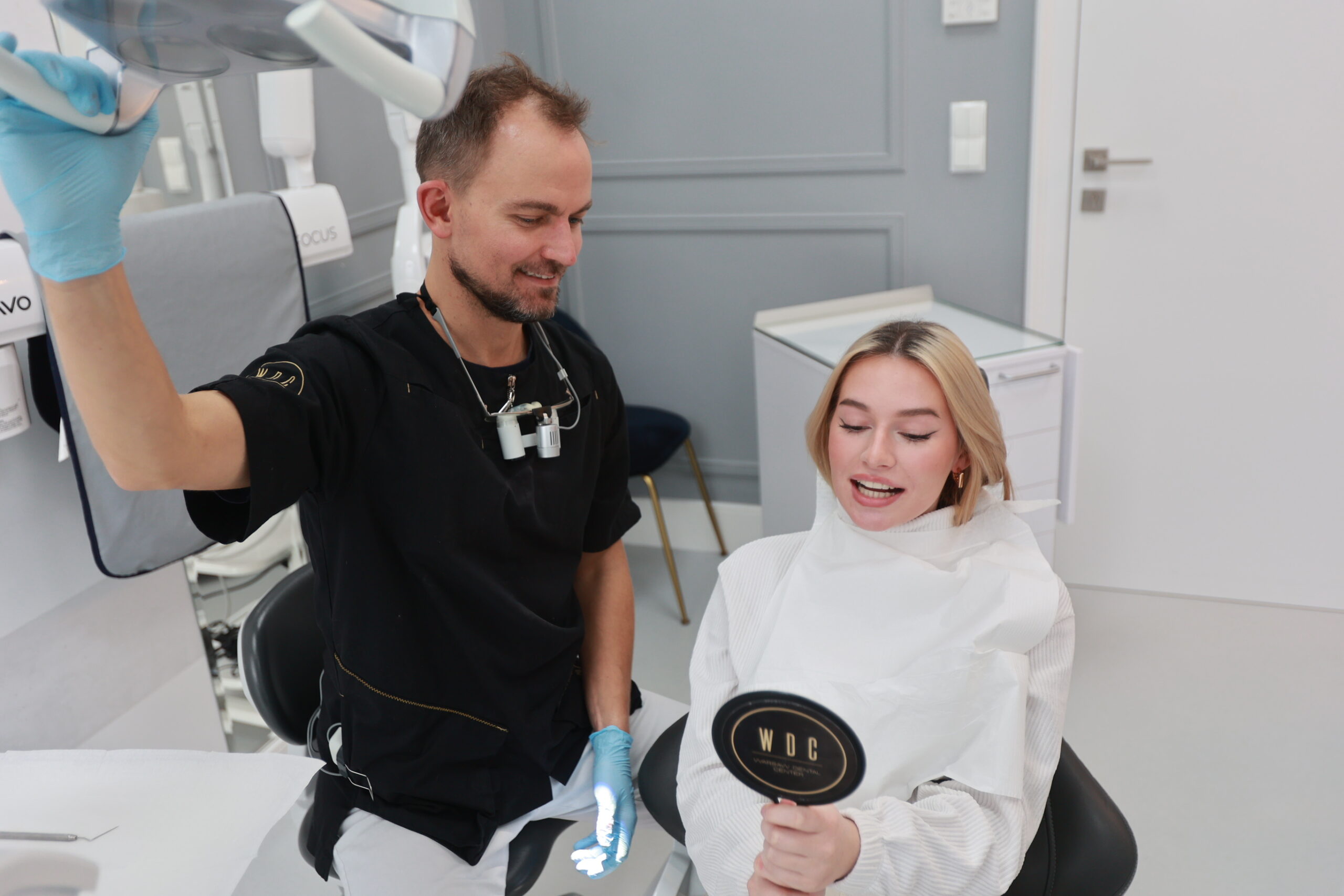
Why is it worth going to a prosthodontist?
Dr. Bartosz Leończak with the patient What is prosthetics? Prosthodontics is a recognized dental specialty that includes diagnosis, treatment planning, rehabilitation, and maintenance of oral function, comfort, appearance, and health in patients suffering from clinical conditions related to missing or damaged teeth and oral and maxillofacial tissues. Who is a prosthetist? A prosthodontist is a qualified dentist who has graduated from dental school and completed at least three years of specialized training on a CODA-accredited postgraduate program in prosthodontics. Their specialization includes the treatment and restoration of problematic dental and facial conditions, including the restoration of missing tooth and jaw structures. Prosthodontists have in-depth knowledge in the field of cosmetics, dental implants, crowns, bridges, dentures, as well as temporomandibular disorders (TMJ/TMD) and more. How does a prosthodontist differ from other dentists and dental specialists? The word “prostho” means “replacement” and “donta” refers to “dental treatment”. Prosthodontists are specialists who are considered experts when it comes to replacing any structure in the mouth. These may be single teeth, multiple teeth, or even all teeth and gums. Although other dentists may perform some of these procedures, prosthodontists are specialists who specialize in this type of care. Prosthodontists receive advanced training in tooth restoration and replacement. They are leaders in dental treatment planning and often lead teams of general dentists, other specialists and medical staff to deliver solutions appropriate to patient needs. Why is it worth choosing a prosthodontist? The choice of a prosthodontist is justified due to his advanced education, effectiveness and specialist knowledge combined with modern technology. Prosthodontists are extensively trained in the latest techniques and procedures for treating complex dental cases, restoring optimal function and aesthetics. Their rigorous training and experience gives them a unique understanding of the dynamics of smiling and maintaining a healthy mouth. Who is a dental technician? A dental laboratory technician is a qualified specialist who, based on designs and instructions provided by a prosthodontist, deals with the production of prosthetic restorations, crowns, bridges and dentures.
Medical interview – why is it so important?
A medical interview is part of the first visit to the dentist’s office. It is as important as an examination of the patient’s oral cavity or comprehensive photographic documentation and radiological diagnostics. During the conversation, the doctor can initially determine the patient’s habits, get acquainted with the disease history (possibly find out about chronic diseases that affect the treatment), determine whether and what medications he takes (concealing this information has negative consequences for the patient’s health). A properly collected interview enables making a preliminary diagnosis and proceeding to the next stages of treatment. Interestingly, the dentist often asks about the type of work performed, possibly mental problems, phobias or childhood traumas. Let’s always give true answers, because the level of our stress has a significant impact on e.g. tooth wear, dysfunctions in the temporomandibular joint, etc. Our eating habits are also important – the type of diet, the frequency of meals, etc. This information, in turn, can help prevent the development of tooth decay. A holistic approach to the patient is the basis of the WDC philosophy. After preparing the appropriate documentation, our team of specialists prepares a comprehensive treatment plan, which details all the necessary treatments that we need to perform. We invite you for a consultation at Warsaw Dental Center. Appointments can be booked: – by phone: 22 542 18 04 – by e-mail: kontakt@warsawdentalcenter.pl – or via social media See you at Topiel 11 in Warsaw!
Diagnostics at Warsaw Dental Center
Knowing the great importance of proper diagnostics, our dental specialists at Warsaw Dental Center undertake a comprehensive assessment of the dental condition of each patient on the first visit. Our diagnostic process includes several key steps: Interview with the patient: We start with a conversation with the patient, during which we learn about his daily hygiene habits, possible pain and symptoms that may indicate an incorrect bite. We also analyze the diet the patient eats. CBCT tomography: We use a modern and non-invasive CBCT tomography examination, which precisely images head structures such as the jaws, mandible, temporomandibular joints, facial skeleton and sinuses. Our technology minimizes radiation exposure, enables short examination times and archives the results for later analysis. Photographic documentation: We create accurate photographic documentation, which allows you to track the progress of treatment and precisely monitor changes. 3D tooth scanning: Thanks to 3D scanning, we obtain a detailed model of the patient’s teeth, which is irreplaceable when planning treatment. Detailed treatment plan: After thoroughly analyzing all data, we develop a comprehensive treatment plan using the latest dental achievements and the knowledge of our team. Based on our understanding of the patient’s situation, we consult internally to provide the most tailored solutions. We provide a professional and stress-free approach to dental treatment at Warsaw Dental Center. We would like to emphasize that for the comfort of patients, we also offer the option of treatment under anesthesia. We cordially invite you for consultations with our experienced specialists! Visits can be arranged: – By phone: 22 542 18 04 – By e-mail: kontakt@warsawdentalcenter.pl We will make every effort to provide you with a healthy and beautiful smile, using our knowledge and modern technologies.

Warsaw Dental Center dental clinic – Diagnostic equipment
Dentist Urszula Leończak explaining the condition of the patient’s teeth based on a panoramic radiograph. A visit to a dental clinic offers much greater opportunities than in a regular or smaller dental office. At Warsaw Dental Center, we give patients access to very advanced diagnostic technologies, top-class devices and precise equipment that very few dental clinics in Warsaw have. What sets us apart is the ability to test the face bow. This is a very specialized diagnostic test that is performed before comprehensive treatment begins. Why is facial bow examination so important – because this examination shows the spatial relationship of the teeth to the elements of the skull and temporomandibular joints. It is worth mentioning that the equipment available in our clinic meets the highest technical standards and is operated by trained staff. The accuracy of the equipment has been confirmed by numerous certificates. Detailed information about devices and equipment used in diagnosis and treatment can be found in the tabs of individual specializations: prosthetics, implantology, dental surgery, periodontology, endodontics, aesthetic dentistry, orthodontics, orthognathics.