

Transform Your Smile: Modern Orthodontic Treatment in Warsaw A beautiful smile is an investment in your appearance, health, and confidence. Modern orthodontics is so much more than traditional metal brackets : today’s advanced systems allow you to achieve your dream results in an effective and comfortable way.In Warsaw, you’ll find orthodontic clinics offering treatment plans tailored to each patient’s age, lifestyle, and expectations. Below, we present 6 detailed reasons why you should consider getting braces : along with an overview of the treatment process from your first visit to your final smile. 1. A Straight Smile : Aesthetics, Health, and Comfort Straight teeth make your smile more harmonious and give your face better symmetry. Orthodontic treatment works by gradually moving the teeth into their correct position using fixed braces or clear aligners. In Warsaw, digital treatment planning is increasingly popular, allowing you to preview the expected results before the treatment even begins. 2. More Self-Confidence : A Life-Changing Effect A beautiful smile influences how others see you and how you see yourself. Many patients say that after orthodontic treatment, they smile more often, participate more actively in social situations, and feel more comfortable speaking. Treatment can take anywhere from several months to around two years, and regular appointments at a centrally located Warsaw clinic help you stay motivated and track your progress. 3. Better Oral Hygiene and Health Crooked teeth are harder to clean, increasing the risk of cavities and gum disease. Braces align your teeth, making brushing and flossing easier and more effective. In modern Warsaw clinics, patients receive personalized oral hygiene instructions to ensure that treatment is not only effective but also supports long-term dental health. 4. Facial Aesthetics : It’s Not Just About the Teeth Correct tooth and jaw alignment can subtly enhance your facial features. Improving your profile, providing better lip support, and achieving a harmonious smile can make your face look younger and more balanced. In many cases, these changes become noticeable after just a few months of treatment. 5. Correcting the Bite and Protecting the Jaw Joints A misaligned bite can cause tooth wear, muscle tension, headaches, and temporomandibular joint (TMJ) problems. Braces correct the position of the teeth and jaw, restoring proper function to the entire chewing system. In Warsaw, orthodontists often work alongside dental physiotherapists to achieve lasting, healthy results. 6. A Lifetime Result : With Proper Retention When treatment is complete, it’s essential to use retention to keep your results. This may involve thin wires bonded to the inside of your teeth or clear retainers worn at night. This way, your smile will stay beautiful for many years. Orthodontic clinics in Warsaw create individual retention plans for every patient. How Does the Orthodontic Treatment Process Work in Warsaw? Consultation and Diagnostics : medical history, X-rays, and a 3D scan of your teeth. Treatment Planning : selecting the right type of braces and estimating the treatment time. Fitting the Braces : the appointment usually takes 30–60 minutes. Regular Check-Ups : every 4–8 weeks to adjust and guide the treatment. Finishing and Retention : securing your results for the long term. Why Choose Treatment in Central Warsaw? Easy access from any district : Śródmieście, Mokotów, Wola, Praga. Modern equipment and digital diagnostics. Experienced orthodontists offering personalized care. Wide choice of methods : from traditional braces to clear aligners. Book your orthodontic consultation in Warsaw and start your journey toward a straight, healthy smile. Every day with braces is a step closer to results that will last a lifetime.
How to Straighten Teeth in Warsaw: A Guide to Orthodontic Appliances in 2025
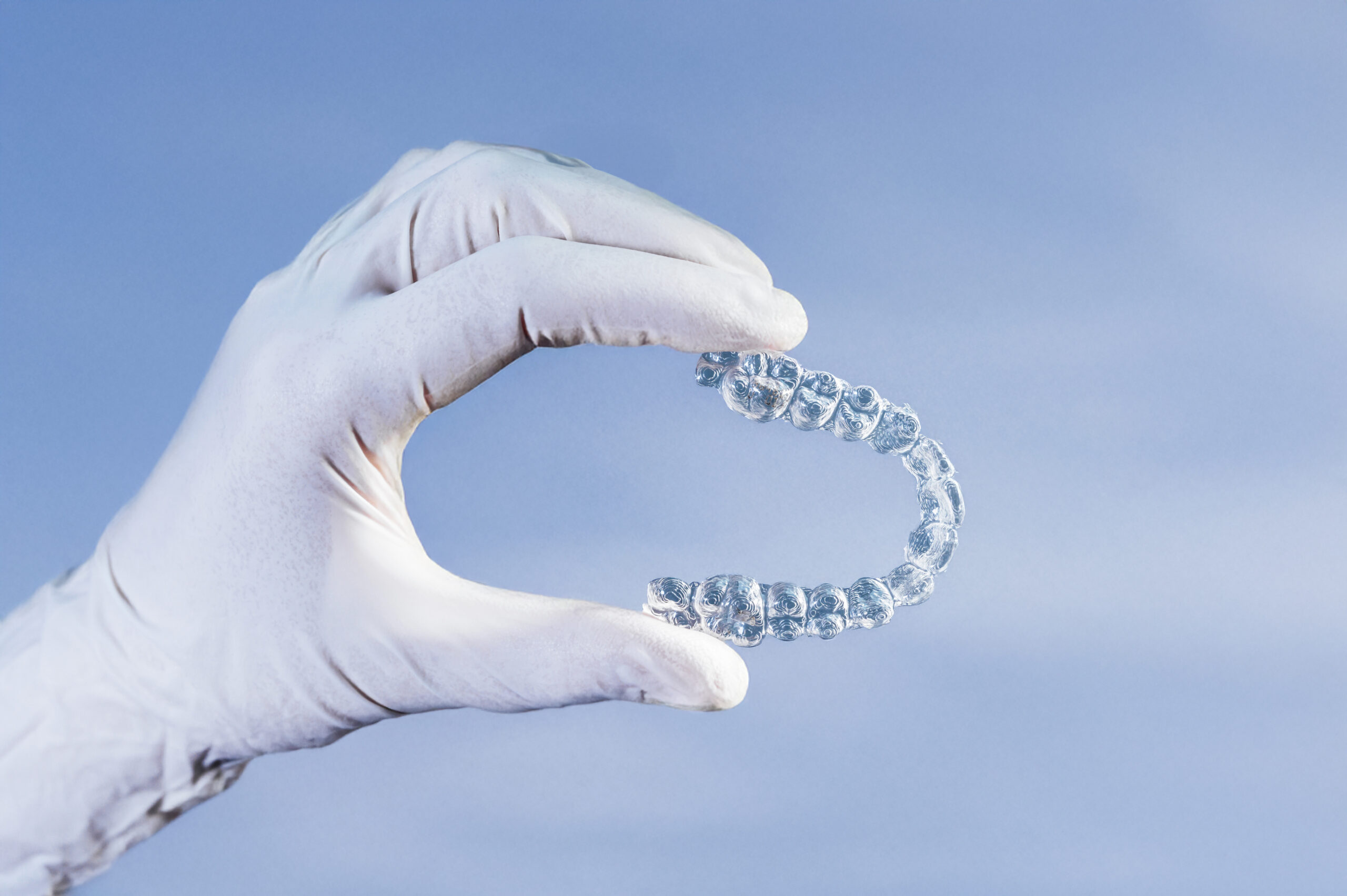
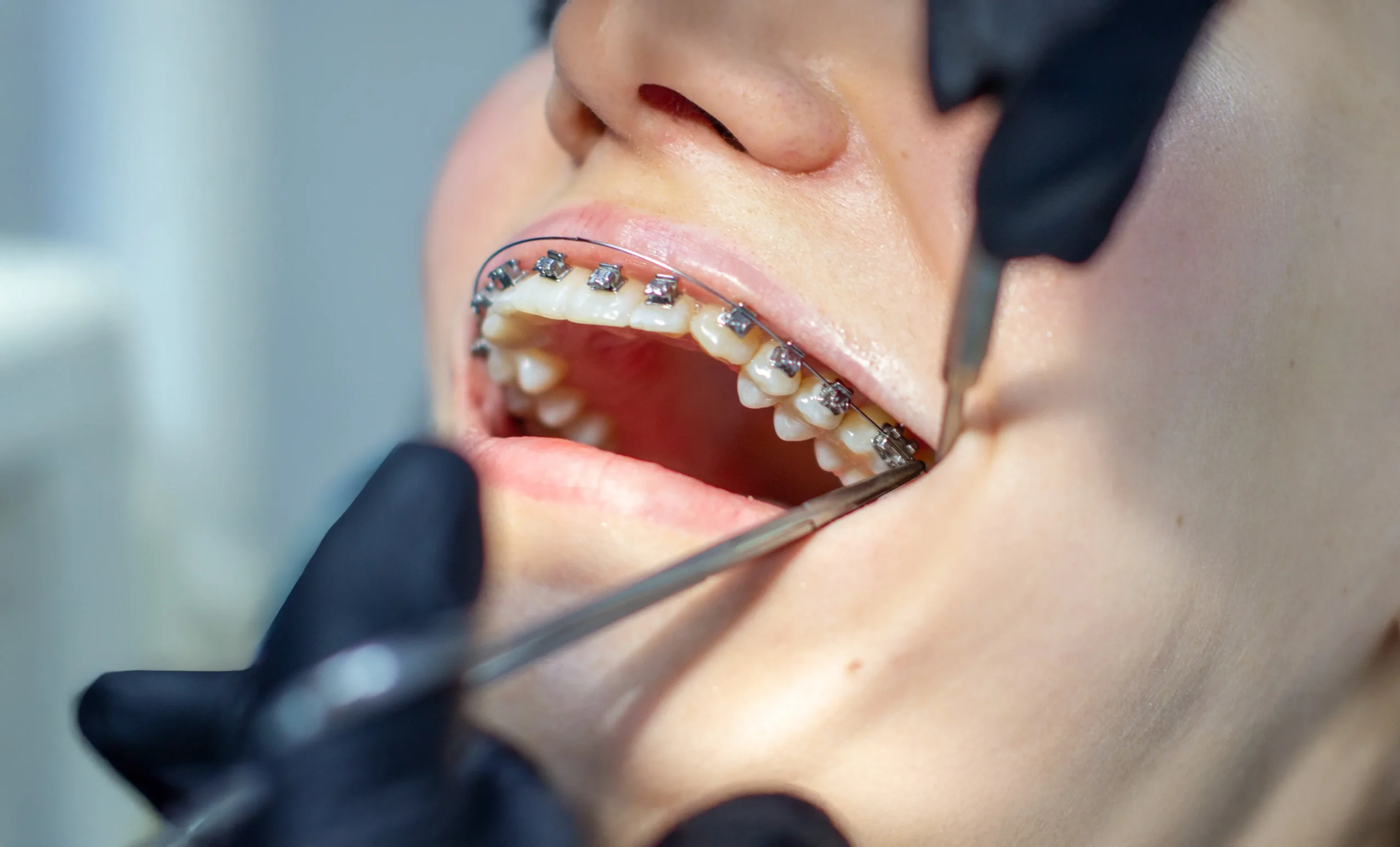
For those looking to improve their smile, teeth straightening and choosing the right orthodontic appliance are crucial decisions. The best dental clinics in Warsaw offer a wide range of options for treating malocclusions. This article will present the most popular orthodontic appliances, their characteristics, and costs, enabling you to make an informed decision about orthodontic treatment in 2025. Types of Orthodontic Appliances The simplest classification of appliances includes removable appliances, fixed appliances, and aligner systems: Removable appliances: Designed for treating malocclusions in children, allowing for early treatment and preventing the development of complex malocclusions. These include Schwarz plates and other appliances utilizing facial muscle forces[7]. Fixed appliances: Characterized by brackets bonded to the teeth by the orthodontist. The patient cannot remove the appliance, ensuring it works 24/7[8]. Aligner systems: An innovative treatment method involving invisible aligners that increase treatment comfort[2]. Which Appliance Will Be Best for You? When choosing an appliance type, several factors should be considered: Patient’s age Type and severity of the malocclusion Aesthetic preferences Budget allocated for orthodontic treatment At Warsaw Dental Center, our orthodontists Dr. Karolina Stolarczuk-Wysokińska and Dr. Izabela Michalak will advise during the consultation which appliance will be most suitable for treating your specific malocclusion[8]. Which Orthodontic Appliance to Choose? Fixed Metal Braces This is a classic appliance, one of the cheaper options among fixed braces. It has several advantages: Highly effective in treating malocclusions Durable metal construction resistant to damage Competitive price The main disadvantage mentioned by patients is the high visibility of the appliance[1]. Construction of Metal Braces Metal braces consist of 3 parts: metal brackets bonded to the tooth surface, an orthodontic arch generating forces that move teeth, and colored elastics that hold the arches on the brackets[1]. Treatment Time and Cost of Metal Braces Treatment time varies between 1.5 to 4 years, depending on the malocclusion. The cost of metal braces treatment in 2025 includes: Bracket placement: 3000 PLN per arch Control visits every 4 weeks, during which the orthodontist changes arches and elastics, costing 250-450 PLN[1][7] Ceramic (Aesthetic) Braces This is also a type of fixed appliance. It features brackets made of ceramic material that perfectly matches the color of teeth, making it less visible than metal braces. The main advantages of aesthetic braces include: Practically invisible More comfortable due to smoother bracket surfaces Hypoallergenic – ceramic material rarely causes allergic reactions Effective: comparable effectiveness to metal braces[1] Treatment Time and Cost of Aesthetic Braces in Warsaw 2025 Bracket placement costs about 3500 PLN per arch Control visits cost 250-450 PLN Treatment time with ceramic braces depends on the type of malocclusion and can last from 1.5 to about 3 years[1][7]. Self-Ligating Braces This is an innovative and revolutionary solution in orthodontic therapy. Its unique construction allows for the complete elimination of traditional ligatures. Self-ligating braces consist of special brackets attached to teeth with a built-in system for securing the orthodontic arch. This results in several advantages: Shortened orthodontic treatment time Less frequent control visits, about every 6 weeks Precise pressure on the tooth Increased patient comfort due to improved aesthetics and smooth bracket surfaces that don’t irritate the mucosa Easier oral hygiene due to the absence of traditional elastics securing the orthodontic arch[5] Treatment Time and Cost of Self-Ligating Braces in 2025 Bracket placement: You can choose metal brackets starting from 4500 PLN per arch or aesthetic brackets starting from 5500 PLN per arch Control visits range from 400-600 PLN The average treatment time with self-ligating braces can range from 12 months to about 2 years[5]. Aligner Systems Chosen by patients who value a discreet and comfortable way of straightening teeth. Orthodontic aligners are transparent, making them virtually invisible. The treatment process involves changing aligners every week, facilitating hygiene of both the appliance and oral cavity[2]. Advantages of orthodontic aligners: Very discreet teeth straightening method Ability to remove the appliance, greatly facilitating hygiene Increased wearing comfort and no irritation Precisely refined stages thanks to digital planning Weekly aligner changes by the patient at home Less frequent control visits, about every 8 weeks[2][5] Treatment Time and Cost of Aligner Treatment in Warsaw 2025 At first glance, aligner treatment seems more expensive than other appliances. However, the price includes all control visits, regardless of treatment duration, so the overall cost of the treatment process is comparable to other systems. The price of orthodontic aligners in Warsaw ranges from 20,000 to 25,000 PLN. Treatment time is significantly shortened compared to other appliances and ranges from 8-24 months, depending on the severity of the malocclusion[2][7]. Key Aspects When Choosing Orthodontic Appliances in Warsaw Factors most often indicated by patients when deciding on orthodontic treatment include: Aesthetics – impact on appearance and visibility of the appliance during treatment Total treatment cost – can range between 10,000 and 25,000 PLN Wearing comfort – less irritation means greater comfort and convenience Treatment effectiveness – time savings are very important for most people Easy maintenance of oral hygiene – related to the ability to clean teeth better[1][2][5] Regardless of which appliance you choose, you can be sure that you’re investing in both your health and a beautiful smile for years to come. Citations: [1] https://primedental.pl/en/pricing/ [2] https://warsawdentalcenter.pl/en/invisalign-overlays-warsaw-price/ [3] https://pmc.ncbi.nlm.nih.gov/articles/PMC7940807/ [4] https://odent.pl/en/good-orthodontist-warsaw/ [5] https://www.santabarbaraortho.com/blog/blog-post-title-two-99w8b [6] https://odontoaligners.in/the-future-of-orthodontics-innovations-and-trends-for-2025/ [7] https://mydentalclinic.pl/en/pricing-eng/ [8] https://warsawdentalcenter.pl/en/orthodontics/ [9] https://www.bgbraces.com/fixed-vs-removable-orthodontic-appliance-which-is-more-preferable/ [10] https://odent.pl/en/services/orthodontics/
Orthodontics in Warsaw: Everything You Need to Know About Teeth Straightening in 2025, Treatment Methods and Prices
Orthodontics in Warsaw is constantly evolving, with innovative treatment methods contributing to shorter treatment times and increased patient comfort. Many people wonder what teeth straightening methods will be popular and effective in 2025. In this article, we present the most universal and frequently chosen types of orthodontic appliances, their prices, and tips on how to choose the best orthodontist in Warsaw in 2025. Why Consider Orthodontic Treatment and How It Can Improve Quality of Life More and more people understand that a beautiful smile not only boosts self-confidence but also affects oral health. Proper teeth alignment is crucial for the functioning of the entire stomatognathic system. Improperly positioned teeth can cause serious complications even beyond the oral cavity: Temporomandibular joint dysfunctions can occur as a consequence of malocclusion, resulting in headaches, tinnitus, and difficulty chewing Crowded and improperly aligned teeth make proper oral hygiene difficult or impossible, contributing to the development of cavities and periodontal disease. If left untreated, these conditions can lead to tooth loss Why Orthodontic Treatment is an Investment in Health Benefits of proper teeth alignment include: Reduced muscle tension in the head and neck area Reduction of headaches Decreased risk of periodontal disease and cavities Improved chewing and speech function Increased self-esteem and confidence By choosing orthodontic treatment in Warsaw, you’re investing in long-term health preservation and life comfort. Modern Teeth Straightening Methods in Warsaw 2025 Orthodontists claim that in 2025, self-ligating braces and innovative clear aligners will be the most popular in teeth straightening. These technologies shorten treatment time, reduce the number of check-up visits, thus saving patients’ time spent in the dental office. Due to increased aesthetics, these appliances also improve patients’ comfort of life and functioning. Cost of Orthodontic Treatment in Warsaw 2025 The price of braces installation and the entire treatment period depends on: Type of chosen braces: the simplest and cheapest metal braces start from 3000 PLN per arch, while the most advanced aligner systems can reach up to 25,000 PLN for the entire treatment Treatment duration: for fixed braces, longer treatment periods mean higher costs. This is related to the number of check-up visits, during which the orthodontist replaces rubber bands and installs new brackets, the price of such a visit can range from 150 PLN to 450 PLN in 2025 Orthodontist’s experience: treatment cost with a highly experienced orthodontist may be slightly higher, but the benefit is a more efficient process and lower risk of complications. Additional treatment costs to consider when contemplating braces: Orthodontic consultation: 250-500 PLN Radiological diagnostics: 200-450 PLN Scanning for treatment planning: about 300-400 PLN Check-up visits: 150-450 PLN Retention after completed treatment: 400-700 PLN per arch How to Choose the Best Orthodontist in Warsaw? An experienced orthodontist with extensive knowledge and a large patient base is key to successful orthodontic treatment. What to look for when choosing the best orthodontist in Warsaw: Reputation and experience: analyzing patient opinions, checking the doctor’s professional qualifications can facilitate the best choice Use of modern treatment methods: treatment with aligners or self-ligating braces, digitization of the diagnostic process, use of computed tomography before and during treatment may indicate the doctor’s readiness to use innovative methods. This will increase treatment precision and the final effect will be ideal. Comparison of clinic offers: the possibility of comprehensive dental care in the office where you plan to get braces is important. Often, the orthodontist needs to consult with a periodontist or surgeon, which is easier in an office that offers such services. It’s also convenient for the patient to prepare for orthodontic treatment in the same place, which may include cavity treatment or root canal treatment before getting braces. When choosing an orthodontist, it’s worth selecting the entire clinic as the one where the whole comprehensive treatment will take place. In addition to the prices of the braces themselves, attention should also be paid to the qualifications and experience of the doctor and patient opinions. At Warsaw Dental Center, orthodontic treatment is carried out by Dr. Karolina Stolarczuk-Wysokińska and Dr. Izabela Michalak. The clinic offers comprehensive care for patients needing dental treatment. Summary Innovative solutions in orthodontics are already available! If you expect quick effects, don’t delay, consider orthodontic treatment with the latest methods today. In 2025, treatment with braces will be even more personalized and comfortable, which will translate into time and cost savings for patients. By choosing the best orthodontist in Warsaw, you can count on a beautiful smile and lasting effects. Citations: [1] https://prostezeby.com [2] https://www.dorodent.com.pl/jaki-aparat-ortodontyczny-wybrac/ [3] https://periomedica.pl [4] https://prostezeby.com/ile-kosztuje-aparat-ortodontyczny-2025/ [5] https://kb.pl/cenniki/miejskie/ortodonta-_med/warszawa/ [6] https://www.anident.pl/ceny.html [7] https://persdental.pl/metamorfozy/ [8] https://prostezeby.com/dobry-ortodonta-jak-go-znalezc-na-co-zwrocic-uwage/ [9] https://prostezeby.com/jaki-aparat-ortodontyczny-wybrac-podzial-aparatow-ortodontycznych/ [10] https://ortorad.pl/ortodoncja/
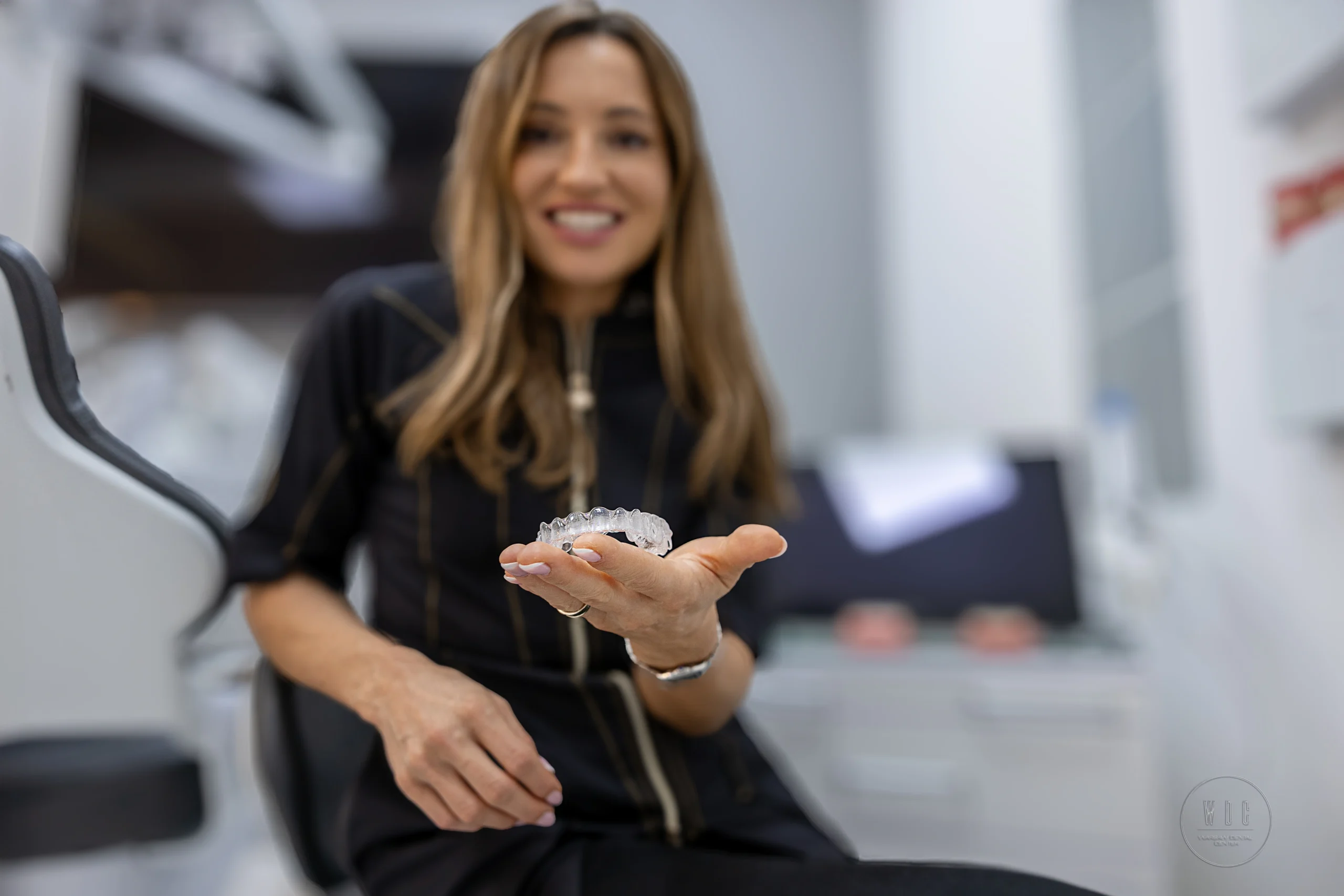
What Are the Benefits of Invisalign in Warsaw?
Are you searching for an effective and discreet way to improve your smile? Invisalign in Warsaw is the perfect solution! This modern method of teeth straightening brings numerous benefits to residents of Warsaw and beyond. Clear aligners by Invisalign offer a comfortable and aesthetic alternative to traditional braces, allowing you to straighten your teeth without the need for visible metal brackets and wires. With Invisalign, you can regain your confidence and enjoy a natural, healthy smile while correcting your bite. Why Choose Invisalign in Warsaw? Invisalign is highly precise and effective in addressing both simple and complex dental issues. The aligners are custom-made to fit your teeth, ensuring maximum comfort and efficiency during treatment. By wearing the aligners for 20-22 hours a day, you can achieve a beautiful and healthy smile in a short amount of time. Warsaw residents increasingly prefer Invisalign for its convenience, effectiveness, and nearly invisible appearance. What is Invisalign? Invisalign is a state-of-the-art orthodontic treatment that uses clear aligners instead of traditional metal braces. These aligners are nearly invisible, making them an ideal option for individuals who prioritize discretion. Invisalign in Warsaw has gained popularity due to its efficiency and ease of use, offering patients a comfortable and non-intrusive way to straighten their teeth. Advantages of Choosing Invisalign in Warsaw – Invisible Appearance: The clear aligners are nearly invisible, making them a perfect choice for those who want to straighten their teeth without noticeable braces. – Comfort: The aligners are made of smooth, comfortable plastic that doesn’t irritate your gums. – Improved Oral Hygiene: Since the aligners are removable, you can easily clean your teeth and maintain oral hygiene. – Shorter Treatment Time: Many patients achieve results faster with Invisalign compared to traditional braces. The Invisalign Treatment Process in Warsaw Your Invisalign journey begins with a consultation with an orthodontist in Warsaw. During the consultation, your orthodontist will scan your teeth and create a personalized treatment plan. Your custom-made aligners will be created based on these scans, and you will wear them according to your doctor’s instructions to gradually move your teeth into place. Choosing the Right Invisalign Specialist in Warsaw Selecting the right orthodontist is crucial for the success of your Invisalign treatment. In Warsaw, you can find experienced orthodontists who specialize in **Invisalign** and offer top-quality care, ensuring that your treatment goes smoothly. Invisalign Treatment Cost in Warsaw The cost of Invisalign treatment in Warsaw varies depending on the complexity of the case, but investing in a perfect smile is always worth it. Many dental clinics in Warsaw provide flexible payment plans, allowing you to achieve a healthy and beautiful smile without financial stress.
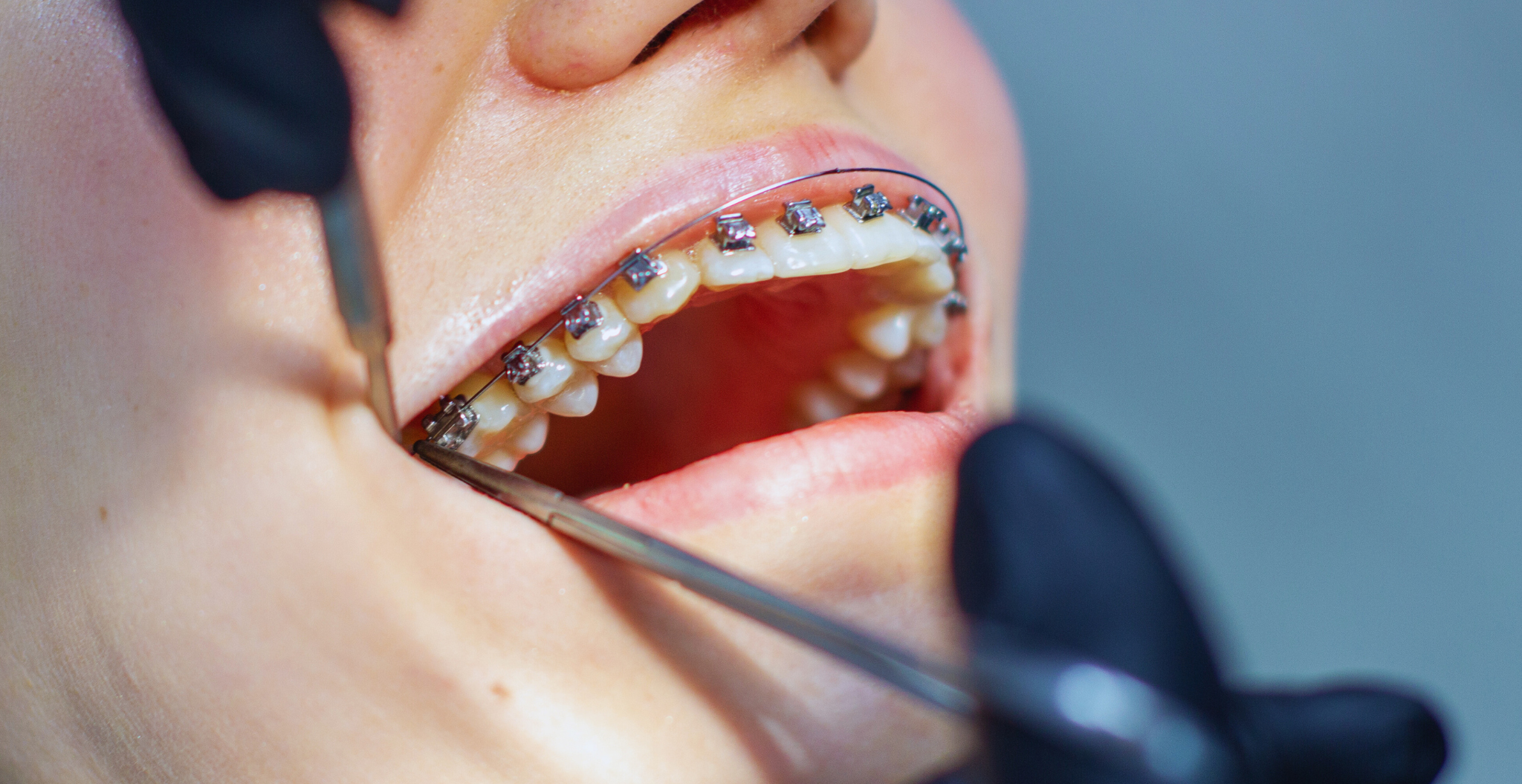
How does the process of removing orthodontic braces proceed?
Orthodontic treatment lasts at least two years. Many patients impatiently count down the days until their orthodontic appliance is removed. When this moment finally arrives, many questions arise. The most popular ones are: “Does removing the appliance hurt?”, “How long does it take to remove the orthodontic appliance?” and “What is the process of removing the orthodontic appliance?” If your orthodontic treatment is coming to an end, don’t be surprised – find out what to expect at this awaited visit! Removing the orthodontic appliance – removing the brackets For anyone wearing an orthodontic appliance, it will come as no surprise that its removal starts with colored rubber bands or metal ligatures. Then the orthodontist removes the archwire and brackets. Although this procedure is not too complicated, it raises many questions among patients. The reason is simple – when the appliance is applied, the brackets are bonded to the tooth surface using special glue. Should you be afraid that removing them will damage the enamel? Orthodontists not only have precise tools but also experience in removing orthodontic appliances. So patients should not worry – this procedure will not have a negative impact on their teeth. If the appliance is removed properly, there is no possibility of discoloration appearing on the tooth surface. Removing the orthodontic appliance and cleaning the teeth after removal After removing the orthodontic appliance, there are remnants of glue on the teeth that require thorough cleaning. The orthodontic specialist removes these residues using a scaler and sandblaster, and then proceeds to polish the teeth. This process not only removes any residues but also restores the natural color of the teeth, making them appear whiter. This effect positively influences the overall appearance of the smile. Patients who want to enjoy a healthy and attractive smile can also opt for teeth whitening after removing the orthodontic appliance. Is removing the orthodontic appliance painful? The frequently asked question about pain during the removal of the orthodontic appliance is justified, but this process is usually not painful. Some discomfort may occur, but it is short-lived. It’s worth noting that anesthesia is not typically used during appliance removal because the process itself is quick and effective. An experienced orthodontist usually only needs 10 to 15 minutes to remove the appliance and thoroughly clean the teeth from glue residues. How much does it cost to remove an orthodontic appliance? The cost of removing an orthodontic appliance depends on its type and may vary. Orthodontists usually inform about the costs during the consultation before the procedure. It should be noted that the cost of removing an orthodontic appliance may also include oral cavity hygiene. Patients should therefore be prepared for additional expenses. However, removing the appliance is not the end of the treatment The next stage is retention, which involves maintaining the achieved effects. Various types of retention appliances are used for this purpose, such as fixed retainers, retainer trays, and functional appliances. The choice of the appropriate retention appliance depends on the orthodontist, who selects it according to the patient’s needs. Preparation of the retention appliance often requires taking an impression of the teeth, which usually takes place at the end of the treatment, after thorough teeth cleaning.
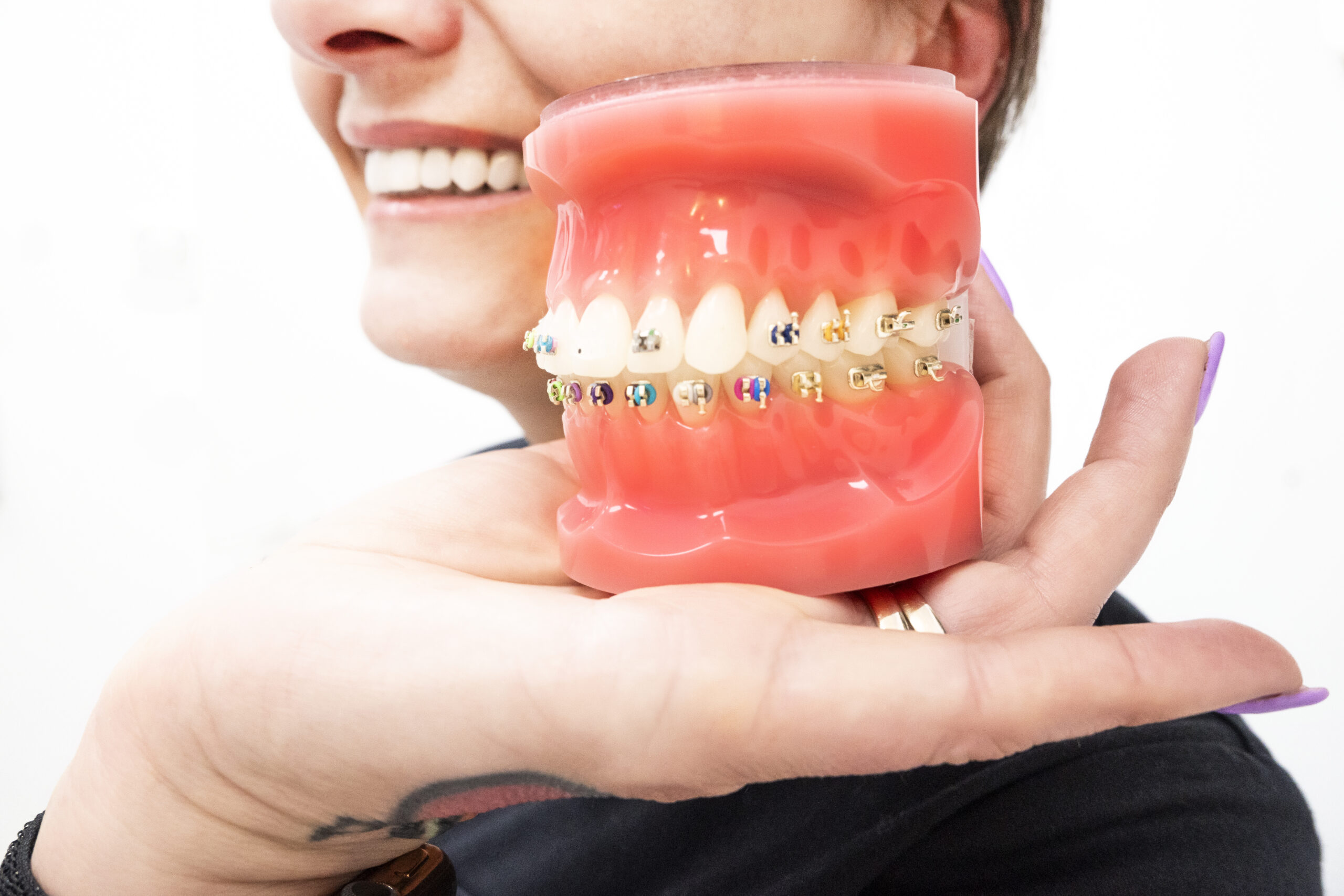
Getting braces with veneers – Is it possible?
People are constantly seeking ways to enhance their smiles. They often question the effectiveness of various dental procedures. Is it possible to use orthodontic braces with veneers? In this article, we will explore how combining these two treatment methods affects dental health. We will analyze the factors determining the feasibility of such a combination and propose alternative solutions for those facing this dilemma. Veneers To understand the implications of using braces with veneers, it’s worth familiarizing oneself with the definition of veneers. Veneers are thin layers made of porcelain or composite material that are applied to the front surface of teeth. Their main purpose is to improve smile aesthetics by altering the shape, color, size, or length of teeth. Cosmetic dental procedures, including veneer application, are common and allow for the elimination of minor imperfections. Understanding the essential properties of veneers is important to assess how they can impact orthodontic treatment. Can braces be combined with veneers? The answer is: yes, there is a technical possibility to combine orthodontic braces with veneers. However, the success of this combination depends on several factors, such as the patient’s dental condition, the type of orthodontic braces used, and the condition and durability of the veneers. A thorough analysis of these aspects can help individuals decide whether such a combination is suitable for them. Condition and durability of existing veneers: These are significant when assessing whether orthodontic braces are the right solution. Metal braces, like traditional ones, require brackets mounted on the front of teeth, which can be challenging if the veneers have altered the tooth’s shape. In the case of worn-out or low-quality veneers, there is a risk that orthodontic braces may exert excessive pressure, leading to cracks, chips, or even loss of veneers. In such situations, alternative orthodontic methods may be a safer choice. Type of orthodontic treatment: It influences the possibility of combining it with veneers. Traditional metal braces may be less suitable for most veneers, whereas clear aligners like Invisalign typically work well with veneers. Additionally, Invisalign does not exert direct pressure on veneers, minimizing the risk of damage. The final decision is made by the dentist, considering the patient’s dental condition. Evaluation of dental health: It is crucial when considering the use of both veneers and orthodontic braces. Orthodontic braces may not be recommended if there are gum diseases, cavities, or weak tooth structure. Treatment of these issues may be necessary before orthodontic braces are applied. In some cases, after orthodontic treatment, replacing old veneers with new ones may be necessary, requiring a precise assessment of dental health. Alignment of dental treatment schedules: It is essential for the success of both veneers and orthodontic braces. Sometimes, it is advisable to wait with veneer placement until orthodontic treatment is completed to ensure the integrity of both therapies and increase their effectiveness. Some veneer procedures, such as minimal or no-prep veneers, can facilitate the harmonious combination of these treatments. Individualized dental treatment plans are extremely important and should be developed in collaboration with an experienced dentist. Orthodontic and cosmetic dentistry specialists can propose a personalized approach, considering the patient’s goals, needs, and concerns. Together, the best treatment plan can be developed, taking into account various orthodontic methods and the optimal timing of their implementation to achieve a healthy and attractive smile. Feel free to visit Warsaw Dental Center in Warsaw, where our experienced orthodontic and cosmetic dentistry specialists will provide you with comprehensive care and a personalized treatment plan to achieve a healthy and attractive smile.
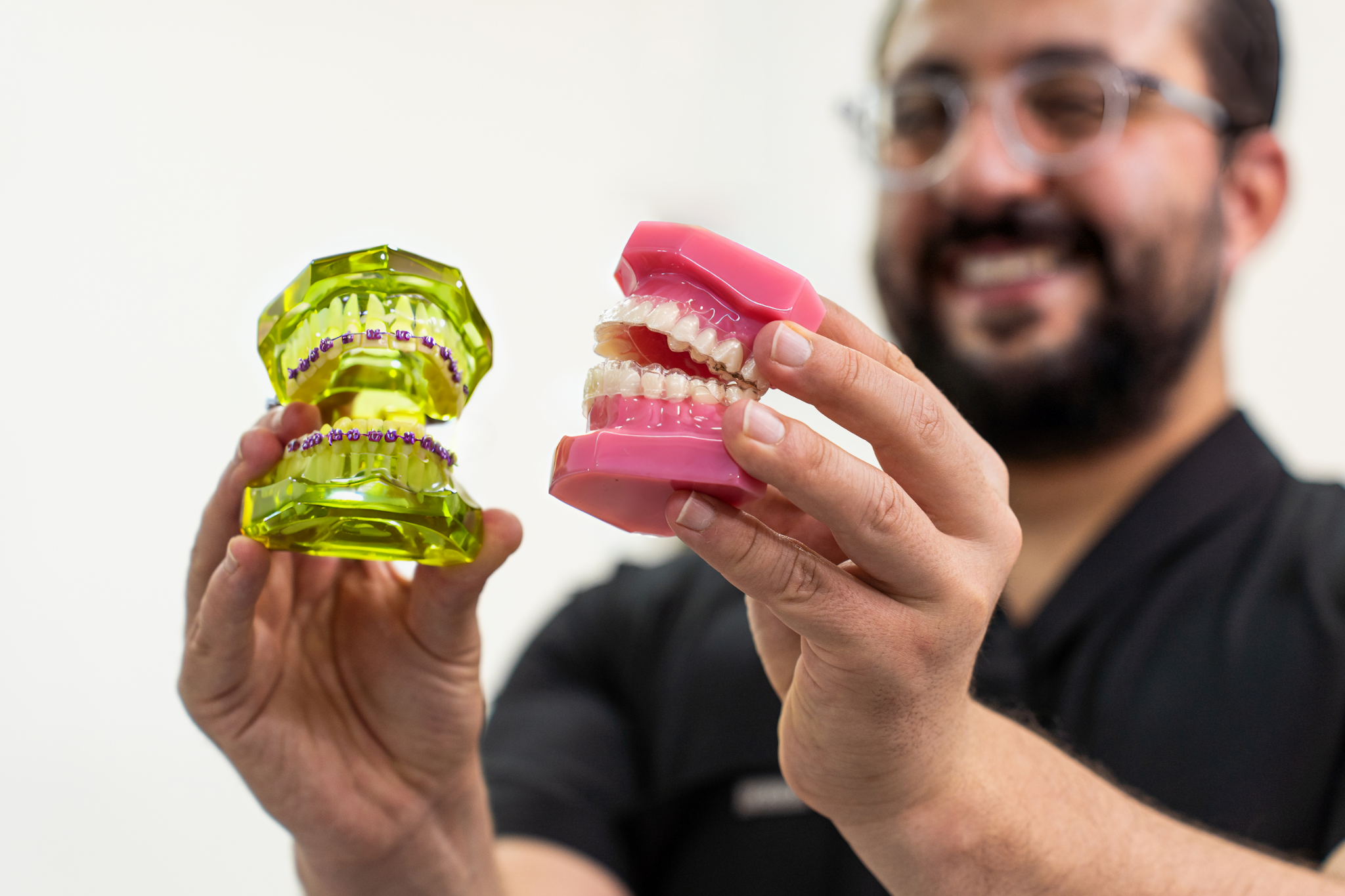
Comparison of Invisalign with traditional orthodontic braces
In today’s orthodontics, there are many innovative solutions that make the journey to a perfect smile and healthy teeth not only effective but also comfortable for the patient. Among the wide range of available options, both the Invisalign system and traditional orthodontic braces are particularly popular. Both methods are characterized by high effectiveness but differ in approach, treatment process, and aesthetics. At the Warsaw Dental Center in Warsaw, drawing upon rich experience and the latest research and trends in orthodontics, we offer our patients comprehensive assistance in choosing the best treatment method tailored to their needs and expectations. Our team of specialists makes every effort to ensure that each patient can enjoy not only a healthy but also a beautiful smile. Invisalign Invisalign is a method of correcting the bite using transparent, plastic aligners that are practically invisible on the teeth. Thanks to their discretion and user comfort, the Invisalign system is particularly popular among adult patients. The aligners are personalized to each patient’s individual needs and are replaced every few weeks, gradually shifting the teeth to the desired position. Additionally, the ease of removing the aligners during eating or brushing teeth is a significant advantage for oral hygiene. Traditional Orthodontic Braces Traditional orthodontic braces are a proven method of correcting the bite, used for decades even in the most complicated cases of malocclusion. They consist of metal brackets connected by archwires, which are regularly adjusted by the orthodontist to gradually shift the teeth to the correct position. Although they are more visible, traditional braces are still chosen by many patients due to their reliability and often lower treatment cost compared to the Invisalign system. Advantages and disadvantages of Invisalign Advantages: Aesthetics: Invisalign stands out with transparent aligners designed for discretion, making them practically invisible on the teeth. This feature attracts patients of all ages who value the opportunity to correct their smile without affecting their daily appearance. Comfort: The absence of sharp or protruding metal elements minimizes the risk of oral mucosa irritation and discomfort, often experienced with traditional orthodontic braces. Hygiene: Invisalign aligners can be easily removed, allowing thorough cleaning of teeth and gums. Patients can continue their standard hygiene routine without needing specialized tools for cleaning orthodontic appliances. Convenient Eating: The ability to remove the aligners gives patients the freedom to choose their food. They do not have to avoid hard, sticky, or difficult-to-bite foods, which is a significant advantage compared to dietary restrictions associated with traditional braces. Disadvantages: Cost: One of the major limitations of Invisalign is its price, which usually exceeds the cost of traditional orthodontic braces. Higher costs often stem from advanced technology and personalized treatment plans. Discipline: The success of Invisalign treatment largely depends on the patient’s self-discipline. The aligners must be worn for at least 22 hours a day for the treatment to be effective. Failure to adhere to this rule may lead to prolonged treatment time or unsatisfactory results. Therapeutic Limitations: Although Invisalign is effective in many cases, in some complex orthodontic situations, it may not provide sufficient force or precision for correction. In such cases, traditional orthodontic braces may be more suitable for achieving therapeutic goals. Advantages and disadvantages of traditional orthodontic braces Advantages Effectiveness: Metal braces are considered one of the most effective methods of correcting the bite, capable of treating a wide range of orthodontic problems. They are particularly recommended for cases requiring significant tooth movements or correction of complex malocclusions. Cost: Traditional orthodontic braces are often more affordable compared to modern methods like Invisalign. Their lower price makes them accessible to a wider range of patients, making them an attractive option for those with limited budgets. Independence from Patient Discipline: Since traditional braces are non-removable, the success of treatment does not depend on the patient’s daily discipline in wearing the device. This ensures the continuity of the bite correction process without the risk of treatment delays caused by the patient. Disadvantages Aesthetics: One of the biggest challenges for patients opting for traditional braces is their visibility. Metal elements are much more noticeable than transparent aligners, which may affect the confidence of some patients. Comfort: Metal wires and brackets can cause discomfort and irritation of the oral mucosa, especially in the first weeks after the braces are applied. This may require the patient to adapt and use special orthodontic waxes. Compromised Hygiene: Maintaining proper oral hygiene with braces requires additional effort from patients. Metal braces make it difficult to clean teeth and gums thoroughly, increasing the risk of cavities and gum diseases. The choice between the Invisalign system and traditional orthodontic braces depends on various factors such as the complexity of the case, aesthetic expectations, lifestyle, and the patient’s budget. At the Warsaw Dental Center in Warsaw, we ensure that our patients are supported at every stage of this choice and have access to the latest achievements in orthodontics to help them achieve their dream smile. Our team of specialists not only advises but also provides full support and care to ensure that the orthodontic process proceeds smoothly and effectively, yielding excellent results.
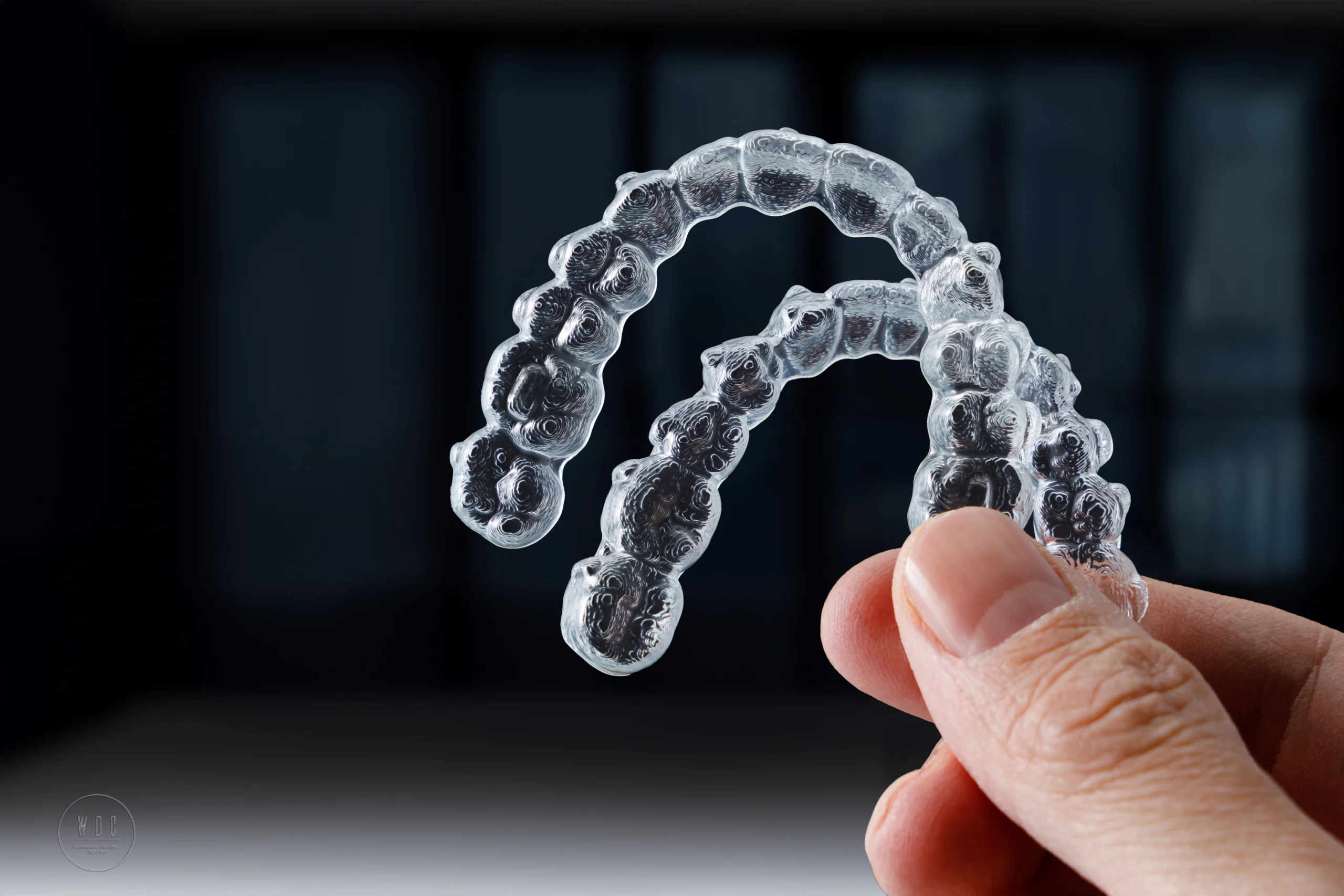
Invisalign overlays – Warsaw price
Invisalign overlays – Cost of treatment Before answering the question about the costs of treatment with Invisalign overlays in Warsaw, it is worth emphasizing that this is currently the most modern method of correcting the bite, while eliminating the need to use traditional fixed braces. Why is it worth choosing this type of orthodontic treatment? Everything is described in the article “Invisalign“. The price of this solution is currently PLN 20,000. It is worth noting that this price is usually set at a fixed level and does not change during the treatment process. Even if a minor correction is necessary after treatment, it is included in the package price. Additionally, the process of creating subsequent overlays using 3D printing technology does not generate additional costs for the patient. Costs related to preparation for the installation of orthodontic appliances Preparation to start orthodontic treatment requires that all teeth be cured and that there are no contraindications to continuing the therapy. This process begins with a consultation visit, the cost of which at the Warsaw Dental Center is approximately PLN 300. During this visit, the orthodontist uses a 3D scanner to obtain a precise image of the teeth. Then the patient is sent for panoramic and cephalometric X-rays, the cost of which ranges from PLN 170 to PLN 400. After collecting comprehensive medical documentation, the orthodontist begins a cephalometric analysis. Based on the data obtained, such as X-rays, 3D scans and cephalometric analysis, a treatment plan is created. The treatment plan costs PLN 300. Thanks to this, the patient can be sure that he or she receives comprehensive orthodontic care, including the therapy planning stage. What imperfections can Invisalign overlays correct? Invisalign is an effective method of treating many orthodontic defects, such as: Crossbite Gaps Open bite Undershot Deep bite Treatment plan using Invisalign aligners The next visit includes visualization of the final simulation of the therapy progress during the next visit. The simulation is presented as a dynamic 3D animation showing the correction of malocclusion. After accepting this plan, the patient pays the first installment of PLN 10,000 or the entire amount of treatment. Based on this transaction, the overlay production process is commissioned. Cost of Installing Orthodontic Braces with Invisalign Aligners It is worth noting that the patient is informed about the total cost of treatment at the beginning, and this amount does not change even in the case of complicated orthodontic defects or a long-term treatment process. At Warsaw Dental Center, the total cost of overlay treatment is PLN 20,000 (additionally + PLN 600 for permanent retention after the treatment is completed), which is slightly different from the final cost estimate of other orthodontic options. Cost of follow-up and intermediate orthodontic visits If the patient pays the full cost of treatment, he or she does not incur additional fees for subsequent follow-up visits or consultations with the orthodontist. However, if the patient only paid an entry fee of PLN 10,000, the remaining amount is divided into installments, payable during subsequent follow-up visits. Summary of the cost of Invisalign treatment – Consultation visit: PLN 300 – 3D photo scan: PLN 300-500 – 3D radiological scan: PLN 400 – X-rays, cephalometry + treatment plan: PLN 170 – PLN 300 – Panoramic photo: PLN 170 – Total cost of overlays: PLN 20,000 – Retention cost retention plates: PLN 700 fixed: PLN 600 Invisalign retention, one arch: PLN 1,500 Invisalign retention, two arches: PLN 2,500
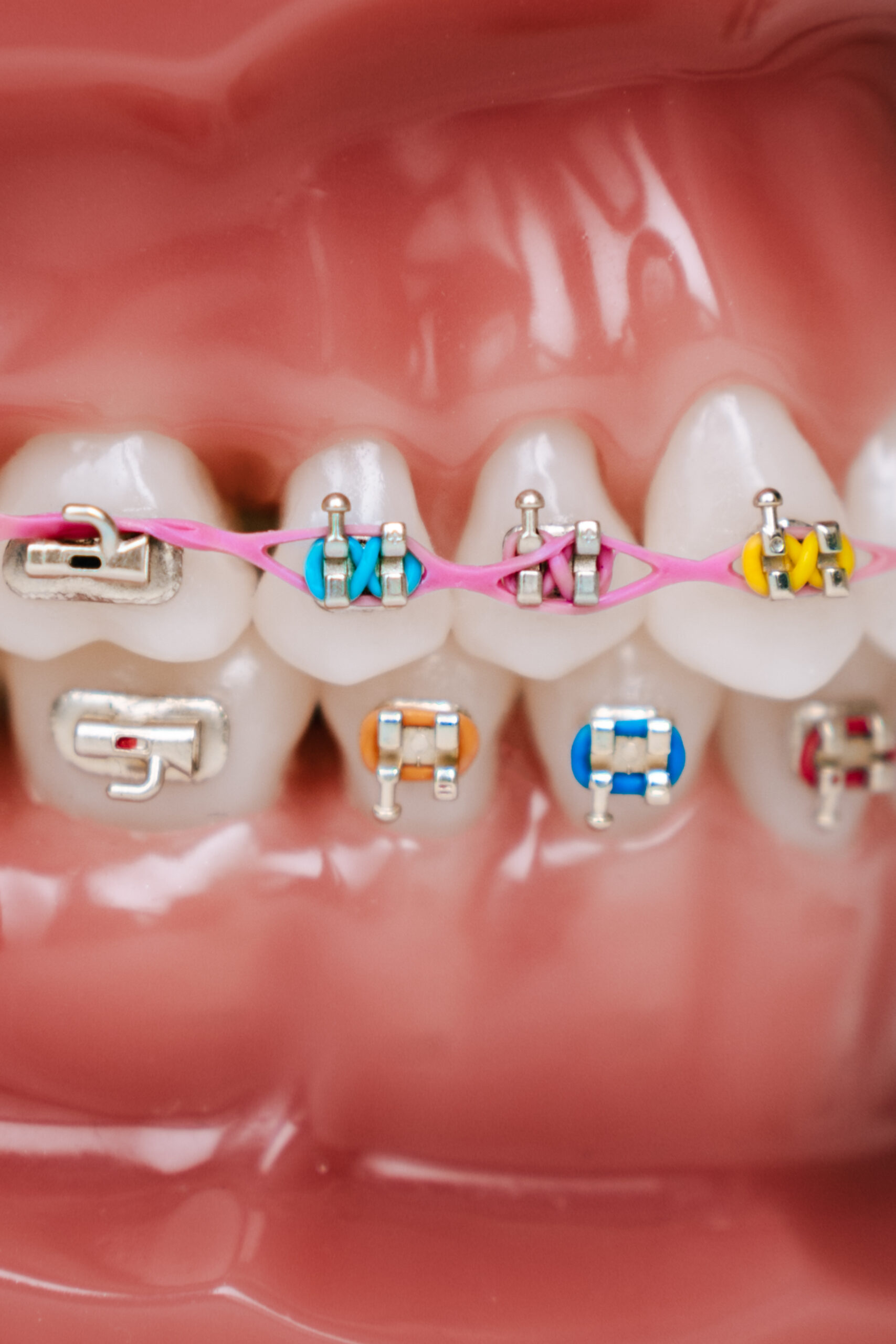
From Bite to Smile: The Role of Orthodontic Elastics in Treatment
Dental braces: Small but important When we think about orthodontic treatment, the first things that come to mind are braces, wires, and maybe even braces. But one of the key elements of orthodontics are rubber bands for braces, which help adjust the patient’s teeth to their correct position. Here is some important information about it. What are Dental Braces Erasers? Dental braces, also known as ligatures or elastomers, are small rings or rubber bands that are used to connect the wires of orthodontic braces to brackets attached to teeth. These elastics are usually made of a flexible material that allows the teeth to move. Different Types of Erasers for Dental Appliances Standard erasers: These are the most commonly used camera erasers. They are available in various colors, so patients can personalize the appearance of their braces. Slider bands: These rubber bands are used to hold the wires in position. They help in the treatment of various types of orthodontic problems, such as tooth shifting. Brackets: These are rubber bands that attach brackets to your teeth. By choosing the right color of rubber bands, patients can add some fun to their braces. Benefits of Using Erasers for Dental Appliances Bite correction: Erasers help correct incorrect bites, such as overbite, underbite or open bite. Improved aesthetics: Thanks to the different colors of the rubber bands, patients can add a personal style to their braces, which is especially important for children and teenagers. Effectiveness of treatment: Elastics are an important orthodontic tool that helps achieve the intended treatment results. Minimal discomfort: Despite initial difficulties in getting used to the rubber bands on the braces, most patients find them relatively comfortable and do not cause major pain. How to take care of your dental braces? While wearing orthodontic braces When using rubber bands, you must follow several important rules: Brush your teeth regularly: Braces with rubber bands can be a place where food particles can easily accumulate. Therefore, it is important to brush your teeth and clean your braces regularly. Changing elastic bands: Orthodontists usually recommend changing elastic bands every few weeks to ensure their effectiveness. Use as directed: It is important to wear elastics as directed by your orthodontist. Wearing rubber bands incorrectly may delay the progress of treatment. Summary Dental braces are an important element of orthodontic treatment that help achieve a beautiful and healthy smile. They help correct bites and add a personal touch to the braces. It is important to follow the orthodontist’s recommendations and take care of oral hygiene while wearing braces with elastic bands.
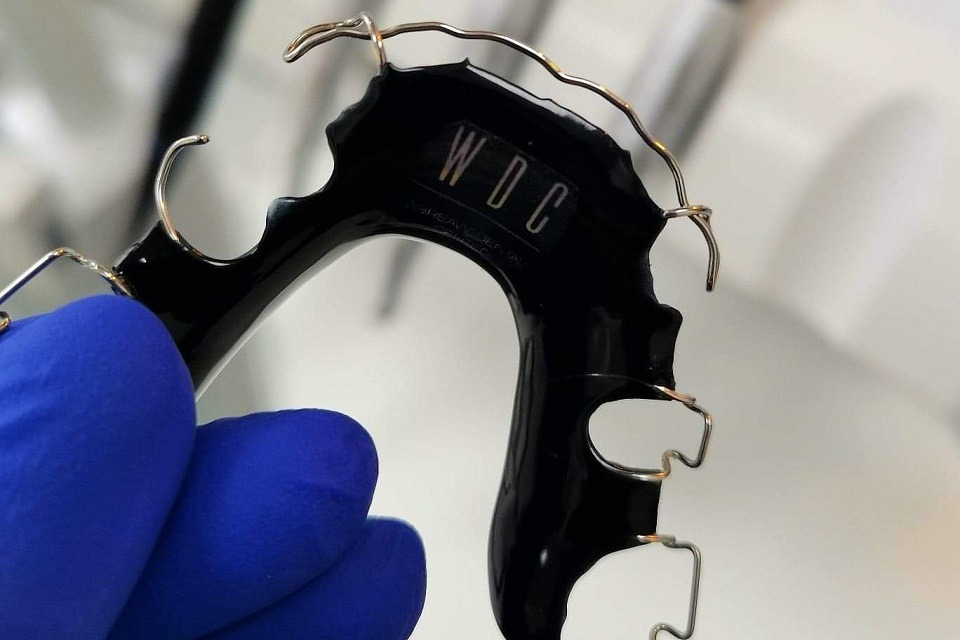
Retention in orthodontic treatment
Retention is the final stage of orthodontic treatment, which involves consolidating the achieved results. Changes in the position of teeth during orthodontics negatively affect the periodontal tissues (i.e. the tissues surrounding the tooth). After removing the orthodontic appliance, the periodontium needs some time to regenerate and consolidate the results. In this context, retention plays a key role. The type of retention is selected by the treating physician. The most commonly used are: Retention plates (i.e. appliances that can be removed). Retainer, i.e. a retention wire glued to the lingual or palatal surface, usually of the front teeth. It is important to remember about daily hygiene of retainers and thorough cleaning of the tooth surfaces on which the retainer is attached. The length of the retention period depends on many factors, such as the type of malocclusion and the age of the patient. In children, the retention period is usually short and sometimes not required at all. In the case of adult patients, it may last several years or even a lifetime. Follow-up visits after removing the orthodontic appliance should take place after 1, 3, 6 and 12 months. In the initial period, the retainer should be worn 24 hours a day, with breaks only for eating and hygiene. Later, according to the orthodontist’s recommendations, you can gradually reduce the frequency of wearing the brace. It is worth remembering that the oral cavity is a dynamic part of the body, subject to constant changes. Minor tooth movements resulting from their natural mobility are a normal and inevitable phenomenon. Long-term maintenance of the achieved treatment results also depends on the proper functioning of the lips, tongue, proper muscle tension, elimination of harmful habits and the possible reconstruction of missing teeth. We invite you for orthodontic consultations with Dr. Aneta Zmorzyńska at Warsaw Dental Center! Appointments can be booked: by phone: 22 542 18 04 by e-mail: kontakt@warsawdentalcenter.pl or via social media news