

Being recognized as a leader in Warsaw’s dental landscape is not the result of transient trends or aggressive marketing. Instead, it is the outcome of years of clinical consistency, ethical decision-making, and a deep-seated culture of patient trust. At Warsaw Dental Center (WDC), the focus remains on dentistry that stands the test of time, serving patients from both Poland and abroad who prioritize transparency over quick fixes. A Reputation Built on Everyday Precision Our reputation is forged in the treatment room rather than through slogans. Patients often describe the WDC experience as calm and meticulously explained, an atmosphere that is especially important for those undergoing complex, long-term rehabilitations. We believe that true medical excellence combines clinical precision with honest communication. Every treatment plan is a bespoke creation, rooted in comprehensive diagnostics and long-term oral health rather than volume or speed. A Global Hub for Specialized Dental Care Each year, a significant number of international patients travel to Warsaw specifically for treatment at our clinic. They seek standards comparable to leading clinics in Western Europe, paired with clear English communication and transparent financial planning. For our local Polish patients, the value lies in continuity of care and the reassurance that comes from understanding every step of the treatment process. This dual trust, both local and international, is our most reliable indicator of quality. Advanced Technology Serving Diagnosis and Planning A top-level dental clinic is defined by decisions made before a procedure even begins. At Warsaw Dental Center, these decisions are supported by high-resolution 3D diagnostics such as CBCT and digital intraoral scanning. By eliminating guesswork and relying on evidence-based protocols, our specialists in aesthetic dentistry, microscopic endodontics, prosthetics, and implantology work together in an interdisciplinary model. This approach ensures that both functional and aesthetic outcomes are predictable and stable. The Biological Advantage: A Long-Term Philosophy A beautiful smile must also be functional and biologically sound. Our philosophy prioritizes the preservation of natural tooth structure and respects fundamental biological principles. This approach is particularly important in restorative and prosthetic treatments, where shortcuts often lead to complications over time. Patients choose Warsaw Dental Center because they understand that our recommendations prioritize long-term health and durability rather than temporary cosmetic effects. A Legacy Built on Recommendations and Trust Many patients initially visit our clinic for a specific procedure and later remain for comprehensive, long-term care. This pattern of return visits, along with referrals from family members, colleagues, and friends, has established Warsaw Dental Center as a destination for those seeking premium dental care delivered to international standards. Excellence, as we define it, is not a title to be claimed. It is a standard earned through every successful treatment and every restored smile.
General Anesthesia: Everything You Need to Know Before Your Procedure
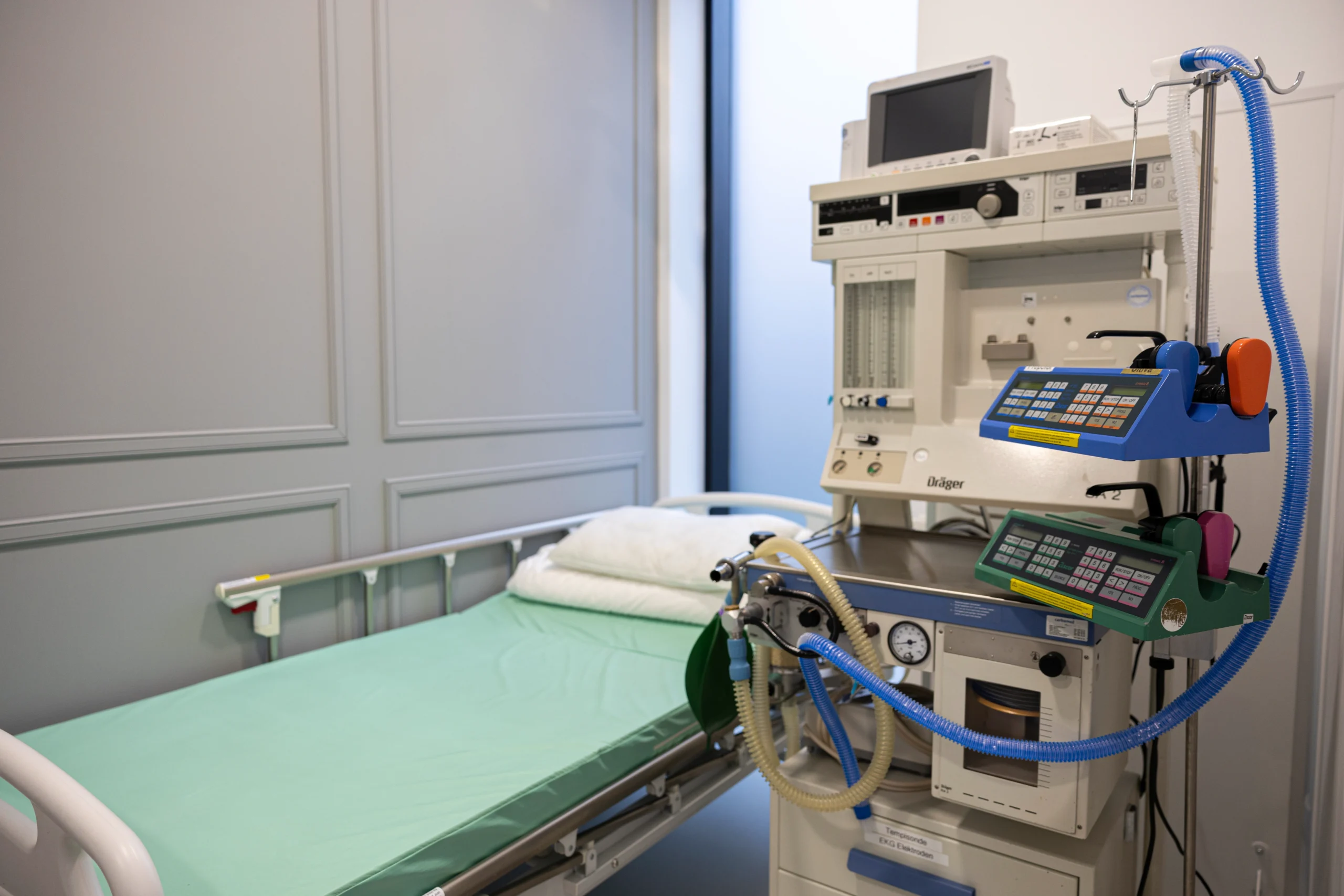
General anesthesia is a medical technique that allows patients to undergo surgery or other invasive procedures without feeling pain or being conscious. While the idea of being completely unconscious during a procedure may seem intimidating, understanding how general anesthesia works, its benefits, and potential risks can help alleviate any concerns. In this comprehensive guide, we’ll cover what general anesthesia is, when it’s needed, how it works, potential side effects, and what you should expect during recovery. What Is General Anesthesia? General anesthesia is a medically induced state of unconsciousness used during surgeries and medical procedures that would otherwise be too painful or distressing for patients. It affects the entire body and blocks pain by interrupting nerve signals in the brain and body. Key Features of General Anesthesia: Induces complete unconsciousness Blocks pain sensations Relaxes muscles Prevents memory of the procedure It is administered by an anesthesiologist or nurse anesthetist through inhalation (gas) or intravenously (IV). The depth of anesthesia can be adjusted as needed during the procedure. When Is General Anesthesia Used? General anesthesia is typically used for: Major Surgeries: Such as heart surgery, brain surgery, or organ transplants Complex Dental Procedures: Including wisdom teeth removal or jaw surgery Emergency Surgeries: Like appendectomies or trauma surgery Diagnostic Procedures: In rare cases, for procedures like endoscopies when local anesthesia isn’t sufficient Your doctor will decide if general anesthesia is necessary based on your health, the type of procedure, and the expected level of discomfort. How Does General Anesthesia Work? General anesthesia works by disrupting nerve signals in the brain and central nervous system. It consists of three main components: Induction: The process of putting the patient to sleep, typically through IV medication. Maintenance: Keeping the patient in an unconscious state during the procedure, usually through a combination of gas and IV drugs. Emergence: Gradually waking the patient after the procedure is complete. An anesthesiologist monitors vital signs such as heart rate, blood pressure, breathing, and oxygen levels throughout the procedure. Risks and Side Effects of General Anesthesia While modern anesthesia is generally safe, especially when administered by experienced professionals, there are potential risks: Common Side Effects: Nausea and vomiting Sore throat from the breathing tube Drowsiness or confusion upon waking Less Common but Serious Risks: Allergic reactions to anesthesia medications Breathing difficulties Heart complications Postoperative cognitive dysfunction (POCD), particularly in elderly patients Your anesthesiologist will assess your overall health and medical history to minimize these risks. How to Prepare for General Anesthesia Proper preparation can significantly reduce the risk of complications. Before your procedure: Follow Fasting Instructions: Avoid eating or drinking for 6-8 hours before surgery. Discuss Medications: Inform your doctor about all medications, including supplements. Report Medical History: Include allergies, previous surgeries, or reactions to anesthesia. Avoid Smoking and Alcohol: Both can interfere with anesthesia. Your medical team will provide detailed instructions specific to your procedure. What to Expect During Recovery After surgery, patients are moved to a recovery room where they are monitored as the effects of anesthesia wear off. Here’s what to expect: Waking Up: You may feel groggy, disoriented, or nauseous. Vital Sign Monitoring: Nurses will track your heart rate, breathing, and blood pressure. Pain Management: Medications may be administered to manage any discomfort. Most patients recover from anesthesia within a few hours, but complete recovery may take up to 24 hours. It’s essential to have someone accompany you home and avoid driving or making important decisions for at least a day. Who Should Avoid General Anesthesia? While rare, some individuals may have a higher risk of complications, including those with: Severe heart or lung conditions Obesity A history of adverse reactions to anesthesia Obstructive sleep apnea In such cases, alternative forms of anesthesia (such as local or regional) may be considered. Frequently Asked Questions (FAQ) Is general anesthesia safe? Yes, when administered by trained professionals, general anesthesia is considered safe. The anesthesiologist monitors the patient throughout the procedure. How long does it take to recover from general anesthesia? Initial grogginess usually wears off within a few hours, but full cognitive recovery can take up to 24 hours. Can I eat before general anesthesia? No, patients are usually advised to fast for 6-8 hours before surgery to prevent complications such as aspiration. Is it possible to wake up during general anesthesia? Awareness during general anesthesia is extremely rare, occurring in about 1-2 cases per 1,000 surgeries. Conclusion: Is General Anesthesia Right for You? General anesthesia is a safe and effective way to ensure comfort and pain relief during surgical procedures. By understanding the process, risks, and recovery, you can feel more confident and prepared for your procedure. If you have any questions or concerns about general anesthesia, always consult your doctor or anesthesiologist for personalized advice.
Rubber dam – use and contraindication
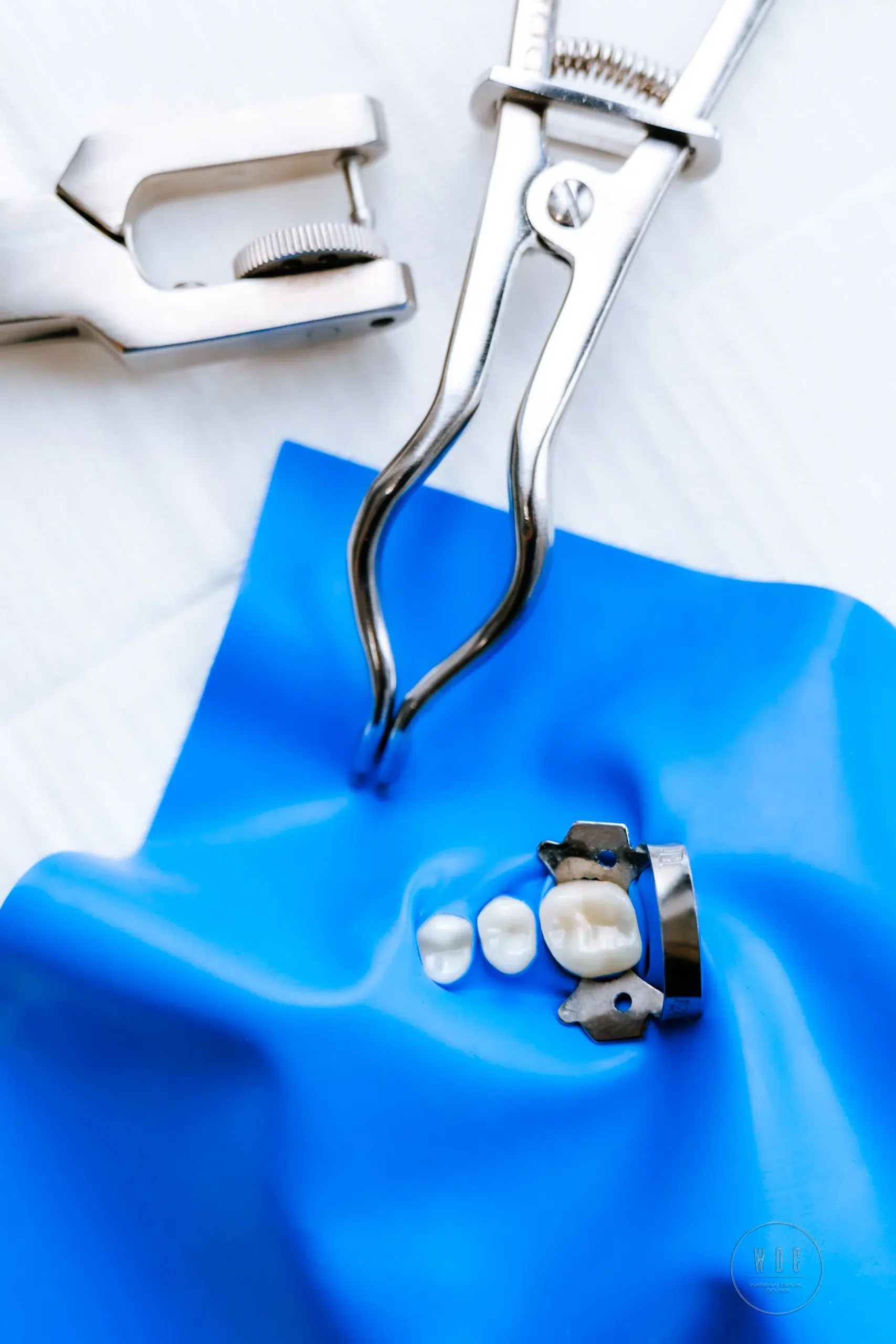
Rubber Dam – this is an exotic-sounding term referring to a sheet of silicone rubber, into which a hole is punched at the site of the treated tooth using a special punch. It is held in place by a set of dedicated clamps, and the entire assembly is stabilized outside the oral cavity using a metal or plastic frame. Applying Rubber Dam The process of applying rubber dam takes only a few seconds. Functions and Uses of Rubber Dam Rubber dam finds application in various fields of modern dentistry, including conservative treatment, root canal treatment (endodontics), and prosthodontics (often when cementing crowns and veneers). The primary function of rubber dam is to isolate the treated tooth from saliva flow. Modern filling materials, such as composites, require absolute dryness to maintain seal integrity, which is challenging in the moist environment of the oral cavity, especially when working on deeply positioned molar teeth. In cases where an abrasive sandblaster is necessary (e.g., in deep carious lesions), rubber dam protects the gums from irritation that could prevent a lasting final filling. Working with rubber dam translates into the quality and durability of fillings. One common reason for failure in root canal treatment is infection of the root canal system by bacteria from the oral cavity, which can be prevented using rubber dam. Furthermore, it provides effective protection for the sensitive tissues of the oral cavity, especially during canal preparation, when frequent and copious disinfection is necessary. Rubber dam is mainly used during root canal treatment (endodontic), where its role also includes protecting the patient from the possibility of swallowing tools used during precise treatment. By using rubber dam, the dentist can focus solely on the treated tooth, ensuring work comfort, a wide field of view, and eliminating the need for constant replacement of moistened rolls of lignin or mirror fogging. All of this translates into shorter treatment times and facilitates achieving the intended goal of a tight and durable filling. For the patient, rubber dam allows “isolation from the surroundings” and a sense of complete security during the procedure, often leading to falling asleep in the dental chair! Contraindications The use of rubber dam is not limited by contraindications. For patients allergic to latex, a latex-free rubber may be used by the dentist. For patients suffering from upper respiratory tract conditions, special care should be taken to properly position the rubber to avoid covering the nose and obstructing breathing. In our dental clinic, we provide comfortable and stress-free treatment using rubber dam.
Dental treatment during pregnancy – Is it safe?
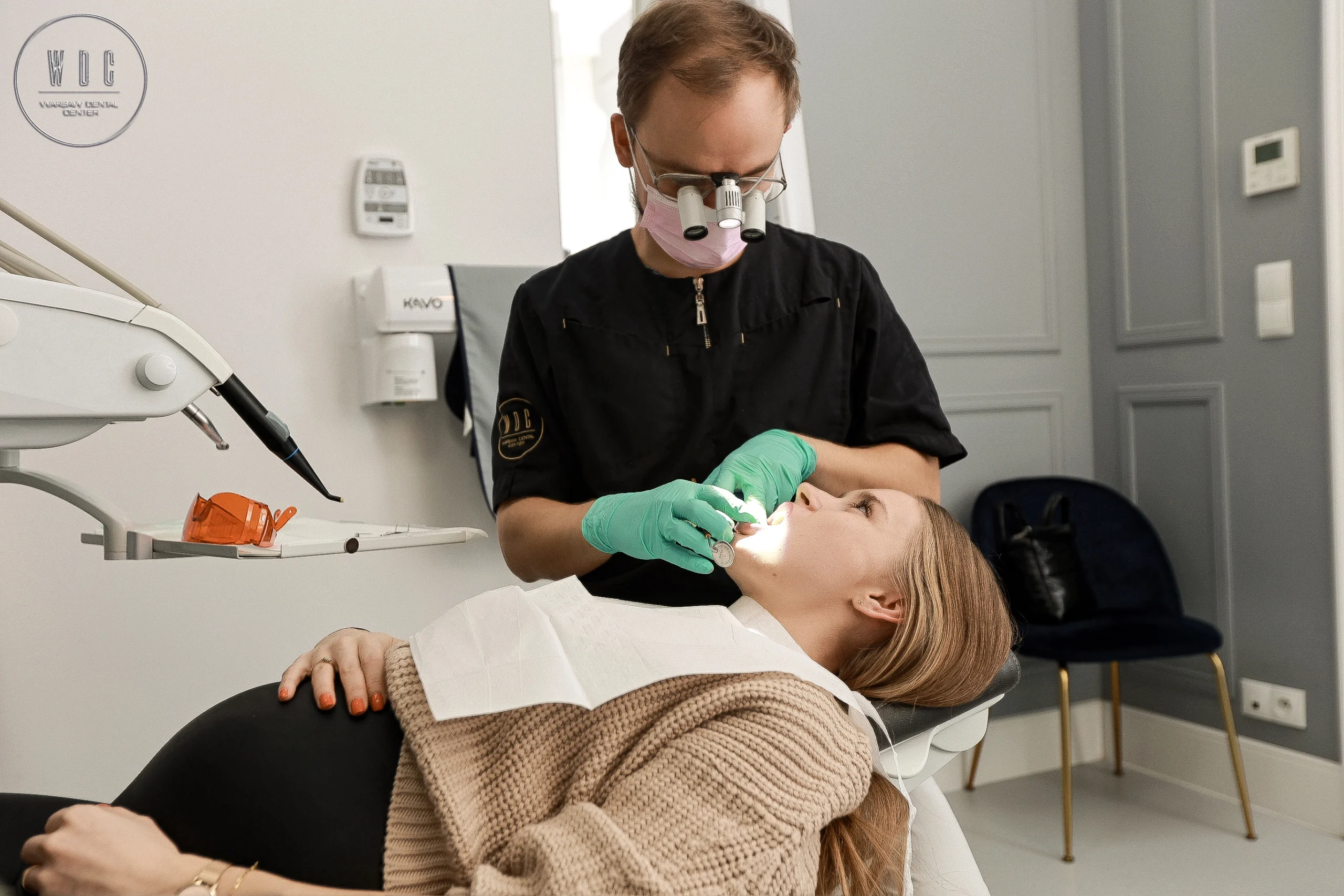
Dr. Bartosz Leończak performs a procedure on a pregnant patient Dental Treatment During Pregnancy – Is It Safe? The answer is yes! It is safe, but there is a lot of information to consider. Oral health during pregnancy requires special attention. Oral Health during Pregnancy During pregnancy, the risk of gingivitis and caries increases due to various factors: Gingivitis – Bacterial buildup is the main cause of gingivitis. During pregnancy, hormones can increase the response to bacteria in the gum tissue, causing this condition. Cavities – It is also worth paying attention to the risk of caries during this period. Pregnancy changes a woman’s diet, often causing cravings for foods that can increase the risk of tooth decay. Additionally, acidity in the mouth, caused by e.g. frequent vomiting, may lead to weakening of the enamel and susceptibility to caries. For this reason, the special importance of daily oral care during pregnancy should be emphasized. By taking care of her oral health, a woman has a chance to have a positive impact not only on her own health, but also on the health of your child. You should not be afraid of visiting the dentist during this period, as professional teeth cleaning is considered safe dental treatment during pregnancy. X-rays Most dental procedures and routine checkups require X-rays. Good news! Studies have shown that the use of these procedures does not pose a threat to pregnant patients, provided that a protective cover is used for the abdominal cavity and thyroid gland. To sum up, it is always recommended to consult your midwife and dentist before undertaking any dental procedures during pregnancy. The Warsaw Dental Center team is available to answer all your questions and concerns!

How to prepare for oral surgery
Preparing for oral surgery can be stressful, but well-planned activities can significantly help with the surgical process and faster recovery. So let’s see how you can properly prepare for it. Consultation with a doctor The most important step is to consult the doctor who will perform the surgery. During your visit, you can discuss any doubts, questions and receive preparation tips. Your doctor may recommend specific actions, such as stopping taking certain medications or following an appropriate diet before surgery. Mental preparation Mental preparation is also key. Oral surgery can be stressful, so it’s worth finding ways to cope with your emotions. Breathing exercises, meditation or talking to loved ones can help calm your nerves. Home preparation Take care of your home environment before surgery. Prepare a comfortable place to rest after the procedure, provide soft pillows, blankets and anything that will help you feel comfortable. Also prepare easy-to-prepare meals, as it may be difficult to eat thicker foods after surgery. Taking care of hygiene Before surgery, you should take special care of your oral hygiene. Regularly brushing your teeth, using dental floss and rinsing your mouth with appropriate disinfectants will help reduce the risk of infection and speed up the healing process of wounds after surgery. Limiting eating and drinking before surgery Depending on your doctor’s advice, you may need to limit what you eat and drink before the surgery. It is usually recommended not to eat or drink anything a few hours before the planned procedure. This is important to avoid possible complications related to the effects of anesthesia. Post-operative support After surgery, it is important that you have the support of your loved ones. Some activities may be difficult to perform, so help with everyday duties will be very valuable. Also remember to visit your doctor regularly to monitor the healing process and any problems. It is worth remembering that each surgery is different, so you should always follow your doctor’s recommendations. Well-prepared pre-operative planning can reduce anxiety and help you recover faster.
Do fluoride and fillings contain harmful materials?
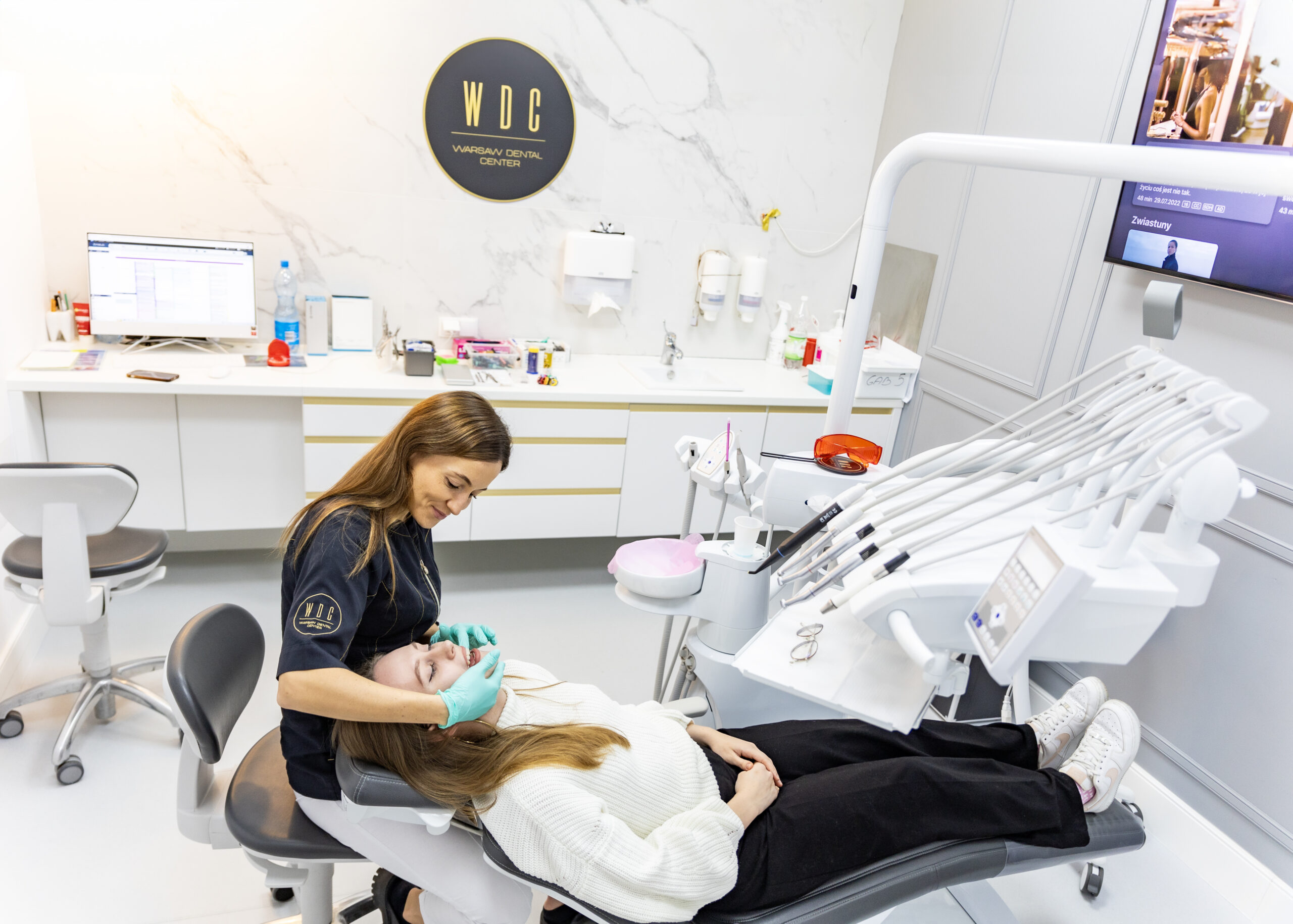
Taking care of our oral health is a key element of our daily hygiene. However, for the sake of health, We often wonder whether the dental materials we use may have a negative impact on our body. IN In particular, there are many questions about fluoride and the materials used for it dental fillings, such as amalgams or composites. Fluoride – Is it harmful? Fluoride is used in the prevention of caries, most often through fluoridation, i.e application of gel or foam containing fluoride to the tooth surface. It helps strengthen the enamel by protecting it against the action of acids that cause caries. There is controversy regarding possible negative effects side effects of consuming excessive amounts of fluoride. However, most studies have shown that fluoride used in… moderate amounts within recommended standards, it is safe for health. Fillings – What Do They Contain? Traditional amalgam fillings contain metals such as mercury, silver and zinc and copper. Mercury is of greatest concern due to its potential health risks. Despite presence of mercury, studies show that dental amalgams are stable and pose no risk, as long as they are not violated. In turn, composites, i.e. resins used for fillings, do not contain mercury or other substances heavy metals. They are aesthetic, durable and increasingly popular, although there are concerns about the emissions of substances associated with polymers in the composition of composites. Porcelain as an alternative Porcelain, although slightly less flexible, is another option for dental fillings. Is durable, resistant to discoloration and is a good alternative for people who are afraid the use of amalgams or composites. Maintaining a Healthy Smile In conclusion, fluoride is a safe ingredient in oral care, while traditional ones amalgams contain mercury, although their health risk is minimal. Composites and porcelain are alternatives, however each material has its advantages and limitations, Therefore, it is worth consulting our Warsaw Dental Center clinic to choose the best solution for your patients teeth. Maintaining your oral health is crucial and choosing the right materials is crucial for dental treatment can significantly contribute to maintaining a beautiful smile for a long time.
Medical interview – why is it so important?
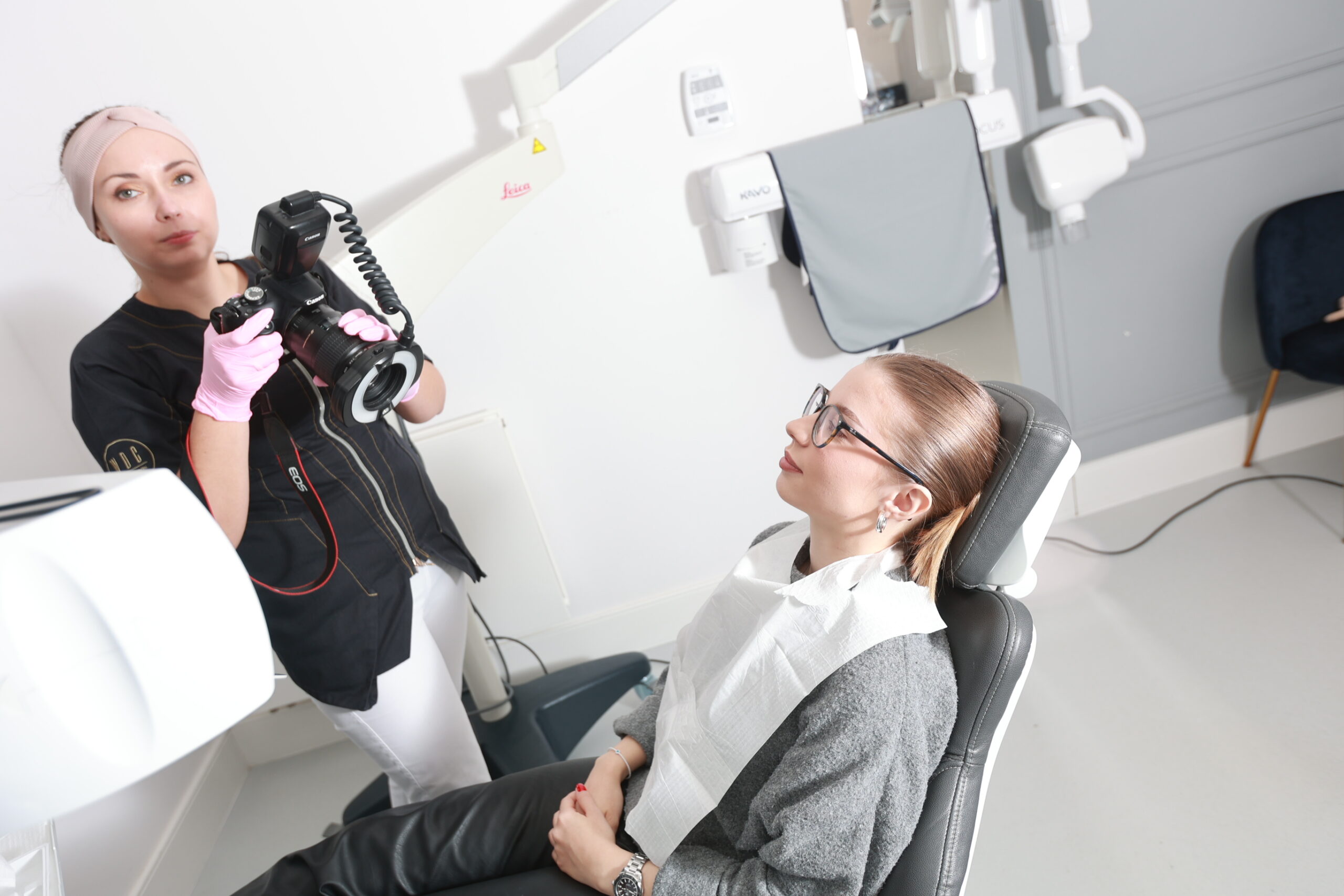
A medical interview is part of the first visit to the dentist’s office. It is as important as an examination of the patient’s oral cavity or comprehensive photographic documentation and radiological diagnostics. During the conversation, the doctor can initially determine the patient’s habits, get acquainted with the disease history (possibly find out about chronic diseases that affect the treatment), determine whether and what medications he takes (concealing this information has negative consequences for the patient’s health). A properly collected interview enables making a preliminary diagnosis and proceeding to the next stages of treatment. Interestingly, the dentist often asks about the type of work performed, possibly mental problems, phobias or childhood traumas. Let’s always give true answers, because the level of our stress has a significant impact on e.g. tooth wear, dysfunctions in the temporomandibular joint, etc. Our eating habits are also important – the type of diet, the frequency of meals, etc. This information, in turn, can help prevent the development of tooth decay. A holistic approach to the patient is the basis of the WDC philosophy. After preparing the appropriate documentation, our team of specialists prepares a comprehensive treatment plan, which details all the necessary treatments that we need to perform. We invite you for a consultation at Warsaw Dental Center. Appointments can be booked: – by phone: 22 542 18 04 – by e-mail: kontakt@warsawdentalcenter.pl – or via social media See you at Topiel 11 in Warsaw!
Rubber Dam in Dentistry: Precision, Comfort and Safety
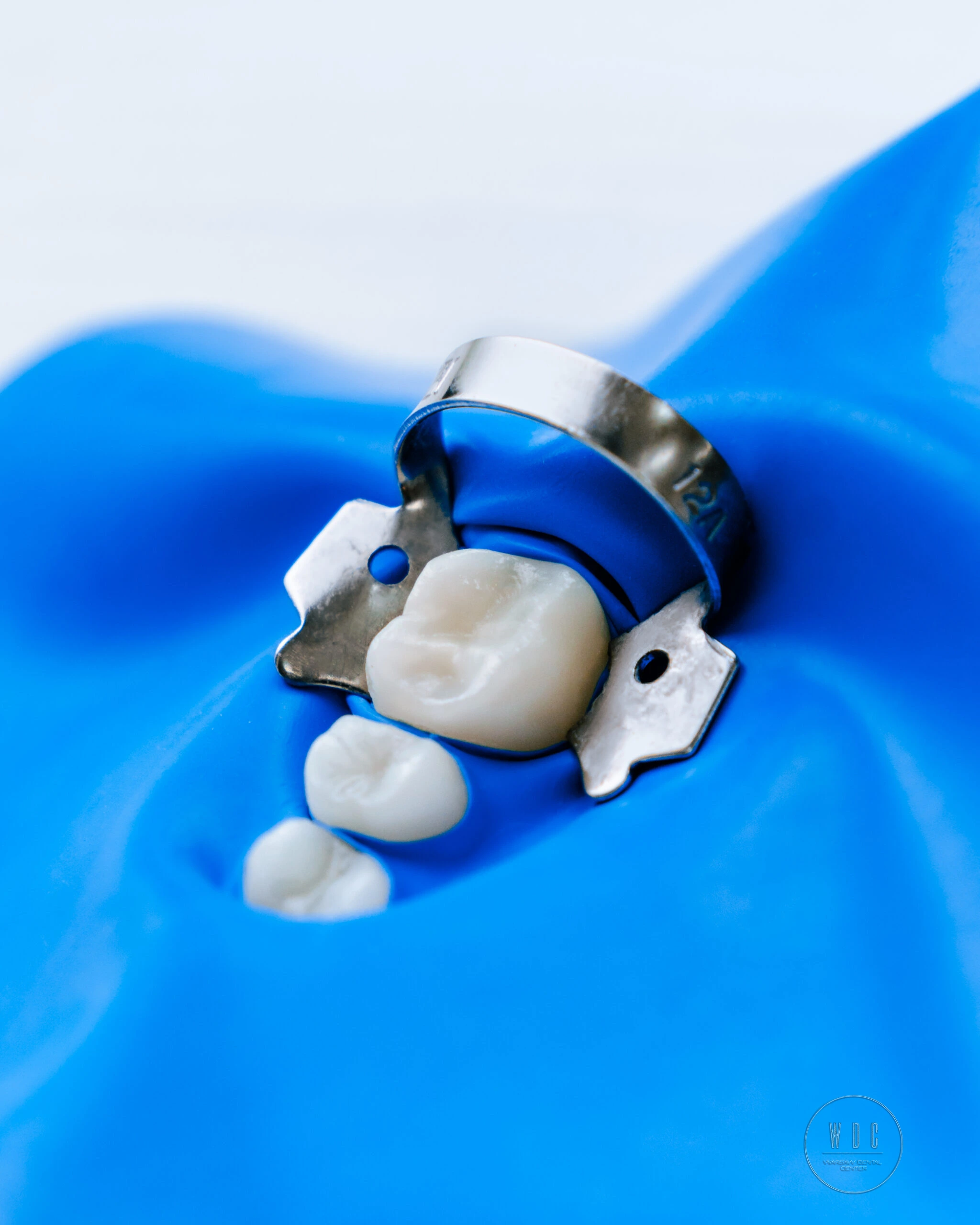
What is a dental dam? A rubber dam, also called a “women’s rubber”, is a thin, flexible rubber mat or foil that is used in dentistry to isolate the treatment area. It is a tool that separates the teeth and oral tissues from the remaining space, providing control over the working environment. Advantages of using a rubber dam: Precision and effectiveness: A rubber dam ensures precise and effective performance of dental procedures, such as fillings, root canal treatment or tooth preparation for a crown. Patient comfort: Patients appreciate the use of a rubber dam because it reduces the discomfort associated with the presence of moisture and other substances in the oral cavity during treatment. Safety: A rubber dam increases patient safety by minimizing the risk of swallowing or aspiration of materials used during the procedure. Hygiene: The use of a rubber dam contributes to maintaining the highest hygiene standards during dental procedures. Applications of rubber dam in dentistry: Preparing the tooth for a filling: A rubber dam is often used in filling procedures to isolate the tooth from saliva and other tissues. Endodontic treatment: In the case of root canal treatment, a rubber dam isolates the tooth from the rest of the mouth, which is essential for the success of the procedure. Preparing the tooth for the crown: When installing crowns or bridges, a rubber dam guarantees isolation and precision. Teeth whitening: When whitening your teeth, a dental dam isolates your teeth and gums from the whitening gel being used. Summary: A rubber dam is an invaluable tool in dentistry that contributes to precise and safe procedures. Thanks to it, patients can feel more comfortable and doctors achieve better results. In today’s world of dentistry, a rubber dam is an integral element that raises the standards of dental care and ensures patient satisfaction with dental services. If you are considering visiting a dentist, do not hesitate to ask about the use of k oferdam during your treatment. This tool can significantly influence the course and effectiveness of the procedure.

Dental treatment during pregnancy
Pregnancy is an extraordinary period in every woman’s life. Over the course of nine months, the body undergoes significant changes, which require special care and attention. Future mothers try to avoid medications and take care of their diet, well-being and immunity. Unfortunately, not everything can be predicted. What should you do if you experience a sudden toothache while waiting for your baby to be born? Can dental treatment be undertaken in such a situation? What forms of anesthesia are safe during pregnancy? Dental treatment during pregnancy – is a visit to the dentist possible? Regular visits to the dentist reduce the risk of caries and allow you to respond to oral problems on an ongoing basis. It is worth undergoing a dental examination before getting pregnant, as hormonal changes affect the health of the oral cavity. Increased hormone levels can lead to swelling and redness of the gums. The optimal period for more advanced treatments is usually the 4th-6th month of pregnancy, although most of them can be performed throughout the entire pregnancy. Safe dental anesthesia during pregnancy Many women are concerned about the safety of dental anesthesia during pregnancy, especially due to restrictions on the use of medications during this period. However, modern medicine takes into account the safety of the mother and child. Currently used anesthetics, such as preparations containing articaine, are adapted to the needs of the pregnant patient, minimizing the risk to the fetus. Safe anesthesia allows for effective dental treatment, which is important for the future mother’s well-being and avoiding stress, which may also negatively affect the health of the fetus. Root canal treatment during pregnancy In the first trimester of pregnancy, the mother’s body is particularly susceptible, so it is recommended to avoid more advanced dental procedures. In the case of root canal treatment, it is worth postponing it until the second trimester or, preferably, until after the baby is born cka. However, delaying root canal treatment may lead to inflammation that threatens the health of the mother and baby. In such situations, treatment should be carried out as soon as possible, often using modern methods under a microscope, which shorten the duration of the procedure. Sandblasting teeth during pregnancy Teeth sandblasting is absolutely safe and even recommended for pregnant women. The process of removing plaque helps prevent the growth of decay-causing bacteria and tartar. It is recommended to sandblast at least twice every nine months. Tooth removal or extraction during pregnancy If a tooth needs to be removed, it is a good idea to postpone the procedure at least until the second trimester of pregnancy or, if possible, until after the baby is born. This is a more invasive procedure that may carry some risks for mother and baby. Therefore, doctors suggest optimal moments to perform it. Teeth whitening during pregnancy Future mothers should refrain from whitening their teeth during pregnancy due to the presence of strong chemicals in the preparations. These substances may pose a potential risk to the health of the fetus. Treatment of cavities during pregnancy Treatment of dental cavities, after appropriate anesthesia, is relatively non-invasive and can be performed during pregnancy. Untreated caries can lead to inflammation that is dangerous for both mother and child. General oral hygiene during pregnancy Maintaining your oral health during pregnancy is crucial. Regular visits to the dentist in each trimester, thorough oral hygiene, using appropriate dental products for pregnant women and following your doctor’s recommendations are important steps in ensuring your oral health during this unique period. In summary, dental care during pregnancy is possible and important for the health of mother and child. Safe anesthesia and adapted methods Treatment modalities allow you to maintain a healthy oral cavity during this unique period.