



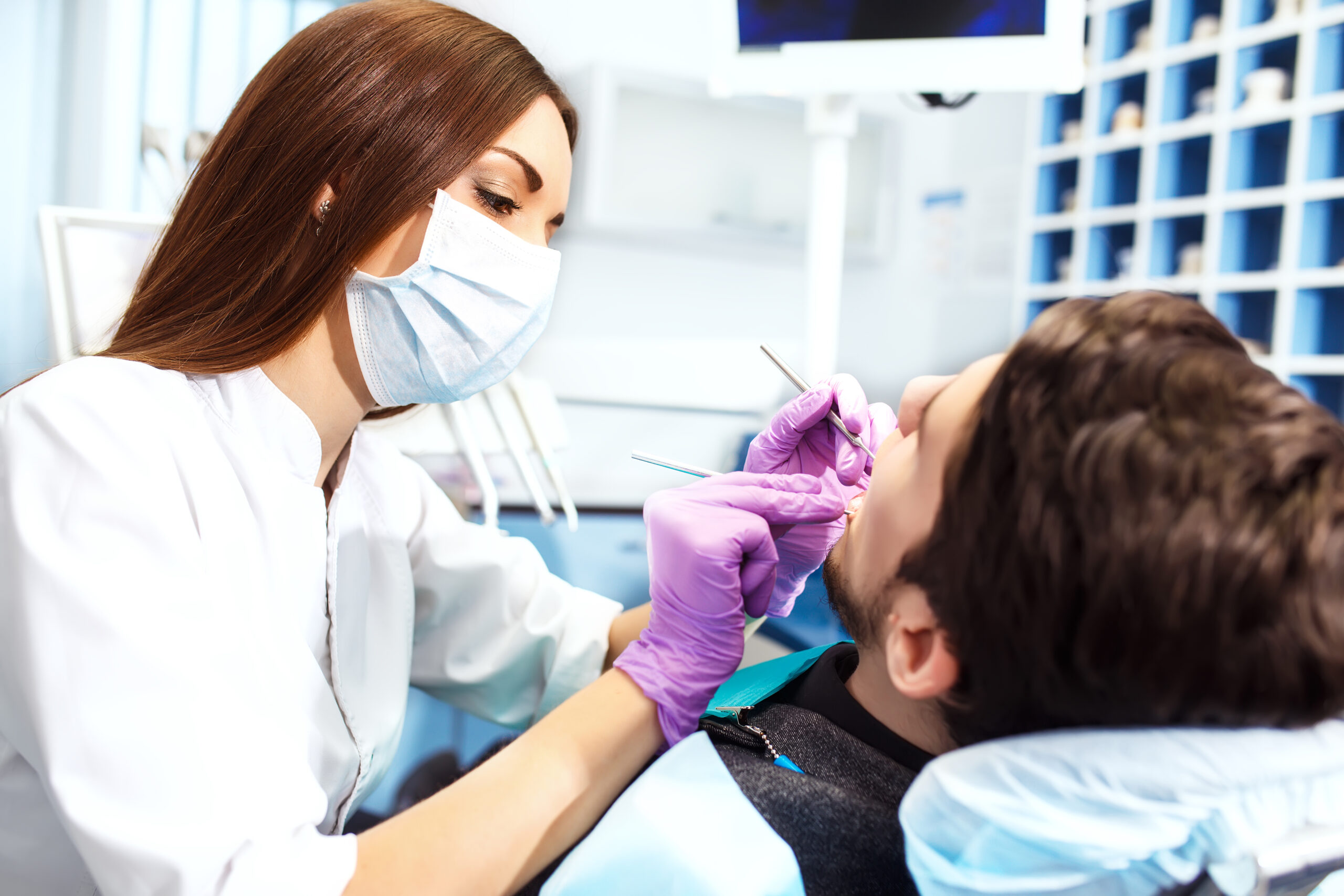
Stress accompanies us in various life situations, whether they are related to work or personal life. It not only affects psychological aspects but also has a significant impact on the health of the entire body, including the oral cavity. Learn how stress can negatively affect oral health and overall body condition, as well as how to deal with its effects. Does Stress Have a Negative Impact on Dental Health? Stress can have a complex impact on oral health. Although it doesn’t always directly lead to deterioration of dental health, prolonged or intense stress can result in harmful habits such as teeth grinding or clenching. These habits can lead to tooth damage and worsen their condition. Additionally, stress can influence our diet. People experiencing chronic stress often reach for snacks and food rich in sugars and fats, which can contribute to tooth decay. Poor dietary habits and irregular meal consumption can also increase the risk of plaque formation, which in turn can lead to periodontal disease. To take care of your teeth, it’s important to reduce stress and lead a healthy lifestyle, including a healthy diet and regular oral hygiene habits. Are Teeth Grinding and Mouth Ulcers Symptoms of Stress? Teeth grinding, also known as bruxism, is a common phenomenon associated with stress. Due to tension, both during sleep and while awake, people often unconsciously clench their jaws and grind their teeth. This habit can lead not only to tooth damage but also to discomfort such as temporomandibular joint pain and headaches. Mouth ulcers, or oral mucosal ulcers, are another problem often associated with stress. Although there are many factors contributing to the occurrence of mouth ulcers, stress can weaken the body’s immune system, making them more likely to occur. Mouth ulcers can be painful and can interfere with daily functions such as eating and speaking. If you’re dealing with teeth grinding or mouth ulcers, it’s worth consulting a doctor to learn the best methods to manage and alleviate their symptoms. Can Stress Harm Your Gums? Stress can negatively impact the health of your gums. People exposed to stress are more susceptible to bacterial infections in the oral cavity, which can lead to gum inflammation. In its advanced form, inflammation can progress to periodontal disease, a serious gum disease that can even lead to tooth loss. Additionally, stress can reduce the body’s ability to regenerate and fight infections, delaying healing processes in the oral cavity. How to Take Care of Your Oral Health? To ensure healthy gums and teeth and minimize the negative impact of stress, it’s important to follow a few simple rules: Balanced diet: Limit sugar and fats intake while ensuring an adequate amount of vitamins and minerals Prevention of teeth grinding: If you notice teeth grinding, consult a dentist who can recommend special night guards or appliances Relaxation techniques: Regularly practice relaxation techniques such as breathing exercises, yoga, or meditation to reduce stress levels Regular dental visits: Regular check-ups with a dentist allow for early detection of potential problems and effective treatment Why Are Regular Dental Visits Important? Regular check-ups with a dentist or dental hygienist are essential for maintaining oral health. During these visits, the condition of teeth and gums can be effectively monitored, professional advice on oral hygiene can be obtained, and preventive treatments can be performed. Early identification of potential problems helps avoid more serious complications and costly treatments in the future. Effects of Stress on Oral Health – How to Prevent Them? Stress can significantly affect the health of our oral cavity, causing teeth grinding, mouth ulcers, or gum problems. Therefore, it’s important to counteract stress through proper diet, relaxation techniques, and regular visits to the dentist or dental hygienist. Take care of your oral health – schedule a visit to Warsaw Denta Center today at +48 22 542 18 04.
How smoking cigarettes affects teeth and oral health
Statistics clearly show that as many as one in four people in Poland regularly smoke cigarettes, which poses a significant health problem in our society. Despite widespread awareness of the negative impact of smoking on overall health, many people underestimate the effects of this habit on oral health and teeth. Many smokers lack knowledge about the link between smoking and periodontal diseases, leading to neglect of this aspect of health. Below, we present key information on this topic to increase public awareness and encourage preventive action. Cigarettes and oral health – the effects of smoking on teeth and oral cavity Maintaining proper oral hygiene becomes a challenge for people who smoke cigarettes. Toxic substances present in tobacco not only negatively affect the oral flora but also increase the risk of various oral diseases. Tooth discoloration – the effects of smoking and methods of removal Smoking cigarettes is not only a harmful habit for health but also a serious aesthetic problem. Nicotine, present in cigarette smoke, combined with oxygen, gives teeth an unsightly yellowish color. These discolorations can start from subtle changes, such as slight staining, to noticeable yellowing, significantly deteriorating the appearance of the smile. Over time, lack of proper oral hygiene leads to the accumulation of dental plaque, which promotes the absorption of nicotine and tar substances, leading to deepening discoloration. Moreover, dental calculus not only negatively affects the aesthetics of teeth but also promotes the development of cariogenic bacteria, which can result in serious damage. Fortunately, there are dental methods that can effectively remove discolorations and restore teeth to their natural color. Available treatments include professional cleaning, bonding, veneers, and crowns. The choice of the appropriate method depends on the individual needs and preferences of the patient, who should consult a dentist to make the right decision. How to avoid bad breath in smokers Smoking cigarettes can lead not only to nicotine addiction but also to breathing problems. A variety of harmful chemicals present in cigarette smoke, such as ammonia, carbon monoxide, or phenol, deposit in the oral cavity, throat, and lungs, causing unpleasant breath, known as smoker’s halitosis. It is worth noting that smokers have much more difficulty maintaining proper oral hygiene, which often leads to periodontal diseases and tooth decay. The mechanism of these diseases is mainly based on the development of bacteria that produce unpleasant odors. To avoid this problem, smokers should take special measures to maintain fresh breath and a healthy oral cavity. Weakening of bone tissue blood circulation Weakening blood circulation is also a result of tobacco consumption. This habit leads to impaired blood circulation in bone tissue, which in turn negatively affects tissue healing processes. Additionally, it may hinder or limit the performance of certain medical procedures. This is significant in terms of the effectiveness of implant procedures, where impaired blood circulation may disrupt the integration of the implant with the bone, and in extreme cases, even cause its rejection. Impairment of salivary gland function Tobacco smoke adversely affects the functioning of salivary glands, leading to impaired function. As a result, there is increased activity of submandibular and sublingual glands in smokers, resulting in changes in saliva composition. In smokers, saliva becomes thicker, losing its natural moisturizing properties, and weakening its protective functions. Dry mouth promotes the development of fungal infections and inflammatory conditions, which can exacerbate oral health problems. Negative effects of smoking cigarettes on oral health Smoking cigarettes can increase the risk of many oral diseases, including: Tooth decay, Gum inflammation, Inflammation of the cheek mucosa, Tongue inflammation, Alveolar bone resorption, Dry mouth (xerostomia), Halitosis (bad breath), Leukoplakia (white patches on the cheek mucosa and tongue), Oral candidiasis (thrush), Salivary gland inflammation, Salivary gland stones. How can smokers take care of their oral and dental health? Regular performance of high-quality oral hygiene procedures several times a day is crucial. Additionally, it is important to undergo professional cleaning at least twice a year in a dental office and to regularly attend dental consultations. However, the most important step in maintaining overall oral health is to quit smoking cigarettes. For smoking patients, our clinic offers a wide range of services aimed at improving smile aesthetics and comprehensive dental treatment. We have highly qualified medical staff and state-of-the-art equipment, guaranteeing satisfactory therapeutic and aesthetic results. Testimonials from our patients confirm the effectiveness of our actions.

Moving tooth – causes and effective treatment
A moving tooth can be a sign of a serious condition or a result of an injury. The crucial factor is timing, as a delay in intervention can result in irreversible consequences. This condition requires immediate attention and should not be trivialized. The first step should be to consult with a specialist dentist. Causes of tooth mobility The symptom of a loose tooth may be noticeable during chewing, biting, or tooth brushing. There are many potential causes of mobility in permanent teeth. Often, this results from mechanical trauma, dislocations, fractures, or bruxism, which is teeth grinding. Frequently, loose teeth are a symptom of serious conditions such as advanced decay, complications associated with developing periodontal disease, or gum disease. Tooth mobility may also result from an infection caused by bacteria that destroy both the gums and the bone in which the tooth is anchored. Tooth mobility may occur after root canal treatment or during orthodontic therapy. Often, this is a complication of such treatment. In the case of children experiencing loose primary teeth, there is no cause for concern as this is a physiological phenomenon usually associated with the eruption of permanent teeth. What to do when a tooth begins to move? If we notice that one of our teeth is starting to lose stability, we should consult a dentist as soon as possible. Only then is there a chance to save the moving tooth. The specialist will assess the degree of tooth mobility using appropriate diagnostic tools such as a periotest. Four degrees of mobility are distinguished (from 0 to 3, where 0 indicates minimal mobility characteristic of some healthy teeth). A quick and accurate diagnosis is the foundation for further action. Usually, an X-ray is necessary for a more precise evaluation of the situation. In the event that a tooth (or several teeth) begins to move after an injury or impact, it is essential to immediately seek emergency dental care or visit a dental office. In such situations, prompt action is crucial. Thanks to a procedure called reimplantation, or repositioning the tooth in its socket, even knocked-out teeth can be saved. It is essential to store the lost tooth under proper conditions. Dental prevention We emphasize the importance of dental prevention in maintaining oral health, which includes consistent oral hygiene, regular check-ups with the dentist, and professional dental cleaning in the dental office. It is also important to learn the correct technique of brushing teeth, tongue, and gum massage. Thorough tooth brushing prevents the formation of dental plaque, the development of primary and secondary caries, and reduces the risk of periodontal and soft tissue inflammations. According to dental experts, daily oral hygiene, regular check-ups, and performed hygiene procedures play an important role in the durability of dental treatment (including implantological, surgical, prosthetic, or conservative). Therefore, we can conclude that the primary responsibility for the long-term effects of dental treatment lies with the patients themselves. Early diagnosis and prompt treatment, regardless of the type of condition, are also crucial, significantly affecting the treatment prognosis.

Bleeding Gums – When to consult a periodontist
Bleeding Gums is a common problem affecting many people. Unfortunately, many patients still experience bleeding while brushing their teeth. Often, this is the result of mechanical abrasions caused by excessive pressure on the gums during daily oral hygiene. This type of bleeding is usually temporary and results from accidental injury. However, the main cause of bleeding gums is typically improper oral hygiene. If the problem persists over time and occurs almost every time after brushing, and mechanical abrasions are not the cause, a thorough examination of this issue is necessary. What causes bleeding gums? Bleeding gums are often the result of plaque formation on the surface of the gums and teeth, where bacteria and food particles combine with saliva. This process can lead to destructive effects on tissues, such as decay and tartar buildup. It is undeniable that the main cause of bleeding gums is inadequate oral hygiene. Statistics show that every other Pole struggles with proper oral cleaning, and bleeding gums often result in neglecting even basic dental care. Accumulation of dental plaque Hard-to-reach areas, such as interdental spaces, are often overlooked in daily oral hygiene. Unfortunately, toothbrushes alone are not sufficient. Patients neglect to use tools like dental floss or mouthwash, leading to the accumulation of dental plaque. As a result, there is: – Dental tartar, – Gum swelling, – Inflammation, – Bleeding gums, – Bad breath, – Unpleasant odor. Ignoring these symptoms can lead to chronic gum inflammation and, consequently, the development of periodontitis. Periodontitis is a disease affecting the gums and tissues around the teeth. The progression of the disease can manifest as exposed tooth roots, loosening of teeth, and in extreme cases, even tooth loss. It’s worth noting that bleeding gums can also be a symptom of other diseases. Which ones? Bleeding gums and vitamin deficiency: causes, symptoms and prevention Often, bleeding gums can result from a deficiency of vitamins, which may be due to an improper diet or consumption of processed foods. Deficiencies in minerals such as iron, vitamin D, K, or C can lead to bleeding gums and inflammation. This condition can also signal other health problems such as anemia or diabetes. Additionally, a weakened immune system, blood clotting disorders, use of certain medications, smoking, genetic predispositions, as well as liver or cancerous diseases, can be factors influencing gum bleeding. Individuals prone to these factors should regularly visit a dental office, which will not only help prevent gum diseases but also facilitate early detection of serious conditions. Bleeding gums during pregnancy It should be noted that bleeding gums are a common problem in pregnant women, resulting from hormonal changes. Therefore, expectant mothers should pay special attention to oral hygiene. Similar problems may occur in women going through menopause, as hormonal changes occur. Dental health is crucial. Bleeding during brushing is a warning that proper oral hygiene should be focused on to care for the entire body. Remember! Ignoring bleeding gums can lead to serious consequences. A periodontist, a specialist in periodontal diseases, is capable of assessing oral health accurately, applying anti-inflammatory therapies, and, most importantly, preventing tooth loss! How to effectively prevent bleeding gums? Brushing teeth should be done at least twice a day for about 3 minutes each time. Additionally, using dental floss is extremely important to clean interdental spaces, which are difficult to reach with a regular toothbrush. Antimicrobial mouthwashes also have a supportive role. They not only eliminate unpleasant tastes in the mouth but also are excellent after any surgical procedures. What toothbrush is most suitable? Although there are different types of toothbrushes available on the market, toothbrushes with soft bristles are usually the most effective. It’s important to note that dental plaque is a delicate deposit on the teeth that does not require the use of excessive force or a hard-bristled brush! Let’s take care of our gums and teeth by consistently applying proper oral hygiene methods. Hygienization procedures Regular visits to the dental office are essential for the effective treatment of periodontal diseases, which can lead to bleeding gums and inflammation. Dental tartar is the starting point for many problems, so it’s important to approach hygiene professionally. Do not hesitate to make an appointment because experienced dental hygienists will not only comprehensively take care of your teeth but also provide detailed explanations regarding proper oral hygiene. Using their services will contribute to maintaining long-term oral health. It’s worth noting that many patients underestimate the importance of proper tooth brushing. During a hygienic visit, specialists will not only provide toothbrushing instructions but also individually tailor oral hygiene products to your needs. You will receive professional advice on using a toothbrush, dental floss, and toothpaste to ensure the highest effectiveness of the cleaning process. Oral health starts with comprehensive hygiene at a professional dental office like Warsaw Dental Center! Treating issues such as bleeding gums not only positively affects our quality of life but also represents an important step in preparation for further dental procedures. Removing tartar, controlling dental plaque, and maintaining proper home hygiene are essential to avoid obvious contraindications for future prosthetic treatments such as crowns or veneers. Additionally, maintaining proper hygiene is crucial before whitening procedures or other treatments that may be planned in the future. At Warsaw Dental Center, we focus not only on effective treatment but also on educating patients about proper oral care. This not only resolves current problems but also helps prevent future conditions. We invite you to take advantage of our hygienic services to initiate the path to oral health and enjoy the benefits of comprehensive dental treatment.
Dental calculus – causes, consequences, and effective preventive methods
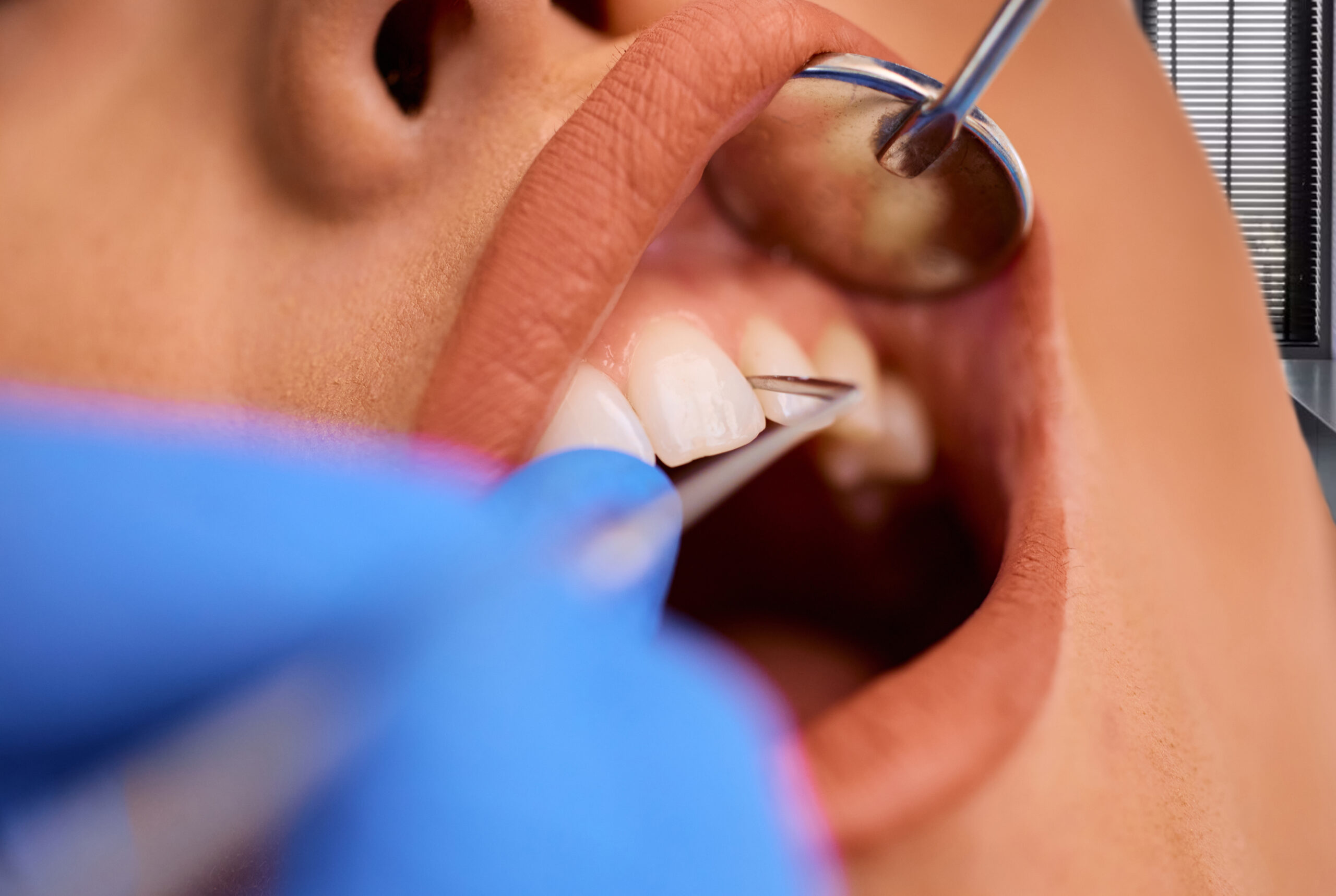
Dental calculus, also known as tartar, is a common issue in dentistry that, if not effectively removed, can lead to a range of undesirable consequences. It is a hard, mineralized substance that accumulates on the surface of teeth. Formation of Dental Calculus The process of forming dental calculus is a gradual result of the buildup of dental plaque on the teeth. Plaque, composed of bacteria and deposits, mineralizes over time, creating a hard deposit called dental calculus. This calculus, usually made up of minerals in saliva, can take on various colors depending on organic substances and pigments in food. Main Causes of Dental Calculus Formation Lack of proper oral hygiene: Regular and thorough brushing of teeth and flossing are crucial in removing dental plaque. Neglecting these actions can lead to plaque accumulation and the formation of dental calculus. Diet rich in sugars and starches: Consuming large amounts of sugars and starches promotes the growth of bacteria, which convert them into acid, demineralizing tooth enamel and contributing to the formation of dental calculus. Tobacco smoking: Smoking cigarettes affects saliva production and hinders its cleansing function in the oral cavity, increasing the risk of dental calculus. Genetic predispositions: Some individuals have genetic predispositions to the increased formation of dental calculus, but proper oral hygiene remains crucial even in these cases. Insufficient saliva: Individuals with xerostomia are more prone to the formation of dental calculus because saliva plays a significant role in cleansing the oral cavity. Lack of regular dental visits: Professional teeth cleaning by a dentist is an effective method of removing dental calculus. The absence of regular dental check-ups can lead to the escalation of this problem. Consequences of Dental Calculus Dental calculus can lead to various issues, such as periodontal diseases, tooth loss, or even systemic complications. Therefore, understanding and eliminating the main causes and applying effective methods to prevent dental calculus are crucial. Preventive Methods Proper oral hygiene: Regular brushing, flossing, and using mouthwash are incredibly important in preventing dental calculus. Balanced diet: Limiting the consumption of sugars and starches and maintaining a balanced diet that supports oral health can help prevent dental calculus. Quit smoking: Quitting smoking can significantly reduce the risk of dental calculus formation and improve overall oral health. Regular dental visits: Professional teeth cleaning and regular dental check-ups allow for effective monitoring of oral health and removal of dental calculus. Dental calculus is a common problem that can lead to serious consequences if not effectively managed. Understanding the main causes of its formation and applying effective preventive methods, such as proper oral hygiene and regular visits to Warsaw Dental Center in Warsaw, are essential for maintaining healthy teeth and oral cavity. Avoiding risk factors, such as tobacco smoking and a diet low in sugars, also contributes to overall good oral health.
Exposed gums and gum recession – a painful problem
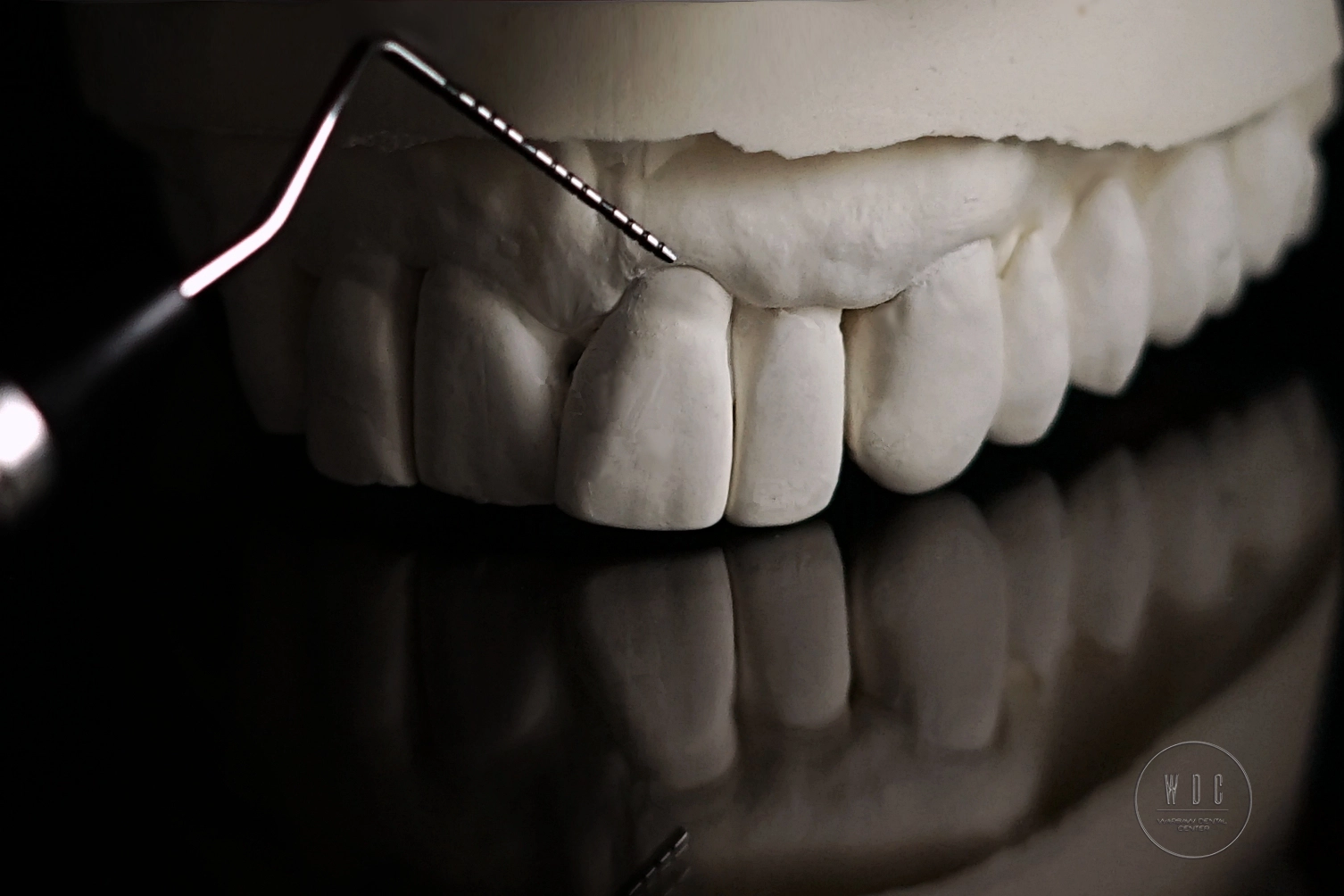
Exposed gums and gum recession are one of the periodontal diseases associated with the lowering and receding of the gums. If left untreated, the problem may contribute to pain and cause tooth hypersensitivity, and ultimately even lead to tooth loss. To avoid complications, a quick reaction is necessary. What is gum recession? Your gums provide your teeth with a nourishing and stabilizing environment. When gum recession occurs, the root surfaces of the teeth become exposed. So when your gums recede (like your hairline), it can increase your risk of root decay, bone loss, and loose teeth. Patients with gum recession often report sensitivity to hot and cold foods and an unsightly appearance of the gums and teeth. By dealing with receding gums early on, you can avoid the need for more invasive periodontal procedures later. Healthy gums and teeth not only mean good oral health, but also strengthen your overall health. – recessions, a painful problem. What causes receding gums? There are many factors that can lead to receding gums. They include: -Poor oral hygiene Lack of sufficient oral hygiene every day can lead not only to the formation of plaque and tooth decay, but also to serious periodontal disease. -Aggressive brushing Brushing with too much force, whether with a manual or electric toothbrush, can cause damage. The bristles can damage the delicate tissues of the oral mucosa and even lead to bleeding gums. -Genetics Some people are simply genetically predisposed to periodontal disease, despite good oral hygiene habits such as regular brushing, flossing, regular dental cleanings, and checkups. -Poor teeth alignment Crooked teeth can cause misalignment of the gums, which may result in receding gums. -Smoking and chewing tobacco These habits lead to the formation of a lot of plaque, which can lead to inflammation and irritation of the gums. -Grinding teeth and squeezing the jaw Grinding your teeth and squeezing your jaw can contribute to gum recession by weakening the area where the gum meets the tooth root. Previous orthodontic treatment Dental necks may be exposed during orthodontic treatment. This is because the forces applied to the tooth while wearing braces can cause bone and gum loss around the tooth root.(1) What are the symptoms of gum recession? Receding gums (also called recession) develop at different rates. You may not notice it at first until it is detected by your dentist during a dental cleaning, examination, or when symptoms begin to appear. When gum recession progresses to an advanced stage, you may notice symptoms such as: Slight pain and bleeding at the gum line Exposure of the tooth root (visible in more advanced recession) Teeth appearing longer due to erosion of the gums, which exposes more tooth surface Tooth sensitivity – when gum recession leads to exposed roots, teeth become more sensitive to other stimuli such as heat and cold Can gum recession be reversed? Fortunately, yes. There are different types of treatments for receding gums, but how do you choose the right method? A periodontist will be helpful because, thanks to his experience, he will be able to propose appropriate treatment. The periodontist at Warsaw Dental Center has participated in many training courses in the treatment of gum recession, conducted by the best internationally renowned surgeons, which qualifies him to provide your gums with exactly the treatment they need. Gum grafting procedure(2) If your gums have receded to the point that they are causing recurring symptoms, exposing tooth roots, or destabilizing your teeth, the most popular treatment option is to rebuild your natural gums with transplanted tissue. What does the gum transplantation procedure look like? A gum graft can be performed in several ways. The most common grafting methods are free gum tissue graft (where a piece of gum tissue is cut from elsewhere in the mouth and attached to the area of deficient gums) and connective tissue graft (where a flap of tissue next to the graft site is cut out and moved to cover the exposed tooth root). and secured with seams. This soft tissue will fuse with the existing gum tissue and heal in about eight weeks. These treatments do not result in scars that could adversely affect the aesthetics of the smile. Where does the gum graft tissue come from? Tissue for transplantation can come from two different sources: from the patient himself or from an external source. Autogenous tissue – the patient’s own Autografts are tissue obtained from the patients themselves. The most common donor sites for graft tissue included the palate just behind the tooth crowns, the area behind the maxillary molars, the last teeth, the graft site itself, or the gingival tissue next to the graft site. Other substances for rebuilding receding gums These are graft materials obtained from external sources. . In today’s periodontology, collagen matrices are widely used, which are cell-free and therefore safe to use. The use of a collagen matrix is the method of choice in situations where the patient does not have enough tissue to transplant large areas of receding gums.(3) When grafting is performed by an experienced periodontist, excellent results can be achieved with both methods. Warsaw Dental Center answers the most frequently asked questions about receding gums When is it too late to repair receding gums? It is never too late for gum transplantation, provided that the patient has enough gum tissue to be harvested for transplantation. However, the success rate of the procedure may be lower in cases where the patient suffers from advanced gum disease or periodontal disease, or other underlying health problems that may affect the healing process. How long after gum transplantation are the stitches removed? Typically, sutures used in gum grafting surgery are removed 7-10 days after surgery. It all depends on the extent of the procedure and the healing process. An experienced periodontist and dentist will definitely indicate the appropriate time to remove the stitches. What can I eat after gum transplant surgery? After gum graft surgery, it is important to eat soft, cool,
What is Periodontology and What Does a Periodontologist Do?
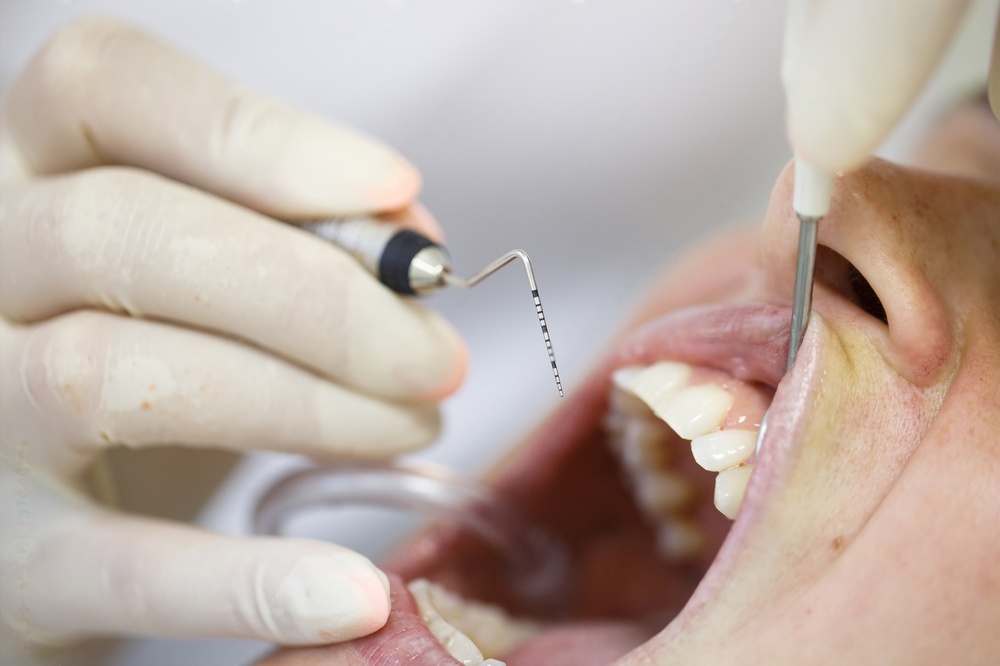
Did you know that periodontal disease is the second most common cause of tooth loss among adults, after dental caries? Yes exactly. Interestingly, people all over the world struggle with them, both in developed and developing countries. Research conducted around the world indicates that up to 50% of the population suffers from periodontal disease (1). So if you notice something disturbing around your gums or feel pain, the best solution is to visit a dentist and ask a periodontist for advice. Unraveling the World of Gums: A Journey into Periodontology and the Role of a Periodontologist! 🦷 This is a field of medicine that deals with periodontitis – a multifactorial disease that leads to damage to the tissues around the teeth. The interesting thing is that the bacterial biofilm responsible for this is necessary for the development of the disease, but is not sufficient in itself to cause it. A periodontist is a dentist who treats periodontal diseases, once called periodontitis. The animation below shows the stages of development of periodontal disease. What are the factors for the development of periodontal disease? Recent scientific research draws attention to the genetic aspect of periodontal diseases (2). It turns out that if our family, for example parents or other close relatives, had these diseases and led to tooth loss at a young age, there is a high risk that we may also be exposed to these problems. This applies to us even if we maintain perfect oral hygiene. Genes have a significant influence, which is an important discovery in periodontology. Bacteria and the biofilm formed from them are a key element in the development of periodontal diseases. This biofilm attaches to teeth, bones and gums, causing inflammation to which our immune system responds. In response to this reaction, bone loss may occur, resulting in tooth mobility and unpleasant breath odor. It is important to remember about daily oral hygiene to prevent these problems. It is worth remembering that the development of periodontal diseases may be influenced by additional factors, such as smoking, diabetes or osteoporosis(3). The impact of alcohol consumption and a stressful lifestyle cannot be underestimated. However, none of these factors alone is sufficient to cause periodontal disease. For it to develop, it is necessary to combine at least two of the above-mentioned risk factors. That is why awareness and attention to a healthy lifestyle are so important to reduce the risk of these problems. What impact does periodontal disease have on the entire body? Although many people view the mouth as an isolated ecosystem of the body, it is actually an integral part of the entire immune system. When a patient suffers from periodontal disease, bacterial imbalances in the mouth can affect the rest of the body. Harmful bacteria can easily spread to other areas of the body through the bloodstream. The body triggers an inflammatory response as part of the immune response, but this often makes us more susceptible to other diseases. Additionally, because the oral cavity is regularly exposed to bacteria from the environment, it is especially susceptible to infections. Therefore, patients must take special care of their oral hygiene to prevent gum disease. How does periodontal disease affect the body? Gum and bone disease is often associated with general health problems such as: – Cardiovascular diseases – Heart disease – Stroke – Diabetes – Pregnancy complications – Osteoporosis – Kidney diseases – Rheumatoid arthritis – Cancer Although gum disease does not always lead to these other conditions, it is important to be aware of the link and take care of your oral health. What symptoms should refer us to a periodontist? -red, bleeding gums – gum pain – Bad breath (halitosis) – Movable teeth – Changes in the alignment of teeth – Teeth lengthening Phases of periodontal disease Healthy gums feel firm to the touch and do not bleed or swell. However, periodontal disease can cause them to become red, swollen and bleeding. If left untreated, it can lead to the destruction of the jawbone, which may result in tooth loss. Damage to the tissues around the teeth occurs gradually. In fact, many people do not feel pain in the early stages of the disease. That’s why it’s important to know the warning signs. Gum disease goes through four stages: 1. Gingivitis. This is the earliest stage of periodontal disease. It starts with red, swollen gums that may bleed when brushing or flossing. There is no bone loss at this stage. As a result, gingivitis is completely reversible with appropriate treatment. 2. Mild periodontitis. Bacteria have penetrated under the gums, affecting the supporting bone. The gums may come away from the teeth, creating pockets around them. Plaque and bacteria like to hide in those pockets where toothbrush and floss cannot reach. 3. Moderate periodontitis. If the disease is left untreated, the bacteria begin to destroy the ligaments, soft tissues and bone that hold the teeth in place. You may notice bad breath and pus (infection) around the gum line. Some people feel pain at this stage. 4. Advanced periodontitis. As periodontal disease worsens, bone loss continues. This may cause the teeth to become loose and eventually fall out. If the disease is treated early enough, it is reversible. But if you have already lost bone around your teeth due to infection, the disease is too advanced to reverse. However, it can be controlled with appropriate treatment and consistent, careful oral hygiene. What does periodontal disease diagnosis look like in the office? During a routine examination, your dentist can tell if you have gum disease. He or she will check for plaque buildup on your teeth and ask about your symptoms. He or she may refer you to a periodontist (gum specialist) for further evaluation and treatment. The dentist or periodontist will measure the depth of the pockets around your teeth using an instrument called a periodontal probe. This will allow them to assess how much bone you have lost around your teeth. The deeper the pockets, the
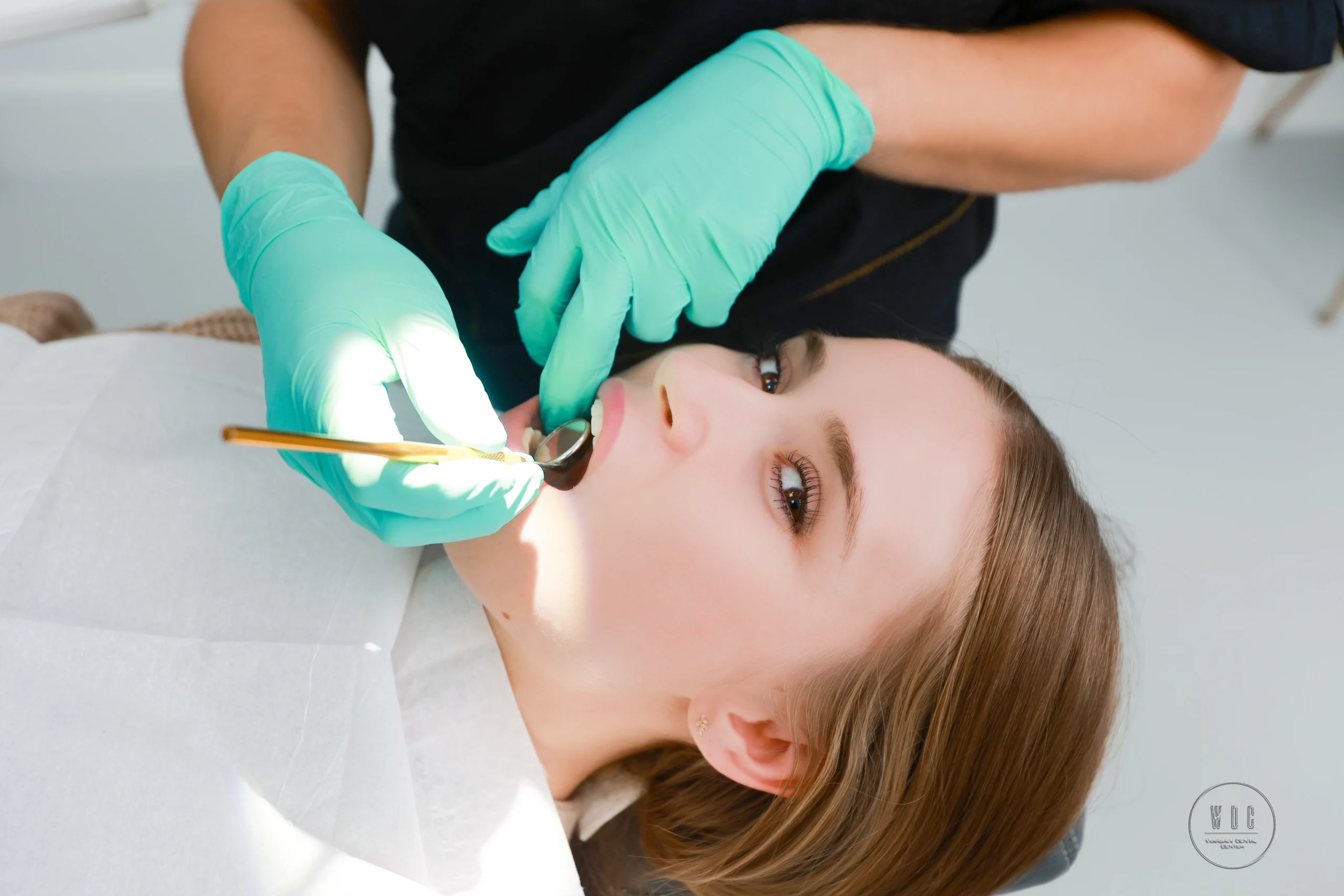
How to effectively fight periodontal disease and maintain healthy gums?
Periodontitis, the second most common oral disease after dental caries, affects as many as 70% of the Polish population. However, surprisingly few people have sufficient knowledge about this disease, its causes and symptoms. In this article, we will discuss these issues in detail, trying to dispel popular myths related to periodontitis. What is periodontal disease? Periodontitis, also known as periodontal disease, is an inflammation of the tissues surrounding and supporting the teeth, such as gums, root cement, alveolar bone and periodontium. The disease develops as a result of inflammation of these structures, and the rate of progression may vary depending on the type of periodontitis. It may progress slowly and over a long period of time, or it may worsen suddenly over a short period of time. Types of periodontitis There are four types of periodontitis: Typical periodontitis: The most common type of periodontitis, occurring in approximately 70% of patients. It usually starts with the molars and incisors, and is often diagnosed in people around 30 years of age. Rapid Periodontitis (Rapid Progressive): Affects approximately 5% of patients. It is characterized by sudden progression, associated with gingivitis and alveolar bone loss. Prepubertal Periodontitis: Periodontitis that occurs before puberty, even in 4-year-olds. Juvenile periodontitis: The rarest form of the disease, usually appearing in children around the age of 13. It is characterized by a violent course and may lead to bone destruction. Causes of periodontitis The main cause of periodontitis is inadequate oral hygiene, which leads to the development of pathogenic bacteria. Other factors include metabolic diseases, hormonal fluctuations, smoking, leaking tooth fillings, anatomical defects, and mechanical injuries to the dental plaque. Is Periodontitis Hereditary? Yes, periodontitis may have a genetic basis, but eliminating the causes can prevent the development of the disease. Effects of untreated periodontitis Untreated periodontal disease leads to serious consequences, the most visible of which is tooth loss. Damage to the structures surrounding and supporting teeth can lead to tooth loss, which is a common result of untreated periodontitis. However, the effects of this disease are not limited to the oral cavity. Untreated periodontal disease can also cause serious diseases throughout the body. Bacteria from infected gum pockets can enter the bloodstream, travel throughout the body and disrupt the proper functioning of various organs. As a result, disturbances in the functioning of the heart, lungs and blood vessels may occur. Highlighting these aspects shows that periodontitis is not only a problem related to tooth loss, but also with potentially serious consequences for the overall health of the body. Therefore, effective treatment of periodontitis and regular visits to the dentist are important to maintain the health of the oral cavity and the entire body. How to treat periodontal disease? Treatment of periodontitis is adapted to the advancement of the disease, and its effectiveness depends on earlier diagnosis and remedial measures taken. In case of initial symptoms of periodontitis, professional tooth cleaning is sufficient therapy. This procedure includes removing tartar and protecting exposed tooth necks. Additionally, the dentist may recommend varnishing, sandblasting or fluoridation of the lower sections of exposed teeth in order to refortify and protect them. In the case of advanced periodontitis, it is necessary to involve a periodontist, a specialist in mucosa and periodontal diseases. In such situations, surgical intervention that goes beyond standard tartar removal procedures may be necessary. Treatment of advanced periodontitis also includes the removal of diseased teeth and their subsequent restoration, which aims to restore the proper function and aesthetics of the oral cavity. In the case of very advanced periodontitis, it may be necessary to rebuild the gums, i.e. gingival plastic surgery. This treatment aims to prevent gum recession, i.e. excessive exposure of the tooth surface, which is characteristic of advanced disease. However, it should be emphasized that the success of periodontitis treatment depends largely on the patient’s involvement in proper oral hygiene. Brushing your teeth incorrectly or neglecting this process may result in a quick recurrence of the disease, even after effective therapy. Therefore, educating patients on proper oral care is crucial to maintaining long-term effects and periodontal health. Is periodontal disease contagious? Yes, periodontal disease can be transmitted by droplets. Bacteria, which are the main causes of gum disease and plaque formation, have the potential to cross between organisms. Periodontal disease has the ability to spread through saliva, which means it can be transmitted through kissing or sharing a bottle. It is therefore important to be aware of this risk and take appropriate precautions to avoid the potential transmission of the bacteria responsible for periodontitis. Is periodontal disease curable? In most cases, yes. However, once periodontitis reaches an advanced stage, tooth loss may be inevitable. Summary: Periodontitis, or periodontitis, is a serious disease with far-reaching consequences for oral health, even leading to tooth loss. To effectively prevent the development of periodontitis, it is necessary to diligently follow the rules of proper oral hygiene and regularly clean the places particularly exposed to the accumulation of dental plaque. Regular dental checkups and tartar removal are key preventive measures. You should be aware of the nature of gum inflammation, as ignoring it may lead to periodontal disease. Proper brushing technique, selecting the right toothbrush, using a dental irrigator and using specialized toothpaste play a key role in everyday oral care. All this is aimed at effectively cleaning teeth and at the same time strengthening gums. It is also important to regularly monitor the health of the gums and take quick action in the event of any irregularities. Good oral hygiene is key to maintaining dental health and avoiding serious diseases such as periodontitis.

Interdental brushing: everything you need to know
What is interdental brushing? There is an interdental space between every two teeth in the human mouth. It may be very small or easily visible, but it is always there. Teeth are never perfectly straight; they are wider at the crown and thinner at the neck, so there is always some space between two touching teeth. Because the interdental space is inaccessible to a toothbrush, it cannot be reached with traditional brushing. As a result, bacteria accumulate in the interdental space and can remain intact for a long time. The bacteria produce toxic waste that weakens the enamel and irritates the gums, ultimately causing tooth decay and periodontal disease. There is also an odor that is caused by bacteria living and reproducing between the teeth. To prevent these effects, we must physically break down the bacterial colonies that accumulate between our teeth. And for this we need: a special type of toothbrush, small enough to fit between our teeth, soft enough not to damage enamel and gums, but effective enough to remove all bacterial residues with an inward and outward motion. Why not just floss? Dental floss was revolutionary for its time, and then interdentals took over. Dental floss is perfect for placing between teeth (especially front teeth) and removing part of the bacterial film from the interdental space. However, dental floss would never reach every corner of the interdental space. As a string, it can only clean regularly shaped surfaces. Irregular surfaces and pockets between teeth (such as back teeth) are still inaccessible to dental floss. What is important in an interdental brush? Size. Interdental brushes should be selected according to the size of the interdental spaces. It is recommended that the interdental spaces be measured by a healthcare professional to obtain accurate dimensions. You will receive a size chart that will indicate each interdental space with the appropriate toothbrush sizes you need. Softness and performance. The bristles of the toothbrush must be soft so that they do not damage the teeth or irritate the gums. Maintenance and replacement. Some interdental brushes come with a disposable handle. Interdental brushing is a key element of oral hygiene, which not only prevents the formation of caries or periodontal disease, but also has a positive effect on fresh breath and the overall condition of the teeth. Choosing the right toothbrush and regular, precise cleaning of the interdental spaces are invaluable steps in taking care of your oral health. Remember that this task requires regularity and precision, but the effects in the form of healthy teeth and gums are worth it.

Flossing: The most underrated oral hygiene habit
Hygienist Oksana Revustka before hygiene instruction Why is Flossing Important? Have you ever wondered why your dentist asks about routine flossing during your checkups? Or maybe you’ve heard your friends and family talk about flossing as part of their dental routine? “Flossing” is a commonly discussed practice in the field of dentistry, especially in the context of oral and dental hygiene. The truth is that flossing plays a key role in maintaining your teeth and overall oral health. In this article, we will discuss this most underrated oral hygiene habit and its importance. What is Flossing? Flossing is a technique that helps remove all food particles, plaque and bacteria that remain between the small gaps in your teeth. In other words, it is the process of removing and removing food particles, plaque and bacteria from between the teeth. This is done using a thread-like tool called “dental floss”. Even if you brush your teeth thoroughly and follow a rigorous twice-daily brushing routine, you still can’t completely clean or even reach the spaces between your teeth. In worse cases, all the plaque that gets stuck between your teeth can take a toll on the appearance of your teeth over time. Consequences of Neglecting Dental Flossing Neglecting flossing as part of your daily dental routine can contribute to: Tart Failure to floss can cause tartar to build up on your teeth, leading to their hardening. Once this happens, you won’t be able to remove it yourself and will need help from a dentist or dental hygienist. Gum Diseases The combination of plaque and tartar can cause the gums to become hypersensitive, leading to inflammation and redness. The early stages of gum disease, also known as gingivitis, can be reversed, but later stages lead to periodontitis. Cavities Tooth decay resulting from plaque can lead to the formation of holes (also called tooth decay) in the outer layer of teeth, called enamel. If left untreated, they can cause pain, infection and other oral health problems. Chronic disease Sometimes you may notice that your gums bleed while brushing. This is a sign of gingivitis and improper flossing. Over time, gingivitis can allow plaque and bacteria to enter the bloodstream, which can lead to plaque buildup in the vessels and potentially heart disease. People with gum disease are 20% more likely to develop heart disease, which in some cases can lead to chronic conditions such as respiratory disease, diabetes, coronary artery disease and rheumatoid arthritis. Not flossing can lead to excess plaque build-up, which causes bad breath. Over the long term, plaque and food particles can accumulate between teeth, causing them to look pale and discolored, which can only be restored with tooth whitening treatments. If you plan to incorporate flossing into your oral hygiene routine, practice brushing twice a day and flossing once a day. It’s best to floss first and then brush, not the other way around. Because flossing helps lift and remove food particles and plaque between your teeth. If you brush first and then floss, this residue will remain in your mouth until the next time you brush.