

Did you know that brushing your teeth twice a day is no longer enough to effectively protect yourself from cavities and gum disease? Modern dentistry is not only about treating damage, but above all about conscious prevention, increasingly referred to as dental biohacking. Introducing simple changes into your daily routine can help you avoid pain and costly treatments. Root canal therapy, implants, or veneers often involve expenses reaching thousands. Below you will find 15 proven habits that genuinely strengthen enamel and improve gum health. This is your complete guide to professional-level oral hygiene. 🛠️ Professional Home Oral Care: Technique and Tools Most dental problems begin in places your regular toothbrush cannot reach. Changing your tools often means changing your results. 1. Interdental Brushes Instead of Dental Floss Traditional dental floss often slides along the tooth surface without reaching deeper areas near the gum line. Interdental brushes work like small cleaning brushes, filling the space and mechanically removing plaque. This is one of the most effective methods for preventing bleeding gums and periodontal disease. 2. Teeth Are Not Tools: Stop Microcracks Never use your teeth to open packaging, tear labels, or cut tape. These habits cause microscopic enamel cracks that are invisible to the naked eye. Over time, they can lead to tooth fractures requiring restorations or veneers. 3. Strategy: Start Brushing the Lower Teeth from the Inside Begin brushing from the inner surfaces of the lower teeth. This is where salivary glands are located, causing tartar to accumulate the fastest. Starting here ensures better precision and focus. 4. Replace Your Toothbrush After Illness Viruses, including the herpes simplex virus, can survive on moist toothbrush bristles for several days. After any infection, replace your toothbrush to avoid reinfection and unnecessary strain on your immune system. 5. Single-Tuft Brush for Wisdom Teeth A single-tuft brush allows precise cleaning of wisdom teeth and areas behind the last molars. This is essential for preventing root cavities and painful gum inflammation around wisdom teeth. 🧪 Enamel Biohacking: Fluoride and Hydroxyapatite Understanding the chemistry of enamel allows you to strengthen it effectively without visiting the dental office. 6. The Rule: Spit, Don’t Rinse Rinsing your mouth with water after brushing washes away active ingredients. Leave the toothpaste on your teeth so fluoride or hydroxyapatite can integrate into the enamel for at least 20 minutes. 7. Hydroxyapatite Toothpaste: Liquid Enamel Nano-hydroxyapatite is a biomimetic mineral that physically fills micro-damage in enamel and quickly reduces sensitivity. It is an effective alternative to fluoride. 8. Tongue Scraper for Fresh Breath Most bacteria responsible for bad breath live on the back of the tongue. Daily tongue scraping is a simple and effective way to combat halitosis. 🍎 A Diet for White Teeth Without Sacrifices You don’t have to give up your favorite foods if you know how to neutralize their effects. 9. The Cheese Effect: pH Buffering A piece of cheese eaten after dessert quickly restores neutral pH levels and protects enamel from acid erosion. 10. Water Before Coffee Drinking a glass of water before coffee hydrates the body and stimulates saliva production, which naturally protects teeth from plaque. 11. Using a Straw to Protect the Smile Zone Drinking coffee, juice, or wine through a straw reduces contact with front teeth, limiting staining. 12. Xylitol Gum Xylitol inhibits cavity-causing bacteria and helps restore proper oral pH balance. 13. The 30-Minute Rule After Eating After consuming acidic foods, wait 30 minutes before brushing. This prevents mechanical damage to temporarily softened enamel. 🛡️ Long-Term Dental Prevention Healthy teeth are a lifelong strategy. 14. Vitamins D3 and K2 Vitamin D3 improves calcium absorption, while vitamin K2 directs calcium to teeth and bones. Together, they support internal remineralization. 15. Professional Dental Hygiene Twice a Year Scaling and air polishing every six months remove hardened tartar that cannot be eliminated at home. This is the best prevention against gum disease and recession. Conclusion A healthy smile is not just a matter of genetics, but of daily, conscious choices. Implementing these 15 principles helps you avoid pain, stress, and costly dental procedures. If you want to take care of your oral health under professional supervision, we invite you for a check-up and professional hygiene visit.
Dentist Warsaw : Professional Dental Services at the Highest Level
Are you looking for a trusted dentist in Warsaw? You’ve come to the right place! Choosing the right specialist is crucial for maintaining both your oral health and the beauty of your smile. At Warsaw Dental Center, we offer a wide range of dental services tailored to meet the unique needs of every patient. Our team of highly qualified dentists uses the latest technologies and materials to provide top-tier treatment. Whether you require root canal treatment, teeth whitening, or advanced aesthetic procedures, our experienced dentists in Warsaw are ready to deliver the highest standard of care. We focus not only on treatment but also on enhancing the overall appearance of your smile. Dentist Warsaw Price List : What You Should Know One of the most common questions patients ask before visiting the dentist is: How much does dental treatment cost in Warsaw? Prices vary depending on the type of procedure, the experience of the dentist, and the materials used. Here’s what influences the cost of dental services: 1. Scope of the Procedure The cost of dental treatment depends on the complexity of the procedure. For instance, **teeth whitening** will be more affordable than a **complex root canal treatment with a microscope**. 2. Dentist’s Experience A more experienced dentist may charge higher fees due to their expertise and reputation. However, investing in a skilled professional ensures that the treatment is done with precision and care. 3. Location of the Clinic In Warsaw, dental clinics located in the city center may have higher prices compared to those on the outskirts. However, Warsaw offers a variety of clinics, allowing patients to choose from different price ranges. Example Price List for Dental Services at Warsaw Dental Center Here are some examples of popular procedures and their estimated prices in our clinic: – Dental Consultation: from 150 PLN – Teeth Whitening: from 600 PLN – Root Canal Treatment (Endodontics): from 800 PLN – Dental Filling: from 200 PLN – Dental Bonding: from 500 PLN – Dental Implants: from 3000 PLN Why Choose Warsaw Dental Center? Warsaw Dental Center is a prestigious dental clinic located in the heart of Warsaw, offering comprehensive dental care. Our team consists of highly trained specialists who use cutting-edge technology to deliver the best possible results for our patients. We create personalized treatment plans, ensuring that every patient receives care tailored to their individual needs. We focus not only on health but also on the aesthetics of your smile. Benefits of Warsaw Dental Center: – The latest in dental technology – Professional and experienced dental staff – Flexible payment options – Individualized approach for every patient We invite you to contact us and schedule your appointment today! Trust the specialists at Warsaw Dental Center and take care of your beautiful, healthy smile!
Teeth sandblasting – a path to a healthy and beautiful smile
A beautiful smile is a huge asset, so it’s worth taking care of it. Regular dental check-ups and teeth cleaning are important for maintaining oral health and aesthetics. What is teeth cleaning? Teeth cleaning is a dental procedure performed using a sandblaster. This device releases fine particles of dental sand mixed with water under high pressure, effectively removing deposits and discoloration. The entire procedure takes about 20 minutes and is completely painless. Benefits of teeth cleaning Cleaning aims to restore the whiteness of teeth and remove accumulated deposits. It is an excellent complement to scaling, which removes tartar. Regular cleaning: Removes discoloration caused by coffee, tea, and smoking Prevents cavities and periodontal disease Makes teeth smoother and brighter Our dental clinic offers teeth cleaning as preparation for other cosmetic procedures, such as teeth whitening or fluoridation. How to care for your teeth after cleaning? For 48 hours after the procedure, avoid drinking tea, coffee, red wine, and colored juices. Only drink pure water. Also, avoid smoking cigarettes, which can cause discoloration. During this time, your diet should exclude products such as beets, berries, cherries, and spinach. After 48 hours, you can resume drinking staining beverages, preferably through a straw. To maintain the effects of cleaning for longer, take care of oral hygiene by: Regular and thorough brushing of teeth Using specialized mouthwashes Using dental floss Why choose our clinic? In our dental clinic, we guarantee comfortable and painless teeth cleaning procedures. We ensure that your teeth are healthy, white, and smooth. Contact us and schedule an appointment to enjoy a beautiful smile every day.
Oral cavity sanitation
What is oral cavity sanitation? Oral cavity sanitation is a series of dental procedures aimed at comprehensive treatment of teeth and periodontium. Its main goal is to eliminate inflammation, cavities, wounds, abscesses, infections, and caries, which can lead to infection of other tissues and organs. Oral cavity sanitation is recommended before planned surgical procedures and for women planning pregnancy. It is a comprehensive dental procedure aimed at complete healing of teeth and gums, minimizing the risk of infection spreading to other parts of the body. Through oral cavity sanitation, patients can enjoy better oral health and overall bodily health. Oral cavity sanitation and bodily health Proper dental care is crucial for overall health. Problems with teeth and oral cavity can lead to serious complications such as: Endocarditis, Bone infections, Internal organ abscesses, e.g., kidneys and liver, Brain inflammation, Meningitis. It is advisable for oral cavity sanitation to be performed by an experienced dentist. In the case of planned surgical or oncological procedures, consultation with a doctor is necessary. It is important for the dentist to confirm that the patient’s teeth are in good condition before the procedure. It is worth noting that infections in the oral cavity can spread to other areas of the body, posing a particular risk to individuals with weakened immune systems, undergoing complex surgical procedures, undergoing cancer therapy, and pregnant women (infections can harm the fetus and lead to miscarriage). Therefore, early treatment of teeth and periodontium is essential. Patients in risk groups should consult a dentist for oral cavity sanitation. Indications for oral cavity sanitation Oral cavity sanitation is crucial for every individual, not only in the context of upcoming surgical treatment, but also for overall oral health. It is important to maintain a state free of inflammation in oral tissues, especially in the case of: 1. Planned pregnancy, 2. Cancer treatment, 3. Surgical procedures (e.g., cardiological, orthopedic, ophthalmic), 4. Transplantation. Additionally, individuals suffering from chronic conditions should pay particular attention to oral cavity sanitation. Inflammatory conditions in teeth and periodontium can serve as additional sources of infection and affect the functioning of the immune system, leading to exacerbation of symptoms of diseases. For this reason, oral cavity sanitation is particularly recommended in cases of diseases such as rheumatoid arthritis (RA), chronic obstructive pulmonary disease (COPD), allergies, heart diseases, and osteoporosis. Oral Cavity Sanitation: What are the Procedures and Prevention? Oral cavity sanitation is a comprehensive process that often requires collaboration among specialists from various dental fields. Depending on the overall condition of the teeth, it consists of several procedures, such as: 1. Extraction of teeth that do not qualify for other forms of treatment. 2. Root canal treatment (endodontics) to remove infections. 3. Prosthetic restorations to restore bite function. 4. Treatment of caries and restoration of cavities. 5. Scaling and professional cleaning of periodontal pockets to remove dental calculus. 6. Alleviation of inflammation and treatment of abscesses. 7. Correction of bite abnormalities and removal of orthodontic appliances. Additionally, oral cavity sanitation includes prevention aimed at preventing new inflammatory conditions. Patients are educated by dentists on proper oral hygiene, regular check-up visits, and disinfection and replacement of toothbrushes every 2–3 months and after each infection. These measures help maintain oral health at an appropriate level. How Long Does Oral Cavity Sanitation Take and Its Effects? The duration of treatment depends on the condition of the teeth and periodontium. Some procedures require waiting for several days, which prolongs the process. Therefore, prompt action and regular visits to the dentist are important. In some cases, immediate intervention is necessary. Unconditional sanitation of the teeth may be required to remove all inflammatory foci in one procedure. In extreme cases, this may even involve the extraction of several teeth. It is worth noting that tooth loss requires simultaneous prosthetic treatment to avoid complications.
Dental treatment during pregnancy – Is it safe?
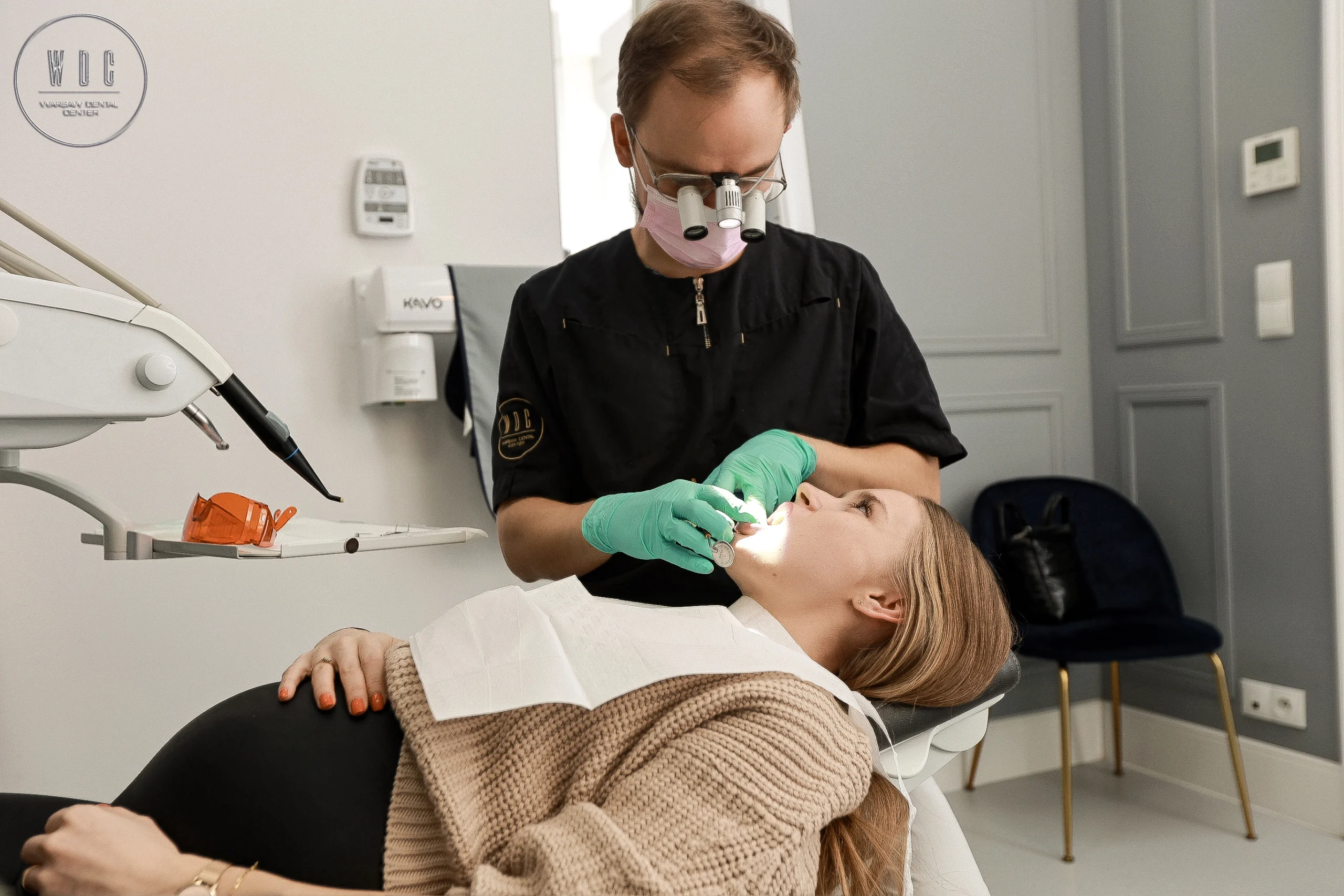
Dr. Bartosz Leończak performs a procedure on a pregnant patient Dental Treatment During Pregnancy – Is It Safe? The answer is yes! It is safe, but there is a lot of information to consider. Oral health during pregnancy requires special attention. Oral Health during Pregnancy During pregnancy, the risk of gingivitis and caries increases due to various factors: Gingivitis – Bacterial buildup is the main cause of gingivitis. During pregnancy, hormones can increase the response to bacteria in the gum tissue, causing this condition. Cavities – It is also worth paying attention to the risk of caries during this period. Pregnancy changes a woman’s diet, often causing cravings for foods that can increase the risk of tooth decay. Additionally, acidity in the mouth, caused by e.g. frequent vomiting, may lead to weakening of the enamel and susceptibility to caries. For this reason, the special importance of daily oral care during pregnancy should be emphasized. By taking care of her oral health, a woman has a chance to have a positive impact not only on her own health, but also on the health of your child. You should not be afraid of visiting the dentist during this period, as professional teeth cleaning is considered safe dental treatment during pregnancy. X-rays Most dental procedures and routine checkups require X-rays. Good news! Studies have shown that the use of these procedures does not pose a threat to pregnant patients, provided that a protective cover is used for the abdominal cavity and thyroid gland. To sum up, it is always recommended to consult your midwife and dentist before undertaking any dental procedures during pregnancy. The Warsaw Dental Center team is available to answer all your questions and concerns!

How often should you remove tartar?
The patient before the stone removal procedure It is extremely important to take care of your oral health because your teeth are exposed to a variety of threats. One of them is tartar, which may appear on their surface after some time. Tartar removal is a key procedure in maintaining your oral health and smile. Therefore, in today’s article we will discuss how tartar is formed, what the tartar removal procedure involves, and how often it should be performed. The Process of Creating Tartar The process of tartar formation is quite simple. Tartar is mineralized dental plaque that develops when proper oral hygiene is neglected. If we do not brush our teeth regularly and thoroughly, sediment and plaque accumulate on their surface. Over time, these deposits mineralize, forming hard tartar. Unfortunately, due to its hardness and adhesion, it cannot be removed independently. It is necessary to visit a dentist’s office and perform a scaling procedure. Scaling treatment When your dentist detects the presence of tartar, it is always worth considering removal surgery. Tartar not only negatively affects the aesthetics of the smile, but also accelerates the development of caries. Scaling, i.e. the removal of tartar, is an extremely important part of dental prevention. During this treatment, an ultrasonic scaler is used, which generates ultrasonic waves, scattering and removing tartar. The treatment is safe, although not always comfortable, especially if the tartar is close to the gums. Therefore, some patients prefer anesthesia. It is worth remembering that not all patients can undergo scaling using ultrasound. Contraindications may include, among others: pacemakers or problems with a detached retina. If you fall into this group, be sure to inform your dentist during your check-up. Scaling Frequency How many times a year should scaling be performed? It depends on many factors, such as lifestyle, diet and daily oral hygiene. In general, most patients should consider scaling at least once a year. However, for some patients, increased frequency may be necessary, such as every six months. For others, it is enough to perform the procedure every 2 years. The final decision should be made by your dentist after carefully analyzing your situation. Regardless of frequency, taking care of your oral health and visiting the dentist regularly are crucial to maintaining a beautiful smile for many years.
Medical interview – why is it so important?
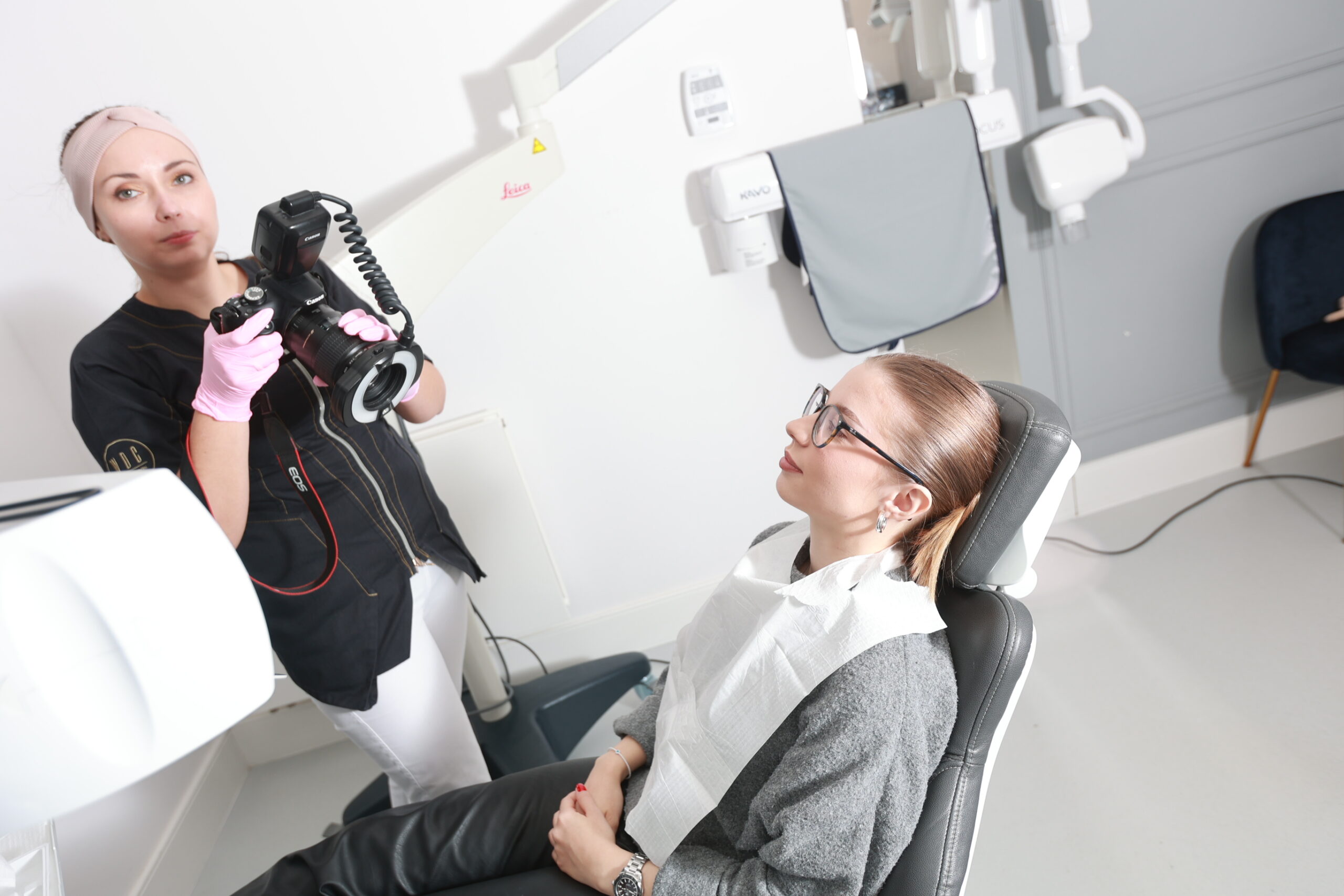
A medical interview is part of the first visit to the dentist’s office. It is as important as an examination of the patient’s oral cavity or comprehensive photographic documentation and radiological diagnostics. During the conversation, the doctor can initially determine the patient’s habits, get acquainted with the disease history (possibly find out about chronic diseases that affect the treatment), determine whether and what medications he takes (concealing this information has negative consequences for the patient’s health). A properly collected interview enables making a preliminary diagnosis and proceeding to the next stages of treatment. Interestingly, the dentist often asks about the type of work performed, possibly mental problems, phobias or childhood traumas. Let’s always give true answers, because the level of our stress has a significant impact on e.g. tooth wear, dysfunctions in the temporomandibular joint, etc. Our eating habits are also important – the type of diet, the frequency of meals, etc. This information, in turn, can help prevent the development of tooth decay. A holistic approach to the patient is the basis of the WDC philosophy. After preparing the appropriate documentation, our team of specialists prepares a comprehensive treatment plan, which details all the necessary treatments that we need to perform. We invite you for a consultation at Warsaw Dental Center. Appointments can be booked: – by phone: 22 542 18 04 – by e-mail: kontakt@warsawdentalcenter.pl – or via social media See you at Topiel 11 in Warsaw!

Teeth polishing – what does it involve and is it worth performing the procedure?
Teeth polishing, or “polishing”, is a procedure for cleaning teeth from deposits and coating, performed by a dental specialist. Is it valuable and what does it look like? White, healthy teeth are a goal that many of us strive for. A sparkling smile attracts attention, makes us laugh more and makes us more open to others. Teeth in good condition are a symbol not only of health, but also of self-care and proper hygiene. To have a healthy and beautiful smile, it is worth visiting the dentist at least twice a year. The purpose of these visits should not only be to monitor the condition of the oral cavity for caries and treat any possible problems, but also to remove tartar, which is the main cause of gum problems. In addition to descaling and sandblasting, it is also worth having your teeth polished regularly. What is the polishing procedure? Polishing takes place after removing tartar and other deposits, i.e. after scaling and sandblasting. They are treated as the final stage of cleaning the teeth from any impurities. The procedure involves polishing the tooth surface using special tools and a special polishing paste, which additionally prevents the formation of new tartar. It can be compared to the procedure of varnishing children’s teeth – although in the case of varnishing the aim is to protect against caries, and in polishing to prevent the formation of deposits. A treatment for the whole family The polishing process itself is short and painless. This can be a great way to get kids used to going to the dentist. To show children that going to the dentist can be a positive experience, parents can take them for polishing treatments. It is also possible to combine it with teeth varnishing. For example, if a family lives in Warsaw and wants to have their teeth varnished, they can also ask about the possibility of scaling and polishing. This approach allows for comprehensive care for the oral health of the entire family. Ko benefits of polishing Polishing effects are: brighter teeth, smooth tooth surface, protection against tartar. How to prepare for polishing? There are no specific requirements before the treatment, but it is worth remembering that polishing is performed after other treatments. Therefore, before polishing, it is worth signing up for scaling and/or sandblasting. After these treatments, the dentist will thoroughly clean and polish the teeth, protecting them against tartar. Recommendations after the procedure After polishing your teeth, it is a good idea to follow your dentist’s instructions. You should avoid eating and drinking products that may stain your teeth for several hours after the procedure. In conclusion, polishing your teeth is an important step in maintaining your oral health. Performed together with scaling and sandblasting, it helps protect teeth against deposits and makes them smooth and shiny. Thanks to this, we can enjoy a healthy and beautiful smile for longer.
Halitosis: an embarrassing problem that can be fought
Bad breath is a problem that can lead to many unpleasant situations and indicate serious health issues. Instead of experimenting with DIY solutions, it is worth consulting a doctor, such as dentist Bartosz Leończak, to receive professional care. Halitosis, known as bad breath, is a common condition affecting up to 80% of the population, both men and women.Bad breath may occur throughout the day or periodically, for example after waking up or after eating a meal. Most often, halitosis results from improper oral hygiene, accounting for as many as 87% of diagnosed cases. Neglect in oral hygiene leads to the accumulation of tartar and food remains, creating an ideal environment for bacteria and fungi. This, in turn, may lead to caries, gum problems or mucosal inflammation.In such cases, it is recommended to brush your teeth thoroughly using an appropriate technique and to use antiseptic mouthwashes regularly, preferably after each meal. Special attention should also be paid to daily hygiene in people using acrylic dentures. Because acrylic is a porous material, bacteria can easily grow on its surface. Bad breath may also indicate early symptoms of periodontal disease, a gum disease that often appears in people over 40. This disease results from the presence of bacteria in dental plaque that penetrate the gum pockets, causing inflammation. As a result, the tissues around the teeth and jawbone may be damaged. It is best to entrust the removal of tartar to specialists, such as a dentist or hygienist, who will perform a professional cleaning procedure. Untreated periodontal disease may lead to tooth loss. Another common cause of bad breath is xerostomia, i.e. dry mouth, caused by, among others, taking certain medications (especially e.g. diuretics used to treat hypertension) and breathing through the mouth. Lack of proper oral hydration promotes the accumulation of dead cells on the tongue and gums, which leads to an unpleasant odor. It is worth noting that the problem of bad breath may result not only from dental issues, but also from other diseases. Therefore, it is worth consulting a doctor for accurate diagnosis and professional care. The competent help of a dentist like Bartosz Leończak can help you solve the problem of bad breath by adapting proper oral hygiene and identifying potential related health problems.

Dental treatment during pregnancy
Pregnancy is an extraordinary period in every woman’s life. Over the course of nine months, the body undergoes significant changes, which require special care and attention. Future mothers try to avoid medications and take care of their diet, well-being and immunity. Unfortunately, not everything can be predicted. What should you do if you experience a sudden toothache while waiting for your baby to be born? Can dental treatment be undertaken in such a situation? What forms of anesthesia are safe during pregnancy? Dental treatment during pregnancy – is a visit to the dentist possible? Regular visits to the dentist reduce the risk of caries and allow you to respond to oral problems on an ongoing basis. It is worth undergoing a dental examination before getting pregnant, as hormonal changes affect the health of the oral cavity. Increased hormone levels can lead to swelling and redness of the gums. The optimal period for more advanced treatments is usually the 4th-6th month of pregnancy, although most of them can be performed throughout the entire pregnancy. Safe dental anesthesia during pregnancy Many women are concerned about the safety of dental anesthesia during pregnancy, especially due to restrictions on the use of medications during this period. However, modern medicine takes into account the safety of the mother and child. Currently used anesthetics, such as preparations containing articaine, are adapted to the needs of the pregnant patient, minimizing the risk to the fetus. Safe anesthesia allows for effective dental treatment, which is important for the future mother’s well-being and avoiding stress, which may also negatively affect the health of the fetus. Root canal treatment during pregnancy In the first trimester of pregnancy, the mother’s body is particularly susceptible, so it is recommended to avoid more advanced dental procedures. In the case of root canal treatment, it is worth postponing it until the second trimester or, preferably, until after the baby is born cka. However, delaying root canal treatment may lead to inflammation that threatens the health of the mother and baby. In such situations, treatment should be carried out as soon as possible, often using modern methods under a microscope, which shorten the duration of the procedure. Sandblasting teeth during pregnancy Teeth sandblasting is absolutely safe and even recommended for pregnant women. The process of removing plaque helps prevent the growth of decay-causing bacteria and tartar. It is recommended to sandblast at least twice every nine months. Tooth removal or extraction during pregnancy If a tooth needs to be removed, it is a good idea to postpone the procedure at least until the second trimester of pregnancy or, if possible, until after the baby is born. This is a more invasive procedure that may carry some risks for mother and baby. Therefore, doctors suggest optimal moments to perform it. Teeth whitening during pregnancy Future mothers should refrain from whitening their teeth during pregnancy due to the presence of strong chemicals in the preparations. These substances may pose a potential risk to the health of the fetus. Treatment of cavities during pregnancy Treatment of dental cavities, after appropriate anesthesia, is relatively non-invasive and can be performed during pregnancy. Untreated caries can lead to inflammation that is dangerous for both mother and child. General oral hygiene during pregnancy Maintaining your oral health during pregnancy is crucial. Regular visits to the dentist in each trimester, thorough oral hygiene, using appropriate dental products for pregnant women and following your doctor’s recommendations are important steps in ensuring your oral health during this unique period. In summary, dental care during pregnancy is possible and important for the health of mother and child. Safe anesthesia and adapted methods Treatment modalities allow you to maintain a healthy oral cavity during this unique period.