


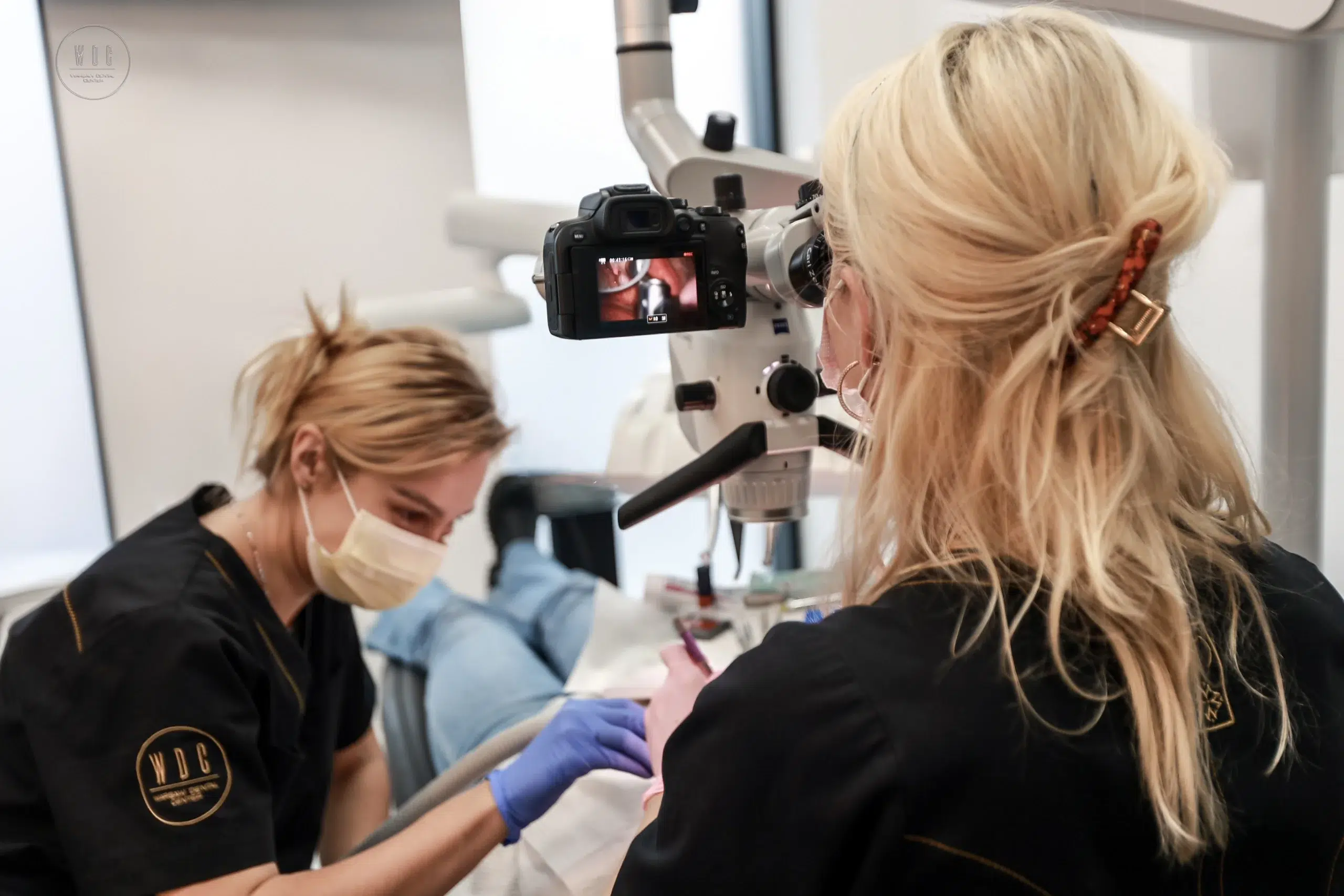
Dental microscope Modern dentistry has achieved extraordinary progress, and one of the key tools introducing a revolution in dental treatment is the dental microscope. It is not only equipment used for complex procedures, but an important element of every dental practice. Why is it worth using? A dental microscope is not only a tool with high magnification. It is a window opening the precise world of teeth, hidden details of the oral cavity, the invisibility of which to the human eye is almost inevitable. It is also a tool that gives dentists extraordinary control over every stage of the procedure, regardless of its scale. Benefits of dental treatment under a microscope: Surgical precision A dental microscope provides unrivaled precision and a detailed look at the tooth. Thanks to this, the doctor can see every detail precisely, which is unattainable in traditional examinations. Effective root canal treatment Root canal treatment, known for its complexity and demanding precision, becomes more effective with the help of a microscope. The ability to precisely view the tooth canals allows for more effective removal of any contamination, shortening treatment time and reducing the risk of complications. Diagnosis at the highest level A dental microscope enables more precise diagnosis of dental diseases. Detecting the problem at an early stage means faster action and elimination of possible ailments. Safety as a priority Dental treatment under a microscope means not only precision, but also increased safety for the patient. The microscope gives you greater control over the procedure, eliminating the risk of errors. Aesthetics and durability The use of a microscope improves the fit of the filling to the tooth, which translates into the aesthetics and durability of the final result. What does standard dental treatment look like under a microscope? It begins with a thorough examination of the patient’s oral cavity, and then the doctor uses a microscope to diagnose any pathological changes. Thanks to the use of a microscope, the procedure is more precise and less invasive for the patient, which shortens the recovery time. The dental microscope not only revolutionizes complex procedures, but also makes even routine procedures more precise and safe. It is worth trusting doctors who not only have this advanced tool, but also use it with expert hands, providing comprehensive care at the highest level.
Advantages of dental microscopes for endodontists
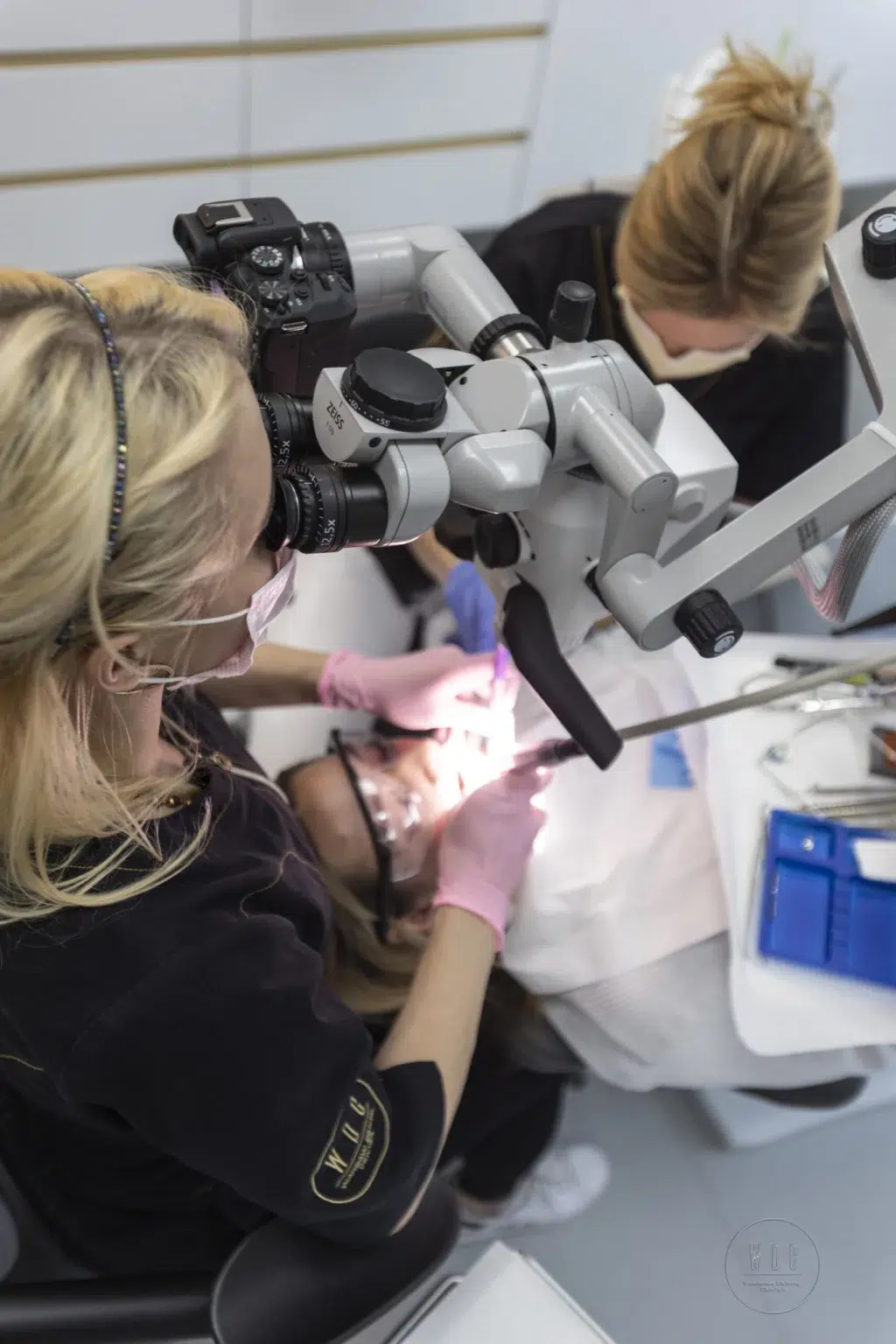
Dental Microscopes: Small Tools, Big Benefits for Endodontists Endodontics – Evolution Thanks to Dental Microscopes Endodontics, as a field, is constantly evolving thanks to innovative tools and technologies. One of the key advances in this field is dental microscopes. These seemingly small but powerful devices are revolutionizing endodontic practice, offering a number of advantages that significantly affect the precision and effectiveness of treatments. Precision at the Microscopic Level Dental microscopes provide endontologists with extraordinary precision.Thanks to their significant magnification, up to 20 times, it is possible to observe tooth structures in the smallest details. This allows for a precise assessment of the condition of the root canals, identification of gaps or micro-cavities, and precise execution of the procedure, minimizing the risk of errors. Better Diagnostics Microscopes enable endodontists to perform more accurate diagnosis.Thanks to increased magnification and excellent lighting, problems such as infections or micro-damages can be detected more quickly and accurately. This is crucial for planning effective therapy and avoiding complications. Patient comfort The use of dental microscopes also translates into higher patient comfort.Thanks to more precise treatments, less tissue damage and more thorough removal of infections or material remnants, patients experience less pain and faster healing. Improving Treatment Results Dental microscopes support improving the effectiveness of endodontic treatments.With a better view and greater precision, doctors are able to clean the root canals more thoroughly, which minimizes the risk of recurrence of infection. This is a key factor influencing the success of endodontic treatment. Improving Doctors’ Skills Using microscopes requires specialized knowledge and skills.Therefore, endodontists who use these tools constantly improve their skills, which translates into even better treatment results. Dental microscopes are not just tools, but a real revolution in the field of endodontics.Their advantages not only improve the quality of doctors’ work, but also significantly affect the comfort and effectiveness of patient treatment. Thanks to them, endodontists can undertake even the most complex cases with greater confidence and precision. If you want to benefit from the highest quality endodontic care, we cordially invite you to the Warsaw Dental Center, where the most modern dental microscopes are used. Thanks to these advanced tools, treatment becomes extremely effective, which translates into significant improvement in results.
The use of a microscope in dental treatment: When is it necessary?
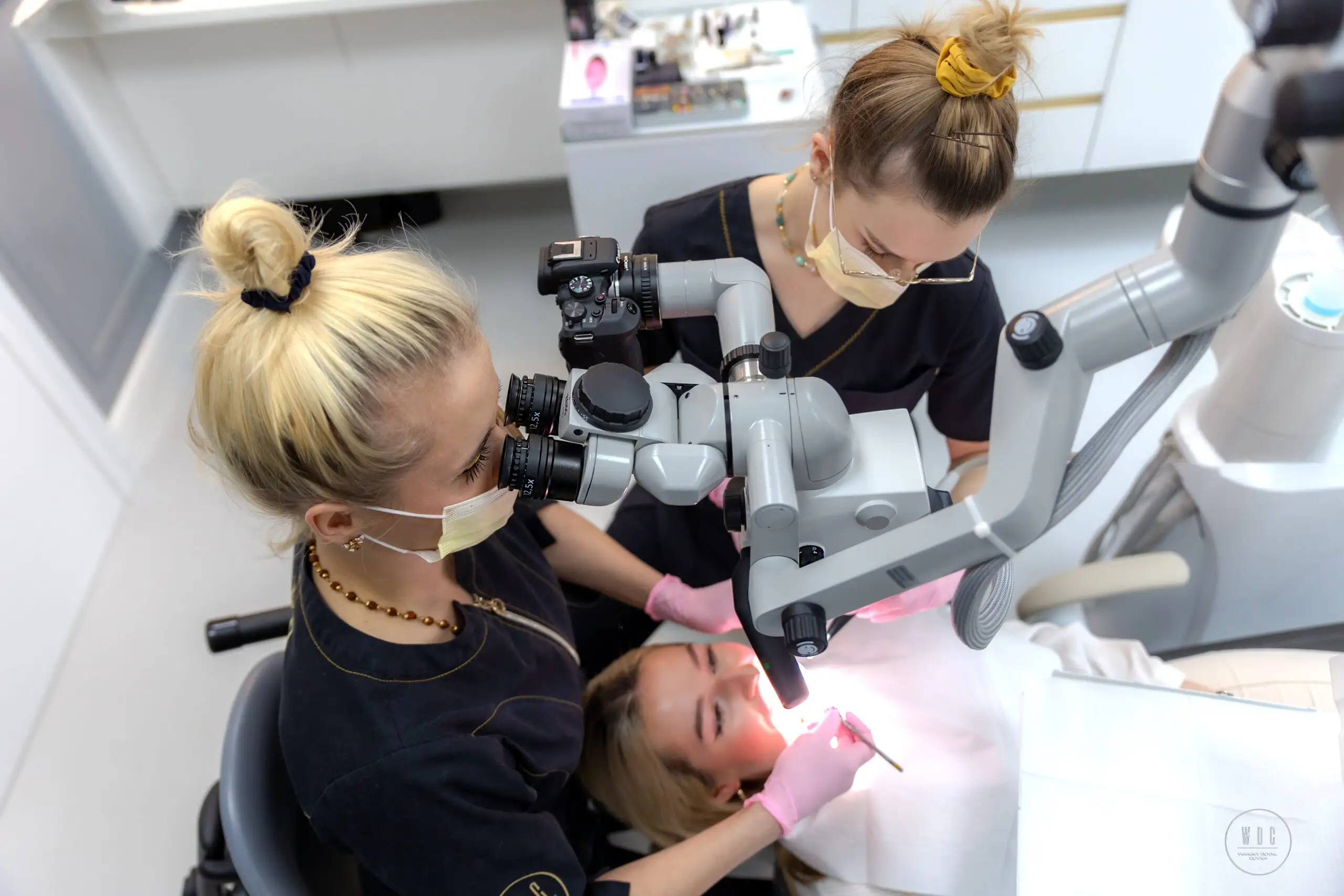
Dr. Urszula Leończak and Assistant Aleksandra Wielgat working with a patient with a microscope It is really worth taking care of your oral health, because healthy teeth are the key to overall well-being. Therefore, today we will focus on one of the advanced tools that can help improve the quality of dental treatment – a dental microscope. Let’s find out when it is worth considering dental treatment under a microscope and what are the advantages of this approach. The use of a dental microscope A dental microscope is an optical tool that allows dentists to make precise observations in the mouth using a much larger increment than a regular dental chair. It allows for more precise and complex treatments, which is especially useful in the case of root canal treatment, removal of cavities, implantation and many other procedures. A dental microscope provides high-resolution images, allowing doctors to focus on the smallest details. This makes it possible to detect problems that could not be noticed with the naked eye and to precisely carry out treatment procedures. When should you consider treatment under a microscope? Complicated root canal treatment: Root canal treatment is a procedure in which infected material is removed from inside the tooth and filled with a special material. The use of a dental microscope allows for accurate assessment of the shape of the roots and eliminates the risk of leaving remnants of infected material. Cavity removal: When removing cavities, the microscope allows dentists to precisely remove the affected tooth tissue, minimizing damage to healthy areas. This means fewer complications after surgery and faster recovery. Preparation for Implant Placement: In the case of implant placement, a microscope is extremely useful for assessing bone structure and the exact location of the implant. This increases the effectiveness of the procedure and minimizes the risk of complications. Advantages of dental treatment under a microscope Precision: A dental microscope allows precise procedures, which translates into better treatment effects and a shorter recovery period. Problem Detection: With the greater increment of the microscope, the dentist is able to detect problems that may not be visible with ordinary equipment. Less pain and discomfort: Treatment under a microscope is less invasive, which means patients experience less pain and discomfort during and after the procedure. Increased effectiveness: Thanks to the precise operation of the microscope, treatment is more effective, which helps avoid possible complications. Increased trust: Patients feel more trust in a doctor who uses advanced equipment, which increases their comfort during dental visits. It is worth noting that not all dental procedures require the use of a microscope, but in the case of complicated procedures or when we want maximum precision, it is worth considering treatment under a microscope. It is an investment in our health and comfort that can bring excellent results and reduce the risk of complications.
Precision in Dentistry: The Importance of a Root Canal Tool
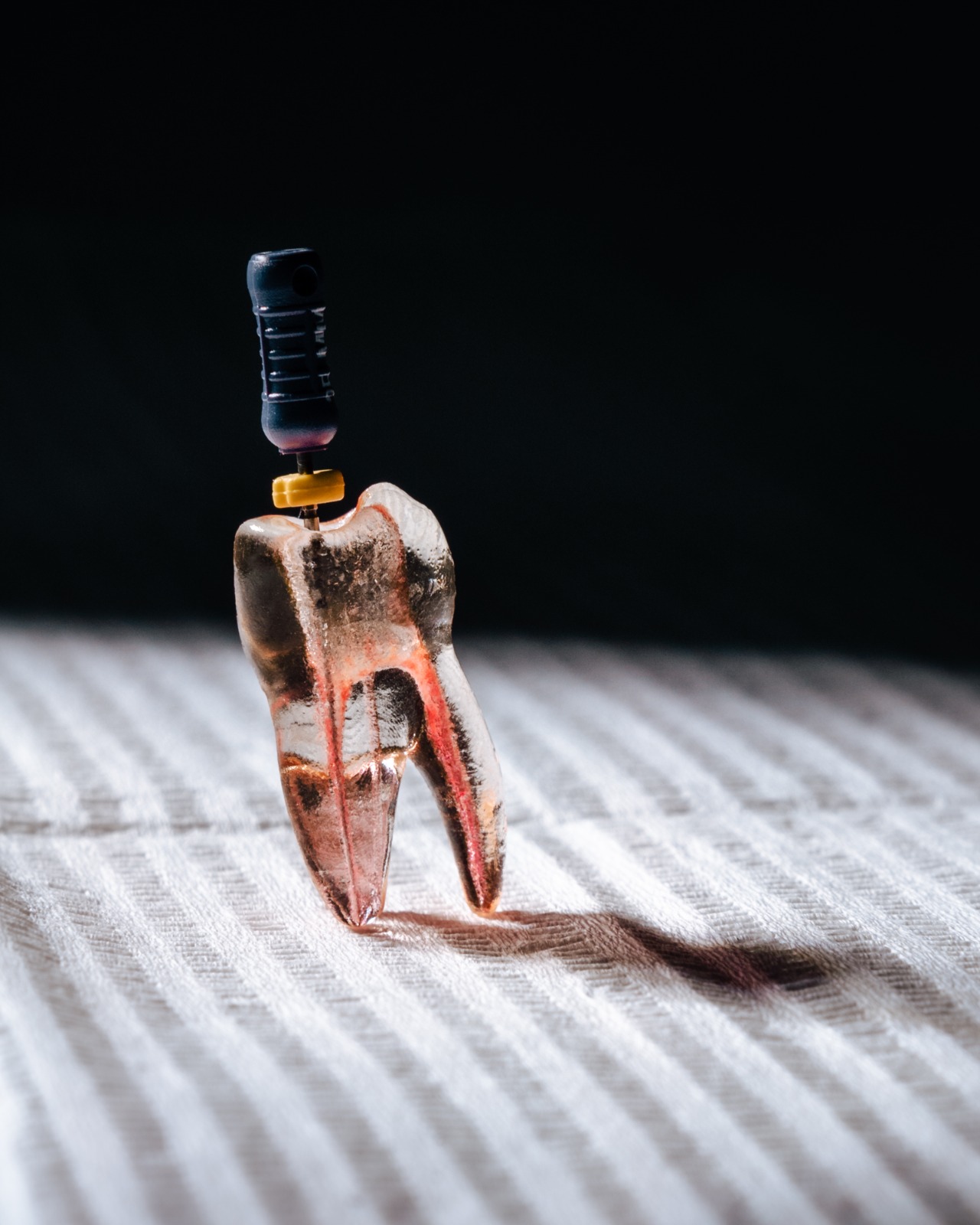
Root canal tool in tooth model: The key to effective dentistry In today’s world of dental medicine, technology and innovation play a key role in improving the quality of dental care. One of the most important tools that significantly influenced the quality and effectiveness of dental treatment is a root canal tool. In this article, we will look at how a root canal tool is used in a tooth model and what benefits it brings to patients and dentists. What is a channel tool? A root canal tool, also called an endometer, is a precision tool used in dentistry to treat diseases of the teeth and internal tooth tissues. It is usually a thin, flexible metal or nickel-metal needle that allows access to the tooth’s root canals. Tooth models with root canal tool One of the key elements of dental training is practice on tooth models. These models are precisely made of materials that imitate tooth structure. In models with a root canal tool, these teeth are equipped with root canals that are reproduced to scale. This tool is essential for teaching future dentists root canal techniques. Benefits of using models with the channel tool Practice and Improve Skills: Root canal models allow future dentists to practice and improve their root canal skills before working on live patients. This minimizes the risk of errors and increases the self-confidence of future dentists. Understanding Anatomical Complexity: Dental root canals vary in shape and size from tooth to tooth. Root canal models help dentists understand this complexity and tailor their approach to each case. Patient safety: By practicing on models, dentists are better prepared to work on live patients. This increases patient safety and reduces the risk of complications during treatment root canal treatment. Summary The root canal tool in the tooth model is an integral part of dental training. It helps future dentists understand and master root canal treatment techniques, which is of great importance for the quality of dental care and patient safety. Thanks to this preparation, dentists are able to treat problems related to tooth root canals more effectively and precisely, which translates into the health and comfort of patients.
Magnification treatment: why is it so important?
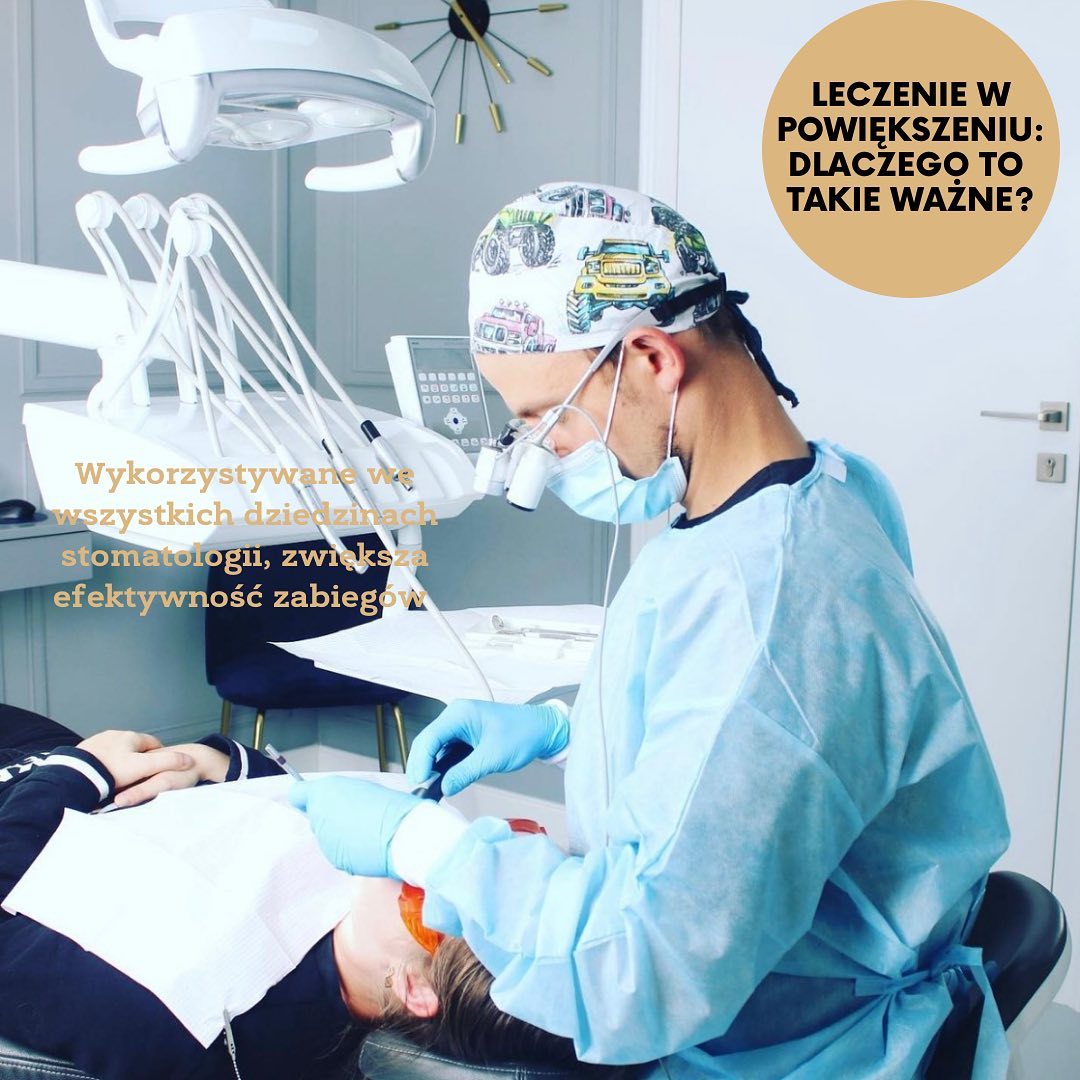
Patients visiting a dentist’s office often ask themselves how it is possible that the doctor can see all the cavities or caries on the teeth and how precisely he can perform the procedures, considering that even the smallest mistake can negatively affect the results of the treatment. One of the key tools that helps eliminate the risk of complications is the use of magnification. Dentists have two main magnifying tools at their disposal: loupes and a microscope. Magnifiers are a type of glasses equipped with lenses and lighting that enlarge the image up to four times, while a microscope can enlarge the observed image up to twenty times. These tools perfectly illuminate the inside of the oral cavity, enabling each treatment to be performed with incredible precision. Thanks to them, the doctor is able to detect and treat even the smallest outbreaks of caries at an early stage of its development. When preparing teeth for crowns or veneers, minimal loss of tooth tissue is crucial – and this is where loupes play an important role. In the case of surgical procedures, they allow tooth extraction to be performed atraumatically, minimizing damage to the structures surrounding the tooth. In root canal treatment, the use of a microscope has now become a standard all over the world, because without this technology, the doctor would not be able to reach the complex internal structure of the tooth, clean it and properly fill it. The use of magnifying tools benefits not only the doctor, but also the patient at every stage of treatment, improving the quality and accuracy of procedures performed.
Rubber Dam in Dentistry: Precision, Comfort and Safety
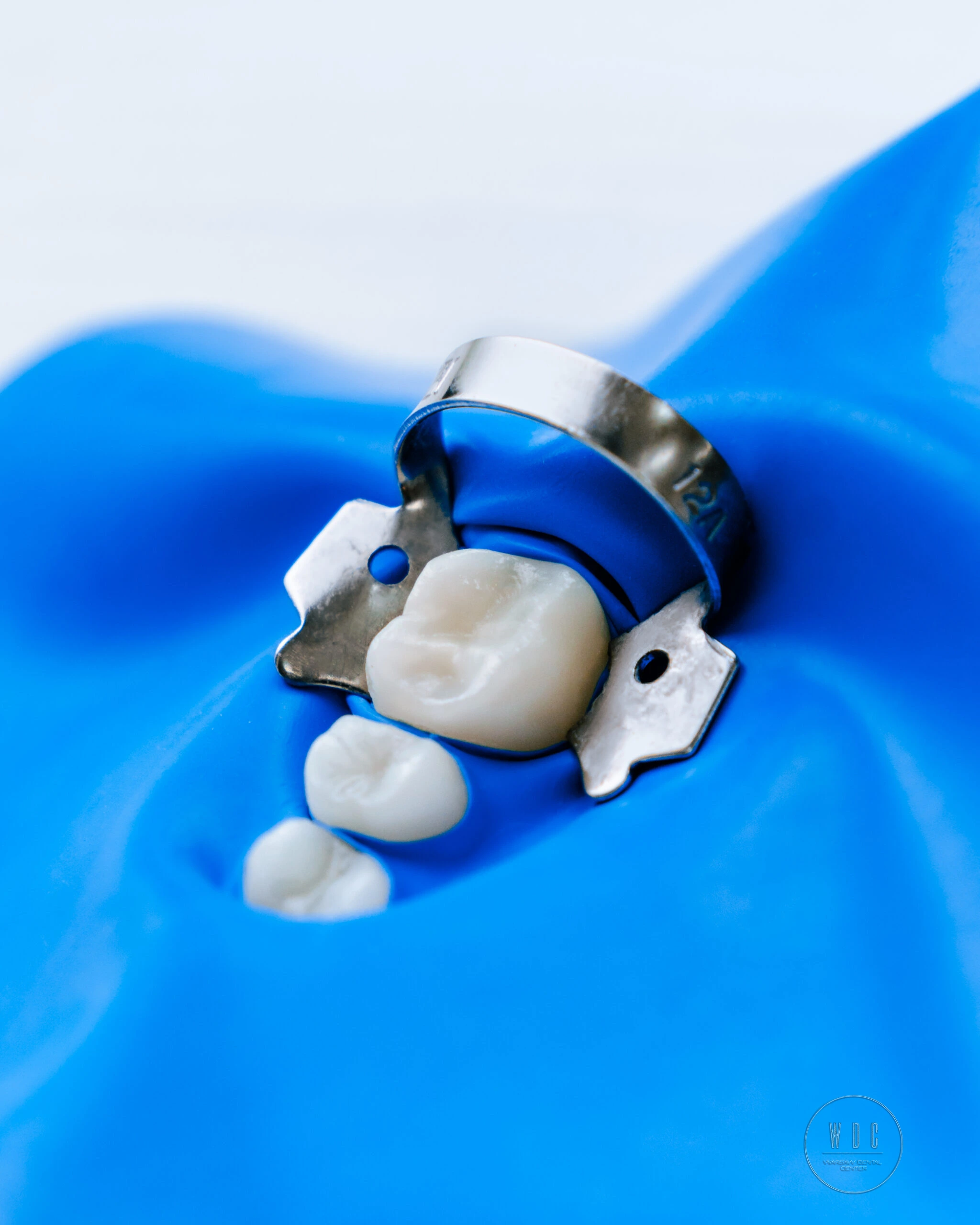
What is a dental dam? A rubber dam, also called a “women’s rubber”, is a thin, flexible rubber mat or foil that is used in dentistry to isolate the treatment area. It is a tool that separates the teeth and oral tissues from the remaining space, providing control over the working environment. Advantages of using a rubber dam: Precision and effectiveness: A rubber dam ensures precise and effective performance of dental procedures, such as fillings, root canal treatment or tooth preparation for a crown. Patient comfort: Patients appreciate the use of a rubber dam because it reduces the discomfort associated with the presence of moisture and other substances in the oral cavity during treatment. Safety: A rubber dam increases patient safety by minimizing the risk of swallowing or aspiration of materials used during the procedure. Hygiene: The use of a rubber dam contributes to maintaining the highest hygiene standards during dental procedures. Applications of rubber dam in dentistry: Preparing the tooth for a filling: A rubber dam is often used in filling procedures to isolate the tooth from saliva and other tissues. Endodontic treatment: In the case of root canal treatment, a rubber dam isolates the tooth from the rest of the mouth, which is essential for the success of the procedure. Preparing the tooth for the crown: When installing crowns or bridges, a rubber dam guarantees isolation and precision. Teeth whitening: When whitening your teeth, a dental dam isolates your teeth and gums from the whitening gel being used. Summary: A rubber dam is an invaluable tool in dentistry that contributes to precise and safe procedures. Thanks to it, patients can feel more comfortable and doctors achieve better results. In today’s world of dentistry, a rubber dam is an integral element that raises the standards of dental care and ensures patient satisfaction with dental services. If you are considering visiting a dentist, do not hesitate to ask about the use of k oferdam during your treatment. This tool can significantly influence the course and effectiveness of the procedure.

Size matters: Dentist’s work under magnification with a microscope and magnifying glass at Warsaw Dental Center
One of our patients during an oral examination by a dentist. Bartosz Leończak. Nowadays, dentistry is developing at a dizzying pace. New technologies and tools help dentists treat patients precisely and effectively. One of such innovative solutions is the dentist’s work under magnification with a microscope and a magnifying glass. At Warsaw Dental Center, a leading dental clinic in Warsaw, the use of these tools plays a key role in ensuring high-quality dental care. Precision at the microscopic level: The dentist’s work under magnification with a microscope and magnifying glass allows for incredible precision when performing treatments. A dental microscope allows the doctor to see every little detail in the patient’s mouth. This means that even the most complex procedures, such as endodontics, dental surgery or implant placement, can be performed with extreme accuracy. Using a microscope, the dentist can see and solve problems that previously might have gone unnoticed. Patient comfort and safety: When a dentist works with a microscope or loupe, he or she can focus on small details and precise movements. This minimizes the risk of damage to tissues and organs in the patient’s mouth. Patients also benefit from this type of approach. Minor procedures, such as tartar removal or caries treatment, can be performed painlessly and without unnecessary damage to healthy tissue. Working under magnification allows dentists to achieve optimal treatment results with minimal discomfort for the patient. A multi-faceted approach to treatment: The use of a microscope and a magnifying glass in dentistry allows for a multi-faceted approach to diagnosis and treatment. By being able to closely view anatomical structures, the dentist can identify the problem with greater certainty. This is the guide leading to more accurate diagnoses and better treatment planning. Using a microscope, the doctor can also more effectively monitor the progress of treatment and assess its effectiveness at small levels. This allows you to achieve optimal results faster and more precisely. Summary: The dentist’s work under magnification with a microscope and magnifying glass at Warsaw Dental Center is a key element of high-quality dental care. A dental microscope allows you to achieve unprecedented precision, ensuring effective treatment down to the smallest detail. Patients benefit from greater comfort and safety, while the dentist can provide comprehensive care using a multi-faceted approach to treatment. Warsaw Dental Center, using these innovative tools, confirms its place as a leading dental clinic in Warsaw, taking care of the health and smile of its patients.
Microscope in Dental Practice: The Key Role in the Dentist’s Work
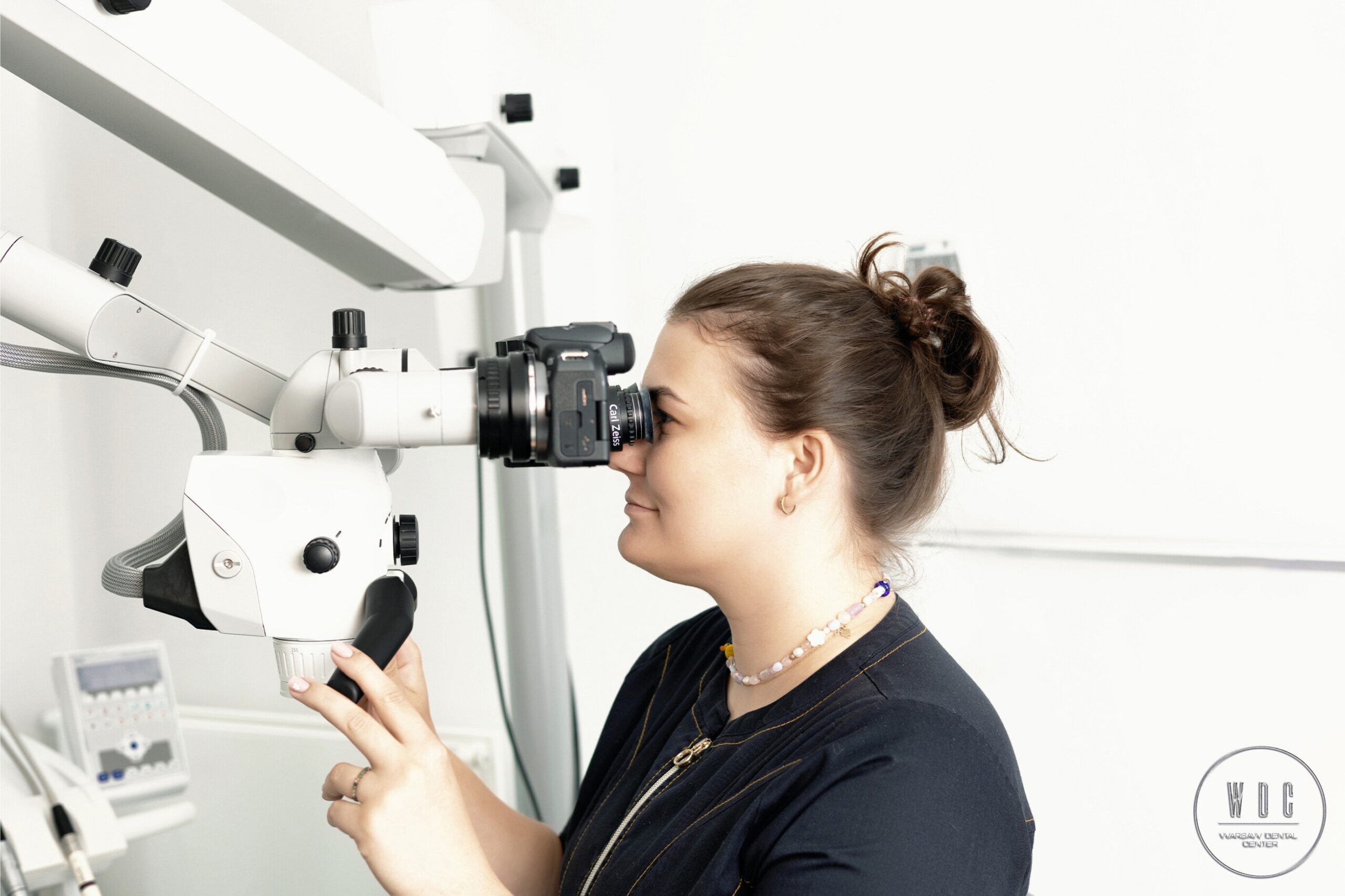
Dentist Olga Rybińska with a microscope that she uses for all treatments “The truth is that many people are afraid of the dentist. Even though they know they need good dental care, they often wait until the pain becomes unbearable. Their teeth may be falling out and they still put off going to the dentist.” This is what the doctor says. dentist Olga Rybińska Fortunately for you, Warsaw Dental Center offers microscopic dentistry. Using this state-of-the-art procedure has many advantages, and here are some of them: Magnification: Treatment using a microscope or loupes is much better than using the naked eye. All scientific research confirms this. Dentists who use magnification in their work see objects magnified up to 16 times, so they can be sure that they see exactly what they need to do their job properly. – adds Olga Rybińska, who uses a microscope every day. Treatment is more conservative: Using a microscope, the dentist is even more precise. We can treat a smaller area with greater precision, which makes the entire process much more efficient. Smaller incisions:By using magnification, the dentist will be able to make smaller incisions during surgical procedures, which in turn translates into less pain and discomfort. Less swelling, the treatment area is subjected to less trauma, which will result in less swelling Faster healing:The healing time will be significantly shortened and you will be able to quickly return to your daily habits and pleasures. There are even times when you can go straight back to work rather than taking a few days off to let your mouth heal. Precise placement of implant: “By using loupes, the surgeon is able to place the implants with even greater precision,” he says Bartosz Leończak, surgeon and implantologist at Warsaw Dental Center. The treatment is safer for the surrounding structures: Using a microscope and loupes, we are able to be more precise and accurate and avoid contact with gums or other teeth during the procedure, so they are not damaged. Even better documentation: Many microscopes are connected to monitors, cameras, or both, so we are able to show exactly what we found, as well as the procedure we performed. This can be a great way of communication between you and your dentist. You can also see exactly what we do or have done to your teeth and smile. Don’t hesitate to contact Warsaw Dental Center. Our doctors strive for precise, comfortable and quick treatment using magnification. If you need root canal treatment, implants, beautiful and functional fillings, we invite you to the Warsaw Dental Center, where every doctor can see and do more.