

Christmas and the New Year are a time of joy, family gatherings, and special meals. They are also a period when it is easy to neglect everyday oral health habits. Sweet treats, long dinners, hot and cold drinks, and sometimes stress and fatigue can all have a negative impact on the condition of your teeth and gums. As a dentist and Medical Director of Warsaw Dental Center, I observe the same pattern every year: after the holidays, many patients visit us with tooth pain, sensitivity, cracked fillings, or gum inflammation. The good news is that most of these problems can be easily prevented. 🍰 Holiday Sweets and Dental Health Gingerbread, poppy seed cakes, cheesecakes, and chocolate are an inseparable part of the holiday season. However, it is important to remember that sugar is the main fuel for bacteria responsible for tooth decay. How can you reduce the risk? avoid snacking on sweets throughout the day; it is better to enjoy them once, after a meal, rinse your mouth with water after dessert, remember to brush your teeth thoroughly in the evening, even if the day has been long and tiring. ☕ Hot and Cold Drinks: Watch Out for Sensitivity Winter beverages such as hot tea, coffee, mulled wine, and the contrast with cold desserts can intensify tooth sensitivity, especially if the enamel is weakened. If during the holidays you experience short, sharp pain when drinking hot or cold beverages, it is a signal that should not be ignored. Sensitivity is often the first sign of enamel or gum-related problems. 🎁 Hard Foods and “Harmless” Accidents Cracking nuts with shells, hard candies, or opening packages with your teeth can easily lead to chipped teeth or damaged fillings. During the holiday season, sudden dental emergencies occur more frequently, even though many of them could be easily avoided. Teeth are not tools, even when we are in a hurry. 😬 Stress, Bruxism, and Holiday Tension Although the holidays are associated with happiness, for many people they are also a source of stress. Teeth grinding and clenching, often unconscious, may intensify during this time. Symptoms worth paying attention to include: morning headaches, tension in the jaw area, tooth soreness without an obvious cause. If you notice these signs, it is worth consulting a dentist. The sooner you act, the easier it is to prevent more serious consequences. 🪥 The Holidays Are Not a Break from Oral Hygiene Changes in daily routine, travel, and late dinners often cause oral hygiene to be postponed “until tomorrow”. This is one of the most common mistakes made during the holiday season. Remember to: brush your teeth at least twice a day, use dental floss or interdental brushes, even short hygiene routines are better than skipping them entirely. 🎆 The Perfect Time for a Check-Up The beginning of the new year is an excellent moment to schedule a dental check-up. Regular examinations help detect minor issues before they develop into problems requiring extensive treatment. At Warsaw Dental Center, we often remind our patients that prevention is the best investment in a healthy and stress-free smile for the entire year ahead. Conclusion The holidays are a time worth enjoying with a smile, both literally and figuratively. A few simple habits are enough to avoid tooth pain, unexpected dental problems, and treatment-related stress. If you have any concerns, feel discomfort, or simply want to start the new year with confidence that your teeth are in good condition, I invite you to schedule a consultation. With care for our patients’ health,Medical Director, Dentist, MSc Urszula LeończakWarsaw Dental Center
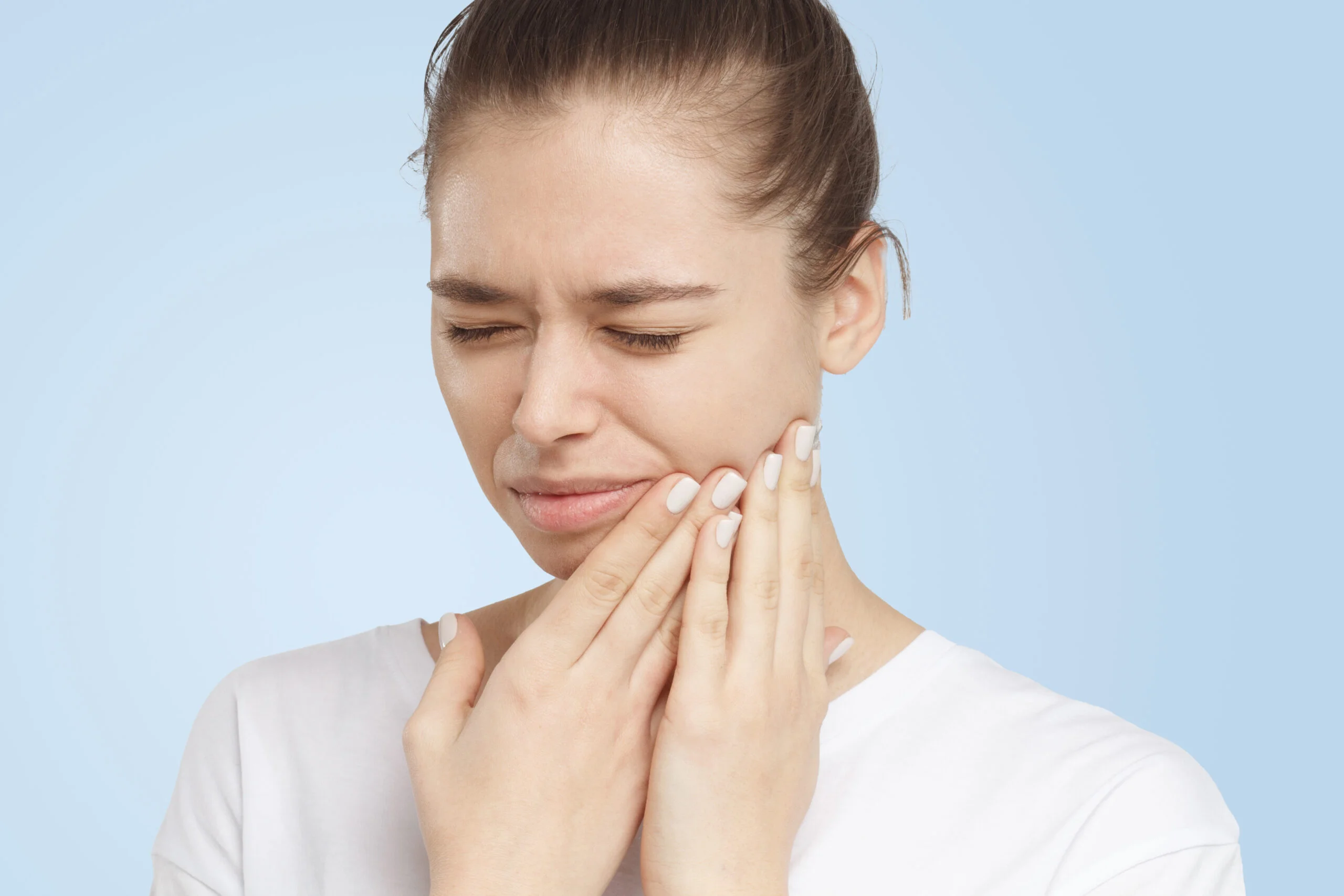
Wisdom teeth – what are they and how to deal with them?
Calculus deposits, also known as pulp stones, are calcifications that occur within the dental pulp, mainly in its chamber. Many of us are not aware of their presence until intense pain occurs. Therefore, we want to help in recognizing calculus deposits and effectively treating them. Where do calculus deposits come from? Calculus deposits, also known as dental pulp stones, are calcified deposits of mineral salts, which are a form of dental pulp degeneration. They most commonly occur in molars, lower incisors, and in teeth that are yet to erupt or are impacted. Calculus deposits typically develop in necrotic areas, mainly around the pulp chamber and root of the tooth. Although the exact causes of calculus deposits formation have not been fully elucidated, they are often associated with inflammatory conditions or tooth trauma. Calculus deposits can vary greatly in size, from microscopic changes invisible to the naked eye to large deposits that can lead to pulp chamber obliteration. Types of calculus deposits Due to differences in size, structure, and location, several types of calculus deposits are distinguished: Based on size and location: 1. Compact – located within the tooth chamber and visible on X-ray. 2. Dispersed – typically located in root canals and not visible on X-ray. Based on structure: 1. True – structurally similar to dentin, occurring relatively rarely. 2. False – lack a dentin-like structure, containing calcified cells that continuously expand due to increasing calcification. Based on location: 1. Loosely embedded – not attached to the tooth cavity walls and completely surrounded by pulp. 2. Wall-attached – partially connected to dentin. 3. Intrapulpal – completely surrounded by dentin. Symptoms of calculus deposits Calculus deposits often do not cause any pain symptoms for a long time, making them typically detected during routine dental visits or on X-rays. Only with the growth of calculus deposits, when they begin to compress the sensory nerve and blood vessels, does bothersome pain arise. Initially, this pain resembles discomfort associated with pulp or trigeminal nerve inflammation. As calculus deposits reach significant sizes, they can fill the entire tooth chamber, leading to pulp damage and necrosis. Confirmation of calculus deposits requires X-ray imaging. Treatment of calculus deposits Untreated and continuously developing calculus deposits can lead to serious health problems. In the case of small, painless calculus deposits, the dentist may recommend observation and regular check-ups. However, if pain symptoms arise, removal of the affected pulp and root canal treatment is recommended. This procedure is performed under anesthesia, making it painless. It is important to note that even small calculus deposits can complicate endodontic treatment, hindering access to the tooth chamber floor and canal openings. In such cases, removal may be necessary. Regular follow-up visits to the dentist are crucial as they allow for the prompt detection of any changes in the oral cavity. Finally, it is worth noting that calculus deposits are not associated with tumors. Many people mistakenly associate calculus deposits with benign tumor nodules due to the similarity in names to the term “odontoma.” However, despite growing within the pulp, calculus deposits are not neoplastic changes.
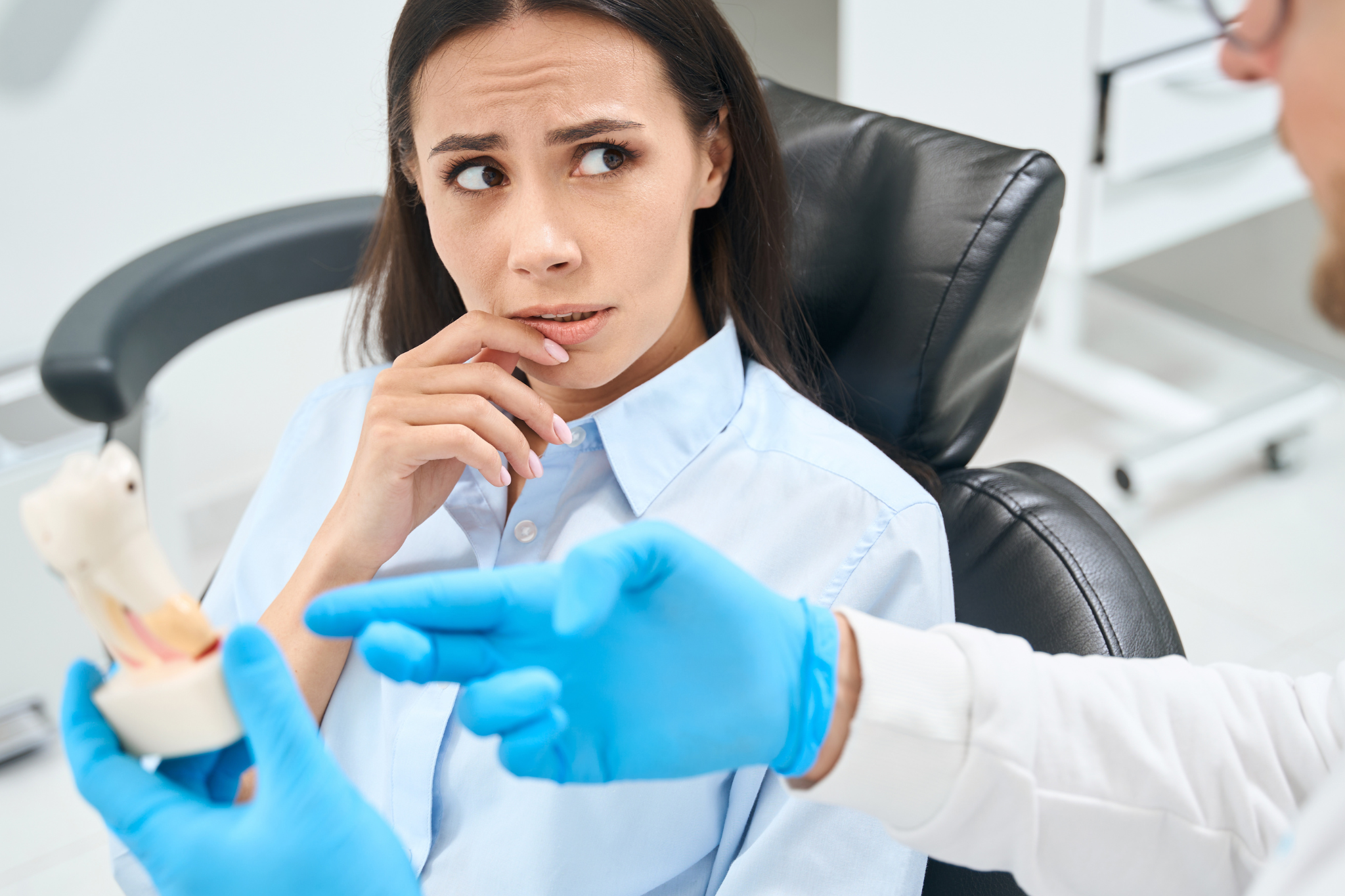
Does stress affect oral health?
Stress accompanies us in various life situations, whether they are related to work or personal life. It not only affects psychological aspects but also has a significant impact on the health of the entire body, including the oral cavity. Learn how stress can negatively affect oral health and overall body condition, as well as how to deal with its effects. Does Stress Have a Negative Impact on Dental Health? Stress can have a complex impact on oral health. Although it doesn’t always directly lead to deterioration of dental health, prolonged or intense stress can result in harmful habits such as teeth grinding or clenching. These habits can lead to tooth damage and worsen their condition. Additionally, stress can influence our diet. People experiencing chronic stress often reach for snacks and food rich in sugars and fats, which can contribute to tooth decay. Poor dietary habits and irregular meal consumption can also increase the risk of plaque formation, which in turn can lead to periodontal disease. To take care of your teeth, it’s important to reduce stress and lead a healthy lifestyle, including a healthy diet and regular oral hygiene habits. Are Teeth Grinding and Mouth Ulcers Symptoms of Stress? Teeth grinding, also known as bruxism, is a common phenomenon associated with stress. Due to tension, both during sleep and while awake, people often unconsciously clench their jaws and grind their teeth. This habit can lead not only to tooth damage but also to discomfort such as temporomandibular joint pain and headaches. Mouth ulcers, or oral mucosal ulcers, are another problem often associated with stress. Although there are many factors contributing to the occurrence of mouth ulcers, stress can weaken the body’s immune system, making them more likely to occur. Mouth ulcers can be painful and can interfere with daily functions such as eating and speaking. If you’re dealing with teeth grinding or mouth ulcers, it’s worth consulting a doctor to learn the best methods to manage and alleviate their symptoms. Can Stress Harm Your Gums? Stress can negatively impact the health of your gums. People exposed to stress are more susceptible to bacterial infections in the oral cavity, which can lead to gum inflammation. In its advanced form, inflammation can progress to periodontal disease, a serious gum disease that can even lead to tooth loss. Additionally, stress can reduce the body’s ability to regenerate and fight infections, delaying healing processes in the oral cavity. How to Take Care of Your Oral Health? To ensure healthy gums and teeth and minimize the negative impact of stress, it’s important to follow a few simple rules: Balanced diet: Limit sugar and fats intake while ensuring an adequate amount of vitamins and minerals Prevention of teeth grinding: If you notice teeth grinding, consult a dentist who can recommend special night guards or appliances Relaxation techniques: Regularly practice relaxation techniques such as breathing exercises, yoga, or meditation to reduce stress levels Regular dental visits: Regular check-ups with a dentist allow for early detection of potential problems and effective treatment Why Are Regular Dental Visits Important? Regular check-ups with a dentist or dental hygienist are essential for maintaining oral health. During these visits, the condition of teeth and gums can be effectively monitored, professional advice on oral hygiene can be obtained, and preventive treatments can be performed. Early identification of potential problems helps avoid more serious complications and costly treatments in the future. Effects of Stress on Oral Health – How to Prevent Them? Stress can significantly affect the health of our oral cavity, causing teeth grinding, mouth ulcers, or gum problems. Therefore, it’s important to counteract stress through proper diet, relaxation techniques, and regular visits to the dentist or dental hygienist. Take care of your oral health – schedule a visit to Warsaw Denta Center today at +48 22 542 18 04.
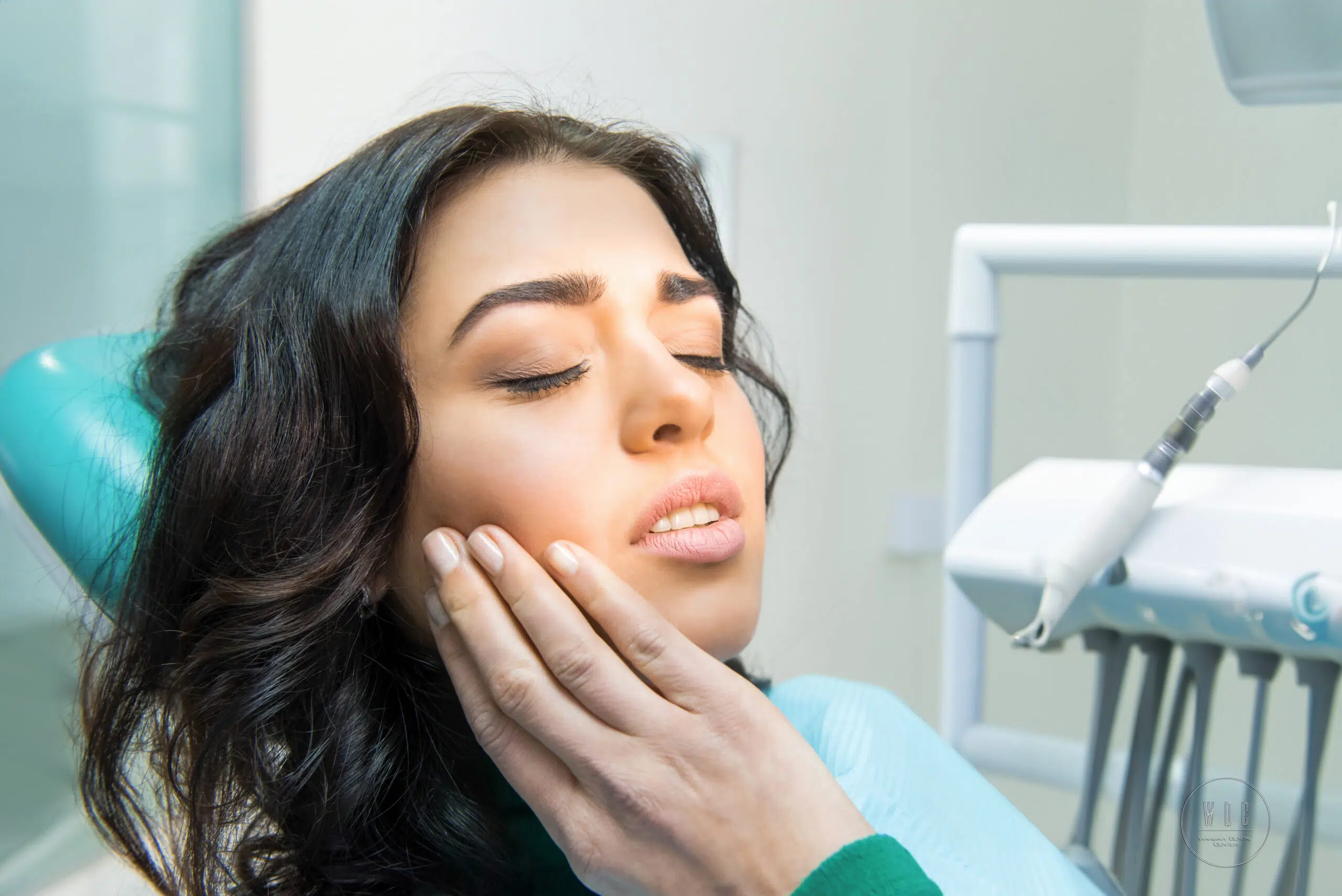
Can migraine and toothache be related?
Did you know that there are many cases where migraine and toothache can be related? Even though these are two different ailments, sometimes they can occur simultaneously and worsen each other. Migraine is a disease that manifests itself with severe headaches, often accompanied by nausea, photophobia and/or visual disturbances. In turn, toothache may be caused by infection, damage, decay or other dental problems So how can these two different conditions be related? There are several scenarios that could explain this: Muscle tension: Some people who suffer from migraines experience muscle tension in the face and neck area, which can lead to toothache. This tension may be the body’s response to a headache. Stress and body reaction: Both migraine and toothache can be caused by stress. Stress can lead to excessive jaw tightening, which can cause toothache and at the same time make migraines worse. Dental problems and migraine: Dental infections, gum disease or even pain caused by misaligned teeth can trigger an inflammatory response in the body. This inflammatory response can, in turn, worsen the migraine or be one of its triggers. Neuralgic connections: There is a complex network of nerves in the head and neck area that allows pain from one area to radiate to another. This means that a toothache can lead to a radiating headache, and a migraine can cause a toothache. It is worth remembering that each case may be different. If you experience both a migraine and a toothache, it is worth consulting a doctor or headache specialist and a dentist. Diagnosis and treatment can be more effective when you understand whether the two problems are related or not.
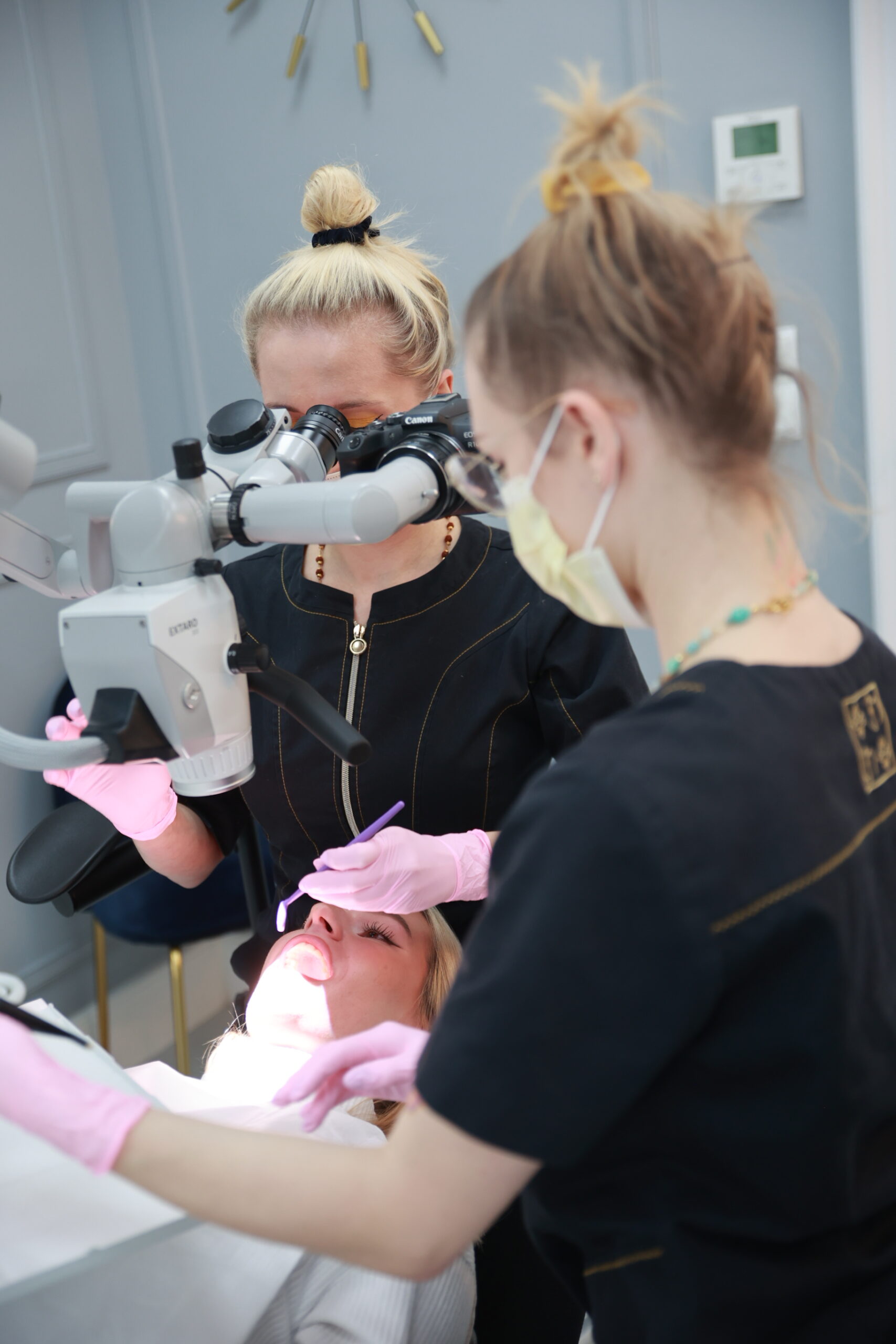
Endodontics under a microscope Warsaw
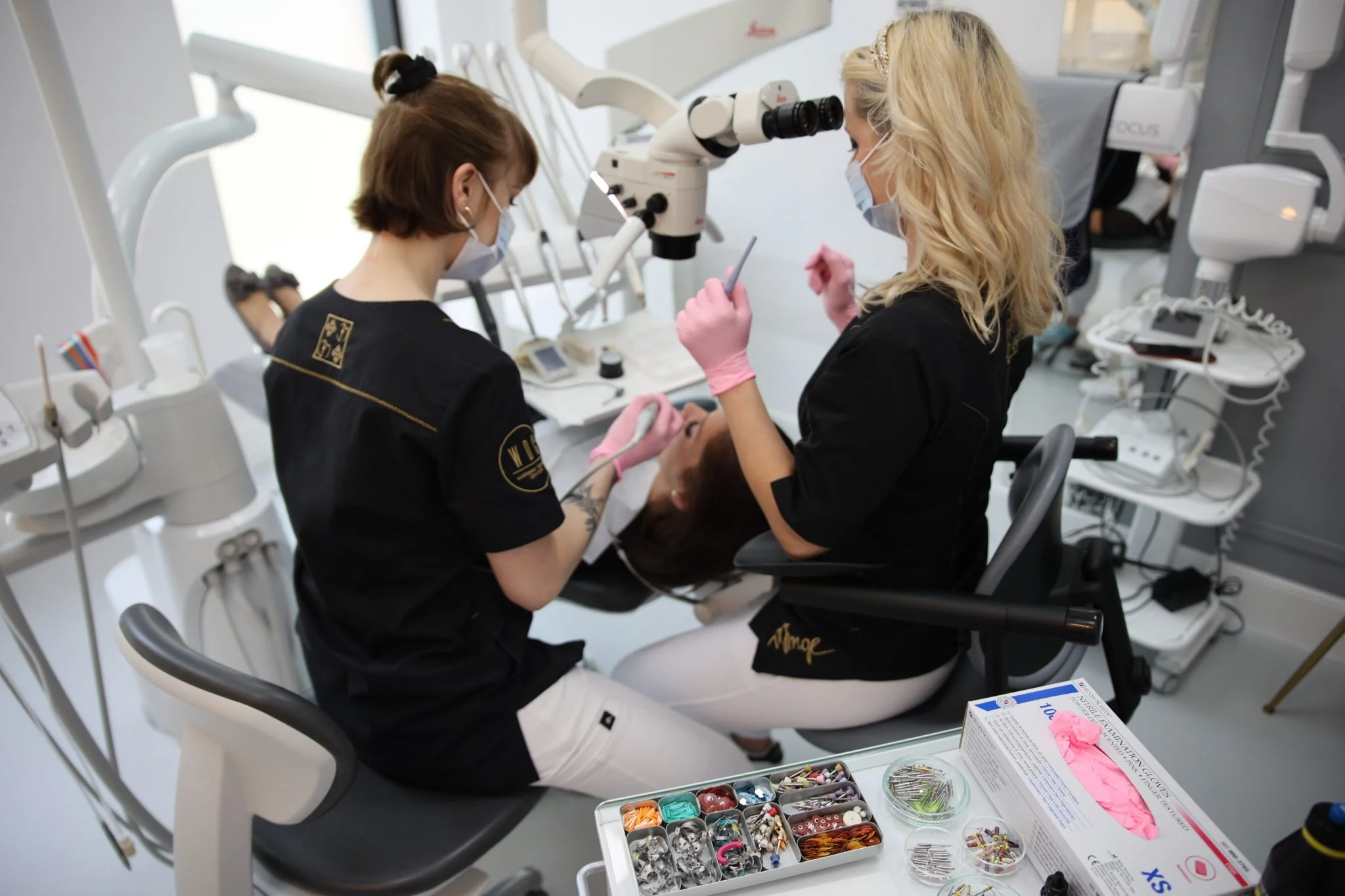
Dr. Urszula Leończak and Assistant Aleksandra Wielgat working through a microscope with a patient The toothache is terrible! It is a violent, throbbing pain that appears suddenly, making normal functioning impossible. This usually means that the nerve is irritated or the tooth is infected at the root. Ailments such as caries, abscesses, tooth cracks and gum problems often go hand in hand with the invasion of bacteria that damage the nerves and cause canal infections. This not only brings great pain, but can also threaten the integrity of the tooth and even lead to tooth loss. People suffering from these conditions should immediately go to a dentist who can help by performing endodontic treatment under a microscope. This advanced treatment includes a series of procedures aimed at removing all tooth content, disinfecting it and tightly securing the canals to avoid re-infection. Microscopic revolution in endodontic treatment Unfortunately, even experienced dentists are not always able to see exactly what is happening in the tooth canal, especially due to the individual shape of each tooth. However, there is innovative endodontic technology – treatments performed under a microscope. At Warsaw Dental Center, this microscopic equipment has revolutionized endodontic treatment, opening up new possibilities for diagnosis and treatment, enabling the solution of difficult cases. Using the latest technologies and an interdisciplinary approach, Warsaw Dental Center develops personalized methods of endodontic treatment under a microscope. These can be simple root canal treatments, single-root treatments or multi-root treatments that restore or maintain the internal functionality of teeth in the long term by removing the nerves or dental pulp. The presence of an endodontic microscope in our clinic allows us to achieve the highest quality of dental treatment. Precision and effectiveness thanks to a microscope Root canal treatment under a microscope, performed by a professional endodontist, can usually be completed in one visit. The microscope provides direct visibility of all details and pathogens, which translates into excellent results. The images are extremely clear and can be enlarged up to 30 times, and strong lighting allows you to see even the smallest details invisible to the naked eye. This is extremely important for correct diagnosis and treatment. The light is directed exactly where the doctor is working, no shadows are created, and the colors are reproduced faithfully. Benefits of using an endodontic microscope Detection of unusual root canals. Locating perforations in the tooth root and sealing them. Identification of microcracks and fractures along the length of the tooth. Detection of root canal orifices. Identifying and treating canals that are difficult to access (calcified). Repair of incorrect root canal treatments. Observing cracks in the root canal, simplifying and removing them. Saving teeth that would otherwise have to be extracted. Creating photos or videos during endodontic treatment, which facilitates communication with the patient. The opinions of dentists using this microscopic technique are extremely positive. They emphasize that they are less tired both mentally and physically. Patients feel comfortable and safe, and the effects of treatment are quick and lasting. Thanks to the endodontic microscope, endodontic treatment becomes more precise and effective, which translates into the health and comfort of patients.
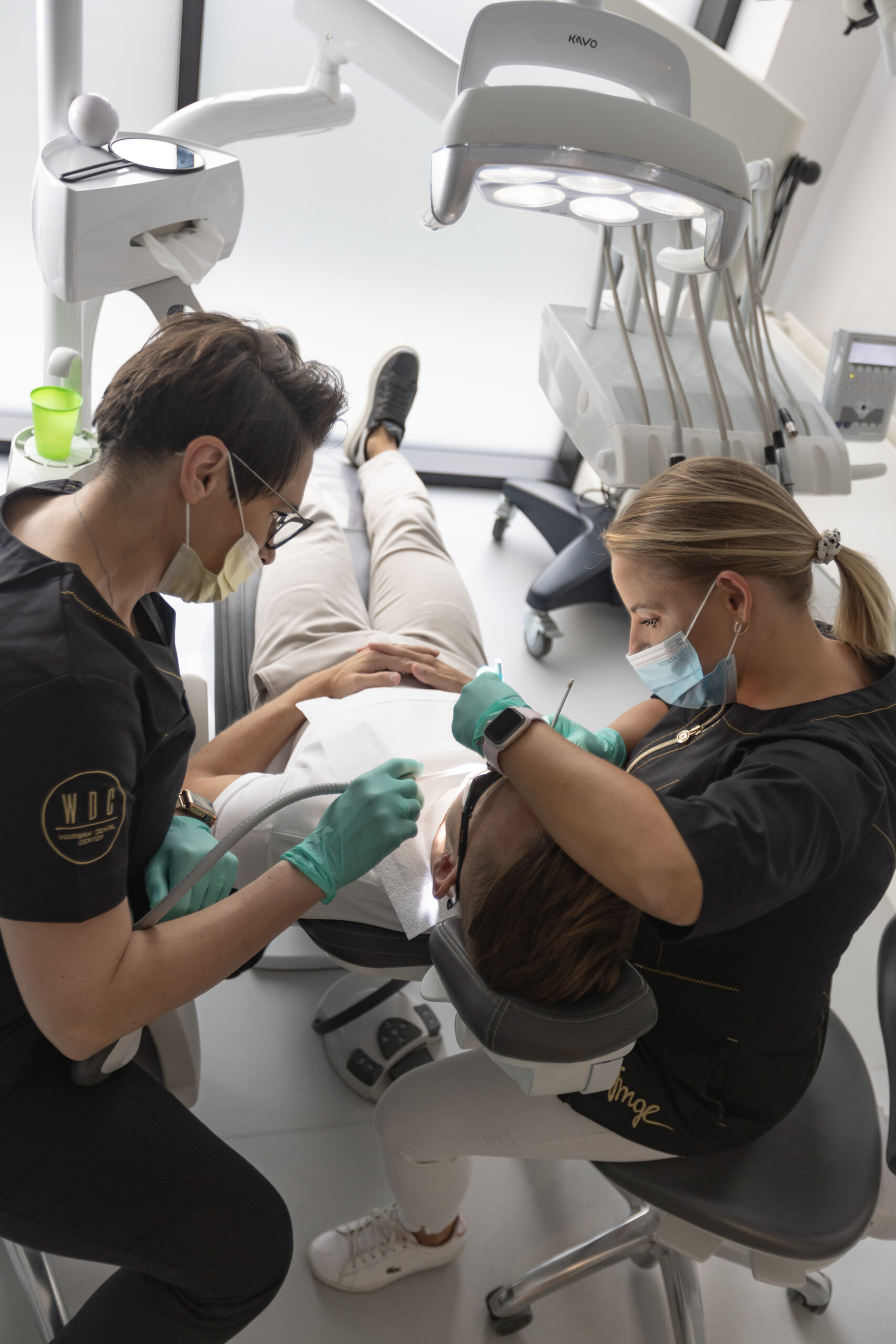
Why can tooth pain return after root canal treatment?
Doctor Aleksandra Kostrz and hygienist Wioletta Zawierucha working with a patient You’ve probably already wondered why after root canal treatment, which is so often performed at the dentist, the tooth may still hurt. After all, theoretically, after such a procedure, the tooth should stop causing any problems, right? Unfortunately, this is not always the case. Why is this happening? Here are some potential causes that may make your toothache come back and are worth paying attention to. 1. Inadequate cleaning of the root canals During root canal treatment, the dentist removes dead pulp and bacteria from inside the tooth and root canals. If this cleaning is not performed thoroughly enough or does not cover the entire length of the canal, a source of infection may remain, resulting in the return of pain. Improperly filled root canals can also lead to recurrence of infection and pain. 2. Undetected additional root canals It may happen that a tooth has additional root canals that were not discovered during preparation for treatment. Such hidden channels can harbor infections and bacteria that cause pain again. Performing an X-ray allows you to assess whether all root canals have been included in the treatment. 3. Problems of adjacent teeth Sometimes the source of pain after endodontic treatment is in the adjacent tooth. Therefore, it is worth checking the condition of other teeth and checking for any cavities on the surfaces in contact with the treated tooth. An examination by a dentist can help detect any problems and solve them quickly. 4. Periapical inflammation Pain after root canal treatment may result from inflammation of the tissues around the end of the tooth root, which is called the periapical area. This inflammation may be caused by a previous infection that has spread or by remnants of pulp tissue that accidentally remain after treatment. In this case, it may be necessary to use antibiotics or even repeat root canal treatment. 5. Tooth root fracture A tooth root crack may be the result of mechanical damage during the procedure or appear after root canal treatment, when the tooth becomes weakened. Pain occurs when the root fragments move under the force of chewing. Treatment for such a case may include placing a crown on the tooth or, in extreme cases, tooth extraction is necessary. It is worth noting that each case is different, and there are many factors that influence why pain occurs after root canal treatment. Therefore, it is important to consult a dentist for accurate diagnosis and appropriate treatment.
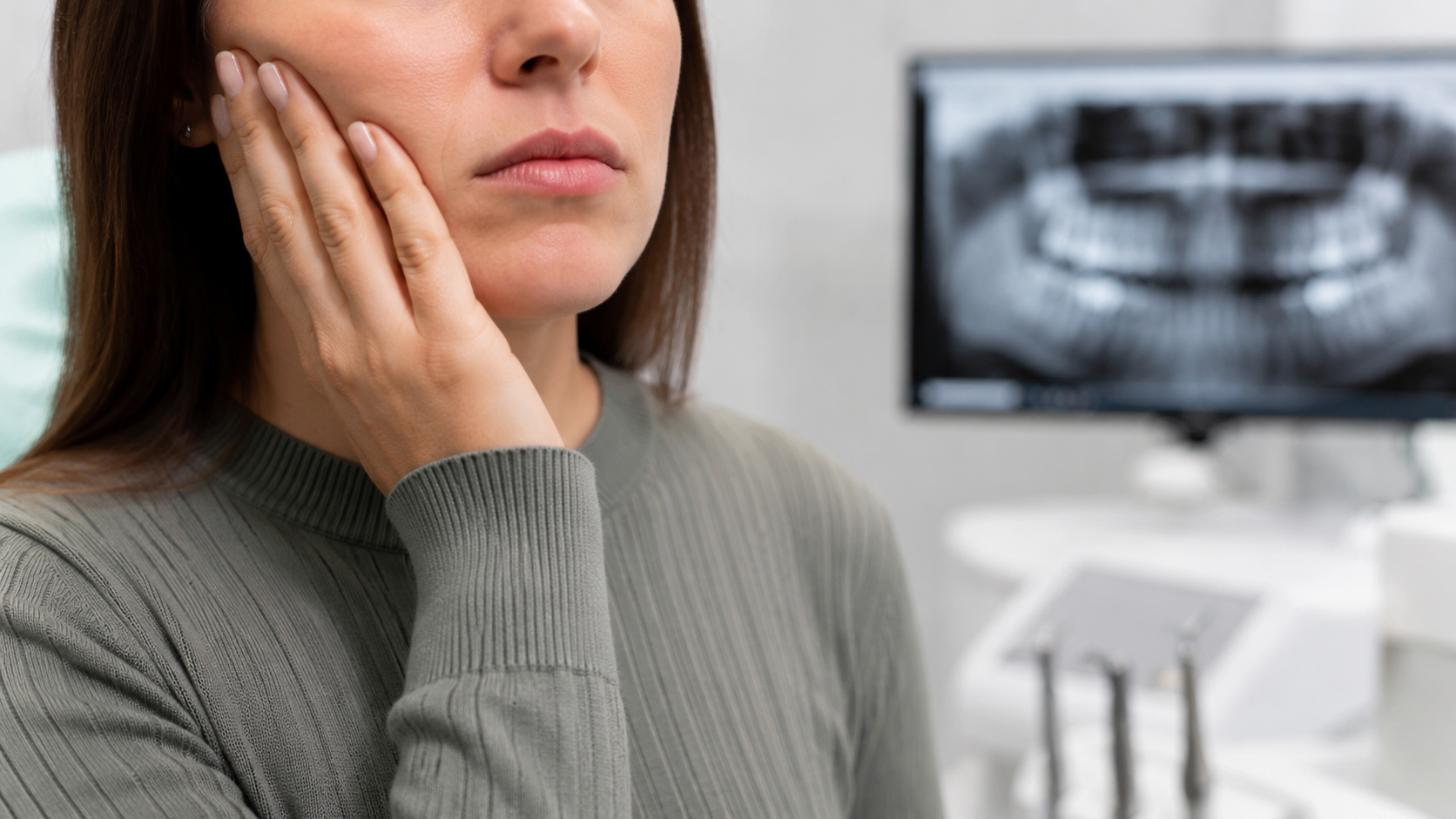
Toothache can be a sign of many diseases. What?
Do you feel a toothache but you are putting off visiting a specialist? This is a mistake! Inadequate oral care can lead to serious health problems.You will learn more about this in the “Rhythms of Health” program, where doctors from Warsaw Dental Center, including doctors Urszula Leończak, Tomasz Kupryś and Bartosz Leończak, will discuss the consequences of neglecting oral health. The program will be broadcast on January 26 at 2:55 p.m. on the TVP KOBIETA channel.
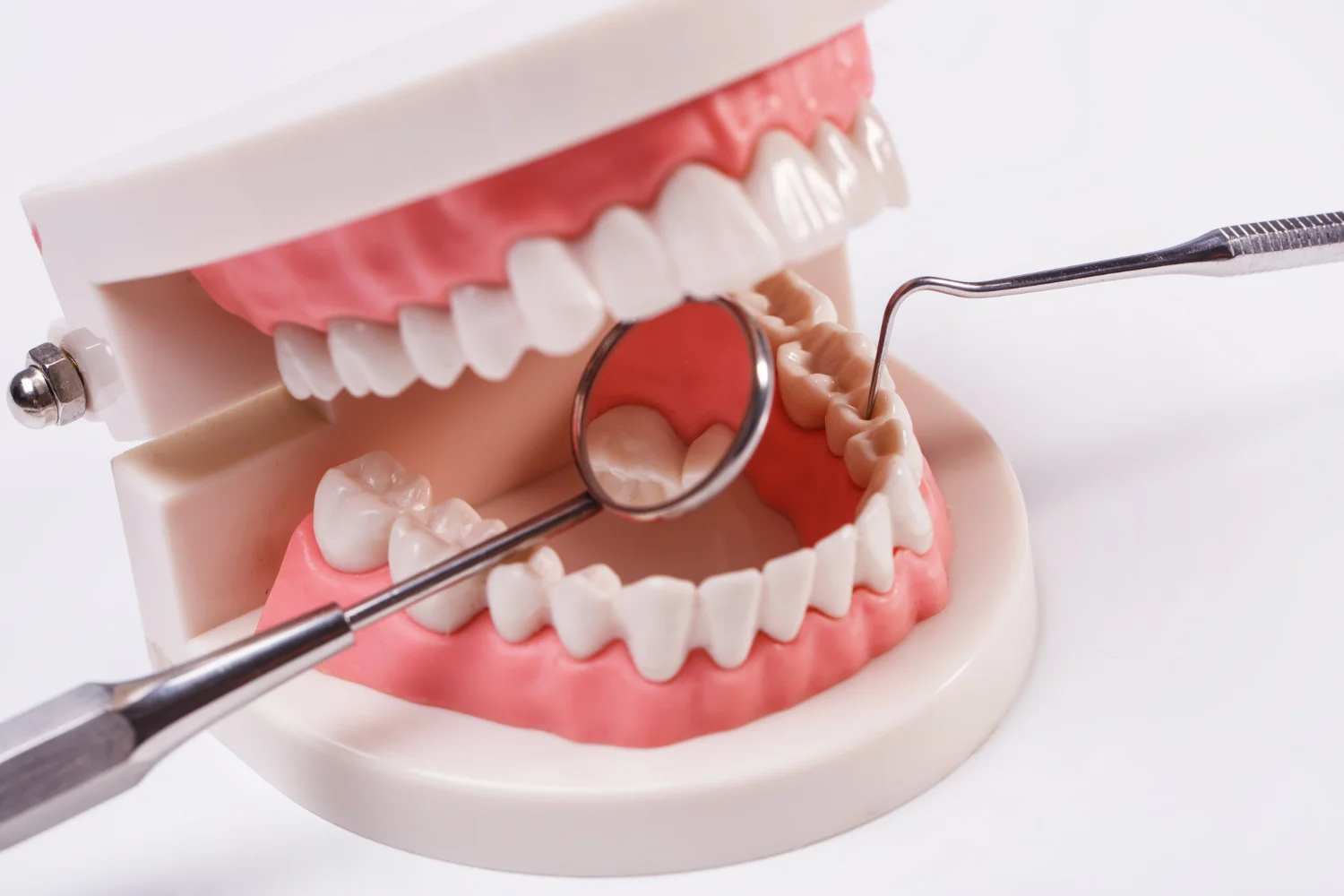
Root canal treatment: why is prevention so important?
Untreated caries poses a serious threat to the health of our teeth. Damaged tissues require the intervention of an endodontic specialist. Fortunately, at Warsaw Dental Center, root canal treatment is painless and performed in just one visit. We regularly emphasize how important prevention and proper oral hygiene are. These simple practices help prevent serious dental problems. Unfortunately, not everyone realizes the seriousness of this issue and ignores doctors’ recommendations. We talked to Dr. Urszula Leończak, an expert in the field of endodontics, about the effects of negligence in patients requiring root canal treatment. “Symptoms of caries may include pain when eating sweet, hot or cold foods. In this early stage, the tooth may not yet require root canal treatment. However, if we neglect to visit the dentist, the condition of the tooth will worsen and bacteria will reach the pulp. This will cause inflammation that will require endodontic intervention,” explains Dr. Urszula Leończak, a specialist in endodontic treatments at Warsaw Dental Center. Ignoring the need for root canal treatment can also lead to inflammation of the bone around the tooth roots. The consequences for a patient who avoids visiting a doctor are extremely painful. “There is a risk of abscess, swelling and severe pain. General symptoms such as fever and chills may occur. If endodontic treatment is not undertaken, the inflammation will destroy the bone around the tooth, which may ultimately require tooth extraction,” adds Dr. Urszula Leończak. If you are experiencing pain or are delaying your regular visit to the dentist, do not delay. Remember that the earlier you diagnose the problem, the more effectively it can be treated. It is important to be aware of the consequences of neglecting your oral health.
MY TOOTH HURTS: What next?
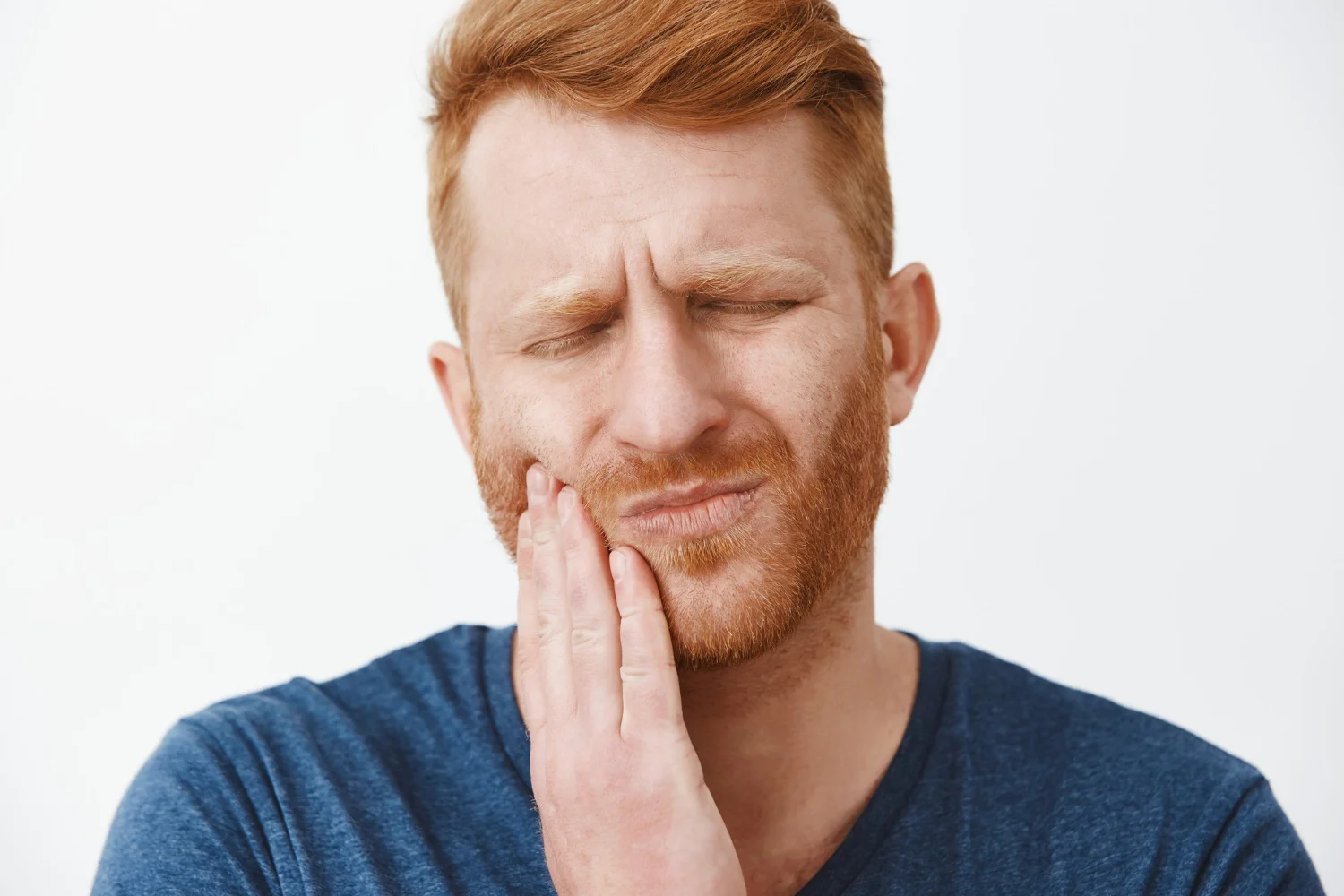
The overwhelming fear of visiting the dentist is a thing of the past. Today, a nagging toothache means only a challenge to solve – quickly and painlessly. How to achieve this? We are talking to Dr. Urszula Leończak. Toothache is a signal that cannot be ignored.In such a situation, an immediate visit to the dentist is necessary.Unfortunately, many people delay making this decision.This is a serious mistake. In most cases, the symptoms will not go away on their own and the problem may only get worse.As explained by the doctor.dentist Urszula Leończak from Warsaw Dental Center, toothache may indicate various problems, such as caries, inflammation of the pulp or inflammation of periodontal tissues. In the case of caries, it is enough to place a filling, but inflammation of the pulp requires root canal treatment.It is worth realizing that the earlier we decide to visit a dentist, the lower the scope of treatment and costs will be. Nowadays, effective anesthesia is available that eliminates the pain and discomfort associated with dental procedures.It is not necessary for the dentist to know when we feel pain – on the contrary, a calm patient makes the doctor’s work easier.There is one exceptional case when pain is a signal to stop the treatment, namely during teeth whitening.In such a situation, the teeth indicate that the stimuli are unbearable and there is a risk of pulp damage.Then the whitening treatment should be stopped immediately, both in the office and using home trays. The expert also emphasizes that teeth and periodontal tissues may react with pain to treatment, just like any other organ in the body.This phenomenon especially applies to the period after tooth extraction or root canal treatment, but it may also occur after the installation of a standard filling.In most cases, the pain gradually subsides after a few days.However, if it is long-lasting, you can take painkillers containing paracetamol or ib upprofen.If symptoms persist for longer than two weeks, it is worth consulting a doctor. Pain is the body’s natural signal that something is wrong.In the case of teeth and gums, this may be a symptom of inflammation.In such a situation, the gums become particularly sensitive, especially when eating and brushing teeth.The most common cause of inflammation is the accumulation of tartar and plaque, so regular professional hygiene by a dental hygienist at least twice a year is crucial. Symptoms of periodontal disease may also include gingival recession, i.e. receding gums, which may lead to exposure of the tooth root.In this case, the teeth become particularly sensitive to temperature changes and sweet and sour foods.To improve the situation, exposed tooth fragments can be covered with a gum graft, made of collagen material or taken from the patient’s palate.The full effect and appearance of the gums after such treatment is usually assessed after three months.
Tooth sensitivity – a nagging pain that can be managed
Does eating cold, hot, sour or sweet foods cause an unpleasant sensation in your teeth? Excruciating, irregular toothache can disrupt your daily life. It is therefore worth taking action against it – the issue of hypersensitivity can be treated not only at the dentist, but also prevented in everyday life. Tooth hypersensitivity results from the intense reaction of the dentin nerve endings to various types of stimuli, such as cold, heat or various tastes – sweet or sour. Many factors can lead to this problem, including genetic predisposition, gum disease or excessive whitening treatments that damage the enamel. The problem can occur at any age, but most often affects people aged 20 to 50. Symptoms of hypersensitivity include: intense toothache after eating cold/hot, sour/sweet foods; pain of variable intensity – which may appear and disappear (unlike e.g. tooth decay, which causes constant, throbbing pain that intensifies when biting). The causes of hypersensitivity may be malocclusion, teeth grinding, nail biting and, above all, inappropriate tooth brushing technique. Aggressive tooth brushing with a toothbrush that is too stiff may damage the enamel and expose the dentinal tubules, which increases the risk of hypersensitivity. Poor oral hygiene can lead to gum disease, which in turn can contribute to sensitivity. It is also important to monitor your diet – limit the consumption of carbonated drinks and juices that contain acids that destroy enamel. If you want to prevent hypersensitivity, it is worth making a few changes to your daily dental care. You should use proper brushing technique and use toothpaste with fluoride and mineral salts that close the dentinal tubules. It is also best to consult a dentist who will carefully assess the problem and propose appropriate treatment. Regular check-ups at the dentist help reduce the risk of hypersensitivity.