

Teeth whitening has become one of the most popular procedures in modern aesthetic dentistry. More and more people want a brighter smile and often wonder whether professional whitening is safe for their enamel. The internet is full of conflicting opinions. Some claim whitening damages teeth, while others say it is completely safe. So what is the truth? At Warsaw Dental Center, patients frequently ask us this question. In this article we explain whether teeth whitening damages enamel, address the most common myths, and clarify when the procedure is truly safe. How Does Teeth Whitening Work? Professional teeth whitening uses preparations containing hydrogen peroxide or carbamide peroxide. These substances penetrate the enamel and break down pigment molecules located within the tooth structure. It is important to understand one key point:whitening does not remove enamel and does not wear down the teeth. The process simply lightens discoloration within the tooth. In modern dental clinics, whitening is performed under controlled conditions using clinically tested materials that are safe for both teeth and gums. Myth 1: Teeth Whitening Damages Enamel This is one of the most common myths. Clinical studies show that professional whitening performed under the supervision of a dentist does not damage enamel. The products used in dental clinics are carefully tested and applied in controlled concentrations. After treatment, teeth may become temporarily more sensitive, but this effect usually disappears within a few days. Myth 2: Whitening Causes Permanent Tooth Sensitivity Some patients experience temporary sensitivity to cold or hot temperatures after whitening. This happens because the procedure can temporarily increase enamel permeability. In most cases, this sensitivity disappears within 24 to 72 hours. Using remineralizing toothpaste or fluoride treatments helps restore comfort quickly. Myth 3: Home Remedies Are Safer Online advice often suggests whitening teeth with baking soda, lemon juice, or activated charcoal. However, these methods may actually be more harmful than professional whitening because they work by mechanically abrading the enamel surface. Over time this can weaken the enamel and make teeth more sensitive and prone to discoloration. For this reason, professional whitening performed in a dental clinic is considered a much safer option. When Is Teeth Whitening Safe? Professional whitening is considered safe when: teeth are healthy and free from active decay gums are in good condition the procedure is preceded by a dental examination certified whitening products are used For this reason, dentists typically perform an examination before whitening and often recommend professional dental hygiene to remove tartar and stains. How Long Do Whitening Results Last? The longevity of whitening results depends largely on lifestyle habits. Coffee, tea, red wine, and smoking can cause discoloration to return more quickly. On average, the effects of professional whitening last between 12 and 24 months. To maintain results longer, it is recommended to: undergo regular dental hygiene treatments limit strongly staining foods and beverages use remineralizing toothpaste Can Everyone Whiten Their Teeth? Not every patient is an ideal candidate for whitening. The procedure is usually not recommended for: pregnant women patients with active tooth decay individuals with gum disease certain types of internal tooth discoloration In these cases, dentists may recommend alternative aesthetic solutions such as dental bonding or porcelain veneers. Summary Professional teeth whitening does not damage enamel when performed correctly and under the supervision of a dentist. It is a safe and effective way to improve the appearance of your smile. The key to a successful result is proper diagnosis and an individualized treatment approach. This ensures the procedure is not only effective but also comfortable for the patient. If you are considering whitening your teeth, the best step is to consult with a dentist who can recommend the most suitable method for achieving a brighter smile.

A Healthy Smile for the Holidays and the New Year: How to Take Care of Your Teeth During the Festive Season
Christmas and the New Year are a time of joy, family gatherings, and special meals. They are also a period when it is easy to neglect everyday oral health habits. Sweet treats, long dinners, hot and cold drinks, and sometimes stress and fatigue can all have a negative impact on the condition of your teeth and gums. As a dentist and Medical Director of Warsaw Dental Center, I observe the same pattern every year: after the holidays, many patients visit us with tooth pain, sensitivity, cracked fillings, or gum inflammation. The good news is that most of these problems can be easily prevented. 🍰 Holiday Sweets and Dental Health Gingerbread, poppy seed cakes, cheesecakes, and chocolate are an inseparable part of the holiday season. However, it is important to remember that sugar is the main fuel for bacteria responsible for tooth decay. How can you reduce the risk? avoid snacking on sweets throughout the day; it is better to enjoy them once, after a meal, rinse your mouth with water after dessert, remember to brush your teeth thoroughly in the evening, even if the day has been long and tiring. ☕ Hot and Cold Drinks: Watch Out for Sensitivity Winter beverages such as hot tea, coffee, mulled wine, and the contrast with cold desserts can intensify tooth sensitivity, especially if the enamel is weakened. If during the holidays you experience short, sharp pain when drinking hot or cold beverages, it is a signal that should not be ignored. Sensitivity is often the first sign of enamel or gum-related problems. 🎁 Hard Foods and “Harmless” Accidents Cracking nuts with shells, hard candies, or opening packages with your teeth can easily lead to chipped teeth or damaged fillings. During the holiday season, sudden dental emergencies occur more frequently, even though many of them could be easily avoided. Teeth are not tools, even when we are in a hurry. 😬 Stress, Bruxism, and Holiday Tension Although the holidays are associated with happiness, for many people they are also a source of stress. Teeth grinding and clenching, often unconscious, may intensify during this time. Symptoms worth paying attention to include: morning headaches, tension in the jaw area, tooth soreness without an obvious cause. If you notice these signs, it is worth consulting a dentist. The sooner you act, the easier it is to prevent more serious consequences. 🪥 The Holidays Are Not a Break from Oral Hygiene Changes in daily routine, travel, and late dinners often cause oral hygiene to be postponed “until tomorrow”. This is one of the most common mistakes made during the holiday season. Remember to: brush your teeth at least twice a day, use dental floss or interdental brushes, even short hygiene routines are better than skipping them entirely. 🎆 The Perfect Time for a Check-Up The beginning of the new year is an excellent moment to schedule a dental check-up. Regular examinations help detect minor issues before they develop into problems requiring extensive treatment. At Warsaw Dental Center, we often remind our patients that prevention is the best investment in a healthy and stress-free smile for the entire year ahead. Conclusion The holidays are a time worth enjoying with a smile, both literally and figuratively. A few simple habits are enough to avoid tooth pain, unexpected dental problems, and treatment-related stress. If you have any concerns, feel discomfort, or simply want to start the new year with confidence that your teeth are in good condition, I invite you to schedule a consultation. With care for our patients’ health,Medical Director, Dentist, MSc Urszula LeończakWarsaw Dental Center
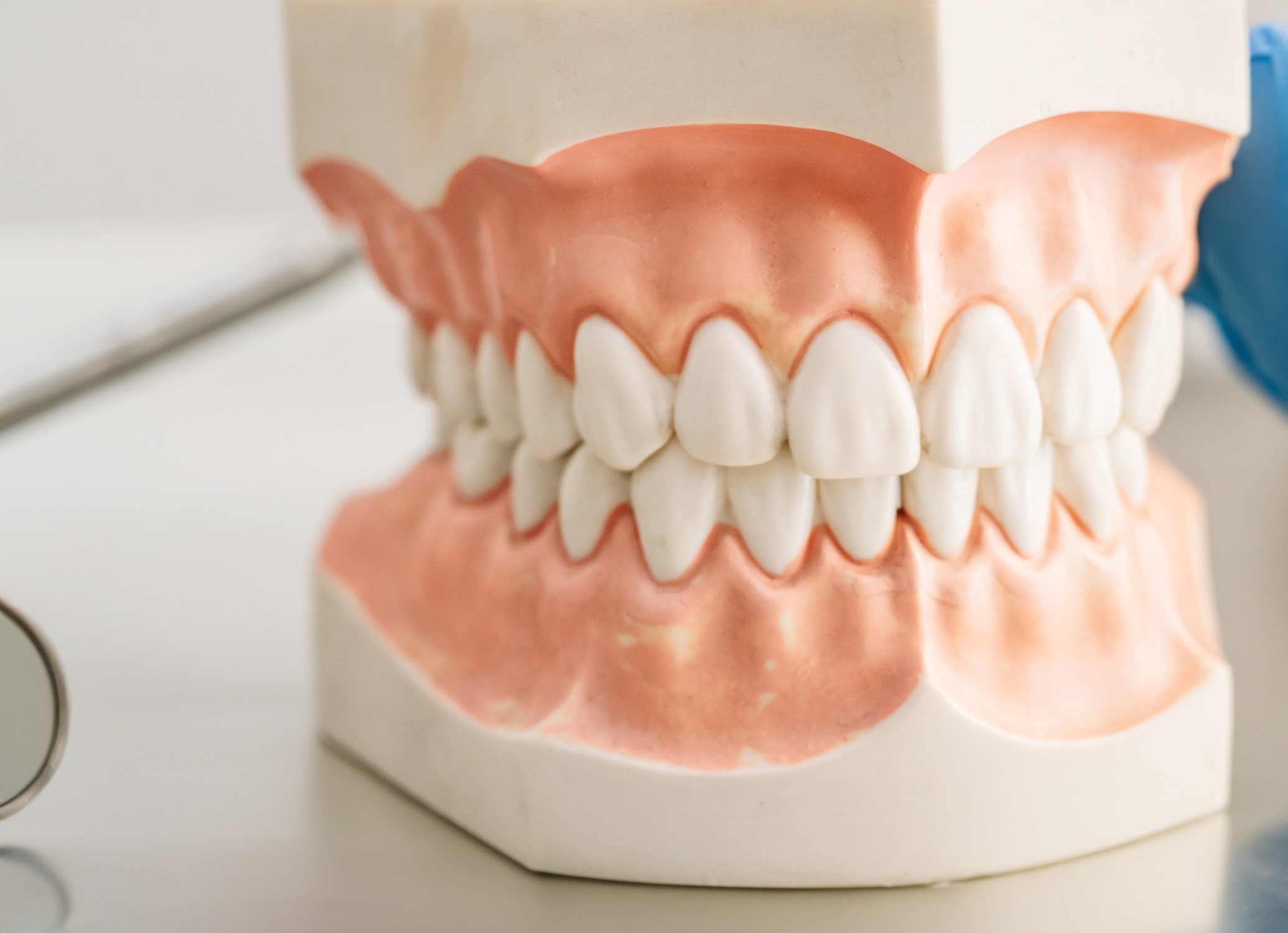
Acid erosion of enamel – symptoms and treatment
Awkward discomfort in the teeth that occurs after consuming cold or hot food is called sensitivity, often unaware that it may be the first symptoms of dangerous tooth structure damage, referred to by dentists as dental acid erosion. This is a signal that should not be underestimated but immediately consulted with a specialist. Dental acid erosion is flat, smooth, and difficult to notice defects in the tooth structure (first in the enamel, and later also in the dentin), caused by chemical reactions under the influence of acids. They appear in various parts of the tooth surface, usually in different places than cavities. They usually do not occur on proximal surfaces, cervical areas, or in fissures and incisal edges. In advanced stages of the disease, teeth become dull, rough, slightly yellow, or even translucent. They are also exceptionally brittle and prone to mechanical damage. This condition can lead to damage to the tooth pulp and require root canal treatment. Acid erosion in the initial stages is difficult to notice, and diagnosis can only be made by a specialist dentist. What Causes Dental Acid Erosion? Both external and internal substances cause dental acid erosion. Among the most dangerous external substances are cola drinks and other acidic beverages, fruit juices, alcohol, fruits (especially citrus fruits), and some vegetables (such as asparagus, sorrel, Brussels sprouts). All these products cause a significant decrease in pH in the oral cavity. Systemic diseases can also cause enamel erosion. An internal substance that can destroy the tooth surface is stomach acid, which can come into contact with teeth during vomiting or as a result of gastric contents reflux during heartburn or gastroesophageal reflux. Salivary secretion disorders (caused, for example, by certain medications) can also lower the pH of the oral cavity. How to Treat Damaged Teeth? The formed enamel defects are irreversible. The efforts of the dentist focus on stopping the progression of the disease, performing fillings, and alleviating pain symptoms. It is essential to eliminate the cause of erosion by treating the disease that causes it or changing dietary habits, as well as implementing proper oral hygiene. Gentle toothbrushes that will not excessively wear down the enamel and mouth rinses are recommended. Fluoridation is also used to strengthen teeth and reduce pain associated with sensitivity to cold and hot foods.
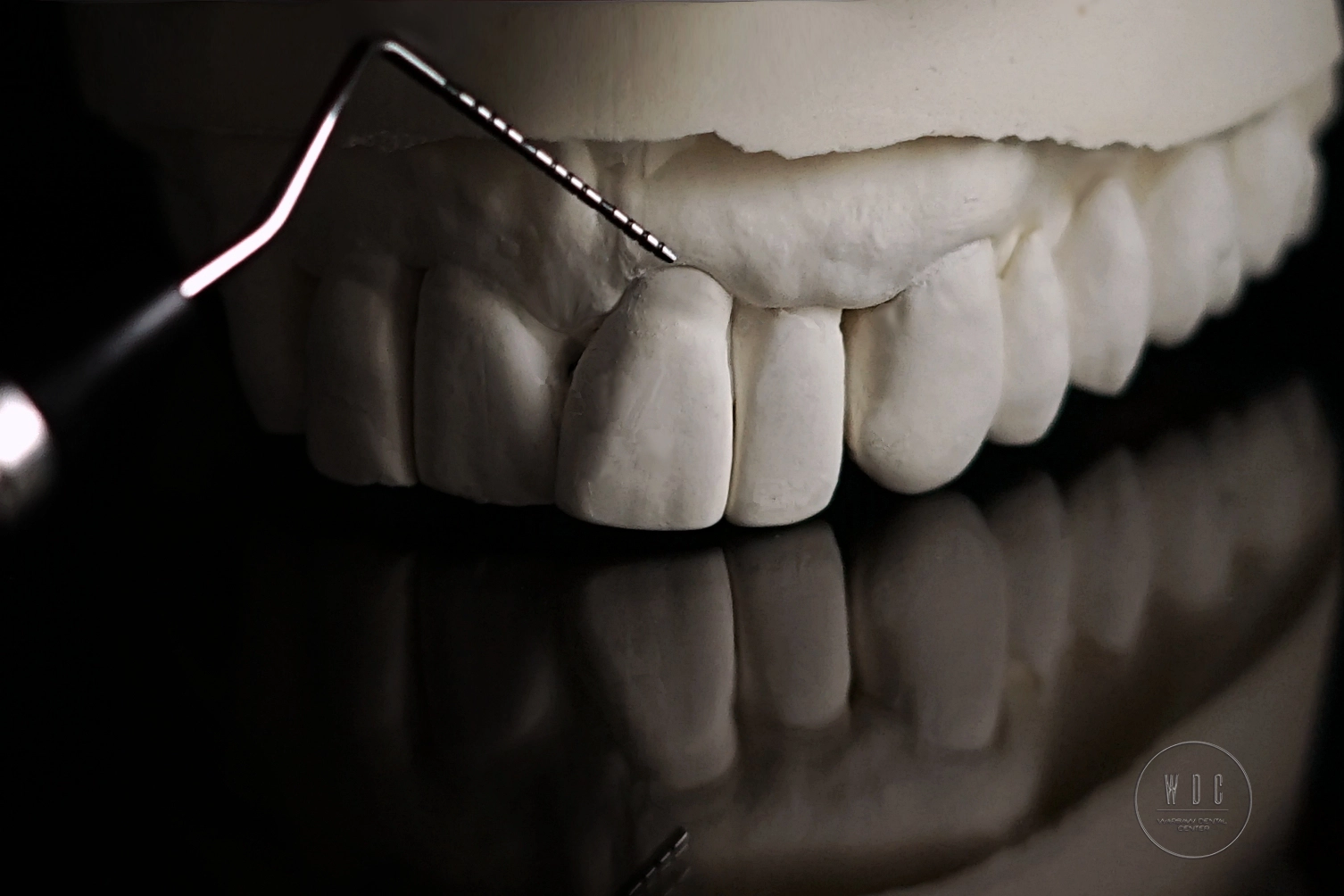
Exposed gums and gum recession – a painful problem
Exposed gums and gum recession are one of the periodontal diseases associated with the lowering and receding of the gums. If left untreated, the problem may contribute to pain and cause tooth hypersensitivity, and ultimately even lead to tooth loss. To avoid complications, a quick reaction is necessary. What is gum recession? Your gums provide your teeth with a nourishing and stabilizing environment. When gum recession occurs, the root surfaces of the teeth become exposed. So when your gums recede (like your hairline), it can increase your risk of root decay, bone loss, and loose teeth. Patients with gum recession often report sensitivity to hot and cold foods and an unsightly appearance of the gums and teeth. By dealing with receding gums early on, you can avoid the need for more invasive periodontal procedures later. Healthy gums and teeth not only mean good oral health, but also strengthen your overall health. – recessions, a painful problem. What causes receding gums? There are many factors that can lead to receding gums. They include: -Poor oral hygiene Lack of sufficient oral hygiene every day can lead not only to the formation of plaque and tooth decay, but also to serious periodontal disease. -Aggressive brushing Brushing with too much force, whether with a manual or electric toothbrush, can cause damage. The bristles can damage the delicate tissues of the oral mucosa and even lead to bleeding gums. -Genetics Some people are simply genetically predisposed to periodontal disease, despite good oral hygiene habits such as regular brushing, flossing, regular dental cleanings, and checkups. -Poor teeth alignment Crooked teeth can cause misalignment of the gums, which may result in receding gums. -Smoking and chewing tobacco These habits lead to the formation of a lot of plaque, which can lead to inflammation and irritation of the gums. -Grinding teeth and squeezing the jaw Grinding your teeth and squeezing your jaw can contribute to gum recession by weakening the area where the gum meets the tooth root. Previous orthodontic treatment Dental necks may be exposed during orthodontic treatment. This is because the forces applied to the tooth while wearing braces can cause bone and gum loss around the tooth root.(1) What are the symptoms of gum recession? Receding gums (also called recession) develop at different rates. You may not notice it at first until it is detected by your dentist during a dental cleaning, examination, or when symptoms begin to appear. When gum recession progresses to an advanced stage, you may notice symptoms such as: Slight pain and bleeding at the gum line Exposure of the tooth root (visible in more advanced recession) Teeth appearing longer due to erosion of the gums, which exposes more tooth surface Tooth sensitivity – when gum recession leads to exposed roots, teeth become more sensitive to other stimuli such as heat and cold Can gum recession be reversed? Fortunately, yes. There are different types of treatments for receding gums, but how do you choose the right method? A periodontist will be helpful because, thanks to his experience, he will be able to propose appropriate treatment. The periodontist at Warsaw Dental Center has participated in many training courses in the treatment of gum recession, conducted by the best internationally renowned surgeons, which qualifies him to provide your gums with exactly the treatment they need. Gum grafting procedure(2) If your gums have receded to the point that they are causing recurring symptoms, exposing tooth roots, or destabilizing your teeth, the most popular treatment option is to rebuild your natural gums with transplanted tissue. What does the gum transplantation procedure look like? A gum graft can be performed in several ways. The most common grafting methods are free gum tissue graft (where a piece of gum tissue is cut from elsewhere in the mouth and attached to the area of deficient gums) and connective tissue graft (where a flap of tissue next to the graft site is cut out and moved to cover the exposed tooth root). and secured with seams. This soft tissue will fuse with the existing gum tissue and heal in about eight weeks. These treatments do not result in scars that could adversely affect the aesthetics of the smile. Where does the gum graft tissue come from? Tissue for transplantation can come from two different sources: from the patient himself or from an external source. Autogenous tissue – the patient’s own Autografts are tissue obtained from the patients themselves. The most common donor sites for graft tissue included the palate just behind the tooth crowns, the area behind the maxillary molars, the last teeth, the graft site itself, or the gingival tissue next to the graft site. Other substances for rebuilding receding gums These are graft materials obtained from external sources. . In today’s periodontology, collagen matrices are widely used, which are cell-free and therefore safe to use. The use of a collagen matrix is the method of choice in situations where the patient does not have enough tissue to transplant large areas of receding gums.(3) When grafting is performed by an experienced periodontist, excellent results can be achieved with both methods. Warsaw Dental Center answers the most frequently asked questions about receding gums When is it too late to repair receding gums? It is never too late for gum transplantation, provided that the patient has enough gum tissue to be harvested for transplantation. However, the success rate of the procedure may be lower in cases where the patient suffers from advanced gum disease or periodontal disease, or other underlying health problems that may affect the healing process. How long after gum transplantation are the stitches removed? Typically, sutures used in gum grafting surgery are removed 7-10 days after surgery. It all depends on the extent of the procedure and the healing process. An experienced periodontist and dentist will definitely indicate the appropriate time to remove the stitches. What can I eat after gum transplant surgery? After gum graft surgery, it is important to eat soft, cool,
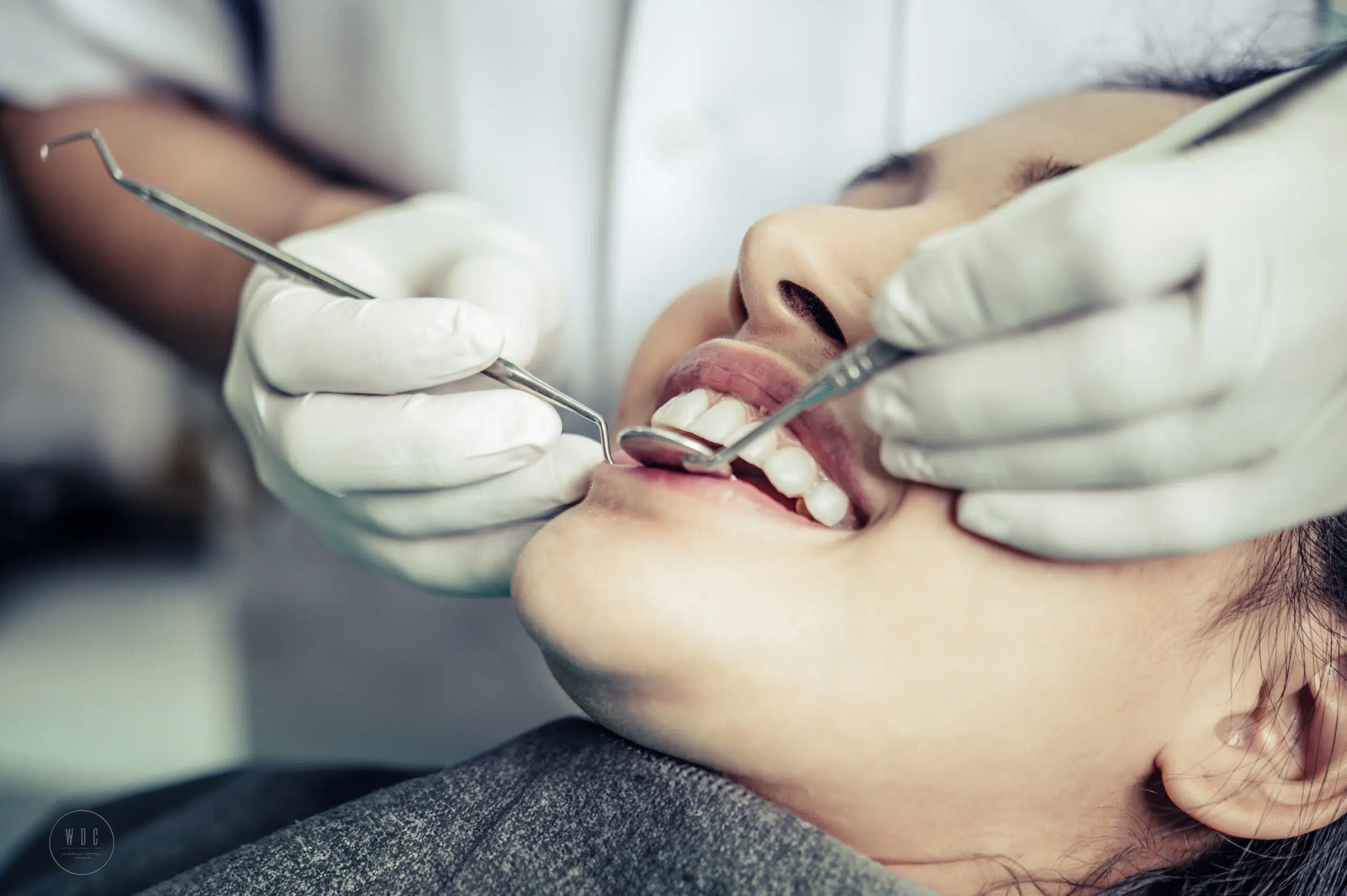
Enamel safety: How to ensure its durability?
Oral health It’s clear that oral health is a crucial part of overall health. However, proper oral hygiene is not only about brushing your teeth regularly or using dental floss. It is also important to take care of the durability of our enamel – this extremely important protective layer that covers our teeth. Enamel as an important protective layer of teeth Enamel is the hard, mineral coating that surrounds the tooth crown. It is the hardest tissue in the human body, but unfortunately also susceptible to damage. So how can we ensure that our enamel remains healthy and resistant to damage? 1. Regular oral hygiene The first step to maintaining the durability of your enamel is regular and thorough oral hygiene. This means brushing your teeth at least twice a day with fluoride toothpaste and using dental floss to remove food particles and bacteria from hard-to-reach places. 2. Avoiding acids Enamel can be weakened by acidic foods and drinks. Avoid excessive consumption of carbonated drinks, citrus fruits and sour sweets, as they can demineralize the enamel, weakening it. 3. Limit sugar Bacteria in the mouth use sugar as a source to produce acid, which damages the enamel. Limiting your sugar intake can help maintain the durability of your enamel and prevent tooth decay. 4. Regular visits to the dentist Regular dental check-ups are crucial to maintaining the health of your enamel. Professional dental cleanings and periodic checkups help detect and treat problems before they worsen. 5. Using mouthwashes Some mouthwashes contain fluoride, which can strengthen the enamel and protect it against tooth decay. You can consult your dentist to choose the right mouthwash. Healthy enamel is extremely important for overall oral health. Taking care of its durability requires regular oral hygiene, healthy eating and regular visits to the dentist. It is an investment in the long-term health of our teeth and general well-being.

What do you need to know about dental erosion?
It’s clear that healthy teeth are a key part of our overall well-being and health. Even though we often emphasize daily oral hygiene, there is a risk that often goes unappreciated: tooth erosion. This is a condition that can lead to serious dental problems, but with proper knowledge and care, it can be effectively prevented. Tooth erosion Dental erosion is a process in which tooth enamel is gradually eroded by the action of acids. These acids can come from two main sources: external (such as diet and drinks) or internal (such as heartburn, vomiting). The main factors leading to tooth erosion include consuming acidic drinks, excessive consumption of citrus fruits, fruits or foods containing acid, as well as drinking carbonated drinks or alcohol. Effects of tooth erosion The effects of dental erosion can be significant and include sensitivity to cold or heat, changes in the appearance of the teeth (such as fading), and even cavities in the enamel. In extreme cases, this can lead to the need for dental intervention such as veneers or crowns. Prevention of tooth erosion Avoid excessively acidic foods and drinks: Limit your intake of carbonated drinks, citrus juices, and sour fruits. After eating acidic foods, drink a glass of water to neutralize the acidity. Maintain oral hygiene: Brush your teeth regularly after meals (but remember to wait about 30 minutes after eating acidic foods, as the enamel is then more susceptible to damage). Use toothpaste with fluoride, which supports the rebuilding of enamel. Avoid brushing your teeth immediately after eating acidic foods: Acids weaken the enamel, and immediate brushing can lead to damage. Wait about 30 minutes for the enamel to regenerate. Regular visits to the dentist: Regular dental checkups help in the early detection and treatment of dental problems, including tooth erosion. Consider using protective measures: If you are prone to tooth erosion, your dentist may recommend additional protection methods, such as special mouthwashes or enamel rebuilding gels. Remember that healthy eating habits, regular oral hygiene and dental checkups play a key role in preventing tooth erosion. Knowledge about this risk and a proactive approach to dental care are essential to maintaining a beautiful and healthy smile for many years. Welcome to Warsaw Dental Center, where you can get comprehensive dental care and advice on oral health!
Tooth sensitivity – a nagging pain that can be managed
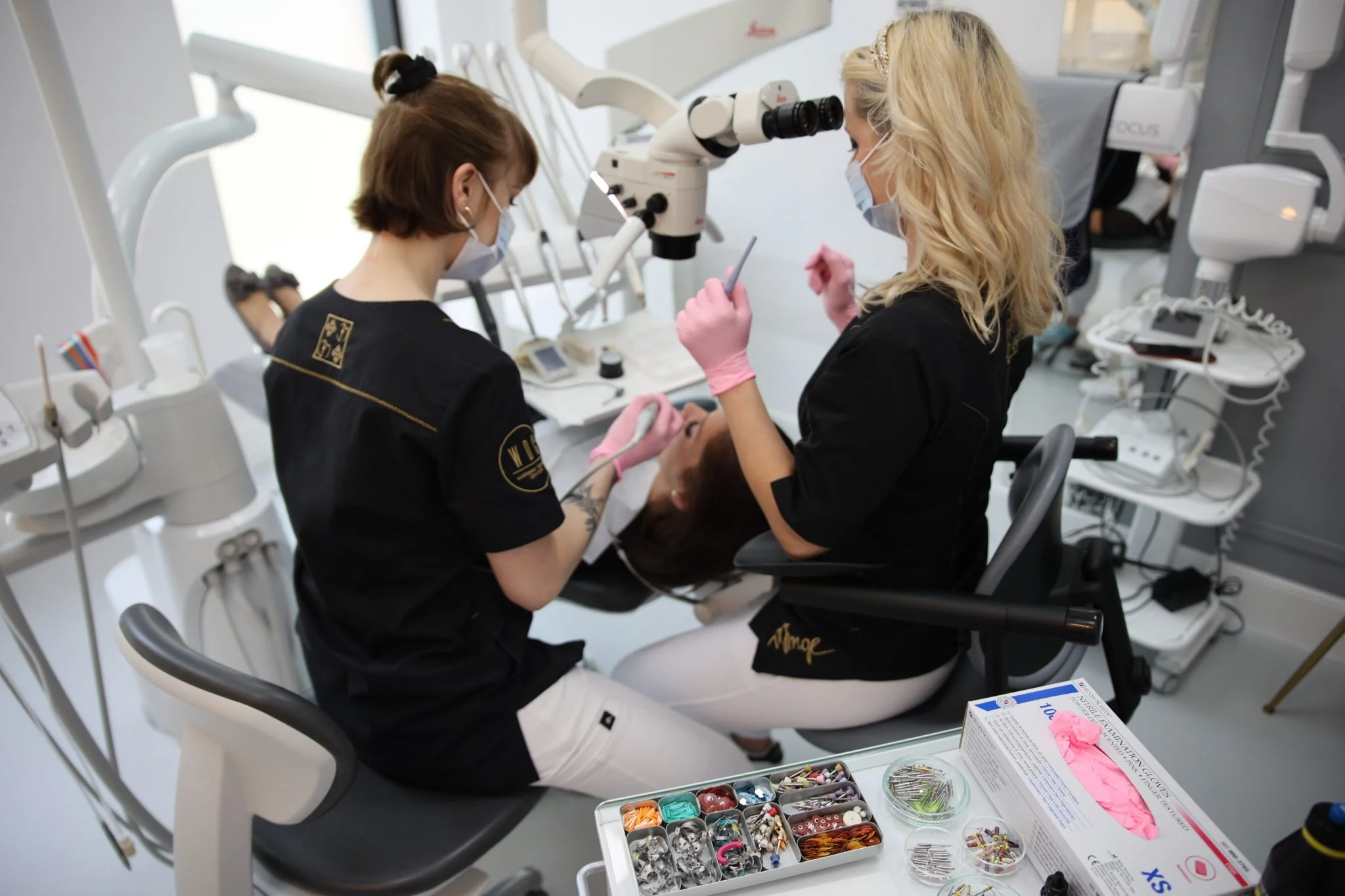
Does eating cold, hot, sour or sweet foods cause an unpleasant sensation in your teeth? Excruciating, irregular toothache can disrupt your daily life. It is therefore worth taking action against it – the issue of hypersensitivity can be treated not only at the dentist, but also prevented in everyday life. Tooth hypersensitivity results from the intense reaction of the dentin nerve endings to various types of stimuli, such as cold, heat or various tastes – sweet or sour. Many factors can lead to this problem, including genetic predisposition, gum disease or excessive whitening treatments that damage the enamel. The problem can occur at any age, but most often affects people aged 20 to 50. Symptoms of hypersensitivity include: intense toothache after eating cold/hot, sour/sweet foods; pain of variable intensity – which may appear and disappear (unlike e.g. tooth decay, which causes constant, throbbing pain that intensifies when biting). The causes of hypersensitivity may be malocclusion, teeth grinding, nail biting and, above all, inappropriate tooth brushing technique. Aggressive tooth brushing with a toothbrush that is too stiff may damage the enamel and expose the dentinal tubules, which increases the risk of hypersensitivity. Poor oral hygiene can lead to gum disease, which in turn can contribute to sensitivity. It is also important to monitor your diet – limit the consumption of carbonated drinks and juices that contain acids that destroy enamel. If you want to prevent hypersensitivity, it is worth making a few changes to your daily dental care. You should use proper brushing technique and use toothpaste with fluoride and mineral salts that close the dentinal tubules. It is also best to consult a dentist who will carefully assess the problem and propose appropriate treatment. Regular check-ups at the dentist help reduce the risk of hypersensitivity.
Tooth hypersensitivity – can it be cured?
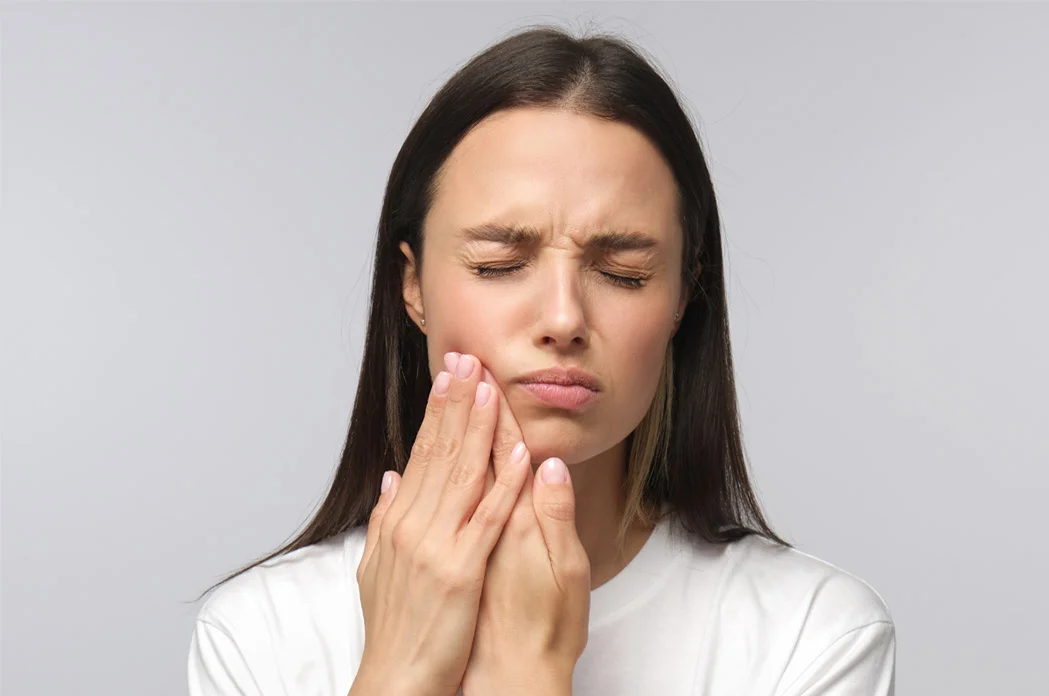
Tooth hypersensitivity: symptoms and treatment methods Tooth sensitivity is an unpleasant problem that can interfere with everyday life and the enjoyment of your favorite foods. What are the symptoms of this condition and what causes it? Could this pose a threat to oral health? How to properly care for your teeth and gums in case of hypersensitivity and is there anything you can do about it? Here are some tips! What is tooth hypersensitivity? It is an excessive reaction of the nerves in the dentin to various stimuli, such as heat, cold, sweet or sour food and drinks. Although it may have a genetic basis, it is more often acquired. The reasons include: teeth whitening, enamel damage or gum disease leading to gum recession. It can affect people of any age, but most often occurs between the ages of 20 and 50. Symptoms of tooth hypersensitivity The main symptom is acute pain after eating cold, warm, sweet or sour products. This pain is different from that caused by tooth decay and usually subsides after some time. Hypersensitive teeth react immediately to stimuli. Causes of tooth hypersensitivity This may be the result of improper brushing with a hard brush, which leads to damage to the enamel. Poor hygiene, which can lead to gum disease, can also be a cause. Other factors include improper diet or malocclusion. What to do if you experience hypersensitivity symptoms? The key is to change your hygiene habits: using the right toothbrush and brushing technique, and using the right toothpaste. It is also important to avoid products that cause pain and consult a dentist. Home remedies for hypersensitivity Avoiding acidic foods, using products that strengthen enamel, and brushing gently can help. However, sometimes professional treatment is necessary. Tooth sensitivity: when to visit the dentist? If symptoms persist, it may indicate serious damage to the enamel or gum problems. Then a visit to a specialist is necessary indeed. At Warsaw Dental Center, patients can count on the support of experienced dentists.
Tooth hypersensitivity: how to deal with it?
Do you feel pain when eating cold, hot, sour or sweet food?Discomfort can make everyday functioning much more difficult. It is important to prevent and treat tooth hypersensitivity effectively, both in daily care and during visits to the dentist. The cause of tooth hypersensitivity is the reaction of the dentin to various stimuli, such as hot, cold, sour or sweet. There are many factors that cause it, including genetics and gum disease. Sometimes too frequent tooth whitening procedures lead to enamel erosion. Those most at risk are those aged twenty to fifty, although the problem can affect anyone of any age. Characteristic symptoms of tooth hypersensitivity are: intense pain after eating products with extreme temperatures or flavors; fluctuations in the pain experienced – with greater or lesser intensity, unlike caries pain, which is constant. Improper habits such as bad bite, teeth grinding or nail biting may contribute to the problem. However, the most common cause is improper tooth brushing technique. Rough brushing with a toothbrush that is too hard damages the enamel and exposes the dentinal tubules, which increases hypersensitivity. Poor oral hygiene can lead to gum problems and further cases of sensitivity. It is worth avoiding excessive consumption of sweet and carbonated drinks containing acids that destroy enamel to maintain healthy teeth. Preventing hypersensitivity begins with daily care: using appropriate toothpaste with fluoride and minerals, products that close the dental tubules, and appropriate brushing. However, consultation with a specialist is crucial. Follow-up visits help identify and effectively treat potential problems before they become serious.