


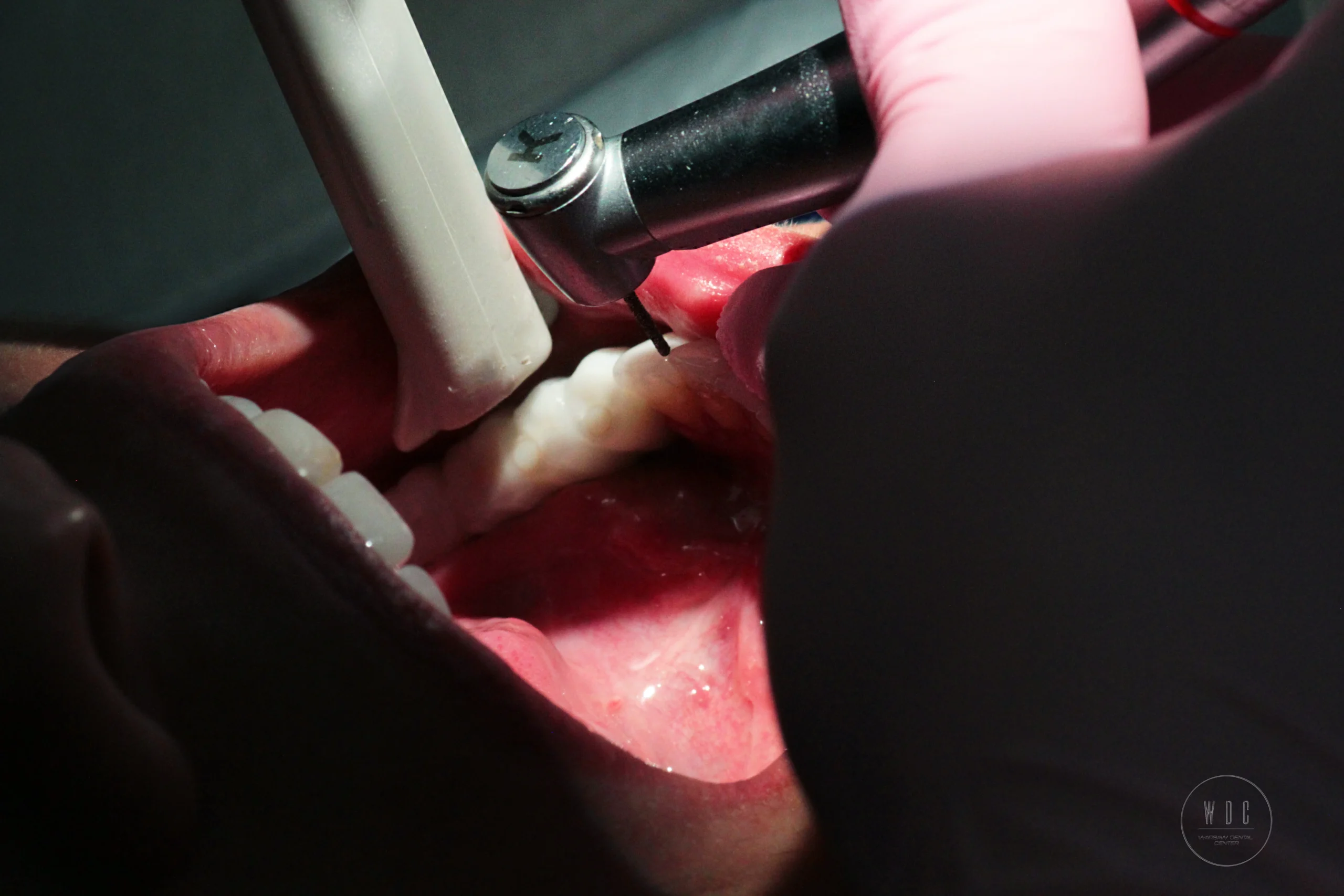
Root canal treatment is a dental procedure that many patients associate with pain and discomfort. However, modern technologies, such as root canal treatment under a microscope, allow this procedure to be performed with precision and almost painlessly. In this article, we will explain what root canal treatment is, the steps involved, why it’s worth opting for modern methods, and what patients should know before starting the treatment. What Is Root Canal Treatment? Root canal treatment involves removing the infected pulp of the tooth, then cleaning and filling the root canals with a special material. This procedure is necessary when the pulp becomes infected or damaged due to deep decay, mechanical trauma, or complications from other dental treatments. With modern methods like root canal treatment under a microscope, it is possible to clean even the most difficult-to-reach canals, significantly improving the procedure’s effectiveness. When Is Root Canal Treatment Necessary? Root canal treatment becomes necessary when the tooth pulp becomes infected or damaged. Symptoms indicating the need for root canal treatment include: – Severe tooth pain, especially when biting or applying pressure – Sensitivity to heat and cold – Swelling of the gum around the tooth – Tooth discoloration, turning darker – Presence of pus around the tooth If you notice any of these symptoms, consult a dentist at Warsaw Dental Center. Root canal treatment is often the only way to save a tooth from extraction. How Is Root Canal Treatment Performed? The process of root canal treatment involves several stages, which the best dentists at Warsaw Dental Center can perform in a single visit: 1. Diagnosis – The dentist examines the teeth and takes an X-ray to assess their condition and determine the number and shape of the canals. 2. Anesthesia – The procedure is carried out under local anesthesia, ensuring the patient does not feel any pain. 3. Cleaning the canals – The infected pulp is removed, and the canals are thoroughly cleaned using specialized tools. Modern clinics offer root canal treatment under a microscope, which ensures exceptional precision. 4. Filling the canals – After cleaning, the canals are filled with a material that prevents re-infection. 5. Tooth restoration – After the root canal treatment, the tooth is restored with a filling or crown to restore its functionality and aesthetics. Is Root Canal Treatment Painful? Thanks to modern technologies and local anesthesia, root canal treatment is almost painless. In more complicated cases, such as curved canals, root canal treatment under a microscope provides greater precision and minimizes the risk of complications, significantly increasing patient comfort during the procedure. What Are the Benefits of Root Canal Treatment Under a Microscope? Modern root canal treatment under a microscope is an advanced technology that allows for more thorough cleaning of the canals and reduces the risk of reinfection. Key benefits include: – Precision – The microscope allows the dentist to see even the smallest canals that would be difficult to notice with the naked eye. – Lower risk of complications – Thorough canal cleaning reduces the need for retreatment. – Patient comfort – The procedure is less invasive and more comfortable. Is Root Canal Treatment Effective? Root canal treatment has a very high success rate, especially when performed under a microscope. Most patients who undergo the procedure can expect long-term results and avoid tooth extraction. However, the key to success is early diagnosis and timely treatment. What Should Patients Know Before Root Canal Treatment? Before undergoing root canal treatment, patients should: – Consult with a dentist to discuss treatment options, including root canal treatment under a microscope. – Be aware of the costs, which may vary depending on the complexity of the procedure and the number of canals. – Ensure that the dental clinic uses modern technologies and offers painless root canal treatment. Conclusion Root canal treatment is an effective way to save a tooth from extraction, and thanks to modern technologies like root canal treatment under a microscope, the procedure is more precise and comfortable for the patient. If you are experiencing tooth pain or other symptoms indicating the need for root canal treatment, don’t wait – consult with Dr. Urszula Leończak at Warsaw Dental Center and take care of your dental health today.
Root canal treatment under a microscope – everything you need to know
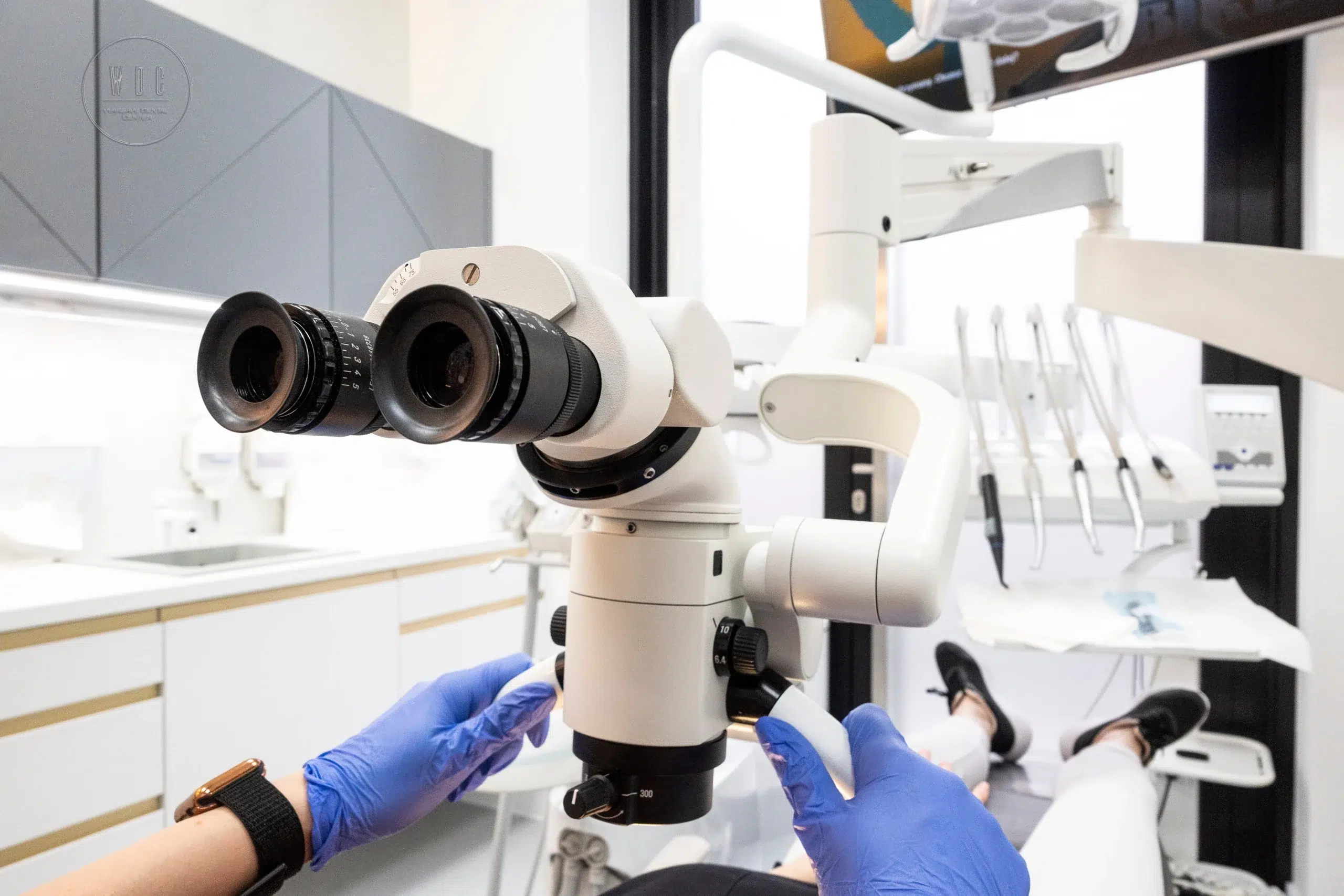
The Application of Painless Endodontic Treatment Under a Microscope has significantly accelerated progress in the field of dentistry, particularly in terms of therapeutic effectiveness even in the most complex cases. The microscopic approach to dental treatment allows dentists to operate more precisely, providing them with a better view inside the tooth. As a result, patients can alleviate tooth-related pain after completing the therapy. This modern treatment method has played a significant role in raising the standards of dental care, where the microscope plays a crucial role in thorough root canal cleaning and supports recovery after endodontic treatment. What Does Endodontic Treatment Under a Microscope Involve? Root canal treatment using a microscope is one of the most advanced procedures available in dentistry. Endodontics, or root canal treatment, involves removing the pulp from the tooth and treating periapical tissues, including teeth with fistulas on the gums. In the traditional approach to root canal treatment, the procedure was more invasive and associated with greater discomfort for the patient. Additionally, it often led to complications, pain, and required multiple visits. Utilizing a microscope allows for more precise and effective tissue removal, resulting in better therapeutic outcomes, reduced risk of complications, and typically shorter treatment duration. Treatment with a microscope enables magnification of the image, precise cleansing, and thorough canal preparation, which leads to shortened treatment times. According to the current guidelines of the Polish Endodontic Society, endodontic treatment under a microscope should become a standard practice in dental offices, completely replacing the traditional approach to root canal treatment without a microscope. Is Endodontic Treatment Under a Microscope Worth It? Endodontic Treatment Under a Microscope Offers Significant Benefits Dental canals are exceptionally small, tight, and difficult to access, making the process of cleansing and filling them require the utmost precision from the dentist. With the use of 25x magnification provided by the microscope, the dentist can observe the tooth and the interior of the canals with unprecedented accuracy. Precise treatment translates into a well-executed procedure, meaning greater precision and sealing of the filling. These key elements contribute to satisfactory treatment outcomes, ensuring that the tooth is well-treated and does not cause discomfort, thus eliminating the need for further intervention. Time and Costs of Treatment Time and cost savings are important aspects. Conventional treatments are time-consuming and often associated with higher costs. Rapid root canal treatment can prevent tooth loss, and precise cleansing speeds up the problem-solving process. Additionally, modern tools such as ultrasonic instrument generations and dental lasers facilitate effective removal of root canal contents and their cleansing. Properly conducted root canal treatment can effectively address the problem and preserve the natural tooth for longer. How Does Treatment Under a Microscope Proceed? The process of root canal treatment begins with enlarging the image of the tooth requiring therapy. With a microscope, which allows for magnification from 6 to 25 times, the precision of the procedure is significantly increased. An operative microscope is used for this purpose. Thanks to this large magnification, the dentist has an excellent view of the tooth chamber and root canals, which would not be visible to the naked eye. Using the microscope also allows for visualization of molars located deep in the oral cavity. Without this tool, such a procedure would be much more complicated. Precise imaging is essential for performing an accurate procedure, effectively reducing the risk of reinfection, known as infection of exposed tooth canals, especially in the case of multi-stage treatment. The microscope illuminates the area perfectly during the procedure, allowing the specialist to see every area requiring treatment, cleansing, or filling. The procedure is performed with the patient lying down, with the microscope positioned above the patient’s head. Is root canal treatment painful? Generally, root canal treatment does not cause pain because local anesthesia ensures that the procedure is performed without discomfort. After completing root canal treatment, the dentist presents options for tooth restoration. Depending on the needs, various solutions are proposed, such as porcelain crowns, overlays, or composite restoration on the crown-root insert. When Is Root Canal Treatment Under a Microscope Used? Thanks to the use of a microscope, root canal treatment becomes more precise and effective. The dentist, using high magnification, can effectively treat any defects, remove decay, and even atraumatically extract teeth, preserving the integrity of tooth structures, such as the shield. Dental hygienists can also precisely remove tartar using a surgical microscope. The procedure of root canal treatment using a microscope should be applied to all teeth, especially those with complex shapes and atypical locations. Endodontic treatment is necessary in the following cases: removal of root insert, treatment of pulp diseases, restoration of tooth crown after nerve damage, treatment of teeth affected by both tooth tissues and pulp, treatment of teeth after trauma, removal of deeply fractured or chipped teeth, cleansing narrow and winding canals, especially when the anatomical structure of the tooth is specific, removal of foreign bodies from periodontal tissues, such as sharp bone fragments or dental tools left after tooth extraction or other procedures. Root canal treatment under a microscope allows even the salvation of a tooth in cases of very complex root changes. In such situations, traditional treatment methods may be ineffective and require re-intervention. Microscopic endodontics provides precise treatment, enabling handling of more complex cases, meeting the needs of patients who previously did not have the opportunity to benefit from this type of advanced dental care.

Endodontics, or root canal treatment in Warsaw
What is endodontics? Endodontics, commonly known as root canal treatment, is a branch of dentistry that focuses on the therapy of dental pulp and periapical tissues disorders. It is a significant component of conservative treatment. The surrounding aura of endodontics has given rise to many myths still circulating in society, and some patients react with fear at the news of the need for root canal treatment. In this article, we aim to present the treatment process accurately, dispel certain doubts, and finally introduce a specialist in the field of endodontic treatment working in our center. When is it worth starting endodontic treatment? The decision to undergo root canal treatment is made by the doctor after analyzing the patient’s medical history, conducting an examination, and carefully assessing X-ray images. Endodontic treatment becomes necessary when there is inflammation of the dental pulp, and this process is irreversible and cannot be halted using traditional treatment methods, meaning that tooth filling is not sufficient. In the case of pulp inflammation, a decision must be made regarding further action. Sometimes patients hesitate about the sense of root canal treatment, fearing that the tooth will become dead after the procedure. However, it is important to note that each tooth has its value, and caring for it through proper oral hygiene is crucial. Even in seemingly complicated situations, it is worth taking all possible actions to preserve natural dentition. How does the root canal treatment procedure proceed? After evaluating the results of X-ray examination, the doctor proceeds to the procedure, starting with numbing the area and placing a rubber dam in the patient’s oral cavity – a special isolating rubber for the tooth. The rubber dam maintains a sterile and dry environment at the treatment site, simultaneously protecting the oral cavity from accidental entry of tool particles into the esophagus or trachea. The next step is to remove decay and prepare access to the root canals and crown of the tooth. Then, the doctor proceeds to remove the pulp, thoroughly cleaning and widening the root canals. During this stage, the dentist disinfects the canals with a special solution of sodium hypochlorite, providing additional protection against bacteria. The meticulously prepared and disinfected canals are then dried and filled with a special substance – biocompatible gutta-percha. This naturally derived substance aims to effectively seal the canals, preventing reinfection. In the final stage of the procedure, the dentist places a filling and proceeds to restore any deficiencies in the tooth crown, restoring its full functionality. The entire process aims not only to eliminate infection but also to preserve the natural structure of the tooth and ensure comfort and aesthetics for the patient. Is root canal treatment painful? This question often concerns patients considering endodontic treatment. In the past, this procedure did not enjoy a positive reputation due to potential pain, especially when performed in the presence of acute inflammation. However, thanks to advances in dentistry, we can now offer patients virtually painless procedures. Taking prompt action additionally prevents the development of pulp inflammation. What endodontic services do we provide? The Warsaw Dental Center offers comprehensive endodontic care, including diagnostics, root canal treatment, prosthetic restoration, and re-treatment when necessary. Who are endodontists? Endodontists are highly qualified specialists dealing with complex cases related to root canal treatment, diagnostics, and prosthetic restoration of teeth. When is it too late for root canal treatment? Delayed recognition of changes requiring canal treatment is one of many contraindications for this type of treatment. There are situations beyond one’s control that make effective root canal treatment impossible. Therefore, precise diagnosis based on the results of conducted examinations plays a crucial role. A dentist will not be able to perform root canal treatment if: The pulp has calcified, resulting in the closure of the tooth canal lumen. The tooth has fractured subgingivally or vertically. There is extensive bone loss around the tooth. The wisdom teeth erupt abnormally, manifesting as unusual root canal anatomy. The tooth is severely damaged, and decay has also affected its roots. Root bifurcation has occurred (furcation). In each of these cases, early diagnosis of the problem and taking appropriate action are essential to avoid the need for root canal treatment at an advanced stage. Regular dental check-ups and meticulous oral hygiene can contribute to early detection of potential threats and maintaining healthy teeth. How to avoid the need for root canal treatment? The most effective preventive measure against the need for root canal treatment is to maintain proper oral hygiene. Since root damage can result from cavities, trauma, or other conditions, making efforts to prevent such damage will help preserve tooth health and minimize the need for root canal treatment.
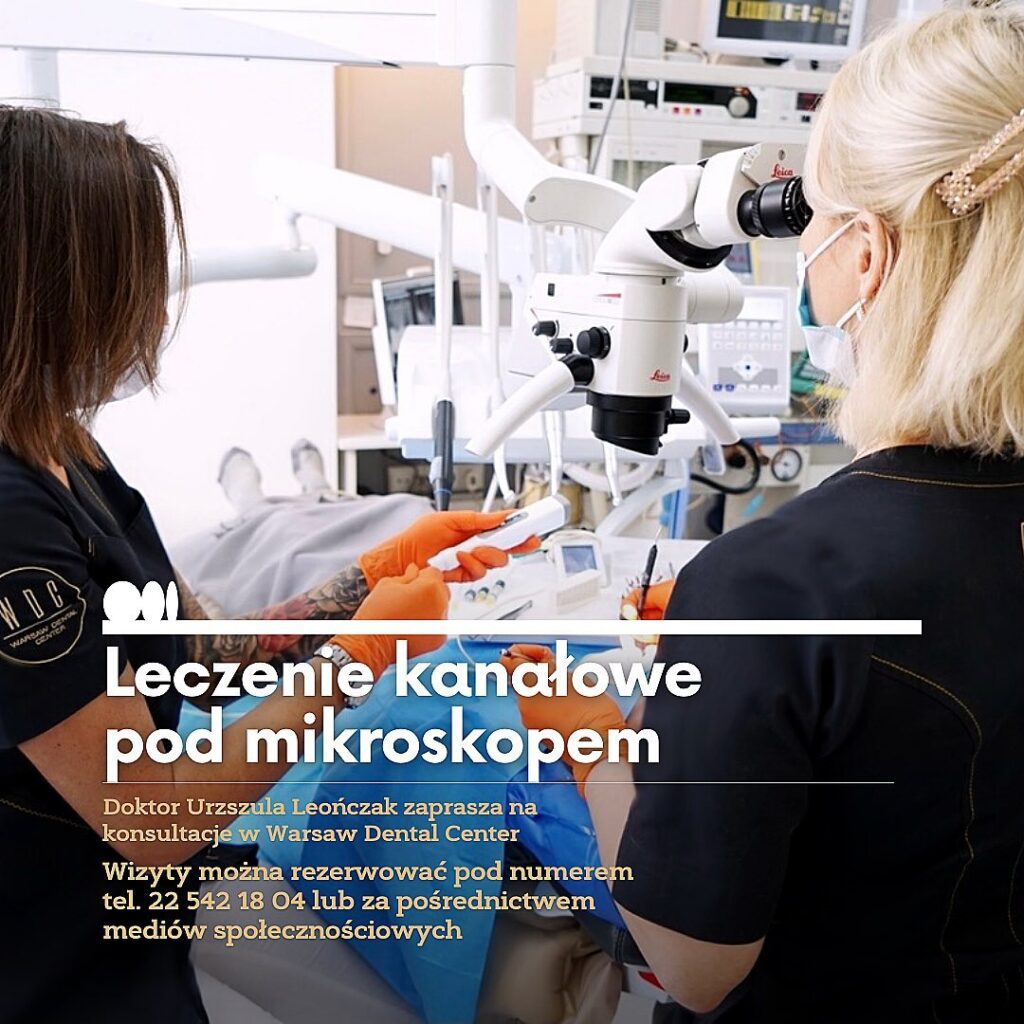
Root canal treatment under a microscope
Patients often think that tooth extraction is the only option. Tooth removal, i.e. extraction, is a quick, but also irreversible solution to the problem. After tooth extraction, an empty space remains that must be filled, which involves additional procedures and higher costs. To preserve your natural tooth throughout your life, it is worth considering root canal treatment, also known as endodontic treatment. The main goal of this type of therapy is to eliminate microorganisms from the root canals and prevent inflammation of the bones around the tooth. Thanks to specialist knowledge, advanced equipment and skills, root canal treatment is safe and effective. This process consists of many parts that lead to the elimination of bacteria from the root canals, which in turn accelerates the healing process of the tissues surrounding the tooth. The first step is to develop the channels, i.e. give them the right shape, which allows for the reduction of the population of microorganisms. The next step is thorough irrigation and disinfection, using special bactericidal agents combined with appropriate activation techniques. This is the most important part of eliminating microorganisms from the sewers. The last step is to tightly fill the cleaned channels with a special material. The entire root canal treatment procedure takes about ninety minutes and another visit is usually not needed. The most important information about root canal treatment at WDC is: Thanks to local anesthesia, the treatment is virtually painless and quick. In 99 percent of cases, one visit is sufficient. A follow-up visit is recommended 6 months after completion of treatment. The effectiveness of root canal treatment reaches up to 96 percent. Endodontists use a microscope, which allows the procedure to be performed precisely and safely.
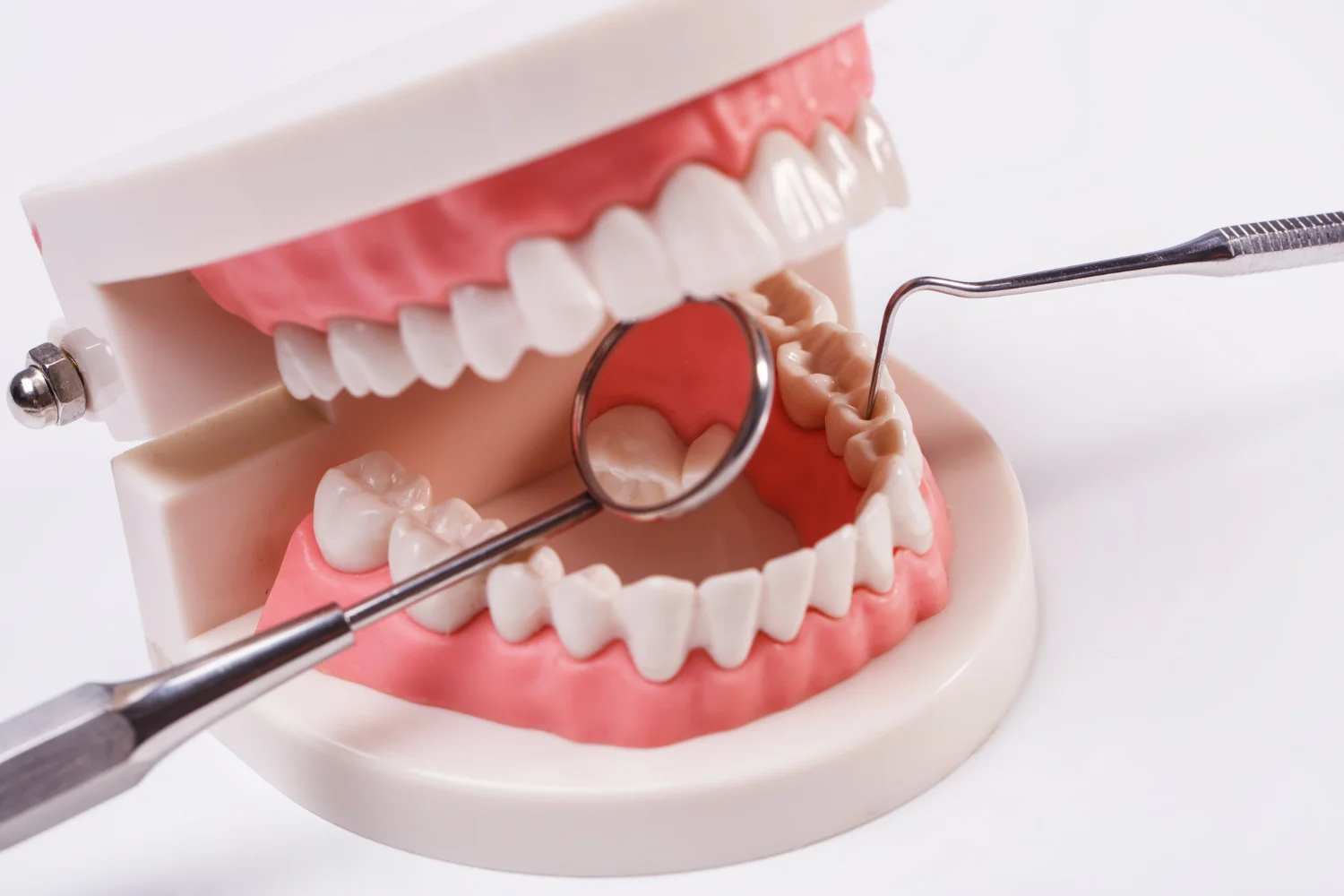
Root canal treatment: why is prevention so important?
Untreated caries poses a serious threat to the health of our teeth. Damaged tissues require the intervention of an endodontic specialist. Fortunately, at Warsaw Dental Center, root canal treatment is painless and performed in just one visit. We regularly emphasize how important prevention and proper oral hygiene are. These simple practices help prevent serious dental problems. Unfortunately, not everyone realizes the seriousness of this issue and ignores doctors’ recommendations. We talked to Dr. Urszula Leończak, an expert in the field of endodontics, about the effects of negligence in patients requiring root canal treatment. “Symptoms of caries may include pain when eating sweet, hot or cold foods. In this early stage, the tooth may not yet require root canal treatment. However, if we neglect to visit the dentist, the condition of the tooth will worsen and bacteria will reach the pulp. This will cause inflammation that will require endodontic intervention,” explains Dr. Urszula Leończak, a specialist in endodontic treatments at Warsaw Dental Center. Ignoring the need for root canal treatment can also lead to inflammation of the bone around the tooth roots. The consequences for a patient who avoids visiting a doctor are extremely painful. “There is a risk of abscess, swelling and severe pain. General symptoms such as fever and chills may occur. If endodontic treatment is not undertaken, the inflammation will destroy the bone around the tooth, which may ultimately require tooth extraction,” adds Dr. Urszula Leończak. If you are experiencing pain or are delaying your regular visit to the dentist, do not delay. Remember that the earlier you diagnose the problem, the more effectively it can be treated. It is important to be aware of the consequences of neglecting your oral health.

Tooth root resection – when should the procedure be performed?
Tooth root resection (apicoectomy) is a dental surgery procedure, most often performed in the case of periapical tissue inflammation. Often, this is the only way to access the source of inflammation causing pain in the patient. What is the course of tooth root resection, indications and contraindications for this procedure? What is root resection? Root resection involves amputating the apex and removing lesions within the tooth root. It is most often performed on single-rooted teeth such as incisors and canines. In this way, further inflammatory changes can be prevented and teeth can be saved from extraction. Indications for tooth root resection Resection of the root apex is performed when repeated root canal treatment is not possible or when periapical lesions do not respond to this treatment. Other indications for tooth resection are: fracture of the tooth root apex; dentomas (pulp stones) – degeneration of the dental pulp in the form of calcified deposits of mineral salts occurring in the lower incisors, molars, impacted and unerupted teeth; inflammation of periapical tissues; unsuccessful endodontic (root canal) treatment and subsequent complications; complications that may occur in the treatment of teeth with prosthetic restorations, in particular with crown-root posts; fracture of a dental instrument located in the root canal; spontaneous death of the tooth and persistence of inflammatory changes around the root. Apicoectomy, i.e. tooth root resection, is performed by a specialist in dental surgery or endodontics. Contraindications to tooth root resection However, there are also contraindications to dental root resection. The most important of them is the extent of inflammatory changes exceeding 1/3 of the root length. Apicoectomy is not performed on primary teeth, and other contraindications include health problems such as: longitudinal tooth root fracture; periodontal disease; bite disorders; inflammation of the throat or mouth; viral disease (herpes); 1st trimester of pregnancy; diabetes; leukemia; blood clotting disorders; hypertension; thyroid or kidney diseases. Some of the contraindications listed are relative and allow the procedure to be performed by an experienced dentist. Therefore, each time the possibility of tooth resection is performed, the dentist is consulted and informed about any health problems. The course of the tooth root resection procedure The tooth resection procedure is preceded by an X-ray. The dentist also conducts a thorough medical interview of the patient, asking him about past and current diseases. If there are no contraindications to the procedure and it is impossible to perform endodontic treatment, the doctor proceeds to the next stages of apicoectomy. These are: administering local anesthesia to the patient; incision of the mucous membrane around the root; cutting out a window in the bone and removing the diseased root tip; retrograde fillings, i.e. tight filling of the root canal from its apex; suturing the wound. Apicoectomy is performed using a dental microscope, which ensures the effectiveness of the treatment. The stitches are removed from the wound one week after the procedure. Does tooth root resection hurt? The resection procedure is performed under local anesthesia, so it is completely painless for the patient. Sometimes, after the procedure, there may be swelling, redness, pain and bleeding, and sometimes a slight tingling sensation in the treated area. However, all these symptoms disappear after a few days, provided that the recommendations after the procedure are followed. Remember that you should avoid heavy physical exertion, do not eat hot food and do not rinse your mouth intensively. It is advisable to consume semi-liquid food for 2-3 weeks, thanks to which the patient will avoid irritation of the treated area. Tooth root resection – price The cost of tooth root resection depends on many factors. First of all, it depends on which teeth – front or side – will be treated. The price is also influenced by the need to carry out additional procedures, including: preparation and filling of the root canal. The patient learns the final cost during the first visit to the dentist’s office, when he establishes a treatment plan with the dentist. Root resection – is it worth it? Apicoectomy is sometimes the only way to get rid of pain caused by inflammation, so it is worth considering it if other treatment methods do not give the expected result. We invite you to the Warsaw Dental Center, where tooth root resection procedures are performed by specialists in the field of dental surgery and endodontics in a pleasant and patient-friendly atmosphere.