

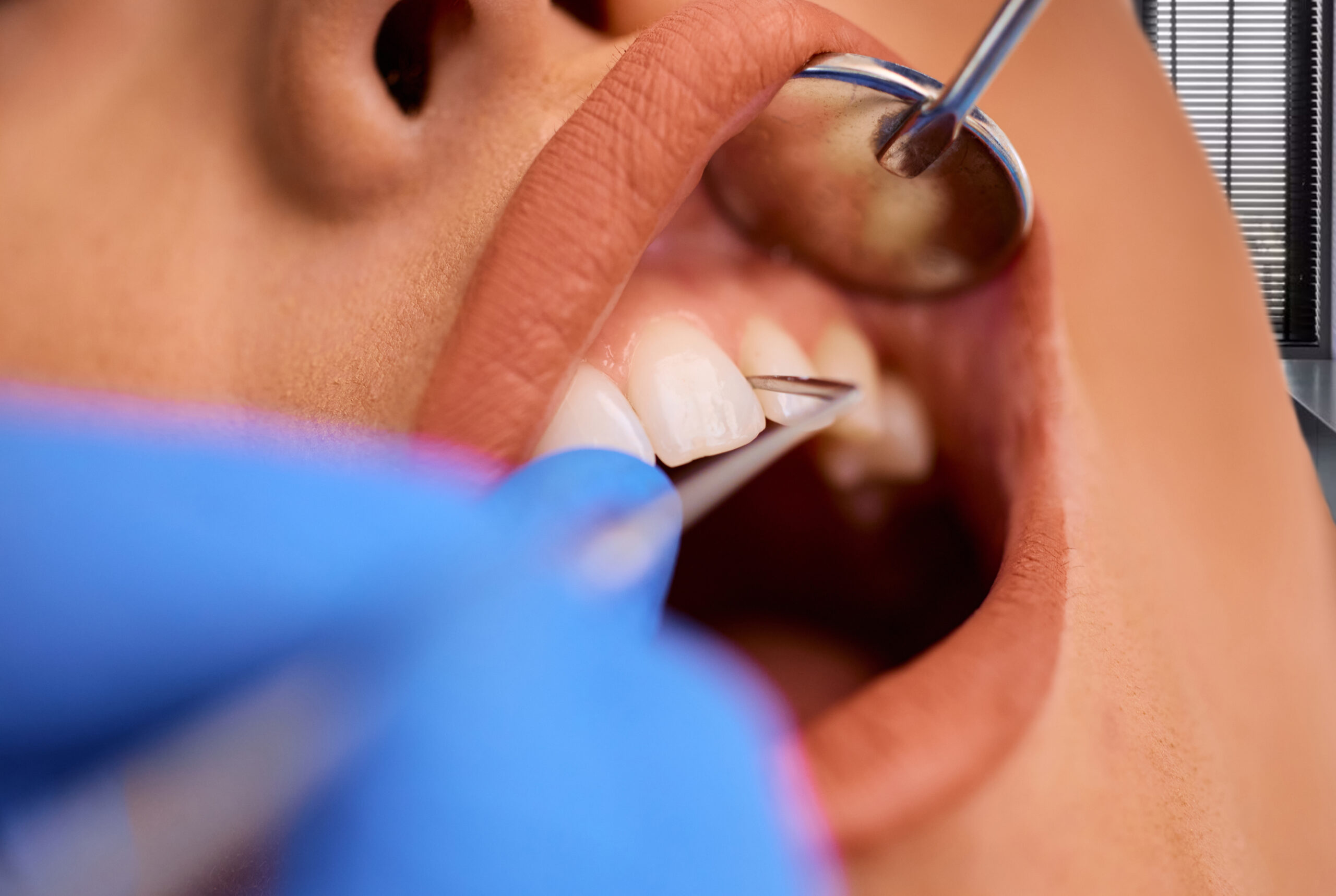
Dental calculus, also known as tartar, is a common issue in dentistry that, if not effectively removed, can lead to a range of undesirable consequences. It is a hard, mineralized substance that accumulates on the surface of teeth. Formation of Dental Calculus The process of forming dental calculus is a gradual result of the buildup of dental plaque on the teeth. Plaque, composed of bacteria and deposits, mineralizes over time, creating a hard deposit called dental calculus. This calculus, usually made up of minerals in saliva, can take on various colors depending on organic substances and pigments in food. Main Causes of Dental Calculus Formation Lack of proper oral hygiene: Regular and thorough brushing of teeth and flossing are crucial in removing dental plaque. Neglecting these actions can lead to plaque accumulation and the formation of dental calculus. Diet rich in sugars and starches: Consuming large amounts of sugars and starches promotes the growth of bacteria, which convert them into acid, demineralizing tooth enamel and contributing to the formation of dental calculus. Tobacco smoking: Smoking cigarettes affects saliva production and hinders its cleansing function in the oral cavity, increasing the risk of dental calculus. Genetic predispositions: Some individuals have genetic predispositions to the increased formation of dental calculus, but proper oral hygiene remains crucial even in these cases. Insufficient saliva: Individuals with xerostomia are more prone to the formation of dental calculus because saliva plays a significant role in cleansing the oral cavity. Lack of regular dental visits: Professional teeth cleaning by a dentist is an effective method of removing dental calculus. The absence of regular dental check-ups can lead to the escalation of this problem. Consequences of Dental Calculus Dental calculus can lead to various issues, such as periodontal diseases, tooth loss, or even systemic complications. Therefore, understanding and eliminating the main causes and applying effective methods to prevent dental calculus are crucial. Preventive Methods Proper oral hygiene: Regular brushing, flossing, and using mouthwash are incredibly important in preventing dental calculus. Balanced diet: Limiting the consumption of sugars and starches and maintaining a balanced diet that supports oral health can help prevent dental calculus. Quit smoking: Quitting smoking can significantly reduce the risk of dental calculus formation and improve overall oral health. Regular dental visits: Professional teeth cleaning and regular dental check-ups allow for effective monitoring of oral health and removal of dental calculus. Dental calculus is a common problem that can lead to serious consequences if not effectively managed. Understanding the main causes of its formation and applying effective preventive methods, such as proper oral hygiene and regular visits to Warsaw Dental Center in Warsaw, are essential for maintaining healthy teeth and oral cavity. Avoiding risk factors, such as tobacco smoking and a diet low in sugars, also contributes to overall good oral health.

Scaling and Teeth Sandblasting – all your questions answered
What is Teeth Sandblasting or Dental Sandblasting ? Brighten up your smile with Teeth Sandblasting! This cheerful dental procedure is all about getting your pearly whites sparkling clean. It’s a super way to kick out all the unwanted guests like dirt, plaque, and tartar from your teeth. Regularly treating your teeth to a sandblasting session is like giving them a mini-vacation, ensuring they stay happy and healthy. Why should we do Teeth Sandblasting ? Let’s dive into the world of Tooth Sandblasting! Imagine it as a spa treatment for your teeth, where they get pampered with water and a special powder. This process sweeps away all the food leftovers, bacteria, and tartar, leaving your teeth feeling fresh and fabulous. Plus, it’s a champion at waving goodbye to those pesky stains from your favorite coffee or tea. How often should I do Teeth Sandblasting ? Ideally, every six months is great! But if your gums are a bit sensitive or if plaque seems to love your teeth a bit too much, your friendly dentist can personalize this schedule just for you. How does Teeth Sandblasting feel like ? What’s the teeth sandblasting procedure like, you ask? It’s a breeze! A special dental sand is sprinkled on your teeth, working its magic to scrub away all the impurities. It’s quick, often painless, and leaves your teeth feeling incredibly clean. How is Teeth Sandblasting different from Teeth Scaling ? Curious about how sandblasting differs from scaling? Both are superstars in their own right. Scaling is like the superhero that tackles the tough, calcified plaque, while sandblasting is the gentle artist, removing softer residues and those coffee or cigarette stains. Together, they make an unbeatable team for a dazzling smile. What to expect after a Teeth Sandblasting ? After these treatments, expect your teeth to be the star of the show – bacteria-free, smooth, shiny, and looking their whitest. Less bacteria means saying goodbye to tooth decay, and hello to a healthy mouth! Who’s the best at performing Teeth Sandblasting in Poland ? Your friendly dental hygienists at Warsaw Dental Center are the go-to experts. Dental hygienists at Warsaw Dental Center have been consistently voted by industry experts as well as cheerfully thumbed up in multiple forums and reviews. They’ll tailor your Teeth Sandblasting experience to your needs, ensuring your teeth get the best care possible. Plus, they’re awesome at teaching you how to keep your smile bright with the right tools and techniques. Warsaw Dental Center hygienists love the patients are always ready to answer your questions and give you helpful tips. So definitely ask them questions if you have them. Does Teeth Sandblasting or Teeth Scaling hurt ? Worried about pain? Fear not! Scaling and sandblasting are usually as comfortable as relaxing on a cozy couch. If you have sensitive teeth, the dentists at Warsaw Dental Center have got your back with gentle care and maybe even some anesthesia to keep you comfy. Why is good oral hygiene so important? Well, it’s like the foundation of a healthy, happy life. Neglecting it can lead to not-so-fun things like bad breath, cavities, and even tooth loss. But with regular scaling and sandblasting, you’re basically giving your teeth a shield against these troubles. What are the benefits of regular teeth sandblasting? Oh, they’re wonderful! Your teeth not only get cleaner but also look more attractive. Just remember, it’s not the same as a whitening treatment, but it’s still pretty awesome! What are some precautions to take after Teeth Sandblasting ? Just take a tiny break from those color-rich foods and drinks for about a day. Think of it as giving your teeth a little rest after their spa day. Who should consider teeth sandblasting treatments? If you love coffee, tea, or if your teeth just need some extra love, these treatments are perfect for you. And don’t worry, there are hardly any no-nos for these procedures. The team of Doctors and Hygienists at Warsaw Dental Center will make sure everything is safe and comfortable for you, even if you need a little extra care. I am Pregnant, is Teeth Sandblasting safer for me ? It’s the perfect time to pamper your teeth with sandblasting. It keeps your gums and teeth in tip-top shape, reducing the risk of dental woes. In short, scaling and sandblasting are like the dynamic duo for your oral health. They keep your teeth looking and feeling fantastic, tailored to your unique smile. Regular care equals a radiant smile and a happier you! Our dedicated Teeth Sandblasting and scaling specialists at Warsaw Dental Center would love to show you how it can be an incredible and stress free experience for you. Give us a call or set up an appointment at your convenience by clicking the contact link. Article written on September 20, 2022 and updated on January 24, 2024 based on the latest technology and research.

How often should you remove tartar?
The patient before the stone removal procedure It is extremely important to take care of your oral health because your teeth are exposed to a variety of threats. One of them is tartar, which may appear on their surface after some time. Tartar removal is a key procedure in maintaining your oral health and smile. Therefore, in today’s article we will discuss how tartar is formed, what the tartar removal procedure involves, and how often it should be performed. The Process of Creating Tartar The process of tartar formation is quite simple. Tartar is mineralized dental plaque that develops when proper oral hygiene is neglected. If we do not brush our teeth regularly and thoroughly, sediment and plaque accumulate on their surface. Over time, these deposits mineralize, forming hard tartar. Unfortunately, due to its hardness and adhesion, it cannot be removed independently. It is necessary to visit a dentist’s office and perform a scaling procedure. Scaling treatment When your dentist detects the presence of tartar, it is always worth considering removal surgery. Tartar not only negatively affects the aesthetics of the smile, but also accelerates the development of caries. Scaling, i.e. the removal of tartar, is an extremely important part of dental prevention. During this treatment, an ultrasonic scaler is used, which generates ultrasonic waves, scattering and removing tartar. The treatment is safe, although not always comfortable, especially if the tartar is close to the gums. Therefore, some patients prefer anesthesia. It is worth remembering that not all patients can undergo scaling using ultrasound. Contraindications may include, among others: pacemakers or problems with a detached retina. If you fall into this group, be sure to inform your dentist during your check-up. Scaling Frequency How many times a year should scaling be performed? It depends on many factors, such as lifestyle, diet and daily oral hygiene. In general, most patients should consider scaling at least once a year. However, for some patients, increased frequency may be necessary, such as every six months. For others, it is enough to perform the procedure every 2 years. The final decision should be made by your dentist after carefully analyzing your situation. Regardless of frequency, taking care of your oral health and visiting the dentist regularly are crucial to maintaining a beautiful smile for many years.

Teeth polishing – what does it involve and is it worth performing the procedure?
Teeth polishing, or “polishing”, is a procedure for cleaning teeth from deposits and coating, performed by a dental specialist. Is it valuable and what does it look like? White, healthy teeth are a goal that many of us strive for. A sparkling smile attracts attention, makes us laugh more and makes us more open to others. Teeth in good condition are a symbol not only of health, but also of self-care and proper hygiene. To have a healthy and beautiful smile, it is worth visiting the dentist at least twice a year. The purpose of these visits should not only be to monitor the condition of the oral cavity for caries and treat any possible problems, but also to remove tartar, which is the main cause of gum problems. In addition to descaling and sandblasting, it is also worth having your teeth polished regularly. What is the polishing procedure? Polishing takes place after removing tartar and other deposits, i.e. after scaling and sandblasting. They are treated as the final stage of cleaning the teeth from any impurities. The procedure involves polishing the tooth surface using special tools and a special polishing paste, which additionally prevents the formation of new tartar. It can be compared to the procedure of varnishing children’s teeth – although in the case of varnishing the aim is to protect against caries, and in polishing to prevent the formation of deposits. A treatment for the whole family The polishing process itself is short and painless. This can be a great way to get kids used to going to the dentist. To show children that going to the dentist can be a positive experience, parents can take them for polishing treatments. It is also possible to combine it with teeth varnishing. For example, if a family lives in Warsaw and wants to have their teeth varnished, they can also ask about the possibility of scaling and polishing. This approach allows for comprehensive care for the oral health of the entire family. Ko benefits of polishing Polishing effects are: brighter teeth, smooth tooth surface, protection against tartar. How to prepare for polishing? There are no specific requirements before the treatment, but it is worth remembering that polishing is performed after other treatments. Therefore, before polishing, it is worth signing up for scaling and/or sandblasting. After these treatments, the dentist will thoroughly clean and polish the teeth, protecting them against tartar. Recommendations after the procedure After polishing your teeth, it is a good idea to follow your dentist’s instructions. You should avoid eating and drinking products that may stain your teeth for several hours after the procedure. In conclusion, polishing your teeth is an important step in maintaining your oral health. Performed together with scaling and sandblasting, it helps protect teeth against deposits and makes them smooth and shiny. Thanks to this, we can enjoy a healthy and beautiful smile for longer.
Sandblasting and scaling
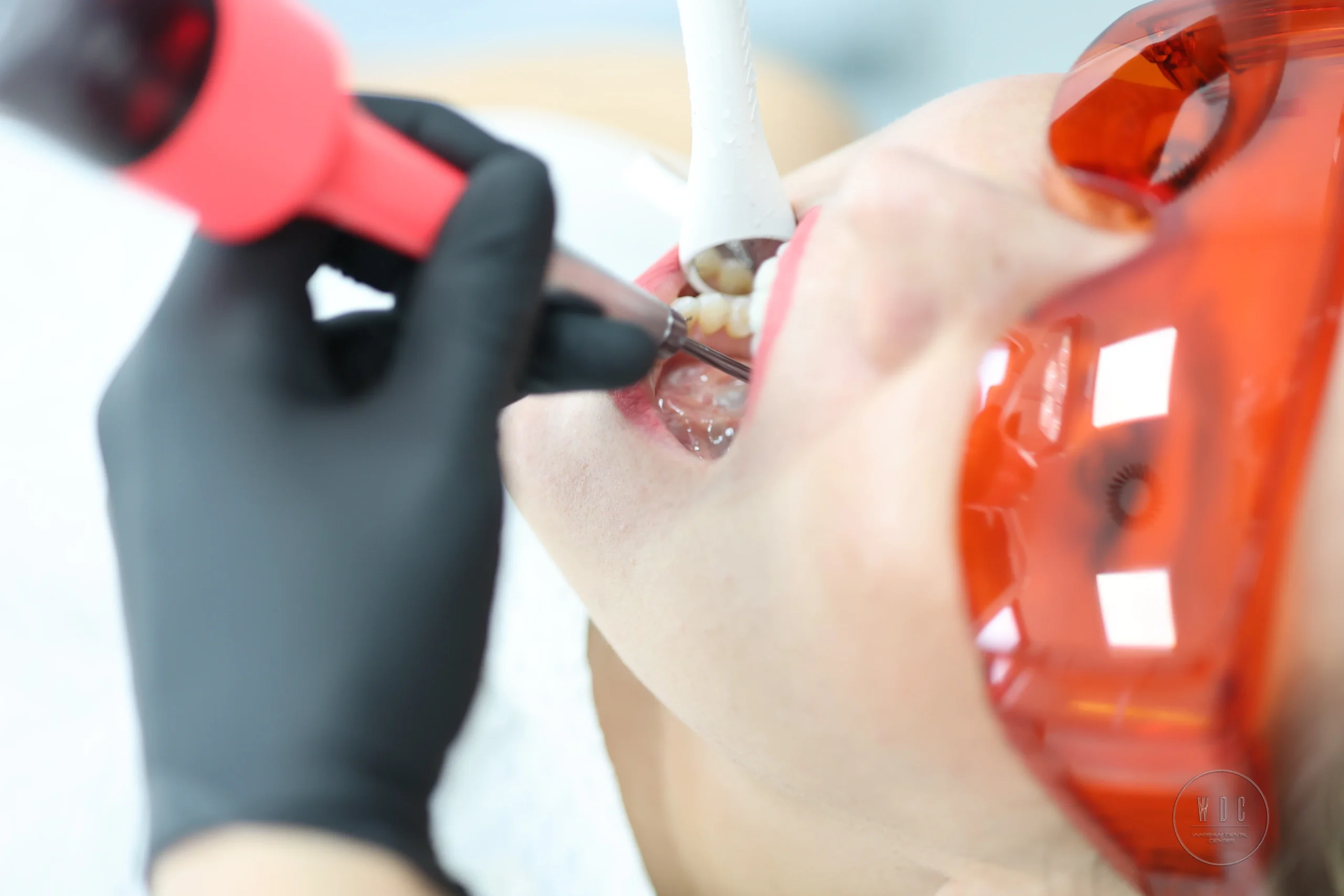
Two methods of caring for your teeth and their surroundings that effectively protect against undesirable effects are scaling and sandblasting. What are their differences and how do they proceed? Explains oral hygiene expert Wioletta Zawierucha. How to take care of your dental health? Regular tooth brushing is the basis of oral health care and should become part of your daily care routine. However, it is also important to use dental floss, which helps reduce the risk of caries. Dental caries is becoming more and more common – unfortunately, almost 90% of the population in Poland experiences it. This is one of the characteristic ailments of modern times. For many people, tooth decay is not the only problem. Another is bleeding gums, which is the result of tartar depositing on the teeth. Tartar is formed as a result of the mineralization of dental plaque and can lead to inflammation of the gums, exposure of tooth roots and loss of the bone surrounding the teeth. This can lead to periodontal disease. To prevent this, it is recommended to remove scale regularly. For this purpose, they include, among others: scaling and sandblasting treatments. The difference between scaling and sandblasting Scaling is a technique for cleaning the oral cavity, which involves removing tartar from the teeth – manually or using ultrasound. — “Scaling is usually a painless procedure, but if necessary, it can be performed under local anesthesia. It is an ideal solution for people who are afraid of pain,” says Wioletta Zawierucha. Sandblasting is another method used to remove deposits and discolorations that occur after consuming certain products or smoking cigarettes. During sandblasting, teeth are cleaned using a special device that uses a stream of “sand”. This allows for thorough removal of dirt from hard-to-reach places. The most recommended method is ultrasonic scaling. This method is more comfortable for the patient, shortens the procedure time and minimizes the risk of tooth damage. How often so use these treatments? — “It is recommended to carry out such treatments at least once a year, but preferably every six months. People with gum problems should consider descaling their teeth more often,” advises Wioletta Zawierucha. It is recommended to sandblast your teeth 1-2 times a year. Which office should I choose? When considering which office to choose, it is worth using the recommendations of other patients. Many of them recommend Warsaw Dental Center. This is a place where patient care is combined with high professionalism. They offer, among others: dental surgery, orthodontics, endodontics, prosthetics, implantology and veneers services, as well as scaling and sandblasting.