


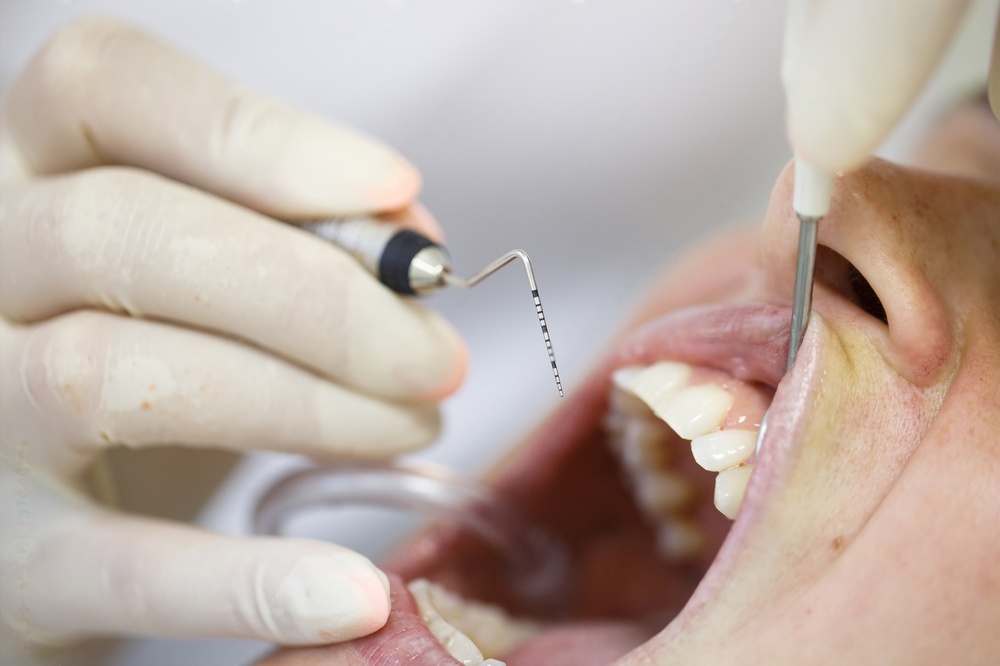
Did you know that periodontal disease is the second most common cause of tooth loss among adults, after dental caries? Yes exactly. Interestingly, people all over the world struggle with them, both in developed and developing countries. Research conducted around the world indicates that up to 50% of the population suffers from periodontal disease (1). So if you notice something disturbing around your gums or feel pain, the best solution is to visit a dentist and ask a periodontist for advice. Unraveling the World of Gums: A Journey into Periodontology and the Role of a Periodontologist! 🦷 This is a field of medicine that deals with periodontitis – a multifactorial disease that leads to damage to the tissues around the teeth. The interesting thing is that the bacterial biofilm responsible for this is necessary for the development of the disease, but is not sufficient in itself to cause it. A periodontist is a dentist who treats periodontal diseases, once called periodontitis. The animation below shows the stages of development of periodontal disease. What are the factors for the development of periodontal disease? Recent scientific research draws attention to the genetic aspect of periodontal diseases (2). It turns out that if our family, for example parents or other close relatives, had these diseases and led to tooth loss at a young age, there is a high risk that we may also be exposed to these problems. This applies to us even if we maintain perfect oral hygiene. Genes have a significant influence, which is an important discovery in periodontology. Bacteria and the biofilm formed from them are a key element in the development of periodontal diseases. This biofilm attaches to teeth, bones and gums, causing inflammation to which our immune system responds. In response to this reaction, bone loss may occur, resulting in tooth mobility and unpleasant breath odor. It is important to remember about daily oral hygiene to prevent these problems. It is worth remembering that the development of periodontal diseases may be influenced by additional factors, such as smoking, diabetes or osteoporosis(3). The impact of alcohol consumption and a stressful lifestyle cannot be underestimated. However, none of these factors alone is sufficient to cause periodontal disease. For it to develop, it is necessary to combine at least two of the above-mentioned risk factors. That is why awareness and attention to a healthy lifestyle are so important to reduce the risk of these problems. What impact does periodontal disease have on the entire body? Although many people view the mouth as an isolated ecosystem of the body, it is actually an integral part of the entire immune system. When a patient suffers from periodontal disease, bacterial imbalances in the mouth can affect the rest of the body. Harmful bacteria can easily spread to other areas of the body through the bloodstream. The body triggers an inflammatory response as part of the immune response, but this often makes us more susceptible to other diseases. Additionally, because the oral cavity is regularly exposed to bacteria from the environment, it is especially susceptible to infections. Therefore, patients must take special care of their oral hygiene to prevent gum disease. How does periodontal disease affect the body? Gum and bone disease is often associated with general health problems such as: – Cardiovascular diseases – Heart disease – Stroke – Diabetes – Pregnancy complications – Osteoporosis – Kidney diseases – Rheumatoid arthritis – Cancer Although gum disease does not always lead to these other conditions, it is important to be aware of the link and take care of your oral health. What symptoms should refer us to a periodontist? -red, bleeding gums – gum pain – Bad breath (halitosis) – Movable teeth – Changes in the alignment of teeth – Teeth lengthening Phases of periodontal disease Healthy gums feel firm to the touch and do not bleed or swell. However, periodontal disease can cause them to become red, swollen and bleeding. If left untreated, it can lead to the destruction of the jawbone, which may result in tooth loss. Damage to the tissues around the teeth occurs gradually. In fact, many people do not feel pain in the early stages of the disease. That’s why it’s important to know the warning signs. Gum disease goes through four stages: 1. Gingivitis. This is the earliest stage of periodontal disease. It starts with red, swollen gums that may bleed when brushing or flossing. There is no bone loss at this stage. As a result, gingivitis is completely reversible with appropriate treatment. 2. Mild periodontitis. Bacteria have penetrated under the gums, affecting the supporting bone. The gums may come away from the teeth, creating pockets around them. Plaque and bacteria like to hide in those pockets where toothbrush and floss cannot reach. 3. Moderate periodontitis. If the disease is left untreated, the bacteria begin to destroy the ligaments, soft tissues and bone that hold the teeth in place. You may notice bad breath and pus (infection) around the gum line. Some people feel pain at this stage. 4. Advanced periodontitis. As periodontal disease worsens, bone loss continues. This may cause the teeth to become loose and eventually fall out. If the disease is treated early enough, it is reversible. But if you have already lost bone around your teeth due to infection, the disease is too advanced to reverse. However, it can be controlled with appropriate treatment and consistent, careful oral hygiene. What does periodontal disease diagnosis look like in the office? During a routine examination, your dentist can tell if you have gum disease. He or she will check for plaque buildup on your teeth and ask about your symptoms. He or she may refer you to a periodontist (gum specialist) for further evaluation and treatment. The dentist or periodontist will measure the depth of the pockets around your teeth using an instrument called a periodontal probe. This will allow them to assess how much bone you have lost around your teeth. The deeper the pockets, the
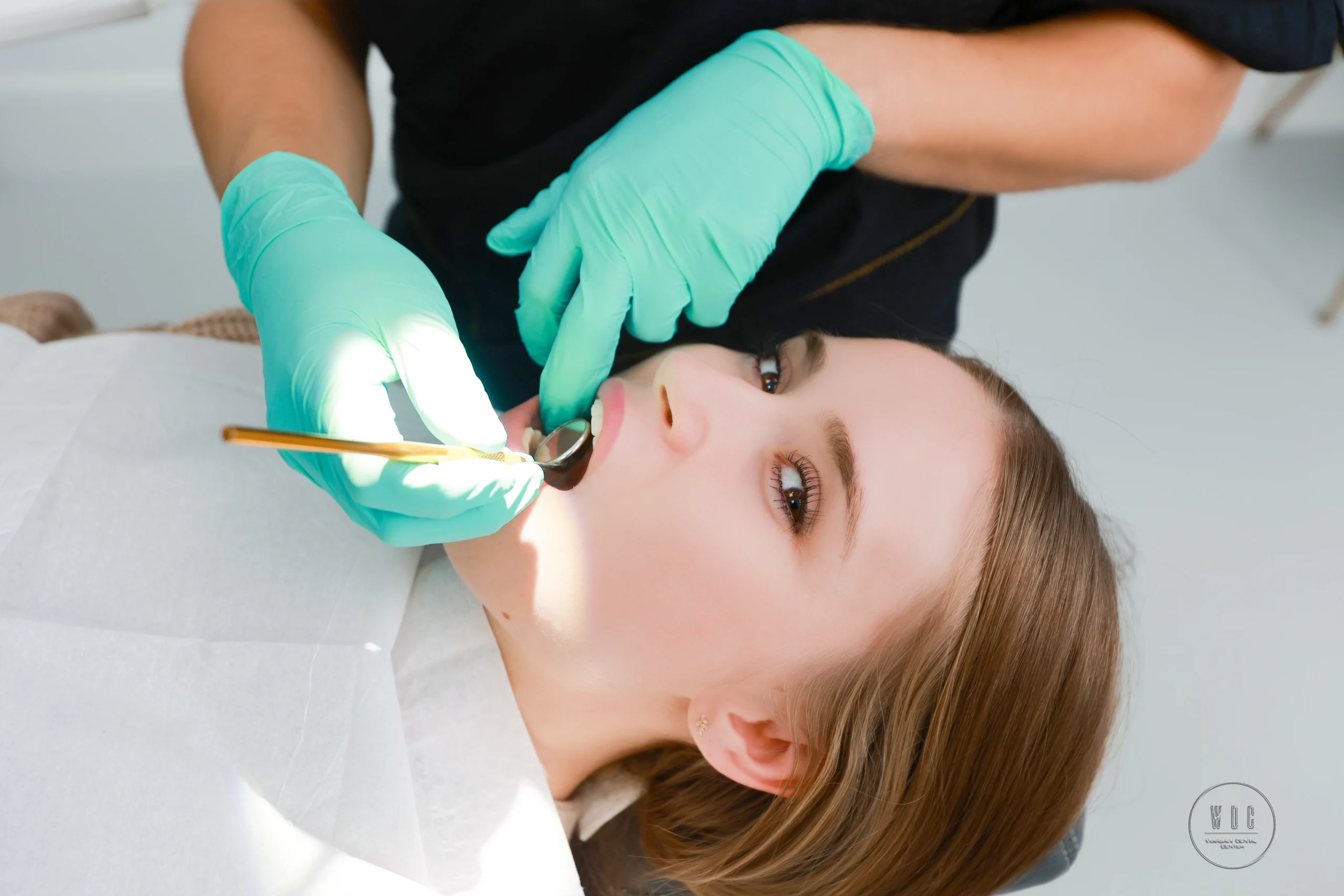
How to effectively fight periodontal disease and maintain healthy gums?
Periodontitis, the second most common oral disease after dental caries, affects as many as 70% of the Polish population. However, surprisingly few people have sufficient knowledge about this disease, its causes and symptoms. In this article, we will discuss these issues in detail, trying to dispel popular myths related to periodontitis. What is periodontal disease? Periodontitis, also known as periodontal disease, is an inflammation of the tissues surrounding and supporting the teeth, such as gums, root cement, alveolar bone and periodontium. The disease develops as a result of inflammation of these structures, and the rate of progression may vary depending on the type of periodontitis. It may progress slowly and over a long period of time, or it may worsen suddenly over a short period of time. Types of periodontitis There are four types of periodontitis: Typical periodontitis: The most common type of periodontitis, occurring in approximately 70% of patients. It usually starts with the molars and incisors, and is often diagnosed in people around 30 years of age. Rapid Periodontitis (Rapid Progressive): Affects approximately 5% of patients. It is characterized by sudden progression, associated with gingivitis and alveolar bone loss. Prepubertal Periodontitis: Periodontitis that occurs before puberty, even in 4-year-olds. Juvenile periodontitis: The rarest form of the disease, usually appearing in children around the age of 13. It is characterized by a violent course and may lead to bone destruction. Causes of periodontitis The main cause of periodontitis is inadequate oral hygiene, which leads to the development of pathogenic bacteria. Other factors include metabolic diseases, hormonal fluctuations, smoking, leaking tooth fillings, anatomical defects, and mechanical injuries to the dental plaque. Is Periodontitis Hereditary? Yes, periodontitis may have a genetic basis, but eliminating the causes can prevent the development of the disease. Effects of untreated periodontitis Untreated periodontal disease leads to serious consequences, the most visible of which is tooth loss. Damage to the structures surrounding and supporting teeth can lead to tooth loss, which is a common result of untreated periodontitis. However, the effects of this disease are not limited to the oral cavity. Untreated periodontal disease can also cause serious diseases throughout the body. Bacteria from infected gum pockets can enter the bloodstream, travel throughout the body and disrupt the proper functioning of various organs. As a result, disturbances in the functioning of the heart, lungs and blood vessels may occur. Highlighting these aspects shows that periodontitis is not only a problem related to tooth loss, but also with potentially serious consequences for the overall health of the body. Therefore, effective treatment of periodontitis and regular visits to the dentist are important to maintain the health of the oral cavity and the entire body. How to treat periodontal disease? Treatment of periodontitis is adapted to the advancement of the disease, and its effectiveness depends on earlier diagnosis and remedial measures taken. In case of initial symptoms of periodontitis, professional tooth cleaning is sufficient therapy. This procedure includes removing tartar and protecting exposed tooth necks. Additionally, the dentist may recommend varnishing, sandblasting or fluoridation of the lower sections of exposed teeth in order to refortify and protect them. In the case of advanced periodontitis, it is necessary to involve a periodontist, a specialist in mucosa and periodontal diseases. In such situations, surgical intervention that goes beyond standard tartar removal procedures may be necessary. Treatment of advanced periodontitis also includes the removal of diseased teeth and their subsequent restoration, which aims to restore the proper function and aesthetics of the oral cavity. In the case of very advanced periodontitis, it may be necessary to rebuild the gums, i.e. gingival plastic surgery. This treatment aims to prevent gum recession, i.e. excessive exposure of the tooth surface, which is characteristic of advanced disease. However, it should be emphasized that the success of periodontitis treatment depends largely on the patient’s involvement in proper oral hygiene. Brushing your teeth incorrectly or neglecting this process may result in a quick recurrence of the disease, even after effective therapy. Therefore, educating patients on proper oral care is crucial to maintaining long-term effects and periodontal health. Is periodontal disease contagious? Yes, periodontal disease can be transmitted by droplets. Bacteria, which are the main causes of gum disease and plaque formation, have the potential to cross between organisms. Periodontal disease has the ability to spread through saliva, which means it can be transmitted through kissing or sharing a bottle. It is therefore important to be aware of this risk and take appropriate precautions to avoid the potential transmission of the bacteria responsible for periodontitis. Is periodontal disease curable? In most cases, yes. However, once periodontitis reaches an advanced stage, tooth loss may be inevitable. Summary: Periodontitis, or periodontitis, is a serious disease with far-reaching consequences for oral health, even leading to tooth loss. To effectively prevent the development of periodontitis, it is necessary to diligently follow the rules of proper oral hygiene and regularly clean the places particularly exposed to the accumulation of dental plaque. Regular dental checkups and tartar removal are key preventive measures. You should be aware of the nature of gum inflammation, as ignoring it may lead to periodontal disease. Proper brushing technique, selecting the right toothbrush, using a dental irrigator and using specialized toothpaste play a key role in everyday oral care. All this is aimed at effectively cleaning teeth and at the same time strengthening gums. It is also important to regularly monitor the health of the gums and take quick action in the event of any irregularities. Good oral hygiene is key to maintaining dental health and avoiding serious diseases such as periodontitis.
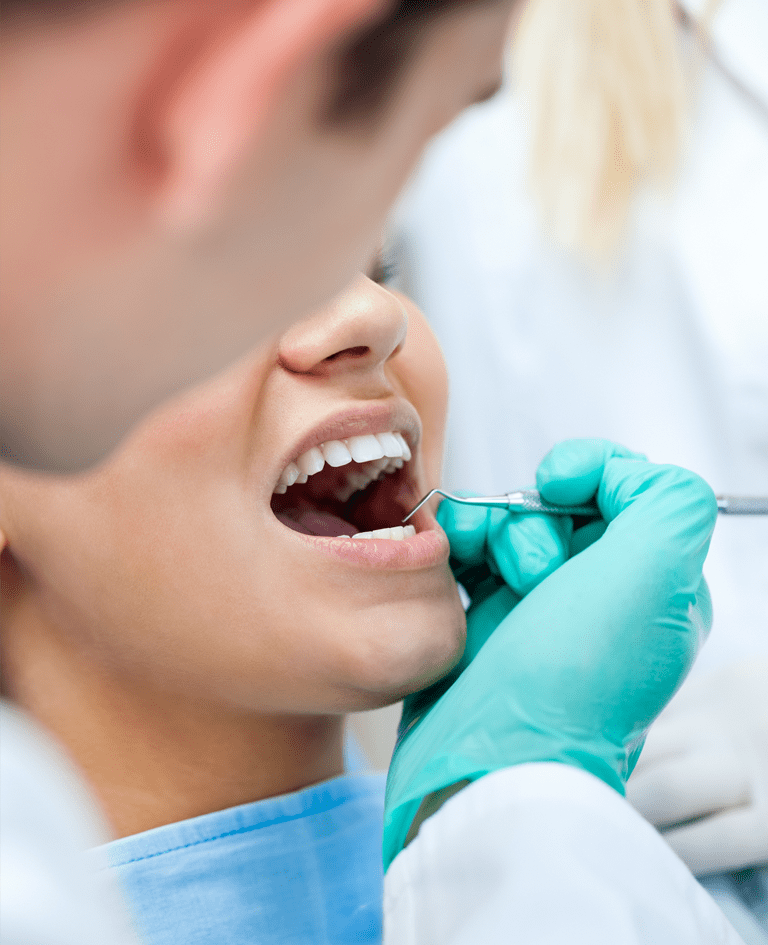
Periodontal disease – causes, symptoms, treatment
Periodontal disease is now considered a social disease because, after dental caries, it is the second most common oral disease. What is the main cause of periodontitis, how to treat it and how to prevent this disease? What is periodontal disease? Periodontitis, or periodontitis, affects the structures surrounding and maintaining our teeth, such as root cement, gum, periodontium, and alveolar bone. The main cause of periodontitis is inadequate oral hygiene, general weakness of the body, but also genetic factors. People whose loved ones suffer or have suffered from periodontitis must visit the dentist’s office particularly often. Early detection of periodontitis, including: through dental x-rays, allows for its effective treatment or slowing down its development. What does periodontal disease look like? Periodontitis most often affects people over 40 years of age. Periodontal inflammation leads to loosening and even loss of teeth. Teeth may be lost due to inflammation of the periodontium, jaw bones, tooth roots, and other deeper structures responsible for keeping the tooth in the socket. That is why preventing periodontal disease is so important. Types of periodontitis There are four types of periodontitis: – typical – the most common type of periodontitis, which occurs in approximately 70% of patients, usually around the age of 30, and leads to loose teeth. The first symptom of this type of periodontitis is an excessive amount of bacterial plaque, which, if not removed, leads to the formation of tartar; – rapidly progressive – affecting approximately 5% of patients, which may develop around the age of 20. This type of periodontal disease is manifested not only by gingivitis, but also by alveolar bone loss; – juvenile – which occurs in less than 1% of patients. The initial symptoms of this type of disease may appear as early as 13 years of age. It develops much faster than typical periodontitis and leads to destruction and the bones; – prepubertal – which may appear even in small children, as young as 4 years old. In many cases, periodontal disease may be caused by many factors, such as inadequate functioning of the immune system, poor hygiene or genetic conditions. Stages of development of periodontitis Periodontitis is a very insidious disease because in the initial stage of development it is not accompanied by pain, but only periodic hypersensitivity of the exposed tooth necks. Therefore, it is worth knowing all its stages in detail: The initial stage of periodontitis Periodontal diseases in the oral cavity are caused in most cases by plaque and tartar bacteria penetrating the gum pockets. As a result of periodontitis, the pockets deepen and create an increasingly favorable environment for the multiplication of microorganisms that cause inflammation. As a result, the gums become red and swollen, there is an unpleasant smell from the mouth, and bleeding may occur when brushing the teeth. The next stage of periodontitis Untreated periodontal disease causes further tissue damage, including bone. Teeth at this stage of the disease appear longer. They may become temporarily hypersensitive to hot or cold foods. Progressive bone loss causes teeth to become mobile, which then begin to fall out. Advanced periodontal disease In the advanced stage of periodontitis, even after tooth loss, local inflammation of the gums and bones may occur. Untreated periodontal disease also often leads to general complications. Bacteria from gum pockets can travel through the body in the blood, causing serious and dangerous diseases such as heart disease, pneumonia, thrombosis or atherosclerosis. This is why it is so important to start treatment as soon as you notice the first symptoms of periodontitis. Proper treatment will stop its development and prevent not only tooth loss, but also more serious diseases that worsen the condition. general body. Causes of periodontitis Periodontitis is caused primarily by inadequate oral hygiene, as well as genetic susceptibility to this disease. Other causes of periodontitis include: 1 incorrect tooth brushing, 2 failure to clean the interdental spaces while brushing teeth, 3 anatomical defects of oral tissues, 4 smoking, 5 gum irritation, 6 tendency to breathe through the mouth, 7 mechanical trauma, 8 metabolic, immunological and hormonal diseases, 9 incorrect and leaking tooth fillings, 10 inappropriate prosthetic restorations. Regardless of the cause of periodontitis, if we are concerned about bleeding gums or bad breath, it is worth finding out at the dentist’s office as soon as possible what the causes of such phenomena are. Symptoms of periodontal disease The first symptoms of periodontitis are often ignored by patients who most often believe that it is only a temporary inflammation or the result of brushing too hard. Meanwhile, the following symptoms should prompt us to visit a dentist as soon as possible: – bleeding gums, swelling and redness; – exposure of tooth necks; – lengthening of dental crowns; – tooth movement; – loosening or loss of teeth; – unpleasant odor in the mouth; – hypersensitivity to food temperature. None of these symptoms should be ignored by patients and should be consulted with a dentist who will make an appropriate diagnosis and implement treatment to prevent periodontitis. How to treat periodontal disease? Treatment of periodontitis at its early stage is effective provided that the patient is systematic and maintains proper oral hygiene. A satisfactory state of oral hygiene is achieved by professional tooth cleaning, during which supragingival and subgingival plaque deposits are removed. The most commonly used treatments include: – Supragingival and subgingival scaling – Usually carried out using the u method Ultrasonic scaling allows you to clean teeth from plaque and deposits, as well as remove plaque located below the gum line and at the tooth root. Open and closed curettage A treatment for removing tartar and plaque, during which inflammatory granulation tissue and bacterial clusters located in the gum pockets are eliminated. Curettage allows you to make the tooth pocket shallower and eliminate the factors that cause periodontitis: tartar, plaque and diseased tissues. In some cases of periodontitis, treatment may also require the use of pharmacological agents or surgical intervention if the disease has caused alveolar bone loss. Maintaining the
Periodontitis: what is it and how to cure it?
Periodontal disease, also known as periodontitis, affects the structures that surround and support our teeth. Why does it occur and what treatments are available? The answers to these questions will be provided by Dr. Urszula Leończak in the latest issue of the Clinic: Periodontitis Subscribe to our Warsaw Dental Center channel here follow WDC. Have you done it already? Excellent! Click the bell icon 🔔 to follow our latest videos! Follow us on other platforms too! ► Facebook ► Instagram