

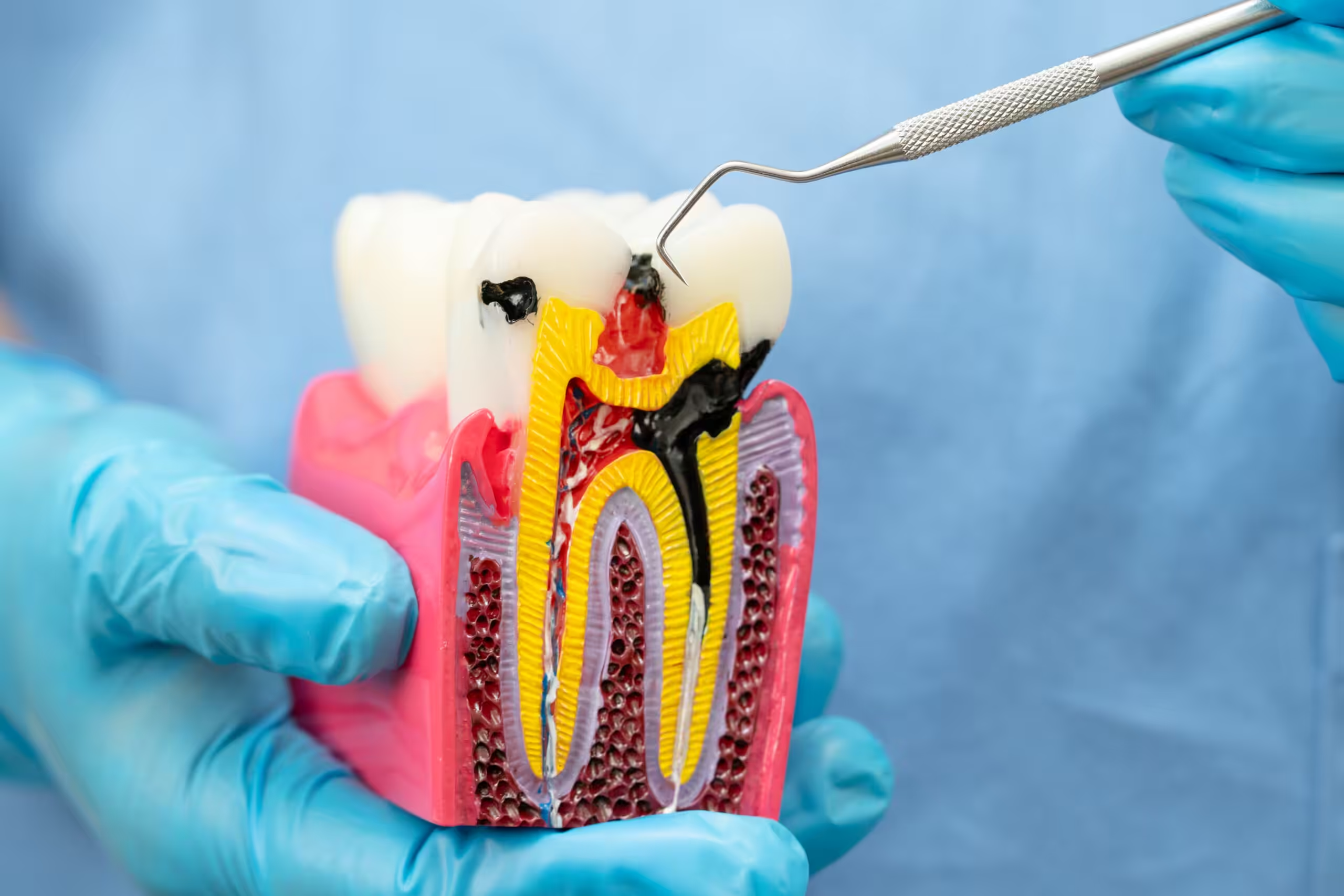
Holistic endodontics in our Warsaw-based Endodontic Center of Excellence and Warsaw Dental Center integrates advanced root canal therapy with a whole-body health perspective. By utilizing biocompatible materials (MTA, bioceramics), 3D CBCT diagnostics, and minimally invasive protocols under a microscope, we eliminate focal infections while supporting the patient’s immune system. This patient-centric approach ensures high success rates and long-term systemic well-being. Introduction: The Holistic Shift in Warsaw Dental Center Modern dentistry is evolving beyond treating just teeth. Holistic endodontics is a comprehensive approach that links root canal therapy with systemic health. Patients in Warsaw are increasingly searching for keywords like “safe root canal treatment” and “holistic dentistry,” looking for procedures that are effective yet gentle on the immune system. Biocompatible Materials: Non-Toxic Root Canal Fillings A cornerstone of the holistic approach is the use of materials that are in harmony with the human body. We utilize bioceramic sealers and MTA materials, which are highly biocompatible. These bioactive cements encourage bone regeneration and minimize the risk of allergic reactions. This is a vital option for patients concerned about dental material sensitivity or looking for toxic-free dental solutions. 3D Diagnostics & Micro-Precision To ensure a successful and minimally invasive outcome, we utilize: 3D CBCT Imaging: To pinpoint focal infections that may impact systemic health (e.g., heart or joint issues). Operating Microscopes: Allowing for minimally invasive endodontics, preserving as much natural tooth structure as possible. For the patient, this translates to painless root canal treatment and a more predictable healing process. The Tooth-Body Connection Research into the “root canal and systemic health” link shows that chronic periapical infections can contribute to inflammation elsewhere in the body. Doctor Urszula Leonczak At Endodontic Center of Excellence focuses on complete bacterial eradication using ultrasonic irrigation, preventing the tooth from becoming a focal point of infection. Clinical Terminology (Terminology Double-Dipping) Our protocols include chemo-mechanical preparation (often called “deep canal cleaning” by patients). We ensure absolute asepsis through the use of a rubber dam, protecting the patient and ensuring the treatment area remains sterile. Expert Summary: Why Choose Our Warsaw Center? If you are seeking advanced endodontics in Warsaw that prioritizes your overall well-being, our holistic approach provides the perfect balance. We combine high-tech microscopic endodontics with a patient-first philosophy to save your teeth and support your health. Literature American Association of Endodontists. “Endodontic Treatment and Holistic Dentistry.” AAE.org Mills, S., & Glickman, G. (2010). “Holistic Dental Care: Integrative Techniques for Endodontics.” Journal of Integrative Medicine. World Health Organization. (2019). “Oral Health and Systemic Health Connections.” WHO.int
6 Reasons to Get Braces at Warsaw Dental Center
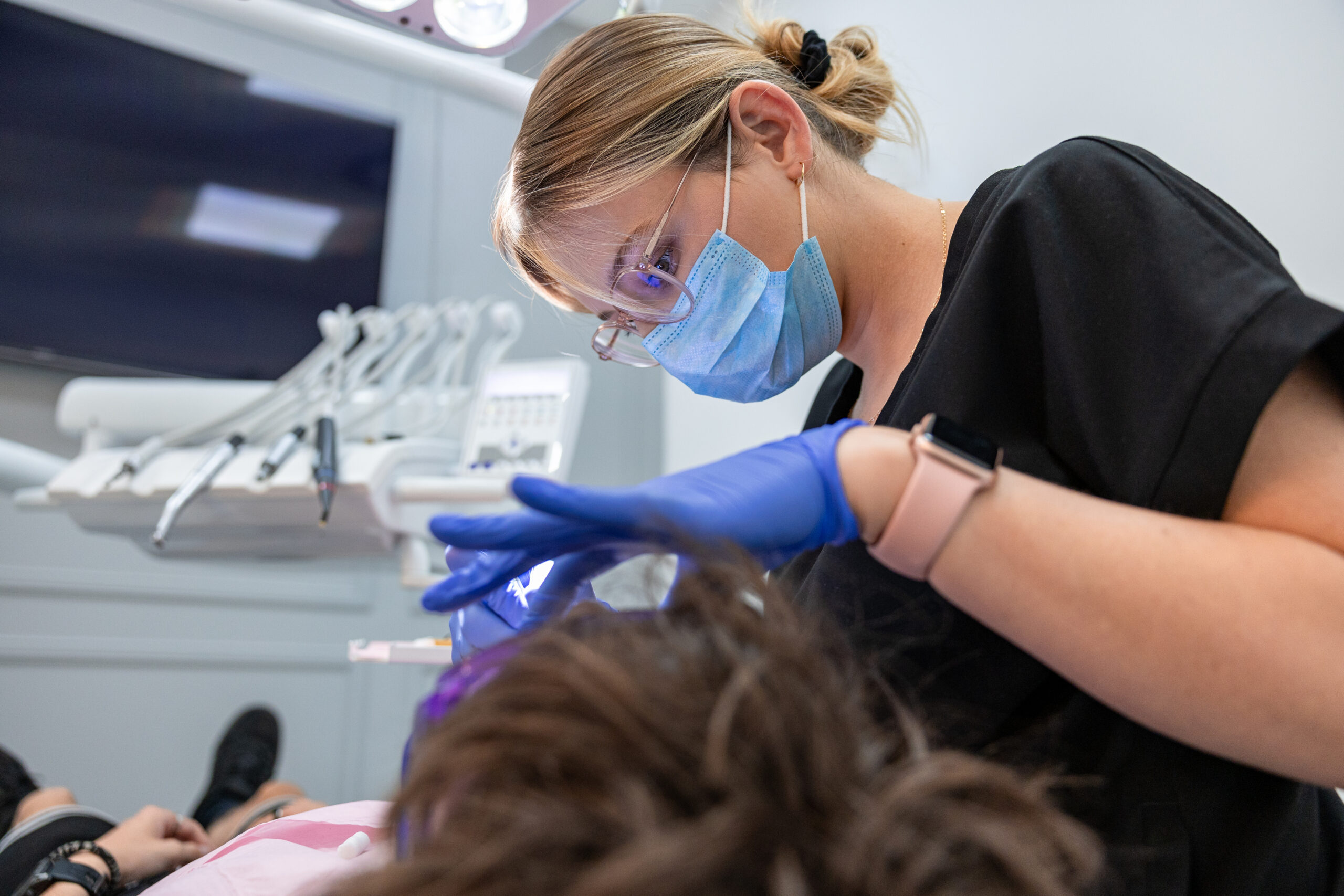
Transform Your Smile: Modern Orthodontic Treatment in Warsaw A beautiful smile is an investment in your appearance, health, and confidence. Modern orthodontics is so much more than traditional metal brackets : today’s advanced systems allow you to achieve your dream results in an effective and comfortable way.In Warsaw, you’ll find orthodontic clinics offering treatment plans tailored to each patient’s age, lifestyle, and expectations. Below, we present 6 detailed reasons why you should consider getting braces : along with an overview of the treatment process from your first visit to your final smile. 1. A Straight Smile : Aesthetics, Health, and Comfort Straight teeth make your smile more harmonious and give your face better symmetry. Orthodontic treatment works by gradually moving the teeth into their correct position using fixed braces or clear aligners. In Warsaw, digital treatment planning is increasingly popular, allowing you to preview the expected results before the treatment even begins. 2. More Self-Confidence : A Life-Changing Effect A beautiful smile influences how others see you and how you see yourself. Many patients say that after orthodontic treatment, they smile more often, participate more actively in social situations, and feel more comfortable speaking. Treatment can take anywhere from several months to around two years, and regular appointments at a centrally located Warsaw clinic help you stay motivated and track your progress. 3. Better Oral Hygiene and Health Crooked teeth are harder to clean, increasing the risk of cavities and gum disease. Braces align your teeth, making brushing and flossing easier and more effective. In modern Warsaw clinics, patients receive personalized oral hygiene instructions to ensure that treatment is not only effective but also supports long-term dental health. 4. Facial Aesthetics : It’s Not Just About the Teeth Correct tooth and jaw alignment can subtly enhance your facial features. Improving your profile, providing better lip support, and achieving a harmonious smile can make your face look younger and more balanced. In many cases, these changes become noticeable after just a few months of treatment. 5. Correcting the Bite and Protecting the Jaw Joints A misaligned bite can cause tooth wear, muscle tension, headaches, and temporomandibular joint (TMJ) problems. Braces correct the position of the teeth and jaw, restoring proper function to the entire chewing system. In Warsaw, orthodontists often work alongside dental physiotherapists to achieve lasting, healthy results. 6. A Lifetime Result : With Proper Retention When treatment is complete, it’s essential to use retention to keep your results. This may involve thin wires bonded to the inside of your teeth or clear retainers worn at night. This way, your smile will stay beautiful for many years. Orthodontic clinics in Warsaw create individual retention plans for every patient. How Does the Orthodontic Treatment Process Work in Warsaw? Consultation and Diagnostics : medical history, X-rays, and a 3D scan of your teeth. Treatment Planning : selecting the right type of braces and estimating the treatment time. Fitting the Braces : the appointment usually takes 30–60 minutes. Regular Check-Ups : every 4–8 weeks to adjust and guide the treatment. Finishing and Retention : securing your results for the long term. Why Choose Treatment in Central Warsaw? Easy access from any district : Śródmieście, Mokotów, Wola, Praga. Modern equipment and digital diagnostics. Experienced orthodontists offering personalized care. Wide choice of methods : from traditional braces to clear aligners. Book your orthodontic consultation in Warsaw and start your journey toward a straight, healthy smile. Every day with braces is a step closer to results that will last a lifetime.

Dentist in Warsaw – Top Dental Services for a Healthy and Beautiful Smile
Are you looking for the best dentist in Warsaw who provides comprehensive dental care? Look no further! Our dental clinic in Warsaw offers a wide range of professional services to ensure your oral health and give you the smile you’ve always wanted. Why Choose Our Dental Clinic in Warsaw? At our dental clinic in Warsaw, you will find experienced specialists dedicated to maintaining the highest standards in dental care. Our dentists use the latest technology and treatment methods to ensure safe and effective results. Whether you need cavity treatment, dental implants, or teeth whitening, we guarantee personalized care tailored to your needs. Dental Services Offered by Dentists in Warsaw Our clinic offers a full range of dental services, including: – Cavity Treatment: Our dentist in Warsaw provides modern treatments for cavities using composite fillings that restore the function and appearance of your teeth. – Dental Implants in Warsaw: We offer high-quality dental implants that replace missing teeth, restoring your smile’s natural function and beauty. – Teeth Whitening in Warsaw: Get your white and shiny smile back with our advanced teeth whitening techniques. – Orthodontics in Warsaw: Improve your smile with orthodontic treatments like traditional braces or the Invisalign system. – Root Canal Treatment: Our clinic specializes in root canal treatments, a procedure that saves severely damaged teeth by removing infected tissue and sealing the tooth. – Dental Bonding: Bonding is a cosmetic procedure where a tooth-colored resin is applied and hardened to repair chipped or discolored teeth. – Dental Surgery in Warsaw: We provide dental surgery services such as wisdom tooth extractions and more complex procedures to ensure your oral health is maintained. Why Regular Visits to the Dentist are Important? Regular visits to a dentist in Warsaw are crucial for maintaining oral health. By scheduling routine check-ups and professional cleanings, you can prevent tooth decay, gum disease, and other dental issues from developing into more serious conditions.
Benefits of choosing dental implants
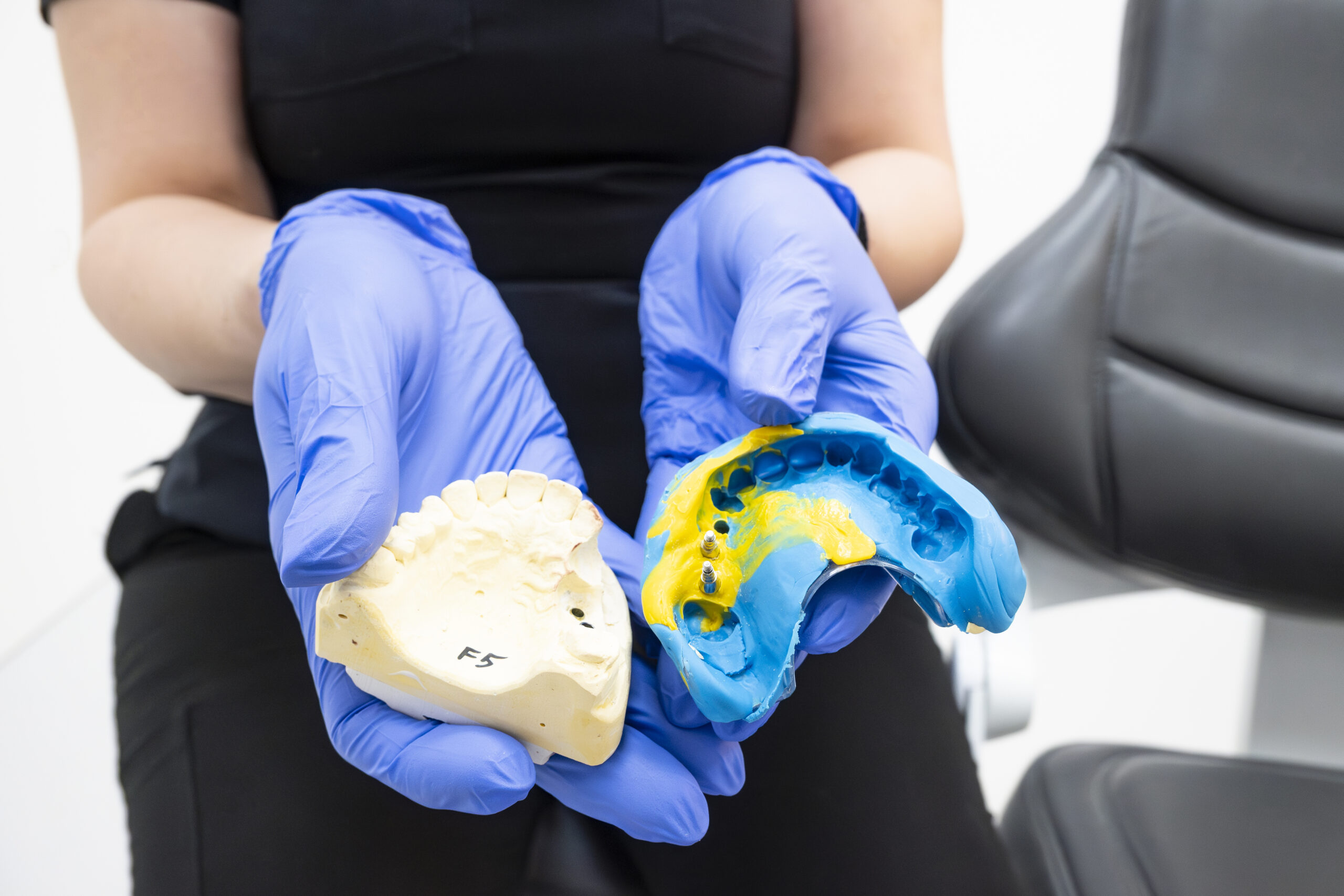
Implantology is one of the fastest-growing fields in dentistry, offering patients a wide range of possibilities and therapeutic methods. In the field of dental implantology, Warsaw Dental Center boasts several high-class specialists who achieve excellent, predictable treatment outcomes. Dental Implants Dental implants represent the most effective alternative to a natural tooth root, both biomechanically and aesthetically. They allow for the placement of various prosthetic reconstructions, such as crowns or bridges, providing patients with stability and comfort. The dentist places implants in the jawbone’s alveolar process of the mandible or maxilla. Thanks to them, prosthetic works are not only stable but also do not shift in the oral cavity, resulting in patient comfort during daily oral hygiene and normal functioning. The most commonly used material for dental implant production is titanium or its alloys, which are biocompatible and safe for the surrounding tissues. Their high affinity for oxygen eliminates the risk of the body’s immunological reaction, making them an ideal choice for patients. Compared to other methods of filling interdental spaces, implants do not require intervention in adjacent teeth, thus protecting the patient’s natural tooth structure. They help avoid the need to grind adjacent teeth, which often leads to weakening them. To achieve optimal therapeutic and aesthetic results in implant prosthetics, it is essential for clinics to be equipped with state-of-the-art medical equipment and to use certified materials and implants of the highest quality. An experienced doctor also plays an important role in performing procedures with the utmost care and precision. An important aspect often raised by patients is the fear of pain during the implantation procedure. However, thanks to the use of effective local anesthesia or sedation, the implantation procedure is entirely painless, allowing patients to feel comfortable and safe. Contrary to common belief, implantation is less invasive than many other dental procedures, such as tooth extraction. Most patients can return to normal functioning as soon as the day after the implantation procedure.
Does stress affect oral health?
Stress accompanies us in various life situations, whether they are related to work or personal life. It not only affects psychological aspects but also has a significant impact on the health of the entire body, including the oral cavity. Learn how stress can negatively affect oral health and overall body condition, as well as how to deal with its effects. Does Stress Have a Negative Impact on Dental Health? Stress can have a complex impact on oral health. Although it doesn’t always directly lead to deterioration of dental health, prolonged or intense stress can result in harmful habits such as teeth grinding or clenching. These habits can lead to tooth damage and worsen their condition. Additionally, stress can influence our diet. People experiencing chronic stress often reach for snacks and food rich in sugars and fats, which can contribute to tooth decay. Poor dietary habits and irregular meal consumption can also increase the risk of plaque formation, which in turn can lead to periodontal disease. To take care of your teeth, it’s important to reduce stress and lead a healthy lifestyle, including a healthy diet and regular oral hygiene habits. Are Teeth Grinding and Mouth Ulcers Symptoms of Stress? Teeth grinding, also known as bruxism, is a common phenomenon associated with stress. Due to tension, both during sleep and while awake, people often unconsciously clench their jaws and grind their teeth. This habit can lead not only to tooth damage but also to discomfort such as temporomandibular joint pain and headaches. Mouth ulcers, or oral mucosal ulcers, are another problem often associated with stress. Although there are many factors contributing to the occurrence of mouth ulcers, stress can weaken the body’s immune system, making them more likely to occur. Mouth ulcers can be painful and can interfere with daily functions such as eating and speaking. If you’re dealing with teeth grinding or mouth ulcers, it’s worth consulting a doctor to learn the best methods to manage and alleviate their symptoms. Can Stress Harm Your Gums? Stress can negatively impact the health of your gums. People exposed to stress are more susceptible to bacterial infections in the oral cavity, which can lead to gum inflammation. In its advanced form, inflammation can progress to periodontal disease, a serious gum disease that can even lead to tooth loss. Additionally, stress can reduce the body’s ability to regenerate and fight infections, delaying healing processes in the oral cavity. How to Take Care of Your Oral Health? To ensure healthy gums and teeth and minimize the negative impact of stress, it’s important to follow a few simple rules: Balanced diet: Limit sugar and fats intake while ensuring an adequate amount of vitamins and minerals Prevention of teeth grinding: If you notice teeth grinding, consult a dentist who can recommend special night guards or appliances Relaxation techniques: Regularly practice relaxation techniques such as breathing exercises, yoga, or meditation to reduce stress levels Regular dental visits: Regular check-ups with a dentist allow for early detection of potential problems and effective treatment Why Are Regular Dental Visits Important? Regular check-ups with a dentist or dental hygienist are essential for maintaining oral health. During these visits, the condition of teeth and gums can be effectively monitored, professional advice on oral hygiene can be obtained, and preventive treatments can be performed. Early identification of potential problems helps avoid more serious complications and costly treatments in the future. Effects of Stress on Oral Health – How to Prevent Them? Stress can significantly affect the health of our oral cavity, causing teeth grinding, mouth ulcers, or gum problems. Therefore, it’s important to counteract stress through proper diet, relaxation techniques, and regular visits to the dentist or dental hygienist. Take care of your oral health – schedule a visit to Warsaw Denta Center today at +48 22 542 18 04.
How smoking cigarettes affects teeth and oral health
Statistics clearly show that as many as one in four people in Poland regularly smoke cigarettes, which poses a significant health problem in our society. Despite widespread awareness of the negative impact of smoking on overall health, many people underestimate the effects of this habit on oral health and teeth. Many smokers lack knowledge about the link between smoking and periodontal diseases, leading to neglect of this aspect of health. Below, we present key information on this topic to increase public awareness and encourage preventive action. Cigarettes and oral health – the effects of smoking on teeth and oral cavity Maintaining proper oral hygiene becomes a challenge for people who smoke cigarettes. Toxic substances present in tobacco not only negatively affect the oral flora but also increase the risk of various oral diseases. Tooth discoloration – the effects of smoking and methods of removal Smoking cigarettes is not only a harmful habit for health but also a serious aesthetic problem. Nicotine, present in cigarette smoke, combined with oxygen, gives teeth an unsightly yellowish color. These discolorations can start from subtle changes, such as slight staining, to noticeable yellowing, significantly deteriorating the appearance of the smile. Over time, lack of proper oral hygiene leads to the accumulation of dental plaque, which promotes the absorption of nicotine and tar substances, leading to deepening discoloration. Moreover, dental calculus not only negatively affects the aesthetics of teeth but also promotes the development of cariogenic bacteria, which can result in serious damage. Fortunately, there are dental methods that can effectively remove discolorations and restore teeth to their natural color. Available treatments include professional cleaning, bonding, veneers, and crowns. The choice of the appropriate method depends on the individual needs and preferences of the patient, who should consult a dentist to make the right decision. How to avoid bad breath in smokers Smoking cigarettes can lead not only to nicotine addiction but also to breathing problems. A variety of harmful chemicals present in cigarette smoke, such as ammonia, carbon monoxide, or phenol, deposit in the oral cavity, throat, and lungs, causing unpleasant breath, known as smoker’s halitosis. It is worth noting that smokers have much more difficulty maintaining proper oral hygiene, which often leads to periodontal diseases and tooth decay. The mechanism of these diseases is mainly based on the development of bacteria that produce unpleasant odors. To avoid this problem, smokers should take special measures to maintain fresh breath and a healthy oral cavity. Weakening of bone tissue blood circulation Weakening blood circulation is also a result of tobacco consumption. This habit leads to impaired blood circulation in bone tissue, which in turn negatively affects tissue healing processes. Additionally, it may hinder or limit the performance of certain medical procedures. This is significant in terms of the effectiveness of implant procedures, where impaired blood circulation may disrupt the integration of the implant with the bone, and in extreme cases, even cause its rejection. Impairment of salivary gland function Tobacco smoke adversely affects the functioning of salivary glands, leading to impaired function. As a result, there is increased activity of submandibular and sublingual glands in smokers, resulting in changes in saliva composition. In smokers, saliva becomes thicker, losing its natural moisturizing properties, and weakening its protective functions. Dry mouth promotes the development of fungal infections and inflammatory conditions, which can exacerbate oral health problems. Negative effects of smoking cigarettes on oral health Smoking cigarettes can increase the risk of many oral diseases, including: Tooth decay, Gum inflammation, Inflammation of the cheek mucosa, Tongue inflammation, Alveolar bone resorption, Dry mouth (xerostomia), Halitosis (bad breath), Leukoplakia (white patches on the cheek mucosa and tongue), Oral candidiasis (thrush), Salivary gland inflammation, Salivary gland stones. How can smokers take care of their oral and dental health? Regular performance of high-quality oral hygiene procedures several times a day is crucial. Additionally, it is important to undergo professional cleaning at least twice a year in a dental office and to regularly attend dental consultations. However, the most important step in maintaining overall oral health is to quit smoking cigarettes. For smoking patients, our clinic offers a wide range of services aimed at improving smile aesthetics and comprehensive dental treatment. We have highly qualified medical staff and state-of-the-art equipment, guaranteeing satisfactory therapeutic and aesthetic results. Testimonials from our patients confirm the effectiveness of our actions.

3 Unexpected causes of bad breath
Walking around with bad breath is not only harmful to your health, but also disruptive to those around you. One of the most common causes of bad breath is the accumulation of germs and bacteria in the mouth. If it is not cleaned regularly, over time a condition called halitosis or persistent bad breath develops. Anyone can do without this oral disease because it is especially bothersome for people you come into regular contact with. 3 Unexpected causes of bad breath 1.Poor oral hygiene can cause bad breath However, this particular cause may not be too surprising, as not brushing your teeth for even a day can cause people to run in the opposite direction when they see you. One of the most common causes of bad breath is food accumulating in the mouth. Every time you eat, tiny food particles can stick to your teeth and sometimes get stuck between them. This can cause bacteria to accumulate in the mouth and produce an unpleasant odor. Brushing and flossing after each meal helps remove these food particles, thereby preventing the build-up of bacteria that often leads to bad breath. Drink plenty of water to prevent bad breath. Even if you can’t brush your teeth right after each meal, drinking water should help get rid of food particles. This will cause less bacteria to accumulate, which in turn will prevent bad breath from occurring. It is better to drink water after a meal than sweet drinks, as sugar promotes the growth of bacteria. 2. Bad breath can be caused by alcohol Alcoholics are one of the most common people to suffer from bad breath, including a number of health problems that adversely affect their digestive system. When alcohol is consumed, it passes directly into the bloodstream through the small intestine and the lining of the stomach. This route bypasses the standard digestion process, which means that any harmful substances you consume are not broken down properly in the digestive chain. This harms internal organs, including the esophagus, which also causes bad breath. Alcohol causes excessive vomiting and belching, which causes acids and chemicals from inside the body to flow back into the mouth. Therefore, alcohol is one of the main sources of bad breath. 3. Skipping breakfast can cause bad breath Saliva is a substance naturally occurring in our body that keeps the mouth, esophagus and digestive tract clean. Breaking the fast in the morning regenerates saliva so that the digestive system can continue to do its job. Skipping breakfast stops the entire process by introducing certain compounds into your mouth that not only lead to dryness but also bad breath.
Dental treatment during pregnancy – Is it safe?
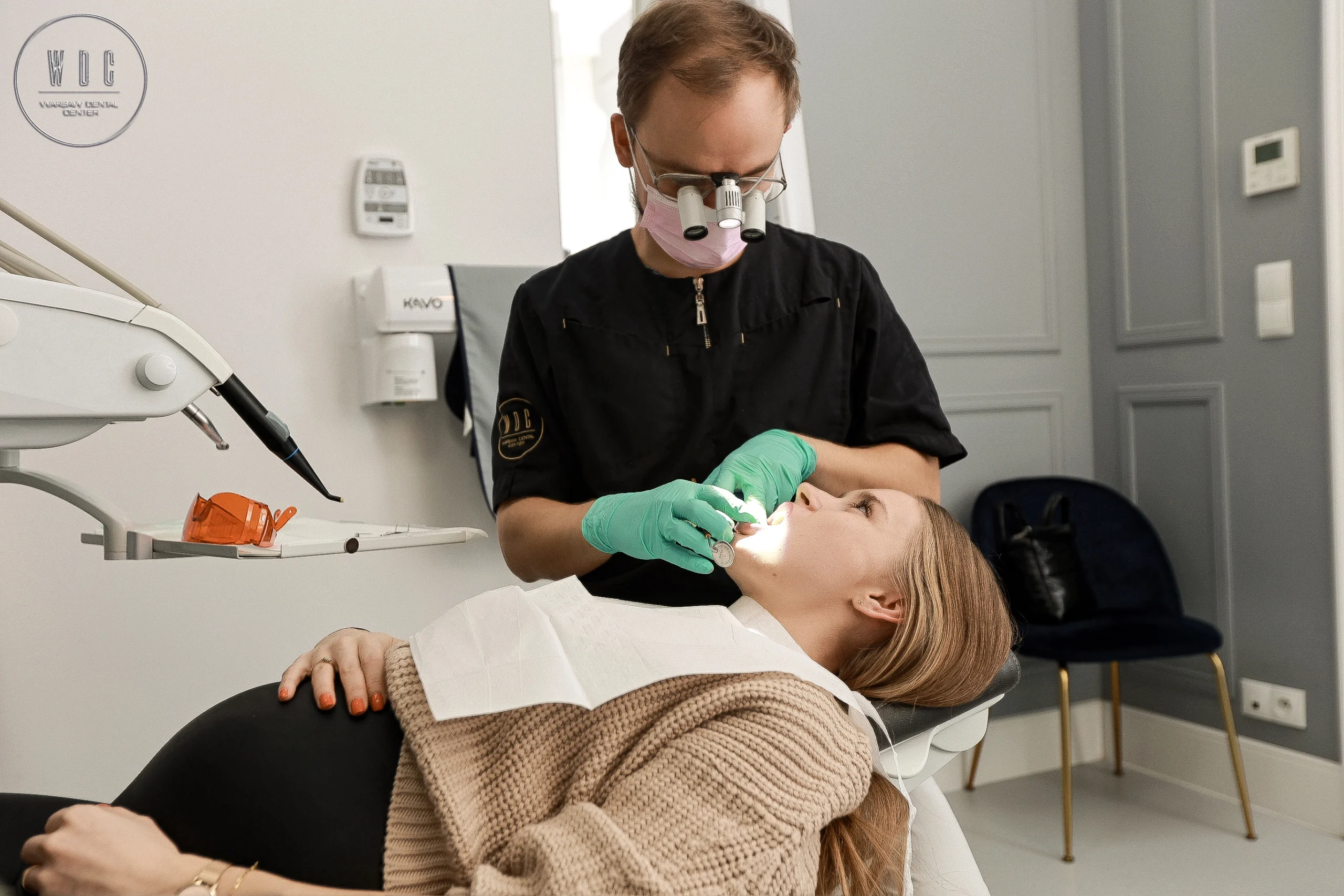
Dr. Bartosz Leończak performs a procedure on a pregnant patient Dental Treatment During Pregnancy – Is It Safe? The answer is yes! It is safe, but there is a lot of information to consider. Oral health during pregnancy requires special attention. Oral Health during Pregnancy During pregnancy, the risk of gingivitis and caries increases due to various factors: Gingivitis – Bacterial buildup is the main cause of gingivitis. During pregnancy, hormones can increase the response to bacteria in the gum tissue, causing this condition. Cavities – It is also worth paying attention to the risk of caries during this period. Pregnancy changes a woman’s diet, often causing cravings for foods that can increase the risk of tooth decay. Additionally, acidity in the mouth, caused by e.g. frequent vomiting, may lead to weakening of the enamel and susceptibility to caries. For this reason, the special importance of daily oral care during pregnancy should be emphasized. By taking care of her oral health, a woman has a chance to have a positive impact not only on her own health, but also on the health of your child. You should not be afraid of visiting the dentist during this period, as professional teeth cleaning is considered safe dental treatment during pregnancy. X-rays Most dental procedures and routine checkups require X-rays. Good news! Studies have shown that the use of these procedures does not pose a threat to pregnant patients, provided that a protective cover is used for the abdominal cavity and thyroid gland. To sum up, it is always recommended to consult your midwife and dentist before undertaking any dental procedures during pregnancy. The Warsaw Dental Center team is available to answer all your questions and concerns!
Can migraine and toothache be related?
Did you know that there are many cases where migraine and toothache can be related? Even though these are two different ailments, sometimes they can occur simultaneously and worsen each other. Migraine is a disease that manifests itself with severe headaches, often accompanied by nausea, photophobia and/or visual disturbances. In turn, toothache may be caused by infection, damage, decay or other dental problems So how can these two different conditions be related? There are several scenarios that could explain this: Muscle tension: Some people who suffer from migraines experience muscle tension in the face and neck area, which can lead to toothache. This tension may be the body’s response to a headache. Stress and body reaction: Both migraine and toothache can be caused by stress. Stress can lead to excessive jaw tightening, which can cause toothache and at the same time make migraines worse. Dental problems and migraine: Dental infections, gum disease or even pain caused by misaligned teeth can trigger an inflammatory response in the body. This inflammatory response can, in turn, worsen the migraine or be one of its triggers. Neuralgic connections: There is a complex network of nerves in the head and neck area that allows pain from one area to radiate to another. This means that a toothache can lead to a radiating headache, and a migraine can cause a toothache. It is worth remembering that each case may be different. If you experience both a migraine and a toothache, it is worth consulting a doctor or headache specialist and a dentist. Diagnosis and treatment can be more effective when you understand whether the two problems are related or not.
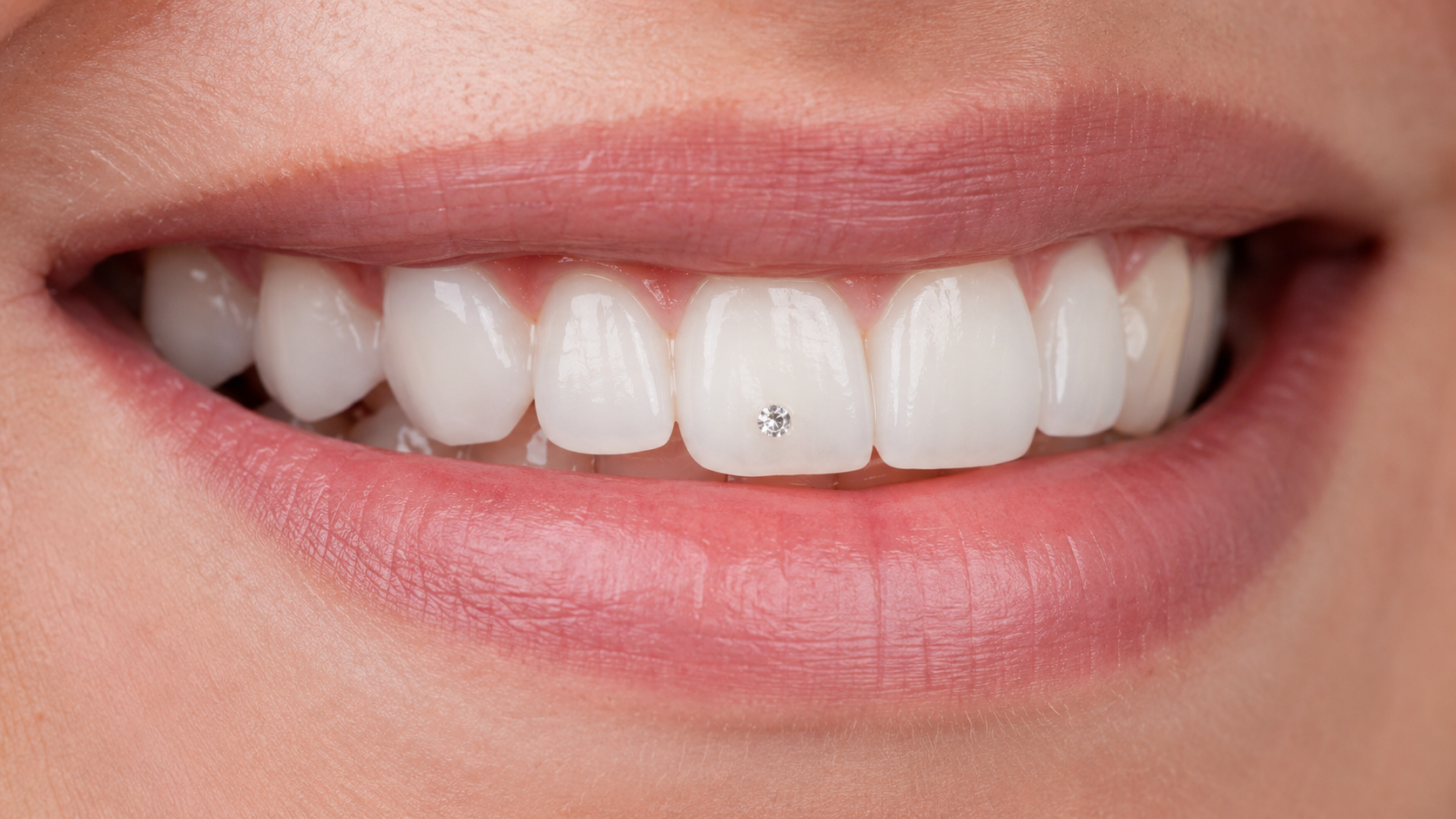
Dental jewelry, i.e. twinkles – hit or miss?
Today in the “Question for breakfast” program we had the pleasure of hosting Dr. Urszula Leonczak, who presented a new trend in the field of aesthetic dentistry and its impact on health.