


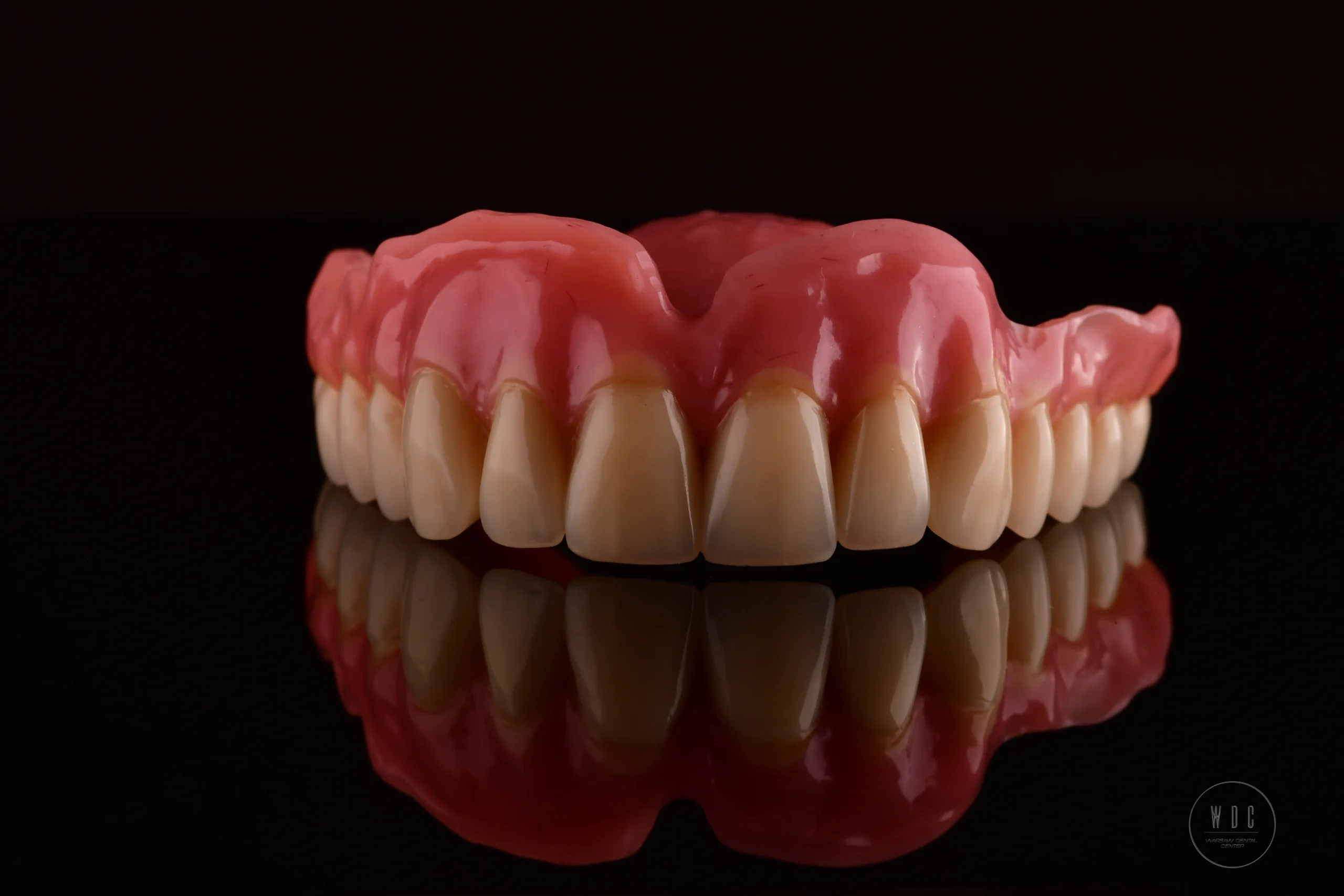
Tooth loss can have serious consequences, affecting not only health but also overall quality of life. Missing teeth can impact appearance, speech, and everyday functioning. Modern dentistry offers effective solutions for people struggling with edentulism, with innovative denture systems on 4 implants or 6 implants standing out. Both methods allow patients to quickly restore full dental function, providing a natural look and comfort comparable to real teeth. How Do All-on-4 and All-on-6 Work in Warsaw? Both All-on-4 and All-on-6 involve securing a full denture on dental implants. The main difference lies in the number of implants used: All-on-4 – The denture is supported by four strategically placed implants in the upper or lower jaw. All-on-6 – Six implants are used, offering increased stability and durability. Both methods provide a permanent solution for patients with total tooth loss, restoring confidence and improving quality of life. All-on-4: Fast Tooth Restoration with Four Implants The All-on-4 technique allows for securing a full denture on four implants. This is a less invasive method, enabling patients to regain full oral functionality in a short period. Benefits of All-on-4: ✅ Short Treatment Time: Teeth restoration can be completed in just one visit. ✅ Minimally Invasive: Suitable even for patients with insufficient healthy bone. ✅ Comfort and Stability: A fixed denture allows for easy eating and speaking. ✅ Cost-Effective: More affordable than more advanced implant methods. All-on-6: A Stable Solution with Six Implants The All-on-6 method is a more advanced approach that offers even greater durability and stability. A denture secured on six implants is especially recommended for patients with significant bone loss or higher functional demands. Benefits of All-on-6: ✅ Maximum Stability: Six implants ensure better distribution of chewing forces. ✅ Natural Appearance: The denture is crafted with attention to detail, closely resembling natural teeth. ✅ Jawbone Preservation: Implants prevent bone loss, which often occurs after tooth loss. ✅ Long-Term Durability: A lasting solution for those seeking stability and comfort. Potential Challenges with Dentures on 6 Implants ❌ Higher Cost: More implants result in increased treatment expenses. ❌ Bone Requirements: Sufficient healthy bone tissue is necessary for implant placement. ❌ Longer Recovery Time: The healing process may take longer compared to less complex procedures. All-on-4 vs. All-on-6: Which Should You Choose? The choice between All-on-4 and All-on-6 depends on the patient’s individual needs and anatomical conditions. All-on-6 offers greater stability due to two additional implants and is recommended for patients who need stronger denture support, especially in cases of significant bone loss. All-on-4 and All-on-6: Cost in Warsaw for 2025 The cost of an All-on-6 procedure can vary depending on several factors, such as the clinic’s location—prices tend to be higher in major cities. The experience and reputation of the specialist, as well as the materials used, also play an important role. In Poland, the cost of a denture on six implants ranges from 50,000 PLN to 80,000 PLN, making it a long-term investment for those seeking a reliable replacement for natural teeth. Check our price list and schedule a consultation to learn the full cost of your treatment. The price of both All-on-4 and All-on-6 procedures varies based on factors such as the clinic’s location, the specialist’s experience, and the materials used: All-on-4: The estimated total cost for the upper or lower jaw in Warsaw is approximately 60,000 PLN (including implant placement and denture attachment). All-on-6: The cost for a denture on six implants in Warsaw ranges from 50,000 PLN to 80,000 PLN. Schedule a Consultation We invite you to consult with our specialists, Dr. Bartosz Leończak or Dr. Aleksandra Kostrz, who specialize in dental restorations on 4 or 6 implants at Warsaw Dental Center. Conclusion Both All-on-4 and All-on-6 are modern and effective methods for treating edentulism, allowing patients to regain a beautiful smile and a higher quality of life. Choosing the right method should be done after consulting with an experienced specialist who will assess your individual needs and recommend the best solution.
Which prosthesis to choose for someone with allergies?
A prosthesis is one of the most commonly used methods to restore a cosmetic smile for individuals who have lost their teeth due to various reasons. Unfortunately, many people with allergies cannot use them because prostheses are often made with metals that can trigger allergic reactions. What types of prostheses available on the market can be used by people with allergies? How do you recognize an allergy to a prosthesis? How to Recognize a Prosthesis Allergy? An allergy to a prosthesis is typically a contact allergy, which occurs when the allergenic material comes into contact with the body. It often manifests as redness or swelling in areas of the oral cavity where the prosthesis touches the mucous membrane. Patients may also experience itching or burning in the mouth. If such symptoms or other concerning signs are noticed, it is important to consult a doctor promptly. Suitable Prosthesis for Allergics While many prostheses contain metal elements, there are also options available on the market that do not. One such solution is acrylic prostheses, which not only do not cause allergies but also boast flexibility and durability. They are suitable even for individuals who no longer have their natural teeth. Allergics may also consider acetal and nylon prostheses, although these are typically used for individuals who still have some of their own teeth. If in doubt, consulting with a prosthetist is advisable. Choosing the right prosthesis is crucial for comfort and oral health, especially for individuals with allergies. Thanks to safe options available on the market, even those with allergies can enjoy a beautiful smile.
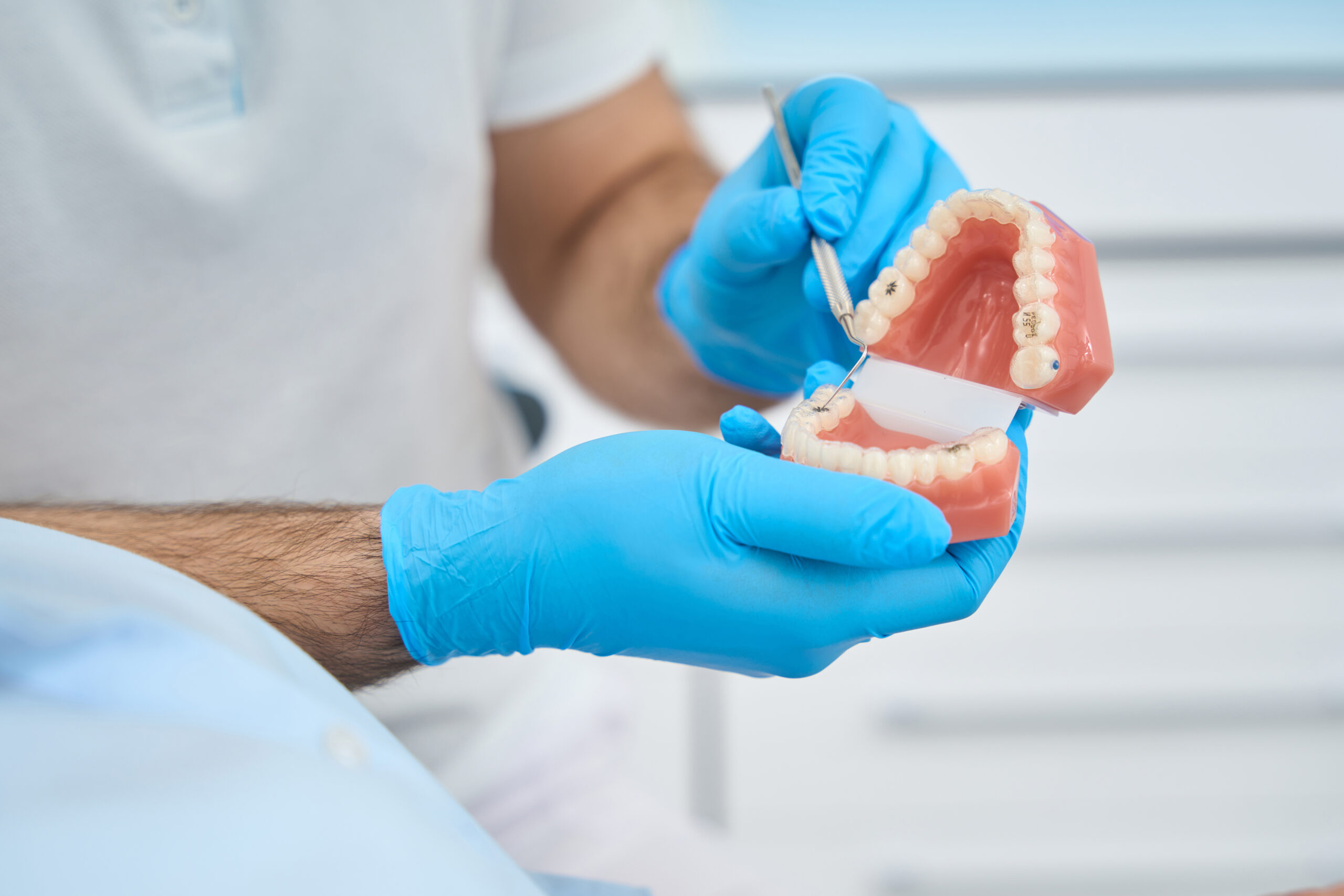
Telescopic Crown – What Is It? Types of Dental Prosthetics
Missing teeth can be a problem that not only affects appearance but also daily functioning. Eating, self-confidence, and social relationships can suffer. In such situations, dentures provide an effective solution, restoring not only functionality but also aesthetics. Telescopic dentures are one such option, providing exceptional stability and wearing comfort. Types of Dentures When choosing dentures, it is important to consider the fit to the oral cavity shape, comfort of use, and durability. Among various types of dentures such as telescopic dentures, acrylic dentures, and skeletal dentures, each has its advantages and applications. Telescopic Dentures consist of two crowns, providing stability and flexibility in use. Acrylic Dentures rest on the gums and are movable, making them comfortable for daily use. Skeletal Dentures, composed of metal or acrylic parts, provide greater stability due to special clasps and snaps, translating to better patient comfort. Choosing the right type of denture should be carefully considered, taking into account the patient’s needs and expectations as well as the dentist’s recommendations. How Do Telescopic Dentures Work? Telescopic dentures are based on an innovative system of two crowns. The first, immovable crown, is permanently attached to the patient’s natural teeth or implants after proper preparation by the dentist. This element, made of metal or ceramic, forms the foundation of the denture. The second, movable part called the outer crown, is mounted on this crown. Typically made of metal and covered with a layer of porcelain or composite, this part connects the denture to the natural teeth. Who Should Consider Telescopic Dentures? Telescopic dentures are recommended for people with severely worn front teeth and those who suffer from a lack of side teeth or periodontal disease. Especially in the case of patients with periodontitis, the denture plays a stabilizing role for loose teeth, helping to maintain their proper position. Telescopic Dentures – Definition, Benefits, and Drawbacks Telescopic dentures are an alternative with significant durability and longer lifespan compared to acrylic dentures. Their advantages include stable fitting in the oral cavity and excellent adaptation, reducing the risk of displacement or dislodgement during use. Patients quickly adapt to them, and due to the smaller denture base, they have a better sense of taste of foods. Additionally, telescopic dentures do not burden abutment teeth and provide protection against tooth decay, maintaining a natural appearance. However, it should be noted that using this type of denture requires special attention to oral hygiene to avoid inflammation and periodontal diseases. Regular dental check-ups every six months are essential. A drawback of telescopic dentures is also their higher cost compared to traditional dentures. Various Types of Dentures: Acetal, Nylon, Akron Depending on the manufacturing technology, three main types of dentures are distinguished: Acetal Denture – characterized by flexibility and bending resistance. Made of material allowing for perfect adaptation to the shape of the oral cavity and color matching with the dentition. Not recommended for complete toothlessness. Nylon Denture – made of elastic, lightweight material, ensures excellent fit and aesthetics. Clasps for attachment are available in tooth color, making the denture discreet. It can be an alternative to acrylic dentures. Akron Denture – made of thermoplastic acronite, it is characterized by high durability and user comfort. It perfectly matches the patient’s natural teeth, providing an aesthetic effect. The Best Denture for Young Individuals For young individuals, the best solution is a fixed denture anchored on implants, guaranteeing durability and aesthetics. Alternatively, some may opt for crown-root inserts. Removable dentures, although cheaper, are often not preferred by young patients due to discomfort during use.

Oligodontia – congenital absence of teeth
At our clinic, we treat patients with a variety of issues, both aesthetic and serious skeletal defects. One such condition is oligodontia—the congenital absence of at least six permanent teeth. Effective treatment of oligodontia requires a comprehensive interdisciplinary approach to ensure the best results for patients. Oligodontia – What is it? Oligodontia is a rare developmental disorder characterized by the congenital absence of six or more permanent teeth. If 1-5 teeth are missing, it is referred to as hypodontia, whereas the absence of all primary or permanent teeth is called anodontia. The lack of dental buds is the most common developmental dental anomaly, with a prevalence ranging from 0.3% in Israel to 17.5% in Lapland. Causes of Oligodontia Oligodontia and hypodontia can occur as isolated defects or as part of genetic syndromes. They are most commonly associated with ectodermal dysplasia—a rare disorder that also involves developmental anomalies of the hair, nails, and sweat glands. Studies in Norway have shown that 57% of individuals with oligodontia also have other developmental disorders. Symptoms and Diagnosis of Oligodontia In addition to missing teeth, oligodontia often involves other anomalies in the stomatognathic system, such as reduced jaw size, narrower alveolar ridges, or microdontic teeth. The causes of these conditions are usually gene mutations but can also include viral diseases during pregnancy or environmental factors. Diagnosis and Treatment of Oligodontia The diagnosis of oligodontia is based on radiographic images and clinical examination. Treatment requires an interdisciplinary approach, involving an orthodontist, prosthodontist, surgeon, and often a speech therapist, physiotherapist, and psychologist. Treatment Stages: Diagnosis: Detailed examination of occlusal conditions, including condylographic examination. Treatment Planning: Development of an orthodontic treatment plan to create conditions for future prosthetic reconstruction. Preparatory Procedures: Bone augmentation is often necessary due to challenging anatomical conditions. Prosthetic Restorations: Crowns on implants are most commonly used. For patients under 18, temporary solutions such as fixed or overlay dentures are used, provided there are no indications for earlier implantation. Orthognathic Surgery: Orthognathic surgery may be necessary in some cases. Patients can also choose orthodontic camouflage and dental compensation. Properly planned and executed compensatory treatment allows patients with oligodontia to achieve satisfactory permanent dentition, restoring normal chewing, biting, speaking functions, and aesthetics. Summary Oligodontia is a serious condition that requires comprehensive treatment and specialist collaboration. Thanks to modern diagnostic and therapeutic methods, effective management of this condition is possible, restoring full functionality and dental aesthetics to patients.
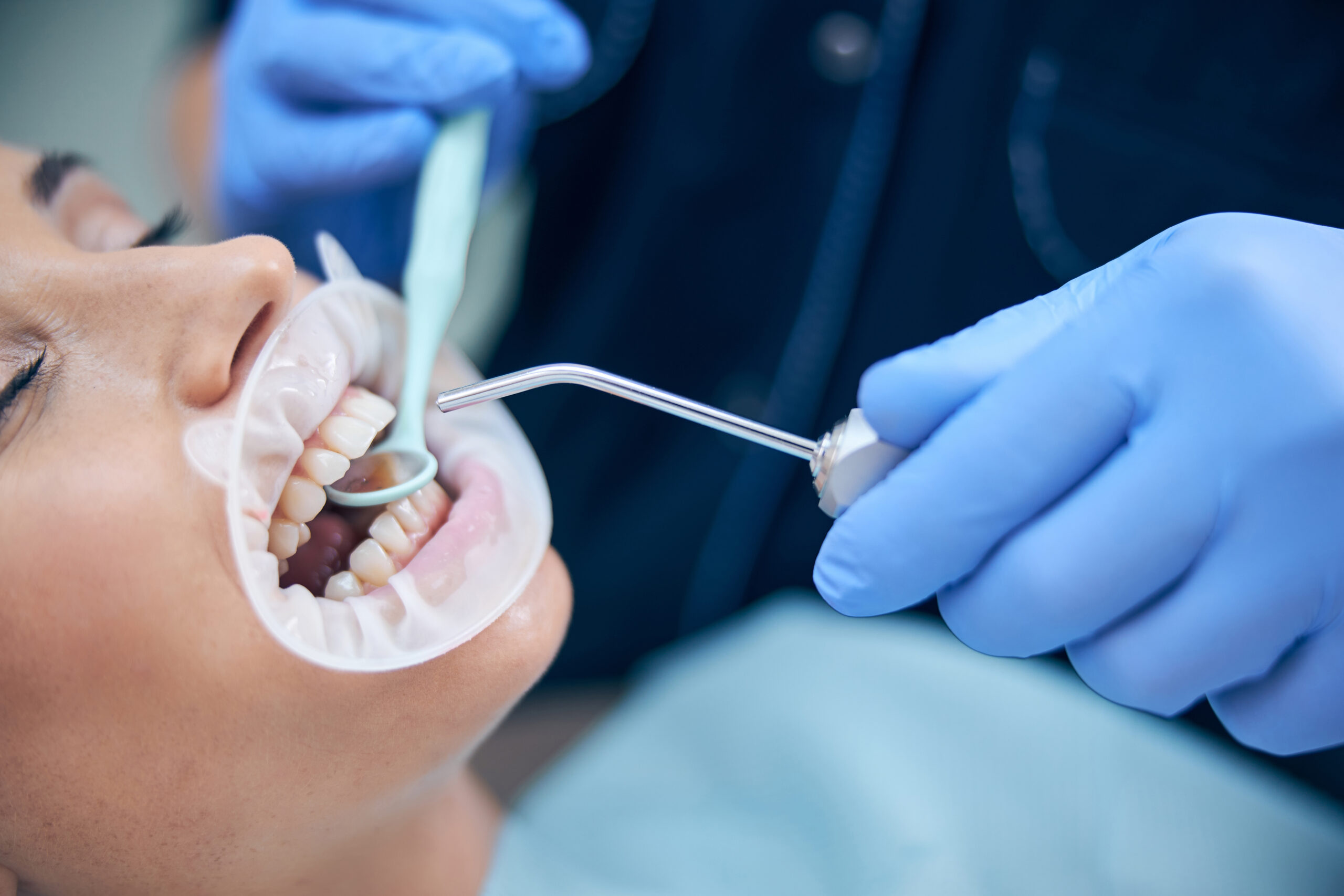
The consequences of neglecting dental care and avoiding prosthetic treatment
Teeth can be lost for various reasons, but most often their removal is necessary due to decay. Many people ignore individual cavities, postponing treatment until the gaps become visible during smiling or speaking. However, this is a mistake – it is important to understand that even after losing a single tooth, it is necessary to replace it to avoid serious health consequences. What are they? Why opt for prosthetic treatment? Dental deficiencies can cause a range of unpleasant consequences. In addition to difficulty in proper chewing, which can lead to digestive problems, unfilled gaps can also cause headaches and other discomforts related to the movement of remaining teeth. The aesthetic aspect should not be underestimated either. Dental gaps not only negatively impact the appearance of the smile but can also cause cheek sagging and increased wrinkles on the face, significantly lowering our well-being. Additionally, untreated gaps can cause speech problems and increase the risk of inflammatory conditions in the oral cavity. They can also negatively affect the condition of the temporomandibular joints. It is worth remembering that prosthetic treatment not only improves our oral health but also positively affects our well-being and smile aesthetics. How to effectively fill dental gaps? Dental prostheses are an ideal solution for such problems. In Warsaw, it is worth visiting a renowned dental center, Warsaw Dental Center, where specialists offer comprehensive prosthetic services. Thanks to prostheses, it is possible to restore full bite functionality, which translates into the patient’s comfort and self-esteem improvement. The key aspect is the individual adaptation of prostheses to the patient’s needs and anatomical conditions. Both full dentures and single gap fillings are available as options. Discover more about prosthetic solutions at Warsaw Dental Center today!
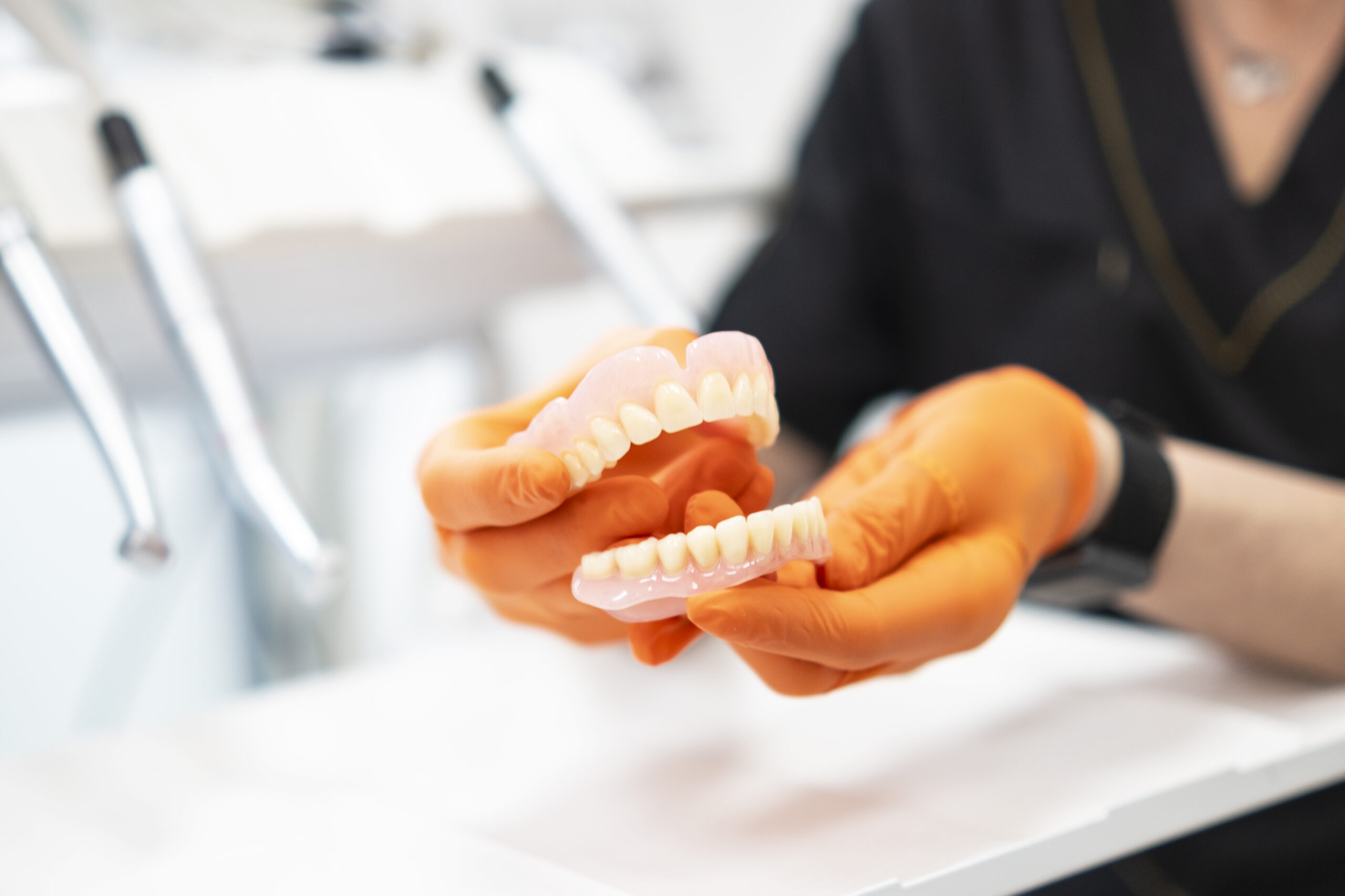
Effects of Wearing Old and Poorly Fitted Dentures
Why is Proper Denture Fitting Important? Dental prostheses need to be perfectly fitted to meet the specific needs of each patient. Unfortunately, many people still use poorly fitted dentures or fail to replace them in time. What are the consequences of this, and how can you recognize when it’s time to replace your dentures? Negative Effects of Improper Dentures Ill-fitted dentures can lead to a range of health problems. Using inappropriate materials can trigger allergic reactions, causing pain and discomfort. Moreover, poorly fitted dentures make eating, speaking, and smiling difficult, thereby lowering the quality of life. Difficulties in chewing can result in swallowing larger food pieces, leading to digestive issues. Oral irritations caused by poorly fitted dentures can promote infections, requiring additional treatment. In the long run, using such dentures negatively impacts the patient’s well-being and self-esteem. How to Recognize if Dentures Are Improperly Fitted? Here are a few signs that may indicate improperly fitted dentures: Discomfort or pain: If you experience discomfort or pain after wearing dentures, consult with your dentist. Unnatural movement: Dentures should not shift or fall out, for example, when sneezing. Irritations and infections: Frequent oral irritations could be a sign of poorly fitted dentures. Changes in the oral cavity: Every few years, it’s essential to check for changes in the oral cavity that could affect denture fitting. Regular Check-ups and Denture Replacement To avoid these problems, regular dental check-ups are recommended. At the Warsaw Dental Center in Warsaw, dentists can assess denture fitting and make necessary adjustments or replacements. Regular visits to the dentist help maintain oral health and ensure the comfort of denture use.
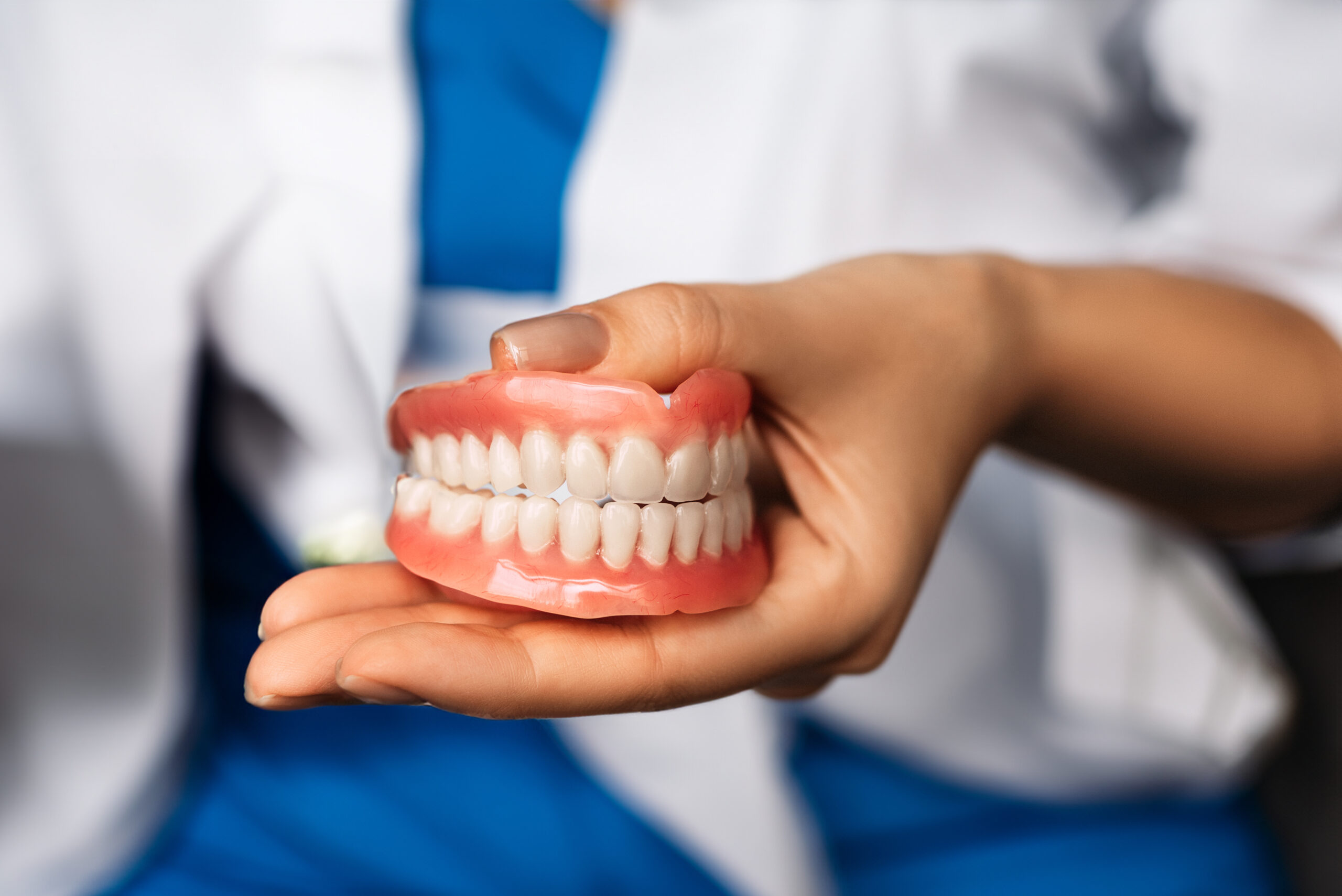
What role does a temporary prosthesis play in the process of placing implants?
Thinking about getting dental implants, but have questions and doubts? Are you looking for answers before making a final decision? That’s completely natural. The decision about implants is a significant step, both financially and personally. Implants can restore your smile and confidence, but you may wonder what the process will be like from tooth removal to implant placement. This period, which can last for several weeks, is necessary for complete wound healing and preparation for implantation. The answer to these questions is a temporary denture. What exactly is a temporary denture? A temporary denture is a personalized solution to replace missing teeth, used while waiting for implants to be placed. The denture allows normal functioning for a short period and does not affect the appearance of the oral cavity. Though it may require some adjustment, wearing it is not painful or very uncomfortable. However, regular wearing and maintenance of the denture are important. In what situations is a temporary denture used? A temporary denture is dedicated to individuals who, for various reasons, cannot immediately receive an implant. There are many reasons why the use of a temporary denture may be necessary, and below are some of them. Lack of available implant The time required to produce an implant depends on many factors, but typically it does not exceed a few weeks. However, there are situations where it may take even a month, due to technical problems, failures, illness of the person performing the implants, or lack of materials. Unforeseen factors often lead to delays, of which we must unfortunately be aware. To avoid leaving the patient with incomplete dentition, a temporary denture is used to mask gaps, allowing for normal functioning. Time needed for wound healing Another reason for using a temporary denture is the need for wound healing, especially after deliberate tooth extraction. For an implant to be placed in the site of the wound, it must be fully healed. The time depends on the individual’s body and other factors and can take several weeks. Can one function normally during this time? Yes, provided there is a temporary denture in the mouth, which is economical and significantly improves the quality of life. The importance of a temporary denture in the preparation process for implant placement After how long from placing the temporary denture can proper implants appear? On average, this takes several weeks, although most clinics strive to shorten this period. However, a temporary denture is essential for normal functioning during this time. Its preparation takes much less time than producing implants, and its application is simple and painless. The temporary denture can be removed and reinserted by the patient multiple times without causing pain. It is made of body-safe materials that do not cause allergies or irritation. Thanks to its flexibility, it easily adapts to the shape of the oral cavity, ensuring comfortable use without discomfort. It is important to maintain the hygiene of the denture, including regular cleaning, rinsing with special tablets, and keeping it clean. We invite you to our dental clinic Warsaw Dental Center in Warsaw, where our experienced specialists will provide comprehensive care for your teeth.
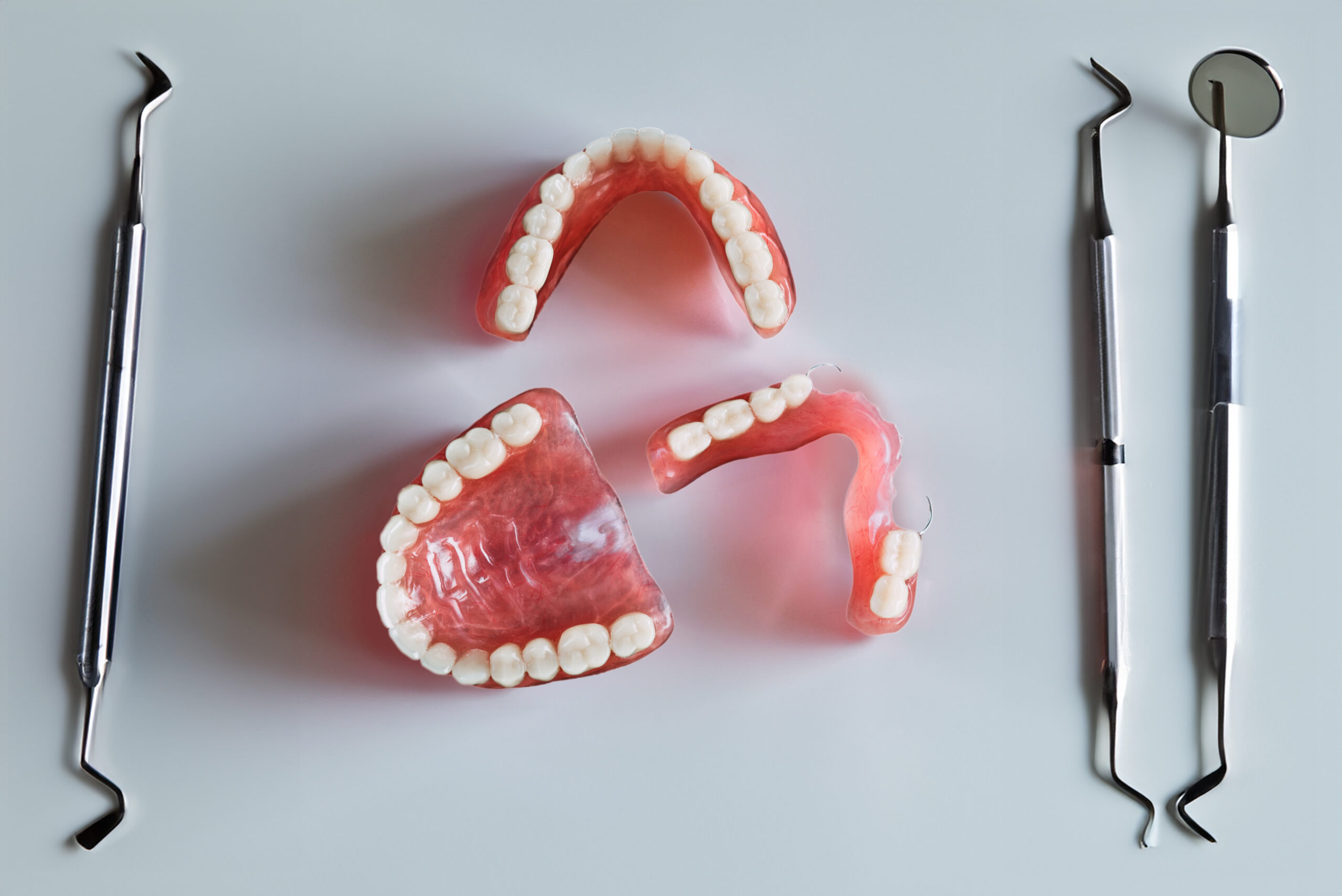
How to properly care for dentures?
The fabrication of a denture for a toothless area of the oral cavity is a significant investment in health. However, for the denture to serve for a long time, proper maintenance is necessary. Cleaning dentures is not complicated. It is enough to familiarize yourself with the basic principles to avoid commonly made mistakes. In addition to caring for dental prosthetic hygiene, it is also important to have knowledge about what to do in case of damage. Basic principles of dental prosthetic care The fundamental principle of caring for dental prosthetics is their regular cleaning, requiring the same consistency as with natural teeth. Proper cleaning of dentures not only extends their lifespan but is also important for maintaining the health of remaining teeth and gums. It removes accumulated microorganisms that can lead to oral infections. During the cleaning of prosthetic replacements, it is recommended to avoid traditional toothpaste as many of them contain abrasive substances that can damage the denture, promoting the accumulation of deposits and contaminants. Cleaning dentures becomes much more effective and safe using products specifically designed for such prosthetic replacements. Cleaning of dentures should cover all surfaces, so it is advisable to use dedicated accessories, such as special double-sided brushes that allow access to the most difficult-to-reach places. The care of dental prosthetics can be effectively supported by using special disinfectant products such as pastes, concentrates, and effervescent tablets. The most popular are tablets that chemically cleanse the replacement and, during dissolution, assist in mechanical cleaning. However, it is important for the primary cleaning method to be mechanical using a brush. Excessive use of chemical cleaning can have a negative impact on the material from which the denture is made. Proper denture hygiene also includes its storage. It is not recommended to remove the prosthetic replacement before sleep unless necessary. In such cases, it is recommended to store it in dry conditions. Denture hygiene does not end with daily cleaning alone. Periodically, it may be necessary to take it to the dental laboratory, where professional denture cleaning and a thorough examination of their condition will be carried out. Such actions are crucial for maintaining the high quality and aesthetics of the prosthetic replacement. How often to clean dentures? The optimal frequency of cleaning dentures is at least twice a day – in the morning and evening. Even better, if the patient has the opportunity to clean the denture during the day, which positively affects not only appearance and health, but also well-being and comfort during meals. Residues of food left on the surface of the denture can interfere with taste sensations during subsequent meals. Regularly maintaining cleanliness of the denture contributes to maintaining oral hygiene and preventing potential health problems. Home methods for denture cleaning Periodic cleaning of dentures can also be done using simple household items. Immersing the denture in a solution of baking soda and vinegar is an effective way to disinfect it. However, it is important to remember to thoroughly rinse the denture after using home cleaning methods. This ensures the removal of any remaining substances that could potentially irritate the mucous membrane. What to do in case of denture damage? In the event of denture damage (e.g., breakage, cracking, tooth or clasp detachment), immediate consultation with a dental office or dental technician is essential. They will handle the professional repair of the replacement. Regardless of how tempting it may be to repair the denture independently, it should be avoided, as it may result in permanent damage. To maintain the denture in excellent condition, regular check-ups with the dentist are necessary. They will assess when the denture needs correction, professional cleaning, or even replacement with a new one. Systematic checks also allow for the early detection of any abnormalities in the oral cavity. This ensures the full functionality of the denture, and the health of the oral cavity remains under the constant care of specialists.
What are the consequences if you don’t replace a missing tooth?
Tooth loss is not only an aesthetic issue, but a problem with broader consequences. This not only affects appearance, but also affects aspects of daily life such as eating, speaking, and oral health and structure. Despite the availability of modern treatments such as dental implants, dentures and bridges, some people choose to ignore the need to replace missing teeth. Our dentists are here to take a closer look at some of the consequences of untreated tooth loss. Difficulty eating and speaking One of the first areas of life affected by tooth loss is diet. Missing teeth can lead to swallowing food without chewing it properly or even giving up eating certain foods. Such habits can lead to digestive problems and malnutrition. Additionally, tooth loss may interfere with the correct pronunciation, making it impossible to pronounce certain words clearly. In some cases, a lisp may even develop, potentially affecting social interactions. Oral health problems Untreated tooth loss increases the risk of gum disease and bacterial infections. Additionally, the changing position of the remaining teeth can lead to oral space problems such as crowding, crookedness, and uncomfortable pressure. Bone loss and facial sunkening Despite the apparent invisibility of tooth loss, especially in the back of the mouth, the consequences are more significant than they seem. Lack of stimulation of the jawbone causes it to shrink and atrophy, resulting in a sagging chin and mouth. Dental implants provide an effective solution by replacing the roots of missing teeth and maintaining a youthful facial structure. Ready for tooth loss solutions? If you are experiencing the loss of one or more teeth, please contact us on +48 22 542 18 04 to make an appointment at Warsaw Dental Center. Our specialists will be happy to discuss surgical and non-surgical options for tooth replacement with you. Take care of your oral health and restore your smile!
When should you consider implant treatment at age 4?
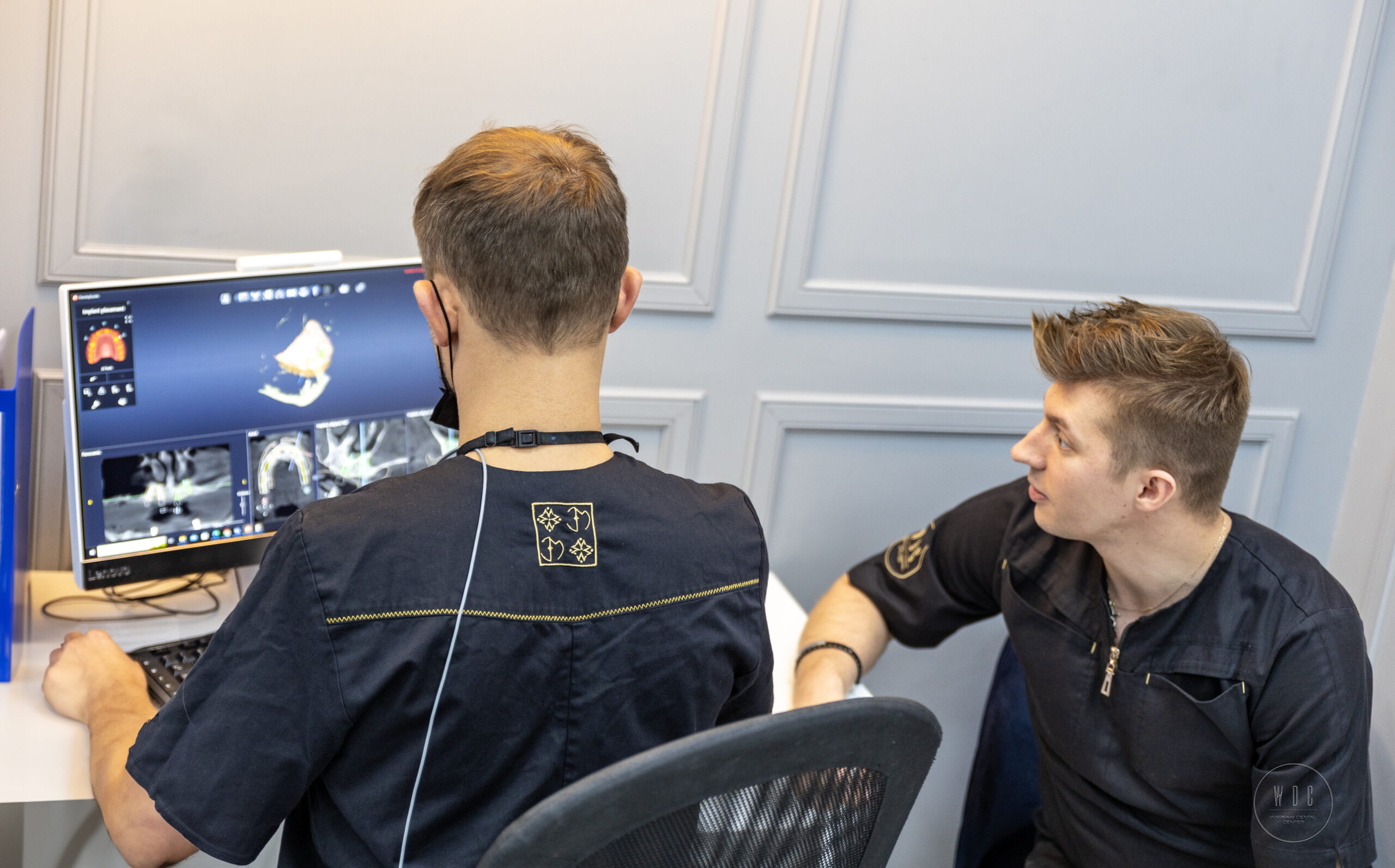
Dr. Bartosz Leończak and Łukasz Stefański planning the all on 4 procedure Tooth loss, resulting from a variety of factors such as oral health problems, trauma, or advanced tooth decay, can significantly impact oral function. It is necessary to effectively solve this problem, and one of the most modern approaches is the reconstruction method with 4 implants. What is a 4 restoration dental implant? 4-up restorations, also known as full-arch implants, consist of four titanium implant posts connected to a denture panel. They are placed at fixed intervals in the jawbone along the dental arch. The main goal of this technique is the comprehensive reconstruction of the dental arch, improving both the aesthetics of the smile and the effectiveness of the bite. Reconstruction implantation procedure on the 4th stage A perfect alternative for missing teeth. Minimal treatments, taking approximately two hours for each arch. It avoids the need for bone grafts by placing implants in the densest areas of the jaw. The entire procedure, from implant placement to prosthesis attachment, can be completed in one session. Differences between the 4-piece reconstruction system, dentures and traditional implants: Traditional implants vs. reconstruction on 4: Both procedures involve placing metal implants into the jawbone. The 4 restoration method is less invasive, using only four implants instead of 8-10, eliminating stress on the face and reducing healing time. Dentures vs. reconstruction on 4: Dentures are a cheaper option but require regular removal and cleaning. reconstruction on 4 is a more permanent solution because the implants are permanently attached. It does not require frequent updates, which increases patient comfort. Advantages of dental restoration treatment in 4: Fast and safe procedure. Less invasive compared to other reconstructive procedures. Effective in many cases of tooth loss. Easy to keep clean, just like natural teeth. No need to use glue. Comfortable, without rubbing the gums. High-quality aesthetic results. No need to give up specific diets. Improved self-esteem and overall well-being. Restoring facial proportions and minimizing bone degradation. In conclusion, 4-type reconstruction implants are becoming a popular choice due to their effectiveness, speed of the procedure and comfort for patients. This allows you to achieve a natural smile in a short time and shortens the recovery period compared to other methods.