

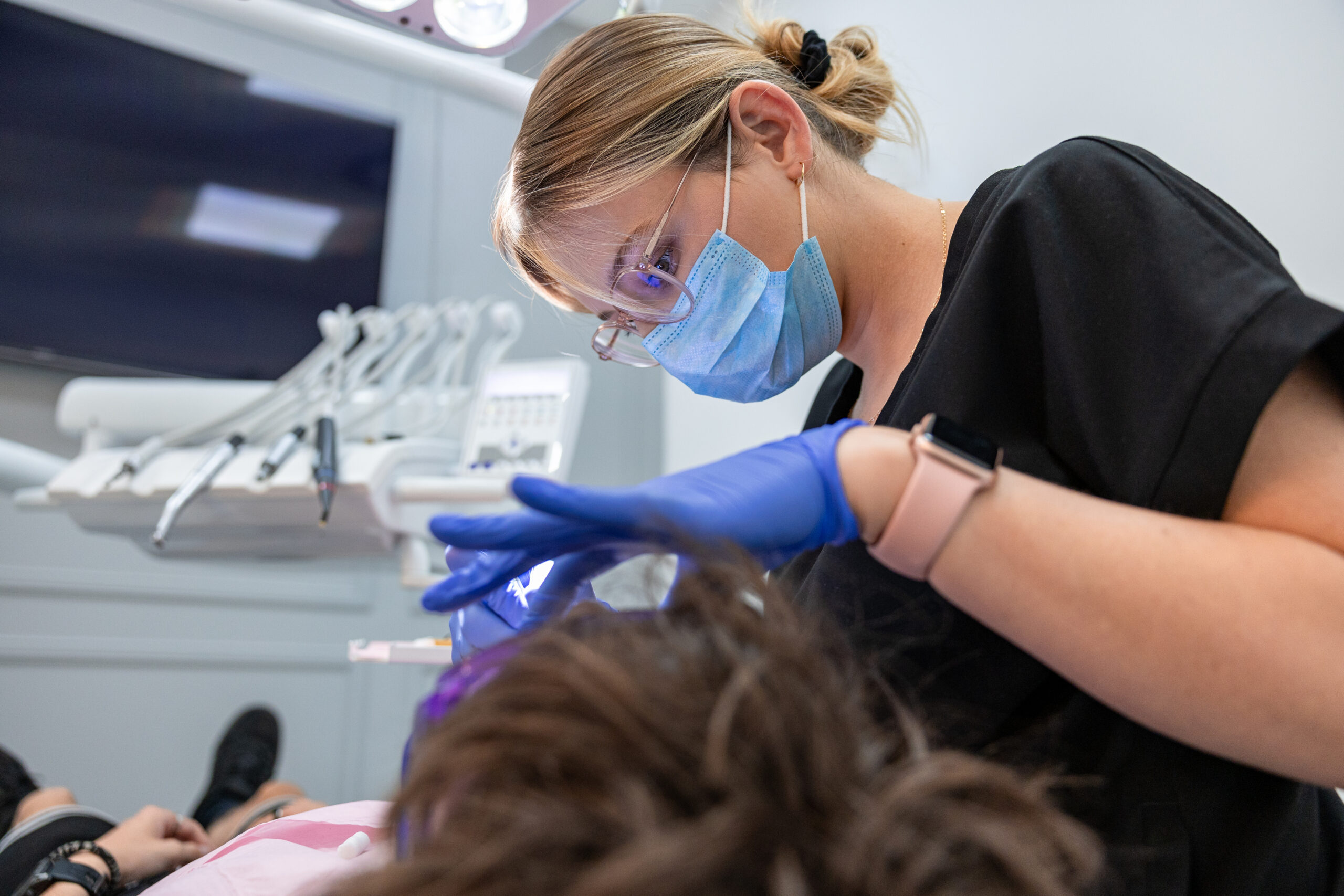
Transform Your Smile: Modern Orthodontic Treatment in Warsaw A beautiful smile is an investment in your appearance, health, and confidence. Modern orthodontics is so much more than traditional metal brackets : today’s advanced systems allow you to achieve your dream results in an effective and comfortable way.In Warsaw, you’ll find orthodontic clinics offering treatment plans tailored to each patient’s age, lifestyle, and expectations. Below, we present 6 detailed reasons why you should consider getting braces : along with an overview of the treatment process from your first visit to your final smile. 1. A Straight Smile : Aesthetics, Health, and Comfort Straight teeth make your smile more harmonious and give your face better symmetry. Orthodontic treatment works by gradually moving the teeth into their correct position using fixed braces or clear aligners. In Warsaw, digital treatment planning is increasingly popular, allowing you to preview the expected results before the treatment even begins. 2. More Self-Confidence : A Life-Changing Effect A beautiful smile influences how others see you and how you see yourself. Many patients say that after orthodontic treatment, they smile more often, participate more actively in social situations, and feel more comfortable speaking. Treatment can take anywhere from several months to around two years, and regular appointments at a centrally located Warsaw clinic help you stay motivated and track your progress. 3. Better Oral Hygiene and Health Crooked teeth are harder to clean, increasing the risk of cavities and gum disease. Braces align your teeth, making brushing and flossing easier and more effective. In modern Warsaw clinics, patients receive personalized oral hygiene instructions to ensure that treatment is not only effective but also supports long-term dental health. 4. Facial Aesthetics : It’s Not Just About the Teeth Correct tooth and jaw alignment can subtly enhance your facial features. Improving your profile, providing better lip support, and achieving a harmonious smile can make your face look younger and more balanced. In many cases, these changes become noticeable after just a few months of treatment. 5. Correcting the Bite and Protecting the Jaw Joints A misaligned bite can cause tooth wear, muscle tension, headaches, and temporomandibular joint (TMJ) problems. Braces correct the position of the teeth and jaw, restoring proper function to the entire chewing system. In Warsaw, orthodontists often work alongside dental physiotherapists to achieve lasting, healthy results. 6. A Lifetime Result : With Proper Retention When treatment is complete, it’s essential to use retention to keep your results. This may involve thin wires bonded to the inside of your teeth or clear retainers worn at night. This way, your smile will stay beautiful for many years. Orthodontic clinics in Warsaw create individual retention plans for every patient. How Does the Orthodontic Treatment Process Work in Warsaw? Consultation and Diagnostics : medical history, X-rays, and a 3D scan of your teeth. Treatment Planning : selecting the right type of braces and estimating the treatment time. Fitting the Braces : the appointment usually takes 30–60 minutes. Regular Check-Ups : every 4–8 weeks to adjust and guide the treatment. Finishing and Retention : securing your results for the long term. Why Choose Treatment in Central Warsaw? Easy access from any district : Śródmieście, Mokotów, Wola, Praga. Modern equipment and digital diagnostics. Experienced orthodontists offering personalized care. Wide choice of methods : from traditional braces to clear aligners. Book your orthodontic consultation in Warsaw and start your journey toward a straight, healthy smile. Every day with braces is a step closer to results that will last a lifetime.
How to Straighten Teeth in Warsaw: A Guide to Orthodontic Appliances in 2025
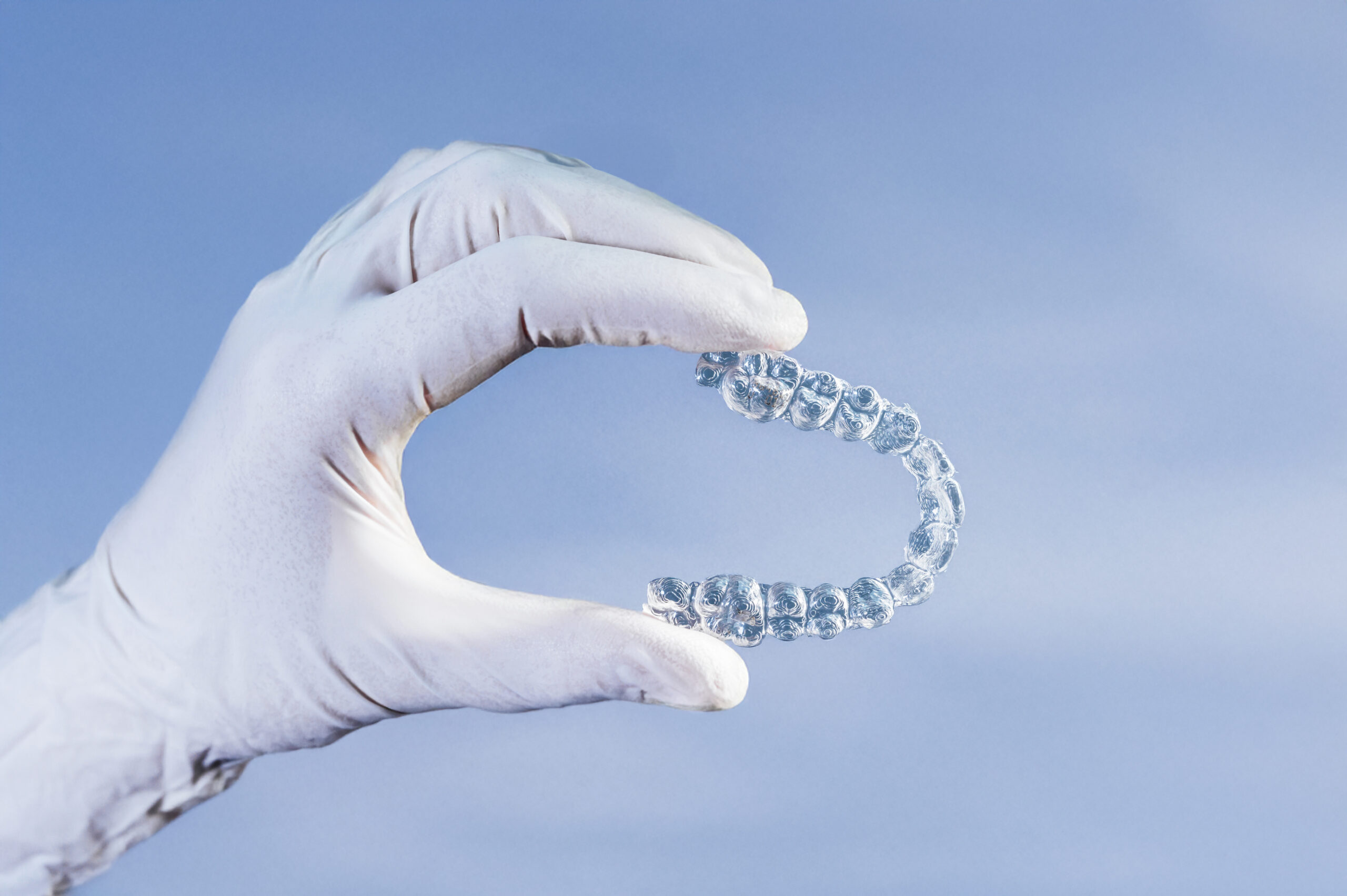
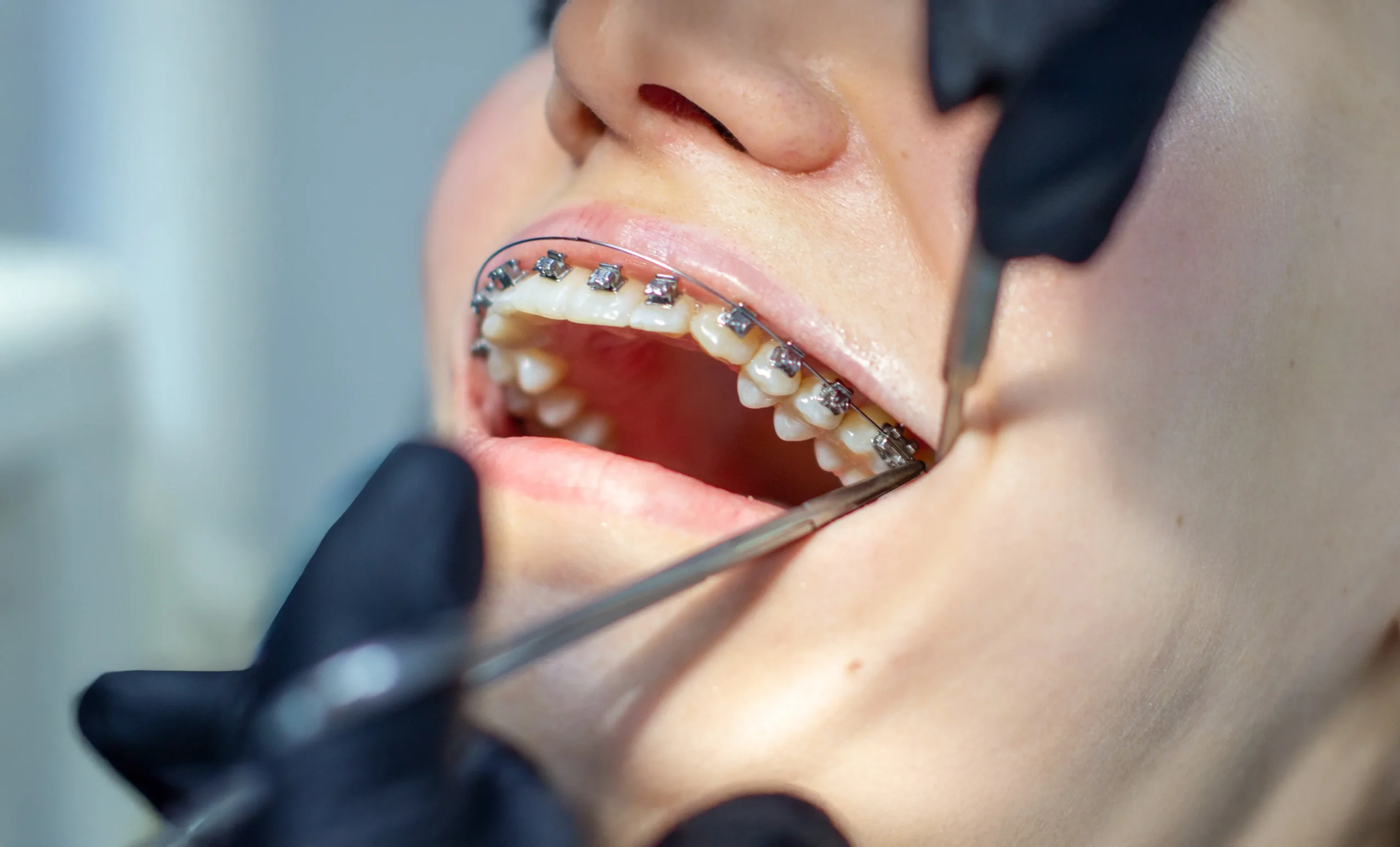
For those looking to improve their smile, teeth straightening and choosing the right orthodontic appliance are crucial decisions. The best dental clinics in Warsaw offer a wide range of options for treating malocclusions. This article will present the most popular orthodontic appliances, their characteristics, and costs, enabling you to make an informed decision about orthodontic treatment in 2025. Types of Orthodontic Appliances The simplest classification of appliances includes removable appliances, fixed appliances, and aligner systems: Removable appliances: Designed for treating malocclusions in children, allowing for early treatment and preventing the development of complex malocclusions. These include Schwarz plates and other appliances utilizing facial muscle forces[7]. Fixed appliances: Characterized by brackets bonded to the teeth by the orthodontist. The patient cannot remove the appliance, ensuring it works 24/7[8]. Aligner systems: An innovative treatment method involving invisible aligners that increase treatment comfort[2]. Which Appliance Will Be Best for You? When choosing an appliance type, several factors should be considered: Patient’s age Type and severity of the malocclusion Aesthetic preferences Budget allocated for orthodontic treatment At Warsaw Dental Center, our orthodontists Dr. Karolina Stolarczuk-Wysokińska and Dr. Izabela Michalak will advise during the consultation which appliance will be most suitable for treating your specific malocclusion[8]. Which Orthodontic Appliance to Choose? Fixed Metal Braces This is a classic appliance, one of the cheaper options among fixed braces. It has several advantages: Highly effective in treating malocclusions Durable metal construction resistant to damage Competitive price The main disadvantage mentioned by patients is the high visibility of the appliance[1]. Construction of Metal Braces Metal braces consist of 3 parts: metal brackets bonded to the tooth surface, an orthodontic arch generating forces that move teeth, and colored elastics that hold the arches on the brackets[1]. Treatment Time and Cost of Metal Braces Treatment time varies between 1.5 to 4 years, depending on the malocclusion. The cost of metal braces treatment in 2025 includes: Bracket placement: 3000 PLN per arch Control visits every 4 weeks, during which the orthodontist changes arches and elastics, costing 250-450 PLN[1][7] Ceramic (Aesthetic) Braces This is also a type of fixed appliance. It features brackets made of ceramic material that perfectly matches the color of teeth, making it less visible than metal braces. The main advantages of aesthetic braces include: Practically invisible More comfortable due to smoother bracket surfaces Hypoallergenic – ceramic material rarely causes allergic reactions Effective: comparable effectiveness to metal braces[1] Treatment Time and Cost of Aesthetic Braces in Warsaw 2025 Bracket placement costs about 3500 PLN per arch Control visits cost 250-450 PLN Treatment time with ceramic braces depends on the type of malocclusion and can last from 1.5 to about 3 years[1][7]. Self-Ligating Braces This is an innovative and revolutionary solution in orthodontic therapy. Its unique construction allows for the complete elimination of traditional ligatures. Self-ligating braces consist of special brackets attached to teeth with a built-in system for securing the orthodontic arch. This results in several advantages: Shortened orthodontic treatment time Less frequent control visits, about every 6 weeks Precise pressure on the tooth Increased patient comfort due to improved aesthetics and smooth bracket surfaces that don’t irritate the mucosa Easier oral hygiene due to the absence of traditional elastics securing the orthodontic arch[5] Treatment Time and Cost of Self-Ligating Braces in 2025 Bracket placement: You can choose metal brackets starting from 4500 PLN per arch or aesthetic brackets starting from 5500 PLN per arch Control visits range from 400-600 PLN The average treatment time with self-ligating braces can range from 12 months to about 2 years[5]. Aligner Systems Chosen by patients who value a discreet and comfortable way of straightening teeth. Orthodontic aligners are transparent, making them virtually invisible. The treatment process involves changing aligners every week, facilitating hygiene of both the appliance and oral cavity[2]. Advantages of orthodontic aligners: Very discreet teeth straightening method Ability to remove the appliance, greatly facilitating hygiene Increased wearing comfort and no irritation Precisely refined stages thanks to digital planning Weekly aligner changes by the patient at home Less frequent control visits, about every 8 weeks[2][5] Treatment Time and Cost of Aligner Treatment in Warsaw 2025 At first glance, aligner treatment seems more expensive than other appliances. However, the price includes all control visits, regardless of treatment duration, so the overall cost of the treatment process is comparable to other systems. The price of orthodontic aligners in Warsaw ranges from 20,000 to 25,000 PLN. Treatment time is significantly shortened compared to other appliances and ranges from 8-24 months, depending on the severity of the malocclusion[2][7]. Key Aspects When Choosing Orthodontic Appliances in Warsaw Factors most often indicated by patients when deciding on orthodontic treatment include: Aesthetics – impact on appearance and visibility of the appliance during treatment Total treatment cost – can range between 10,000 and 25,000 PLN Wearing comfort – less irritation means greater comfort and convenience Treatment effectiveness – time savings are very important for most people Easy maintenance of oral hygiene – related to the ability to clean teeth better[1][2][5] Regardless of which appliance you choose, you can be sure that you’re investing in both your health and a beautiful smile for years to come. Citations: [1] https://primedental.pl/en/pricing/ [2] https://warsawdentalcenter.pl/en/invisalign-overlays-warsaw-price/ [3] https://pmc.ncbi.nlm.nih.gov/articles/PMC7940807/ [4] https://odent.pl/en/good-orthodontist-warsaw/ [5] https://www.santabarbaraortho.com/blog/blog-post-title-two-99w8b [6] https://odontoaligners.in/the-future-of-orthodontics-innovations-and-trends-for-2025/ [7] https://mydentalclinic.pl/en/pricing-eng/ [8] https://warsawdentalcenter.pl/en/orthodontics/ [9] https://www.bgbraces.com/fixed-vs-removable-orthodontic-appliance-which-is-more-preferable/ [10] https://odent.pl/en/services/orthodontics/
Orthodontics in Warsaw: Everything You Need to Know About Teeth Straightening in 2025, Treatment Methods and Prices
Orthodontics in Warsaw is constantly evolving, with innovative treatment methods contributing to shorter treatment times and increased patient comfort. Many people wonder what teeth straightening methods will be popular and effective in 2025. In this article, we present the most universal and frequently chosen types of orthodontic appliances, their prices, and tips on how to choose the best orthodontist in Warsaw in 2025. Why Consider Orthodontic Treatment and How It Can Improve Quality of Life More and more people understand that a beautiful smile not only boosts self-confidence but also affects oral health. Proper teeth alignment is crucial for the functioning of the entire stomatognathic system. Improperly positioned teeth can cause serious complications even beyond the oral cavity: Temporomandibular joint dysfunctions can occur as a consequence of malocclusion, resulting in headaches, tinnitus, and difficulty chewing Crowded and improperly aligned teeth make proper oral hygiene difficult or impossible, contributing to the development of cavities and periodontal disease. If left untreated, these conditions can lead to tooth loss Why Orthodontic Treatment is an Investment in Health Benefits of proper teeth alignment include: Reduced muscle tension in the head and neck area Reduction of headaches Decreased risk of periodontal disease and cavities Improved chewing and speech function Increased self-esteem and confidence By choosing orthodontic treatment in Warsaw, you’re investing in long-term health preservation and life comfort. Modern Teeth Straightening Methods in Warsaw 2025 Orthodontists claim that in 2025, self-ligating braces and innovative clear aligners will be the most popular in teeth straightening. These technologies shorten treatment time, reduce the number of check-up visits, thus saving patients’ time spent in the dental office. Due to increased aesthetics, these appliances also improve patients’ comfort of life and functioning. Cost of Orthodontic Treatment in Warsaw 2025 The price of braces installation and the entire treatment period depends on: Type of chosen braces: the simplest and cheapest metal braces start from 3000 PLN per arch, while the most advanced aligner systems can reach up to 25,000 PLN for the entire treatment Treatment duration: for fixed braces, longer treatment periods mean higher costs. This is related to the number of check-up visits, during which the orthodontist replaces rubber bands and installs new brackets, the price of such a visit can range from 150 PLN to 450 PLN in 2025 Orthodontist’s experience: treatment cost with a highly experienced orthodontist may be slightly higher, but the benefit is a more efficient process and lower risk of complications. Additional treatment costs to consider when contemplating braces: Orthodontic consultation: 250-500 PLN Radiological diagnostics: 200-450 PLN Scanning for treatment planning: about 300-400 PLN Check-up visits: 150-450 PLN Retention after completed treatment: 400-700 PLN per arch How to Choose the Best Orthodontist in Warsaw? An experienced orthodontist with extensive knowledge and a large patient base is key to successful orthodontic treatment. What to look for when choosing the best orthodontist in Warsaw: Reputation and experience: analyzing patient opinions, checking the doctor’s professional qualifications can facilitate the best choice Use of modern treatment methods: treatment with aligners or self-ligating braces, digitization of the diagnostic process, use of computed tomography before and during treatment may indicate the doctor’s readiness to use innovative methods. This will increase treatment precision and the final effect will be ideal. Comparison of clinic offers: the possibility of comprehensive dental care in the office where you plan to get braces is important. Often, the orthodontist needs to consult with a periodontist or surgeon, which is easier in an office that offers such services. It’s also convenient for the patient to prepare for orthodontic treatment in the same place, which may include cavity treatment or root canal treatment before getting braces. When choosing an orthodontist, it’s worth selecting the entire clinic as the one where the whole comprehensive treatment will take place. In addition to the prices of the braces themselves, attention should also be paid to the qualifications and experience of the doctor and patient opinions. At Warsaw Dental Center, orthodontic treatment is carried out by Dr. Karolina Stolarczuk-Wysokińska and Dr. Izabela Michalak. The clinic offers comprehensive care for patients needing dental treatment. Summary Innovative solutions in orthodontics are already available! If you expect quick effects, don’t delay, consider orthodontic treatment with the latest methods today. In 2025, treatment with braces will be even more personalized and comfortable, which will translate into time and cost savings for patients. By choosing the best orthodontist in Warsaw, you can count on a beautiful smile and lasting effects. Citations: [1] https://prostezeby.com [2] https://www.dorodent.com.pl/jaki-aparat-ortodontyczny-wybrac/ [3] https://periomedica.pl [4] https://prostezeby.com/ile-kosztuje-aparat-ortodontyczny-2025/ [5] https://kb.pl/cenniki/miejskie/ortodonta-_med/warszawa/ [6] https://www.anident.pl/ceny.html [7] https://persdental.pl/metamorfozy/ [8] https://prostezeby.com/dobry-ortodonta-jak-go-znalezc-na-co-zwrocic-uwage/ [9] https://prostezeby.com/jaki-aparat-ortodontyczny-wybrac-podzial-aparatow-ortodontycznych/ [10] https://ortorad.pl/ortodoncja/
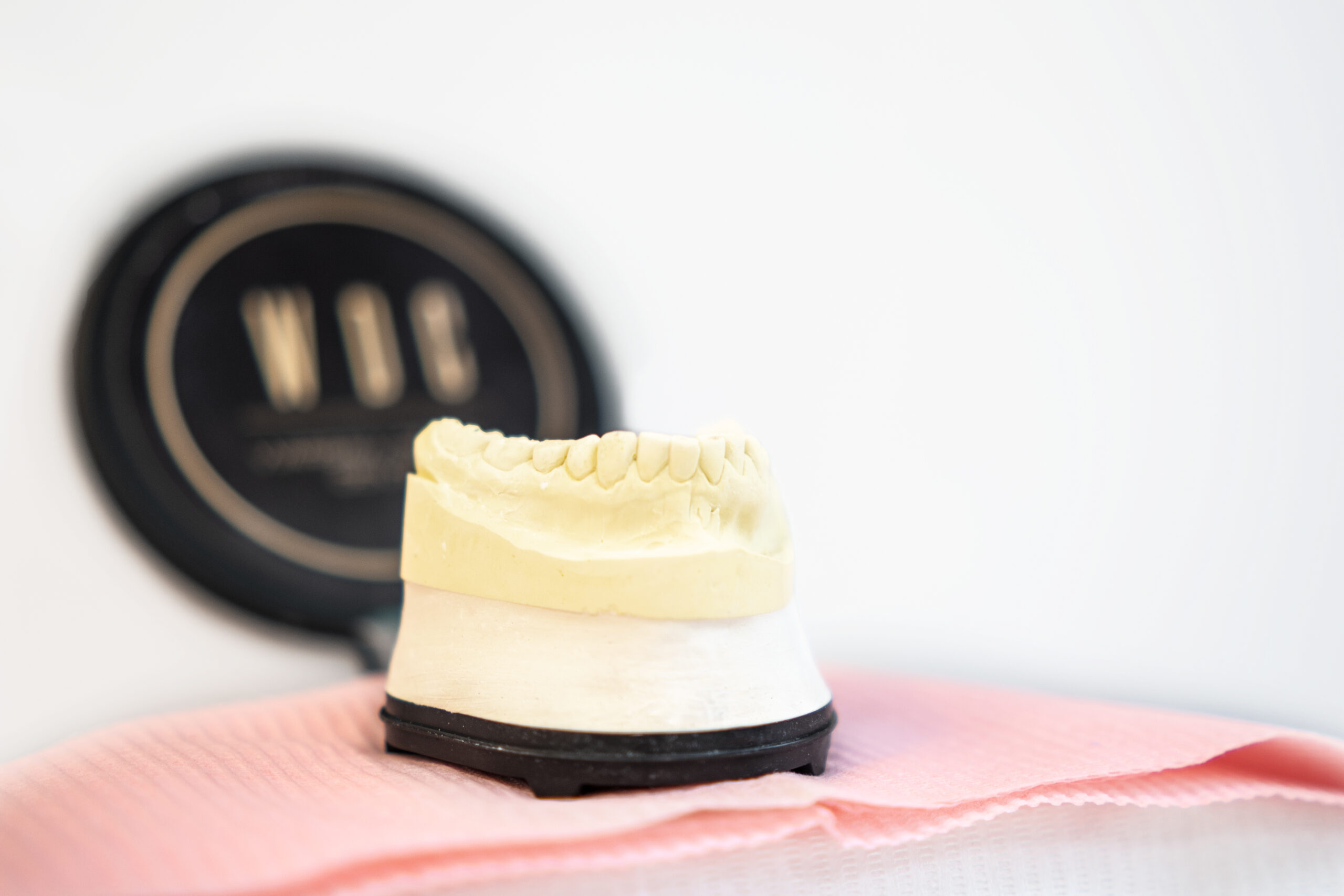
What is dental occlusion and what are the methods of its treatment?
Dental occlusion is the relationship between the upper and lower teeth, and its disturbance can lead to undesirable consequences such as an unaesthetic smile, crooked bite, and jaw pain. It is worth noting that treatment of occlusal disease is essential, as ignoring it can even lead to tooth loss. Effective treatment of occlusion involves various methods to correct the bite, such as overlays, splints, or implants, aimed at protecting the teeth from further destruction. In advanced cases, orthodontic treatment may also be necessary. Prognoses regarding the effectiveness of therapy and the duration of treatment depend on the degree of occlusion advancement and the timing of therapy initiation. Dental occlusion—what is it and what are its consequences? Dental occlusion refers to how the upper dental arch meets the lower one. Irregularities in this relationship can lead to various problems requiring treatment. Occlusal disease is a condition in which there is abnormal tooth contact, leading to tooth wear and cavities. Symptoms may also include gum recession, jaw muscle tension, headaches, tooth sensitivity, and bruxism (teeth grinding). Pathological occlusion can occur for various reasons, including malocclusions, tooth loss, improper prosthetics, and stress. Early diagnosis and treatment are crucial for therapy effectiveness. Implementing comprehensive treatment, including facial muscle rehabilitation and psychotherapy, can yield positive results. Neglecting treatment can lead to serious complications, including tooth loss. It is important to understand that dental occlusion can occur in people of all ages and is often the result of various factors such as malocclusions and poor habits. Therefore, regular visits to the dentist and proper oral hygiene are crucial for preventing this disease. Treatment of occlusal disease Treatment of occlusal dental disease begins with meticulous diagnosis, including radiographs, ultrasonography of the temporomandibular joints, and assessment of masticatory muscles. Thorough clinical examination of the patient, including medical history and functional tests and jaw impressions, is also necessary. This is done to comprehensively analyze the patient’s problems and develop a treatment plan. Restoring proper bite relationship can be time-consuming and demanding, so effective treatment and occlusion improvement are tasks for experienced specialists working in professionally equipped dental laboratories. Therapy methods for occlusal dental disease Therapy for occlusal dental disease aims to correct the contact between upper and lower teeth and adjust the temporomandibular joints. One technique for correcting improper occlusion is rebuilding lost tooth hard tissues using conservative fillings. Aligning the bite provides relief from symptoms associated with improper occlusion and improves smile aesthetics. Occlusion correction can also be achieved through equilibration, a process of creating the proper bite surface by grinding teeth to achieve their even shape. For milder forms of occlusion, the use of occlusal splints worn at night is recommended. In more complicated situations, the use of a permanent orthodontic appliance or even surgical intervention may be necessary. Muscle exercises for the jaw, facial muscles, and neck and throat muscles are also important elements of occlusal dental disease therapy. Movement rehabilitation can be continued after the main treatment phase to maintain therapeutic effects.
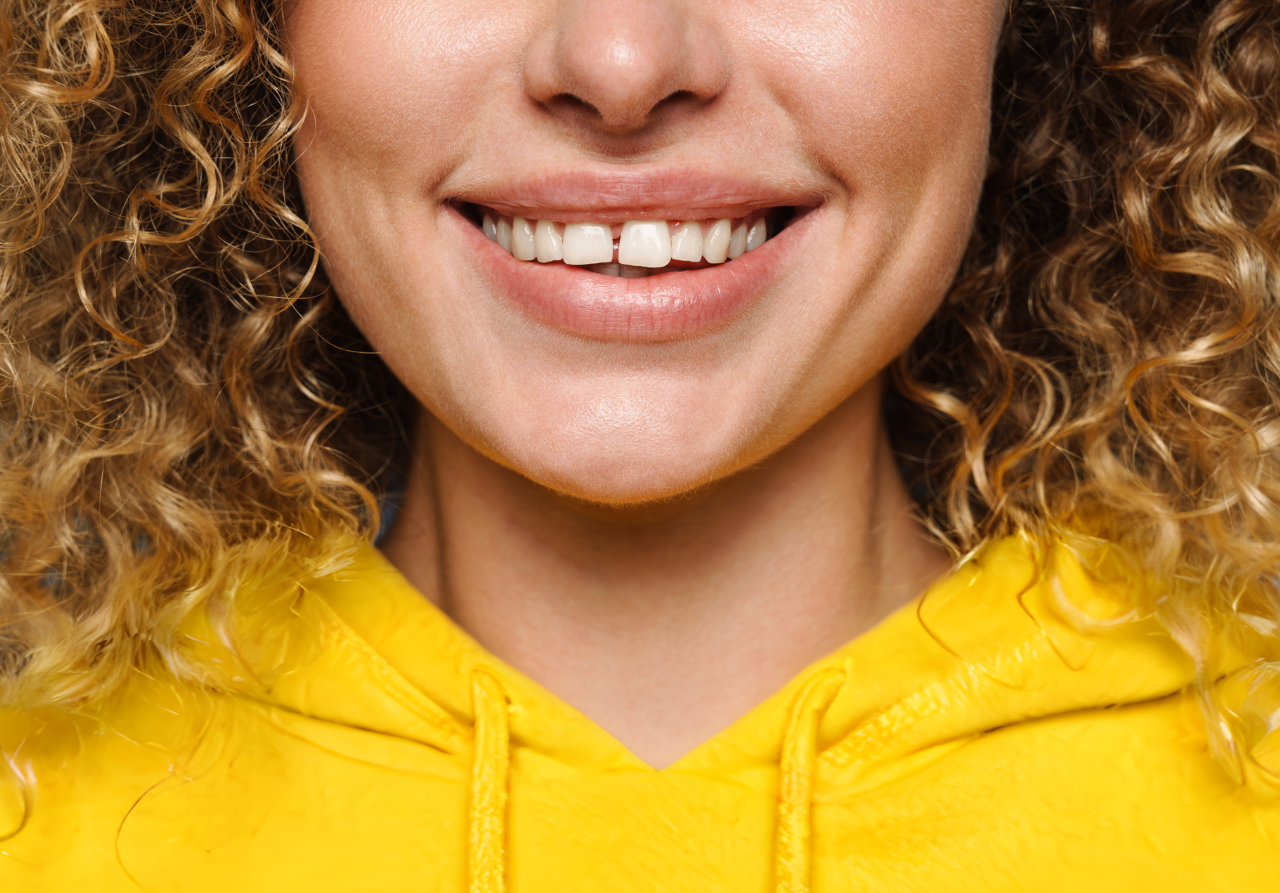
Diastema – what is it and is it worth removing?
Diastema – what is it? Diastema refers to the gap between teeth, occurring when the space exceeds 0.5 mm. It is most commonly observed between the upper front teeth in both adults and children. There are several types of diastemas, differing in the arrangement of teeth relative to each other: Parallel diastema – when the teeth are aligned parallel to each other. Divergent diastema – when the lower tooth ends are apart, with roots close to each other. Convergent diastema – when the tooth crowns are inclined towards each other, with roots apart. In terms of the cause, the following can be distinguished: Physiological diastema – usually occurring in children between the ages of 7 and 9 when baby teeth are replaced by permanent ones. True diastema – resulting from various factors such as an overgrowth of the labial frenulum, malocclusion, or missing teeth. Pseudo diastema – associated with the absence of lateral incisors, reduction in their size, or the presence of an extra tooth. Discussing diastema is important for understanding issues related to dental alignment and making appropriate dental interventions. How to effectively treat diastema between teeth – best methods for closing the gap Treating diastema, or the gap between teeth, can be effective through various methods, depending on its cause. When opting for treatment, it is important to seek professional dental services where a dentist will choose the appropriate therapy, ensuring effectiveness and durability of the results. Treatment of diastema often relies on orthodontic therapy, using fixed, removable, or clear aligners. This process may be time-consuming, but after its completion, it’s essential to maintain the achieved result through proper retention. In the case of convergent diastema, therapy with fixed braces is the only effective treatment method. However, divergent diastema can also be corrected using removable orthodontic appliances. The final choice of treatment method depends on the size of the diastema and the patient’s age. If the absence of one tooth is the cause of diastema, implantation may be an effective treatment option. In cases of excessive tooth presence, extraction may be necessary before commencing orthodontic treatment. Consultation with an experienced dentist will allow the selection of the most effective method for treating diastema, tailored to the individual needs of the patient. Diastema – the value of treatment and health benefits Diastema, or the gap between teeth, may be more than just an aesthetic flaw. Exceeding 2 mm in width, it is classified as a malocclusion, suggesting the need for treatment. This is not just a matter of appearance but also of oral health. It promotes the development of periodontal diseases and can impede proper pronunciation. For some people, diastema is a source of complexes, while for others, it’s an element of their beauty. Some celebrities proudly showcase their smiles with visible gaps between teeth, while others opt for their removal. Regardless of the decision, it’s important to remember oral health. Even a small diastema may require attention to prevent dental problems. Regular cleaning of interdental spaces and the use of dental floss are important for maintaining oral hygiene. It’s also important to consult with an experienced dentist who can advise on the best steps to take. Treating diastema can improve not only the appearance of the smile but also oral health, providing greater confidence and communication comfort. Gap between front teeth – charm or problem to solve? People’s attitudes towards diastema can vary. For some, it’s a characteristic feature that adds charm to their smile, while others perceive it negatively. However, in some cases, diastema can be a significant malocclusion, requiring intervention. Removing diastema can be a matter of patient preference if it’s solely an aesthetic imperfection. However, for those who wish to eliminate this feature, there are effective solutions such as veneers or bonding, which can quickly and effectively correct this flaw.
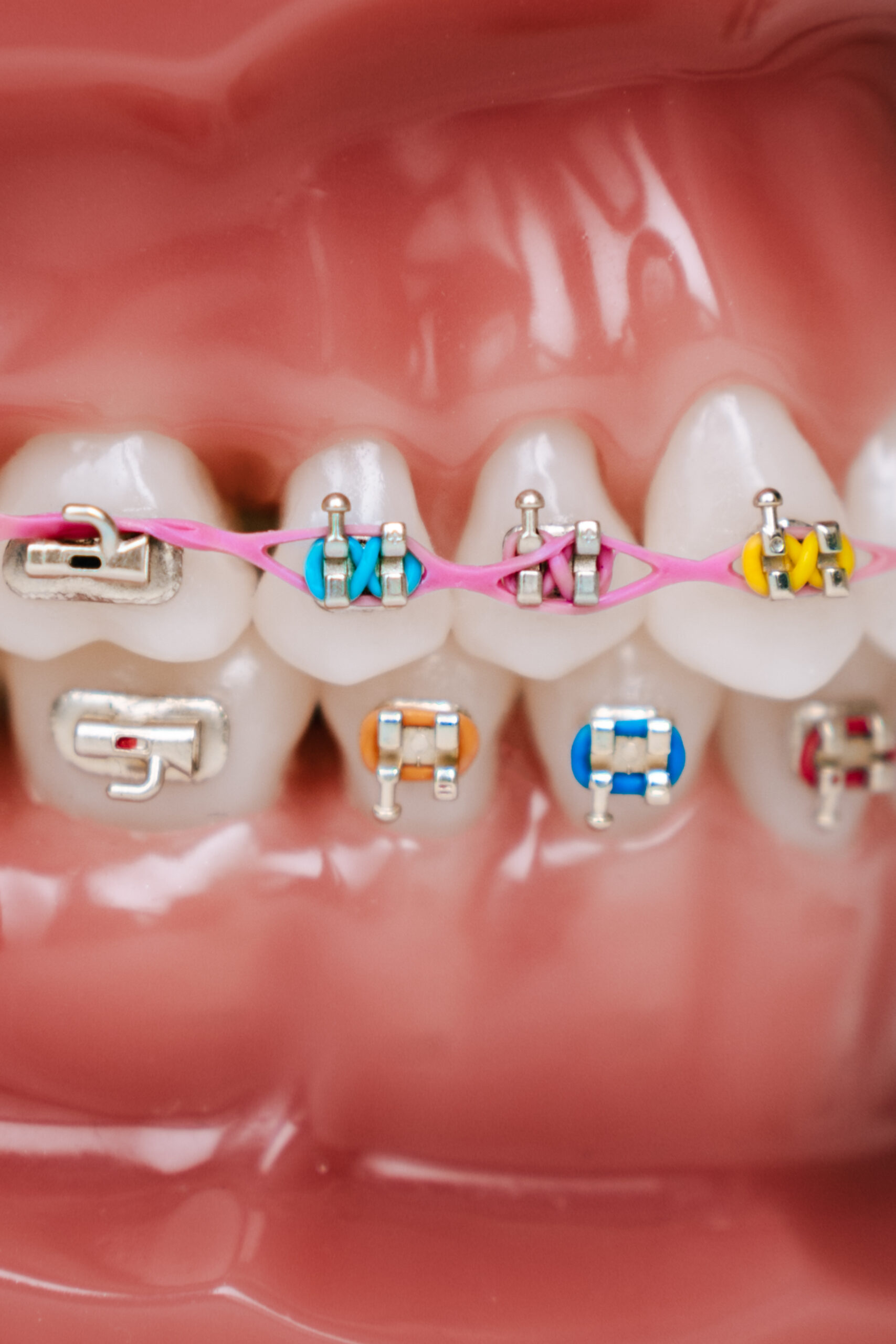
From Bite to Smile: The Role of Orthodontic Elastics in Treatment
Dental braces: Small but important When we think about orthodontic treatment, the first things that come to mind are braces, wires, and maybe even braces. But one of the key elements of orthodontics are rubber bands for braces, which help adjust the patient’s teeth to their correct position. Here is some important information about it. What are Dental Braces Erasers? Dental braces, also known as ligatures or elastomers, are small rings or rubber bands that are used to connect the wires of orthodontic braces to brackets attached to teeth. These elastics are usually made of a flexible material that allows the teeth to move. Different Types of Erasers for Dental Appliances Standard erasers: These are the most commonly used camera erasers. They are available in various colors, so patients can personalize the appearance of their braces. Slider bands: These rubber bands are used to hold the wires in position. They help in the treatment of various types of orthodontic problems, such as tooth shifting. Brackets: These are rubber bands that attach brackets to your teeth. By choosing the right color of rubber bands, patients can add some fun to their braces. Benefits of Using Erasers for Dental Appliances Bite correction: Erasers help correct incorrect bites, such as overbite, underbite or open bite. Improved aesthetics: Thanks to the different colors of the rubber bands, patients can add a personal style to their braces, which is especially important for children and teenagers. Effectiveness of treatment: Elastics are an important orthodontic tool that helps achieve the intended treatment results. Minimal discomfort: Despite initial difficulties in getting used to the rubber bands on the braces, most patients find them relatively comfortable and do not cause major pain. How to take care of your dental braces? While wearing orthodontic braces When using rubber bands, you must follow several important rules: Brush your teeth regularly: Braces with rubber bands can be a place where food particles can easily accumulate. Therefore, it is important to brush your teeth and clean your braces regularly. Changing elastic bands: Orthodontists usually recommend changing elastic bands every few weeks to ensure their effectiveness. Use as directed: It is important to wear elastics as directed by your orthodontist. Wearing rubber bands incorrectly may delay the progress of treatment. Summary Dental braces are an important element of orthodontic treatment that help achieve a beautiful and healthy smile. They help correct bites and add a personal touch to the braces. It is important to follow the orthodontist’s recommendations and take care of oral hygiene while wearing braces with elastic bands.
Underbite – symptoms, treatment, causes
Underbite is one of the most common malocclusions, developing in children at an early age. The key causes of its development are abnormal bone development and unhealthy habits. What is an underbite? An overbite is the result of abnormal bone development and bad habits. It usually becomes visible when permanent teeth emerge, although primary teeth also contribute to its formation. It is most often diagnosed in children over 7 years of age. This defect is characterized by the incorrect position of the upper jaw, which is too protruding in front of the lower teeth.A common symptom of an overbite is a lack of contact between the upper and lower teeth. Causes of underbite An orthodontist can diagnose an underbite during a routine examination. It is good to undergo such examination because it is easy to miss the beginnings of this defect. The main causes that can lead to the development of an overbite in infants include: vitamin D deficiency leading to weakening of bones during their growth, inappropriate position while sleeping or feeding, pathological cervical lordosis, long-term use of a pacifier, finger sucking premature loss of primary lower incisors, hereditary bone development disorders, incorrect position of the tongue when the child’s mouth is constantly open. The ideal time for an orthodontist to assess the position of dental arches is at the age of 7-8, when the process of replacing primary teeth with permanent ones takes place. How to recognize an underbite? Symptoms of an overbite may vary depending on the patient’s age. Underbite in children: In older children, aged 7-8 years, the main symptom is the incorrect position of the upper jaw. You may also notice a lack of contact between the teeth and altered facial features, such as a receding chin or deepened furrows. These symptoms may affect the appearance of your child’s mouth and smile. The effects of underbite in the youngest include not only a changed facial profile, but also problems with biting, such as pulling in the lower jaw. gi under the upper teeth, or problems with chewing food. Therefore, it is important to visit the orthodontist at the right time to prevent the defect from getting worse. Underbite in adults: If an underbite is not treated in childhood, it can lead to more serious problems in adults. Symptoms may include: difficulties with speech and biting, migraines caused by incorrect positioning of teeth, Digestive problems due to improper grinding of food. Other effects of untreated overbite include uneven tooth erosion, more frequent caries, and facial deformations such as a bird-like profile or a rolled lower lip. Overbite diagnosis: The orthodontist diagnoses underbite during a routine examination. Various techniques are used for accurate diagnosis such as manual examination, X-rays, or 3D scans. Underbite treatment: An underbite can be treated in various ways. The final choice of method depends on the patient’s age, type and severity of the defect. Treatment may include braces, oral surgery, and in some cases, tooth extraction.In the case of children, the earlier treatment is started, the greater the chance of full recovery from the defect. In adults, treatment may be more complicated and require surgical intervention. It is important to consult an orthodontist to obtain a proper diagnosis and choose the best treatment method.

Open bite – how to treat? Is surgery necessary?
An open bite is one of the malocclusions where there is excessive space between the teeth of the upper and lower jaw. What are the causes, effects and methods of treating this defect in both children and adults? Is surgical intervention necessary to correct it? What is an open bite? This is a vertical malocclusion when there is no contact between the teeth of the upper and lower jaw. It may be caused either by incorrect alignment of the teeth with normal jaw structure, or may involve the bone structure itself. The space between the teeth is called an underbite gap, which, depending on the degree of the defect, may be more or less noticeable. This defect affects both younger and older patients. Open bite in younger people Symptoms of an open bite in children can be seen as early as 5-6 years of age. If left untreated, it can lead to problems with speech or eating. The result is often a lisp or abnormal tongue movement. It is crucial not to delay a visit to the orthodontist if early symptoms appear, such as premature eruption of baby teeth or finger sucking habits. In case of speech problems, it may also be necessary to consult a speech therapist. Quick treatment increases the chances of full bite correction. Removable orthodontic braces are recommended until the age of 10, and later the teeth are corrected with fixed braces, worn for about 2 years. Open bite in adults In adults, a complete open bite can result from a variety of causes, such as endocrine disease, childhood trauma, or bad habits such as nail biting. Treatment is more complicated and long-lasting than in children. Most often, it involves the use of fixed braces for about 2 years, and then a retention brace to maintain the achieved results. In some cases, a combination of orthodontic treatment and surgery is necessary. Causes of an open bite Possible causes are: predisposition genetics, prolonged bottle feeding, prolonged sucking of a pacifier or finger, premature eruption of primary teeth, difficulties with breathing, enlargement of the third tonsil, bad habits such as nail biting endocrine diseases, abnormally growing teeth. Failure to treat an open bite can lead to a number of problems, from visual to health-related. Treatment of an open bite Treating this malocclusion can be a long process, but it is possible thanks to modern methods: Orthodontic treatment: used from a young age, when an open bite becomes visible. For younger children, removable braces are used, while older patients use fixed braces. Surgery: in some cases, in addition to orthodontic treatment, surgical intervention is necessary. Where to treat an open bite? Warsaw Dental Center offers both orthodontic and surgical treatment for people with open bite malocclusion. We invite you for consultations that will help you restore harmonious bite and functionality. At Warsaw Dental Center, the priority is a comprehensive approach to the patient, regardless of age.
What is worth knowing before putting on orthodontic braces?
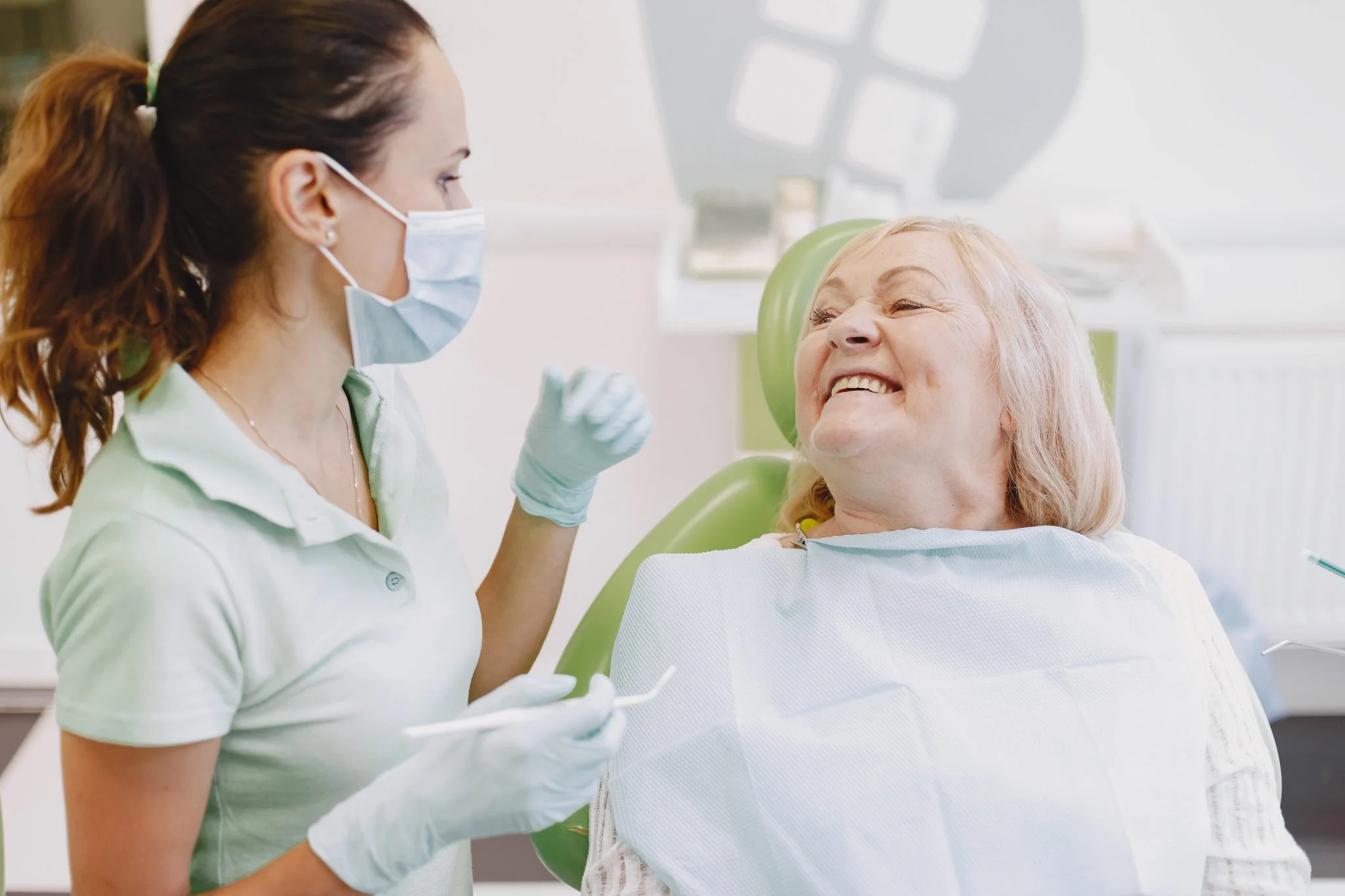
Concerns related to orthodontic treatment: Experts from Warsaw Dental Center explain the most common concerns. As we age, the number of considerations regarding our health invariably increases, especially in the context of the oral cavity. Experts from the renowned Warsaw Dental Center clinic decided to confront common doubts regarding orthodontic treatment. Mystical belief: Straight teeth are primarily an aesthetic issue, so if I haven’t been bothered by their appearance before, I don’t need to take any action. Reality according to Dr. Bartosz Leończak: Straight teeth enable more accurate hygiene. It should be borne in mind that poor oral hygiene is associated with gum disease, tooth loss, and diseases such as diabetes and heart disease. Poor tooth alignment can also lead to improper chewing, nighttime clenching of teeth (bruxism) and damage to tooth structure. Improper tooth position can also affect speech clarity and lower self-esteem. Mythology: Wearing braces leads to unsightly discoloration, especially visible in smokers. Reality according to Dr. Urszula Leończak: Discoloration is not a direct result of orthodontic braces, but may appear when we do not maintain proper oral hygiene. The clinic representative emphasizes that following the doctor’s instructions and careful hygiene minimizes this problem, even in the case of smokers. Facts: After the brace is placed, the patient should adjust his or her diet. Explanation from Dr. Tomasz Kuprys: Right after the brace is placed, it is recommended to follow a soft diet to alleviate any pain and discomfort. In the further stages of treatment, avoiding hard, dyed and rubber products is crucial to prevent discoloration and detachment of the braces. Facts/Mythology: Pregnant women are excluded from getting braces. Reality according to Dr. Urszula Leończak: As long as everything If the necessary radiological examinations have been carried out before pregnancy, there are no obstacles to starting orthodontic treatment (X-rays should be avoided during pregnancy). By the way, breastfeeding does not negatively affect the taking of radiographs or the ability to wear a camera. Facts/Mythology: Orthodontic treatment is more expensive for older people, so it’s not worth delaying. Reality according to Dr. Urszula Leończak: Older teeth may have a slightly limited ability to move, which may extend the duration of orthodontic treatment and affect the costs. However, it is worth remembering that it is never too late to improve your smile. The clinic is proud of its successful orthodontic treatment of an 80-year-old patient. With these explanations, we can better understand and address common concerns about orthodontic treatment. It is worth emphasizing that a professional approach and individual advice from experts such as those at Warsaw Dental Center are key to achieving a healthy and beautiful smile regardless of age.
Occlusion – what is it and what are the treatments
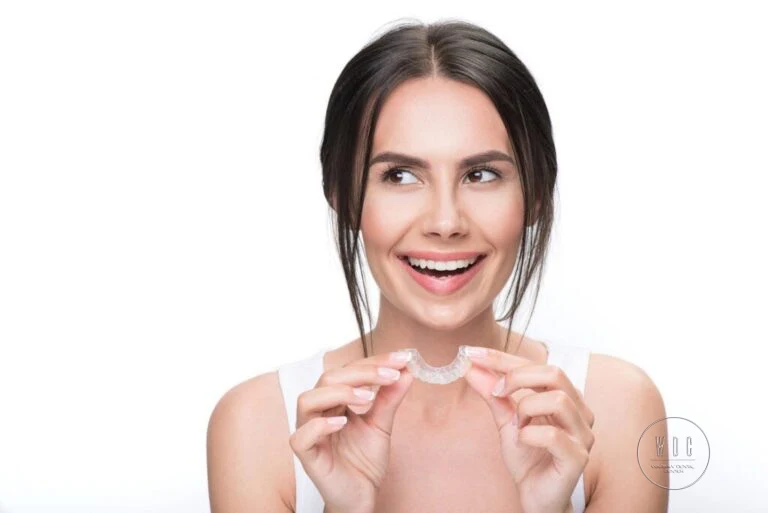
cclusal disease, which is one of the diseases of the masticatory system, is the result of the complex interaction of several factors: the shape and position of the upper and lower teeth, the tension of the muscles connecting the mandible with the maxilla and the position of the condyle in the temporomandibular joint. As a consequence, it may lead to, among others: facial muscle fatigue, tooth hypersensitivity and other ailments. How to identify occlusive disease and what treatment methods exist? Definition of Dental Occlusion in Dentistry Occlusion is proper contact between the upper and lower teeth. Mismatch of these contacts leads to discomfort in relation to the temporomandibular joint and muscles. Common sources of this disorder are malocclusion, incorrect eruption of wisdom teeth, inappropriate fillings, missing teeth, structural defects and tooth displacement. Bad habits such as thumb sucking as a child, biting pens, opening bottles with your teeth or excessive gum chewing can also contribute to this disease. As a result, the teeth become abraded, wedge-shaped cavities occur, and even the tooth roots become exposed. Symptoms of Occlusal Disease One of the most easily noticeable symptoms is unsightly abrasion of the enamel. A healthy tooth has a white tint, while its inner layer (dentin) is yellow. Abraded enamel reveals yellow dentin, which should prompt a visit to the dentist. Other potential symptoms of occlusive disease include: Shifting and mobility of teeth. Masticatory muscle tension. Problems in the temporomandibular joint, such as clicking, popping or crackling. Teeth grinding and clenching in stressful situations. – Pushing the teeth forward. – Hypersensitivity to temperatures (heat/cold). Migraine pain. If any of these symptoms are observed, it is recommended to consult a dentist and initiate appropriate treatment. Ignoring this disease can lead to serious consequences. Causes of Occlusal Disease This disorder may occur in: patients of different ages and is most often the result of various malocclusions, poor hygiene and dental care. The causes may also be: Inappropriate filling shapes. Missing and missing teeth. Faulty dentures and rheumatic lesions. Abnormal tooth growth. Stressors that cause you to clench your jaw, bite your nails, or bite your pens. Methods of Treatment of Occlusal Disease Treatment of occlusal disease includes various methods, adapted to the stage of the disease and the condition of the oral cavity. The following methods are used at the Warsaw Dental Center: Tooth shaping: This is a minimally invasive method that involves appropriately shaping the tooth cusps and grooves to ensure their harmonious connection. It is also possible to make a light tooth superstructure using fillings or changing the shape. Occlusal splint: Transparent plastic splints made to order by the patient. When used at night or around the clock, they help relax the chewing muscles, eliminating involuntary teeth grinding and reducing facial muscle tension. They also protect against further abrasion and damage to the teeth. Orthodontics: A surgical method, the most invasive, which aims to improve the position and proportions of the facial bones. It is a complicated procedure that requires convalescence. Untreated Occlusal Disease: Risks and Effects Failure to treat occlusal disease may lead to improper contact between teeth, resulting in excessive load on the temporomandibular joints and tooth wear. Other threats include gum recession, masseter muscle pain, migraines and sleep disorders. Detecting the disease at an early stage allows for effective treatment and protection against further complications. Treatment of Occlusal Disease at Warsaw Dental Center Warsaw Dental Center, as a dental clinic in Warsaw, offers diagnostics and comprehensive treatment of occlusal disease. For further information and consultations, please contact: please contact us. Our team of specialists is ready to provide professional care and support in the treatment of masticatory system diseases.