

A Season of Gratitude Christmas is a time to slow down, reflect, and feel gratitude, and today my heart is full. On behalf of the entire Warsaw Dental Center team, I would like to thank you, our Patients, for trusting us with something deeply personal: your oral health, your comfort, and often your confidence. Both in our professional work and beyond it, this season reminds us that gratitude is not just a feeling. It is a daily practice: in every consultation, every procedure, and every smile we help restore. Six Years of Growth and Reaching 10,001 oral surgeries When we opened Warsaw Dental Center six years ago, we could not have imagined where this journey would lead. We dreamed of ethical dentistry where the Patient always comes first. What we did not anticipate was that together we would reach the milestone of 10,001 successful oral surgery procedures. This achievement is not about numbers. It is about 10,001 stories: fears overcome, comfort restored, smiles rebuilt, and trust earned one Patient at a time. Experience That Matters: Experts in Oral Surgery in Warsaw Every surgical procedure represents a Patient’s trust. That responsibility defines how we train, plan, and work. Reaching 10,001 procedures confirms one thing: our standards must continue to rise. Precision, safety, and empathy come above all else. Our most frequently performed advanced surgical procedures include: Dental implants performed by Dr Bartosz Leonczak, using advanced 3D planning and guided surgery to ensure long-term stability. Wisdom tooth removal, including complex and impacted cases, carried out with calm precision by Dr Bartosz. Bone regeneration and sinus lift procedures, essential for successful implant treatment and performed at an expert level rarely found in other clinics in Poland. Root-end microsurgery (apicoectomy) performed by Dr Urszula Leonczak, allowing natural teeth to be preserved whenever possible. Soft tissue grafting and recession coverage, delicate microsurgical procedures that restore gum health and aesthetics. These procedures define what advanced oral surgery in Warsaw truly means: mastery built on thousands of hours of surgical practice, rigorous training, and continuous improvement. Why Patients Choose Warsaw Dental Center Complex oral surgery requires more than technical skill alone. It demands modern infrastructure, precise planning, and a philosophy of care that places the Patient first. At Warsaw Dental Center, we combine: microscope-assisted precision, digital and interdisciplinary treatment planning, state-of-the-art technology, including CBCT imaging and intraoral scanners, a “Patient First” approach at every stage, from diagnosis through recovery. All of this makes our clinic a leading center for complex oral surgery and dental implant treatment in Warsaw. Our Vision for 2026 As we enter the New Year, our promise remains simple: to be even better than yesterday. We mentor young dentists in the WDC surgical philosophy, where empathy, precision, and ethics guide every decision. We are also modernizing our equipment, investing in advanced Canon EOS R6 Mark III and EOS R5 Mark II cameras for microscopic documentation, as well as a new milling system to further increase precision and efficiency. Innovation is not our goal. It is our standard. From My Heart to Yours After 10,001 procedures, one truth remains unchanged: trust is built with each Patient, one by one. Thank you for trusting us, recommending us, and allowing us to grow together with you. May this Christmas bring you peace, health, and reasons to smile. And may the New Year bring continued excellence in medical care and the same human connection that defines who we are. With gratitude, Urszula Leonczak Medical director, dentist MSc. Warsaw Dental Center
Sinus Lift Surgery in Warsaw, Poland : High-End Dental Care with Dr. Bartek Leonczak
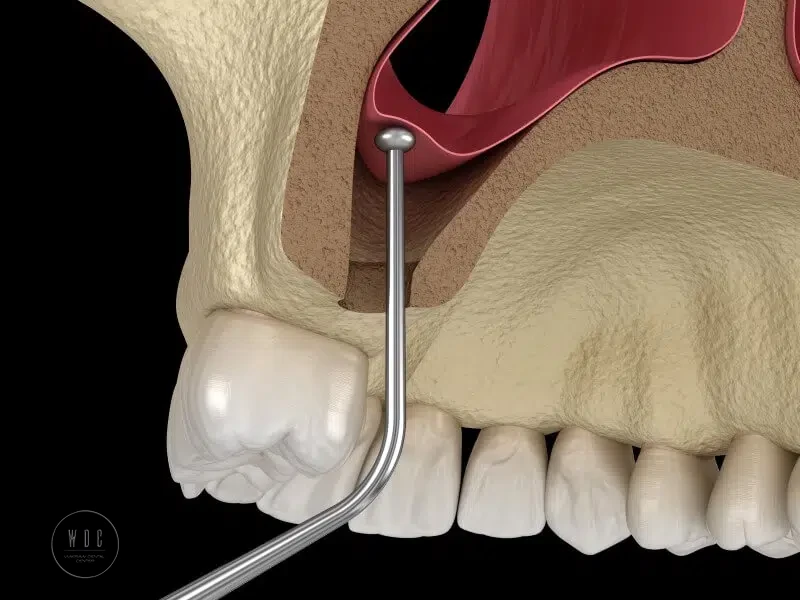
Patients seeking professional dentistry in Warsaw, Poland often require advanced procedures like sinus lift surgery to ensure successful dental implants. At Warsaw Dental Center, we pride ourselves on offering high-end services in oral surgery. Under the expertise of Dr. Bartek Leonczak – a certified specialist in dental surgery with international training – patients (including many from abroad) receive world-class care. This comprehensive guide explains what a sinus lift is, why it’s necessary for implants, and how Warsaw Dental Center stands apart. We emphasize Dr. Leonczak’s extensive qualifications, the foreign patients welcome policy, and the superior techniques that make our clinic a leader in implantology. Why a Sinus Lift Is Key for Dental Implants A sinus lift, also known as sinus floor augmentation, is a specialized bone grafting procedure that adds bone to the upper jaw in the area of the molars and premolars. This area lies directly below the maxillary sinuses (hollow spaces behind your cheeks and above the upper teeth). When upper back teeth are lost or extracted, the surrounding jawbone often shrinks or thins over time due to lack of stimulation. In addition, the sinus cavity can expand downward (a natural process called pneumatization), leaving insufficient bone height to securely anchor a dental implant. For a dental implant to be stable long-term, dentists generally prefer at least 7–8 millimeters of bone height in the upper jaw. If you have substantially less bone (for example, due to years of tooth loss or periodontal disease), a sinus lift is the solution. During a sinus lift procedure, the oral surgeon gently lifts the Schneiderian membrane (the sinus lining) upward and packs bone graft material into the newly created space. This augmentative surgery effectively increases the bone volume in the upper jaw, providing a solid foundation to place dental implants in areas that would otherwise be too risky. In many cases, a sinus lift can make the difference between being a candidate for implants or not. It is considered a routine and safe treatment option in modern implantology, with a low risk of complications when performed by an experienced surgeon. Ultimately, a successful sinus lift allows patients with bone deficiencies to receive implants that feel and function like natural teeth. Meet Dr. Bartek Leonczak – Expert in Dental Surgery Dr. Bartosz “Bartek” Leonczak is one of Warsaw Dental Center’s greatest assets, especially for international patients seeking complex surgical care. He is a highly qualified oral surgeon who obtained his Specialist in Dental Surgery title after rigorous post-graduate training and a state examination. Dr. Leonczak’s expertise is backed by international experience: he honed his implantology skills in South Korea under the innovators of the Osstem dental implant system, and refined advanced gum surgery techniques in Munich under renowned surgeons like Otto Zuhr and Markus Hürzeller. Such extensive training means that he stays at the forefront of the latest surgical methods and biomaterials in dentistry. Crucially for our foreign clientele, Dr. Leonczak is fluent in English (as well as Polish), ensuring clear communication and comfort for international patients. He is known not only for his technical precision but also for his empathy and calm demeanor. Patients frequently commend his ability to make even the most anxious individuals feel at ease in the dental chair. This combination of skill and compassion is vital in procedures like sinus lifts, which can sound intimidating to patients. Under Dr. Leonczak’s care, you can feel confident that you are in the hands of a surgeon who has successfully performed numerous sinus lifts and implant placements, with a focus on patient safety and comfort. High-End Sinus Lift Procedure at Warsaw Dental Center At Warsaw Dental Center, we deliver high-end services for sinus lift surgery that distinguish us from other clinics. The entire process is meticulously planned and executed using cutting-edge technology and internationally proven techniques. Here’s how a typical sinus lift in Warsaw is performed at our center: Consultation and Evaluation: Dr. Leonczak begins with a thorough consultation, reviewing your dental history and overall health. He examines your mouth and takes note of any missing teeth in the upper jaw. This step is crucial to determine if a sinus lift is necessary and to plan for eventual dental implant placement. The mantra is personalized care – every patient’s anatomy and needs are unique. Diagnostic Imaging: Next, we conduct detailed diagnostic tests, typically digital X-rays or a 3D CBCT scan (Cone Beam Computed Tomography). This advanced imaging provides a precise map of your jawbone height and the size and location of your maxillary sinuses. Accurate imaging allows Dr. Leonczak to measure how much additional bone is needed. For instance, if only 3-4 mm of bone height remains where an implant is desired, a significant lift and graft will be planned to reach the ~8 mm target. Cutting-edge planning software is used to simulate the procedure, ensuring there are no surprises during surgery. Treatment Planning: Using the data from your scans, Dr. Leonczak formulates a tailored surgical plan. He chooses the best sinus lift technique for your case – either a lateral window sinus lift (through the side of the gum) or a less invasive crestal (osteotome) approach through the tooth socket – depending on how much bone augmentation is required. Studies show that both the direct (lateral) and indirect (crestal) approaches yield similar implant success rates when properly indicated, so the technique is selected based on what will be minimally invasive yet sufficient for your needs. The choice of bone graft material is also made at this stage. Options include autogenous bone (your own bone, often harvested from the jaw or chin), donor bone, or bone substitutes like bioactive ceramics. Autogenous bone is considered the “gold standard” for grafting due to its excellent healing properties, but synthetic and donor grafts are also very successful and safe. Dr. Leonczak will discuss the pros and cons of each with you. Sinus Lift Surgery: On the day of surgery, our team ensures you are comfortable. The procedure is typically done under local anesthesia, so the area will be fully numb (if you are especially anxious, sedation or general anesthesia can be arranged – part of our commitment to patient comfort). Dr. Leonczak makes a small incision in the gum tissue where the back teeth used

Dentures on 4 or 6 Implants in Warsaw: Innovation in Edentulism Treatment, Benefits, and Price in 2025
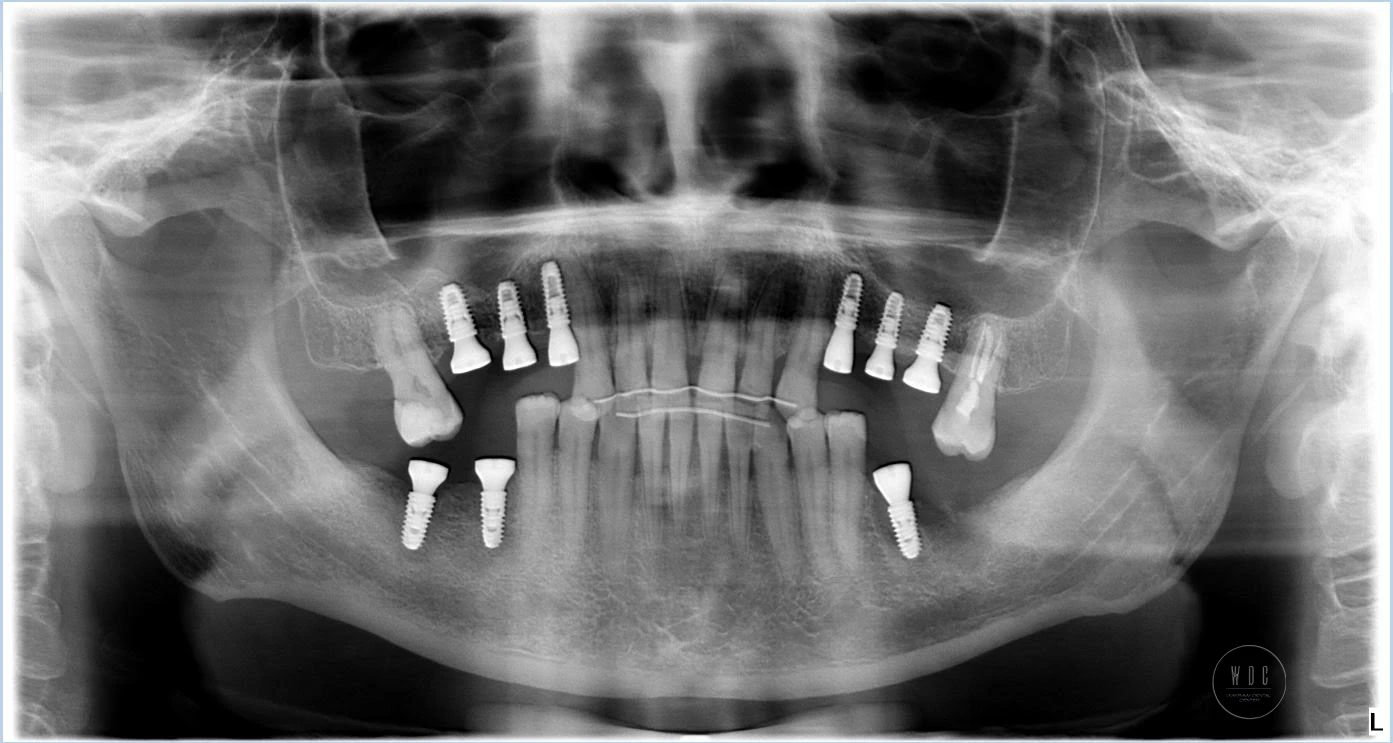
Tooth loss can have serious consequences, affecting not only health but also overall quality of life. Missing teeth can impact appearance, speech, and everyday functioning. Modern dentistry offers effective solutions for people struggling with edentulism, with innovative denture systems on 4 implants or 6 implants standing out. Both methods allow patients to quickly restore full dental function, providing a natural look and comfort comparable to real teeth. How Do All-on-4 and All-on-6 Work in Warsaw? Both All-on-4 and All-on-6 involve securing a full denture on dental implants. The main difference lies in the number of implants used: All-on-4 – The denture is supported by four strategically placed implants in the upper or lower jaw. All-on-6 – Six implants are used, offering increased stability and durability. Both methods provide a permanent solution for patients with total tooth loss, restoring confidence and improving quality of life. All-on-4: Fast Tooth Restoration with Four Implants The All-on-4 technique allows for securing a full denture on four implants. This is a less invasive method, enabling patients to regain full oral functionality in a short period. Benefits of All-on-4: ✅ Short Treatment Time: Teeth restoration can be completed in just one visit. ✅ Minimally Invasive: Suitable even for patients with insufficient healthy bone. ✅ Comfort and Stability: A fixed denture allows for easy eating and speaking. ✅ Cost-Effective: More affordable than more advanced implant methods. All-on-6: A Stable Solution with Six Implants The All-on-6 method is a more advanced approach that offers even greater durability and stability. A denture secured on six implants is especially recommended for patients with significant bone loss or higher functional demands. Benefits of All-on-6: ✅ Maximum Stability: Six implants ensure better distribution of chewing forces. ✅ Natural Appearance: The denture is crafted with attention to detail, closely resembling natural teeth. ✅ Jawbone Preservation: Implants prevent bone loss, which often occurs after tooth loss. ✅ Long-Term Durability: A lasting solution for those seeking stability and comfort. Potential Challenges with Dentures on 6 Implants ❌ Higher Cost: More implants result in increased treatment expenses. ❌ Bone Requirements: Sufficient healthy bone tissue is necessary for implant placement. ❌ Longer Recovery Time: The healing process may take longer compared to less complex procedures. All-on-4 vs. All-on-6: Which Should You Choose? The choice between All-on-4 and All-on-6 depends on the patient’s individual needs and anatomical conditions. All-on-6 offers greater stability due to two additional implants and is recommended for patients who need stronger denture support, especially in cases of significant bone loss. All-on-4 and All-on-6: Cost in Warsaw for 2025 The cost of an All-on-6 procedure can vary depending on several factors, such as the clinic’s location—prices tend to be higher in major cities. The experience and reputation of the specialist, as well as the materials used, also play an important role. In Poland, the cost of a denture on six implants ranges from 50,000 PLN to 80,000 PLN, making it a long-term investment for those seeking a reliable replacement for natural teeth. Check our price list and schedule a consultation to learn the full cost of your treatment. The price of both All-on-4 and All-on-6 procedures varies based on factors such as the clinic’s location, the specialist’s experience, and the materials used: All-on-4: The estimated total cost for the upper or lower jaw in Warsaw is approximately 60,000 PLN (including implant placement and denture attachment). All-on-6: The cost for a denture on six implants in Warsaw ranges from 50,000 PLN to 80,000 PLN. Schedule a Consultation We invite you to consult with our specialists, Dr. Bartosz Leończak or Dr. Aleksandra Kostrz, who specialize in dental restorations on 4 or 6 implants at Warsaw Dental Center. Conclusion Both All-on-4 and All-on-6 are modern and effective methods for treating edentulism, allowing patients to regain a beautiful smile and a higher quality of life. Choosing the right method should be done after consulting with an experienced specialist who will assess your individual needs and recommend the best solution.
Tooth Implantation – Is It Possible to Return to Work Immediately After the Procedure?
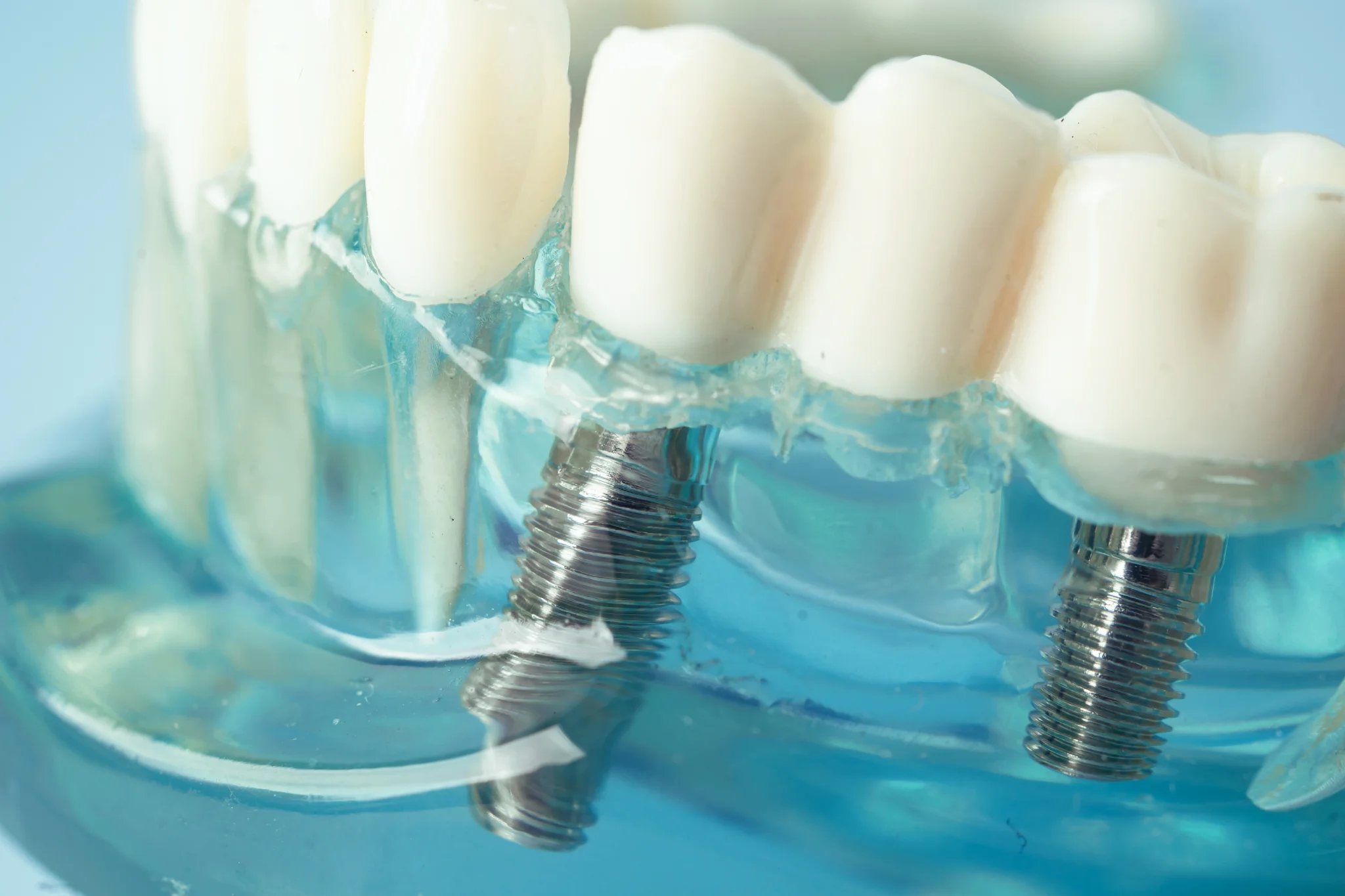
Tooth implantation has become an increasingly popular method for restoring a beautiful smile and full oral functionality. However, many people wonder if they can return to work immediately after the procedure. Is it possible? It’s essential to know that the recovery time after a tooth implantation can vary depending on individual factors. Generally, most patients can return to work the next day after the procedure. However, there are a few guidelines to keep in mind. First, it is important to be cautious and avoid putting excessive pressure on the implanted tooth. In the first days after the implantation, it’s better to avoid hard foods and prolonged chewing. Second, you should maintain excellent oral hygiene. Regular brushing, flossing, and rinsing the mouth will help prevent infections and speed up the healing process. If you feel weak or uncertain, consult your dentist, who can provide you with proper advice regarding returning to work and daily activities. Returning to work immediately after tooth implantation is possible, but it’s essential to listen to your body and follow your dentist’s recommendations. Remember that each case can be different, so it’s best to consult directly with a specialist before making a decision. Benefits of Tooth Implantation Tooth implantation has many benefits for patients who choose this procedure. Here are some of the main advantages of tooth implants: 1. Durability: Dental implants are exceptionally durable and can last for many years with proper care. They are made from titanium, a strong and biocompatible material that does not cause allergic reactions or rejection by the body. 2. Natural Appearance: Prosthetic crowns attached to implants are designed to closely resemble natural teeth. This allows tooth implantation to restore a natural appearance and boost self-confidence. 3. Improved Chewing Function: Missing teeth can make chewing and eating certain foods difficult. Tooth implants restore full chewing functionality, enabling patients to enjoy their favorite foods and maintain a healthy diet. 4. Prevention of Bone Loss: Missing teeth can lead to the loss of bone mass in the jaw. Tooth implants help preserve the natural bone structure, which is essential for maintaining overall oral health. Tooth Implantation Statistics Tooth implantation is becoming increasingly popular worldwide. Here are some statistics about this procedure: – According to the American Association of Implant Dentistry, over 3 million people in the United States have dental implants. – In Europe, dental implantology is gaining popularity, with the number of patients opting for this procedure steadily increasing. – In Poland, tooth implantation is one of the most common dental treatments. More and more people are choosing implants to restore a beautiful smile and full oral functionality. These statistics demonstrate that tooth implantation is becoming more accepted and popular as an effective solution for missing teeth. Tooth Implant Procedure Overview The tooth implant procedure consists of several stages, performed by an implantologist dentist. Here is the basic process of the procedure: 1. Patient Evaluation: First, the dentist conducts a detailed assessment of the patient’s oral health, including an evaluation of bone structure and overall health. This helps determine whether the patient is a good candidate for tooth implantation. 2. Treatment Planning: Based on the oral assessment, the dentist creates an individualized treatment plan. The plan considers factors such as the number and placement of implants and the type of prosthetic crown. 3. Preparing the Implant Site: If there is insufficient bone mass, a bone graft procedure may be required. This involves adding bone material to the area where the implant will be placed. 4. Implant Placement: After preparing the site, the dentist places a titanium screw into the jawbone. After the procedure, the patient receives a temporary prosthesis to wear until the implant heals. 5. Osseointegration: After implant placement, the process of osseointegration occurs, in which the implant fuses with the bone. This process typically takes several months and is crucial for the stability of the implant. 6. Attaching the Prosthetic Crown: Once osseointegration is complete, the dentist attaches the prosthetic crown to the implanted tooth. The crown is custom-made to match the shape and color of the patient’s natural teeth, providing an aesthetic result. The process of tooth implantation can vary depending on individual patient needs and the recommendations of the implantologist. Returning to Work After the Procedure – How Is It Possible? Many people planning tooth implantation worry about whether they will be able to return to work immediately after the procedure. While recovery time can vary based on individual factors, most patients are able to return to work the day after the procedure. It’s important, however, to be cautious and avoid putting too much strain on the implanted tooth. In the first few days after tooth implantation, it’s wise to avoid hard foods and prolonged chewing. Additionally, you should maintain proper oral hygiene. Regular brushing, flossing, and rinsing the mouth help prevent infections and speed up the healing process. If you experience weakness or discomfort, consult your dentist for appropriate instructions on returning to work and resuming daily activities. Returning to work immediately after tooth implantation is possible, but it is important to listen to your body and follow the dentist’s recommendations. Remember that each case is unique, so it’s best to consult with a specialist before making any decisions. How to Ensure a Comfortable Return to Work After Tooth Implant Surgery? To ensure a smooth and comfortable return to work after tooth implantation, consider the following practical tips: 1. Rest: After the procedure, your body needs time to recover. It’s important to give yourself enough time to rest and avoid excessive physical exertion in the first few days after the surgery. 2. Avoid Smoking and Alcohol: Smoking and drinking alcohol can slow down the healing process and increase the risk of complications. Therefore, it’s wise to give up these habits for a while after the surgery. 3. Pain Management: If you experience pain or discomfort after the procedure, consult your dentist for appropriate pain medication. Regular use
When can an implant be placed after a tooth extraction?
How long does it take to get an implant inserted? Removing a tooth can lead to unfavorable changes in the oral cavity, which can manifest in both the short and long term. Tooth gaps are not only an aesthetic problem but also a functional one. After tooth extraction, problems with biting may occur, as well as the displacement of remaining teeth towards the gap. To avoid these complications, the implant should be inserted as soon as possible, provided there are no contraindications. When should a patient schedule implantation? The best assessment of the timing of the procedure will be made by the implantologist, who will conduct a detailed dental examination and perform necessary computer tomography. The waiting time for implant insertion is highly individual and depends on many factors, such as the patient’s clinical condition, the presence of inflammation, or tissue healing speed. It’s crucial to undergo radiological diagnostics and entrust oneself to an experienced specialist to ensure that implantation results in long-term success. What changes occur in the oral cavity after tooth extraction? Even the removal of a single tooth disrupts homeostasis, or the body’s balance. This has serious consequences not only within the extracted tooth but also for the entire stomatognathic system. Bone defects after tooth extraction In individuals who have lost teeth long ago, irreversible changes in the oral cavity may occur. This manifests not only as a bite disorder but also as bone loss, leading to the atrophy of the alveolar process. This is visible as a characteristic narrowing from the side of the tooth gap. By taking care of oral health and responding appropriately to tooth loss, one can minimize the risk of complications and ensure a better quality of life. Immediate implantation after tooth extraction Immediate implantations are procedures involving the insertion of implants directly after tooth extraction. They allow for placing the implant in the site of the extracted tooth during one visit. Often, immediate implantation does not require additional incisions since the gap in the alveolar process created after tooth extraction is utilized. Conditions for performing immediate implantation If the doctor does not identify any systemic contraindications and there are suitable conditions of the bone substrate, immediate implantation can be performed right after extraction. The condition is the appropriate quality and size of the alveolar process. Bone integration period The healing of the bone substrate using bone substitute material usually takes from 3 to 6 months. This process is individual because bone regeneration occurs differently in each patient. Key in the osseointegration period are follow-up visits during which the implantologist assesses the bone healing. An X-ray is taken at each visit to evaluate the process. Properly healed bone substrate qualifies the patient for implantation surgery. Inflammatory conditions around teeth In cases of inflammatory conditions around teeth, which are indications for extraction, immediate implantation is not recommended. There is a risk of bacterial proliferation, which can lead to the lack of bone integration with the implant. In such situations, implantation is usually postponed for a period of 4 weeks. Contraindications for implant placement Patients under 16 years of age – related to bone development, some specialists postpone the procedure to a later age Pregnancy Advanced osteoporosis Periodontitis Cancer diseases Diabetes Mental illnesses Treatment with bisphosphonates Unfavorable anatomical conditions within the oral cavity Temporary local contraindications, e.g., injuries, mucosal inflammation
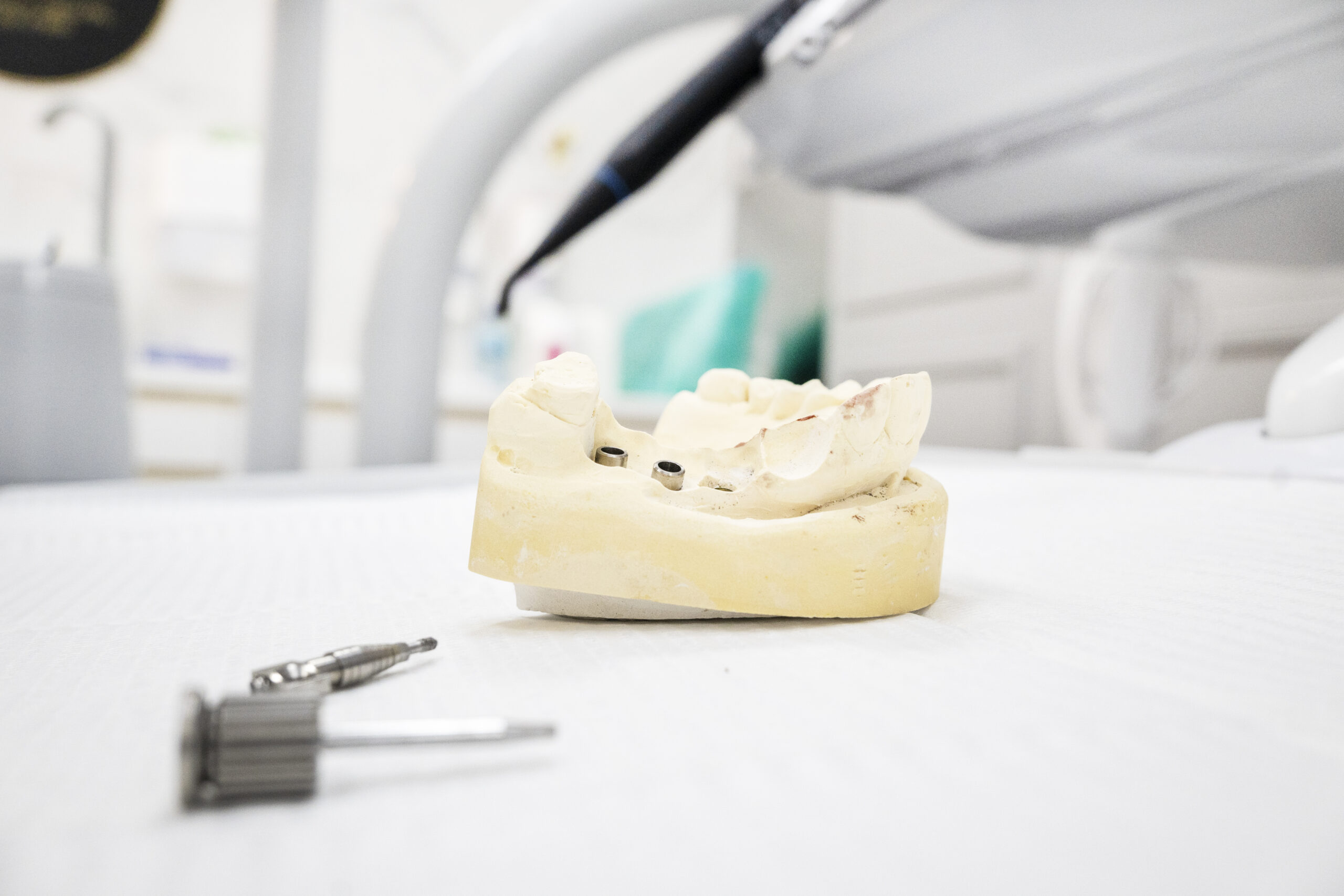
What is periimplantitis and do dental implants need to be replaced?
Patients considering implant options often inquire about how long they will last and whether replacement will be necessary. It’s important to emphasize that the durability of an implant primarily depends on the patient’s behaviors and oral hygiene. Regular check-ups and examinations can significantly reduce the risk of complications, including peri-implantitis, which is inflammation of the tissues around the implant. When should dental implants be replaced? How to avoid complications? Dental implants are becoming an increasingly popular solution for those seeking to restore full oral functionality. However, while well-made implants can last for many years, they require regular care and attention. Regular visits to the dentist and professional cleaning are essential for maintaining the durability of implants. Additionally, the patient themselves plays a significant role in maintaining oral health through proper hygiene habits and caring for the implants. Avoiding complications related to dental implants also requires adequate knowledge of products and tools that can help maintain their cleanliness and durability. Therefore, it’s worth consulting a dentist for advice on proper implant care and in case of any concerning symptoms. This way, the need for dental implant replacement can be avoided, allowing for years of functionality. “Implant Peri-odontitis” After implantation surgery, blood flow to the surrounding tissues naturally decreases, making them more susceptible to damage. The main risk to implant durability is diseases related to inflammation of the tissues around them, caused by bacteria presence. This applies to both soft tissues, such as the mucous membrane, and hard tissues, namely bone. In the case of soft tissues, there is peri-mucositis, while in the case of bone, there is peri-implantitis. Peri-implantitis poses the greatest threat to implants, risking bone loss, exposure, and even implant loss. This can be compared to periodontitis occurring with natural teeth. How can we recognize peri-implantitis? An early sign of peri-implantitis is often gum inflammation, which doesn’t always cause pain, making it difficult for the patient to identify. Regular dental visits and monitoring of the implant area are therefore crucial. Initial symptoms may include redness and swelling of the gums near the implant, excessive tissue growth, bleeding during probing, deepening of the gum pocket, and sometimes the presence of purulent discharge. Inflammation can lead to a decrease in the gum line (called gum recession), which can cause unsightly exposure of implant threads. In extreme cases, the implant may even lose connection with the bone (disintegration), resulting in implant loss. Periodontal Support for Implants When soft tissues around implants become inflamed, a periodontist or surgeon becomes a key ally for the patient. Curettage, or professional removal of plaque deposits and bacteria, may be necessary, especially when inflammation reaches deeper layers of tissue. In advanced cases, treatment may involve pharmacological therapy or innovative photoactive disinfection using lasers. In situations where inflammation reaches the bone, surgical intervention may be necessary, including bone regeneration, implantoplasty, and tissue grafting. An integrated periodontal-surgical approach ensures comprehensive care for the patient, addressing both soft tissue and bone structure, with long-term implant success in mind.
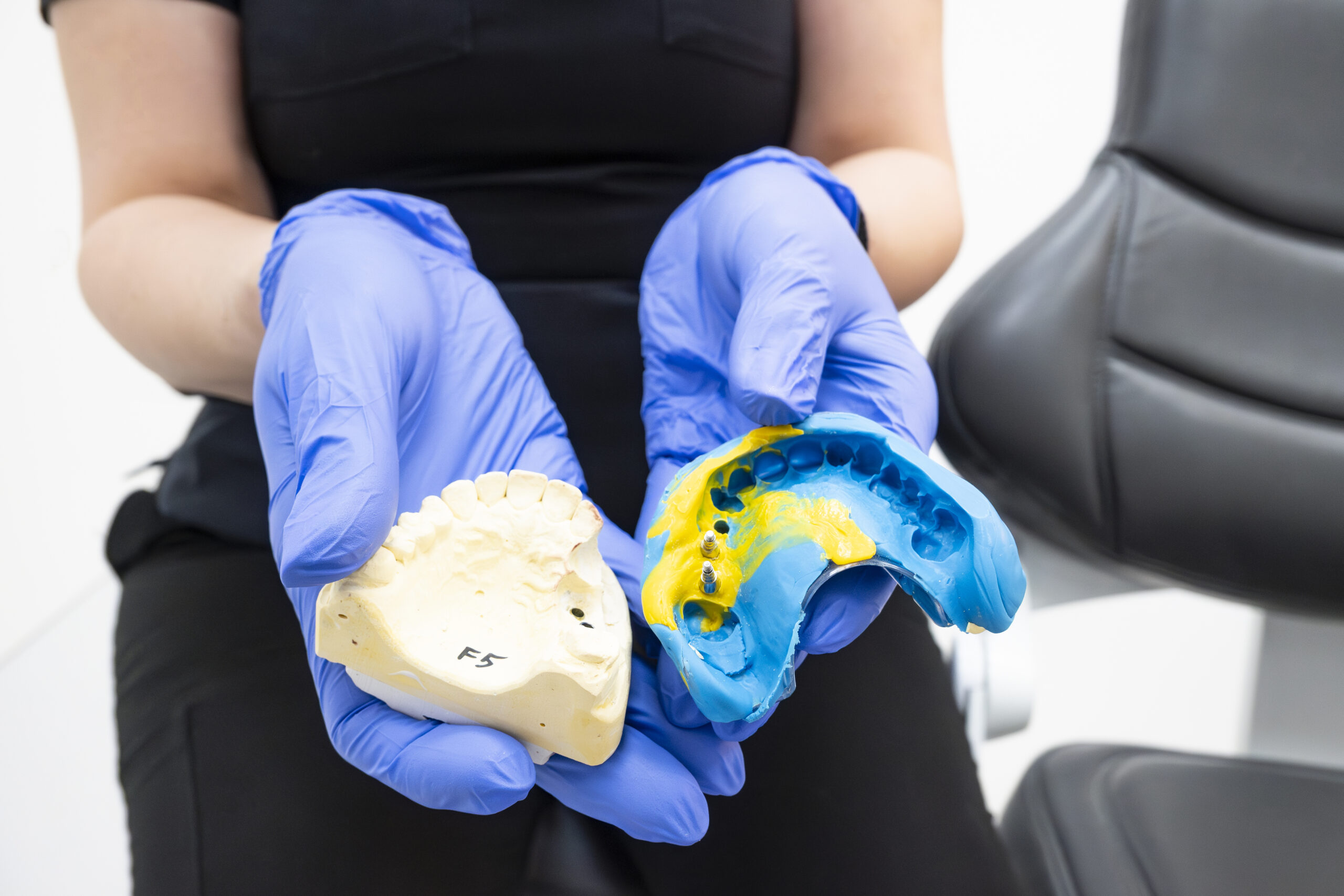
Benefits of choosing dental implants
Implantology is one of the fastest-growing fields in dentistry, offering patients a wide range of possibilities and therapeutic methods. In the field of dental implantology, Warsaw Dental Center boasts several high-class specialists who achieve excellent, predictable treatment outcomes. Dental Implants Dental implants represent the most effective alternative to a natural tooth root, both biomechanically and aesthetically. They allow for the placement of various prosthetic reconstructions, such as crowns or bridges, providing patients with stability and comfort. The dentist places implants in the jawbone’s alveolar process of the mandible or maxilla. Thanks to them, prosthetic works are not only stable but also do not shift in the oral cavity, resulting in patient comfort during daily oral hygiene and normal functioning. The most commonly used material for dental implant production is titanium or its alloys, which are biocompatible and safe for the surrounding tissues. Their high affinity for oxygen eliminates the risk of the body’s immunological reaction, making them an ideal choice for patients. Compared to other methods of filling interdental spaces, implants do not require intervention in adjacent teeth, thus protecting the patient’s natural tooth structure. They help avoid the need to grind adjacent teeth, which often leads to weakening them. To achieve optimal therapeutic and aesthetic results in implant prosthetics, it is essential for clinics to be equipped with state-of-the-art medical equipment and to use certified materials and implants of the highest quality. An experienced doctor also plays an important role in performing procedures with the utmost care and precision. An important aspect often raised by patients is the fear of pain during the implantation procedure. However, thanks to the use of effective local anesthesia or sedation, the implantation procedure is entirely painless, allowing patients to feel comfortable and safe. Contrary to common belief, implantation is less invasive than many other dental procedures, such as tooth extraction. Most patients can return to normal functioning as soon as the day after the implantation procedure.
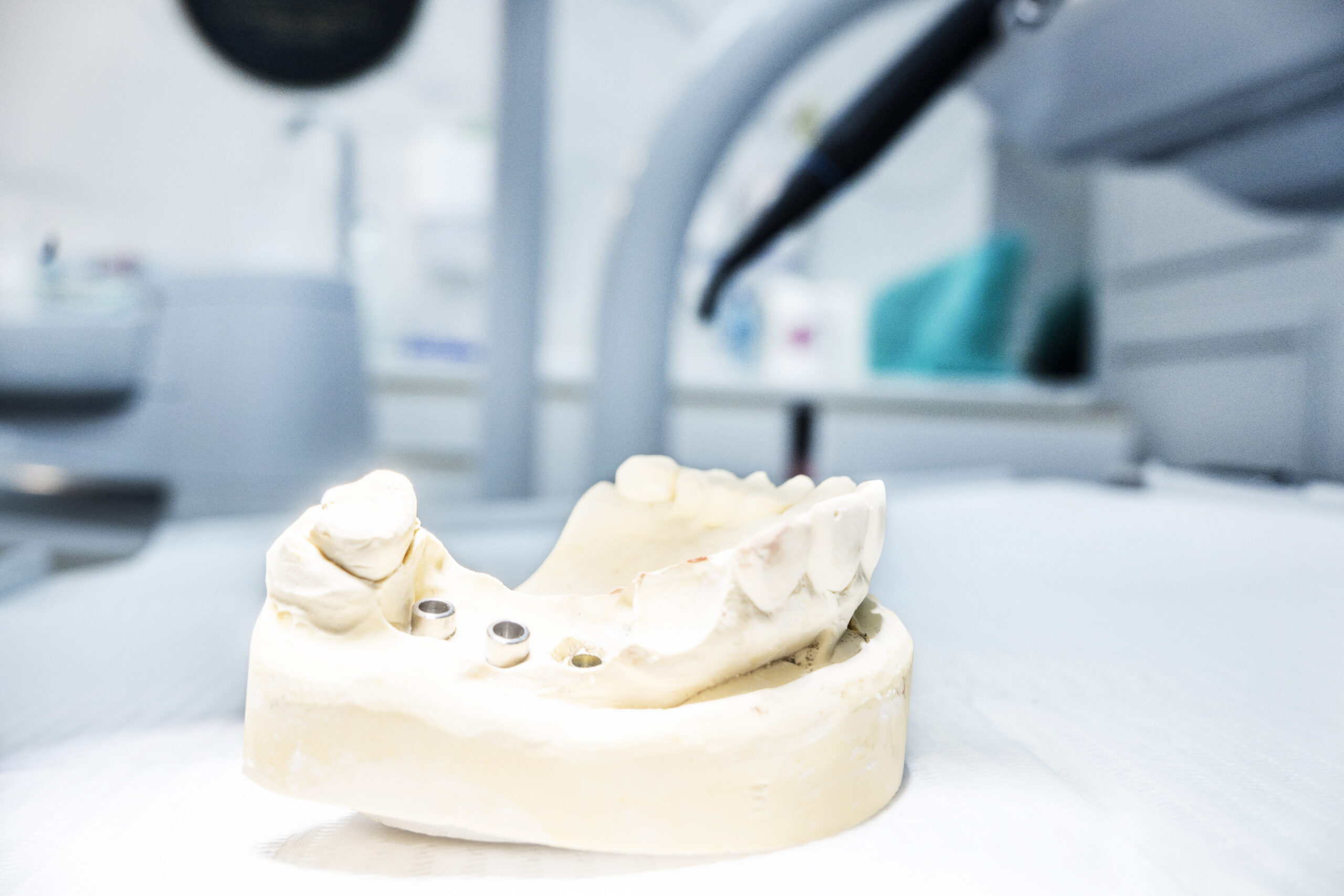
How to alleviate inflammation after dental implant placement?
Let’s care for a beautiful smile and oral health – this is the desire of each of us. Unfortunately, disease or decay often forces us to have one or several teeth removed, undoubtedly affecting the aesthetics of our smile. In such situations, many patients opt for implant treatment, which allows for the replacement of missing teeth, both individual and entire rows. However, it’s important to be aware that there is a risk of inflammation after implant placement. What are the symptoms of tissue inflammation, how to effectively treat this inflammatory condition, and how to prevent it after implant surgery? How long does the healing process take after dental implant placement? Implanting a tooth is a significant procedure affecting the tissues of the oral cavity. The time needed for gum healing is mainly dependent on the patient’s individual habits and genetic predispositions. For example, if the patient follows oral hygiene rules after the procedure, the healing process of soft tissues can take up to 14 days. However, if the patient continues to smoke, consume alcohol, or does not follow the doctor’s recommendations after implant placement, the time to return to full gum function can be extended to up to 6 months. Symptoms of inflammation after dental implant placement – How to recognize and react? Symptoms of inflammation after dental implant placement can include various signs. Although serious complications are rare, developing inflammation can cause oral pain. Bacteria that settle in the implant area are the main cause of this condition. Symptoms indicating gum inflammation include redness and bleeding of the gums, pain when eating or touching, as well as unpleasant breath. In the case of advanced inflammation, pus discharge around the implant may occur, and the implant itself may become mobile. It’s important to be aware of these symptoms and consult a doctor if they occur. Consequences of untreated tissue inflammation around the implant Untreated tissue inflammation around the implant can lead to various complications, including discomfort and the risk of improper fusion of the regenerative root with the bone. Additionally, it can weaken the gum structure and lead to bone tissue loss. Ignoring the problem may even lead to the necessity of implant removal and undergoing a complicated treatment process. Neglected inflammation of the tissues around the implant poses a serious threat to oral health, so it’s important to take prompt appropriate medical action. How to combat tissue inflammation? To effectively address tissue inflammation, it’s necessary to consult the treating doctor. This is an important step in ensuring appropriate treatment that will reduce inflammation and improve patient comfort. Depending on the situation, the specialist may recommend mouth rinses that help disinfect infected tissues and reduce pain. In some cases, antibiotics may also be necessary, especially in situations of complications. For advanced cases of inflammation, especially in the context of implants, doctors may decide to perform surgical procedures. These procedures may include temporary exposure of the implant and thorough cleaning of infected tissues. Implementing such interventions requires precise diagnosis and a proper treatment plan that will minimize the risk of complications and speed up the healing process. Therefore, it’s always important to consult a specialist in cases of advanced tissue inflammation. Dental Implants – When to place them? Dental implants are a modern solution for people with missing teeth. Placed in the jawbone, they serve as a base for crowns, which, after placement, look like natural teeth. After gum healing, implants are practically invisible. They provide not only aesthetics but also enable the proper functioning of the dental system, allowing for comfortable chewing of food. The decision to place implants depends on the individual needs of the patient and the treatment plan established by the dentist. Thanks to technological advances, implants are becoming increasingly popular and accessible. Summary Dental implants are a popular method of replacing missing teeth, providing patients with higher comfort. However, proper oral hygiene care after implant placement is extremely important, significantly reducing the risk of gum inflammation. In case of inflammation, it’s necessary to consult a dentist immediately to assess the condition of the implant and choose the appropriate treatment method. This way, more serious health problems can be avoided, and the durability and functionality of the implants can be preserved for a longer time.
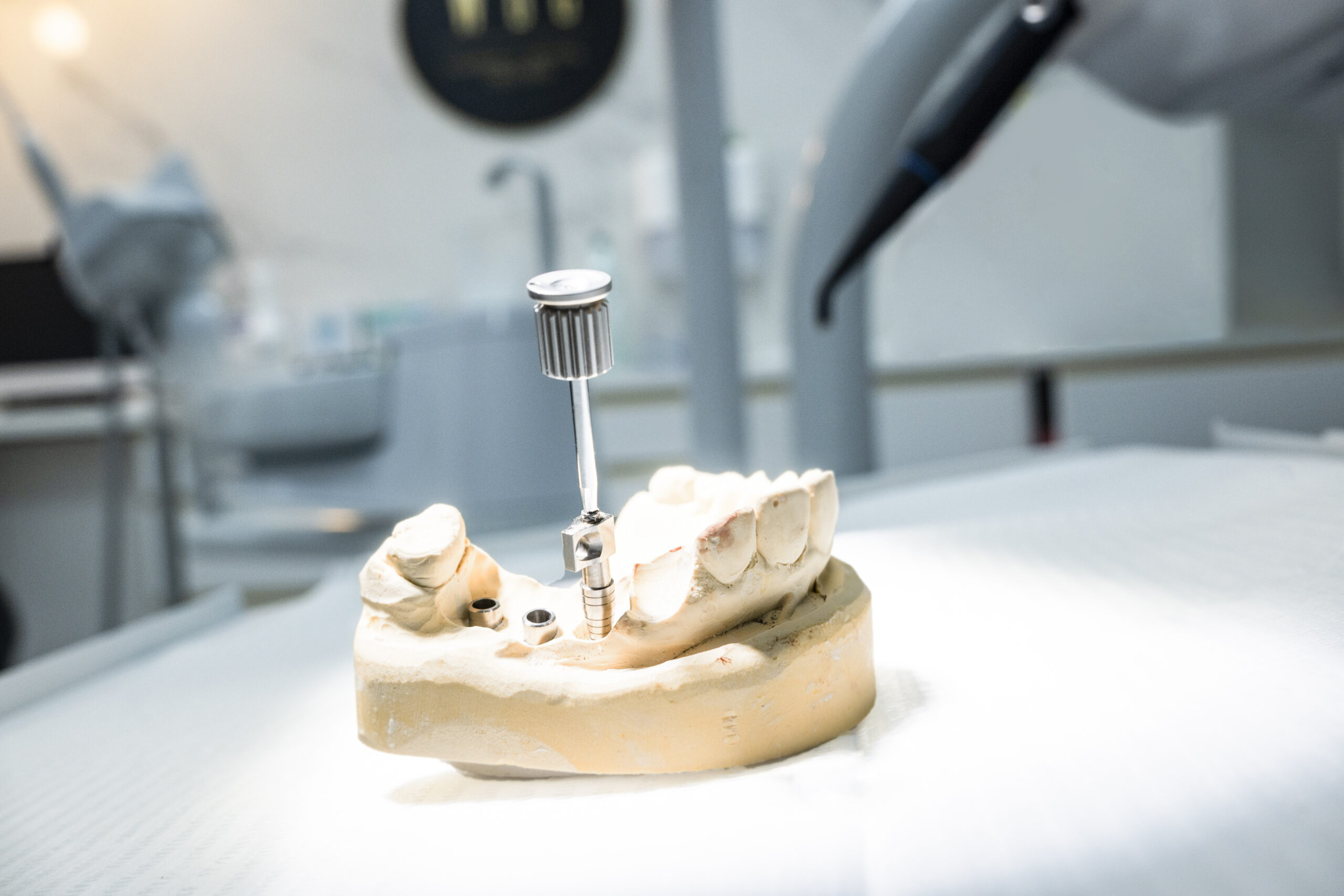
How long does it actually take for healing after dental implant placement?
Healthy teeth are an important factor influencing an individual’s overall well-being. Maintaining proper oral hygiene practices not only contributes to achieving a radiant smile but above all promotes maintaining a healthy lifestyle. Nowadays, increasing attention is being paid to dental implants, which constitute a significant element in improving oral health. These implants, by serving as replacements for missing teeth, revolutionize our perception of both dental functionality and aesthetics. The question of how long the dental implant healing process lasts becomes extremely important for those interested in this solution. Recovery After the Procedure Recovery after dental implantation surgery is a crucial stage in returning to health. In the first few days after the procedure, patients confront the healing process, which typically lasts about two weeks. During this time, some discomfort and inconveniences may occur. It is recommended to consume soft food to avoid burdening the fresh wound, which further accelerates the return to full functionality. Don’t forget the importance of oral hygiene. Gentle tooth brushing and rinsing the mouth with a mild saline solution are the basis for protection against infections. This simple routine can significantly speed up the healing process. Long-Term Healing Process and Osseointegration In addition to the initial return to health, the main goal becomes osseointegration, the fusion of the implant with the bone. This stage of the healing process is responsible for the time needed for the dental implant to heal. To achieve successful osseointegration, a period of 3 to 5 months is usually required. During osseointegration, the newly implanted implant forms a secure connection with the jawbone. This durable connection provides a solid foundation for the artificial tooth or teeth. Generally, excessive stress on the implant should be avoided during this phase, as it may disrupt proper healing. Factors Affecting the Healing Process Duration It should be remembered that the regenerative abilities of each individual are unique. Several factors may influence the length of the recovery period. Typical factors affecting healing time include age, overall health condition, oral hygiene practices, and lifestyle. For example, smoking or the presence of chronic illnesses may require a longer recovery period. On the other hand, the quality and density of the bone in which the implant is located also directly affect the healing time. Monitoring the Progress of Implant Healing Regular follow-up visits to the dentist are crucial for patients with new dental implants. They allow for professional monitoring of the implant site and early detection of potential problems. Although inflammatory conditions and changes in skin color may be typical during the healing process, high levels of pain or signs of infection should be reported. Patients must remember that healing is just one stage of the journey with a dental implant. Equally important is the upcoming period, which requires monitoring and meticulous oral care. The ultimate goal is a successful, fully functional implant that ensures durability and joy from the restored smile. Trust Experienced Experts and Enjoy a Beautiful Smile At the Warsaw Dental Center in Warsaw, we believe in smile transformation, which we confirm with our exceptional service. With us, you can be sure that you will be treated with due care, and dental implants and aesthetic dentistry are among our specialties.
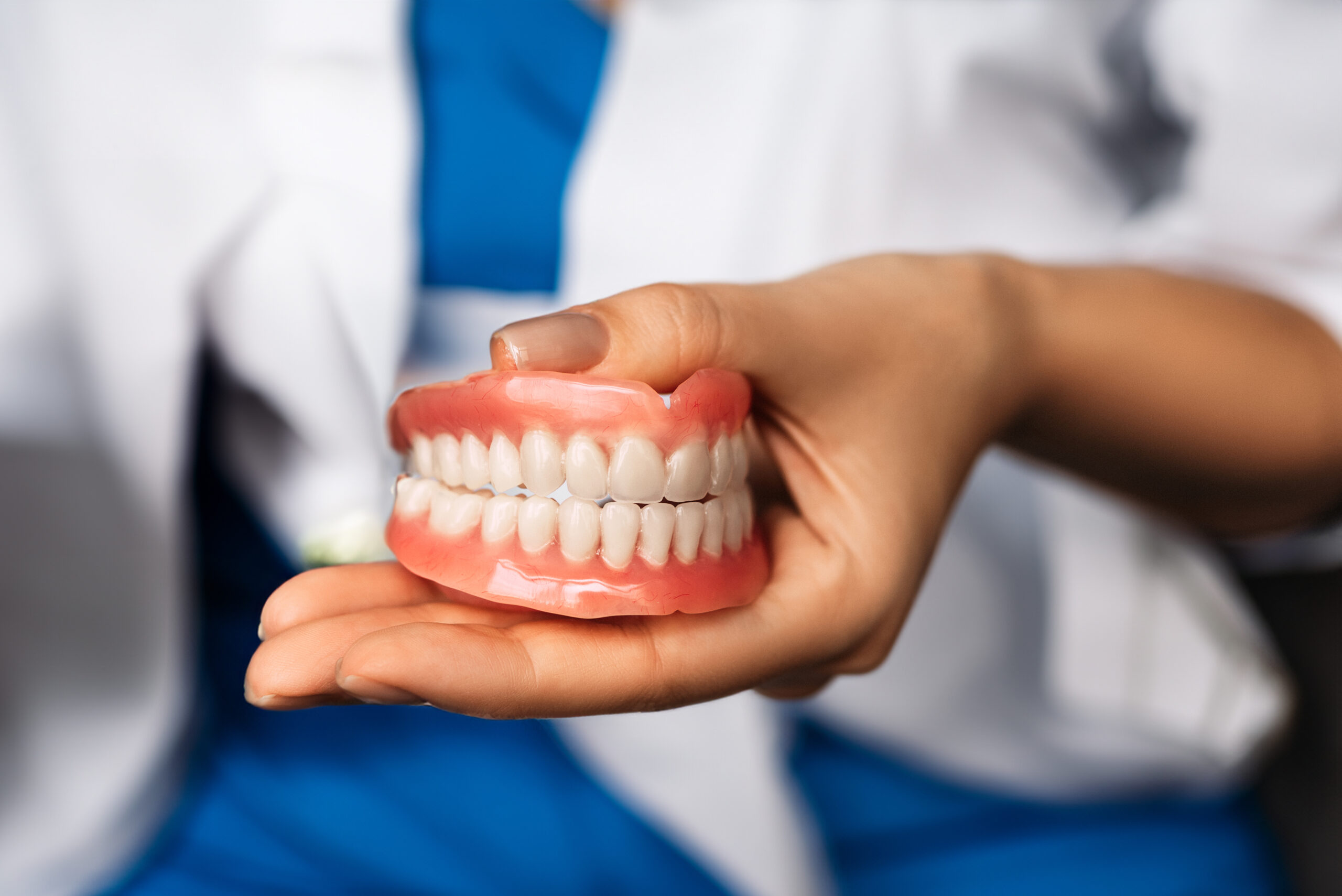
What role does a temporary prosthesis play in the process of placing implants?
Thinking about getting dental implants, but have questions and doubts? Are you looking for answers before making a final decision? That’s completely natural. The decision about implants is a significant step, both financially and personally. Implants can restore your smile and confidence, but you may wonder what the process will be like from tooth removal to implant placement. This period, which can last for several weeks, is necessary for complete wound healing and preparation for implantation. The answer to these questions is a temporary denture. What exactly is a temporary denture? A temporary denture is a personalized solution to replace missing teeth, used while waiting for implants to be placed. The denture allows normal functioning for a short period and does not affect the appearance of the oral cavity. Though it may require some adjustment, wearing it is not painful or very uncomfortable. However, regular wearing and maintenance of the denture are important. In what situations is a temporary denture used? A temporary denture is dedicated to individuals who, for various reasons, cannot immediately receive an implant. There are many reasons why the use of a temporary denture may be necessary, and below are some of them. Lack of available implant The time required to produce an implant depends on many factors, but typically it does not exceed a few weeks. However, there are situations where it may take even a month, due to technical problems, failures, illness of the person performing the implants, or lack of materials. Unforeseen factors often lead to delays, of which we must unfortunately be aware. To avoid leaving the patient with incomplete dentition, a temporary denture is used to mask gaps, allowing for normal functioning. Time needed for wound healing Another reason for using a temporary denture is the need for wound healing, especially after deliberate tooth extraction. For an implant to be placed in the site of the wound, it must be fully healed. The time depends on the individual’s body and other factors and can take several weeks. Can one function normally during this time? Yes, provided there is a temporary denture in the mouth, which is economical and significantly improves the quality of life. The importance of a temporary denture in the preparation process for implant placement After how long from placing the temporary denture can proper implants appear? On average, this takes several weeks, although most clinics strive to shorten this period. However, a temporary denture is essential for normal functioning during this time. Its preparation takes much less time than producing implants, and its application is simple and painless. The temporary denture can be removed and reinserted by the patient multiple times without causing pain. It is made of body-safe materials that do not cause allergies or irritation. Thanks to its flexibility, it easily adapts to the shape of the oral cavity, ensuring comfortable use without discomfort. It is important to maintain the hygiene of the denture, including regular cleaning, rinsing with special tablets, and keeping it clean. We invite you to our dental clinic Warsaw Dental Center in Warsaw, where our experienced specialists will provide comprehensive care for your teeth.