

Debunking the Root Canal Myth Root canal therapy at Warsaw Dental Center has evolved into a predictable and pain-free experience. Modern endodontic therapy focuses on removing the source of pain-typically an infected pulp or acute inflammation-rather than causing it. Patients seeking “painless root canal treatment in Warsaw” can now benefit from protocols that prioritize both clinical excellence and psychological comfort. Advanced Anesthesia: The Foundation of Comfort We utilize state-of-the-art local anesthetics and computer-controlled local anesthesia delivery (STA). This system monitors the flow rate of the anesthetic, ensuring the injection itself is virtually imperceptible. For the patient, this means painless dental numbing, while clinically, it ensures profound pulpal anesthesia, allowing for stress-free intervention even in highly inflamed cases. Technology for Precision: Microscopy and 3D Imaging The high success rates achieved by Dr. Urszula Leończak are driven by: Operating Microscopes: Providing 20x magnification for unmatched precision. 3D CBCT Scans: Offering a volumetric view of the tooth to identify missed canals or complex anatomy before the procedure. Electronic Apex Locators: Ensuring the working length is determined accurately to prevent overfilling or underfilling. Gentle Disinfection: Ultrasonic Activation Traditional canal scrubbing has been replaced by passive ultrasonic irrigation (PUI). High-frequency vibrations activate the disinfecting solutions, effectively removing bacteria and biofilm from the most complex parts of the root canal system. This minimally invasive endodontics approach ensures better healing and less post-operative sensitivity. Stress-Free Dentistry (Sedation Options) For patients with severe dental anxiety, we offer full anesthesia or intravenous sedation. These methods are highly effective for those searching for “root canal treatment under sedation” or looking to overcome dentophobia in a safe, controlled environment. Post-Operative Care and Recovery Patient care doesn’t end when the filling is placed. We provide clear post-operative instructions and utilize biocompatible bioceramic sealers that encourage rapid bone healing. Most patients return to their daily routine within 24 to 48 hours, experiencing total relief from their initial toothache.
Dentophobia – how to deal with it?
Dentophobia, or intense fear of visiting the dentist, is becoming an increasingly common problem that can lead to serious health complications. In this article, we will examine the causes of dentophobia, methods of its recognition, and effective ways of dealing with this problem. Causes of fear of dental visits Fear of the dentist often has its roots in traumatic experiences associated with dentistry. Experiences such as painful injections, feelings of pain, or bleeding can leave a deep imprint in memory and lead to avoiding visits to the dentist at all costs. It is important to remember that fear is a natural human reaction to situations that we perceive as unpleasant or threatening to our bodies. Some dental procedures, such as root canal treatment, are associated with the experience of pain, which reinforces negative associations with visiting the dentist. Additionally, many people feel awkward in situations where they have to rely on others and have no control over the course of events. A visit to the dentist often involves entrusting oneself to the care of a specialist, which can lead to increased anxiety. Symptoms of dentophobia Dentophobia can manifest through various symptoms, the most common of which include: Feeling anxious several days before a scheduled dental visit Experiencing headaches or stomachaches due to stress associated with the visit Excessive sweating or trembling during a dental appointment Tendency to postpone or cancel scheduled appointments with the dentist If you notice any of these symptoms in yourself, there is a high probability that you are dealing with dentophobia. How to counteract dentophobia Overcoming dentophobia begins with understanding the sources of your own fear and openly admitting to yourself that you have a problem. This first step enables us to take conscious actions and seek solutions. It is also important to find an empathetic and communicative dentist, as the atmosphere in the office itself can help reduce feelings of fear and stress. Before and during the visit, it is worth experimenting with various relaxation techniques, such as deep breathing or meditation. They can help alleviate symptoms of anxiety. Also, do not hesitate to express your concerns and request modifications to the treatment process, such as shorter appointments. In cases of severe fear associated with the dentist, it is also worth considering psychological therapy. Such therapy can help us confront our fears and learn to effectively cope with them in the future.
Anesthesia in dentistry
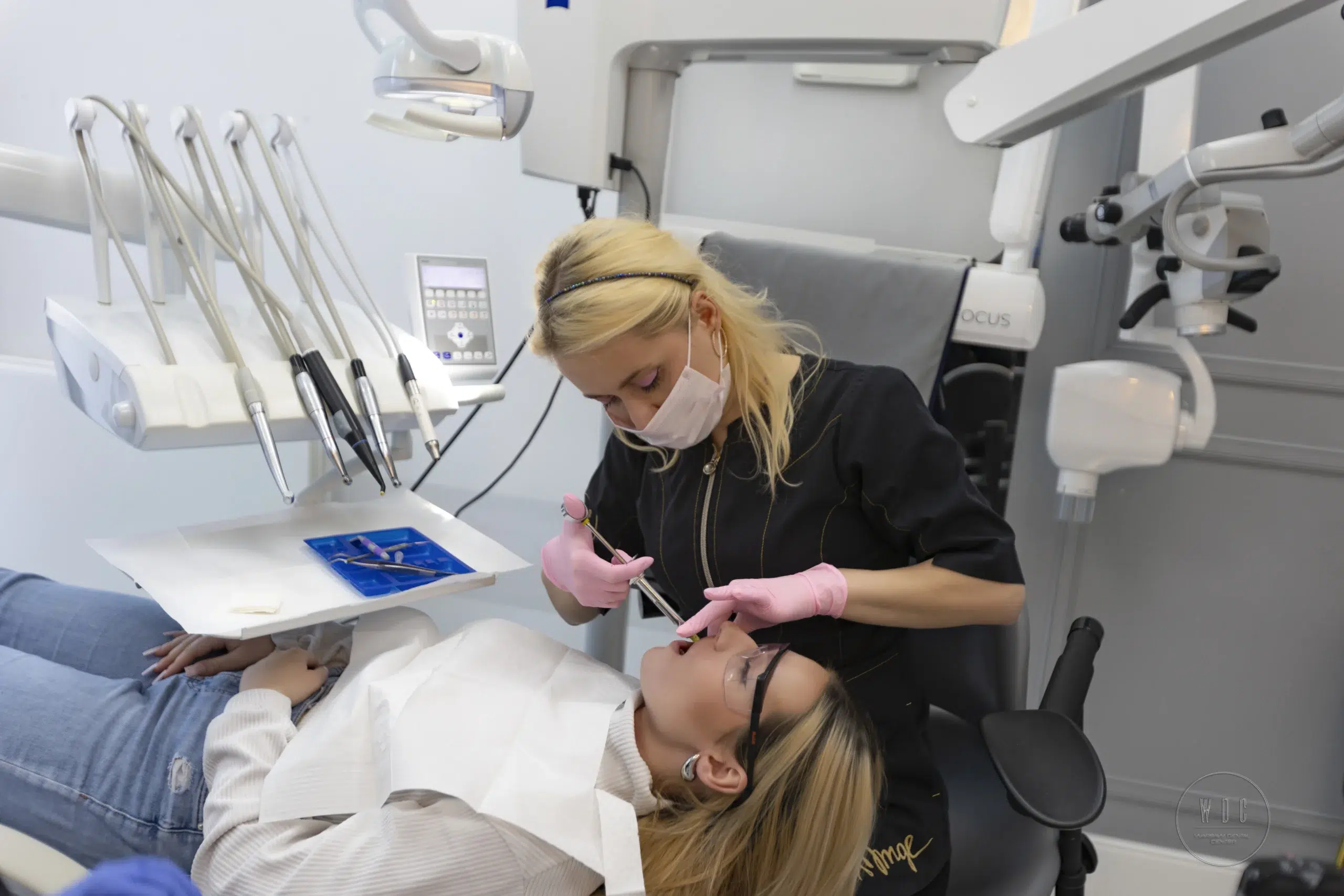
Appropriate anesthesia is a key element of comfortable and effective dental treatment. For many people, visiting the dentist can be a stressful experience, and anesthesia plays an important role in relieving this stress and minimizing any possible pain during the procedure. Warsaw Dental Center strives to improve anesthesia methods to provide patients with the highest possible level of comfort and safety. Evolution of Comfort Today, thanks to modern technologies and advances in dentistry, anesthesia is much more effective and comfortable. This is an issue that not only ensures comfort for the patient, but also allows the dentist to focus on getting the procedure right. Types of Anesthesia Anesthesia used at Warsaw Dental Center can be administered in various ways. The most popular is local anesthesia, which involves numbing only a specific area of the oral cavity. The dentist uses a small needle to inject an anesthetic into the area where the procedure will be performed. This means that the patient does not feel pain during treatment. In the case of more complicated procedures or for people suffering from severe fear of the dentist, it is also possible to use general anesthesia. In such a situation, the patient is sedated and unaware of the procedure. Although this type of anesthesia carries greater risks, for some patients it is the only option that allows them to overcome their fear and receive the dental care they need. Gaining Comfort It is worth emphasizing that Warsaw Dental Center not only cares about the effectiveness of anesthesia, but also about the patient’s comfort at various stages of the visit. The atmosphere of the clinic, the courtesy of the staff and the use of modern equipment influence the overall patient experience and can significantly reduce the stress associated with visiting the dentist. The Role of Trust Regardless of the type of anesthesia, trust between the patient and the dentist is crucial. A good dentist will always listen to his patient’s concerns and explain each stage of the procedure, which helps build trust and minimize the stress associated with a visit to Warsaw Dental Center. The future of comfort At Warsaw Dental Center, they make many efforts to ensure patients’ comfort and safety during treatment. Anesthesia plays a key role here, enabling effective treatment with minimal pain. Thanks to the continuous development of medical technologies, it can be expected that anesthesia methods will continue to improve, providing even greater comfort during visits to the dentist.
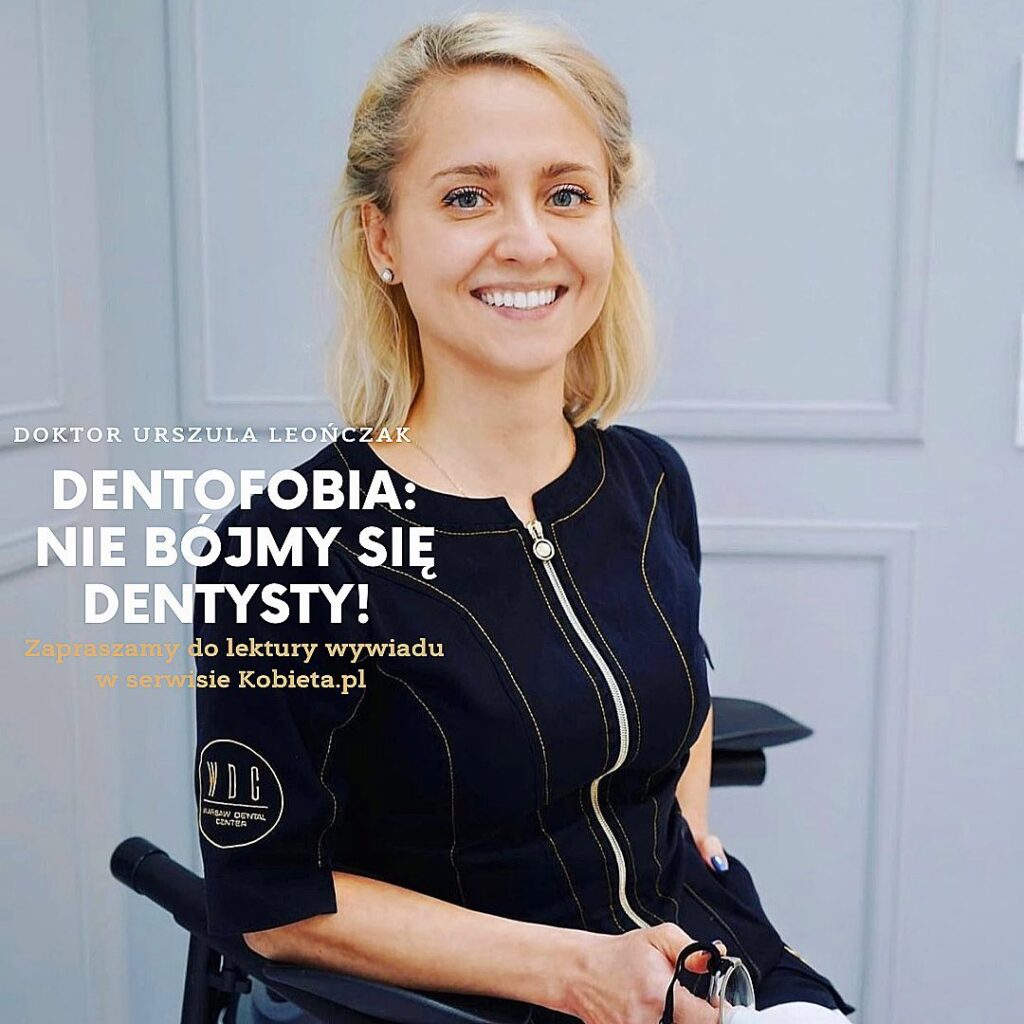
Doctor Urszula Leończak in Głos.pl: Dentist? There is nothing to be afraid of!
It’s hard to believe that as many as half of Poles avoid visits to the dentist because they are afraid of them.These are data from the Interactive Market Research Institute. Are we really that scared? Fear of the dentist, which starts with slight anxiety, can end in total terror and even a panic attack.It happens that the stress associated with the visit reaches such an intensity that dental treatment becomes simply impossible at some stage. This happens when we are dealing not with fear, which we can overcome even with rational thinking, but with a phobia. Where does it come from? Doctor Urszula Leończak talks about ways to fight dental phobia. Why is it not worth being afraid of the dentist today? We invite you to read the interview on Głos.pl! Link to the text: https://tiny.pl/953qc
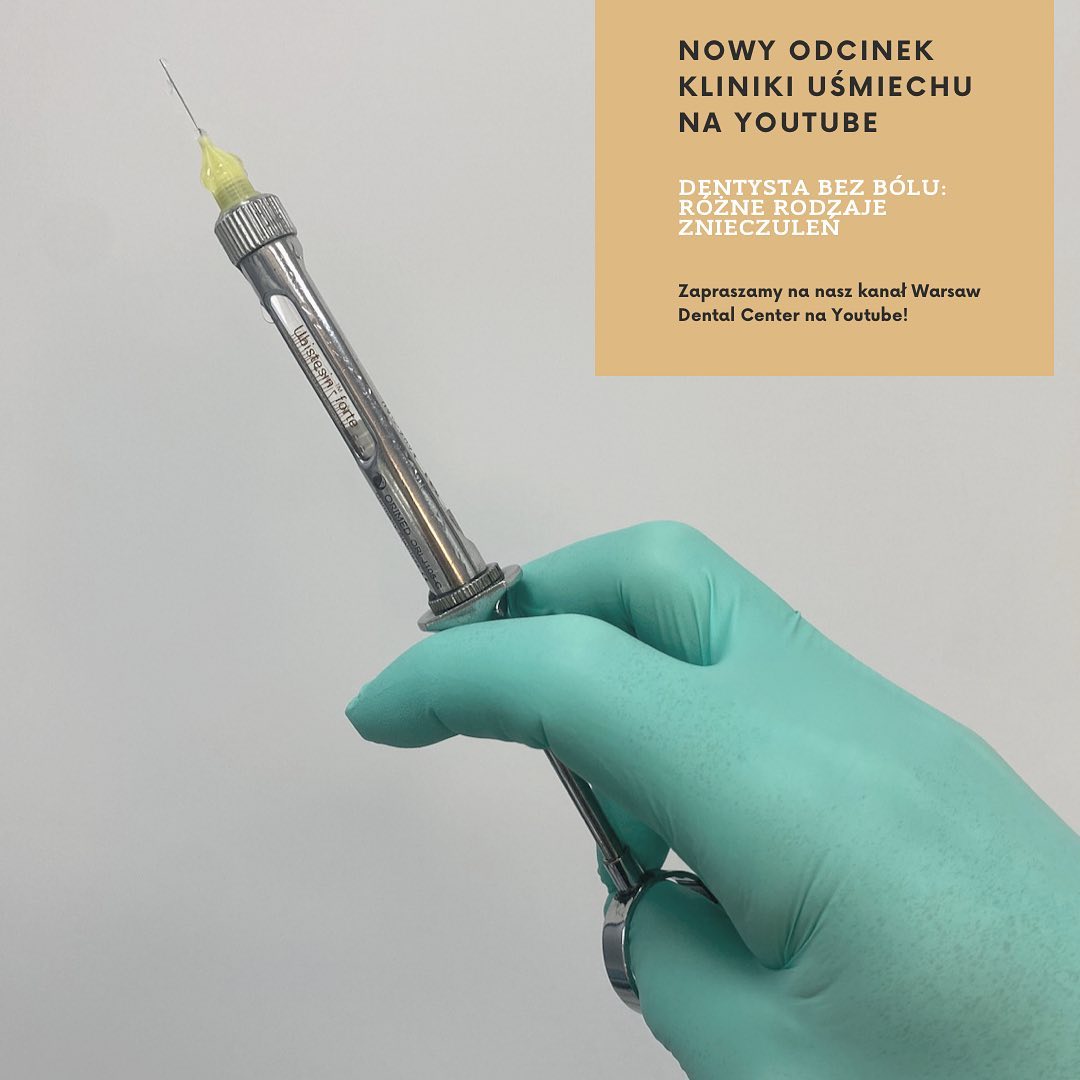
Anesthesia at the dentist: what are its types?
The new episode of the Smile Clinic is already available! Anesthesia at the dentist: what are its types? Today, most patients decide to undergo anesthesia before a dental procedure. Few of them, however, are aware of the wide range of methods currently offered by dental offices. Are you curious what we can surprise you with? We invite you to watch the episode! Material available at this link: https://bit.ly/KlinikaUsmiechu_Znieczulenie_u_dentysty Subscribe to the Warsaw Dental Center channel on Youtube: http://bit.ly/obserwujWDC Remember to click after watching the material! Thanks to this, you will be up to date with news from WDC
MY TOOTH HURTS: What next?
The overwhelming fear of visiting the dentist is a thing of the past. Today, a nagging toothache means only a challenge to solve – quickly and painlessly. How to achieve this? We are talking to Dr. Urszula Leończak. Toothache is a signal that cannot be ignored.In such a situation, an immediate visit to the dentist is necessary.Unfortunately, many people delay making this decision.This is a serious mistake. In most cases, the symptoms will not go away on their own and the problem may only get worse.As explained by the doctor.dentist Urszula Leończak from Warsaw Dental Center, toothache may indicate various problems, such as caries, inflammation of the pulp or inflammation of periodontal tissues. In the case of caries, it is enough to place a filling, but inflammation of the pulp requires root canal treatment.It is worth realizing that the earlier we decide to visit a dentist, the lower the scope of treatment and costs will be. Nowadays, effective anesthesia is available that eliminates the pain and discomfort associated with dental procedures.It is not necessary for the dentist to know when we feel pain – on the contrary, a calm patient makes the doctor’s work easier.There is one exceptional case when pain is a signal to stop the treatment, namely during teeth whitening.In such a situation, the teeth indicate that the stimuli are unbearable and there is a risk of pulp damage.Then the whitening treatment should be stopped immediately, both in the office and using home trays. The expert also emphasizes that teeth and periodontal tissues may react with pain to treatment, just like any other organ in the body.This phenomenon especially applies to the period after tooth extraction or root canal treatment, but it may also occur after the installation of a standard filling.In most cases, the pain gradually subsides after a few days.However, if it is long-lasting, you can take painkillers containing paracetamol or ib upprofen.If symptoms persist for longer than two weeks, it is worth consulting a doctor. Pain is the body’s natural signal that something is wrong.In the case of teeth and gums, this may be a symptom of inflammation.In such a situation, the gums become particularly sensitive, especially when eating and brushing teeth.The most common cause of inflammation is the accumulation of tartar and plaque, so regular professional hygiene by a dental hygienist at least twice a year is crucial. Symptoms of periodontal disease may also include gingival recession, i.e. receding gums, which may lead to exposure of the tooth root.In this case, the teeth become particularly sensitive to temperature changes and sweet and sour foods.To improve the situation, exposed tooth fragments can be covered with a gum graft, made of collagen material or taken from the patient’s palate.The full effect and appearance of the gums after such treatment is usually assessed after three months.
Are you afraid of the dentist? Unnecessarily!
Overcoming Dentist Fear: A Modern Approach to Dentistry Is the sight of a dentist’s office still associated with fear? Modern dentistry has long moved away from the unpleasant associations of the past. Research shows that almost half of Poles avoid visits to the dentist out of fear. But is it worth being afraid? It turns out that these fears are unfounded. The modern approach to dentistry focuses on patient comfort. Many treatments can now be performed painlessly and stress-free. Past negative experiences with equipment noise or pain are a thing of the past. Modern offices offer various relaxation methods that turn a visit to the dentist into a pleasure. One way is to use your favorite music or audiobook during the treatment. Additionally, patients can focus their attention on interesting programs and music videos displayed on TVs mounted above the armchairs. If pain is the cause of anxiety, it is worth knowing that anesthesia has become very effective and common.Nowadays, in most cases, they eliminate the fear of pain. Even people suffering from severe fear of the dentist can benefit from general anesthesia (anesthesia) supervised by a qualified anesthesiologist.Thanks to this, the patient sleeps during the procedure and does not feel any unpleasant sensations, and does not remember anything from the procedure itself. Prevention also plays a key role.Regular dental checkups every six months minimize the risk of dental problems such as tooth decay.In addition, there is proper oral hygiene, which is helped to maintain by qualified hygienists. When it comes to where to visit, Warsaw Dental Center offers boutique quality dentistry. Their clinic, located in the heart of Warsaw, in Powiśle, focuses on individual approach to the patient and friendly interiors that provide comfort and a feeling of being at home. We invite you to visit the Warsaw Dental Center. You can make an appointment via e-mail email: kontakt@warsawdentalcenter.pl or by phone: 22 542 18 04. There is no need to be afraid of visiting the dentist. Modern methods, comfortable conditions and qualified care make taking care of your oral health easier and more enjoyable than ever before.
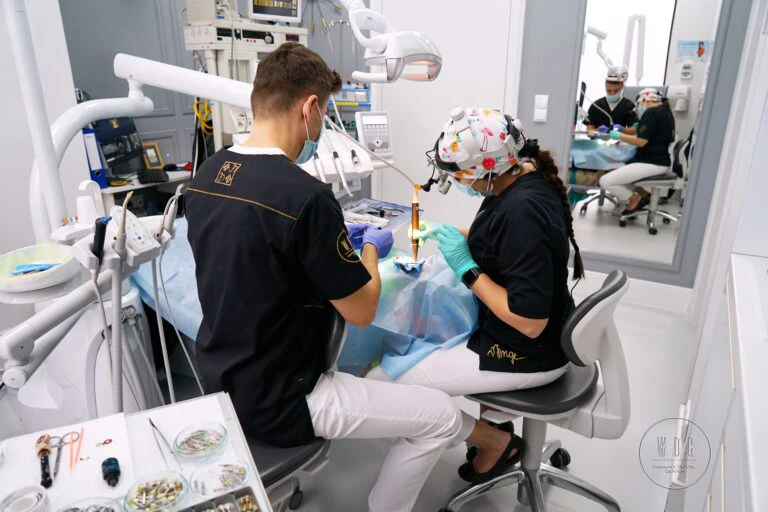
Warsaw Dental Center in Elle Polska!
ELLE magazine published an interview with Dr. Urszula Leóńczak and Bartosz Leończak about anesthesia.Why is it worth choosing?It happens that treatment of several teeth is necessary, requiring a quick response from doctors of various specialties. “In such situations or when the patient is afraid of local anesthesia, it is worth using treatment under anesthesia,” says Dr. Urszula Leończak from Warsaw Dental Center. This solution will also work well if the patient suffers from dental phobia, i.e. fear of visiting the dentist.Specialists from WDC talk in ELLE about why it is worth choosing treatment under anesthesia! Link to the text available here: www.elle.pl
Treatment under anesthesia
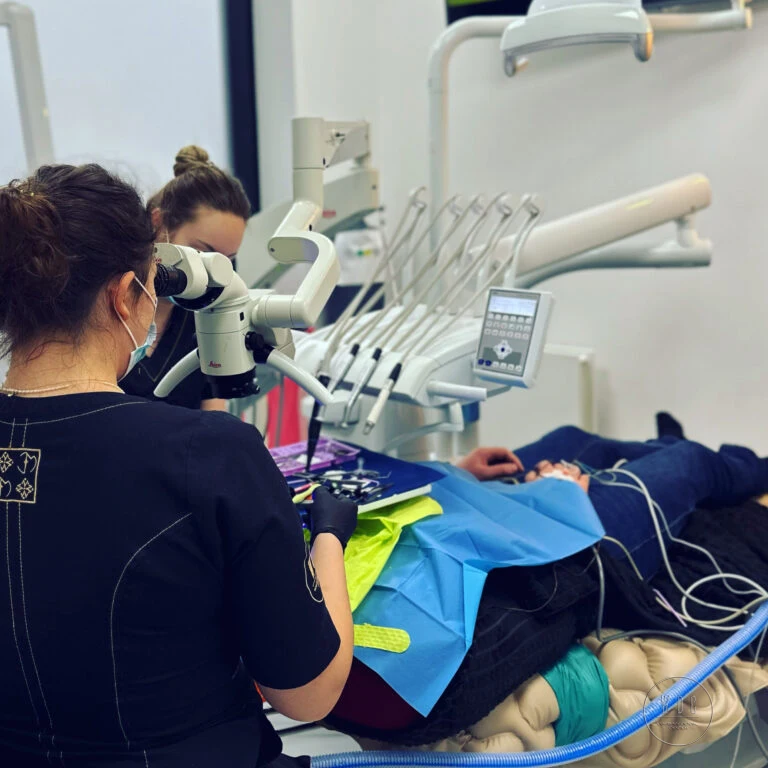
The treatment under general anesthesia that we offer to our patients is becoming more and more popular. Why? Because it is a perfect solution for people suffering from dental phobia – the fear of the dentist. General anesthesia at the dentist significantly reduces the anxiety associated with treatment. In our renowned clinic, we specialize in ensuring comfort and peace of mind for patients during the procedure thanks to the use of professional general anesthesia. Procedures performed under general anesthesia are absolutely safe, which is due to the cooperation of two teams: dental and anesthesiological. The entire process is supervised by an experienced doctor and qualified staff who precisely control the dose of the administered sedative. The role of the anesthesiologist is particularly important during the procedure – he constantly monitors the patient’s condition, which ensures the highest level of safety. OUR EXPERTISE IN GENERAL ANESTHESIA We are aware that combining dentistry with anesthesiology guarantees the safe procedure and the patient’s peace of mind. In our center, we offer effective and painless dental treatment under general anesthesia. We have high-class anesthetic facilities that ensure the health and comfort of the person undergoing the procedure. The use of anesthesia perfectly helps people struggling with dental phobia – most of our patients experience a reduction in stress related to a visit to the dentist after the first visit to our clinic. Moreover, this method is also ideal for people with dental hypersensitivity and patients with limited mobility. It is worth emphasizing that if there are no contraindications, we can perform a variety of procedures under general anesthesia, including surgical, endodontic, prosthetic, implantological and orthodontic procedures.

Urszula Leończak and Aneta Zmorzyńska in ELLE POLSKA
Urszula Leończak and Aneta Zmorzyńska in an Interview for ELLE POLS Doctors from Warsaw Dental Center, Dr. Urszula Leończak and Dr. Aneta Zmorzyńska, gave an inspiring interview for ELLE magazine. This conversation is an excellent opportunity to understand why you should not be afraid of visiting the dentist! A visit to the dentist’s office no longer has to be associated with a traumatic experience. The modern approach to dentistry means that toothache is only a signal that it is worth taking steps to quickly solve the problem so that the patient can get rid of the bothersome ailment. But how to achieve this? 👉🏻 Doctor Urszula Leończak and doctor Aneta Zmorzyńska, representing Warsaw Dental Center, talked about it in detail in an interview for ELLE! 👉🏻 Please read the full article here: https://bit.ly/3jucbb9