


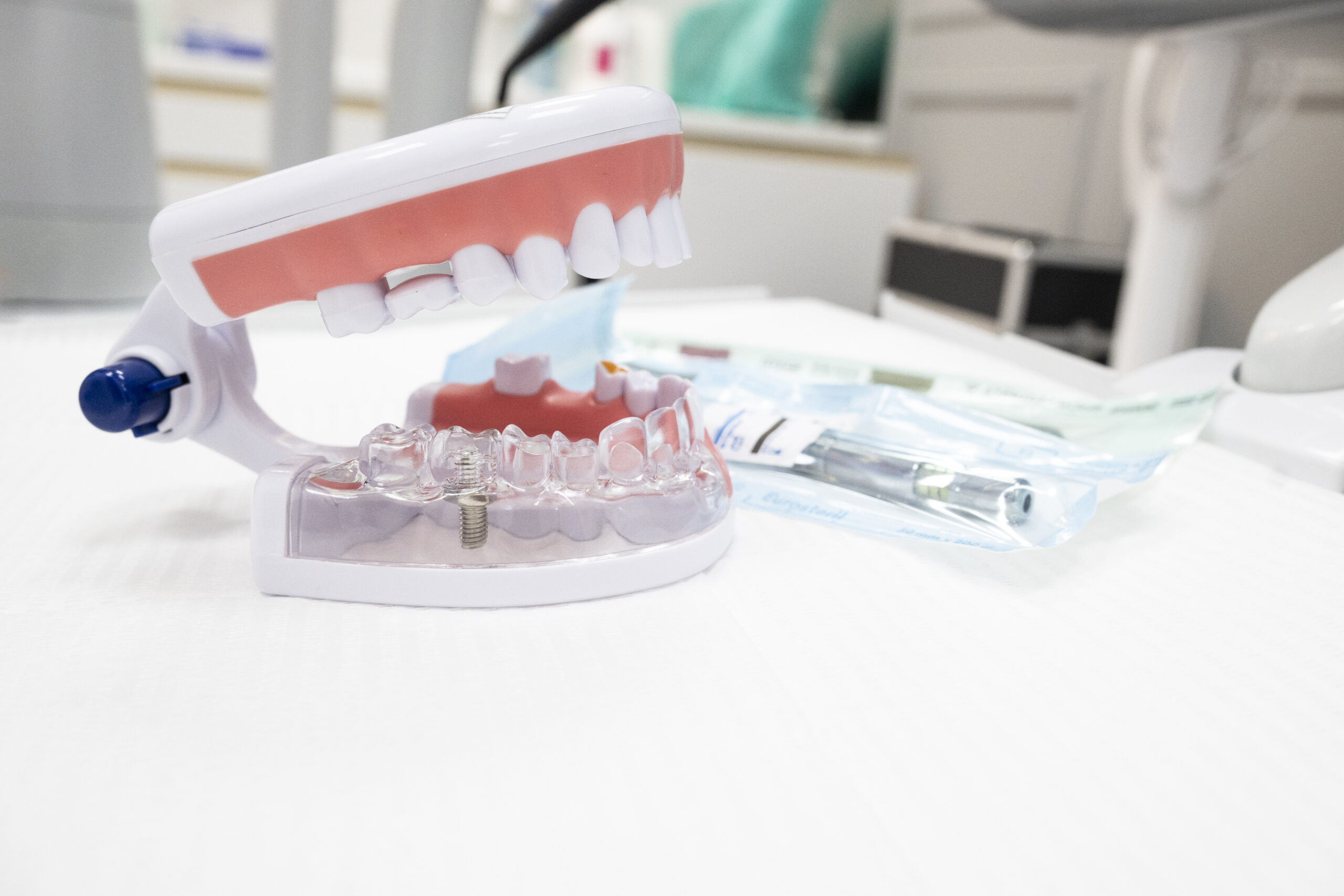
Plomba is a colloquial term for a dental filling used in cases of cavities caused by tooth decay. After appropriately preparing the diseased tissues of the tooth by removing the infected area with a drill, the dentist must carefully fill the space with an appropriate substitute material, which is the filling. There are various types of tooth fillings, each with its own characteristics and uses. It is based on the conducted dental examination that the dentist decides which type of filling will be most suitable and provide optimal functionality. Types of Tooth Fillings Dentistry and cavity treatment through tooth filling is a method that has evolved over the years. The origins of this practice date back to the 7th century, although the exact date of the inception of this concept is unknown. Fillings first appeared then, and over the centuries, various materials, including even gold, were used. Despite the difficulties in processing this material, alternatives were constantly sought – substances that were more economical and easier to shape. Currently known dental amalgam fillings, or their equivalents, emerged at the end of the 19th century. Since then, dentistry has undergone significant development, and there are many types of fillings. Below are a few of them: Amalgam Fillings These are older types of fillings, now rarely used in private dental practices. Amalgam does not provide aesthetic filling or a tight connection with tooth tissues, which can lead to the development of decay. Additionally, preparing the tooth for amalgam filling must be more extensive and deeper than with modern materials. Composite Fillings These are the most popular and commonly used. Their popularity stems from good sealing and aesthetics. They are available in different colors, allowing dentists to match them to the natural shade of the tooth. Composite fillings can be easily shaped, giving them the desired shape and appearance. The shaping process takes as long as needed, because the composite hardens under the influence of a polymerization lamp. Glass Ionomer Fillings These are most commonly used in children and in adults for small cavities. Their advantage is the content of fluoride ions, which additionally protect against decay. However, they are prone to discoloration and have greater fragility. Glass ionomer cement is also used for fixing orthodontic brackets. Porcelain or All-Ceramic Fillings These are porcelain crowns used for larger cavities, endodontic treatment, or tooth damage. All-ceramic crowns offer an aesthetic and durable solution in prosthetic treatment. Conservative tooth treatment, regular hygiene in the dental office, and proper home hygiene are the foundation of healthy teeth for many years. Thanks to a wide range of anesthetics, the process of filling cavities is now practically painless, and the materials used, as well as the quality and tightness of the fillings, allow you to enjoy healthy teeth for a long time. Choosing the Right Filling? Choosing the right material for filling a tooth is mainly the decision of the dentist. When making this decision, the dentist takes into account a number of factors, considering both indications and contraindications. Currently, about 95% of dental professionals prefer the use of light-cured composite fillings due to their excellent aesthetics, optimal application time, and high level of patient satisfaction. If you are looking for professional dental assistance and a trusted dentist in Warsaw, we warmly invite you to use the services of Warsaw Dental Center.

Do fluoride and fillings contain harmful materials?
Taking care of our oral health is a key element of our daily hygiene. However, for the sake of health, We often wonder whether the dental materials we use may have a negative impact on our body. IN In particular, there are many questions about fluoride and the materials used for it dental fillings, such as amalgams or composites. Fluoride – Is it harmful? Fluoride is used in the prevention of caries, most often through fluoridation, i.e application of gel or foam containing fluoride to the tooth surface. It helps strengthen the enamel by protecting it against the action of acids that cause caries. There is controversy regarding possible negative effects side effects of consuming excessive amounts of fluoride. However, most studies have shown that fluoride used in… moderate amounts within recommended standards, it is safe for health. Fillings – What Do They Contain? Traditional amalgam fillings contain metals such as mercury, silver and zinc and copper. Mercury is of greatest concern due to its potential health risks. Despite presence of mercury, studies show that dental amalgams are stable and pose no risk, as long as they are not violated. In turn, composites, i.e. resins used for fillings, do not contain mercury or other substances heavy metals. They are aesthetic, durable and increasingly popular, although there are concerns about the emissions of substances associated with polymers in the composition of composites. Porcelain as an alternative Porcelain, although slightly less flexible, is another option for dental fillings. Is durable, resistant to discoloration and is a good alternative for people who are afraid the use of amalgams or composites. Maintaining a Healthy Smile In conclusion, fluoride is a safe ingredient in oral care, while traditional ones amalgams contain mercury, although their health risk is minimal. Composites and porcelain are alternatives, however each material has its advantages and limitations, Therefore, it is worth consulting our Warsaw Dental Center clinic to choose the best solution for your patients teeth. Maintaining your oral health is crucial and choosing the right materials is crucial for dental treatment can significantly contribute to maintaining a beautiful smile for a long time.

Conservative dentistry: Dr. Rogulska on how often fillings should be replaced
Conservative dentistry is a key field in caring for the health of our oral cavity. Natalia Rogulska, who specializes in conservative dentistry at Warsaw Dental Center, explains one of the frequently asked questions among patients. Why is it necessary to renew fillings? Doctor Natalia Rogulska says: During regular check-ups, it happens that existing fillings turn out to be leaky or we notice secondary caries, i.e. caries under the existing filling. Cause? Each filling has its own “expected lifespan”. The longevity of a filling depends on several aspects: regularity of visits to the dentist, attention to oral hygiene, eating habits and problems with clenching or grinding teeth. At Warsaw Dental Center, we focus on the highest quality filling materials. During the procedure, we also use a rubber dam, i.e. a saliva chute, which isolates the tooth during treatment. Over time, the filling loses its original properties, and a leak may develop where the tooth meets the filling. This is a small gap that is a gateway for bacteria and food remains, which makes it difficult to maintain proper hygiene. The treatment process involves removing the old filling, removing the caries, and then applying a new, tight filling in the appropriate shade. Thanks to this, we restore the teeth’s natural shape and functionality. If you have additional questions, please contact us directly or by e-mail at: kontakt@warsawdentalcenter.pl. We encourage you to make an appointment with Dr. Natalia Rogulska. Reservations can be made: – by phone at: 22 542 18 04, – by e-mail: kontakt@warsawdentalcenter.pl, – or via social media. We are waiting for you at Warsaw Dental Center!

Tooth filling – what is it and what are its types?
One of the very common methods of dental treatment are dental fillings when the tooth has been damaged as a result of caries or mechanical injuries. The episode below contains information about filling techniques and methods used in modern dentistry, we invite you to watch the latest episode! Watch the episode here: https://bit.ly/KlinikaUsmiechu_Wypelzenie_zeba If you want to stay up to date with the latest information on oral health and modern dental solutions, subscribe to the Warsaw Dental Center channel. After watching the episode, don’t forget to also click 🔔 to receive notifications about our latest episodes! If you would like to support us on other social media platforms, please follow us on: ► Facebook: Link to the Facebook page ► Instagram: Link to the Instagram profile