

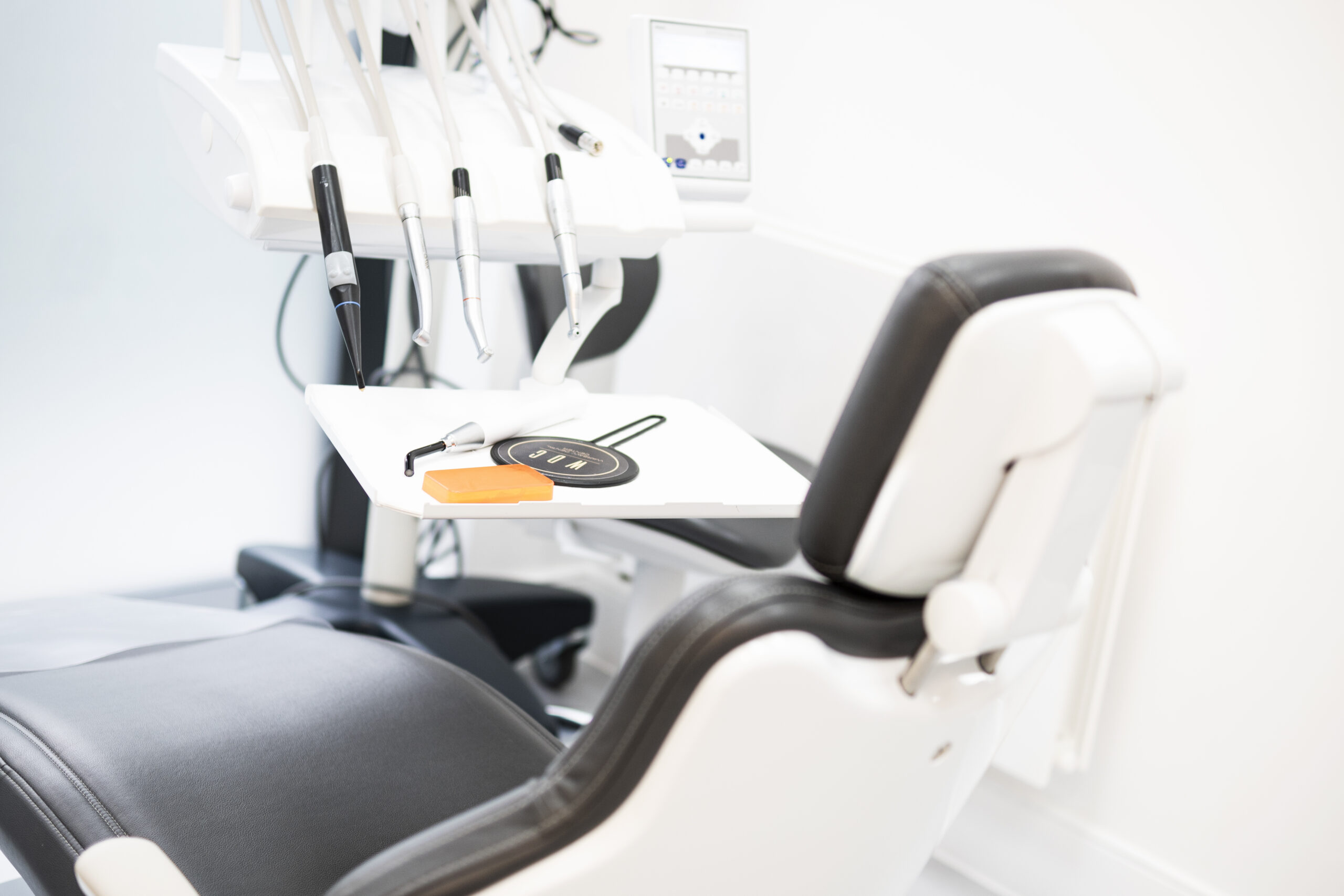
Modern dentistry today is far more than treating tooth pain or improving the appearance of a smile. In 2026, the focus has clearly shifted toward precision, predictability, and patient comfort, rather than the procedure alone. As a dentist and Medical Director of Warsaw Dental Center, I observe how significantly patients’ needs and expectations have evolved, especially in large cities such as Warsaw. Patients are looking for treatment that is not only effective, but also calm, well planned, and tailored to their lifestyle. So what truly has the greatest impact on the quality of dental care today? 🔬 Precise Diagnostics Instead of Guesswork One of the most important changes in recent years is the approach to diagnostics. In modern dentistry, treatment begins long before a tooth is touched. CBCT scans, digital imaging, intraoral scanners, and photographic documentation allow for a precise assessment of the clinical situation and treatment planning without surprises. For patients, this means: greater safety, fewer complications, a more predictable final outcome. 🔍 Dental Microscope as a Standard, Not a Luxury Just a few years ago, a dental microscope was considered specialist equipment. Today, in endodontics, surgery, and precise restorative dentistry, it has become a standard of modern dental care. Working under magnification allows dentists to: preserve more healthy tissue, clean root canals more accurately, improve the durability of treatment, reduce the risk of repeat procedures. This is a real improvement in quality that patients increasingly notice and appreciate. 🧠 Planned Treatment Instead of “Immediate Fixes” Contemporary dentistry is moving away from the “here and now” approach toward comprehensive treatment planning. More and more often, patients do not come in with just one problem, but with the goal of organizing their oral health for years to come. A treatment plan takes into account: the health of teeth and gums, bite function, smile aesthetics, a treatment pace adapted to the patient. This approach avoids chaos and gives patients a sense of control and peace of mind. 🦷 Patient Comfort Comes First A modern dental clinic is not only about technology, but also about atmosphere and the relationship with the patient. In 2026, dental treatment should be: painless, clearly explained, carried out at a calm, comfortable pace. We place increasing importance on communication, empathy, and understanding patients’ concerns. This is especially important for those who have avoided dental visits for years due to fear or negative past experiences. ⏱ Treatment Adapted to Life in a Big City Warsaw is a city with a fast-paced lifestyle. Patients expect solutions that save time without compromising treatment quality. Modern technologies now make it possible to: reduce the number of visits, combine treatment stages, plan appointments with precision. As a result, dental care no longer conflicts with work, travel, or everyday responsibilities. 🏥 What Defines a Modern Dental Clinic? In 2026, a modern dental clinic is a place where: doctors work as a team in an interdisciplinary way, decisions are based on diagnostics, not haste, the patient is a partner in the treatment process, quality and ethics matter more than quick results. This approach builds long-term trust and a genuine sense of safety. Conclusion Modern dentistry in Warsaw today is a combination of technology, knowledge, and empathy. It is treatment that is carefully planned, precise, and focused on the person, not just the tooth. In 2026, the greatest change is not a single device or method, but a holistic approach to patient care. If you are looking for dental care that combines modern solutions with an individual approach, it is worth paying attention to how a clinic plans treatment, communicates with patients, and takes care of details. With care for our patients’ health,Medical Director, Dentist, MSc Urszula LeończakWarsaw Dental Center
Dentophobia – how to deal with it?
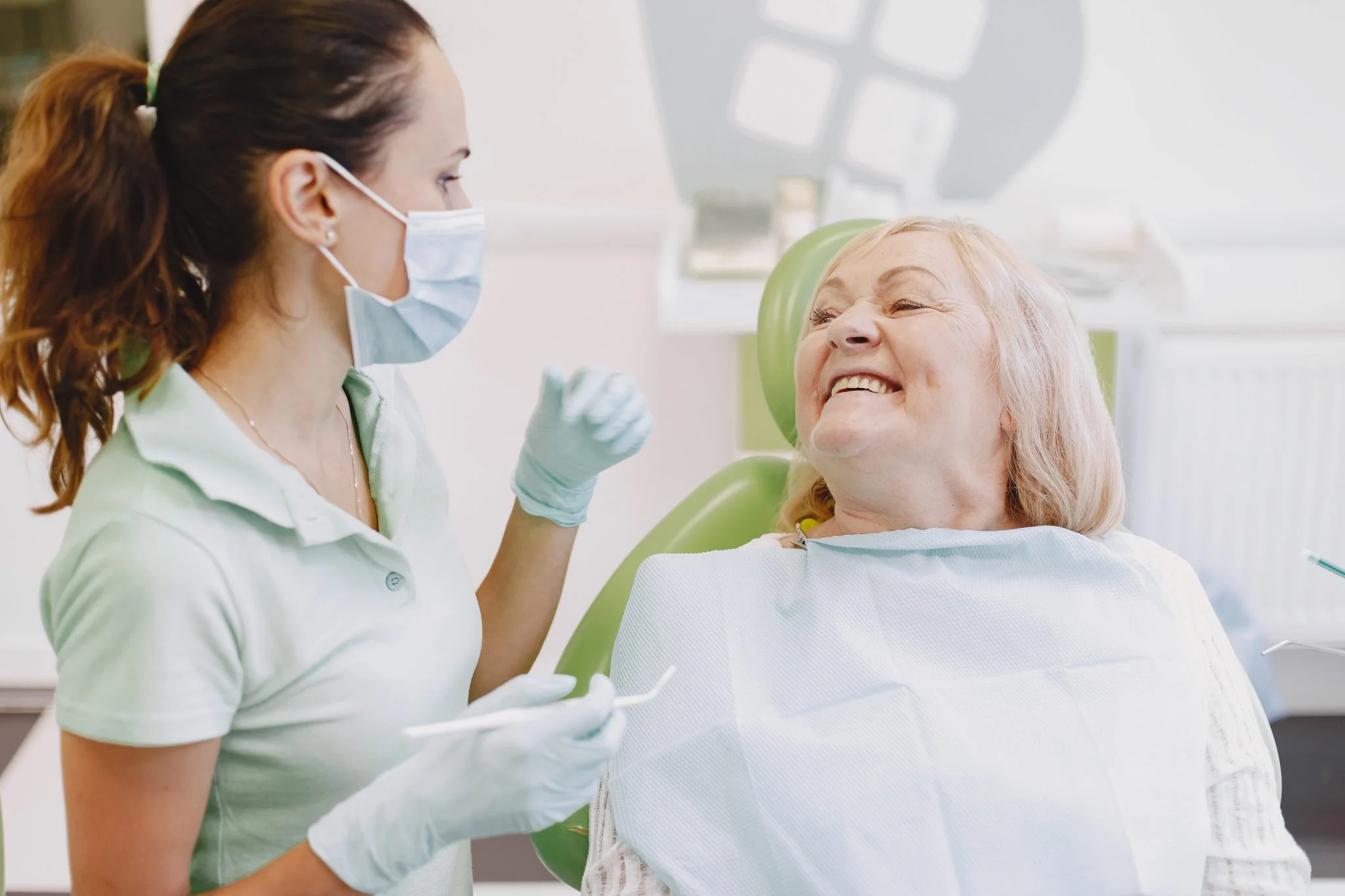
Dentophobia, or intense fear of visiting the dentist, is becoming an increasingly common problem that can lead to serious health complications. In this article, we will examine the causes of dentophobia, methods of its recognition, and effective ways of dealing with this problem. Causes of fear of dental visits Fear of the dentist often has its roots in traumatic experiences associated with dentistry. Experiences such as painful injections, feelings of pain, or bleeding can leave a deep imprint in memory and lead to avoiding visits to the dentist at all costs. It is important to remember that fear is a natural human reaction to situations that we perceive as unpleasant or threatening to our bodies. Some dental procedures, such as root canal treatment, are associated with the experience of pain, which reinforces negative associations with visiting the dentist. Additionally, many people feel awkward in situations where they have to rely on others and have no control over the course of events. A visit to the dentist often involves entrusting oneself to the care of a specialist, which can lead to increased anxiety. Symptoms of dentophobia Dentophobia can manifest through various symptoms, the most common of which include: Feeling anxious several days before a scheduled dental visit Experiencing headaches or stomachaches due to stress associated with the visit Excessive sweating or trembling during a dental appointment Tendency to postpone or cancel scheduled appointments with the dentist If you notice any of these symptoms in yourself, there is a high probability that you are dealing with dentophobia. How to counteract dentophobia Overcoming dentophobia begins with understanding the sources of your own fear and openly admitting to yourself that you have a problem. This first step enables us to take conscious actions and seek solutions. It is also important to find an empathetic and communicative dentist, as the atmosphere in the office itself can help reduce feelings of fear and stress. Before and during the visit, it is worth experimenting with various relaxation techniques, such as deep breathing or meditation. They can help alleviate symptoms of anxiety. Also, do not hesitate to express your concerns and request modifications to the treatment process, such as shorter appointments. In cases of severe fear associated with the dentist, it is also worth considering psychological therapy. Such therapy can help us confront our fears and learn to effectively cope with them in the future.
What is worth knowing before putting on orthodontic braces?
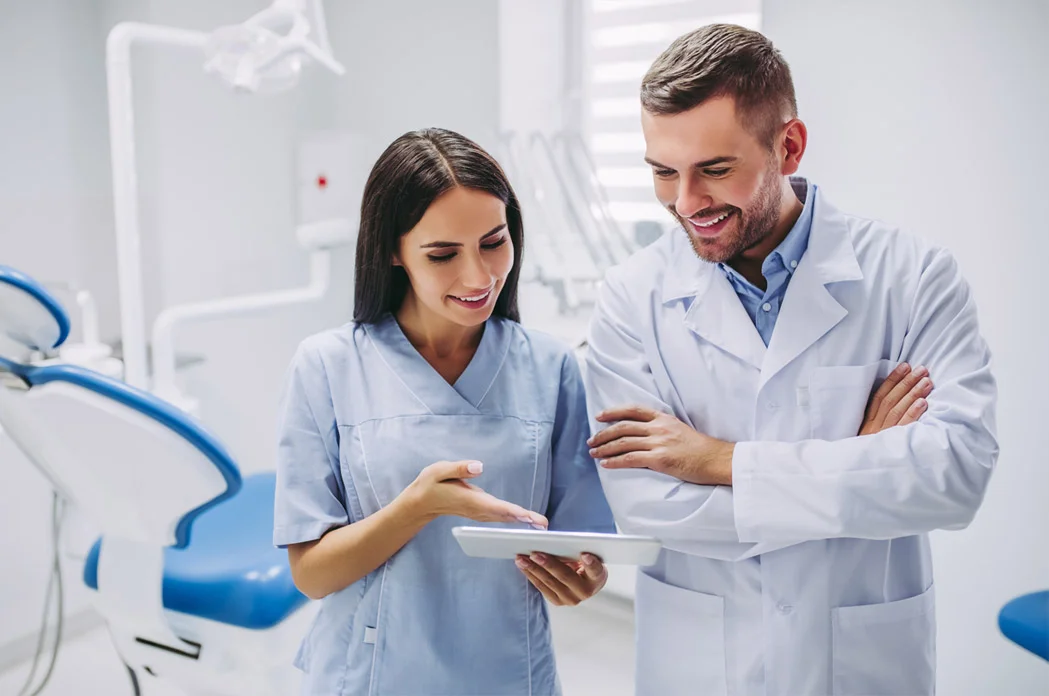
Concerns related to orthodontic treatment: Experts from Warsaw Dental Center explain the most common concerns. As we age, the number of considerations regarding our health invariably increases, especially in the context of the oral cavity. Experts from the renowned Warsaw Dental Center clinic decided to confront common doubts regarding orthodontic treatment. Mystical belief: Straight teeth are primarily an aesthetic issue, so if I haven’t been bothered by their appearance before, I don’t need to take any action. Reality according to Dr. Bartosz Leończak: Straight teeth enable more accurate hygiene. It should be borne in mind that poor oral hygiene is associated with gum disease, tooth loss, and diseases such as diabetes and heart disease. Poor tooth alignment can also lead to improper chewing, nighttime clenching of teeth (bruxism) and damage to tooth structure. Improper tooth position can also affect speech clarity and lower self-esteem. Mythology: Wearing braces leads to unsightly discoloration, especially visible in smokers. Reality according to Dr. Urszula Leończak: Discoloration is not a direct result of orthodontic braces, but may appear when we do not maintain proper oral hygiene. The clinic representative emphasizes that following the doctor’s instructions and careful hygiene minimizes this problem, even in the case of smokers. Facts: After the brace is placed, the patient should adjust his or her diet. Explanation from Dr. Tomasz Kuprys: Right after the brace is placed, it is recommended to follow a soft diet to alleviate any pain and discomfort. In the further stages of treatment, avoiding hard, dyed and rubber products is crucial to prevent discoloration and detachment of the braces. Facts/Mythology: Pregnant women are excluded from getting braces. Reality according to Dr. Urszula Leończak: As long as everything If the necessary radiological examinations have been carried out before pregnancy, there are no obstacles to starting orthodontic treatment (X-rays should be avoided during pregnancy). By the way, breastfeeding does not negatively affect the taking of radiographs or the ability to wear a camera. Facts/Mythology: Orthodontic treatment is more expensive for older people, so it’s not worth delaying. Reality according to Dr. Urszula Leończak: Older teeth may have a slightly limited ability to move, which may extend the duration of orthodontic treatment and affect the costs. However, it is worth remembering that it is never too late to improve your smile. The clinic is proud of its successful orthodontic treatment of an 80-year-old patient. With these explanations, we can better understand and address common concerns about orthodontic treatment. It is worth emphasizing that a professional approach and individual advice from experts such as those at Warsaw Dental Center are key to achieving a healthy and beautiful smile regardless of age.
Invisalign – why is it worth choosing this type of orthodontic treatment?
What is Invisalign? Invisalign is a modern method of correcting bite issues and straightening teeth using transparent, nearly invisible dental aligners known as aligners. It serves as an alternative to traditional orthodontic braces made of metal or ceramic. Invisalign is especially popular among adults and older teenagers seeking a less noticeable orthodontic treatment option. However, not every orthodontic case can be treated with this method, making a consultation with a specialist crucial to determine if Invisalign is suitable for a specific patient. Is Invisalign Effective? Invisalign is considered an effective method for straightening teeth, utilizing a system of clear plastic aligners tailored to fit the changing bite of the user. These aligners, favored by adults and teenagers alike, allow for the straightening of smiles without the need for traditional metal and wire braces. It’s important to note, however, that Invisalign is most effective when worn 20 to 22 hours per day and may not be suitable for all orthodontic cases, particularly more complex ones. A high level of patient commitment is required since positive outcomes are not guaranteed if the aligners are worn inconsistently. Fixed Braces or Invisalign? What are the Differences? The primary differences between traditional braces and the Invisalign system lie in their appearance, treatment method, comfort, and impact on daily life. Here is a detailed comparison: 1. Appearance: – Traditional Braces: Made of metal brackets attached to each tooth, connected by wires, and may include elastic elements like rubber bands. While more visible, modern braces can be less noticeable than older versions, with options for ceramic or colored braces that are more aesthetically pleasing. – Invisalign: This system uses a series of clear, plastic aligners that are virtually invisible when worn. The aligners are custom-made to fit the teeth and gradually move them to the desired position. 2. Treatment Method: – Traditional Braces: Brackets and wires apply continuous pressure on the teeth to slowly move them into the correct position over time. Adjustments are made by the orthodontist during regular visits, typically every 4-6 weeks. – Invisalign: Treatment consists of a series of aligners worn for about two weeks each before moving on to the next set in the series. Each aligner is slightly different, gradually moving the teeth to their final position. 3. Comfort: – Traditional Braces: Wires and brackets can sometimes cause irritation inside the mouth, and adjustments may result in some discomfort. – Invisalign: Aligners are made from smooth plastic and are generally considered more comfortable than traditional braces. However, some discomfort is still possible as teeth move. 4. Impact on Lifestyle: – Traditional Braces: Dietary restrictions are necessary to avoid damaging the braces. Hard, sticky, and chewy foods are typically prohibited. Oral hygiene can be more challenging, requiring more time and care to clean around brackets and wires. – Invisalign: Aligners are removable, so there are no dietary restrictions, and maintaining oral hygiene is as easy as removing the aligners to eat, brush, and floss. However, aligners must be worn 20-22 hours a day to be effective, requiring discipline. 5. Treatment Time: – The duration of treatment can vary significantly depending on the individual case and the complexity of dental issues. Generally, traditional braces are worn for about 18 months to 3 years, while Invisalign treatment can last from 6 to 18 months, though this can vary greatly. 6. Cost: – The cost of both treatments can vary significantly based on the complexity of the case, geographic location, and specifics of the treatment plan. Generally, Invisalign may be more expensive than traditional braces, but this is not always the case, and insurance may cover some of the costs of either treatment. 7. Suitability: – Traditional Braces: Can treat a wide range of orthodontic issues, including more complex cases. – Invisalign: Best suited for mild to moderate dental problems. Not all cases are suitable for Invisalign treatment, especially more complex orthodontic issues. How Does Invisalign Treatment Work? Consultation: The process begins with a consultation with a dentist or an orthodontist trained in Invisalign, who assesses your smile and determines if Invisalign is the right treatment for you. Personalized Treatment Plan: Using 3D computer imaging technology, the dentist creates a precise treatment plan, from the initial position of your teeth to the desired final position. Invisible Aligners: Based on the treatment plan, a series of personalized aligners are produced specifically for your teeth. Each aligner is worn for about two weeks before moving on to the next in the series, gradually moving the teeth towards the anticipated final position. Regular Check-ups: You will have occasional check-ups, usually every 6 weeks, to monitor progress and receive new aligners. How to Care for Aligners at Home? 1. Regular Cleaning: Aligners should be cleaned regularly using a soft toothbrush and water. Avoid using hot water as it can warp the aligners. 2. Proper Storage: When not in use, aligners should be stored in their protective case to avoid damage or loss. 3. Avoid Certain Foods and Drinks: While aligners are removed for eating and drinking, it’s important to avoid certain foods and drinks that can stain or damage the aligners, such as coffee, red wine, and hard or chewy foods. 4. Oral Hygiene: Maintain good oral hygiene by brushing and flossing teeth before reinserting the aligners to prevent trapping food particles or bacteria. Pros and Cons of Invisalign Pros: – Aesthetically pleasing due to its near invisibility – Removable, allowing for easier eating and oral hygiene – Generally considered more comfortable than traditional braces – No dietary restrictions Cons: – May be more expensive than traditional braces – Requires discipline to wear the aligners the recommended 20-22 hours per day – Not suitable for all orthodontic cases, particularly complex ones – Can be lost or damaged due to their removable nature In conclusion, Invisalign offers a discreet and effective option for those looking to straighten their teeth without the appearance of traditional braces. However, its suitability depends on individual cases, and a consultation with a dental professional
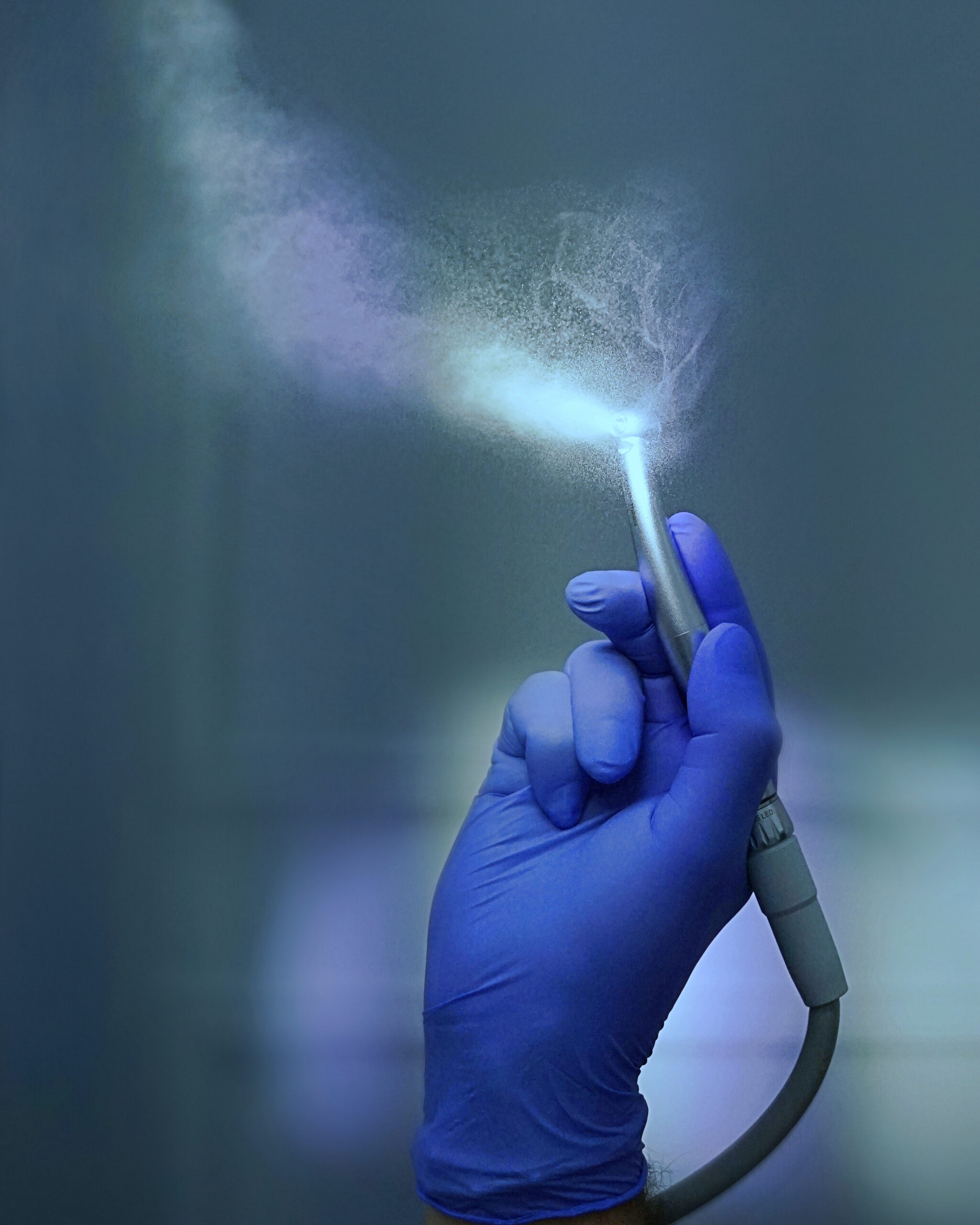
Are you afraid of the dentist? Unnecessarily!
Overcoming Dentist Fear: A Modern Approach to Dentistry Is the sight of a dentist’s office still associated with fear? Modern dentistry has long moved away from the unpleasant associations of the past. Research shows that almost half of Poles avoid visits to the dentist out of fear. But is it worth being afraid? It turns out that these fears are unfounded. The modern approach to dentistry focuses on patient comfort. Many treatments can now be performed painlessly and stress-free. Past negative experiences with equipment noise or pain are a thing of the past. Modern offices offer various relaxation methods that turn a visit to the dentist into a pleasure. One way is to use your favorite music or audiobook during the treatment. Additionally, patients can focus their attention on interesting programs and music videos displayed on TVs mounted above the armchairs. If pain is the cause of anxiety, it is worth knowing that anesthesia has become very effective and common.Nowadays, in most cases, they eliminate the fear of pain. Even people suffering from severe fear of the dentist can benefit from general anesthesia (anesthesia) supervised by a qualified anesthesiologist.Thanks to this, the patient sleeps during the procedure and does not feel any unpleasant sensations, and does not remember anything from the procedure itself. Prevention also plays a key role.Regular dental checkups every six months minimize the risk of dental problems such as tooth decay.In addition, there is proper oral hygiene, which is helped to maintain by qualified hygienists. When it comes to where to visit, Warsaw Dental Center offers boutique quality dentistry. Their clinic, located in the heart of Warsaw, in Powiśle, focuses on individual approach to the patient and friendly interiors that provide comfort and a feeling of being at home. We invite you to visit the Warsaw Dental Center. You can make an appointment via e-mail email: kontakt@warsawdentalcenter.pl or by phone: 22 542 18 04. There is no need to be afraid of visiting the dentist. Modern methods, comfortable conditions and qualified care make taking care of your oral health easier and more enjoyable than ever before.