


Debunking the Root Canal Myth Root canal therapy at Warsaw Dental Center has evolved into a predictable and pain-free experience. Modern endodontic therapy focuses on removing the source of pain-typically an infected pulp or acute inflammation-rather than causing it. Patients seeking “painless root canal treatment in Warsaw” can now benefit from protocols that prioritize both clinical excellence and psychological comfort. Advanced Anesthesia: The Foundation of Comfort We utilize state-of-the-art local anesthetics and computer-controlled local anesthesia delivery (STA). This system monitors the flow rate of the anesthetic, ensuring the injection itself is virtually imperceptible. For the patient, this means painless dental numbing, while clinically, it ensures profound pulpal anesthesia, allowing for stress-free intervention even in highly inflamed cases. Technology for Precision: Microscopy and 3D Imaging The high success rates achieved by Dr. Urszula Leończak are driven by: Operating Microscopes: Providing 20x magnification for unmatched precision. 3D CBCT Scans: Offering a volumetric view of the tooth to identify missed canals or complex anatomy before the procedure. Electronic Apex Locators: Ensuring the working length is determined accurately to prevent overfilling or underfilling. Gentle Disinfection: Ultrasonic Activation Traditional canal scrubbing has been replaced by passive ultrasonic irrigation (PUI). High-frequency vibrations activate the disinfecting solutions, effectively removing bacteria and biofilm from the most complex parts of the root canal system. This minimally invasive endodontics approach ensures better healing and less post-operative sensitivity. Stress-Free Dentistry (Sedation Options) For patients with severe dental anxiety, we offer full anesthesia or intravenous sedation. These methods are highly effective for those searching for “root canal treatment under sedation” or looking to overcome dentophobia in a safe, controlled environment. Post-Operative Care and Recovery Patient care doesn’t end when the filling is placed. We provide clear post-operative instructions and utilize biocompatible bioceramic sealers that encourage rapid bone healing. Most patients return to their daily routine within 24 to 48 hours, experiencing total relief from their initial toothache.
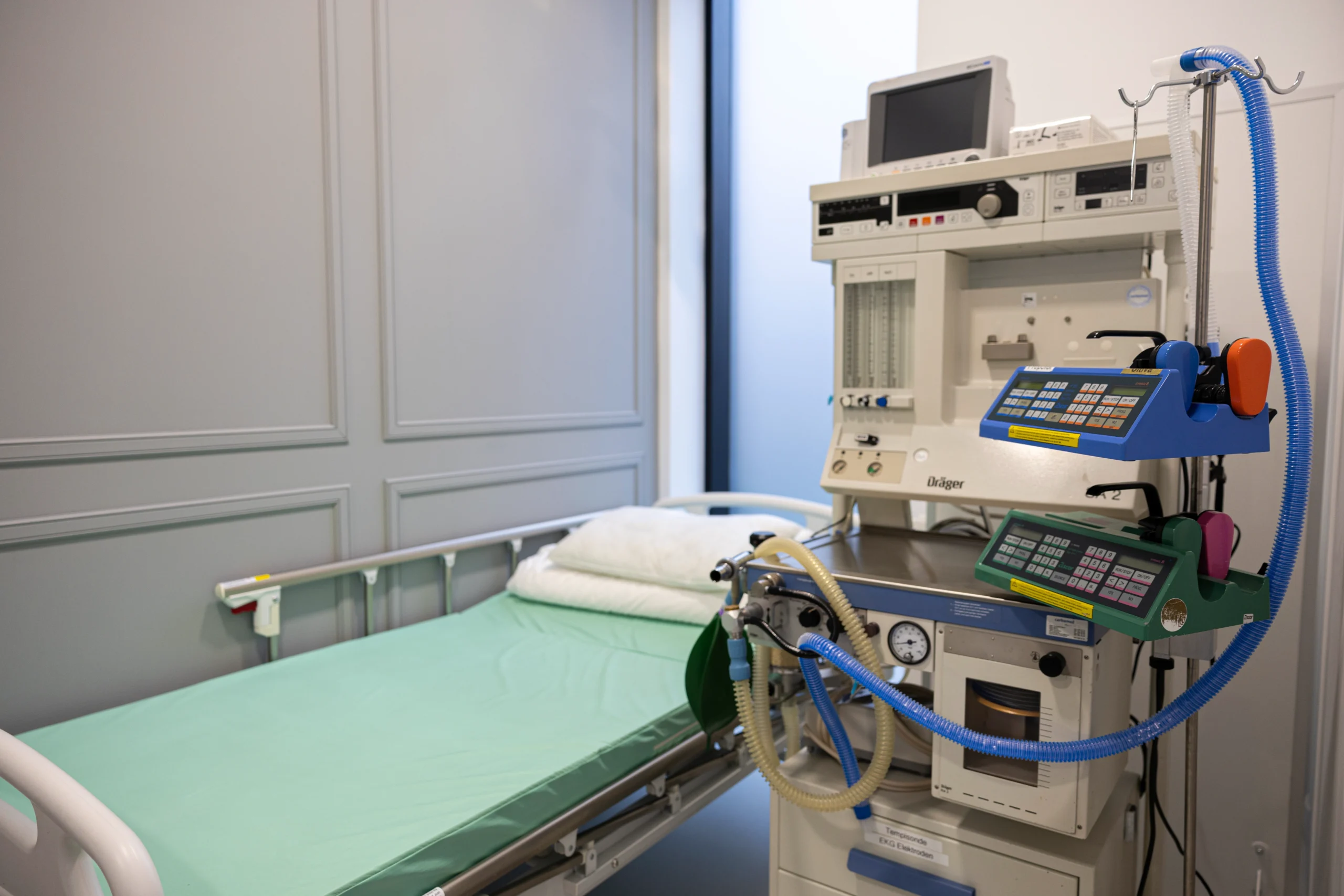
General Anesthesia: Everything You Need to Know Before Your Procedure
General anesthesia is a medical technique that allows patients to undergo surgery or other invasive procedures without feeling pain or being conscious. While the idea of being completely unconscious during a procedure may seem intimidating, understanding how general anesthesia works, its benefits, and potential risks can help alleviate any concerns. In this comprehensive guide, we’ll cover what general anesthesia is, when it’s needed, how it works, potential side effects, and what you should expect during recovery. What Is General Anesthesia? General anesthesia is a medically induced state of unconsciousness used during surgeries and medical procedures that would otherwise be too painful or distressing for patients. It affects the entire body and blocks pain by interrupting nerve signals in the brain and body. Key Features of General Anesthesia: Induces complete unconsciousness Blocks pain sensations Relaxes muscles Prevents memory of the procedure It is administered by an anesthesiologist or nurse anesthetist through inhalation (gas) or intravenously (IV). The depth of anesthesia can be adjusted as needed during the procedure. When Is General Anesthesia Used? General anesthesia is typically used for: Major Surgeries: Such as heart surgery, brain surgery, or organ transplants Complex Dental Procedures: Including wisdom teeth removal or jaw surgery Emergency Surgeries: Like appendectomies or trauma surgery Diagnostic Procedures: In rare cases, for procedures like endoscopies when local anesthesia isn’t sufficient Your doctor will decide if general anesthesia is necessary based on your health, the type of procedure, and the expected level of discomfort. How Does General Anesthesia Work? General anesthesia works by disrupting nerve signals in the brain and central nervous system. It consists of three main components: Induction: The process of putting the patient to sleep, typically through IV medication. Maintenance: Keeping the patient in an unconscious state during the procedure, usually through a combination of gas and IV drugs. Emergence: Gradually waking the patient after the procedure is complete. An anesthesiologist monitors vital signs such as heart rate, blood pressure, breathing, and oxygen levels throughout the procedure. Risks and Side Effects of General Anesthesia While modern anesthesia is generally safe, especially when administered by experienced professionals, there are potential risks: Common Side Effects: Nausea and vomiting Sore throat from the breathing tube Drowsiness or confusion upon waking Less Common but Serious Risks: Allergic reactions to anesthesia medications Breathing difficulties Heart complications Postoperative cognitive dysfunction (POCD), particularly in elderly patients Your anesthesiologist will assess your overall health and medical history to minimize these risks. How to Prepare for General Anesthesia Proper preparation can significantly reduce the risk of complications. Before your procedure: Follow Fasting Instructions: Avoid eating or drinking for 6-8 hours before surgery. Discuss Medications: Inform your doctor about all medications, including supplements. Report Medical History: Include allergies, previous surgeries, or reactions to anesthesia. Avoid Smoking and Alcohol: Both can interfere with anesthesia. Your medical team will provide detailed instructions specific to your procedure. What to Expect During Recovery After surgery, patients are moved to a recovery room where they are monitored as the effects of anesthesia wear off. Here’s what to expect: Waking Up: You may feel groggy, disoriented, or nauseous. Vital Sign Monitoring: Nurses will track your heart rate, breathing, and blood pressure. Pain Management: Medications may be administered to manage any discomfort. Most patients recover from anesthesia within a few hours, but complete recovery may take up to 24 hours. It’s essential to have someone accompany you home and avoid driving or making important decisions for at least a day. Who Should Avoid General Anesthesia? While rare, some individuals may have a higher risk of complications, including those with: Severe heart or lung conditions Obesity A history of adverse reactions to anesthesia Obstructive sleep apnea In such cases, alternative forms of anesthesia (such as local or regional) may be considered. Frequently Asked Questions (FAQ) Is general anesthesia safe? Yes, when administered by trained professionals, general anesthesia is considered safe. The anesthesiologist monitors the patient throughout the procedure. How long does it take to recover from general anesthesia? Initial grogginess usually wears off within a few hours, but full cognitive recovery can take up to 24 hours. Can I eat before general anesthesia? No, patients are usually advised to fast for 6-8 hours before surgery to prevent complications such as aspiration. Is it possible to wake up during general anesthesia? Awareness during general anesthesia is extremely rare, occurring in about 1-2 cases per 1,000 surgeries. Conclusion: Is General Anesthesia Right for You? General anesthesia is a safe and effective way to ensure comfort and pain relief during surgical procedures. By understanding the process, risks, and recovery, you can feel more confident and prepared for your procedure. If you have any questions or concerns about general anesthesia, always consult your doctor or anesthesiologist for personalized advice.
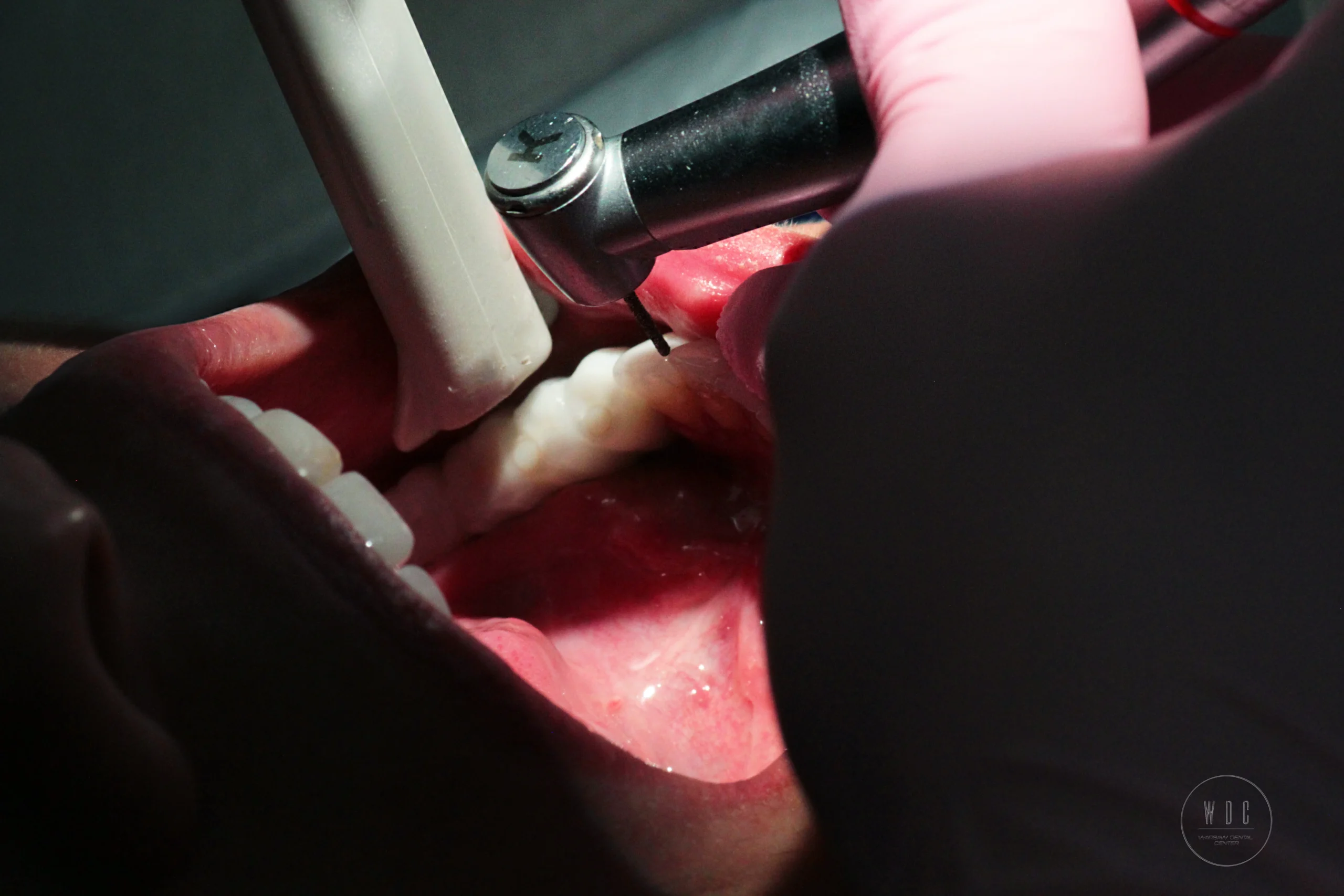
What Patients Should Know About Root Canal Treatment : Step by Step
Root canal treatment is a dental procedure that many patients associate with pain and discomfort. However, modern technologies, such as root canal treatment under a microscope, allow this procedure to be performed with precision and almost painlessly. In this article, we will explain what root canal treatment is, the steps involved, why it’s worth opting for modern methods, and what patients should know before starting the treatment. What Is Root Canal Treatment? Root canal treatment involves removing the infected pulp of the tooth, then cleaning and filling the root canals with a special material. This procedure is necessary when the pulp becomes infected or damaged due to deep decay, mechanical trauma, or complications from other dental treatments. With modern methods like root canal treatment under a microscope, it is possible to clean even the most difficult-to-reach canals, significantly improving the procedure’s effectiveness. When Is Root Canal Treatment Necessary? Root canal treatment becomes necessary when the tooth pulp becomes infected or damaged. Symptoms indicating the need for root canal treatment include: – Severe tooth pain, especially when biting or applying pressure – Sensitivity to heat and cold – Swelling of the gum around the tooth – Tooth discoloration, turning darker – Presence of pus around the tooth If you notice any of these symptoms, consult a dentist at Warsaw Dental Center. Root canal treatment is often the only way to save a tooth from extraction. How Is Root Canal Treatment Performed? The process of root canal treatment involves several stages, which the best dentists at Warsaw Dental Center can perform in a single visit: 1. Diagnosis – The dentist examines the teeth and takes an X-ray to assess their condition and determine the number and shape of the canals. 2. Anesthesia – The procedure is carried out under local anesthesia, ensuring the patient does not feel any pain. 3. Cleaning the canals – The infected pulp is removed, and the canals are thoroughly cleaned using specialized tools. Modern clinics offer root canal treatment under a microscope, which ensures exceptional precision. 4. Filling the canals – After cleaning, the canals are filled with a material that prevents re-infection. 5. Tooth restoration – After the root canal treatment, the tooth is restored with a filling or crown to restore its functionality and aesthetics. Is Root Canal Treatment Painful? Thanks to modern technologies and local anesthesia, root canal treatment is almost painless. In more complicated cases, such as curved canals, root canal treatment under a microscope provides greater precision and minimizes the risk of complications, significantly increasing patient comfort during the procedure. What Are the Benefits of Root Canal Treatment Under a Microscope? Modern root canal treatment under a microscope is an advanced technology that allows for more thorough cleaning of the canals and reduces the risk of reinfection. Key benefits include: – Precision – The microscope allows the dentist to see even the smallest canals that would be difficult to notice with the naked eye. – Lower risk of complications – Thorough canal cleaning reduces the need for retreatment. – Patient comfort – The procedure is less invasive and more comfortable. Is Root Canal Treatment Effective? Root canal treatment has a very high success rate, especially when performed under a microscope. Most patients who undergo the procedure can expect long-term results and avoid tooth extraction. However, the key to success is early diagnosis and timely treatment. What Should Patients Know Before Root Canal Treatment? Before undergoing root canal treatment, patients should: – Consult with a dentist to discuss treatment options, including root canal treatment under a microscope. – Be aware of the costs, which may vary depending on the complexity of the procedure and the number of canals. – Ensure that the dental clinic uses modern technologies and offers painless root canal treatment. Conclusion Root canal treatment is an effective way to save a tooth from extraction, and thanks to modern technologies like root canal treatment under a microscope, the procedure is more precise and comfortable for the patient. If you are experiencing tooth pain or other symptoms indicating the need for root canal treatment, don’t wait – consult with Dr. Urszula Leończak at Warsaw Dental Center and take care of your dental health today.
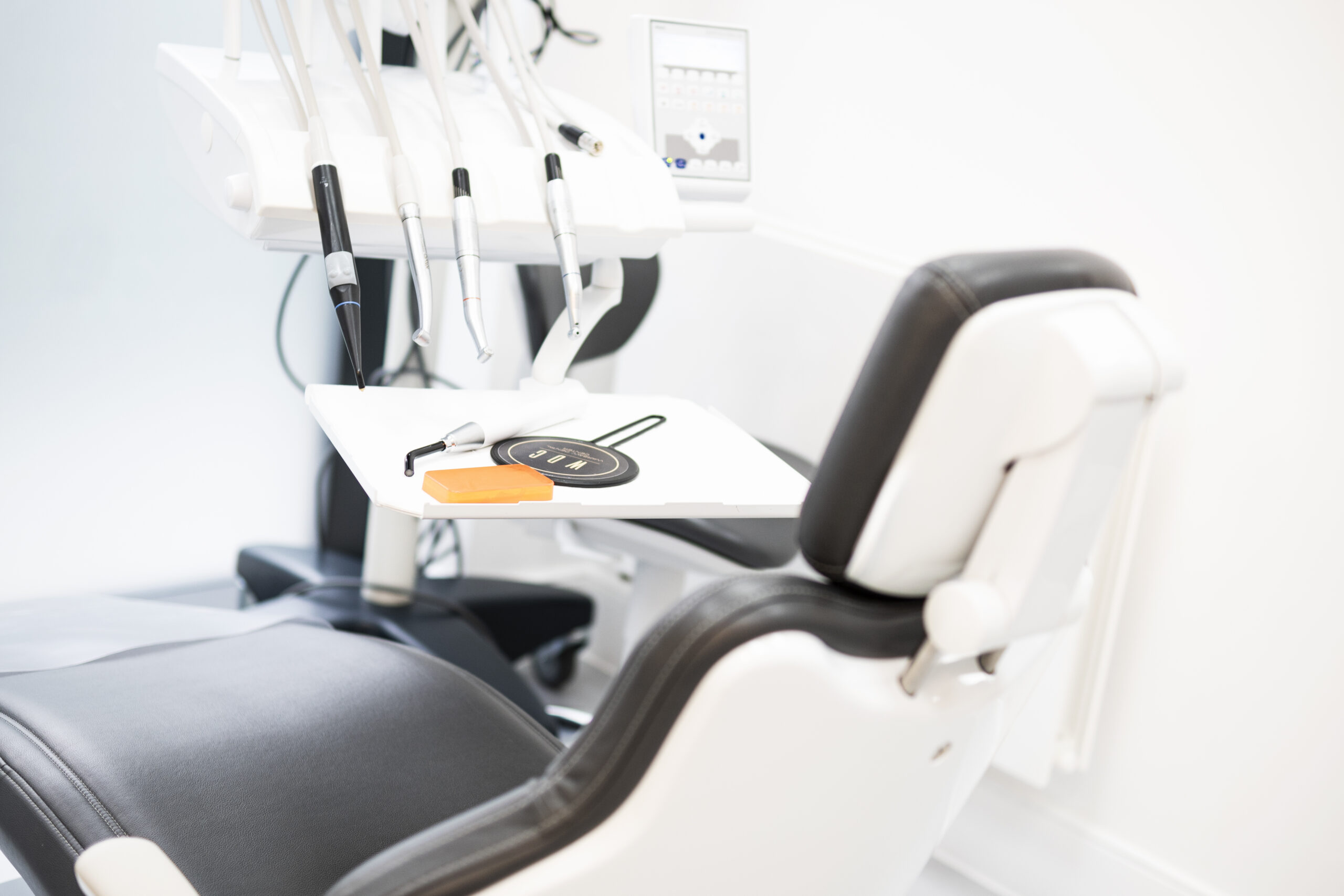
Dentophobia – how to deal with it?
Dentophobia, or intense fear of visiting the dentist, is becoming an increasingly common problem that can lead to serious health complications. In this article, we will examine the causes of dentophobia, methods of its recognition, and effective ways of dealing with this problem. Causes of fear of dental visits Fear of the dentist often has its roots in traumatic experiences associated with dentistry. Experiences such as painful injections, feelings of pain, or bleeding can leave a deep imprint in memory and lead to avoiding visits to the dentist at all costs. It is important to remember that fear is a natural human reaction to situations that we perceive as unpleasant or threatening to our bodies. Some dental procedures, such as root canal treatment, are associated with the experience of pain, which reinforces negative associations with visiting the dentist. Additionally, many people feel awkward in situations where they have to rely on others and have no control over the course of events. A visit to the dentist often involves entrusting oneself to the care of a specialist, which can lead to increased anxiety. Symptoms of dentophobia Dentophobia can manifest through various symptoms, the most common of which include: Feeling anxious several days before a scheduled dental visit Experiencing headaches or stomachaches due to stress associated with the visit Excessive sweating or trembling during a dental appointment Tendency to postpone or cancel scheduled appointments with the dentist If you notice any of these symptoms in yourself, there is a high probability that you are dealing with dentophobia. How to counteract dentophobia Overcoming dentophobia begins with understanding the sources of your own fear and openly admitting to yourself that you have a problem. This first step enables us to take conscious actions and seek solutions. It is also important to find an empathetic and communicative dentist, as the atmosphere in the office itself can help reduce feelings of fear and stress. Before and during the visit, it is worth experimenting with various relaxation techniques, such as deep breathing or meditation. They can help alleviate symptoms of anxiety. Also, do not hesitate to express your concerns and request modifications to the treatment process, such as shorter appointments. In cases of severe fear associated with the dentist, it is also worth considering psychological therapy. Such therapy can help us confront our fears and learn to effectively cope with them in the future.
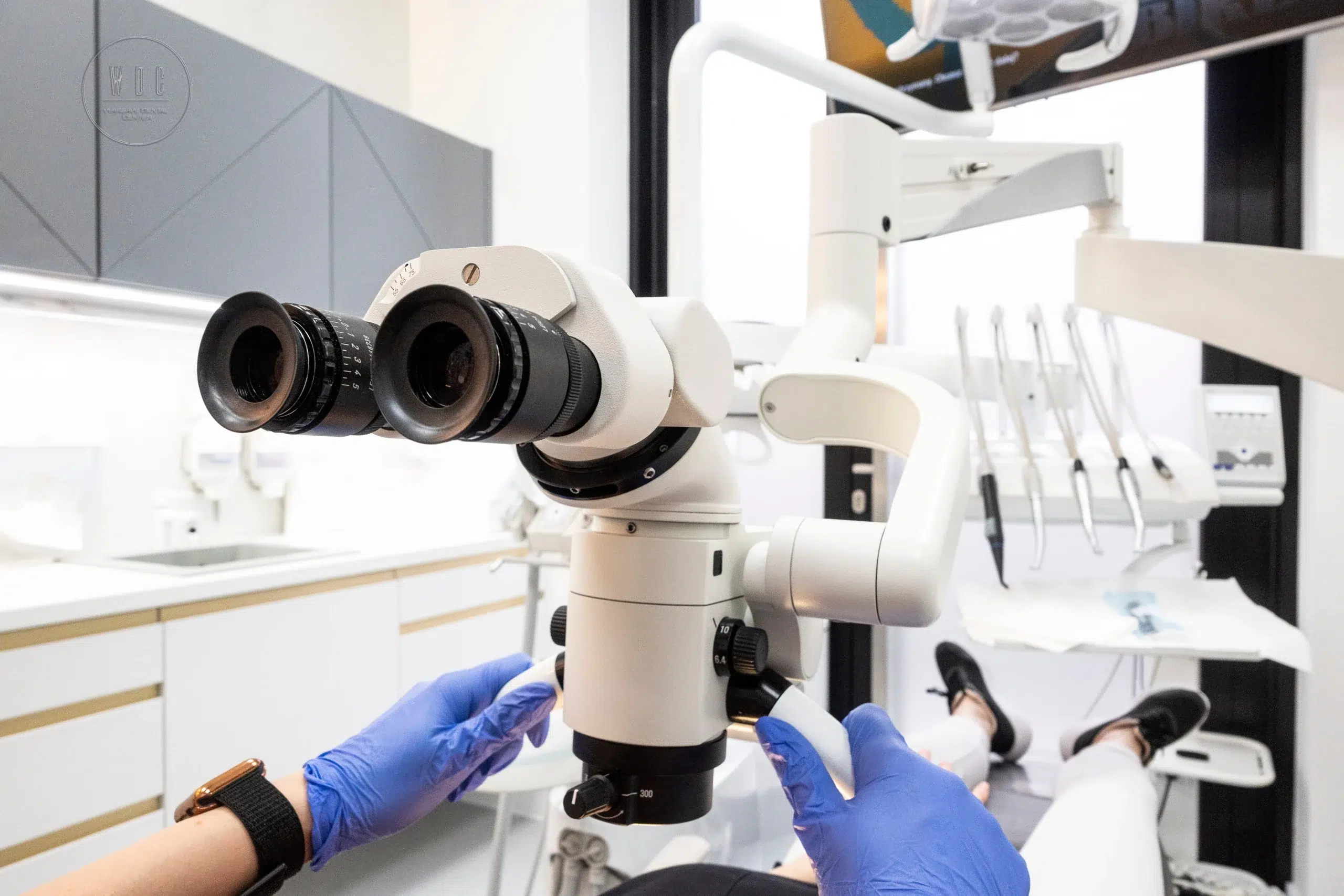
Root canal treatment under a microscope – everything you need to know
The Application of Painless Endodontic Treatment Under a Microscope has significantly accelerated progress in the field of dentistry, particularly in terms of therapeutic effectiveness even in the most complex cases. The microscopic approach to dental treatment allows dentists to operate more precisely, providing them with a better view inside the tooth. As a result, patients can alleviate tooth-related pain after completing the therapy. This modern treatment method has played a significant role in raising the standards of dental care, where the microscope plays a crucial role in thorough root canal cleaning and supports recovery after endodontic treatment. What Does Endodontic Treatment Under a Microscope Involve? Root canal treatment using a microscope is one of the most advanced procedures available in dentistry. Endodontics, or root canal treatment, involves removing the pulp from the tooth and treating periapical tissues, including teeth with fistulas on the gums. In the traditional approach to root canal treatment, the procedure was more invasive and associated with greater discomfort for the patient. Additionally, it often led to complications, pain, and required multiple visits. Utilizing a microscope allows for more precise and effective tissue removal, resulting in better therapeutic outcomes, reduced risk of complications, and typically shorter treatment duration. Treatment with a microscope enables magnification of the image, precise cleansing, and thorough canal preparation, which leads to shortened treatment times. According to the current guidelines of the Polish Endodontic Society, endodontic treatment under a microscope should become a standard practice in dental offices, completely replacing the traditional approach to root canal treatment without a microscope. Is Endodontic Treatment Under a Microscope Worth It? Endodontic Treatment Under a Microscope Offers Significant Benefits Dental canals are exceptionally small, tight, and difficult to access, making the process of cleansing and filling them require the utmost precision from the dentist. With the use of 25x magnification provided by the microscope, the dentist can observe the tooth and the interior of the canals with unprecedented accuracy. Precise treatment translates into a well-executed procedure, meaning greater precision and sealing of the filling. These key elements contribute to satisfactory treatment outcomes, ensuring that the tooth is well-treated and does not cause discomfort, thus eliminating the need for further intervention. Time and Costs of Treatment Time and cost savings are important aspects. Conventional treatments are time-consuming and often associated with higher costs. Rapid root canal treatment can prevent tooth loss, and precise cleansing speeds up the problem-solving process. Additionally, modern tools such as ultrasonic instrument generations and dental lasers facilitate effective removal of root canal contents and their cleansing. Properly conducted root canal treatment can effectively address the problem and preserve the natural tooth for longer. How Does Treatment Under a Microscope Proceed? The process of root canal treatment begins with enlarging the image of the tooth requiring therapy. With a microscope, which allows for magnification from 6 to 25 times, the precision of the procedure is significantly increased. An operative microscope is used for this purpose. Thanks to this large magnification, the dentist has an excellent view of the tooth chamber and root canals, which would not be visible to the naked eye. Using the microscope also allows for visualization of molars located deep in the oral cavity. Without this tool, such a procedure would be much more complicated. Precise imaging is essential for performing an accurate procedure, effectively reducing the risk of reinfection, known as infection of exposed tooth canals, especially in the case of multi-stage treatment. The microscope illuminates the area perfectly during the procedure, allowing the specialist to see every area requiring treatment, cleansing, or filling. The procedure is performed with the patient lying down, with the microscope positioned above the patient’s head. Is root canal treatment painful? Generally, root canal treatment does not cause pain because local anesthesia ensures that the procedure is performed without discomfort. After completing root canal treatment, the dentist presents options for tooth restoration. Depending on the needs, various solutions are proposed, such as porcelain crowns, overlays, or composite restoration on the crown-root insert. When Is Root Canal Treatment Under a Microscope Used? Thanks to the use of a microscope, root canal treatment becomes more precise and effective. The dentist, using high magnification, can effectively treat any defects, remove decay, and even atraumatically extract teeth, preserving the integrity of tooth structures, such as the shield. Dental hygienists can also precisely remove tartar using a surgical microscope. The procedure of root canal treatment using a microscope should be applied to all teeth, especially those with complex shapes and atypical locations. Endodontic treatment is necessary in the following cases: removal of root insert, treatment of pulp diseases, restoration of tooth crown after nerve damage, treatment of teeth affected by both tooth tissues and pulp, treatment of teeth after trauma, removal of deeply fractured or chipped teeth, cleansing narrow and winding canals, especially when the anatomical structure of the tooth is specific, removal of foreign bodies from periodontal tissues, such as sharp bone fragments or dental tools left after tooth extraction or other procedures. Root canal treatment under a microscope allows even the salvation of a tooth in cases of very complex root changes. In such situations, traditional treatment methods may be ineffective and require re-intervention. Microscopic endodontics provides precise treatment, enabling handling of more complex cases, meeting the needs of patients who previously did not have the opportunity to benefit from this type of advanced dental care.
Rubber dam – use and contraindication
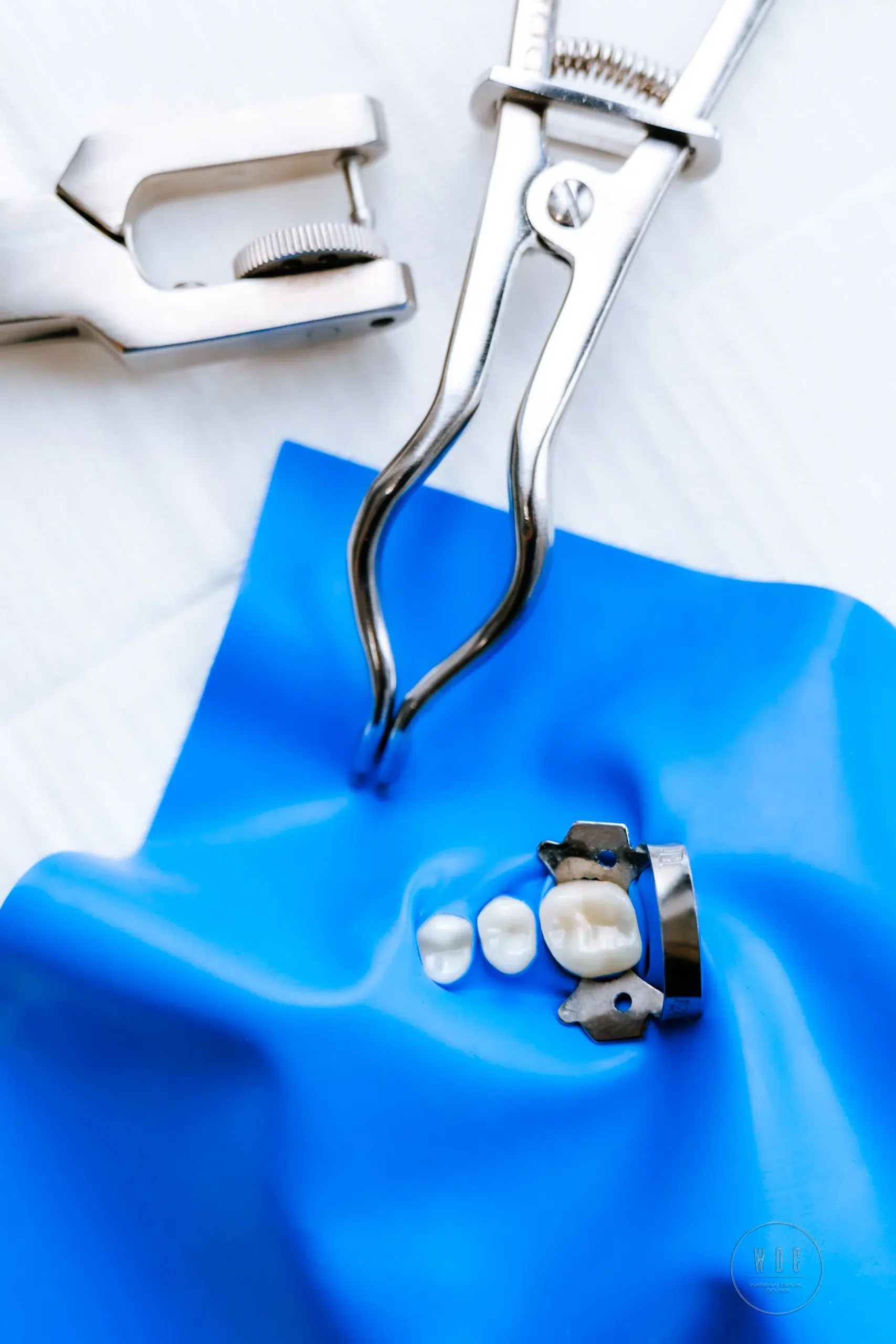
Rubber Dam – this is an exotic-sounding term referring to a sheet of silicone rubber, into which a hole is punched at the site of the treated tooth using a special punch. It is held in place by a set of dedicated clamps, and the entire assembly is stabilized outside the oral cavity using a metal or plastic frame. Applying Rubber Dam The process of applying rubber dam takes only a few seconds. Functions and Uses of Rubber Dam Rubber dam finds application in various fields of modern dentistry, including conservative treatment, root canal treatment (endodontics), and prosthodontics (often when cementing crowns and veneers). The primary function of rubber dam is to isolate the treated tooth from saliva flow. Modern filling materials, such as composites, require absolute dryness to maintain seal integrity, which is challenging in the moist environment of the oral cavity, especially when working on deeply positioned molar teeth. In cases where an abrasive sandblaster is necessary (e.g., in deep carious lesions), rubber dam protects the gums from irritation that could prevent a lasting final filling. Working with rubber dam translates into the quality and durability of fillings. One common reason for failure in root canal treatment is infection of the root canal system by bacteria from the oral cavity, which can be prevented using rubber dam. Furthermore, it provides effective protection for the sensitive tissues of the oral cavity, especially during canal preparation, when frequent and copious disinfection is necessary. Rubber dam is mainly used during root canal treatment (endodontic), where its role also includes protecting the patient from the possibility of swallowing tools used during precise treatment. By using rubber dam, the dentist can focus solely on the treated tooth, ensuring work comfort, a wide field of view, and eliminating the need for constant replacement of moistened rolls of lignin or mirror fogging. All of this translates into shorter treatment times and facilitates achieving the intended goal of a tight and durable filling. For the patient, rubber dam allows “isolation from the surroundings” and a sense of complete security during the procedure, often leading to falling asleep in the dental chair! Contraindications The use of rubber dam is not limited by contraindications. For patients allergic to latex, a latex-free rubber may be used by the dentist. For patients suffering from upper respiratory tract conditions, special care should be taken to properly position the rubber to avoid covering the nose and obstructing breathing. In our dental clinic, we provide comfortable and stress-free treatment using rubber dam.
Anesthesia in dentistry
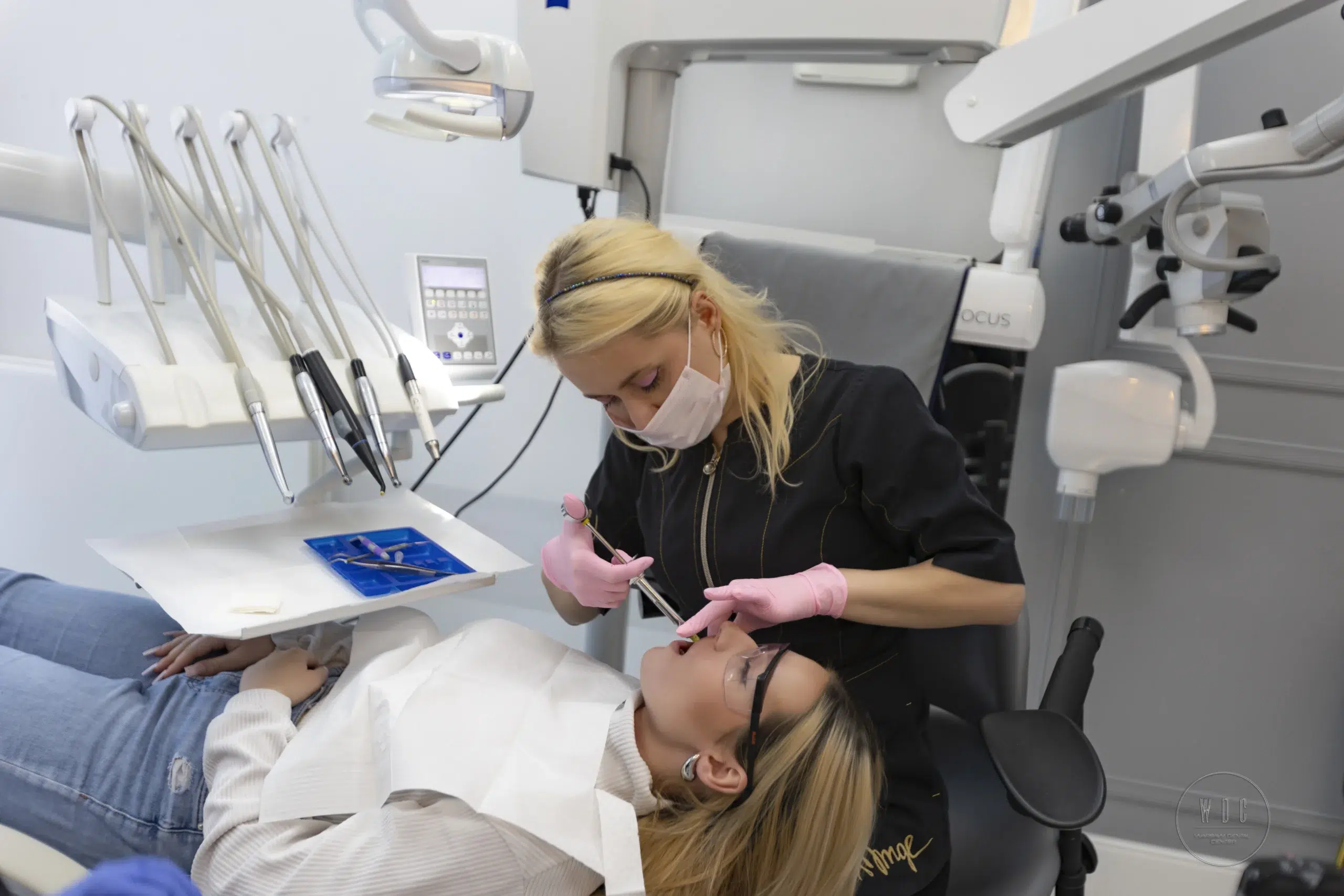
Appropriate anesthesia is a key element of comfortable and effective dental treatment. For many people, visiting the dentist can be a stressful experience, and anesthesia plays an important role in relieving this stress and minimizing any possible pain during the procedure. Warsaw Dental Center strives to improve anesthesia methods to provide patients with the highest possible level of comfort and safety. Evolution of Comfort Today, thanks to modern technologies and advances in dentistry, anesthesia is much more effective and comfortable. This is an issue that not only ensures comfort for the patient, but also allows the dentist to focus on getting the procedure right. Types of Anesthesia Anesthesia used at Warsaw Dental Center can be administered in various ways. The most popular is local anesthesia, which involves numbing only a specific area of the oral cavity. The dentist uses a small needle to inject an anesthetic into the area where the procedure will be performed. This means that the patient does not feel pain during treatment. In the case of more complicated procedures or for people suffering from severe fear of the dentist, it is also possible to use general anesthesia. In such a situation, the patient is sedated and unaware of the procedure. Although this type of anesthesia carries greater risks, for some patients it is the only option that allows them to overcome their fear and receive the dental care they need. Gaining Comfort It is worth emphasizing that Warsaw Dental Center not only cares about the effectiveness of anesthesia, but also about the patient’s comfort at various stages of the visit. The atmosphere of the clinic, the courtesy of the staff and the use of modern equipment influence the overall patient experience and can significantly reduce the stress associated with visiting the dentist. The Role of Trust Regardless of the type of anesthesia, trust between the patient and the dentist is crucial. A good dentist will always listen to his patient’s concerns and explain each stage of the procedure, which helps build trust and minimize the stress associated with a visit to Warsaw Dental Center. The future of comfort At Warsaw Dental Center, they make many efforts to ensure patients’ comfort and safety during treatment. Anesthesia plays a key role here, enabling effective treatment with minimal pain. Thanks to the continuous development of medical technologies, it can be expected that anesthesia methods will continue to improve, providing even greater comfort during visits to the dentist.
Root canal treatment under a microscope
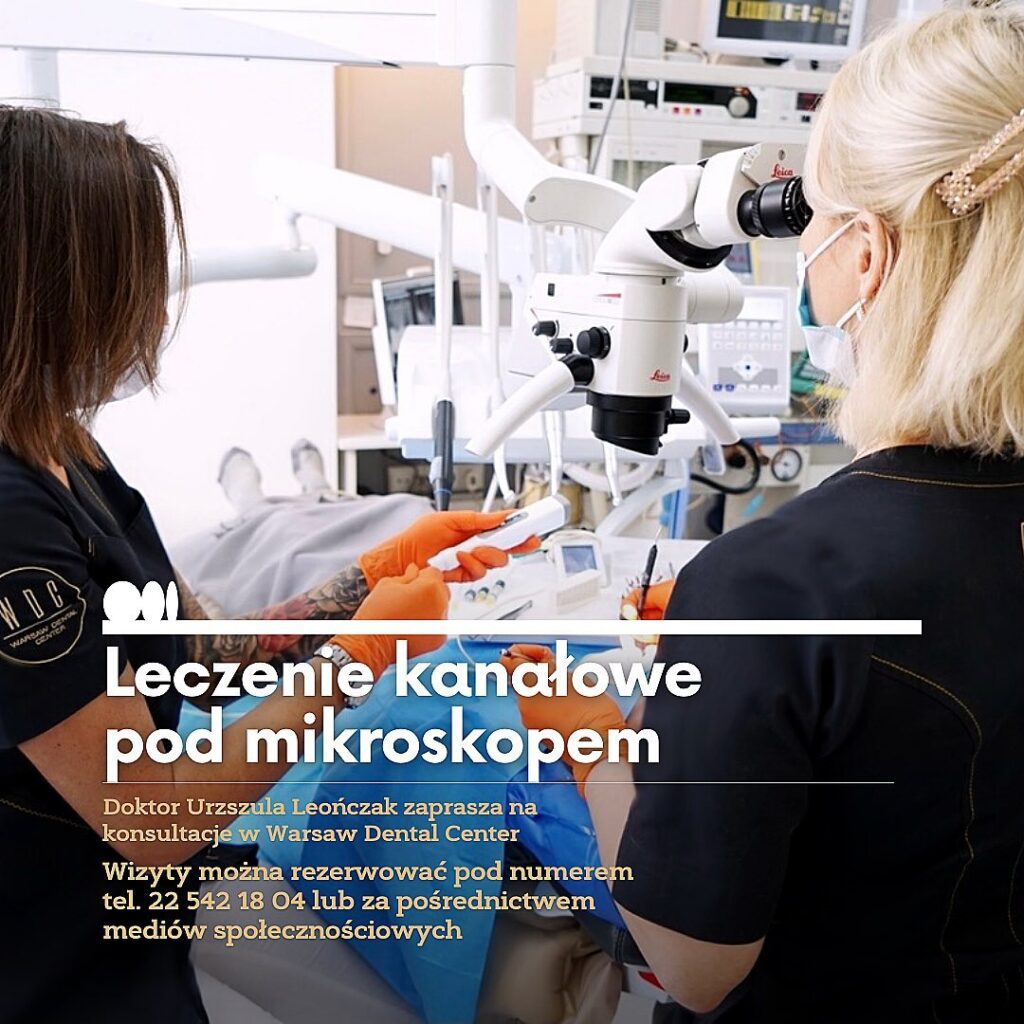
Patients often think that tooth extraction is the only option. Tooth removal, i.e. extraction, is a quick, but also irreversible solution to the problem. After tooth extraction, an empty space remains that must be filled, which involves additional procedures and higher costs. To preserve your natural tooth throughout your life, it is worth considering root canal treatment, also known as endodontic treatment. The main goal of this type of therapy is to eliminate microorganisms from the root canals and prevent inflammation of the bones around the tooth. Thanks to specialist knowledge, advanced equipment and skills, root canal treatment is safe and effective. This process consists of many parts that lead to the elimination of bacteria from the root canals, which in turn accelerates the healing process of the tissues surrounding the tooth. The first step is to develop the channels, i.e. give them the right shape, which allows for the reduction of the population of microorganisms. The next step is thorough irrigation and disinfection, using special bactericidal agents combined with appropriate activation techniques. This is the most important part of eliminating microorganisms from the sewers. The last step is to tightly fill the cleaned channels with a special material. The entire root canal treatment procedure takes about ninety minutes and another visit is usually not needed. The most important information about root canal treatment at WDC is: Thanks to local anesthesia, the treatment is virtually painless and quick. In 99 percent of cases, one visit is sufficient. A follow-up visit is recommended 6 months after completion of treatment. The effectiveness of root canal treatment reaches up to 96 percent. Endodontists use a microscope, which allows the procedure to be performed precisely and safely.
Anesthesia at the dentist: what are its types?
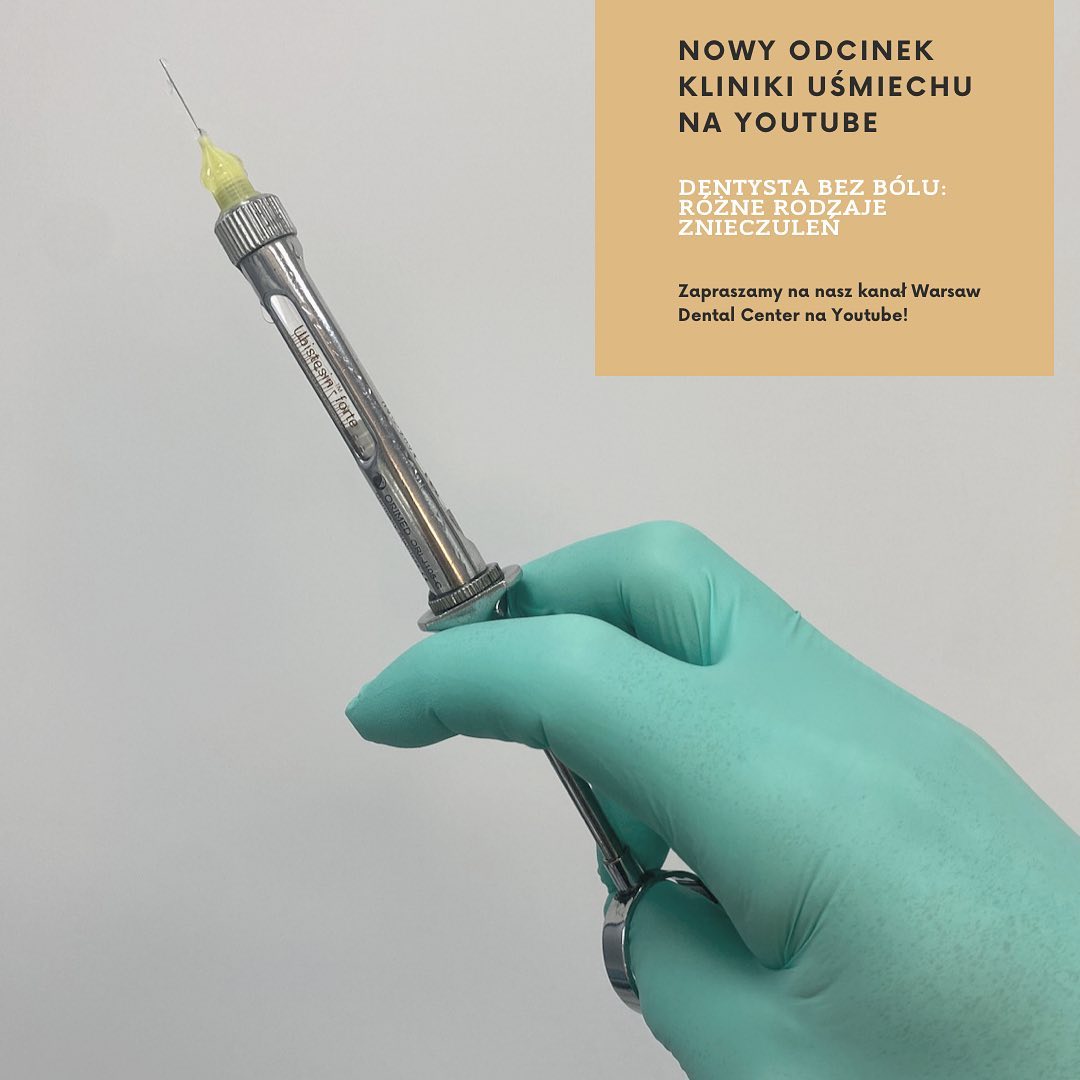
The new episode of the Smile Clinic is already available! Anesthesia at the dentist: what are its types? Today, most patients decide to undergo anesthesia before a dental procedure. Few of them, however, are aware of the wide range of methods currently offered by dental offices. Are you curious what we can surprise you with? We invite you to watch the episode! Material available at this link: https://bit.ly/KlinikaUsmiechu_Znieczulenie_u_dentysty Subscribe to the Warsaw Dental Center channel on Youtube: http://bit.ly/obserwujWDC Remember to click after watching the material! Thanks to this, you will be up to date with news from WDC

Root canal treatment in one visit with doctor Urszula Leończak
Doctor Urszula Leończak specializes in one-visit root canal treatment. Her patients appreciate not only the fact that the treatments performed by her are practically painless (Dr. Leończak destroys the common stereotype that “root canal treatment is the cause of dental trauma in many people”), but also their effectiveness and speed of execution (long-term endodontic treatment has already become history). We are grateful that so many of you decide to return to Dr. Leończak’s office and show her such deep trust. After all, your satisfaction is our greatest reward.