

Did you know that brushing your teeth twice a day is no longer enough to effectively protect yourself from cavities and gum disease? Modern dentistry is not only about treating damage, but above all about conscious prevention, increasingly referred to as dental biohacking. Introducing simple changes into your daily routine can help you avoid pain and costly treatments. Root canal therapy, implants, or veneers often involve expenses reaching thousands. Below you will find 15 proven habits that genuinely strengthen enamel and improve gum health. This is your complete guide to professional-level oral hygiene. 🛠️ Professional Home Oral Care: Technique and Tools Most dental problems begin in places your regular toothbrush cannot reach. Changing your tools often means changing your results. 1. Interdental Brushes Instead of Dental Floss Traditional dental floss often slides along the tooth surface without reaching deeper areas near the gum line. Interdental brushes work like small cleaning brushes, filling the space and mechanically removing plaque. This is one of the most effective methods for preventing bleeding gums and periodontal disease. 2. Teeth Are Not Tools: Stop Microcracks Never use your teeth to open packaging, tear labels, or cut tape. These habits cause microscopic enamel cracks that are invisible to the naked eye. Over time, they can lead to tooth fractures requiring restorations or veneers. 3. Strategy: Start Brushing the Lower Teeth from the Inside Begin brushing from the inner surfaces of the lower teeth. This is where salivary glands are located, causing tartar to accumulate the fastest. Starting here ensures better precision and focus. 4. Replace Your Toothbrush After Illness Viruses, including the herpes simplex virus, can survive on moist toothbrush bristles for several days. After any infection, replace your toothbrush to avoid reinfection and unnecessary strain on your immune system. 5. Single-Tuft Brush for Wisdom Teeth A single-tuft brush allows precise cleaning of wisdom teeth and areas behind the last molars. This is essential for preventing root cavities and painful gum inflammation around wisdom teeth. 🧪 Enamel Biohacking: Fluoride and Hydroxyapatite Understanding the chemistry of enamel allows you to strengthen it effectively without visiting the dental office. 6. The Rule: Spit, Don’t Rinse Rinsing your mouth with water after brushing washes away active ingredients. Leave the toothpaste on your teeth so fluoride or hydroxyapatite can integrate into the enamel for at least 20 minutes. 7. Hydroxyapatite Toothpaste: Liquid Enamel Nano-hydroxyapatite is a biomimetic mineral that physically fills micro-damage in enamel and quickly reduces sensitivity. It is an effective alternative to fluoride. 8. Tongue Scraper for Fresh Breath Most bacteria responsible for bad breath live on the back of the tongue. Daily tongue scraping is a simple and effective way to combat halitosis. 🍎 A Diet for White Teeth Without Sacrifices You don’t have to give up your favorite foods if you know how to neutralize their effects. 9. The Cheese Effect: pH Buffering A piece of cheese eaten after dessert quickly restores neutral pH levels and protects enamel from acid erosion. 10. Water Before Coffee Drinking a glass of water before coffee hydrates the body and stimulates saliva production, which naturally protects teeth from plaque. 11. Using a Straw to Protect the Smile Zone Drinking coffee, juice, or wine through a straw reduces contact with front teeth, limiting staining. 12. Xylitol Gum Xylitol inhibits cavity-causing bacteria and helps restore proper oral pH balance. 13. The 30-Minute Rule After Eating After consuming acidic foods, wait 30 minutes before brushing. This prevents mechanical damage to temporarily softened enamel. 🛡️ Long-Term Dental Prevention Healthy teeth are a lifelong strategy. 14. Vitamins D3 and K2 Vitamin D3 improves calcium absorption, while vitamin K2 directs calcium to teeth and bones. Together, they support internal remineralization. 15. Professional Dental Hygiene Twice a Year Scaling and air polishing every six months remove hardened tartar that cannot be eliminated at home. This is the best prevention against gum disease and recession. Conclusion A healthy smile is not just a matter of genetics, but of daily, conscious choices. Implementing these 15 principles helps you avoid pain, stress, and costly dental procedures. If you want to take care of your oral health under professional supervision, we invite you for a check-up and professional hygiene visit.

A Healthy Smile for the Holidays and the New Year: How to Take Care of Your Teeth During the Festive Season
Christmas and the New Year are a time of joy, family gatherings, and special meals. They are also a period when it is easy to neglect everyday oral health habits. Sweet treats, long dinners, hot and cold drinks, and sometimes stress and fatigue can all have a negative impact on the condition of your teeth and gums. As a dentist and Medical Director of Warsaw Dental Center, I observe the same pattern every year: after the holidays, many patients visit us with tooth pain, sensitivity, cracked fillings, or gum inflammation. The good news is that most of these problems can be easily prevented. 🍰 Holiday Sweets and Dental Health Gingerbread, poppy seed cakes, cheesecakes, and chocolate are an inseparable part of the holiday season. However, it is important to remember that sugar is the main fuel for bacteria responsible for tooth decay. How can you reduce the risk? avoid snacking on sweets throughout the day; it is better to enjoy them once, after a meal, rinse your mouth with water after dessert, remember to brush your teeth thoroughly in the evening, even if the day has been long and tiring. ☕ Hot and Cold Drinks: Watch Out for Sensitivity Winter beverages such as hot tea, coffee, mulled wine, and the contrast with cold desserts can intensify tooth sensitivity, especially if the enamel is weakened. If during the holidays you experience short, sharp pain when drinking hot or cold beverages, it is a signal that should not be ignored. Sensitivity is often the first sign of enamel or gum-related problems. 🎁 Hard Foods and “Harmless” Accidents Cracking nuts with shells, hard candies, or opening packages with your teeth can easily lead to chipped teeth or damaged fillings. During the holiday season, sudden dental emergencies occur more frequently, even though many of them could be easily avoided. Teeth are not tools, even when we are in a hurry. 😬 Stress, Bruxism, and Holiday Tension Although the holidays are associated with happiness, for many people they are also a source of stress. Teeth grinding and clenching, often unconscious, may intensify during this time. Symptoms worth paying attention to include: morning headaches, tension in the jaw area, tooth soreness without an obvious cause. If you notice these signs, it is worth consulting a dentist. The sooner you act, the easier it is to prevent more serious consequences. 🪥 The Holidays Are Not a Break from Oral Hygiene Changes in daily routine, travel, and late dinners often cause oral hygiene to be postponed “until tomorrow”. This is one of the most common mistakes made during the holiday season. Remember to: brush your teeth at least twice a day, use dental floss or interdental brushes, even short hygiene routines are better than skipping them entirely. 🎆 The Perfect Time for a Check-Up The beginning of the new year is an excellent moment to schedule a dental check-up. Regular examinations help detect minor issues before they develop into problems requiring extensive treatment. At Warsaw Dental Center, we often remind our patients that prevention is the best investment in a healthy and stress-free smile for the entire year ahead. Conclusion The holidays are a time worth enjoying with a smile, both literally and figuratively. A few simple habits are enough to avoid tooth pain, unexpected dental problems, and treatment-related stress. If you have any concerns, feel discomfort, or simply want to start the new year with confidence that your teeth are in good condition, I invite you to schedule a consultation. With care for our patients’ health,Medical Director, Dentist, MSc Urszula LeończakWarsaw Dental Center
Teeth sandblasting – a path to a healthy and beautiful smile
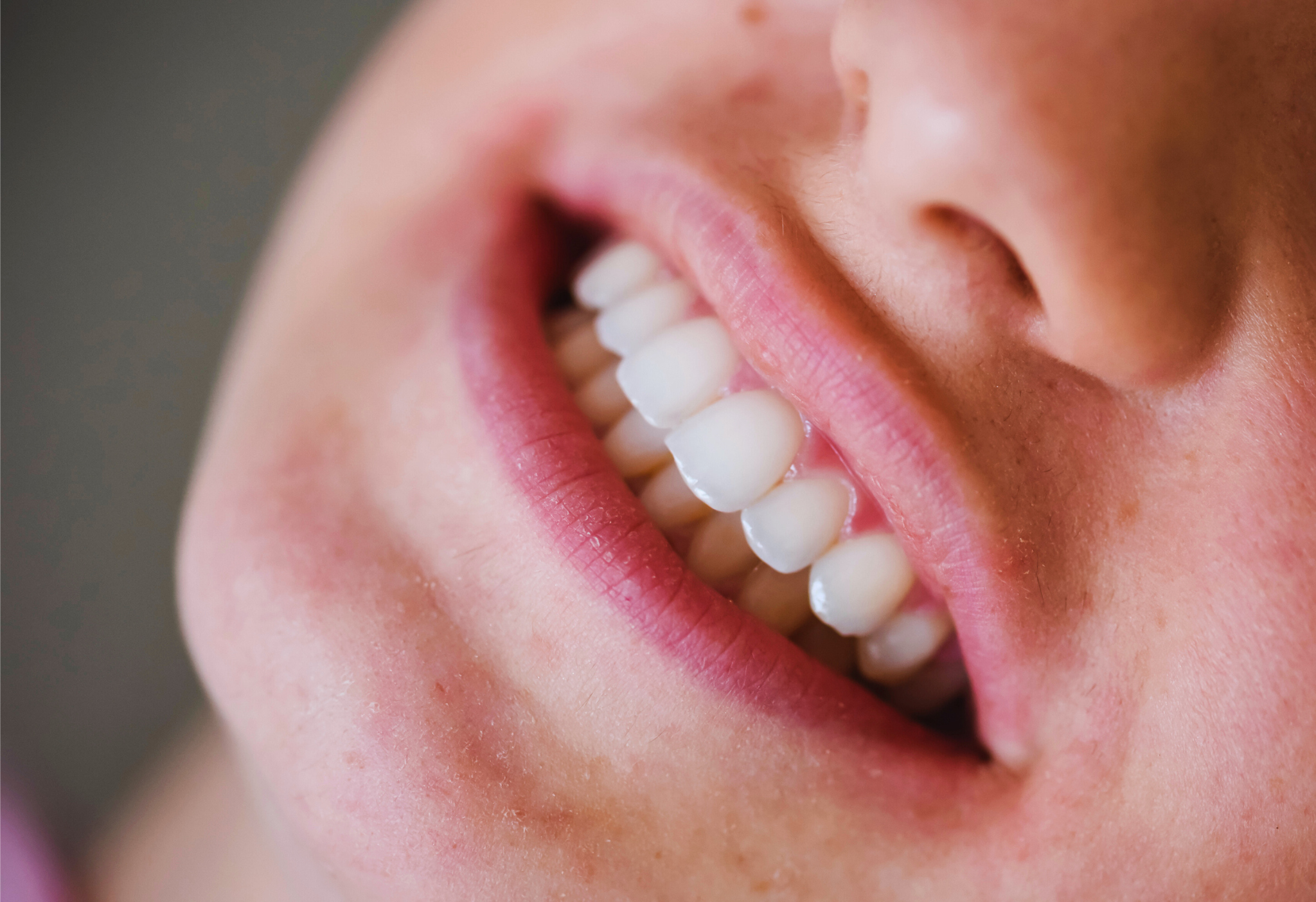
A beautiful smile is a huge asset, so it’s worth taking care of it. Regular dental check-ups and teeth cleaning are important for maintaining oral health and aesthetics. What is teeth cleaning? Teeth cleaning is a dental procedure performed using a sandblaster. This device releases fine particles of dental sand mixed with water under high pressure, effectively removing deposits and discoloration. The entire procedure takes about 20 minutes and is completely painless. Benefits of teeth cleaning Cleaning aims to restore the whiteness of teeth and remove accumulated deposits. It is an excellent complement to scaling, which removes tartar. Regular cleaning: Removes discoloration caused by coffee, tea, and smoking Prevents cavities and periodontal disease Makes teeth smoother and brighter Our dental clinic offers teeth cleaning as preparation for other cosmetic procedures, such as teeth whitening or fluoridation. How to care for your teeth after cleaning? For 48 hours after the procedure, avoid drinking tea, coffee, red wine, and colored juices. Only drink pure water. Also, avoid smoking cigarettes, which can cause discoloration. During this time, your diet should exclude products such as beets, berries, cherries, and spinach. After 48 hours, you can resume drinking staining beverages, preferably through a straw. To maintain the effects of cleaning for longer, take care of oral hygiene by: Regular and thorough brushing of teeth Using specialized mouthwashes Using dental floss Why choose our clinic? In our dental clinic, we guarantee comfortable and painless teeth cleaning procedures. We ensure that your teeth are healthy, white, and smooth. Contact us and schedule an appointment to enjoy a beautiful smile every day.
Oral cavity sanitation
What is oral cavity sanitation? Oral cavity sanitation is a series of dental procedures aimed at comprehensive treatment of teeth and periodontium. Its main goal is to eliminate inflammation, cavities, wounds, abscesses, infections, and caries, which can lead to infection of other tissues and organs. Oral cavity sanitation is recommended before planned surgical procedures and for women planning pregnancy. It is a comprehensive dental procedure aimed at complete healing of teeth and gums, minimizing the risk of infection spreading to other parts of the body. Through oral cavity sanitation, patients can enjoy better oral health and overall bodily health. Oral cavity sanitation and bodily health Proper dental care is crucial for overall health. Problems with teeth and oral cavity can lead to serious complications such as: Endocarditis, Bone infections, Internal organ abscesses, e.g., kidneys and liver, Brain inflammation, Meningitis. It is advisable for oral cavity sanitation to be performed by an experienced dentist. In the case of planned surgical or oncological procedures, consultation with a doctor is necessary. It is important for the dentist to confirm that the patient’s teeth are in good condition before the procedure. It is worth noting that infections in the oral cavity can spread to other areas of the body, posing a particular risk to individuals with weakened immune systems, undergoing complex surgical procedures, undergoing cancer therapy, and pregnant women (infections can harm the fetus and lead to miscarriage). Therefore, early treatment of teeth and periodontium is essential. Patients in risk groups should consult a dentist for oral cavity sanitation. Indications for oral cavity sanitation Oral cavity sanitation is crucial for every individual, not only in the context of upcoming surgical treatment, but also for overall oral health. It is important to maintain a state free of inflammation in oral tissues, especially in the case of: 1. Planned pregnancy, 2. Cancer treatment, 3. Surgical procedures (e.g., cardiological, orthopedic, ophthalmic), 4. Transplantation. Additionally, individuals suffering from chronic conditions should pay particular attention to oral cavity sanitation. Inflammatory conditions in teeth and periodontium can serve as additional sources of infection and affect the functioning of the immune system, leading to exacerbation of symptoms of diseases. For this reason, oral cavity sanitation is particularly recommended in cases of diseases such as rheumatoid arthritis (RA), chronic obstructive pulmonary disease (COPD), allergies, heart diseases, and osteoporosis. Oral Cavity Sanitation: What are the Procedures and Prevention? Oral cavity sanitation is a comprehensive process that often requires collaboration among specialists from various dental fields. Depending on the overall condition of the teeth, it consists of several procedures, such as: 1. Extraction of teeth that do not qualify for other forms of treatment. 2. Root canal treatment (endodontics) to remove infections. 3. Prosthetic restorations to restore bite function. 4. Treatment of caries and restoration of cavities. 5. Scaling and professional cleaning of periodontal pockets to remove dental calculus. 6. Alleviation of inflammation and treatment of abscesses. 7. Correction of bite abnormalities and removal of orthodontic appliances. Additionally, oral cavity sanitation includes prevention aimed at preventing new inflammatory conditions. Patients are educated by dentists on proper oral hygiene, regular check-up visits, and disinfection and replacement of toothbrushes every 2–3 months and after each infection. These measures help maintain oral health at an appropriate level. How Long Does Oral Cavity Sanitation Take and Its Effects? The duration of treatment depends on the condition of the teeth and periodontium. Some procedures require waiting for several days, which prolongs the process. Therefore, prompt action and regular visits to the dentist are important. In some cases, immediate intervention is necessary. Unconditional sanitation of the teeth may be required to remove all inflammatory foci in one procedure. In extreme cases, this may even involve the extraction of several teeth. It is worth noting that tooth loss requires simultaneous prosthetic treatment to avoid complications.
Fluorine: What is it and is it safe?
Fluoride is a topic that sparks many discussions among dental professionals. There are various approaches to its significance for oral hygiene. Some believe fluoride is unnecessary, while others emphasize its positive impact on oral health. But what is the fact? We want to clarify this! Proper and appropriate use of fluoride poses no risk to overall health. Instead, it brings numerous benefits to oral health and effectively aids in preventing tooth decay. What is fluoride and how does it work? Fluoride, a natural mineral present in water and soil, is a key element in strengthening teeth and bones. Its application is associated with reducing the risk of tooth decay and osteoporosis. In particular, fluoride is commonly used in preventing tooth decay in children, applied directly to the teeth through toothpaste, mouth rinses, gels, foams, varnishes, and other dental products. The action of fluoride in preventing tooth decay includes: Modifying the formation process of enamel in children under 7 years old, increasing its resistance to acid attacks Creating an environment conducive to the formation of higher quality enamel, supporting resistance Reducing the ability of bacteria in dental plaque to produce acids These benefits contribute to the protection and strengthening of tooth enamel, thereby preventing decay and potentially costly dental problems in the future. Benefits of fluoride for oral health: Which products are worth choosing? The benefits of fluoride for oral health are undeniable. Fluoride not only protects against tooth decay but also strengthens resistance to plaque formation and reduces the risk of gum disease. Fluoride products abound in the market – they are practically available in every store. The American Dental Association recommends their use, emphasizing the effectiveness of fluoride in preventing tooth decay and reducing the need for costly restorative treatments. Regular use of fluoride products not only helps maintain oral health but also saves time and money. Risks associated with fluoride – should we be concerned? Is it worth being concerned about fluoride use? Like any chemical compound, fluoride requires proper caution in use. Although its beneficial effect on reducing tooth decay has been proven, an excess of fluoride can have side effects. For the vast majority of people, this is not a problem, as both water fluoridation and the amount contained in oral hygiene products are regulated. The most common side effects of excessive fluoride exposure are transient white spots or streaks on teeth, which are usually considered an aesthetic problem, not negatively affecting tooth health. Small doses of fluoride generally do not pose a health risk. Is it worth using fluoride? The World Health Organization (WHO) establishes various norms regarding the amount of fluoride to maintain oral health. Generally, the benefits of fluoride use outweigh any potential risks, so it’s worth considering incorporating it into your daily dental care routine. If you still have doubts about the benefits and potential risks associated with fluoridation, we suggest consulting a dentist who will answer all your questions. Our dental office in Warsaw is open to patients every day. Schedule an appointment today and take care of your dental health, following the principle that prevention is better than cure.
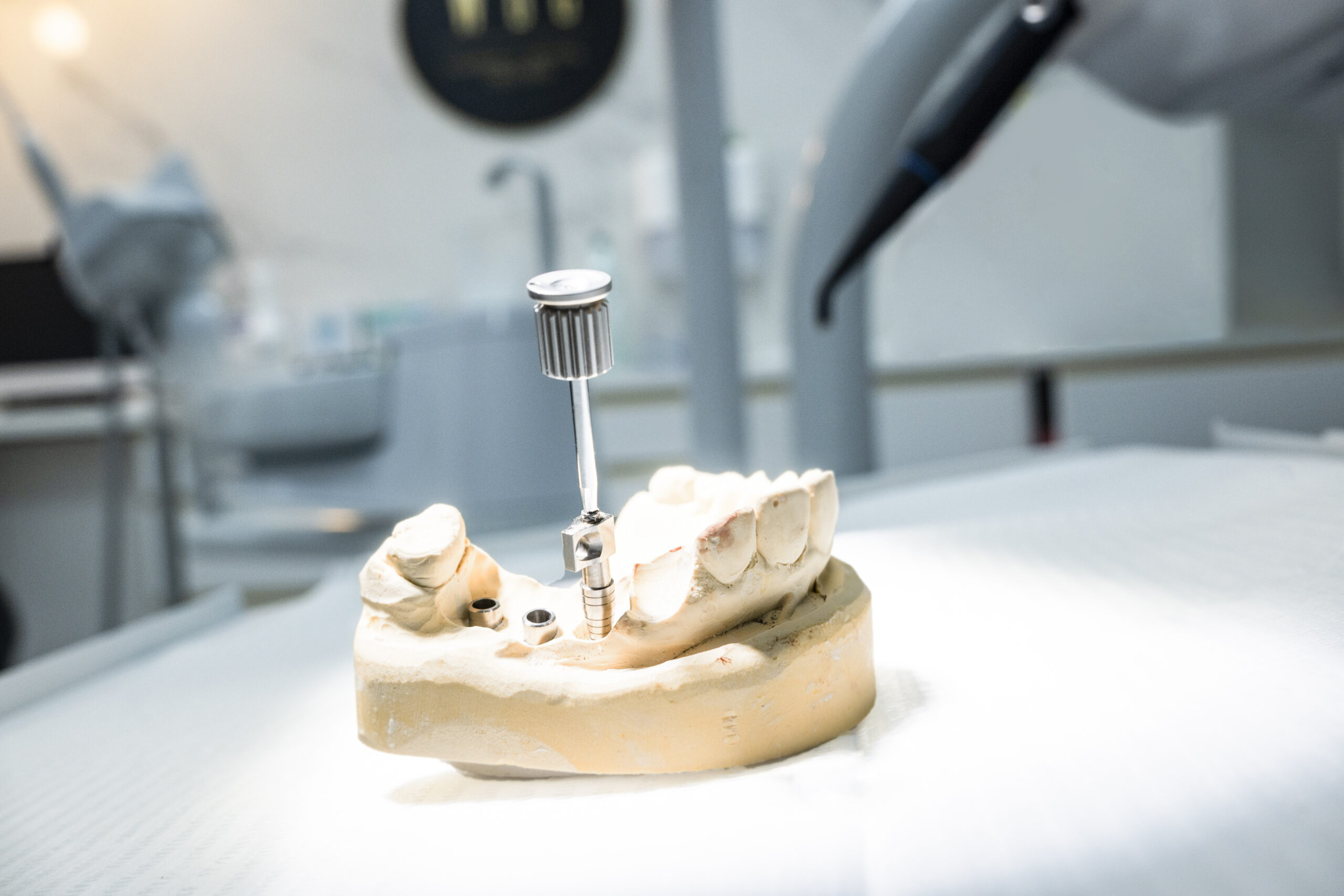
How long does it actually take for healing after dental implant placement?
Healthy teeth are an important factor influencing an individual’s overall well-being. Maintaining proper oral hygiene practices not only contributes to achieving a radiant smile but above all promotes maintaining a healthy lifestyle. Nowadays, increasing attention is being paid to dental implants, which constitute a significant element in improving oral health. These implants, by serving as replacements for missing teeth, revolutionize our perception of both dental functionality and aesthetics. The question of how long the dental implant healing process lasts becomes extremely important for those interested in this solution. Recovery After the Procedure Recovery after dental implantation surgery is a crucial stage in returning to health. In the first few days after the procedure, patients confront the healing process, which typically lasts about two weeks. During this time, some discomfort and inconveniences may occur. It is recommended to consume soft food to avoid burdening the fresh wound, which further accelerates the return to full functionality. Don’t forget the importance of oral hygiene. Gentle tooth brushing and rinsing the mouth with a mild saline solution are the basis for protection against infections. This simple routine can significantly speed up the healing process. Long-Term Healing Process and Osseointegration In addition to the initial return to health, the main goal becomes osseointegration, the fusion of the implant with the bone. This stage of the healing process is responsible for the time needed for the dental implant to heal. To achieve successful osseointegration, a period of 3 to 5 months is usually required. During osseointegration, the newly implanted implant forms a secure connection with the jawbone. This durable connection provides a solid foundation for the artificial tooth or teeth. Generally, excessive stress on the implant should be avoided during this phase, as it may disrupt proper healing. Factors Affecting the Healing Process Duration It should be remembered that the regenerative abilities of each individual are unique. Several factors may influence the length of the recovery period. Typical factors affecting healing time include age, overall health condition, oral hygiene practices, and lifestyle. For example, smoking or the presence of chronic illnesses may require a longer recovery period. On the other hand, the quality and density of the bone in which the implant is located also directly affect the healing time. Monitoring the Progress of Implant Healing Regular follow-up visits to the dentist are crucial for patients with new dental implants. They allow for professional monitoring of the implant site and early detection of potential problems. Although inflammatory conditions and changes in skin color may be typical during the healing process, high levels of pain or signs of infection should be reported. Patients must remember that healing is just one stage of the journey with a dental implant. Equally important is the upcoming period, which requires monitoring and meticulous oral care. The ultimate goal is a successful, fully functional implant that ensures durability and joy from the restored smile. Trust Experienced Experts and Enjoy a Beautiful Smile At the Warsaw Dental Center in Warsaw, we believe in smile transformation, which we confirm with our exceptional service. With us, you can be sure that you will be treated with due care, and dental implants and aesthetic dentistry are among our specialties.
Dental implants – Can food penetrate underneath them?
Can food penetrate underneath dental implants? For many patients, one of the most common complaints related to removable and partial bridges is that small food particles can get trapped between the prosthesis and the gums. Food residues often linger in the oral cavity, leading to inflammation, mucous membrane irritation, and bad breath. Additionally, when food gets under the prosthesis during chewing, it can cause pain or discomfort. Implant-supported prostheses provide comfortable and enjoyable eating, eliminating these discomforts. Does food get under individual dental implants? Dental implants with a single crown completely restore the function and shape of the lost tooth. After rebuilding a single tooth with a dental implant and crown, the patient does not experience discomfort while eating, which could be caused by food getting under the prosthesis. If the crown is properly secured, there should be no space underneath where food residues could accumulate. If plaque still builds up under the crown, causing discomfort, it may indicate errors in the planning and placement of the implant or crown. In such a situation, it is necessary to consult with a specialist. For complex clinical cases, the use of personalized abutments is often recommended, allowing for a more precise fit of the crown to the implant and reducing the risk of misalignment. Proper shaping of the gum contour, especially around the front teeth, also affects the quality of prosthetics. Dental implants are typically made of titanium alloy, characterized by high biocompatibility and safe integration into the jawbone. After placing the crown on the implant, high-quality shaping of the gum contour prevents food from getting under the gum. Nevertheless, patients should regularly maintain oral hygiene and thoroughly clean the gum areas adjacent to the implant to avoid inflammation of the surrounding tissues. Regular visits to the dentist are essential for prevention and for conducting professional hygiene procedures. Does food get under implants-supported prostheses? Fixed prostheses on implants provide comfort while chewing as they are stably supported by artificial abutments. There are different types of prostheses tailored to the patient’s gum condition, which may affect how food can get trapped under the prosthesis frame. However, regardless of this, it should not cause painful sensations during prosthesis usage. After implantation of a dental implant, the doctor provides recommendations for care and informs the patient how to properly maintain the implant. Modern constructions are easy to clean, resistant to external factors, and ensure secure retention in the mouth, eliminating the risk of slipping or breaking. Daily hygiene can be maintained using a toothbrush and toothpaste, with special attention to the gum areas adjacent to the implant. It is also recommended to use dental floss and an irrigator according to the specialist’s instructions. Using an irrigator gently removes plaque from the surfaces of teeth and gums while massaging the mucous membrane and stimulating blood circulation, contributing to the improvement of the mucous membrane’s condition and preventing the development of diseases. We invite you to our dental clinic Warsaw Dental Center in Warsaw, where we provide comprehensive dental care. We also encourage regular check-up visits, during which our specialists will take care of your dental health and provide necessary advice on oral hygiene.
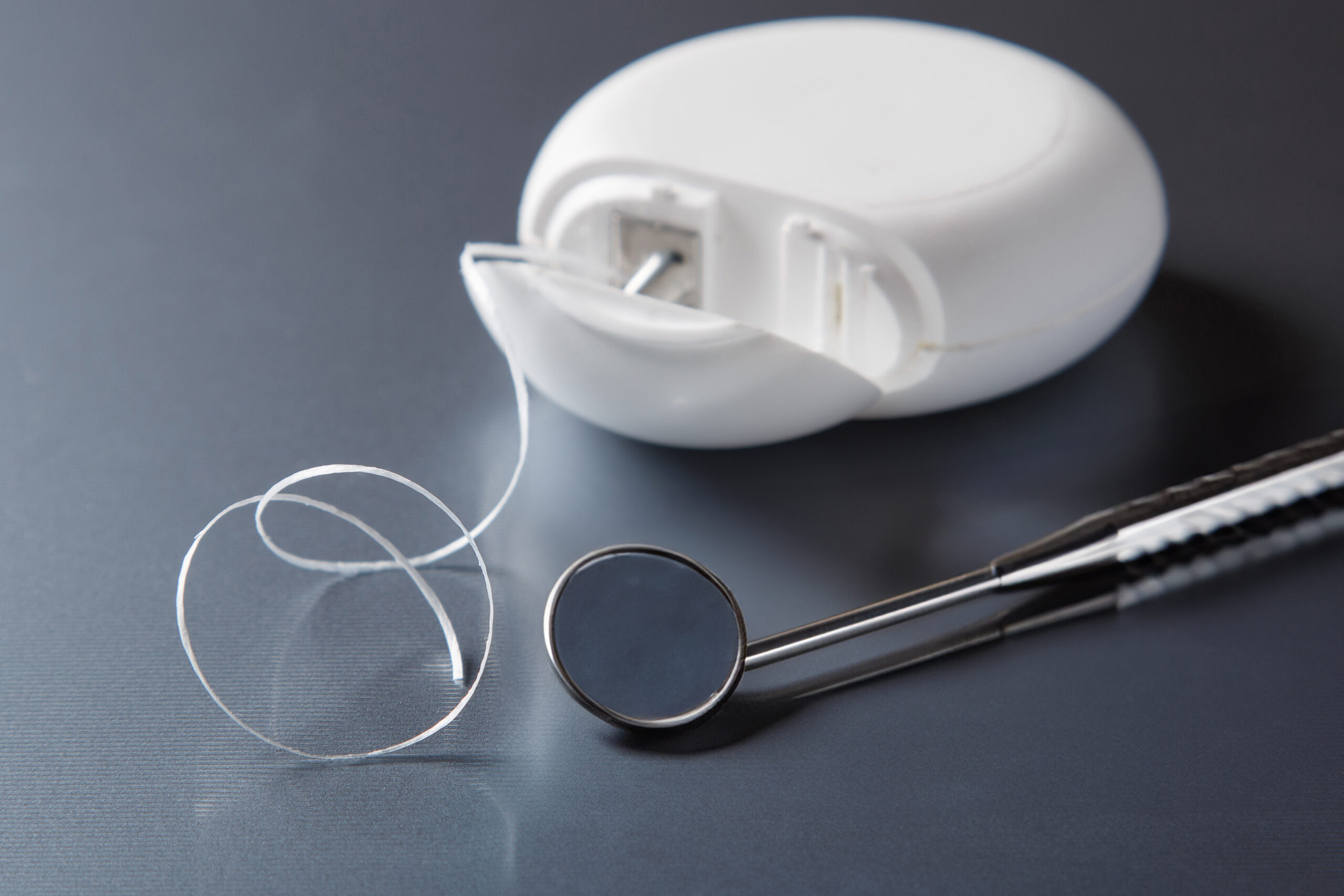
The correct technique for flossing teeth
Teeth Flossing, in addition to regular brushing, is an essential element in maintaining proper oral hygiene and healthy teeth. To effectively remove food residue and bacterial plaque from the surfaces of teeth and the spaces between them, simply using a toothbrush, even of the highest quality, is not enough. It is also necessary to use dental floss. How to floss teeth properly? There is a wide selection of dental floss available, including fluoridated or non-fluoridated, waxed, unwaxed, mint-flavored, antibacterial, and many others. The appropriate dental floss should be chosen considering its thickness and the material it is made of. The thickness of the floss is an important factor in the selection process because it needs to smoothly pass through the interdental spaces with gentle resistance. Beginners are advised to choose waxed floss, which moves more easily between teeth. If you’re unsure about choosing the right dental floss, consult with a dentist. Our specialists at Warsaw Dental Center will be happy to advise you on the best choice. Teeth flossing – technique Flossing requires precision and gentleness, as too forceful execution can result in gum injury and epithelial attachment loss. We start by cutting about 35-40 cm of floss from the roll. We wrap the ends of the floss around our middle fingers, leaving about 5 cm of floss between them. Using our thumbs and index fingers (or both thumbs), we gently wrap the floss around the base of the tooth and slide it in, making sawing motions, from the contact point of the teeth to the interdental space. After inserting the floss, we make vertical motions, following the curvature of the tooth. While flossing successive teeth, it’s important to use clean sections of dental floss. In initial flossing attempts, slight bleeding and gum soreness may occur. One should not be discouraged by this, but rather continue the procedure with greater gentleness. These minor, undesired symptoms resulting from lack of finesse in floss handling are much less of a threat to teeth than not flossing at all. Dental floss – Things to remember Neglecting regular use of dental floss can lead to undesirable consequences such as tooth discoloration, cavities, and the accumulation of dental plaque (tartar) in the crevices, which in turn increases the risk of tooth decay and periodontal disease, and even tooth loss. Remember, flossing should be done before every brushing. An alternative to flossing is irrigation, which is an effective method of maintaining hygiene, especially when wearing various types of prosthetic work. If you need help with maintaining proper oral hygiene, schedule a consultation at Warsaw Dental Center. Our team of specialists will help you take care of your dental health.
Dental calculus – causes, consequences, and effective preventive methods
Dental calculus, also known as tartar, is a common issue in dentistry that, if not effectively removed, can lead to a range of undesirable consequences. It is a hard, mineralized substance that accumulates on the surface of teeth. Formation of Dental Calculus The process of forming dental calculus is a gradual result of the buildup of dental plaque on the teeth. Plaque, composed of bacteria and deposits, mineralizes over time, creating a hard deposit called dental calculus. This calculus, usually made up of minerals in saliva, can take on various colors depending on organic substances and pigments in food. Main Causes of Dental Calculus Formation Lack of proper oral hygiene: Regular and thorough brushing of teeth and flossing are crucial in removing dental plaque. Neglecting these actions can lead to plaque accumulation and the formation of dental calculus. Diet rich in sugars and starches: Consuming large amounts of sugars and starches promotes the growth of bacteria, which convert them into acid, demineralizing tooth enamel and contributing to the formation of dental calculus. Tobacco smoking: Smoking cigarettes affects saliva production and hinders its cleansing function in the oral cavity, increasing the risk of dental calculus. Genetic predispositions: Some individuals have genetic predispositions to the increased formation of dental calculus, but proper oral hygiene remains crucial even in these cases. Insufficient saliva: Individuals with xerostomia are more prone to the formation of dental calculus because saliva plays a significant role in cleansing the oral cavity. Lack of regular dental visits: Professional teeth cleaning by a dentist is an effective method of removing dental calculus. The absence of regular dental check-ups can lead to the escalation of this problem. Consequences of Dental Calculus Dental calculus can lead to various issues, such as periodontal diseases, tooth loss, or even systemic complications. Therefore, understanding and eliminating the main causes and applying effective methods to prevent dental calculus are crucial. Preventive Methods Proper oral hygiene: Regular brushing, flossing, and using mouthwash are incredibly important in preventing dental calculus. Balanced diet: Limiting the consumption of sugars and starches and maintaining a balanced diet that supports oral health can help prevent dental calculus. Quit smoking: Quitting smoking can significantly reduce the risk of dental calculus formation and improve overall oral health. Regular dental visits: Professional teeth cleaning and regular dental check-ups allow for effective monitoring of oral health and removal of dental calculus. Dental calculus is a common problem that can lead to serious consequences if not effectively managed. Understanding the main causes of its formation and applying effective preventive methods, such as proper oral hygiene and regular visits to Warsaw Dental Center in Warsaw, are essential for maintaining healthy teeth and oral cavity. Avoiding risk factors, such as tobacco smoking and a diet low in sugars, also contributes to overall good oral health.
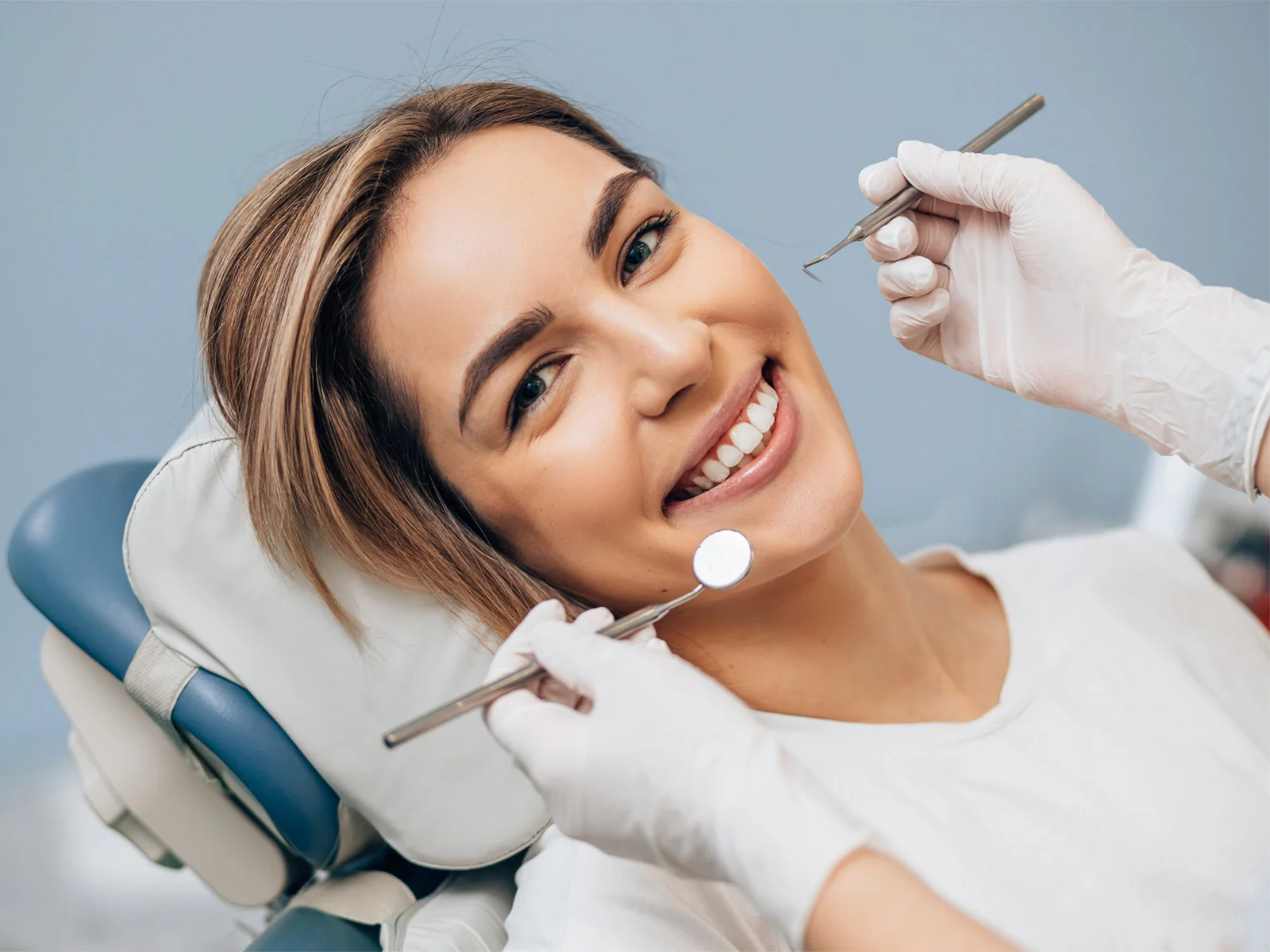
Scaling and Teeth Sandblasting – all your questions answered
What is Teeth Sandblasting or Dental Sandblasting ? Brighten up your smile with Teeth Sandblasting! This cheerful dental procedure is all about getting your pearly whites sparkling clean. It’s a super way to kick out all the unwanted guests like dirt, plaque, and tartar from your teeth. Regularly treating your teeth to a sandblasting session is like giving them a mini-vacation, ensuring they stay happy and healthy. Why should we do Teeth Sandblasting ? Let’s dive into the world of Tooth Sandblasting! Imagine it as a spa treatment for your teeth, where they get pampered with water and a special powder. This process sweeps away all the food leftovers, bacteria, and tartar, leaving your teeth feeling fresh and fabulous. Plus, it’s a champion at waving goodbye to those pesky stains from your favorite coffee or tea. How often should I do Teeth Sandblasting ? Ideally, every six months is great! But if your gums are a bit sensitive or if plaque seems to love your teeth a bit too much, your friendly dentist can personalize this schedule just for you. How does Teeth Sandblasting feel like ? What’s the teeth sandblasting procedure like, you ask? It’s a breeze! A special dental sand is sprinkled on your teeth, working its magic to scrub away all the impurities. It’s quick, often painless, and leaves your teeth feeling incredibly clean. How is Teeth Sandblasting different from Teeth Scaling ? Curious about how sandblasting differs from scaling? Both are superstars in their own right. Scaling is like the superhero that tackles the tough, calcified plaque, while sandblasting is the gentle artist, removing softer residues and those coffee or cigarette stains. Together, they make an unbeatable team for a dazzling smile. What to expect after a Teeth Sandblasting ? After these treatments, expect your teeth to be the star of the show – bacteria-free, smooth, shiny, and looking their whitest. Less bacteria means saying goodbye to tooth decay, and hello to a healthy mouth! Who’s the best at performing Teeth Sandblasting in Poland ? Your friendly dental hygienists at Warsaw Dental Center are the go-to experts. Dental hygienists at Warsaw Dental Center have been consistently voted by industry experts as well as cheerfully thumbed up in multiple forums and reviews. They’ll tailor your Teeth Sandblasting experience to your needs, ensuring your teeth get the best care possible. Plus, they’re awesome at teaching you how to keep your smile bright with the right tools and techniques. Warsaw Dental Center hygienists love the patients are always ready to answer your questions and give you helpful tips. So definitely ask them questions if you have them. Does Teeth Sandblasting or Teeth Scaling hurt ? Worried about pain? Fear not! Scaling and sandblasting are usually as comfortable as relaxing on a cozy couch. If you have sensitive teeth, the dentists at Warsaw Dental Center have got your back with gentle care and maybe even some anesthesia to keep you comfy. Why is good oral hygiene so important? Well, it’s like the foundation of a healthy, happy life. Neglecting it can lead to not-so-fun things like bad breath, cavities, and even tooth loss. But with regular scaling and sandblasting, you’re basically giving your teeth a shield against these troubles. What are the benefits of regular teeth sandblasting? Oh, they’re wonderful! Your teeth not only get cleaner but also look more attractive. Just remember, it’s not the same as a whitening treatment, but it’s still pretty awesome! What are some precautions to take after Teeth Sandblasting ? Just take a tiny break from those color-rich foods and drinks for about a day. Think of it as giving your teeth a little rest after their spa day. Who should consider teeth sandblasting treatments? If you love coffee, tea, or if your teeth just need some extra love, these treatments are perfect for you. And don’t worry, there are hardly any no-nos for these procedures. The team of Doctors and Hygienists at Warsaw Dental Center will make sure everything is safe and comfortable for you, even if you need a little extra care. I am Pregnant, is Teeth Sandblasting safer for me ? It’s the perfect time to pamper your teeth with sandblasting. It keeps your gums and teeth in tip-top shape, reducing the risk of dental woes. In short, scaling and sandblasting are like the dynamic duo for your oral health. They keep your teeth looking and feeling fantastic, tailored to your unique smile. Regular care equals a radiant smile and a happier you! Our dedicated Teeth Sandblasting and scaling specialists at Warsaw Dental Center would love to show you how it can be an incredible and stress free experience for you. Give us a call or set up an appointment at your convenience by clicking the contact link. Article written on September 20, 2022 and updated on January 24, 2024 based on the latest technology and research.