


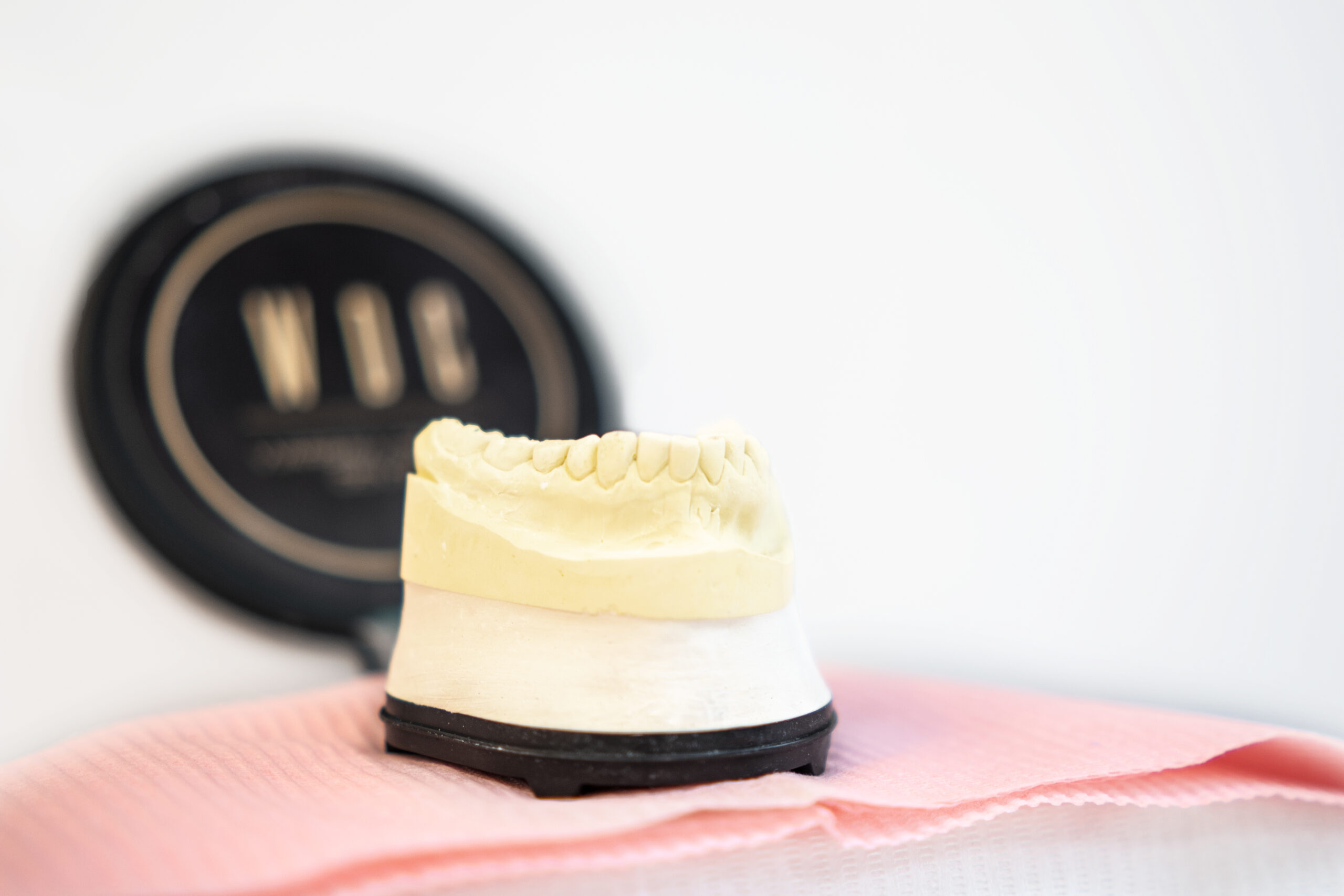
Dental occlusion is the relationship between the upper and lower teeth, and its disturbance can lead to undesirable consequences such as an unaesthetic smile, crooked bite, and jaw pain. It is worth noting that treatment of occlusal disease is essential, as ignoring it can even lead to tooth loss. Effective treatment of occlusion involves various methods to correct the bite, such as overlays, splints, or implants, aimed at protecting the teeth from further destruction. In advanced cases, orthodontic treatment may also be necessary. Prognoses regarding the effectiveness of therapy and the duration of treatment depend on the degree of occlusion advancement and the timing of therapy initiation. Dental occlusion—what is it and what are its consequences? Dental occlusion refers to how the upper dental arch meets the lower one. Irregularities in this relationship can lead to various problems requiring treatment. Occlusal disease is a condition in which there is abnormal tooth contact, leading to tooth wear and cavities. Symptoms may also include gum recession, jaw muscle tension, headaches, tooth sensitivity, and bruxism (teeth grinding). Pathological occlusion can occur for various reasons, including malocclusions, tooth loss, improper prosthetics, and stress. Early diagnosis and treatment are crucial for therapy effectiveness. Implementing comprehensive treatment, including facial muscle rehabilitation and psychotherapy, can yield positive results. Neglecting treatment can lead to serious complications, including tooth loss. It is important to understand that dental occlusion can occur in people of all ages and is often the result of various factors such as malocclusions and poor habits. Therefore, regular visits to the dentist and proper oral hygiene are crucial for preventing this disease. Treatment of occlusal disease Treatment of occlusal dental disease begins with meticulous diagnosis, including radiographs, ultrasonography of the temporomandibular joints, and assessment of masticatory muscles. Thorough clinical examination of the patient, including medical history and functional tests and jaw impressions, is also necessary. This is done to comprehensively analyze the patient’s problems and develop a treatment plan. Restoring proper bite relationship can be time-consuming and demanding, so effective treatment and occlusion improvement are tasks for experienced specialists working in professionally equipped dental laboratories. Therapy methods for occlusal dental disease Therapy for occlusal dental disease aims to correct the contact between upper and lower teeth and adjust the temporomandibular joints. One technique for correcting improper occlusion is rebuilding lost tooth hard tissues using conservative fillings. Aligning the bite provides relief from symptoms associated with improper occlusion and improves smile aesthetics. Occlusion correction can also be achieved through equilibration, a process of creating the proper bite surface by grinding teeth to achieve their even shape. For milder forms of occlusion, the use of occlusal splints worn at night is recommended. In more complicated situations, the use of a permanent orthodontic appliance or even surgical intervention may be necessary. Muscle exercises for the jaw, facial muscles, and neck and throat muscles are also important elements of occlusal dental disease therapy. Movement rehabilitation can be continued after the main treatment phase to maintain therapeutic effects.

Can migraine and toothache be related?
Did you know that there are many cases where migraine and toothache can be related? Even though these are two different ailments, sometimes they can occur simultaneously and worsen each other. Migraine is a disease that manifests itself with severe headaches, often accompanied by nausea, photophobia and/or visual disturbances. In turn, toothache may be caused by infection, damage, decay or other dental problems So how can these two different conditions be related? There are several scenarios that could explain this: Muscle tension: Some people who suffer from migraines experience muscle tension in the face and neck area, which can lead to toothache. This tension may be the body’s response to a headache. Stress and body reaction: Both migraine and toothache can be caused by stress. Stress can lead to excessive jaw tightening, which can cause toothache and at the same time make migraines worse. Dental problems and migraine: Dental infections, gum disease or even pain caused by misaligned teeth can trigger an inflammatory response in the body. This inflammatory response can, in turn, worsen the migraine or be one of its triggers. Neuralgic connections: There is a complex network of nerves in the head and neck area that allows pain from one area to radiate to another. This means that a toothache can lead to a radiating headache, and a migraine can cause a toothache. It is worth remembering that each case may be different. If you experience both a migraine and a toothache, it is worth consulting a doctor or headache specialist and a dentist. Diagnosis and treatment can be more effective when you understand whether the two problems are related or not.
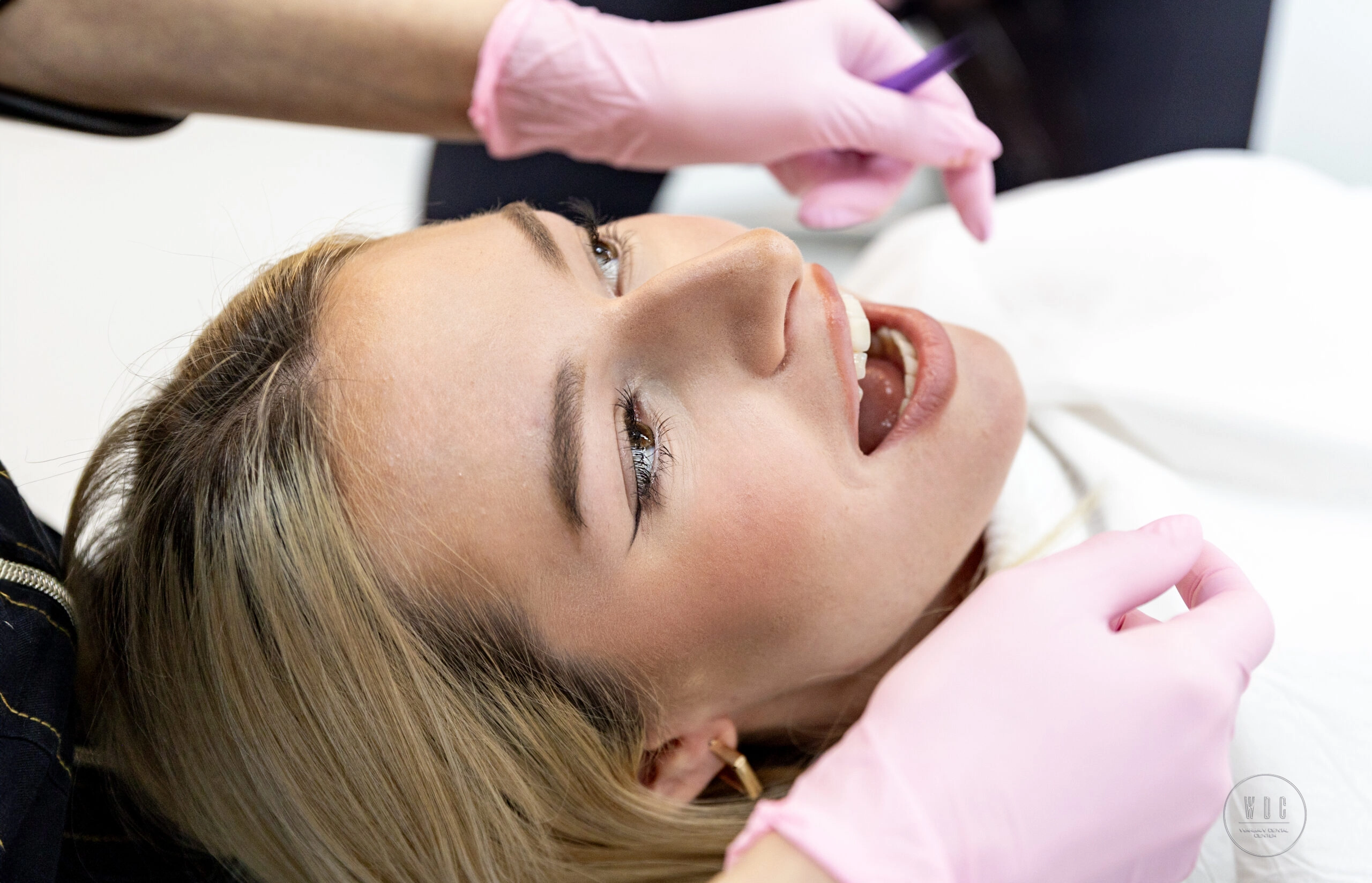
Everything you need to know about TMJ (temporomandibular joint) disorders and how to deal with them?
Jaw pain: Learn about TMD, or temporomandibular joint disorder Everyday facial gestures such as smiling, laughing, eating and swallowing often do not get the attention they deserve. For people suffering from temporomandibular joint (TMJ) dysfunction, these apparent movements can be painful. What is TMD and what causes it? What exactly causes and what are the symptoms of TMD (Temporomandibular Disorders)? Let’s discover everything you need to know about this condition and how to deal with it. What is TMD and what causes it? The temporomandibular joints, located where the skull connects to the lower jaw, are a complex of muscles and ligaments that control the movement of the jaw. Temporomandibular joint disorder, known as TMD, can lead to damage to the jaw joint and the muscles that control jaw movement. Causes and possible symptoms Determining the exact causes of an individual’s TMJ dysfunction can be complicated. A combination of factors such as heredity, joint inflammation or trauma can lead to pain. Although many people regularly clench or grind their teeth without affecting the TMJ, some people with jaw pain tend to clench. Treatment and symptoms In most cases, self-care or non-pharmacological therapies can help relieve the pain and discomfort associated with TMJ problems. Although surgery is only used as a last resort when other options fail, some TMD patients may benefit from a change in treatment. Symptoms of TMD What are the symptoms of TMJ-TMD problems? Discomfort or tenderness in the jaw Pain in the temporomandibular joint in one or both joints Pulsating pain behind the ear or around the back of the head Pain or discomfort when chewing Painful discomfort around the face Locking joints, making it difficult to open and close the mouth When opening your mouth or chewing, temporomandibular joint problems may cause a clicking or grinding sensation. However, in most cases, simply clicking the jaw without pain or restriction of movement does not require therapy. Controlling TMJ related problems Symptom control methods Keep your jaw in its resting position. Limit gross facial movements to help with TMJ problems. Get a good night’s sleep by avoiding sleeping on your stomach and placing your hand on your jaw when sleeping on your side. Lying on your back with pillows under your neck can relieve stiffness in the temporomandibular joint. Take care of correct posture. Perform exercises to stretch your jaw muscles to improve joint mobility and relieve discomfort. Avoid certain behaviors and foods that may increase tension in your jaw. When to consult a doctor? If you experience pain or stiffness in your jaw, or difficulty opening or closing it, consult your doctor or a TMD specialist, such as a dentist. They can investigate the various causes and suggest solutions for your condition.

Occlusion – what is it and what are the treatments
cclusal disease, which is one of the diseases of the masticatory system, is the result of the complex interaction of several factors: the shape and position of the upper and lower teeth, the tension of the muscles connecting the mandible with the maxilla and the position of the condyle in the temporomandibular joint. As a consequence, it may lead to, among others: facial muscle fatigue, tooth hypersensitivity and other ailments. How to identify occlusive disease and what treatment methods exist? Definition of Dental Occlusion in Dentistry Occlusion is proper contact between the upper and lower teeth. Mismatch of these contacts leads to discomfort in relation to the temporomandibular joint and muscles. Common sources of this disorder are malocclusion, incorrect eruption of wisdom teeth, inappropriate fillings, missing teeth, structural defects and tooth displacement. Bad habits such as thumb sucking as a child, biting pens, opening bottles with your teeth or excessive gum chewing can also contribute to this disease. As a result, the teeth become abraded, wedge-shaped cavities occur, and even the tooth roots become exposed. Symptoms of Occlusal Disease One of the most easily noticeable symptoms is unsightly abrasion of the enamel. A healthy tooth has a white tint, while its inner layer (dentin) is yellow. Abraded enamel reveals yellow dentin, which should prompt a visit to the dentist. Other potential symptoms of occlusive disease include: Shifting and mobility of teeth. Masticatory muscle tension. Problems in the temporomandibular joint, such as clicking, popping or crackling. Teeth grinding and clenching in stressful situations. – Pushing the teeth forward. – Hypersensitivity to temperatures (heat/cold). Migraine pain. If any of these symptoms are observed, it is recommended to consult a dentist and initiate appropriate treatment. Ignoring this disease can lead to serious consequences. Causes of Occlusal Disease This disorder may occur in: patients of different ages and is most often the result of various malocclusions, poor hygiene and dental care. The causes may also be: Inappropriate filling shapes. Missing and missing teeth. Faulty dentures and rheumatic lesions. Abnormal tooth growth. Stressors that cause you to clench your jaw, bite your nails, or bite your pens. Methods of Treatment of Occlusal Disease Treatment of occlusal disease includes various methods, adapted to the stage of the disease and the condition of the oral cavity. The following methods are used at the Warsaw Dental Center: Tooth shaping: This is a minimally invasive method that involves appropriately shaping the tooth cusps and grooves to ensure their harmonious connection. It is also possible to make a light tooth superstructure using fillings or changing the shape. Occlusal splint: Transparent plastic splints made to order by the patient. When used at night or around the clock, they help relax the chewing muscles, eliminating involuntary teeth grinding and reducing facial muscle tension. They also protect against further abrasion and damage to the teeth. Orthodontics: A surgical method, the most invasive, which aims to improve the position and proportions of the facial bones. It is a complicated procedure that requires convalescence. Untreated Occlusal Disease: Risks and Effects Failure to treat occlusal disease may lead to improper contact between teeth, resulting in excessive load on the temporomandibular joints and tooth wear. Other threats include gum recession, masseter muscle pain, migraines and sleep disorders. Detecting the disease at an early stage allows for effective treatment and protection against further complications. Treatment of Occlusal Disease at Warsaw Dental Center Warsaw Dental Center, as a dental clinic in Warsaw, offers diagnostics and comprehensive treatment of occlusal disease. For further information and consultations, please contact: please contact us. Our team of specialists is ready to provide professional care and support in the treatment of masticatory system diseases.