

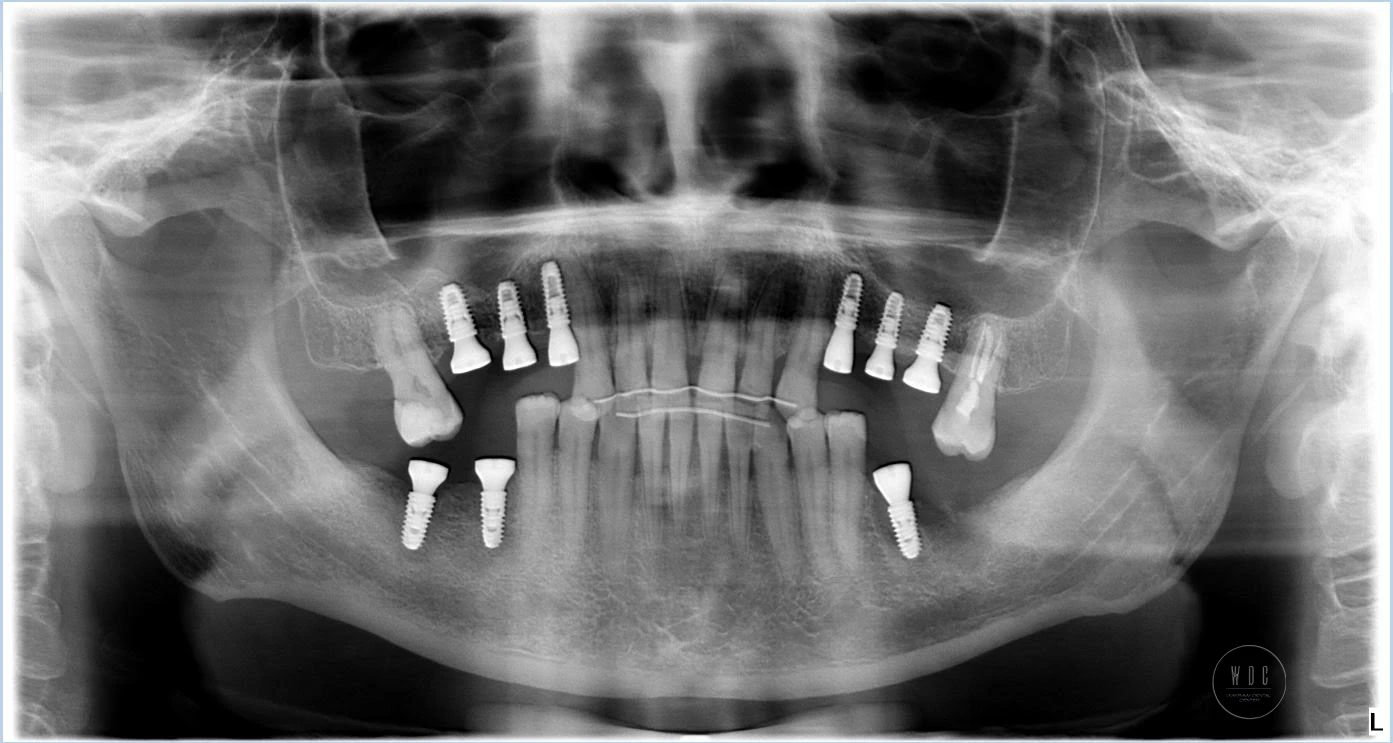
Tooth implantation has become an increasingly popular method for restoring a beautiful smile and full oral functionality. However, many people wonder if they can return to work immediately after the procedure. Is it possible? It’s essential to know that the recovery time after a tooth implantation can vary depending on individual factors. Generally, most patients can return to work the next day after the procedure. However, there are a few guidelines to keep in mind. First, it is important to be cautious and avoid putting excessive pressure on the implanted tooth. In the first days after the implantation, it’s better to avoid hard foods and prolonged chewing. Second, you should maintain excellent oral hygiene. Regular brushing, flossing, and rinsing the mouth will help prevent infections and speed up the healing process. If you feel weak or uncertain, consult your dentist, who can provide you with proper advice regarding returning to work and daily activities. Returning to work immediately after tooth implantation is possible, but it’s essential to listen to your body and follow your dentist’s recommendations. Remember that each case can be different, so it’s best to consult directly with a specialist before making a decision. Benefits of Tooth Implantation Tooth implantation has many benefits for patients who choose this procedure. Here are some of the main advantages of tooth implants: 1. Durability: Dental implants are exceptionally durable and can last for many years with proper care. They are made from titanium, a strong and biocompatible material that does not cause allergic reactions or rejection by the body. 2. Natural Appearance: Prosthetic crowns attached to implants are designed to closely resemble natural teeth. This allows tooth implantation to restore a natural appearance and boost self-confidence. 3. Improved Chewing Function: Missing teeth can make chewing and eating certain foods difficult. Tooth implants restore full chewing functionality, enabling patients to enjoy their favorite foods and maintain a healthy diet. 4. Prevention of Bone Loss: Missing teeth can lead to the loss of bone mass in the jaw. Tooth implants help preserve the natural bone structure, which is essential for maintaining overall oral health. Tooth Implantation Statistics Tooth implantation is becoming increasingly popular worldwide. Here are some statistics about this procedure: – According to the American Association of Implant Dentistry, over 3 million people in the United States have dental implants. – In Europe, dental implantology is gaining popularity, with the number of patients opting for this procedure steadily increasing. – In Poland, tooth implantation is one of the most common dental treatments. More and more people are choosing implants to restore a beautiful smile and full oral functionality. These statistics demonstrate that tooth implantation is becoming more accepted and popular as an effective solution for missing teeth. Tooth Implant Procedure Overview The tooth implant procedure consists of several stages, performed by an implantologist dentist. Here is the basic process of the procedure: 1. Patient Evaluation: First, the dentist conducts a detailed assessment of the patient’s oral health, including an evaluation of bone structure and overall health. This helps determine whether the patient is a good candidate for tooth implantation. 2. Treatment Planning: Based on the oral assessment, the dentist creates an individualized treatment plan. The plan considers factors such as the number and placement of implants and the type of prosthetic crown. 3. Preparing the Implant Site: If there is insufficient bone mass, a bone graft procedure may be required. This involves adding bone material to the area where the implant will be placed. 4. Implant Placement: After preparing the site, the dentist places a titanium screw into the jawbone. After the procedure, the patient receives a temporary prosthesis to wear until the implant heals. 5. Osseointegration: After implant placement, the process of osseointegration occurs, in which the implant fuses with the bone. This process typically takes several months and is crucial for the stability of the implant. 6. Attaching the Prosthetic Crown: Once osseointegration is complete, the dentist attaches the prosthetic crown to the implanted tooth. The crown is custom-made to match the shape and color of the patient’s natural teeth, providing an aesthetic result. The process of tooth implantation can vary depending on individual patient needs and the recommendations of the implantologist. Returning to Work After the Procedure – How Is It Possible? Many people planning tooth implantation worry about whether they will be able to return to work immediately after the procedure. While recovery time can vary based on individual factors, most patients are able to return to work the day after the procedure. It’s important, however, to be cautious and avoid putting too much strain on the implanted tooth. In the first few days after tooth implantation, it’s wise to avoid hard foods and prolonged chewing. Additionally, you should maintain proper oral hygiene. Regular brushing, flossing, and rinsing the mouth help prevent infections and speed up the healing process. If you experience weakness or discomfort, consult your dentist for appropriate instructions on returning to work and resuming daily activities. Returning to work immediately after tooth implantation is possible, but it is important to listen to your body and follow the dentist’s recommendations. Remember that each case is unique, so it’s best to consult with a specialist before making any decisions. How to Ensure a Comfortable Return to Work After Tooth Implant Surgery? To ensure a smooth and comfortable return to work after tooth implantation, consider the following practical tips: 1. Rest: After the procedure, your body needs time to recover. It’s important to give yourself enough time to rest and avoid excessive physical exertion in the first few days after the surgery. 2. Avoid Smoking and Alcohol: Smoking and drinking alcohol can slow down the healing process and increase the risk of complications. Therefore, it’s wise to give up these habits for a while after the surgery. 3. Pain Management: If you experience pain or discomfort after the procedure, consult your dentist for appropriate pain medication. Regular use
What is periimplantitis and do dental implants need to be replaced?
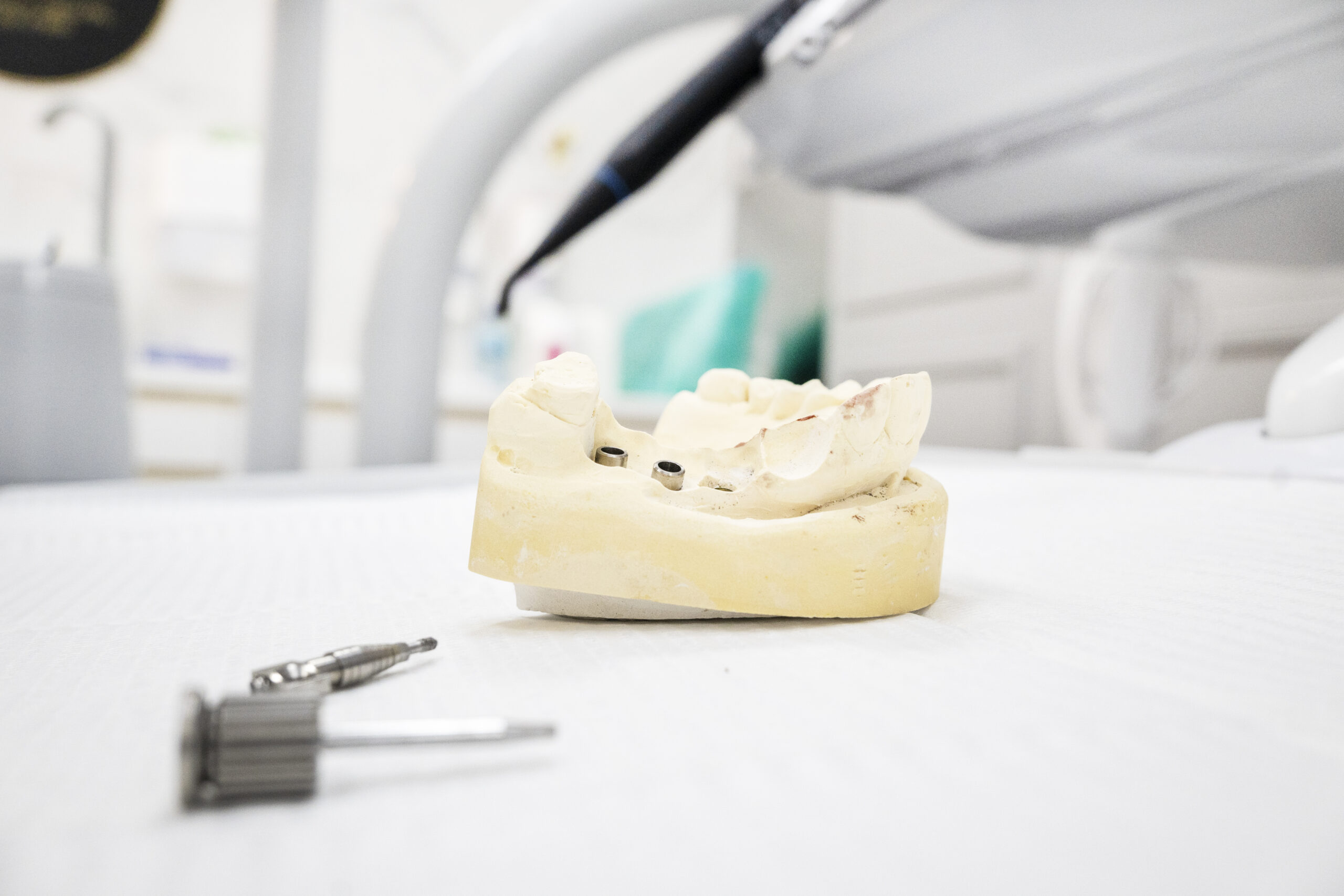
Patients considering implant options often inquire about how long they will last and whether replacement will be necessary. It’s important to emphasize that the durability of an implant primarily depends on the patient’s behaviors and oral hygiene. Regular check-ups and examinations can significantly reduce the risk of complications, including peri-implantitis, which is inflammation of the tissues around the implant. When should dental implants be replaced? How to avoid complications? Dental implants are becoming an increasingly popular solution for those seeking to restore full oral functionality. However, while well-made implants can last for many years, they require regular care and attention. Regular visits to the dentist and professional cleaning are essential for maintaining the durability of implants. Additionally, the patient themselves plays a significant role in maintaining oral health through proper hygiene habits and caring for the implants. Avoiding complications related to dental implants also requires adequate knowledge of products and tools that can help maintain their cleanliness and durability. Therefore, it’s worth consulting a dentist for advice on proper implant care and in case of any concerning symptoms. This way, the need for dental implant replacement can be avoided, allowing for years of functionality. “Implant Peri-odontitis” After implantation surgery, blood flow to the surrounding tissues naturally decreases, making them more susceptible to damage. The main risk to implant durability is diseases related to inflammation of the tissues around them, caused by bacteria presence. This applies to both soft tissues, such as the mucous membrane, and hard tissues, namely bone. In the case of soft tissues, there is peri-mucositis, while in the case of bone, there is peri-implantitis. Peri-implantitis poses the greatest threat to implants, risking bone loss, exposure, and even implant loss. This can be compared to periodontitis occurring with natural teeth. How can we recognize peri-implantitis? An early sign of peri-implantitis is often gum inflammation, which doesn’t always cause pain, making it difficult for the patient to identify. Regular dental visits and monitoring of the implant area are therefore crucial. Initial symptoms may include redness and swelling of the gums near the implant, excessive tissue growth, bleeding during probing, deepening of the gum pocket, and sometimes the presence of purulent discharge. Inflammation can lead to a decrease in the gum line (called gum recession), which can cause unsightly exposure of implant threads. In extreme cases, the implant may even lose connection with the bone (disintegration), resulting in implant loss. Periodontal Support for Implants When soft tissues around implants become inflamed, a periodontist or surgeon becomes a key ally for the patient. Curettage, or professional removal of plaque deposits and bacteria, may be necessary, especially when inflammation reaches deeper layers of tissue. In advanced cases, treatment may involve pharmacological therapy or innovative photoactive disinfection using lasers. In situations where inflammation reaches the bone, surgical intervention may be necessary, including bone regeneration, implantoplasty, and tissue grafting. An integrated periodontal-surgical approach ensures comprehensive care for the patient, addressing both soft tissue and bone structure, with long-term implant success in mind.
How to alleviate inflammation after dental implant placement?
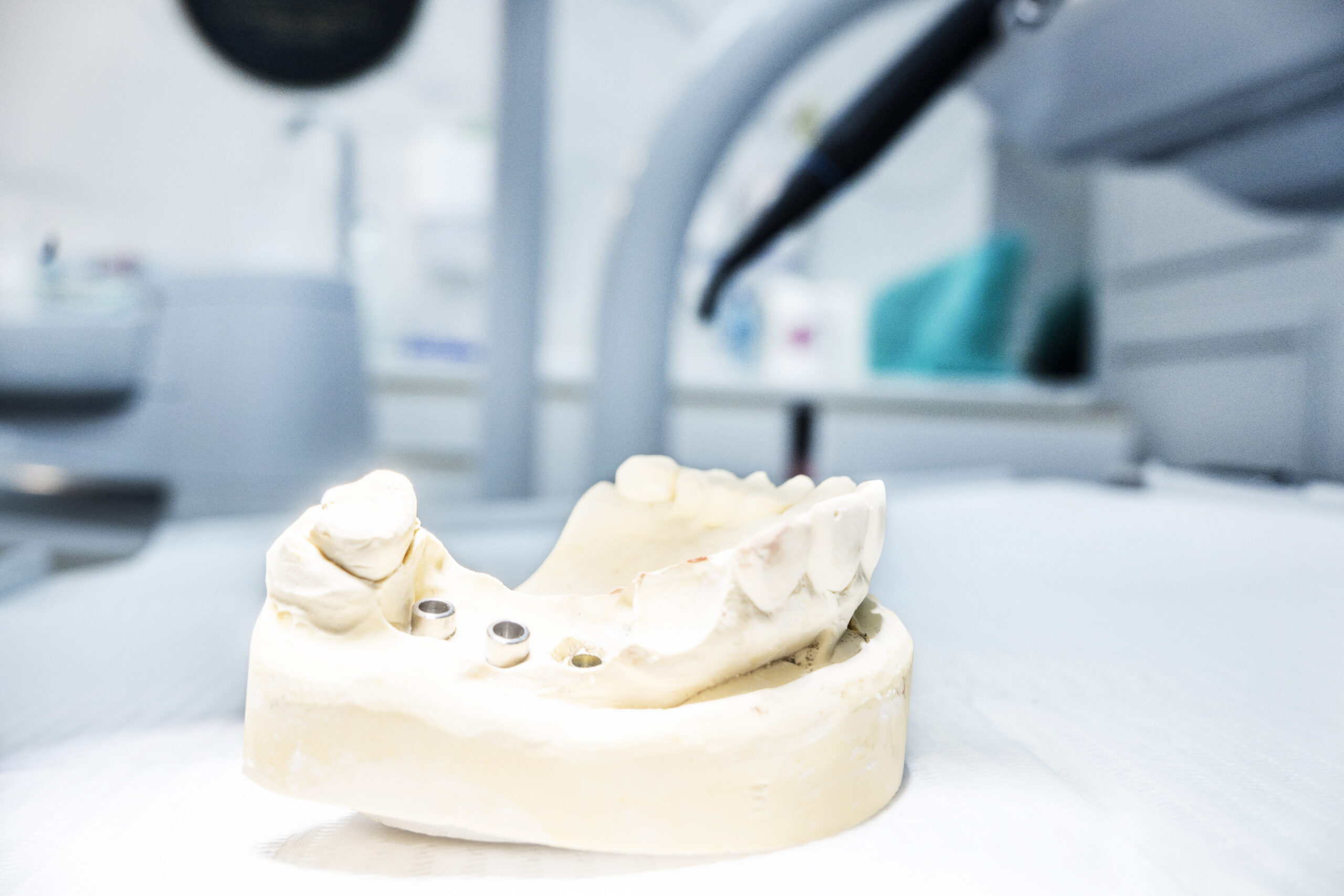
Let’s care for a beautiful smile and oral health – this is the desire of each of us. Unfortunately, disease or decay often forces us to have one or several teeth removed, undoubtedly affecting the aesthetics of our smile. In such situations, many patients opt for implant treatment, which allows for the replacement of missing teeth, both individual and entire rows. However, it’s important to be aware that there is a risk of inflammation after implant placement. What are the symptoms of tissue inflammation, how to effectively treat this inflammatory condition, and how to prevent it after implant surgery? How long does the healing process take after dental implant placement? Implanting a tooth is a significant procedure affecting the tissues of the oral cavity. The time needed for gum healing is mainly dependent on the patient’s individual habits and genetic predispositions. For example, if the patient follows oral hygiene rules after the procedure, the healing process of soft tissues can take up to 14 days. However, if the patient continues to smoke, consume alcohol, or does not follow the doctor’s recommendations after implant placement, the time to return to full gum function can be extended to up to 6 months. Symptoms of inflammation after dental implant placement – How to recognize and react? Symptoms of inflammation after dental implant placement can include various signs. Although serious complications are rare, developing inflammation can cause oral pain. Bacteria that settle in the implant area are the main cause of this condition. Symptoms indicating gum inflammation include redness and bleeding of the gums, pain when eating or touching, as well as unpleasant breath. In the case of advanced inflammation, pus discharge around the implant may occur, and the implant itself may become mobile. It’s important to be aware of these symptoms and consult a doctor if they occur. Consequences of untreated tissue inflammation around the implant Untreated tissue inflammation around the implant can lead to various complications, including discomfort and the risk of improper fusion of the regenerative root with the bone. Additionally, it can weaken the gum structure and lead to bone tissue loss. Ignoring the problem may even lead to the necessity of implant removal and undergoing a complicated treatment process. Neglected inflammation of the tissues around the implant poses a serious threat to oral health, so it’s important to take prompt appropriate medical action. How to combat tissue inflammation? To effectively address tissue inflammation, it’s necessary to consult the treating doctor. This is an important step in ensuring appropriate treatment that will reduce inflammation and improve patient comfort. Depending on the situation, the specialist may recommend mouth rinses that help disinfect infected tissues and reduce pain. In some cases, antibiotics may also be necessary, especially in situations of complications. For advanced cases of inflammation, especially in the context of implants, doctors may decide to perform surgical procedures. These procedures may include temporary exposure of the implant and thorough cleaning of infected tissues. Implementing such interventions requires precise diagnosis and a proper treatment plan that will minimize the risk of complications and speed up the healing process. Therefore, it’s always important to consult a specialist in cases of advanced tissue inflammation. Dental Implants – When to place them? Dental implants are a modern solution for people with missing teeth. Placed in the jawbone, they serve as a base for crowns, which, after placement, look like natural teeth. After gum healing, implants are practically invisible. They provide not only aesthetics but also enable the proper functioning of the dental system, allowing for comfortable chewing of food. The decision to place implants depends on the individual needs of the patient and the treatment plan established by the dentist. Thanks to technological advances, implants are becoming increasingly popular and accessible. Summary Dental implants are a popular method of replacing missing teeth, providing patients with higher comfort. However, proper oral hygiene care after implant placement is extremely important, significantly reducing the risk of gum inflammation. In case of inflammation, it’s necessary to consult a dentist immediately to assess the condition of the implant and choose the appropriate treatment method. This way, more serious health problems can be avoided, and the durability and functionality of the implants can be preserved for a longer time.
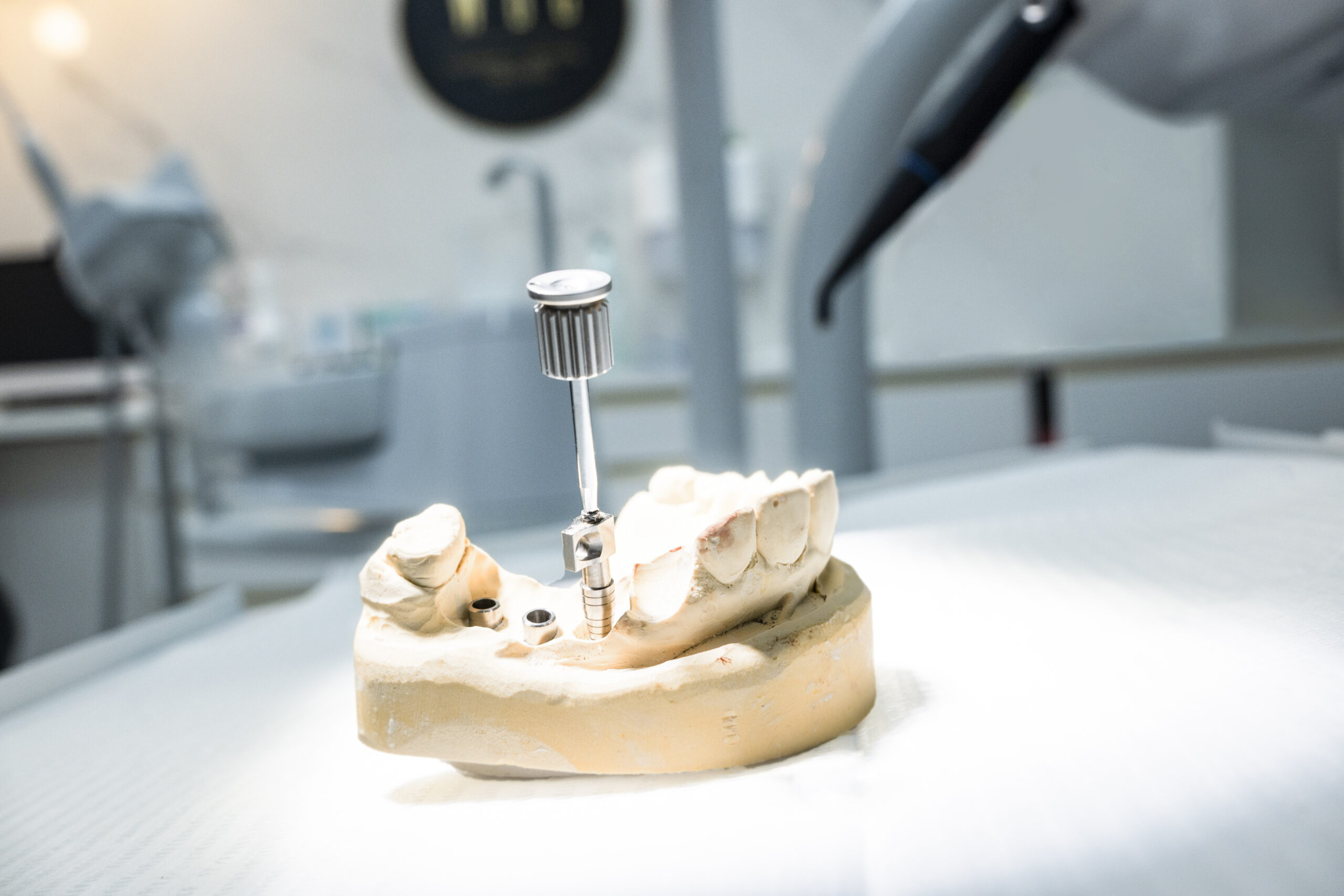
How long does it actually take for healing after dental implant placement?
Healthy teeth are an important factor influencing an individual’s overall well-being. Maintaining proper oral hygiene practices not only contributes to achieving a radiant smile but above all promotes maintaining a healthy lifestyle. Nowadays, increasing attention is being paid to dental implants, which constitute a significant element in improving oral health. These implants, by serving as replacements for missing teeth, revolutionize our perception of both dental functionality and aesthetics. The question of how long the dental implant healing process lasts becomes extremely important for those interested in this solution. Recovery After the Procedure Recovery after dental implantation surgery is a crucial stage in returning to health. In the first few days after the procedure, patients confront the healing process, which typically lasts about two weeks. During this time, some discomfort and inconveniences may occur. It is recommended to consume soft food to avoid burdening the fresh wound, which further accelerates the return to full functionality. Don’t forget the importance of oral hygiene. Gentle tooth brushing and rinsing the mouth with a mild saline solution are the basis for protection against infections. This simple routine can significantly speed up the healing process. Long-Term Healing Process and Osseointegration In addition to the initial return to health, the main goal becomes osseointegration, the fusion of the implant with the bone. This stage of the healing process is responsible for the time needed for the dental implant to heal. To achieve successful osseointegration, a period of 3 to 5 months is usually required. During osseointegration, the newly implanted implant forms a secure connection with the jawbone. This durable connection provides a solid foundation for the artificial tooth or teeth. Generally, excessive stress on the implant should be avoided during this phase, as it may disrupt proper healing. Factors Affecting the Healing Process Duration It should be remembered that the regenerative abilities of each individual are unique. Several factors may influence the length of the recovery period. Typical factors affecting healing time include age, overall health condition, oral hygiene practices, and lifestyle. For example, smoking or the presence of chronic illnesses may require a longer recovery period. On the other hand, the quality and density of the bone in which the implant is located also directly affect the healing time. Monitoring the Progress of Implant Healing Regular follow-up visits to the dentist are crucial for patients with new dental implants. They allow for professional monitoring of the implant site and early detection of potential problems. Although inflammatory conditions and changes in skin color may be typical during the healing process, high levels of pain or signs of infection should be reported. Patients must remember that healing is just one stage of the journey with a dental implant. Equally important is the upcoming period, which requires monitoring and meticulous oral care. The ultimate goal is a successful, fully functional implant that ensures durability and joy from the restored smile. Trust Experienced Experts and Enjoy a Beautiful Smile At the Warsaw Dental Center in Warsaw, we believe in smile transformation, which we confirm with our exceptional service. With us, you can be sure that you will be treated with due care, and dental implants and aesthetic dentistry are among our specialties.
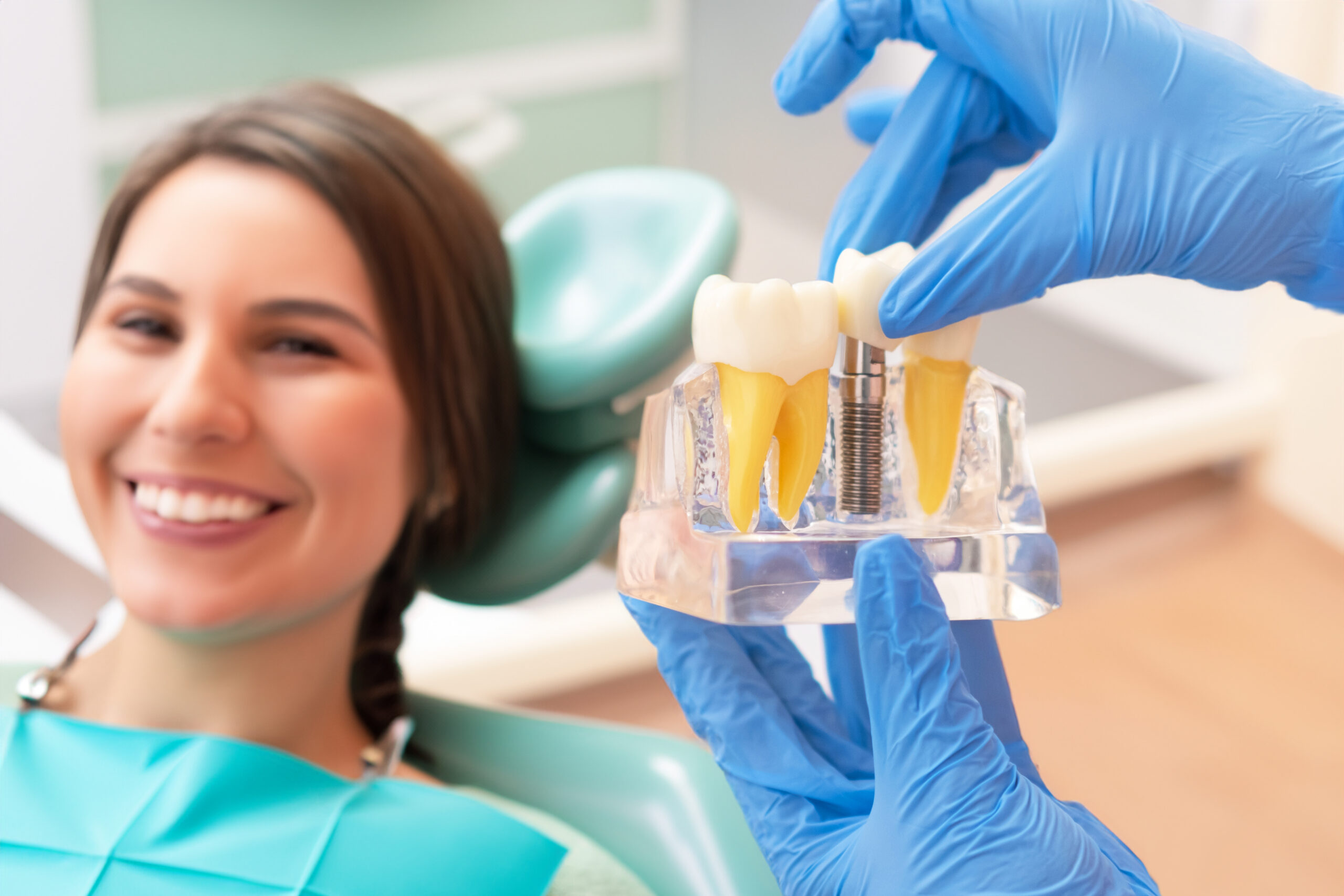
Inflammation after implant placement
Bacterial infection around an implant often manifests as redness and bleeding of the gums during tooth brushing. This process, involving both soft tissues and bone, starts with gingival inflammation (mucositis) and can then progress to bone damage (peri-implantitis). It is often accompanied by pain, bad breath, gum swelling, and pus formation around the implants. Untreated peri-implantitis can lead to various complications such as implant mobility, bone loss, and even implant loss necessitating prosthetic replacement. Causes of soft tissue inflammation around dental implants Based on years of research, it can be conclusively stated that bacteria are the primary cause of inflammation of soft tissues around implants. In addition, other factors influencing the prognosis of implant treatment and the integration process of the implant, such as systemic diseases (e.g., diabetes) and malocclusion or excessive stress, also play a role. However, it is usually pathogenic microorganisms, forming dental plaque, that have an adverse effect on the oral tissues surrounding the implant. Improper hygiene after implantation surgery is the main factor responsible for the bacterial-induced inflammatory condition. Unfortunately, many patients, due to factors such as inadequate brushing, poor oral hygiene, and excessive smoking, create ideal conditions for tissue diseases. Oral health Oral health serves as the most effective protective barrier against inflammation around the implant. It is essential for patients to consistently care for dental implants both immediately after the procedure and during continued use. Perfect oral hygiene is the best prevention against potential complications following implantation. Therefore, it is crucial to remember the following: Regular hygienic and follow-up visits to the dental surgeon allow for the early detection of any tissue inflammations around the implant and appropriate treatment. Implementing preventive measures, such as regular use of irrigators, dental floss, and mouth rinses, is crucial. Especially in the first two weeks after the procedure, it is recommended to use rinses containing chlorhexidine, known for its long-lasting antiseptic properties. For patients having difficulty with thorough oral cleansing, switching from a manual to an automatic (electric/sonic) toothbrush is worth considering. Such a toothbrush, combining pulsating and sweeping movements, minimizes the risk of plaque formation, which is particularly beneficial for the health of the mandibular and maxillary teeth. Individuals using prosthetic appliances should pay special attention to hygiene, as bacteria transferred from prosthetics can lead to tissue inflammation around the implant, disrupting the integration of the implant with the bone. To improve tissue healing processes, Platelet Rich Fibrin (PRF) is often collected before implantation – a high-quality, platelet-rich fibrin derived from the patient’s blood plasma. This solution can accelerate healing processes and stimulate bone regeneration around the implant. Can tobacco smoking affect tissue inflammation and wound healing process after implantation? Certainly, tobacco smoking has an adverse effect on the osseointegration process, i.e., the bonding of bone with the implant. In smokers, wound healing after surgery can be significantly slower, and tissue ischemia around the implant may occur. Smokers experience changes in oral microflora, accelerating inflammation around the implant, mainly due to the presence of anaerobic bacteria. Nicotine-dependent individuals should be aware of how smoking affects the treatment process and that it can lead to implant failure. Studies conducted worldwide have shown that individuals smoking more than 10 cigarettes a day account for over 53% of those suffering from peri-implantitis. This information demonstrates the significant problem of nicotine addiction. Moreover, such patients often experience chronic inflammation of the oral mucosa, delayed healing around implants, and significant biofilm occurrence, leading to bacterial growth and, consequently, may require implant removal. Doctors urge patients to quit smoking! Unfortunately, many patients are unaware of how negatively addiction affects implant treatment and disrupts the bacterial environment of tissues. Research speaks for itself As evident, before proceeding with implantation, it is recommended that patients undergo a series of tests assessing the mineral levels in the body. Even during treatment planning, there is an opportunity to reduce the risk of inflammatory conditions and dental implant failure. In dental practice, besides clinical examination, laboratory tests play a significant role. Based on a thorough assessment of laboratory diagnostics, an experienced implantologist can not only minimize the risk of complications in dental treatment but also detect systemic diseases in time.
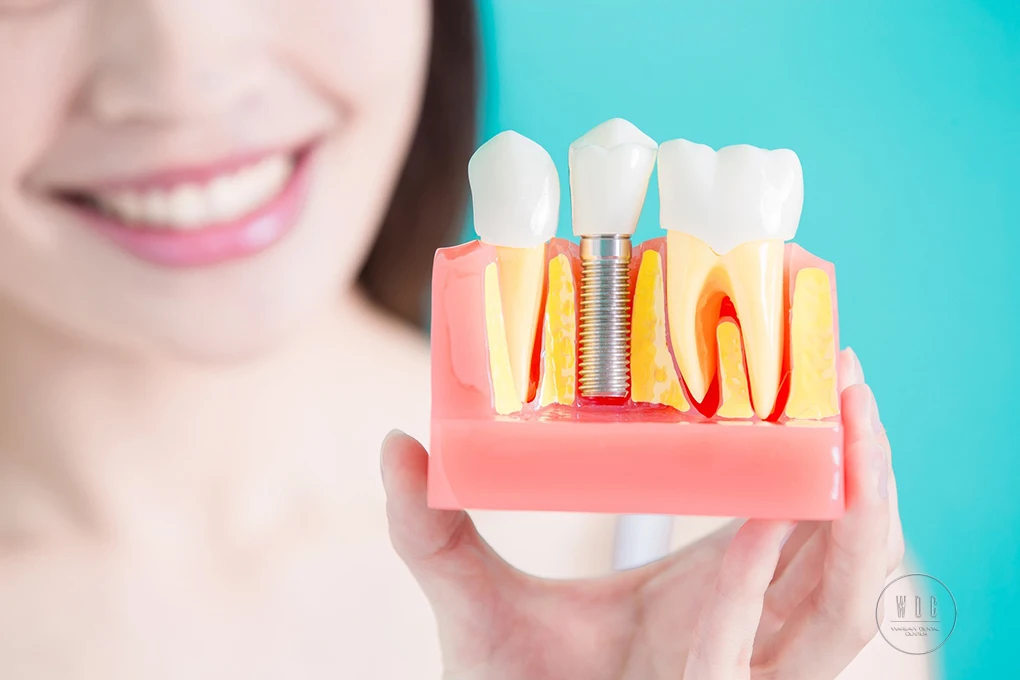
What to eat after implantation – recommendations and advice
Dental implants are an effective method of restoring lost teeth. Not only do they improve the aesthetics of your smile, but they are also very durable. Nevertheless, to avoid complications and the need for surgical interventions, it is important to strictly follow the specialist’s recommendations. Below you will find tips on care after dental implant implantation, developed by experts from Warsaw Detal Center. Care after dental implant implantation: First 24 hours: After dental implant surgery, do not use oral hygiene fluids for the first 24 hours. Swelling and bruising: Swelling and bruising around the implantation site are normal. Ice packs may help reduce swelling. Disturbing symptoms should be reported to a specialist. Head position: In the first days after the procedure, it is recommended to position the head above the body line while sleeping. Avoiding heating: Avoid heating the implant area, for example by avoiding sleeping on the operated side or supporting your head with your hand. Avoiding touching: Do not touch the implant or the area around it. Smoking and alcohol: Smoking and drinking alcohol are prohibited for at least 7 days after the procedure. Oral hygiene: Within a few weeks after the procedure, especially in the first days, it is recommended to gently brush your teeth with a soft toothbrush and rinse your mouth with antibacterial fluids. Medicines: When prescribed medicines such as antibiotics or anti-inflammatory drugs, it is necessary to follow the recommended doses. Dietary recommendations after implantation: Immediately after the procedure: You should not eat any food for the first two hours after the procedure. Then, hot foods are avoided for 2 days and fluids in the form of cool meals are recommended instead. Avoiding certain products: It is recommended to avoid dairy products, carbonated drinks and alcohol in the first 48 hours. Do not chew hard foods with the operated side facing forward for the wound to heal. Avoiding certain foods: Spicy foods may cause irritation around the implant and should be avoided until complete healing. Physical exercise and activity: High exercise: For 7 days after the procedure, it is recommended to avoid intense physical exercise, lifting weights and bending. Swimming pool, sauna, solarium: It is also recommended to refrain from visiting the swimming pool, sauna and solarium until the swelling disappears. When to contact your doctor: Disturbing symptoms: If severe pain persists after the procedure, swelling does not subside, the patient regains feeling at the site of surgery after more than 24 hours, experiences headache, heavy bleeding or other disturbing symptoms, you should immediately consult a dentist. Check-up visit to the dentist: First check-up: The patient should make an appointment for the first check-up approximately 10 days after the procedure, during which the doctor will assess the healing progress and possibly remove the stitches. Regular visits: Once your health returns to normal, regular check-ups are recommended at least every six months to monitor the condition of the implant and the overall health of your oral cavity. We would like to remind you that following the specialist’s instructions and choosing a reputable dental clinic, such as Warsaw Dental Center, can help ensure effective and safe care for dental implants.