

Did you know that brushing your teeth twice a day is no longer enough to effectively protect yourself from cavities and gum disease? Modern dentistry is not only about treating damage, but above all about conscious prevention, increasingly referred to as dental biohacking. Introducing simple changes into your daily routine can help you avoid pain and costly treatments. Root canal therapy, implants, or veneers often involve expenses reaching thousands. Below you will find 15 proven habits that genuinely strengthen enamel and improve gum health. This is your complete guide to professional-level oral hygiene. 🛠️ Professional Home Oral Care: Technique and Tools Most dental problems begin in places your regular toothbrush cannot reach. Changing your tools often means changing your results. 1. Interdental Brushes Instead of Dental Floss Traditional dental floss often slides along the tooth surface without reaching deeper areas near the gum line. Interdental brushes work like small cleaning brushes, filling the space and mechanically removing plaque. This is one of the most effective methods for preventing bleeding gums and periodontal disease. 2. Teeth Are Not Tools: Stop Microcracks Never use your teeth to open packaging, tear labels, or cut tape. These habits cause microscopic enamel cracks that are invisible to the naked eye. Over time, they can lead to tooth fractures requiring restorations or veneers. 3. Strategy: Start Brushing the Lower Teeth from the Inside Begin brushing from the inner surfaces of the lower teeth. This is where salivary glands are located, causing tartar to accumulate the fastest. Starting here ensures better precision and focus. 4. Replace Your Toothbrush After Illness Viruses, including the herpes simplex virus, can survive on moist toothbrush bristles for several days. After any infection, replace your toothbrush to avoid reinfection and unnecessary strain on your immune system. 5. Single-Tuft Brush for Wisdom Teeth A single-tuft brush allows precise cleaning of wisdom teeth and areas behind the last molars. This is essential for preventing root cavities and painful gum inflammation around wisdom teeth. 🧪 Enamel Biohacking: Fluoride and Hydroxyapatite Understanding the chemistry of enamel allows you to strengthen it effectively without visiting the dental office. 6. The Rule: Spit, Don’t Rinse Rinsing your mouth with water after brushing washes away active ingredients. Leave the toothpaste on your teeth so fluoride or hydroxyapatite can integrate into the enamel for at least 20 minutes. 7. Hydroxyapatite Toothpaste: Liquid Enamel Nano-hydroxyapatite is a biomimetic mineral that physically fills micro-damage in enamel and quickly reduces sensitivity. It is an effective alternative to fluoride. 8. Tongue Scraper for Fresh Breath Most bacteria responsible for bad breath live on the back of the tongue. Daily tongue scraping is a simple and effective way to combat halitosis. 🍎 A Diet for White Teeth Without Sacrifices You don’t have to give up your favorite foods if you know how to neutralize their effects. 9. The Cheese Effect: pH Buffering A piece of cheese eaten after dessert quickly restores neutral pH levels and protects enamel from acid erosion. 10. Water Before Coffee Drinking a glass of water before coffee hydrates the body and stimulates saliva production, which naturally protects teeth from plaque. 11. Using a Straw to Protect the Smile Zone Drinking coffee, juice, or wine through a straw reduces contact with front teeth, limiting staining. 12. Xylitol Gum Xylitol inhibits cavity-causing bacteria and helps restore proper oral pH balance. 13. The 30-Minute Rule After Eating After consuming acidic foods, wait 30 minutes before brushing. This prevents mechanical damage to temporarily softened enamel. 🛡️ Long-Term Dental Prevention Healthy teeth are a lifelong strategy. 14. Vitamins D3 and K2 Vitamin D3 improves calcium absorption, while vitamin K2 directs calcium to teeth and bones. Together, they support internal remineralization. 15. Professional Dental Hygiene Twice a Year Scaling and air polishing every six months remove hardened tartar that cannot be eliminated at home. This is the best prevention against gum disease and recession. Conclusion A healthy smile is not just a matter of genetics, but of daily, conscious choices. Implementing these 15 principles helps you avoid pain, stress, and costly dental procedures. If you want to take care of your oral health under professional supervision, we invite you for a check-up and professional hygiene visit.
The correct technique for flossing teeth
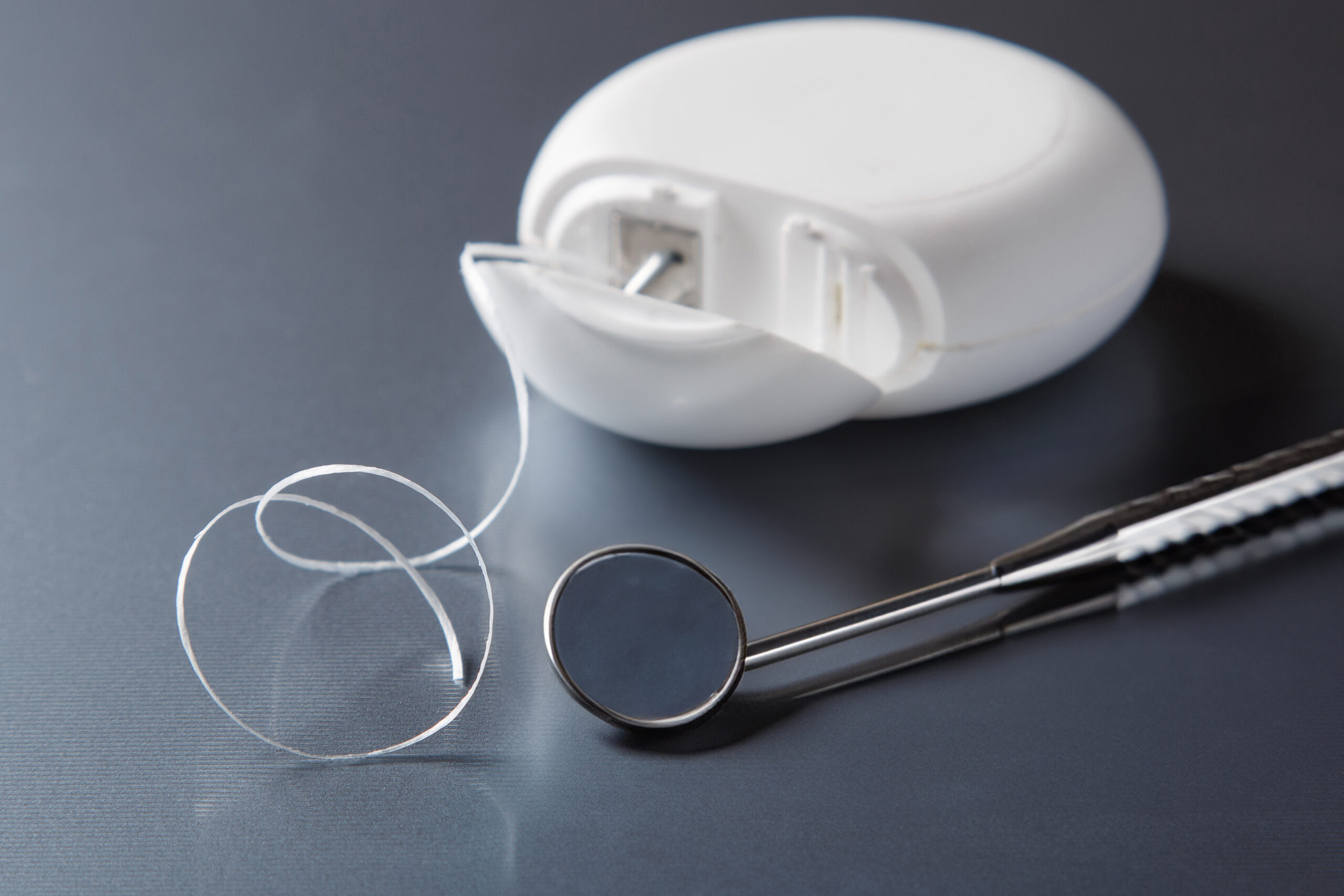
Teeth Flossing, in addition to regular brushing, is an essential element in maintaining proper oral hygiene and healthy teeth. To effectively remove food residue and bacterial plaque from the surfaces of teeth and the spaces between them, simply using a toothbrush, even of the highest quality, is not enough. It is also necessary to use dental floss. How to floss teeth properly? There is a wide selection of dental floss available, including fluoridated or non-fluoridated, waxed, unwaxed, mint-flavored, antibacterial, and many others. The appropriate dental floss should be chosen considering its thickness and the material it is made of. The thickness of the floss is an important factor in the selection process because it needs to smoothly pass through the interdental spaces with gentle resistance. Beginners are advised to choose waxed floss, which moves more easily between teeth. If you’re unsure about choosing the right dental floss, consult with a dentist. Our specialists at Warsaw Dental Center will be happy to advise you on the best choice. Teeth flossing – technique Flossing requires precision and gentleness, as too forceful execution can result in gum injury and epithelial attachment loss. We start by cutting about 35-40 cm of floss from the roll. We wrap the ends of the floss around our middle fingers, leaving about 5 cm of floss between them. Using our thumbs and index fingers (or both thumbs), we gently wrap the floss around the base of the tooth and slide it in, making sawing motions, from the contact point of the teeth to the interdental space. After inserting the floss, we make vertical motions, following the curvature of the tooth. While flossing successive teeth, it’s important to use clean sections of dental floss. In initial flossing attempts, slight bleeding and gum soreness may occur. One should not be discouraged by this, but rather continue the procedure with greater gentleness. These minor, undesired symptoms resulting from lack of finesse in floss handling are much less of a threat to teeth than not flossing at all. Dental floss – Things to remember Neglecting regular use of dental floss can lead to undesirable consequences such as tooth discoloration, cavities, and the accumulation of dental plaque (tartar) in the crevices, which in turn increases the risk of tooth decay and periodontal disease, and even tooth loss. Remember, flossing should be done before every brushing. An alternative to flossing is irrigation, which is an effective method of maintaining hygiene, especially when wearing various types of prosthetic work. If you need help with maintaining proper oral hygiene, schedule a consultation at Warsaw Dental Center. Our team of specialists will help you take care of your dental health.

Flossing: The most underrated oral hygiene habit
Hygienist Oksana Revustka before hygiene instruction Why is Flossing Important? Have you ever wondered why your dentist asks about routine flossing during your checkups? Or maybe you’ve heard your friends and family talk about flossing as part of their dental routine? “Flossing” is a commonly discussed practice in the field of dentistry, especially in the context of oral and dental hygiene. The truth is that flossing plays a key role in maintaining your teeth and overall oral health. In this article, we will discuss this most underrated oral hygiene habit and its importance. What is Flossing? Flossing is a technique that helps remove all food particles, plaque and bacteria that remain between the small gaps in your teeth. In other words, it is the process of removing and removing food particles, plaque and bacteria from between the teeth. This is done using a thread-like tool called “dental floss”. Even if you brush your teeth thoroughly and follow a rigorous twice-daily brushing routine, you still can’t completely clean or even reach the spaces between your teeth. In worse cases, all the plaque that gets stuck between your teeth can take a toll on the appearance of your teeth over time. Consequences of Neglecting Dental Flossing Neglecting flossing as part of your daily dental routine can contribute to: Tart Failure to floss can cause tartar to build up on your teeth, leading to their hardening. Once this happens, you won’t be able to remove it yourself and will need help from a dentist or dental hygienist. Gum Diseases The combination of plaque and tartar can cause the gums to become hypersensitive, leading to inflammation and redness. The early stages of gum disease, also known as gingivitis, can be reversed, but later stages lead to periodontitis. Cavities Tooth decay resulting from plaque can lead to the formation of holes (also called tooth decay) in the outer layer of teeth, called enamel. If left untreated, they can cause pain, infection and other oral health problems. Chronic disease Sometimes you may notice that your gums bleed while brushing. This is a sign of gingivitis and improper flossing. Over time, gingivitis can allow plaque and bacteria to enter the bloodstream, which can lead to plaque buildup in the vessels and potentially heart disease. People with gum disease are 20% more likely to develop heart disease, which in some cases can lead to chronic conditions such as respiratory disease, diabetes, coronary artery disease and rheumatoid arthritis. Not flossing can lead to excess plaque build-up, which causes bad breath. Over the long term, plaque and food particles can accumulate between teeth, causing them to look pale and discolored, which can only be restored with tooth whitening treatments. If you plan to incorporate flossing into your oral hygiene routine, practice brushing twice a day and flossing once a day. It’s best to floss first and then brush, not the other way around. Because flossing helps lift and remove food particles and plaque between your teeth. If you brush first and then floss, this residue will remain in your mouth until the next time you brush.

Daily oral prevention. Here are proven patents
Healthy, snow-white teeth may be the key to looking younger. A charming smile increases our self-esteem and acts as a rejuvenating treatment. Basic activities performed in the home bathroom play a key role here. Necessary tools: toothbrush, toothpaste, cup, lukewarm water The basic care for our smile is regular brushing of our teeth with a toothbrush and toothpaste. Daily care at home is the easiest way to prevent tooth decay and gum problems. Dental experts believe that regular teeth cleaning is almost a guarantee of a healthy smile. Remember that taking care of your teeth is not only about preventing caries, but also important prevention of other serious diseases. Bacteria from neglected teeth can contribute to cardiac problems, damage to the kidneys, joints and even the brain. Therefore, it is extremely important to brush your teeth thoroughly, use dental floss and have regular check-ups with the dentist. Everything in technology Dentists have long been recommending the so-called sweeping technique when brushing teeth. Place the brush at a 45-degree angle to the tooth surface and gently clean your teeth from the gums down. Caution is key – brushing too hard can damage your gums and lead to tooth sensitivity. It is also worth taking care not to press too hard when washing, especially in places where the enamel is thinner.Choosing the right toothbrush is key, and if you use an electric toothbrush, remember to simply run it over the surface of your teeth, without any additional movements. If you cannot brush your teeth after a meal, rinse them with water or chew gum – sugar-free, of course, with the addition of xylitol which has anti-cariogenic properties. However, people wearing braces should avoid biting the gum. Flossing – the secret to a beautiful smile Some people say that dental floss is even more important than a toothbrush. Even though we sometimes forget to brush, nwe shouldn’t skip flossing. Thanks to it, we can reach places that are difficult to reach with just a toothbrush. The spaces between teeth are an ideal place for food remains, plaque and tartar. Expander floss can be particularly effective by expanding between teeth and removing debris more thoroughly. Mini toothbrushes resembling small bottle cleaners are an interesting addition to everyday hygiene. They can be adapted together with a specialist to suit your individual needs. Let’s take care of our teeth, starting with simple actions at home. Good hygiene practices reduce the risk of disease and improve the quality of our lives.