


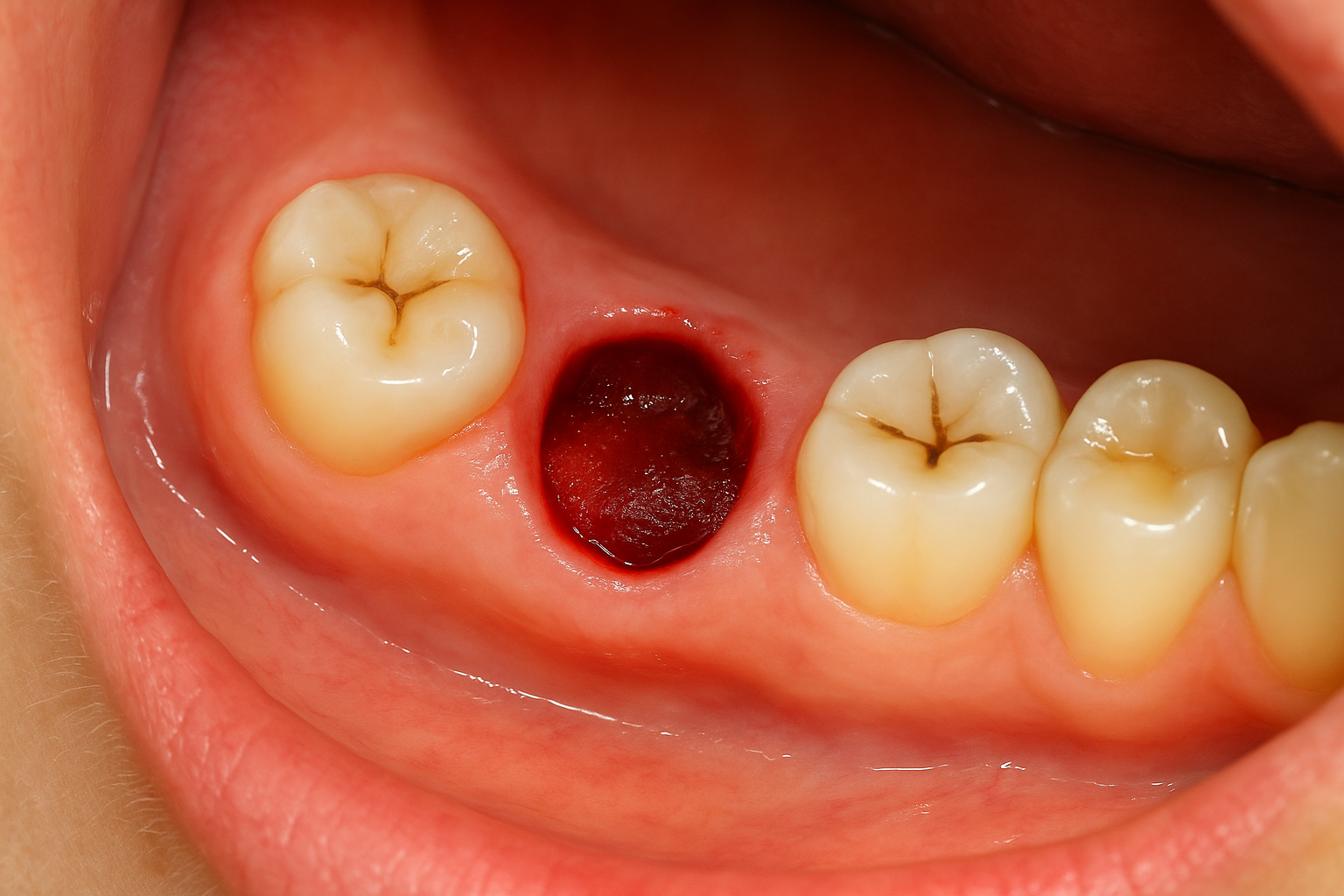
Tooth extraction is one of the most common oral surgery procedures. While the procedure itself is performed under anesthesia and is painless, what happens afterward is crucial for recovery. One of the most important elements of this healing process is the blood clot that forms in the socket where the tooth was removed. As a dentist with experience in oral surgery, I often remind my patients that “the clot is a natural dressing.” Its presence is essential for proper healing, and losing it can lead to serious complications such as dry socket. In this article, I will explain: why the blood clot is so important, what normal healing looks like, which mistakes may cause complications, and how to avoid problems after extraction. The Role of the Blood Clot A Natural Dressing The blood clot in the socket acts as a protective barrier, shielding the bone and nerves from bacteria, food, and external irritants. Starting the Healing Process The clot allows healing cells to reach the wound and begin tissue regeneration. It essentially activates the body’s repair mechanism. Protection from Pain Patients who lose the clot often experience severe pain. This is the hallmark symptom of dry socket, one of the most common complications after extraction. Normal Healing After Extraction First hours – the clot forms and fills the socket. 1–3 days after extraction – swelling and tenderness appear, which is a normal reaction. The clot stabilizes. 1 week – soft tissue begins to grow over the clot, gradually closing the wound. Several weeks – bone regenerates beneath the gum surface. If the clot is lost too early, this process is disrupted and healing takes much longer. Common Causes of Losing the Clot Rinsing the mouth too soon – washes away the clot before it stabilizes. Drinking through a straw – suction pressure dislodges the clot. Smoking – nicotine reduces blood supply and slows healing. Touching the wound with tongue or fingers – mechanically damages the clot. Intense physical activity – raises blood pressure and may destabilize the clot. What Is Dry Socket? Dry socket (alveolitis sicca) occurs when the clot disintegrates or never forms. Symptoms include: severe, radiating pain (often to the ear or temple), bad breath or unpleasant taste, visible exposed bone in the socket, delayed healing. Dry socket requires urgent dental care. The dentist will clean the wound and apply medication to support healing. How to Prevent Complications After Extraction Post-Extraction Instructions After tooth removal, we always provide patients with clear aftercare instructions. The most important include: Do not rinse your mouth for the first 24 hours. Avoid smoking for at least 48 hours. Do not drink through a straw. Avoid hot, hard, and spicy foods during the first day. Apply cold compresses to the cheek to reduce swelling. Rest and avoid strenuous activity for the first two days. Follow-Up Visits Regular follow-up visits allow us to monitor healing. For wisdom tooth extractions, which carry higher risk of complications, follow-up is especially important. Modern Approach at Warsaw Dental Center At our clinic in central Warsaw, extractions – including wisdom teeth removal – are performed under local anesthesia, and if needed, sedation. Using microscopes and advanced surgical tools, we minimize tissue trauma. We also offer platelet-rich fibrin (PRF), which accelerates healing and reduces complication risks. This solution is especially recommended for patients who want faster, more comfortable recovery. Conclusion A blood clot after tooth extraction is the foundation of proper healing. It protects the bone, reduces the risk of infection, and allows the body to naturally rebuild tissue. Losing the clot may result in painful complications like dry socket, requiring additional treatment. Following post-extraction instructions and attending follow-up visits are the best ways to avoid problems. Specialist in dental surgery BARTOSZ LEONCZAK

When to stop using gauze after wisdom tooth extraction?
The extraction of wisdom teeth is a significant dental procedure, and proper postoperative care is crucial for effective healing and prevention of complications. One of the commonly given tips after extraction is to use gauze to control bleeding. However, many patients wonder when they should stop using gauze after this procedure. In this article, we will delve into this issue in detail, outlining the steps in post-wisdom tooth extraction care. The role of gauze in the extraction process In the extraction process, the use of gauze is essential for controlling and limiting bleeding. By applying pressure to the wound, gauze facilitates the formation of a blood clot, which is a crucial element of the healing process. This clot plays a significant role in protecting exposed bones and tissues from bacteria, food, and other potential contaminants, speeding up the recovery process after extraction. Duration of gauze use after dental procedure The duration of keeping gauze in place depends on several significant factors: Bleeding frequency: Variations in blood clotting rates among patients affect the time needed to stop bleeding. Even after minor dental procedures, bleeding may persist for several hours. In cases of heavy bleeding, it is necessary to keep the gauze in place, applying gentle pressure. Type of procedure: Surgical removal of impacted wisdom teeth may result in more significant bleeding compared to standard extraction. Individual patient factors: The use of medications, presence of specific health conditions, and lifestyle-related behaviors such as smoking can significantly affect bleeding and the healing process. It is usually recommended to change gauze every 30-45 minutes, depending on the intensity of bleeding. If bleeding significantly decreases or stops entirely after several hours, removing the gauze can be considered. Indicators for removing gauze after wisdom tooth extraction If you’re wondering when to stop using gauze after wisdom tooth extraction, here are a few signs to watch for: Clot formation: The presence of firm, jelly-like clots at the extraction site indicates that gauze removal can be considered. Reduced bleeding: If the gauze remains relatively clean, with minimal blood spots after changing it, it may be a signal that it’s time to remove it. Passage of time: After 3-4 hours post-procedure, meeting the above conditions, most individuals can safely discontinue gauze use. Remember that regularly observing these signs can assist in proper management of the healing process after wisdom tooth extraction. Precautions after gauze removal After removing gauze following a surgical procedure, caring for the operation site is crucial for quick and effective healing. Here are a few steps to consider: Rest: It is recommended to avoid any physical exertion for at least 24 hours. Allowing the body to regenerate through rest is essential. Diet: Choose soft foods and avoid using straws to prevent accidental dislodgement of the blood clot, which can delay healing. Oral hygiene: In the first 24 hours post-procedure, avoid rinsing, spitting, or vigorous tooth brushing. Later, gentle rinsing with salt water can help maintain cleanliness. Avoid tobacco: Smoking or chewing tobacco can significantly delay the healing process after wisdom teeth removal. It is recommended to refrain from using tobacco entirely after the procedure. Prioritizing post-wisdom tooth extraction care Effective management of post-wisdom tooth extraction care requires awareness of the right time to stop using gauze. Understanding the signals sent by the body and adhering to the dentist’s recommendations will expedite the healing process, ensuring more comfortable returns to daily life. Every recovery process is individual, so in case of any uncertainties, consulting with a specialist is recommended.
What are the recommendations after tooth extraction?
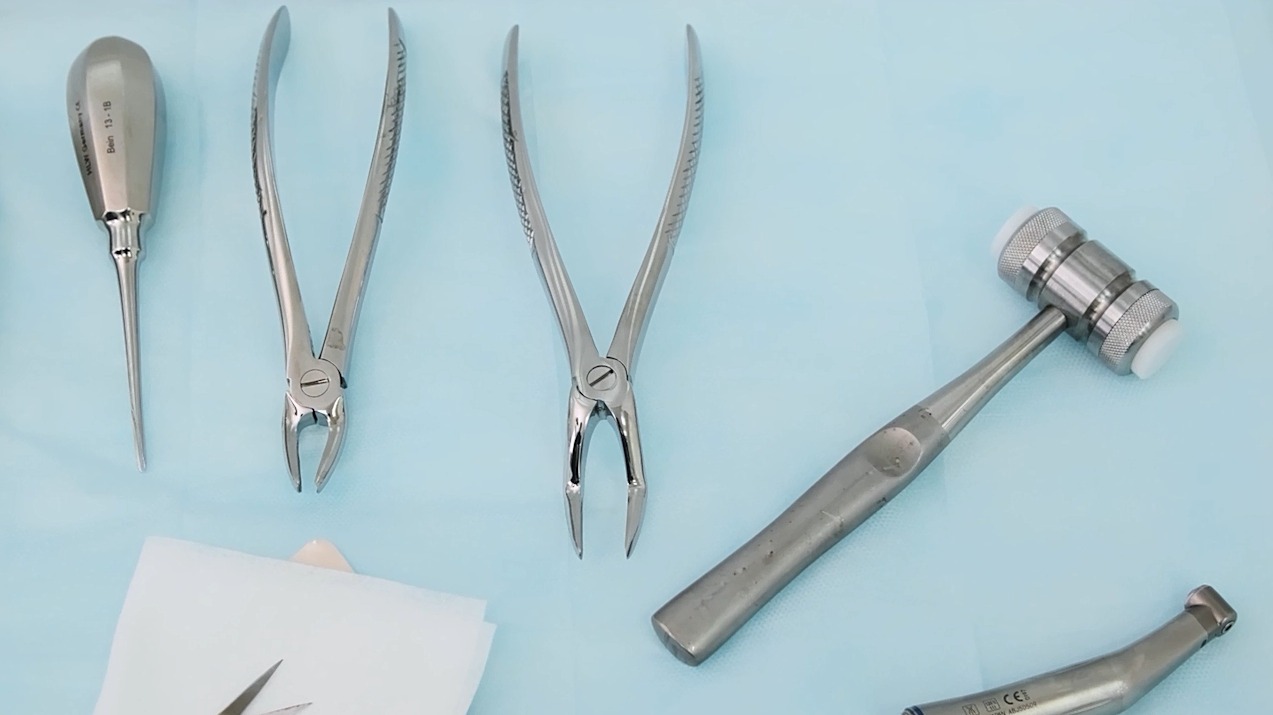
Tooth extraction is a surgical procedure in dentistry aimed at removing one or several teeth from the bone. When is this required?How to take care of yourself after this intervention?In the latest material, Dr.dentist Bartosz Leończak presents some key tips that will help the patient after the procedure. Link to the material: https: KlinikaUsmiechu_Usuniecie_zeba Subscribe to the Warsaw Dental Center channel here and follow WDC. Don’t forget to click 🔔 after watching the video to stay up to date with WDC news! Follow us on other platforms too! ► Facebook ► Instagram

Dry socket – one of the complications after tooth extraction
Dry socket is a sometimes painful complication after tooth extraction. Also called empty socket, post-extraction pain and post-extraction alveolitis, this condition results from the lack of a clot in the socket, which is filled with shreds of decaying tissue. Dry socket is usually felt 2-5 days after the extraction procedure. This type of complication occurs in approximately 4% of patients, and the group at increased risk are people over 40 years of age, mainly women. What does a dry socket look like and why should you not delay visiting the dentist if you notice its symptoms? How to recognize dry socket? Symptoms Dry socket is an inflammatory disease. However, it is not a disease directly related to the development of microorganisms. In the oral cavity, as a result of this type of complications, an empty socket is visible, and sometimes you can even see bone inside it. The main symptoms of dry socket are: redness and swelling around the wound after tooth extraction; severe pain radiating to the auricle, temple and eye socket; unpleasant odor from the mouth; taste disturbances; trismus (difficulty opening the mouth); fever; enlarged lymph nodes. Pain is usually felt by patients 2-4 days after tooth extraction. However, they do not always have to mean that the clot is washed out. However, if the pain intensifies and other symptoms mentioned above are also noticeable, you should go to a dentist’s office for a check-up as soon as possible. Dry socket – treatment The occurrence of dry socket is not a life-threatening complication, but its treatment should not be delayed. Failure to treat a dry socket may lead to the formation of an abscess and, in extreme cases, even bone inflammation. A tooth abscess occurs as a result of tissue inflammation and can create a cavity filled with dead tissue and bacteria. Severe pain that persists es, despite the use of anti-inflammatory agents prescribed by the doctor, should encourage the patient to visit the dentist again. The doctor will perform curettage of the socket, during which he will gently clean the wound, remove remaining food remnants and rinse it with a saline solution. He will then apply special painkillers and anti-inflammatory drugs to the empty socket, which act as a kind of dressing. They provide a mild anesthetic effect for many hours after being placed in the area where the tooth was extracted. Other preparations used to treat dry socket are tablets with acetylsalicylic acid, which also has anti-inflammatory, analgesic and anti-swelling properties. Treatment of dry socket may also be done with antibiotics if the patient has symptoms such as fever or enlargement of nearby lymph nodes. Treatments using laser therapy or ozone therapy are increasingly used to accelerate wound healing processes. Dry tooth decay should be treated in every case, because lack of specialist intervention may lead to more serious complications. Quick diagnosis and following the doctor’s recommendations bring relief, and the pain symptoms disappear after 7-10 days Dry socket – causes Dry socket occurs when a clot is accidentally dislodged or does not form at all after a tooth extraction procedure. That is why it is so important to go for a visit after a large meal, because eating it too soon after tooth extraction can damage the clot that is forming. Dry socket also often occurs as a result of too intensive rinsing of the mouth after the procedure. Other factors that may contribute to dry socket include: smoking, hormonal disorders, immune disorders, blood clotting disorders that make it difficult to form a clot, deficiency of appropriate vitamins, lack of attention to oral hygiene. Tooth extraction can be quite difficult to cope with This is a procedure for the patient, who must also take special care of oral hygiene afterwards to accelerate the healing process. To minimize pain after extraction, many dentists use antibiotics, including: azithromycin, amoxicillin, metronidazole, clavunate or clindamycin. Additionally, chlorhexidine, also available in the form of a gel, is used to rinse the mouth. In combination with antibiotics, it effectively minimizes the risk of complications caused by the absence of a clot. Dry socket – how to prevent it? After tooth extraction, it is particularly important for smokers to limit or stop smoking, at least for up to 72 hours after tooth extraction. If the patient is unable to stop smoking after tooth extraction, he or she should cover the empty socket with gauze and not inhale too strongly so as not to create negative pressure that may damage the clot. After smoking, you can gently rinse your mouth with an antiseptic.Recommendations for patients after removal of molars or other teeth include: following a semi-liquid or liquid diet, refraining from drinking alcohol, avoiding too intense physical exercise, refraining from too hot baths and visits to the sauna, avoiding drinks that are too hot. The area around the empty socket should be gently cleaned with a soft-bristled toothbrush. You can rinse your mouth using ready-made solutions or herbal infusions, e.g. chamomile or sage. Summary Pulsating pain and other symptoms of dry socket are annoying for the patient, although fortunately they are quite easy to treat. Taking care of proper oral hygiene and following the doctor’s recommendations usually leads to their quick disappearance, so you should not delay visiting the dentist. If left untreated, dry socket in extreme cases may lead to bone inflammation requiring hospitalization.