


Common belief among many patients is that a broken tooth always leads to the necessity of its extraction. However, there are cases where prompt intervention in the dental office can prevent this necessity. Given the right conditions and quick reaction, a broken or severely damaged tooth can be preserved, eliminating the need for its removal. Causes of Tooth Fractures Fracture or damage to a tooth can result from neglected caries or mechanical injuries. Especially front teeth are susceptible to severe mechanical damage. Untreated caries gradually leads to the degradation of dentin, which can result in chipping or falling out of tooth fragments. Dealing with Minor Tooth Damage Tooth chipping is a problem that can lead to minor tissue loss. In such situations, repair is relatively simple, requiring only the intervention of a dentist in the office. To restore the chipped dentin fragment, light-cured composite filling is applied, matched in color to the rest of the tooth and other teeth in the arch. Alternatively, veneers can be used. Procedure for Cracked or Broken Teeth Larger tooth damage, such as crown fracture or crack, requires a more advanced approach. Often, the dental pulp is damaged, so taking an X-ray is necessary before starting treatment. After root canal treatment, crown restoration can be performed. During crown restoration, composite material can be used, or a glass fiber post-core can be applied. The latter material not only ensures crown restoration but also prevents future fractures. Deep Tooth Fractures Fracture of the tooth below the gum line requires immediate repair to avoid displacement of adjacent teeth. The dentist may propose a procedure involving tooth extraction and using it as a base for a prosthesis.
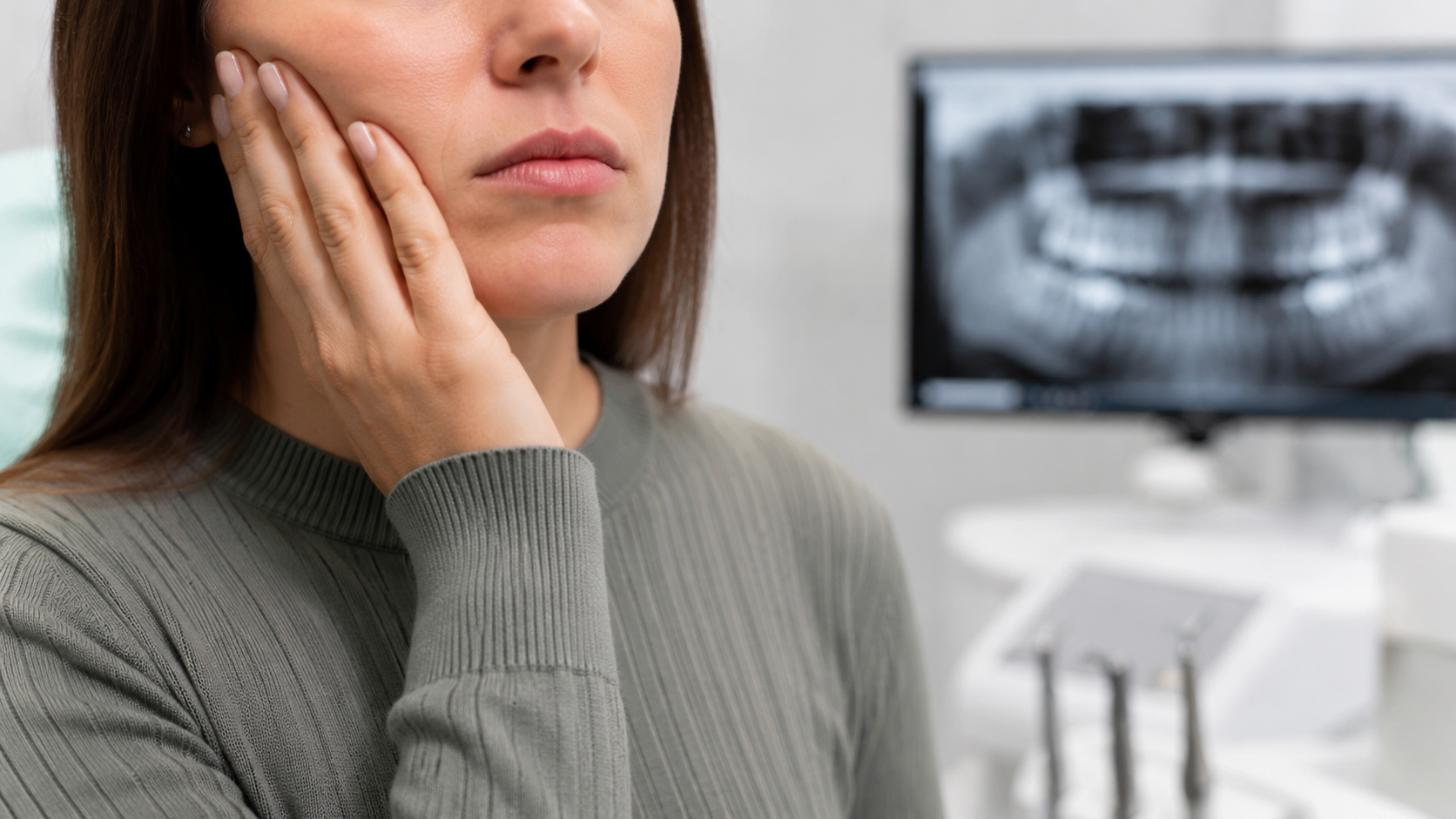
Toothache can be a sign of many diseases. What?
Do you feel a toothache but you are putting off visiting a specialist? This is a mistake! Inadequate oral care can lead to serious health problems.You will learn more about this in the “Rhythms of Health” program, where doctors from Warsaw Dental Center, including doctors Urszula Leończak, Tomasz Kupryś and Bartosz Leończak, will discuss the consequences of neglecting oral health. The program will be broadcast on January 26 at 2:55 p.m. on the TVP KOBIETA channel.
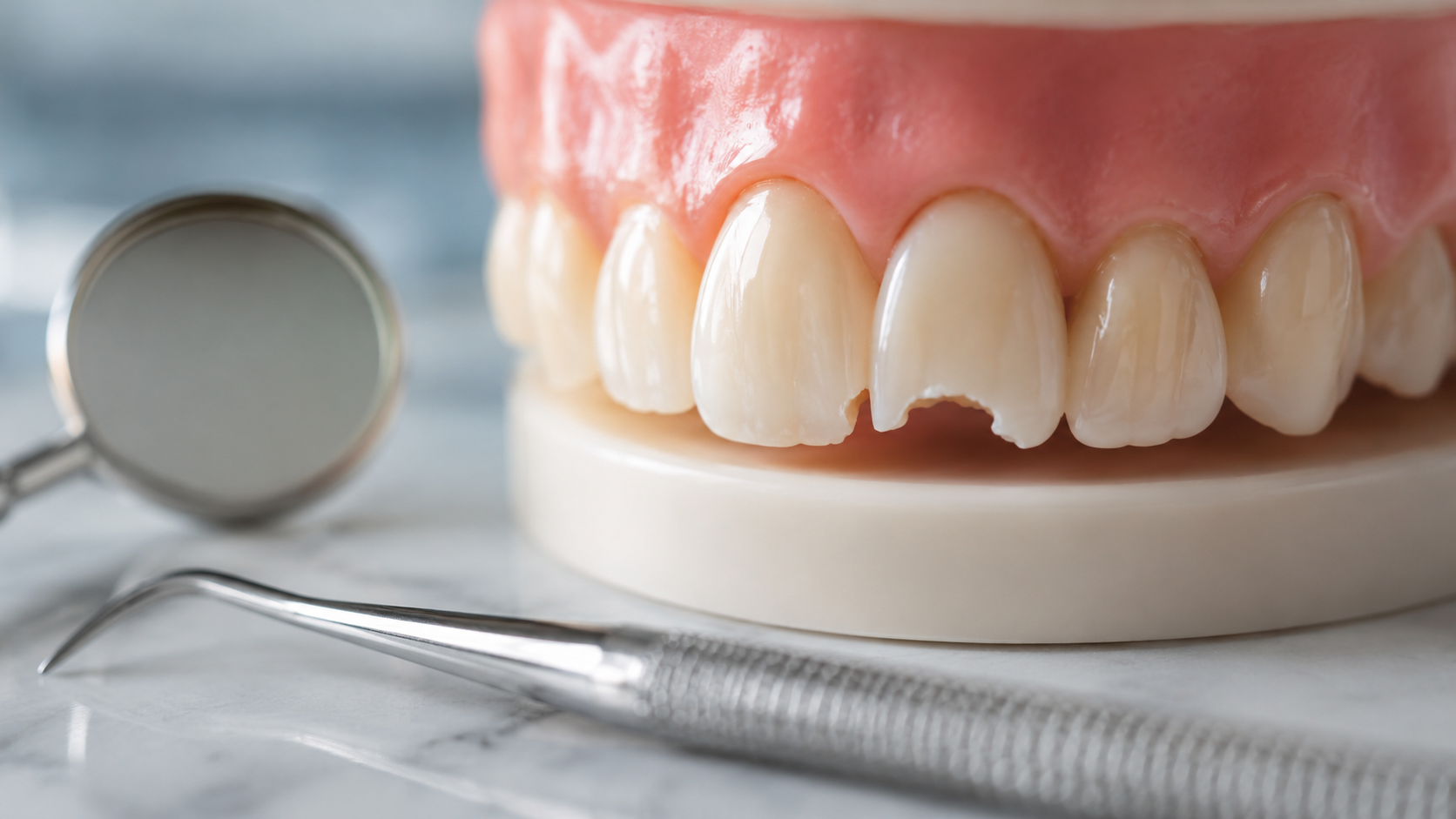
Chipped tooth – what should you do?
Often, errors in the brushing technique, excessive use of whitening toothpastes, a harsh diet or even mechanical injuries lead to a situation in which the tooth may be damaged or broken. Many external factors influence dental health. What should we do when we find ourselves in such a situation? This question will be answered by Dr.Urszula Leonczak in today’s episode. We encourage you to watch it! Subscribe to the Warsaw Dental Center youtube channel: @WarsawDentalCenter If you want to stay up to date with the latest information on oral health and modern dental solutions, we encourage you to subscribe to the Warsaw Dental Center channel. After watching the episode, be sure to click 🔔 to receive notifications about our latest content! If you want to stay in touch with us on other social media platforms, please follow us on: ► Facebook: Link to the Facebook page ► Instagram: Link to Instagram profile
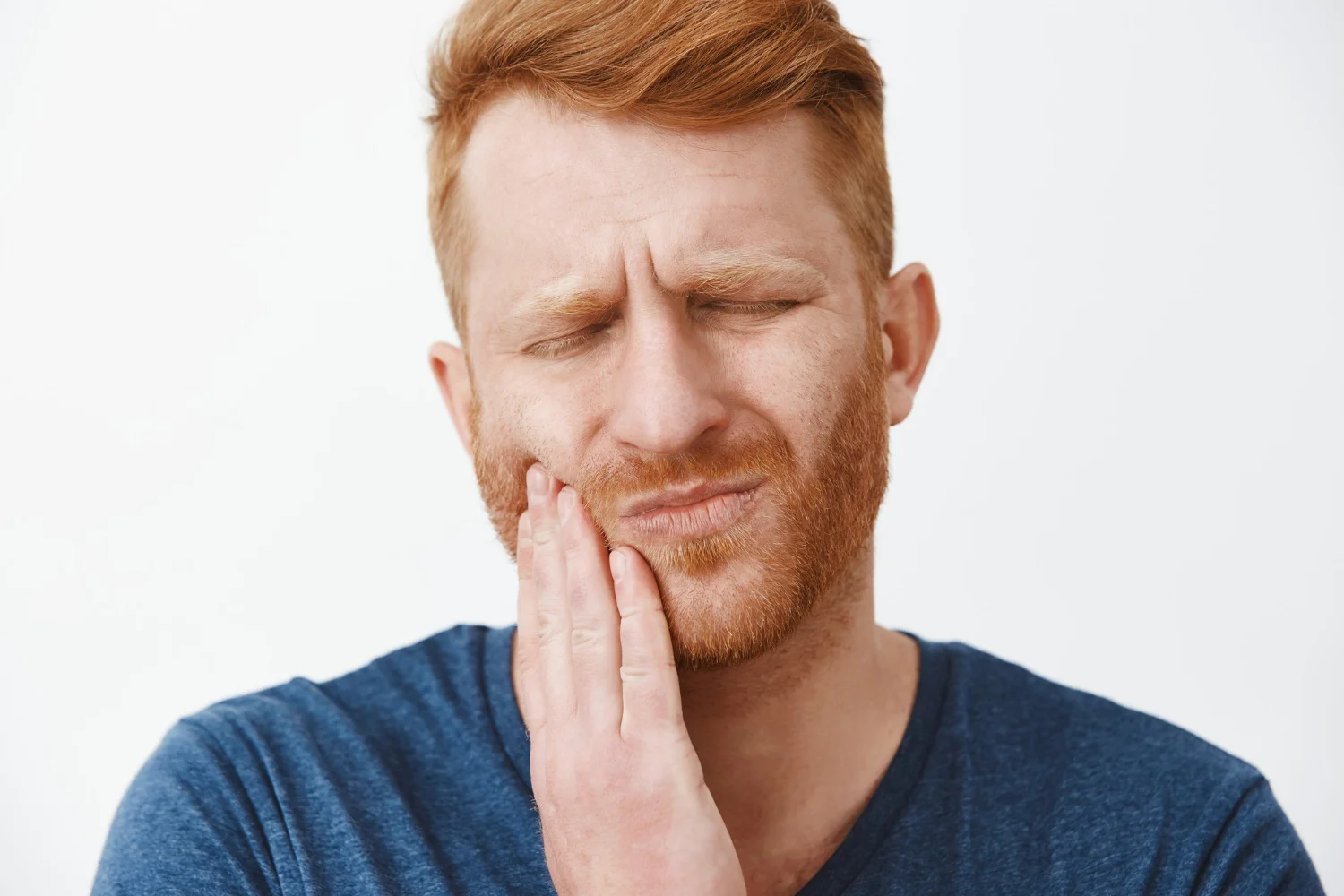
MY TOOTH HURTS: What next?
The overwhelming fear of visiting the dentist is a thing of the past. Today, a nagging toothache means only a challenge to solve – quickly and painlessly. How to achieve this? We are talking to Dr. Urszula Leończak. Toothache is a signal that cannot be ignored.In such a situation, an immediate visit to the dentist is necessary.Unfortunately, many people delay making this decision.This is a serious mistake. In most cases, the symptoms will not go away on their own and the problem may only get worse.As explained by the doctor.dentist Urszula Leończak from Warsaw Dental Center, toothache may indicate various problems, such as caries, inflammation of the pulp or inflammation of periodontal tissues. In the case of caries, it is enough to place a filling, but inflammation of the pulp requires root canal treatment.It is worth realizing that the earlier we decide to visit a dentist, the lower the scope of treatment and costs will be. Nowadays, effective anesthesia is available that eliminates the pain and discomfort associated with dental procedures.It is not necessary for the dentist to know when we feel pain – on the contrary, a calm patient makes the doctor’s work easier.There is one exceptional case when pain is a signal to stop the treatment, namely during teeth whitening.In such a situation, the teeth indicate that the stimuli are unbearable and there is a risk of pulp damage.Then the whitening treatment should be stopped immediately, both in the office and using home trays. The expert also emphasizes that teeth and periodontal tissues may react with pain to treatment, just like any other organ in the body.This phenomenon especially applies to the period after tooth extraction or root canal treatment, but it may also occur after the installation of a standard filling.In most cases, the pain gradually subsides after a few days.However, if it is long-lasting, you can take painkillers containing paracetamol or ib upprofen.If symptoms persist for longer than two weeks, it is worth consulting a doctor. Pain is the body’s natural signal that something is wrong.In the case of teeth and gums, this may be a symptom of inflammation.In such a situation, the gums become particularly sensitive, especially when eating and brushing teeth.The most common cause of inflammation is the accumulation of tartar and plaque, so regular professional hygiene by a dental hygienist at least twice a year is crucial. Symptoms of periodontal disease may also include gingival recession, i.e. receding gums, which may lead to exposure of the tooth root.In this case, the teeth become particularly sensitive to temperature changes and sweet and sour foods.To improve the situation, exposed tooth fragments can be covered with a gum graft, made of collagen material or taken from the patient’s palate.The full effect and appearance of the gums after such treatment is usually assessed after three months.
Barodontalgia – a disease that may ruin your dream vacation
Unexpected pressure spikes, such as during an airplane flight or diving, can lead to intense, stabbing toothaches. This phenomenon is called barodontalgia. It is worth diagnosing this problem before the planned trip to eliminate the cause of the pain and avoid discomfort during the holidays. Barodontalgia is associated with hypersensitivity of the teeth and structures surrounding them, especially the gums. It is caused by sudden changes in altitude above sea level (hence the original name of the disease was aerodontalgia, due to its connection with flights, but later the scope of its definition was expanded) and changes in atmospheric conditions and therefore temperature. Pulsating toothache can be so intense that it interferes with the daily functioning of the person affected by this problem. Most often, this applies to teeth that have been treated in the past, for example those that have undergone conservative or root canal treatment, but it was not performed correctly. Why do patients experience such pain? The reason lies in the air that gets inside the tooth. This is definitely not a natural situation, but rather the result of the dentist’s mistakes. When the pressure increases or decreases rapidly, trapped air bubbles in the tooth have no way to release, leading to an increase in pressure. The result is severe pain that may also radiate to the jaw or sinus areas. In such circumstances, an immediate consultation with a dentist is necessary. After a thorough examination of the teeth, the doctor will recommend appropriate therapy. To avoid similar problems before the holiday season, we recommend making an appointment at Warsaw Dental Center. Regular examinations, carried out at least every six months, reduce the risk of caries by 45%, and caries is the source of many problems in the oral cavity.