

Did you know that brushing your teeth twice a day is no longer enough to effectively protect yourself from cavities and gum disease? Modern dentistry is not only about treating damage, but above all about conscious prevention, increasingly referred to as dental biohacking. Introducing simple changes into your daily routine can help you avoid pain and costly treatments. Root canal therapy, implants, or veneers often involve expenses reaching thousands. Below you will find 15 proven habits that genuinely strengthen enamel and improve gum health. This is your complete guide to professional-level oral hygiene. 🛠️ Professional Home Oral Care: Technique and Tools Most dental problems begin in places your regular toothbrush cannot reach. Changing your tools often means changing your results. 1. Interdental Brushes Instead of Dental Floss Traditional dental floss often slides along the tooth surface without reaching deeper areas near the gum line. Interdental brushes work like small cleaning brushes, filling the space and mechanically removing plaque. This is one of the most effective methods for preventing bleeding gums and periodontal disease. 2. Teeth Are Not Tools: Stop Microcracks Never use your teeth to open packaging, tear labels, or cut tape. These habits cause microscopic enamel cracks that are invisible to the naked eye. Over time, they can lead to tooth fractures requiring restorations or veneers. 3. Strategy: Start Brushing the Lower Teeth from the Inside Begin brushing from the inner surfaces of the lower teeth. This is where salivary glands are located, causing tartar to accumulate the fastest. Starting here ensures better precision and focus. 4. Replace Your Toothbrush After Illness Viruses, including the herpes simplex virus, can survive on moist toothbrush bristles for several days. After any infection, replace your toothbrush to avoid reinfection and unnecessary strain on your immune system. 5. Single-Tuft Brush for Wisdom Teeth A single-tuft brush allows precise cleaning of wisdom teeth and areas behind the last molars. This is essential for preventing root cavities and painful gum inflammation around wisdom teeth. 🧪 Enamel Biohacking: Fluoride and Hydroxyapatite Understanding the chemistry of enamel allows you to strengthen it effectively without visiting the dental office. 6. The Rule: Spit, Don’t Rinse Rinsing your mouth with water after brushing washes away active ingredients. Leave the toothpaste on your teeth so fluoride or hydroxyapatite can integrate into the enamel for at least 20 minutes. 7. Hydroxyapatite Toothpaste: Liquid Enamel Nano-hydroxyapatite is a biomimetic mineral that physically fills micro-damage in enamel and quickly reduces sensitivity. It is an effective alternative to fluoride. 8. Tongue Scraper for Fresh Breath Most bacteria responsible for bad breath live on the back of the tongue. Daily tongue scraping is a simple and effective way to combat halitosis. 🍎 A Diet for White Teeth Without Sacrifices You don’t have to give up your favorite foods if you know how to neutralize their effects. 9. The Cheese Effect: pH Buffering A piece of cheese eaten after dessert quickly restores neutral pH levels and protects enamel from acid erosion. 10. Water Before Coffee Drinking a glass of water before coffee hydrates the body and stimulates saliva production, which naturally protects teeth from plaque. 11. Using a Straw to Protect the Smile Zone Drinking coffee, juice, or wine through a straw reduces contact with front teeth, limiting staining. 12. Xylitol Gum Xylitol inhibits cavity-causing bacteria and helps restore proper oral pH balance. 13. The 30-Minute Rule After Eating After consuming acidic foods, wait 30 minutes before brushing. This prevents mechanical damage to temporarily softened enamel. 🛡️ Long-Term Dental Prevention Healthy teeth are a lifelong strategy. 14. Vitamins D3 and K2 Vitamin D3 improves calcium absorption, while vitamin K2 directs calcium to teeth and bones. Together, they support internal remineralization. 15. Professional Dental Hygiene Twice a Year Scaling and air polishing every six months remove hardened tartar that cannot be eliminated at home. This is the best prevention against gum disease and recession. Conclusion A healthy smile is not just a matter of genetics, but of daily, conscious choices. Implementing these 15 principles helps you avoid pain, stress, and costly dental procedures. If you want to take care of your oral health under professional supervision, we invite you for a check-up and professional hygiene visit.

A Healthy Smile for the Holidays and the New Year: How to Take Care of Your Teeth During the Festive Season
Christmas and the New Year are a time of joy, family gatherings, and special meals. They are also a period when it is easy to neglect everyday oral health habits. Sweet treats, long dinners, hot and cold drinks, and sometimes stress and fatigue can all have a negative impact on the condition of your teeth and gums. As a dentist and Medical Director of Warsaw Dental Center, I observe the same pattern every year: after the holidays, many patients visit us with tooth pain, sensitivity, cracked fillings, or gum inflammation. The good news is that most of these problems can be easily prevented. 🍰 Holiday Sweets and Dental Health Gingerbread, poppy seed cakes, cheesecakes, and chocolate are an inseparable part of the holiday season. However, it is important to remember that sugar is the main fuel for bacteria responsible for tooth decay. How can you reduce the risk? avoid snacking on sweets throughout the day; it is better to enjoy them once, after a meal, rinse your mouth with water after dessert, remember to brush your teeth thoroughly in the evening, even if the day has been long and tiring. ☕ Hot and Cold Drinks: Watch Out for Sensitivity Winter beverages such as hot tea, coffee, mulled wine, and the contrast with cold desserts can intensify tooth sensitivity, especially if the enamel is weakened. If during the holidays you experience short, sharp pain when drinking hot or cold beverages, it is a signal that should not be ignored. Sensitivity is often the first sign of enamel or gum-related problems. 🎁 Hard Foods and “Harmless” Accidents Cracking nuts with shells, hard candies, or opening packages with your teeth can easily lead to chipped teeth or damaged fillings. During the holiday season, sudden dental emergencies occur more frequently, even though many of them could be easily avoided. Teeth are not tools, even when we are in a hurry. 😬 Stress, Bruxism, and Holiday Tension Although the holidays are associated with happiness, for many people they are also a source of stress. Teeth grinding and clenching, often unconscious, may intensify during this time. Symptoms worth paying attention to include: morning headaches, tension in the jaw area, tooth soreness without an obvious cause. If you notice these signs, it is worth consulting a dentist. The sooner you act, the easier it is to prevent more serious consequences. 🪥 The Holidays Are Not a Break from Oral Hygiene Changes in daily routine, travel, and late dinners often cause oral hygiene to be postponed “until tomorrow”. This is one of the most common mistakes made during the holiday season. Remember to: brush your teeth at least twice a day, use dental floss or interdental brushes, even short hygiene routines are better than skipping them entirely. 🎆 The Perfect Time for a Check-Up The beginning of the new year is an excellent moment to schedule a dental check-up. Regular examinations help detect minor issues before they develop into problems requiring extensive treatment. At Warsaw Dental Center, we often remind our patients that prevention is the best investment in a healthy and stress-free smile for the entire year ahead. Conclusion The holidays are a time worth enjoying with a smile, both literally and figuratively. A few simple habits are enough to avoid tooth pain, unexpected dental problems, and treatment-related stress. If you have any concerns, feel discomfort, or simply want to start the new year with confidence that your teeth are in good condition, I invite you to schedule a consultation. With care for our patients’ health,Medical Director, Dentist, MSc Urszula LeończakWarsaw Dental Center

What are the risks of drinking energy drinks? Doctor Natalia Rogulskaolicy warns!
Healthy and white teeth are the result not only of regular visits to the dentist, but also of a proper diet. It is therefore important to take care of what we eat. Why is diet so important for our teeth? Explains Dr. Natalia Rogulska from Warsaw Dental Center, specializing in conservative treatment. Dental caries can develop due to several main factors: eating foods that promote tooth decay (high content of carbohydrates, which are needed by bacteria for enzymatic transformations); the presence of microorganisms in the oral cavity; teeth’s susceptibility to demineralization, related to their chemical composition; length and frequency of exposure to the above factors. To sum up: for the development of caries, we need time, susceptible teeth, lack of attention to hygiene and an unhealthy diet. Are sweets the only problem? Unfortunately, it’s not just them. More and more young people aged 12 to 30 require dental treatment, which includes: caused by greater consumption of drinks such as “cola”, sweet juices or flavored waters. Even though we don’t see them as “cute”, we should. Why? In the mouth, the natural pH is approximately 6.5-7, but after eating or drinking, it drops and returns to normal after approximately 30-60 minutes. Any drink other than water changes this pH. When we often drink small amounts of sweet drinks, the pH in the mouth has no chance to return to normal, which creates ideal conditions for bacteria. These bacteria process carbohydrates and produce acids that affect the pH of the teeth. Energy drinks have an even worse effect. In addition to the impact on the circulatory system, the risk of diabetes, overweight and other diseases, “energetics” contribute to the “dissolution” of teeth. This is due to their low, acidic pH (2.0-4.0). Enamel begins to dissolve at pH 5.5, and if strengthened with fluoride, at 4.5. The acidity of energy drinks leads to erosion, or dissolution, of tooth structure. The result is that teeth are more susceptible to hypersensitivity and dental caries. In studies, changes were visible after just five days of drinking “energy drinks”, and the effects are permanent. We cordially invite you to a consultation with Dr. Natalia Rogulska at Warsaw Dental Center! Booking appointments: – by phone at: 22 542 18 04 – by e-mail: kontakt@warsawdentalcenter.pl – and through social media. We invite you to Topiel 11 in the capital!
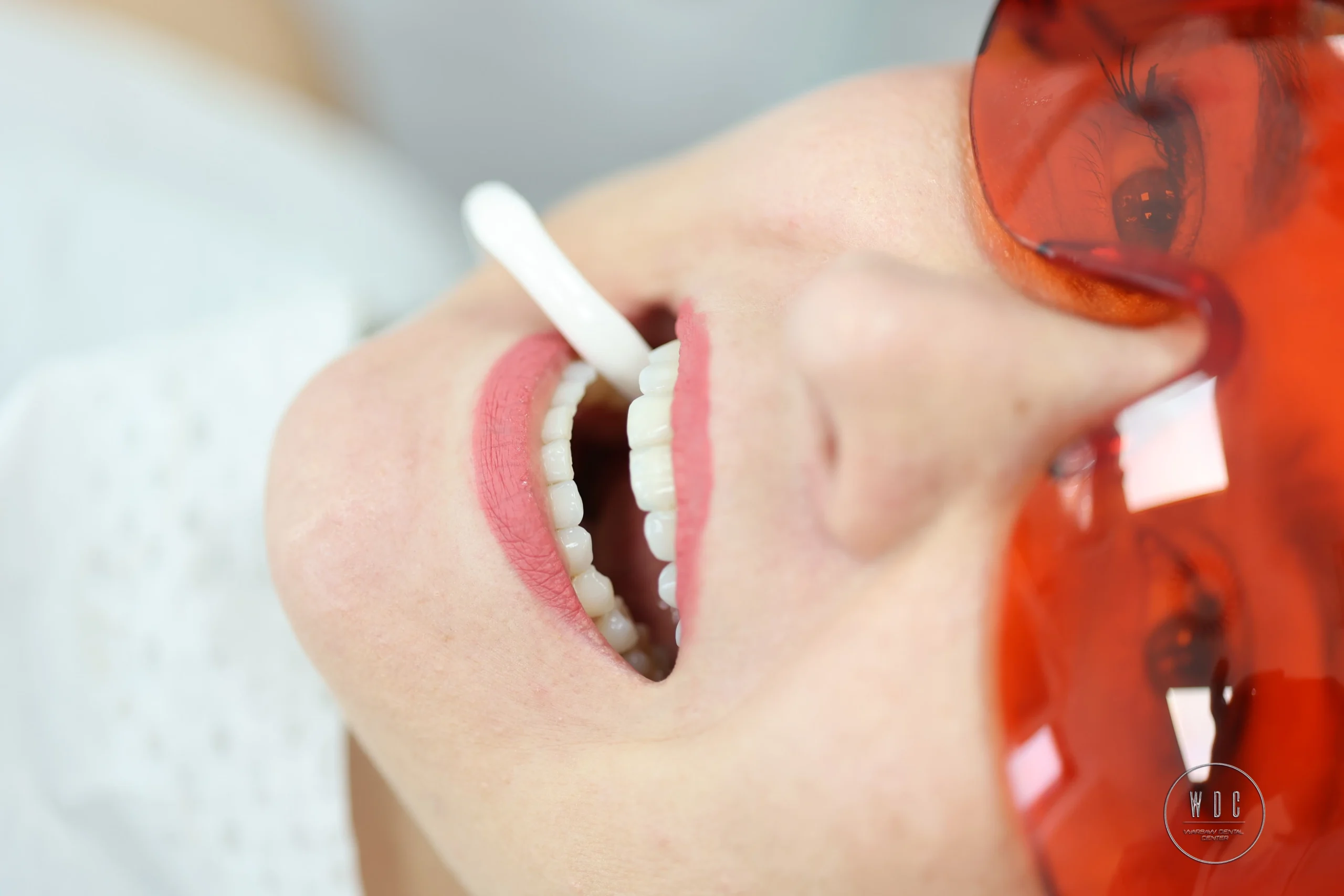
Home remedies for white teeth. Doctor Urszula Leończak advises
Few people know that natural protection is also useful for their teeth. We asked Dr. Urszula Leończak about the best methods. Here are her recommendations. GREEN TEA it is worth drinking a few cups of this infusion made from young leaves to strengthen tooth enamel and protect it against caries. Scientists have calculated: one cup of green tea contains on average 0.3 mg of fluorine, the most effective anti-caries mineral. This drink also contains polyphenols with antibacterial properties. Fluoride also strengthens enamel, delays the build-up of dental plaque and protects teeth against bacterial attack. It also makes calcium penetrate the tooth tissue more effectively and harden it. KURUMA This spice has anti-inflammatory properties, which is why specialists recommend it, e.g. for colds. However, turmeric also helps with inflammation of the gums and mouth. It is worth adding it to dishes, but also looking for it in the ingredients of toothpastes. COCONUT OIL It has antiseptic properties, which means that it destroys bacteria – those in the mouth that cause tooth decay. It also helps keep gums healthy and protects them against inflammation. Coconut oil contained, for example, in toothpastes helps maintain the natural pH in the mouth, which prevents the destruction of tooth enamel and the formation of new cavities. However, let’s not forget about daily brushing and flossing after each meal and regular dental check-ups