

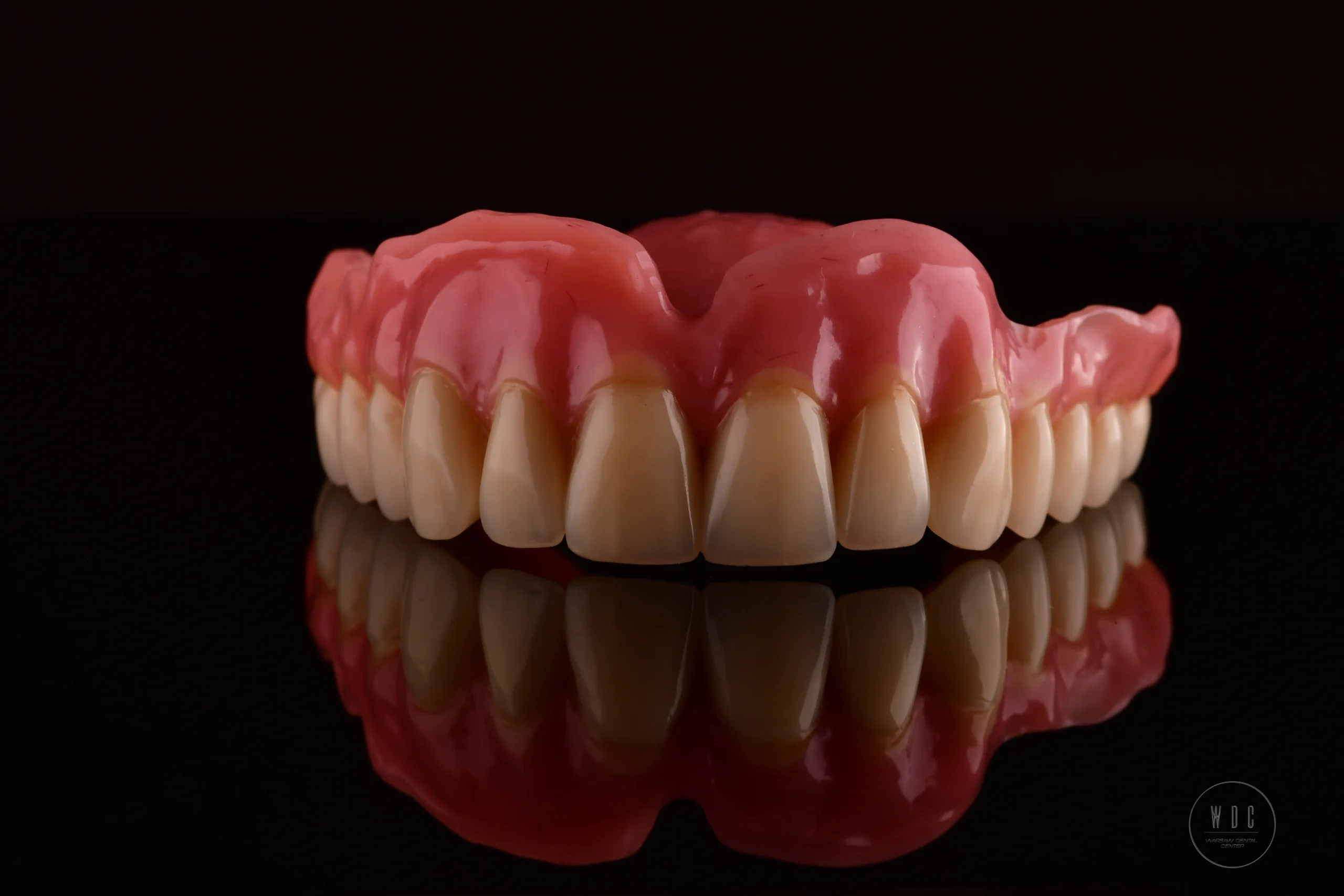
A prosthesis is one of the most commonly used methods to restore a cosmetic smile for individuals who have lost their teeth due to various reasons. Unfortunately, many people with allergies cannot use them because prostheses are often made with metals that can trigger allergic reactions. What types of prostheses available on the market can be used by people with allergies? How do you recognize an allergy to a prosthesis? How to Recognize a Prosthesis Allergy? An allergy to a prosthesis is typically a contact allergy, which occurs when the allergenic material comes into contact with the body. It often manifests as redness or swelling in areas of the oral cavity where the prosthesis touches the mucous membrane. Patients may also experience itching or burning in the mouth. If such symptoms or other concerning signs are noticed, it is important to consult a doctor promptly. Suitable Prosthesis for Allergics While many prostheses contain metal elements, there are also options available on the market that do not. One such solution is acrylic prostheses, which not only do not cause allergies but also boast flexibility and durability. They are suitable even for individuals who no longer have their natural teeth. Allergics may also consider acetal and nylon prostheses, although these are typically used for individuals who still have some of their own teeth. If in doubt, consulting with a prosthetist is advisable. Choosing the right prosthesis is crucial for comfort and oral health, especially for individuals with allergies. Thanks to safe options available on the market, even those with allergies can enjoy a beautiful smile.
Telescopic Crown – What Is It? Types of Dental Prosthetics
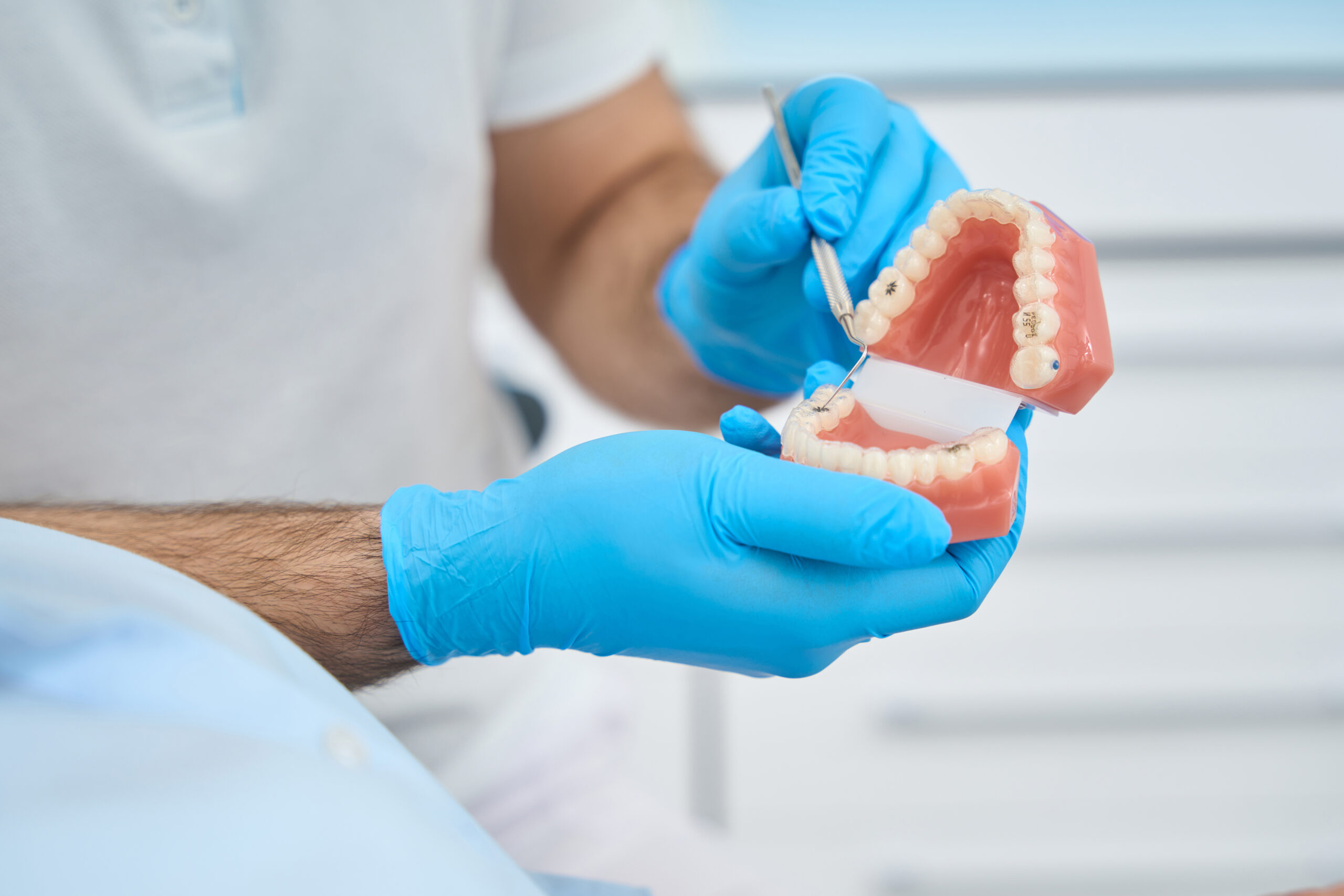
Missing teeth can be a problem that not only affects appearance but also daily functioning. Eating, self-confidence, and social relationships can suffer. In such situations, dentures provide an effective solution, restoring not only functionality but also aesthetics. Telescopic dentures are one such option, providing exceptional stability and wearing comfort. Types of Dentures When choosing dentures, it is important to consider the fit to the oral cavity shape, comfort of use, and durability. Among various types of dentures such as telescopic dentures, acrylic dentures, and skeletal dentures, each has its advantages and applications. Telescopic Dentures consist of two crowns, providing stability and flexibility in use. Acrylic Dentures rest on the gums and are movable, making them comfortable for daily use. Skeletal Dentures, composed of metal or acrylic parts, provide greater stability due to special clasps and snaps, translating to better patient comfort. Choosing the right type of denture should be carefully considered, taking into account the patient’s needs and expectations as well as the dentist’s recommendations. How Do Telescopic Dentures Work? Telescopic dentures are based on an innovative system of two crowns. The first, immovable crown, is permanently attached to the patient’s natural teeth or implants after proper preparation by the dentist. This element, made of metal or ceramic, forms the foundation of the denture. The second, movable part called the outer crown, is mounted on this crown. Typically made of metal and covered with a layer of porcelain or composite, this part connects the denture to the natural teeth. Who Should Consider Telescopic Dentures? Telescopic dentures are recommended for people with severely worn front teeth and those who suffer from a lack of side teeth or periodontal disease. Especially in the case of patients with periodontitis, the denture plays a stabilizing role for loose teeth, helping to maintain their proper position. Telescopic Dentures – Definition, Benefits, and Drawbacks Telescopic dentures are an alternative with significant durability and longer lifespan compared to acrylic dentures. Their advantages include stable fitting in the oral cavity and excellent adaptation, reducing the risk of displacement or dislodgement during use. Patients quickly adapt to them, and due to the smaller denture base, they have a better sense of taste of foods. Additionally, telescopic dentures do not burden abutment teeth and provide protection against tooth decay, maintaining a natural appearance. However, it should be noted that using this type of denture requires special attention to oral hygiene to avoid inflammation and periodontal diseases. Regular dental check-ups every six months are essential. A drawback of telescopic dentures is also their higher cost compared to traditional dentures. Various Types of Dentures: Acetal, Nylon, Akron Depending on the manufacturing technology, three main types of dentures are distinguished: Acetal Denture – characterized by flexibility and bending resistance. Made of material allowing for perfect adaptation to the shape of the oral cavity and color matching with the dentition. Not recommended for complete toothlessness. Nylon Denture – made of elastic, lightweight material, ensures excellent fit and aesthetics. Clasps for attachment are available in tooth color, making the denture discreet. It can be an alternative to acrylic dentures. Akron Denture – made of thermoplastic acronite, it is characterized by high durability and user comfort. It perfectly matches the patient’s natural teeth, providing an aesthetic effect. The Best Denture for Young Individuals For young individuals, the best solution is a fixed denture anchored on implants, guaranteeing durability and aesthetics. Alternatively, some may opt for crown-root inserts. Removable dentures, although cheaper, are often not preferred by young patients due to discomfort during use.
The consequences of neglecting dental care and avoiding prosthetic treatment
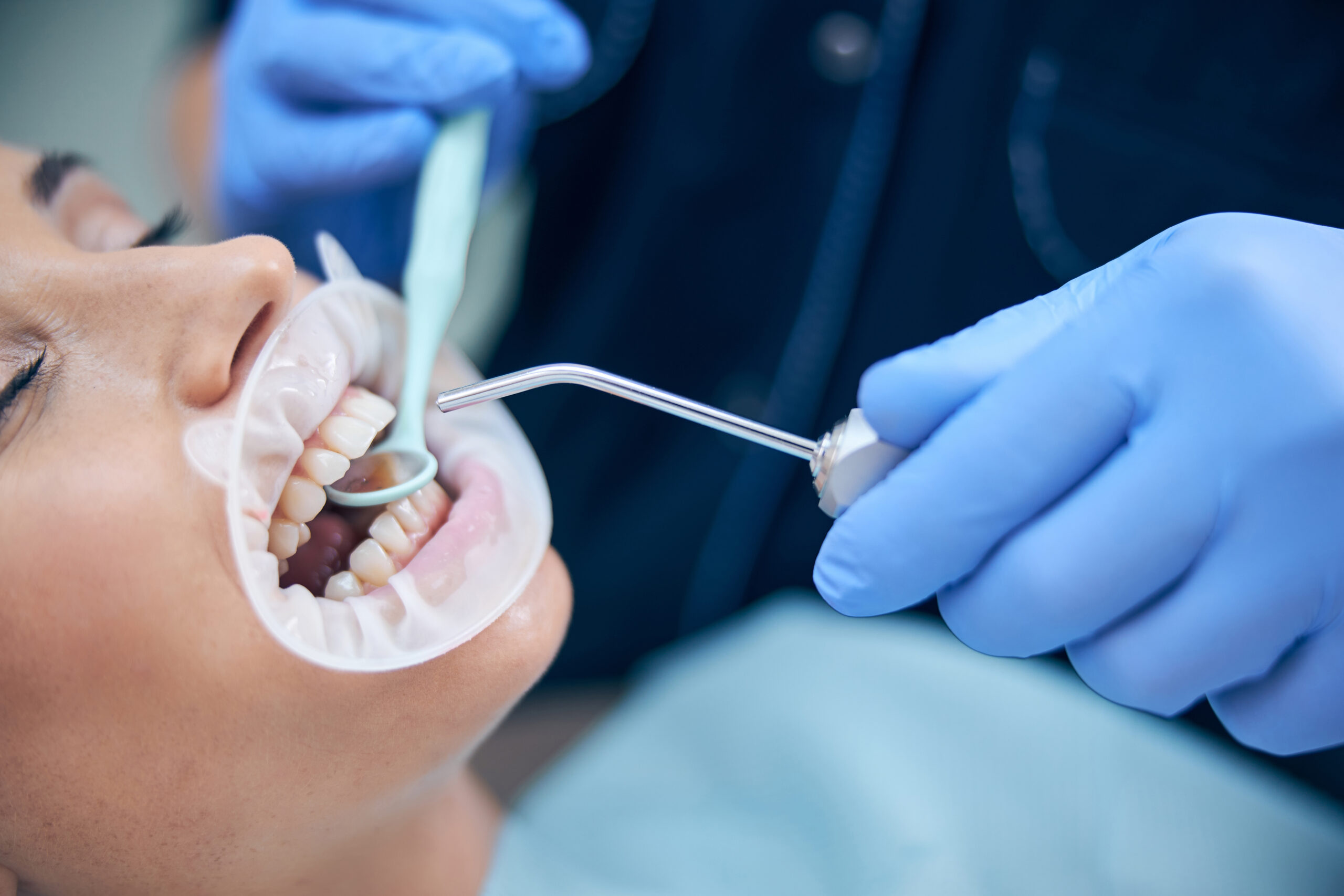
Teeth can be lost for various reasons, but most often their removal is necessary due to decay. Many people ignore individual cavities, postponing treatment until the gaps become visible during smiling or speaking. However, this is a mistake – it is important to understand that even after losing a single tooth, it is necessary to replace it to avoid serious health consequences. What are they? Why opt for prosthetic treatment? Dental deficiencies can cause a range of unpleasant consequences. In addition to difficulty in proper chewing, which can lead to digestive problems, unfilled gaps can also cause headaches and other discomforts related to the movement of remaining teeth. The aesthetic aspect should not be underestimated either. Dental gaps not only negatively impact the appearance of the smile but can also cause cheek sagging and increased wrinkles on the face, significantly lowering our well-being. Additionally, untreated gaps can cause speech problems and increase the risk of inflammatory conditions in the oral cavity. They can also negatively affect the condition of the temporomandibular joints. It is worth remembering that prosthetic treatment not only improves our oral health but also positively affects our well-being and smile aesthetics. How to effectively fill dental gaps? Dental prostheses are an ideal solution for such problems. In Warsaw, it is worth visiting a renowned dental center, Warsaw Dental Center, where specialists offer comprehensive prosthetic services. Thanks to prostheses, it is possible to restore full bite functionality, which translates into the patient’s comfort and self-esteem improvement. The key aspect is the individual adaptation of prostheses to the patient’s needs and anatomical conditions. Both full dentures and single gap fillings are available as options. Discover more about prosthetic solutions at Warsaw Dental Center today!
Effects of Wearing Old and Poorly Fitted Dentures
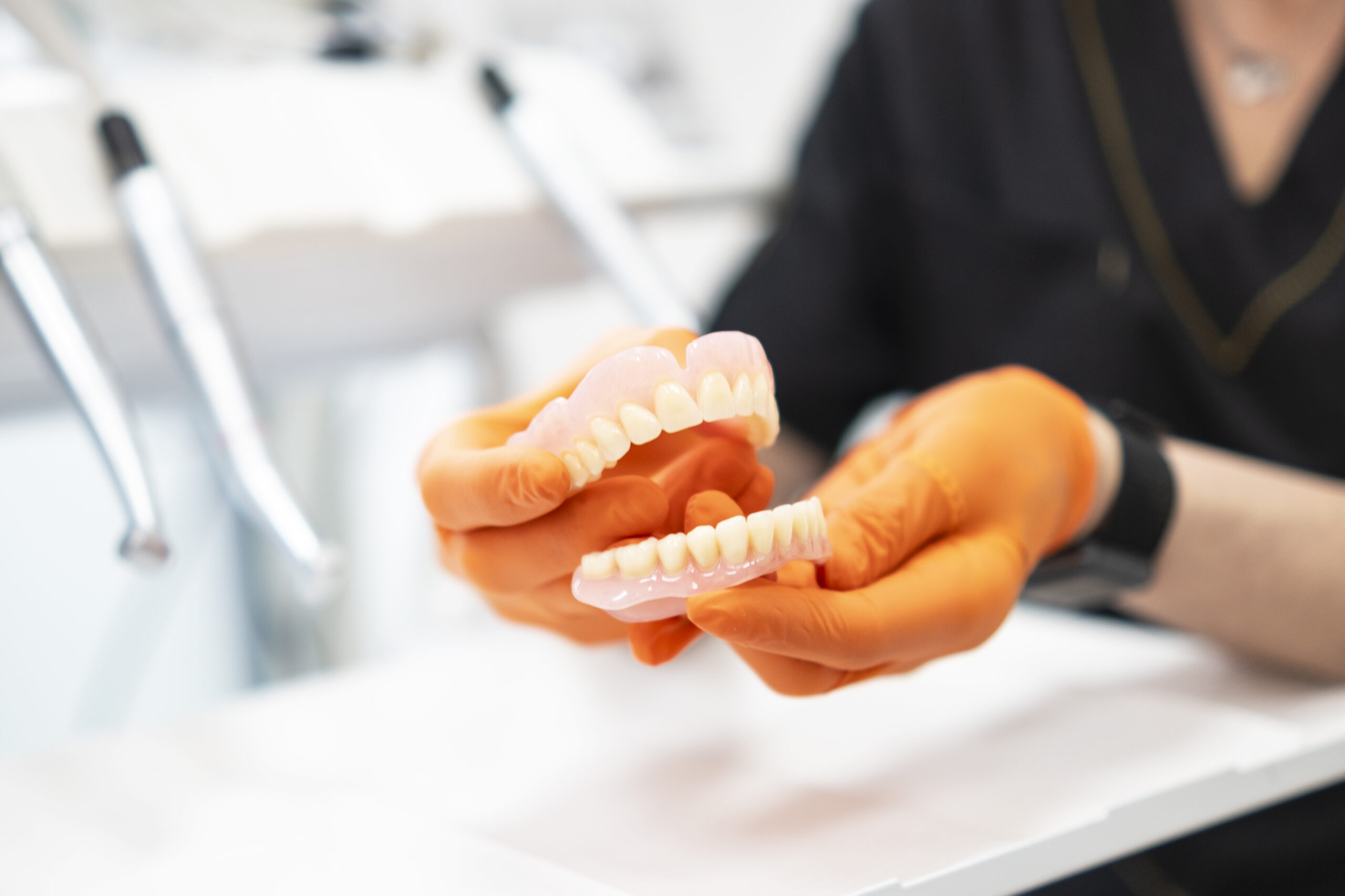
Why is Proper Denture Fitting Important? Dental prostheses need to be perfectly fitted to meet the specific needs of each patient. Unfortunately, many people still use poorly fitted dentures or fail to replace them in time. What are the consequences of this, and how can you recognize when it’s time to replace your dentures? Negative Effects of Improper Dentures Ill-fitted dentures can lead to a range of health problems. Using inappropriate materials can trigger allergic reactions, causing pain and discomfort. Moreover, poorly fitted dentures make eating, speaking, and smiling difficult, thereby lowering the quality of life. Difficulties in chewing can result in swallowing larger food pieces, leading to digestive issues. Oral irritations caused by poorly fitted dentures can promote infections, requiring additional treatment. In the long run, using such dentures negatively impacts the patient’s well-being and self-esteem. How to Recognize if Dentures Are Improperly Fitted? Here are a few signs that may indicate improperly fitted dentures: Discomfort or pain: If you experience discomfort or pain after wearing dentures, consult with your dentist. Unnatural movement: Dentures should not shift or fall out, for example, when sneezing. Irritations and infections: Frequent oral irritations could be a sign of poorly fitted dentures. Changes in the oral cavity: Every few years, it’s essential to check for changes in the oral cavity that could affect denture fitting. Regular Check-ups and Denture Replacement To avoid these problems, regular dental check-ups are recommended. At the Warsaw Dental Center in Warsaw, dentists can assess denture fitting and make necessary adjustments or replacements. Regular visits to the dentist help maintain oral health and ensure the comfort of denture use.
How to properly care for dentures?
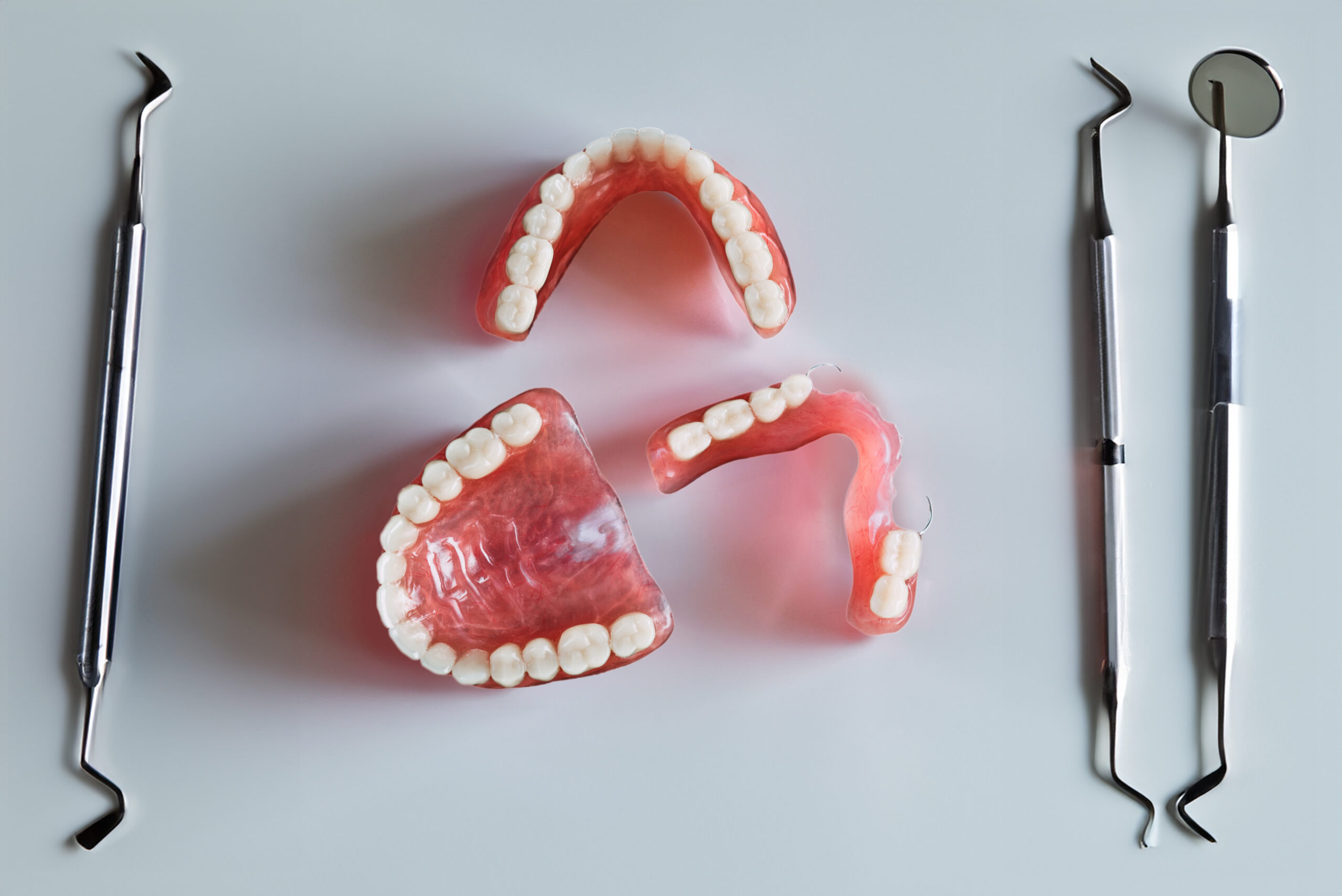
The fabrication of a denture for a toothless area of the oral cavity is a significant investment in health. However, for the denture to serve for a long time, proper maintenance is necessary. Cleaning dentures is not complicated. It is enough to familiarize yourself with the basic principles to avoid commonly made mistakes. In addition to caring for dental prosthetic hygiene, it is also important to have knowledge about what to do in case of damage. Basic principles of dental prosthetic care The fundamental principle of caring for dental prosthetics is their regular cleaning, requiring the same consistency as with natural teeth. Proper cleaning of dentures not only extends their lifespan but is also important for maintaining the health of remaining teeth and gums. It removes accumulated microorganisms that can lead to oral infections. During the cleaning of prosthetic replacements, it is recommended to avoid traditional toothpaste as many of them contain abrasive substances that can damage the denture, promoting the accumulation of deposits and contaminants. Cleaning dentures becomes much more effective and safe using products specifically designed for such prosthetic replacements. Cleaning of dentures should cover all surfaces, so it is advisable to use dedicated accessories, such as special double-sided brushes that allow access to the most difficult-to-reach places. The care of dental prosthetics can be effectively supported by using special disinfectant products such as pastes, concentrates, and effervescent tablets. The most popular are tablets that chemically cleanse the replacement and, during dissolution, assist in mechanical cleaning. However, it is important for the primary cleaning method to be mechanical using a brush. Excessive use of chemical cleaning can have a negative impact on the material from which the denture is made. Proper denture hygiene also includes its storage. It is not recommended to remove the prosthetic replacement before sleep unless necessary. In such cases, it is recommended to store it in dry conditions. Denture hygiene does not end with daily cleaning alone. Periodically, it may be necessary to take it to the dental laboratory, where professional denture cleaning and a thorough examination of their condition will be carried out. Such actions are crucial for maintaining the high quality and aesthetics of the prosthetic replacement. How often to clean dentures? The optimal frequency of cleaning dentures is at least twice a day – in the morning and evening. Even better, if the patient has the opportunity to clean the denture during the day, which positively affects not only appearance and health, but also well-being and comfort during meals. Residues of food left on the surface of the denture can interfere with taste sensations during subsequent meals. Regularly maintaining cleanliness of the denture contributes to maintaining oral hygiene and preventing potential health problems. Home methods for denture cleaning Periodic cleaning of dentures can also be done using simple household items. Immersing the denture in a solution of baking soda and vinegar is an effective way to disinfect it. However, it is important to remember to thoroughly rinse the denture after using home cleaning methods. This ensures the removal of any remaining substances that could potentially irritate the mucous membrane. What to do in case of denture damage? In the event of denture damage (e.g., breakage, cracking, tooth or clasp detachment), immediate consultation with a dental office or dental technician is essential. They will handle the professional repair of the replacement. Regardless of how tempting it may be to repair the denture independently, it should be avoided, as it may result in permanent damage. To maintain the denture in excellent condition, regular check-ups with the dentist are necessary. They will assess when the denture needs correction, professional cleaning, or even replacement with a new one. Systematic checks also allow for the early detection of any abnormalities in the oral cavity. This ensures the full functionality of the denture, and the health of the oral cavity remains under the constant care of specialists.
Why is it worth going to a prosthodontist?
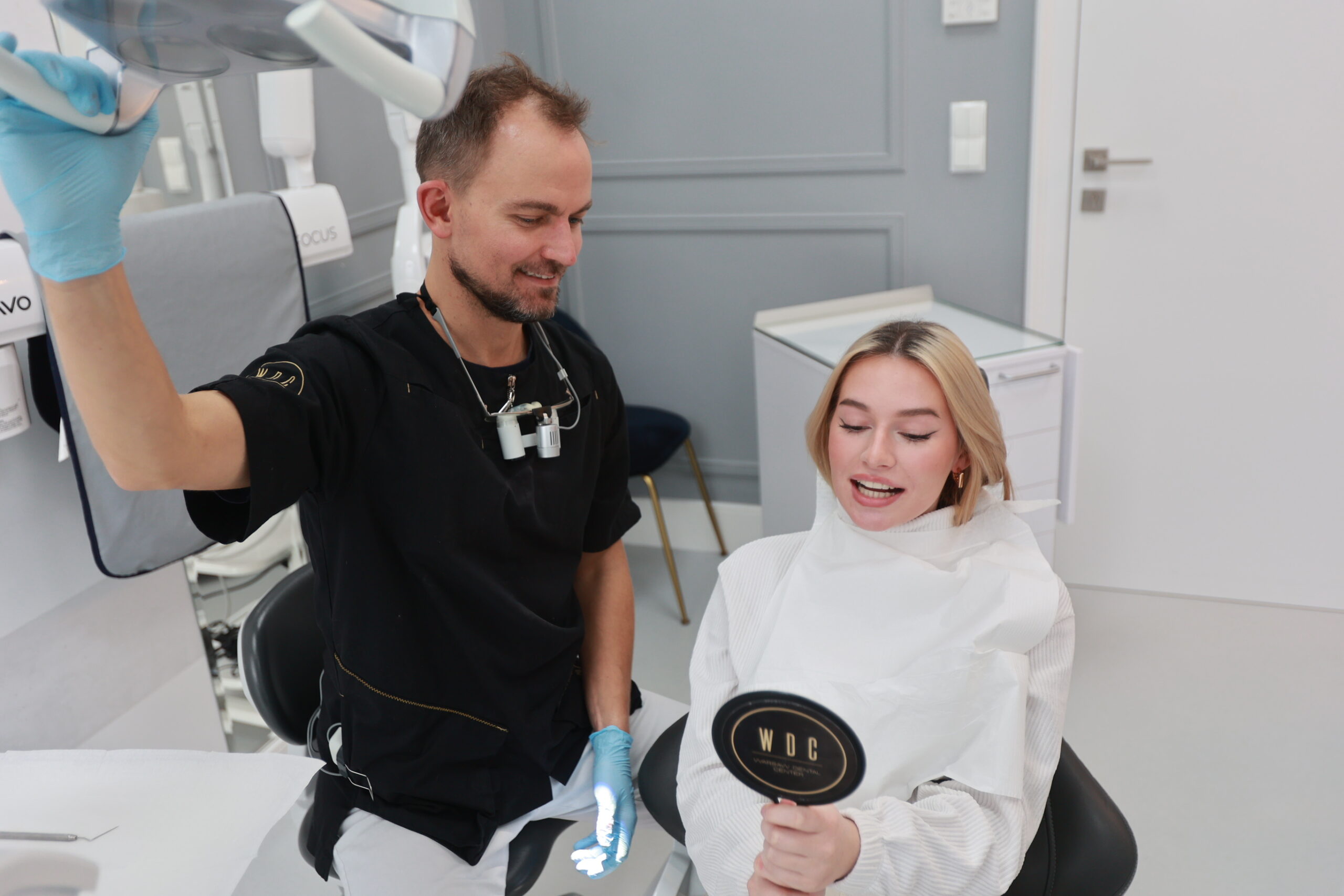
Dr. Bartosz Leończak with the patient What is prosthetics? Prosthodontics is a recognized dental specialty that includes diagnosis, treatment planning, rehabilitation, and maintenance of oral function, comfort, appearance, and health in patients suffering from clinical conditions related to missing or damaged teeth and oral and maxillofacial tissues. Who is a prosthetist? A prosthodontist is a qualified dentist who has graduated from dental school and completed at least three years of specialized training on a CODA-accredited postgraduate program in prosthodontics. Their specialization includes the treatment and restoration of problematic dental and facial conditions, including the restoration of missing tooth and jaw structures. Prosthodontists have in-depth knowledge in the field of cosmetics, dental implants, crowns, bridges, dentures, as well as temporomandibular disorders (TMJ/TMD) and more. How does a prosthodontist differ from other dentists and dental specialists? The word “prostho” means “replacement” and “donta” refers to “dental treatment”. Prosthodontists are specialists who are considered experts when it comes to replacing any structure in the mouth. These may be single teeth, multiple teeth, or even all teeth and gums. Although other dentists may perform some of these procedures, prosthodontists are specialists who specialize in this type of care. Prosthodontists receive advanced training in tooth restoration and replacement. They are leaders in dental treatment planning and often lead teams of general dentists, other specialists and medical staff to deliver solutions appropriate to patient needs. Why is it worth choosing a prosthodontist? The choice of a prosthodontist is justified due to his advanced education, effectiveness and specialist knowledge combined with modern technology. Prosthodontists are extensively trained in the latest techniques and procedures for treating complex dental cases, restoring optimal function and aesthetics. Their rigorous training and experience gives them a unique understanding of the dynamics of smiling and maintaining a healthy mouth. Who is a dental technician? A dental laboratory technician is a qualified specialist who, based on designs and instructions provided by a prosthodontist, deals with the production of prosthetic restorations, crowns, bridges and dentures.
Cost of dentures. Which determines?
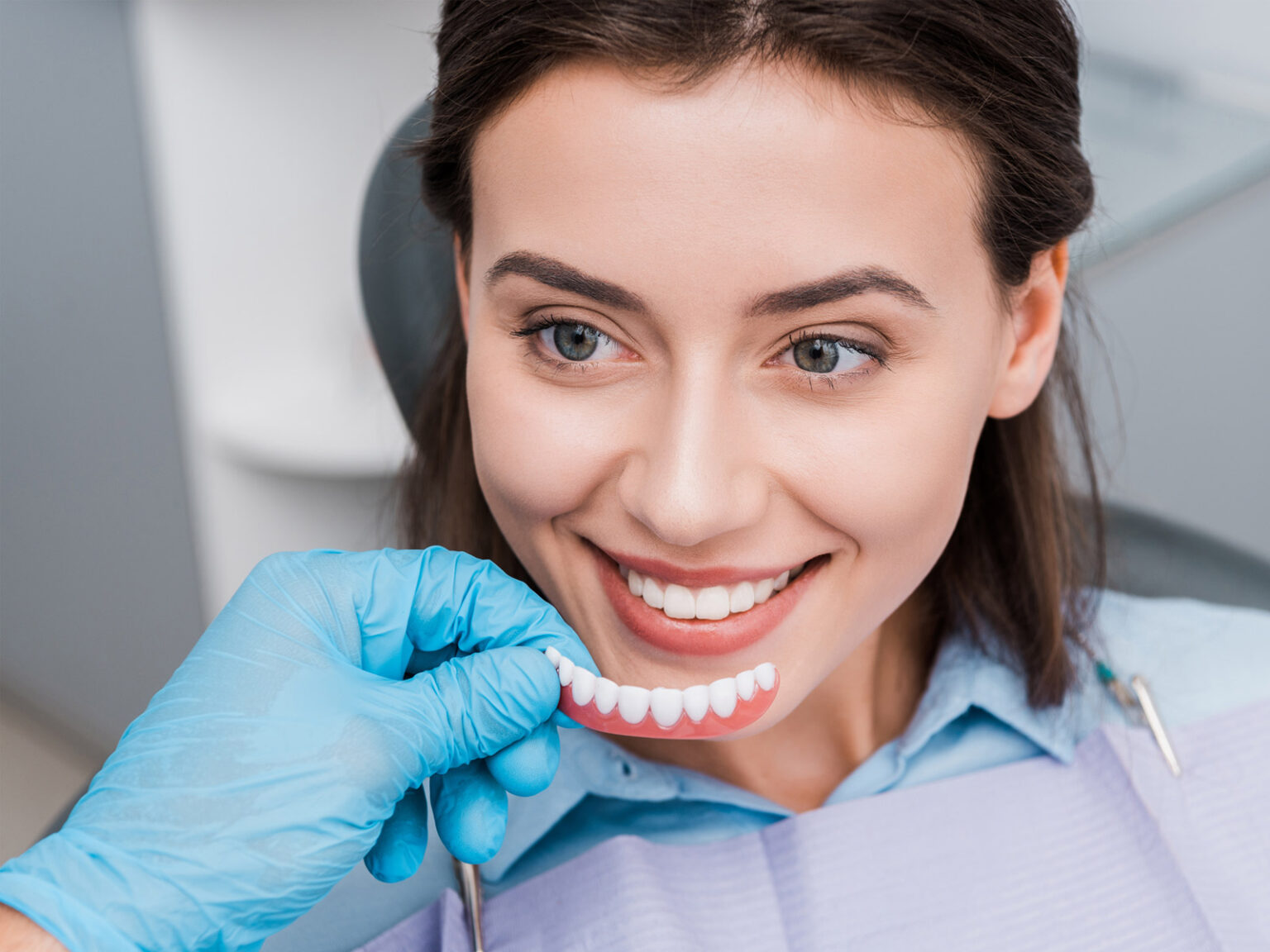
Dentures are a solution for people who have lost their natural teeth. Also known as artificial teeth, they are a replacement for missing teeth. Dentures are used both for aging, which often involves tooth loss, and for younger patients, who may lose individual teeth due to various conditions. The cost of dentures depends mainly on their type and is determined by the dentist when planning treatment. The most economical choice among dentures available on the market are acrylic dentures that are removable. In this category we distinguish: Acrylic complete dentures: These are used when all the teeth in the upper or lower jaw are missing. In private dental offices, they usually cost around PLN 2,000, but this price may vary depending on the region. Acrylic Partial Dentures: These are used when only a few teeth are missing. However, these dentures are not very durable and usually need to be replaced after about 3 months of use. Their price starts at around PLN 1,000, but may be higher depending on the size of the restoration. How much does a skeleton prosthesis cost? A skeleton denture is a removable solution for patients with several missing teeth or extensive cavities that do not qualify for a prosthetic bridge. In this category we distinguish: Skeleton dentures: They are made of a metal plate on which artificial teeth are placed. They are held in place with special clasps. Claspless dentures: This is a slightly more expensive solution in which the clasps are replaced by telescopic attachments, latches or latches. They require debarking of the patient’s teeth. Skeletal dentures usually cost from PLN 1,500 and up. Fixed and removable dentures – how much do they cost? Fixed dentures are permanently attached to the patient’s mouth and cannot be removed. The prices of such dentures vary and depend on many factors, such as the type of denture, the number of missing teeth, and the type of material those that are used, and others. Removable dentures that are removable are usually less expensive than fixed dentures. Their prices start from around PLN 1,000 and depend on the type of denture, e.g. telescopic or snap-on, and the number of teeth that need to be replaced. Implant-supported dentures are a more expensive solution. Reconstruction of a single tooth (crown, abutment and implant) can cost around PLN 4,000, while a prosthetic bridge supported on several implants can start from PLN 9,000. The final price of dentures is influenced by many factors, such as location, quality of pillars, type of materials, number of missing teeth, etc. Therefore, it is difficult to clearly answer the question of how much dentures cost. It is worth consulting a dentist to find out what solution is best for us and what costs are associated with it.
Prosthetics at Warsaw Dental Center: will the doctor surprise you today?
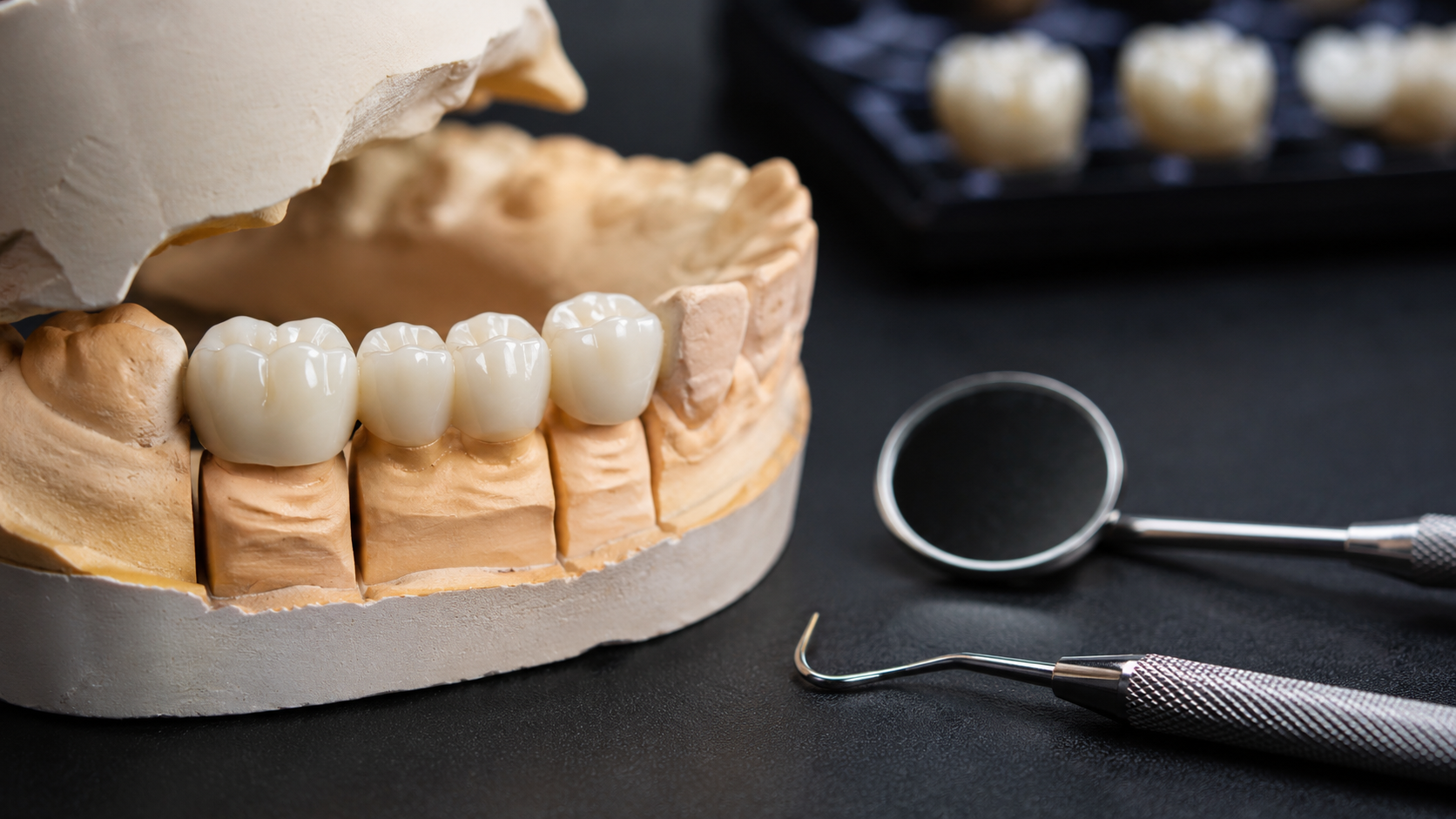
Prosthetics at Warsaw Dental Center: what has the doctor prepared for you today? Prosthetics is a dental specialty whose main goal is to supplement missing tissues in the masticatory system. A prosthodontist is a specialist capable of reconstructing missing teeth and regenerating long-lost tissues. In his work, he uses knowledge from various fields of dentistry and often cooperates with physiotherapists, psychologists and rheumatologists. The modern approach to prosthetics involves not only the creation and installation of dentures, but also the prevention of changes caused by missing teeth. Our experts offer high-quality reconstruction and various options for prosthetic restorations: Skeletal dentures – made of metal, acrylic or composite. Thanks to their smaller dimensions, they are well tolerated by many people. Full restoration – used when the patient has lost all natural teeth. If all teeth need to be removed, immediate dentures are recommended, which help in the process of adapting to wearing them; Aesthetic denture based on retention elements or implant-supported denture; Partial restoration – used when one or more teeth are missing in the maxilla or mandible; Prosthetic bridges – permanent solutions for filling gaps in teeth; Veneers – thin, usually porcelain flakes that significantly improve the appearance of the smile, not only by changing the color of the teeth, but also by improving their shape; Dental crowns – placed on a natural tooth or implant, made of various materials. They are used when the natural tooth crown is damaged. Our goal is to ensure that, thanks to the knowledge and experience of our specialists, both dentists and dental technicians will provide treatment in line with patients’ expectations.
Discover New Possibilities with Dentures
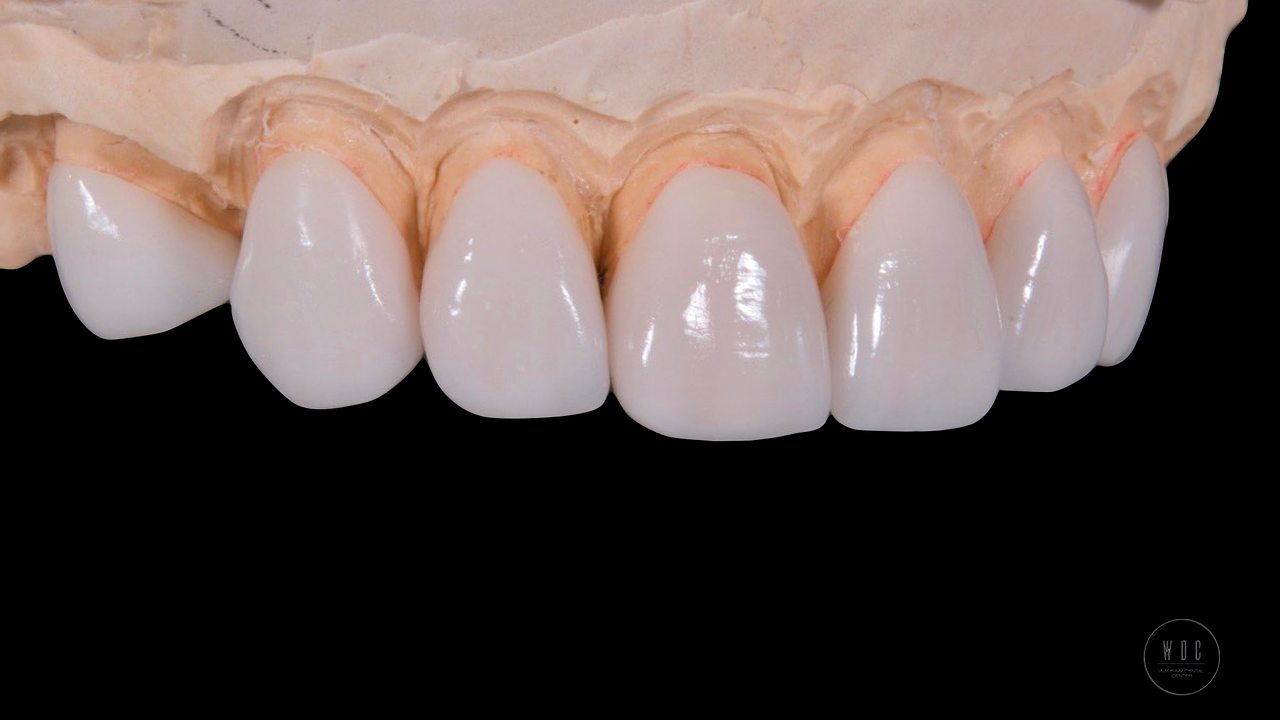
Have you ever wondered how important it is to have a healthy, full smile? Your teeth play a key role not only in eating and speaking, but also in shaping your appearance and self-confidence. Thanks to modern solutions in the field of dentistry, such as dentures, we can now enjoy a full, healthy smile, regardless of age or oral health. At Warsaw Dental Center, we are proud that we can help you regain your smile. Dentures: What is it?: Dentures are replacement devices used to replace missing teeth. They can restore both the function and aesthetics of your smile. Dentures can be full, replacing all the teeth in your mouth, or partial, replacing just a few missing teeth. Types of Dentures There are many types of dentures, including fixed dentures, removable dentures, immediate dentures, implanted dentures and flexible dentures. Choosing the right type of denture depends on many factors, such as the number of missing teeth, oral health and patient preferences. At Warsaw Dental Center, our experienced dentists will help you choose the best solution for your smile. Advantages of Dentures Dentures offer many benefits. They can improve the appearance of your smile, improve your ability to eat and speak, and improve your overall comfort and confidence. Dentures can also help maintain facial structure by preventing it from collapsing after tooth loss. Warsaw Dental Center: Your Place for Dentures At Warsaw Dental Center, we are proud of our reputation as one of the leading dental centers in Poland. Our team consists of experienced dentists who are at the forefront of innovation in the field of dental prostheses. We use the latest technologies and techniques to provide you with comfortable and effective treatment. We invite you to use our services and experience the difference that modern dentistry can bring.Whether you need full dentures, partial dentures, or implant-supported dentures, we are here to help you regain your smile and confidence. Call us today to schedule a consultation and learn more about how dentures can improve your life. We are waiting for you at Warsaw Dental Center, where your health and smile are our priority.