

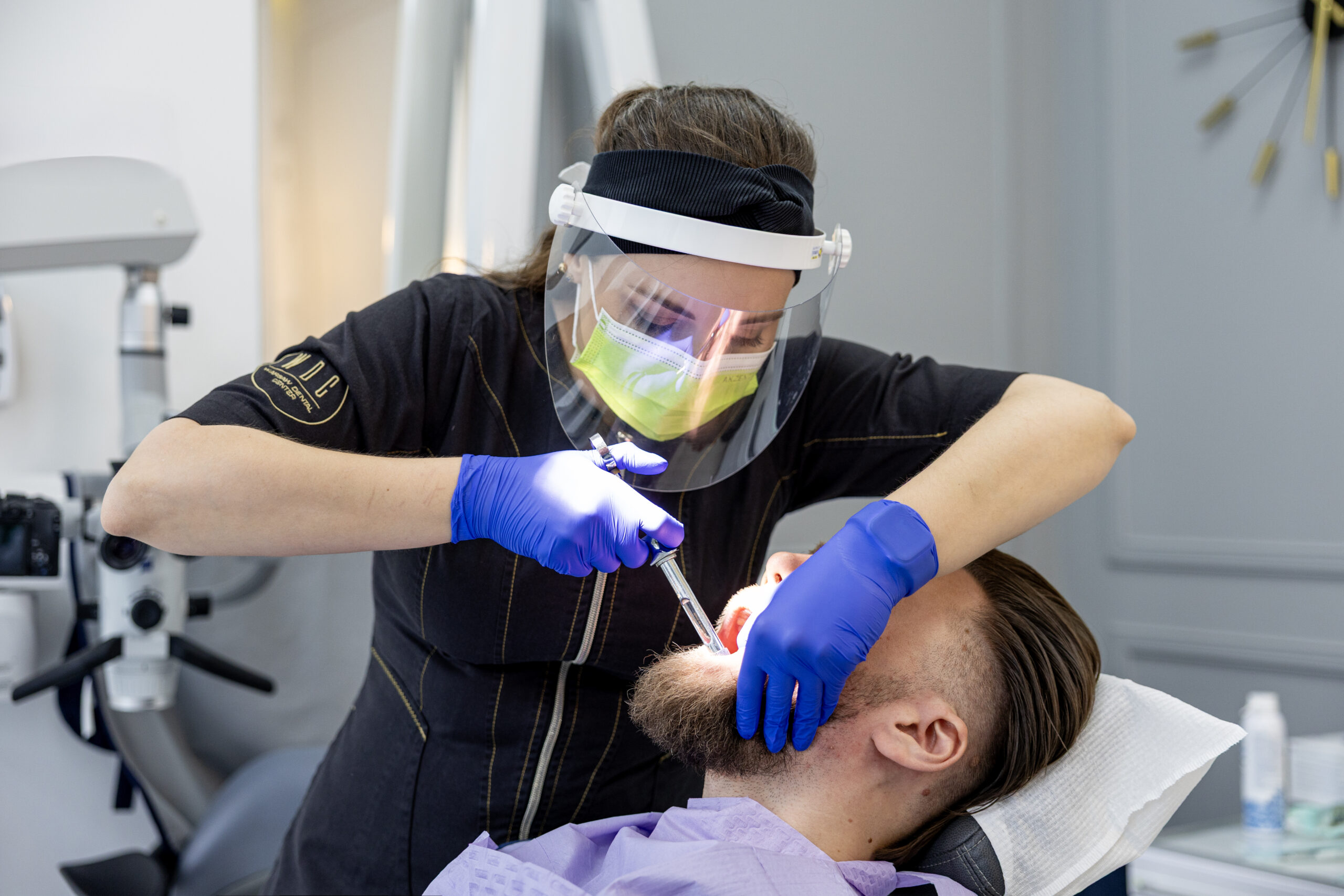
Valentine’s Day 2026 is approaching fast, bringing with it the timeless question: what should you buy for Valentine’s Day to make the gift romantic, luxurious, and genuinely useful? While traditional Valentine’s gifts such as flowers (32%) or sweets (30%) still have their supporters, modern couples are increasingly moving away from short-lived gestures in favor of investments in health, confidence, and long-term well-being. This year, alongside jewelry and spa getaways, a new idea is gaining popularity at the top of wish lists: a dental gift voucher. If you are wondering whether a dental voucher is a good idea, the answer is simple: yes. It is a gift that stays with the recipient for years, not just one evening. What Valentine’s Gift Should You Choose for Your Partner? Here Are 10 Ideas Professional ZOOM Teeth Whitening (2,500 PLN) The highest aesthetic standard. Gift a smile several shades brighter in just one visit. Aesthetic Bonding (1 tooth – 1,000 PLN) A fast, painless correction of tooth shape using high-quality composite. An ideal gift for her if she dreams of perfect front teeth. Professional Dental Hygiene Package (550 PLN) Scaling, sandblasting, and fluoridation. A practical and refreshing gift, especially popular as a Valentine’s present for him. Specialist Dental Consultation (300 PLN) The first step toward a dream smile, including a comprehensive examination and an individual treatment plan. Porcelain Veneers (1 tooth – 4,000 PLN) A premium option for those seeking a long-lasting, complete smile transformation. “Maczi Maczi” Bracelets Matching jewelry for couples, perfectly complementing a healthy, confident smile. At-Home Spa Set Aromatic oils and candles to create a relaxing atmosphere after a clinic visit. Premium Electric Toothbrush A high-quality device that helps maintain the results of professional dental treatments. Romantic Dinner in the Dark A sensory experience that allows couples to focus on shared moments. Personalized Photo Book Your most beautiful smiles captured and preserved on paper. Why Is a Dental Voucher Better Than a Traditional Beauty Store Gift Card? Although a gift card from a popular beauty store may seem like a safe option, there is an alternative that offers far more than another cosmetics set: Long-lasting results Perfumes fade and makeup runs out. The effects of professional ZOOM teeth whitening can last from 12 up to 24 months. An investment in confidence A white, healthy smile improves quality of life in every area, from professional success to personal relationships. A unique expression of care While many people choose cosmetics, a dental voucher is perceived as a thoughtful gesture focused on health and well-being. No risk of a wrong choice With cosmetics, it is easy to miss the mark. A value-based dental voucher allows the recipient to choose the treatment they truly need. Dental Gift Voucher at Warsaw Dental Center Dental gift voucher for teeth whitening at Warsaw Dental Center, an perfect Valentine’s present from a premium dental clinic in the heart of Warsaw. What Options Are Available? We offer vouchers and packages tailored to every budget, based on the most popular aesthetic treatments of 2026: Service Price Purpose Specialist Consultation 300 PLN The first step toward a perfect smile, including examination and treatment planning. Comprehensive Dental Hygiene 550 PLN Scaling, sandblasting, and fluoridation. Ideal for refreshing the smile and preventive care. Aesthetic Bonding (1 tooth) 1,000 PLN Fast, painless correction of tooth shape or minor damage. Professional ZOOM Whitening 2,500 PLN Top-tier in-office whitening with a dramatic result in one visit. Porcelain Veneers (1 tooth) 4,000 PLN A premium solution for a complete and lasting smile transformation. Why Is a Teeth Whitening Voucher the Hit of 2026? Polish consumers increasingly choose experience-based gifts rather than material items. By selecting a teeth whitening voucher, you are offering not just a procedure, but a visible and meaningful smile transformation. Durability Jewelry can be lost and perfumes run out. ZOOM whitening results last up to two years. No risk of disappointment Many people dislike traditional store gift cards. A smile voucher is a thoughtful gift that always feels personal. Confidence boost A bright smile enhances confidence both professionally and socially. How Does It Work at Our Clinic? Redeeming the gift is simple and discreet: Fast Contact us by phone or email. Flexible The recipient chooses the appointment date. Voucher validity ranges from 6 to 12 months. Convenient location Our clinic in central Warsaw offers a comfortable, premium standard of care. If you are interested in specific treatment pricing or current teeth whitening voucher offers, please contact us. Give the gift of a smile a gift that keeps on giving. Email: kontakt@warsawdentalcenter.pl Phone: +48 22 542 18 04 Address: ulica Topiel 11, 00 342 Warszawa Opening hours: Monday to Friday 09:00 to 21:00
Dental Bonding in Warsaw: Price, Procedure, and Results
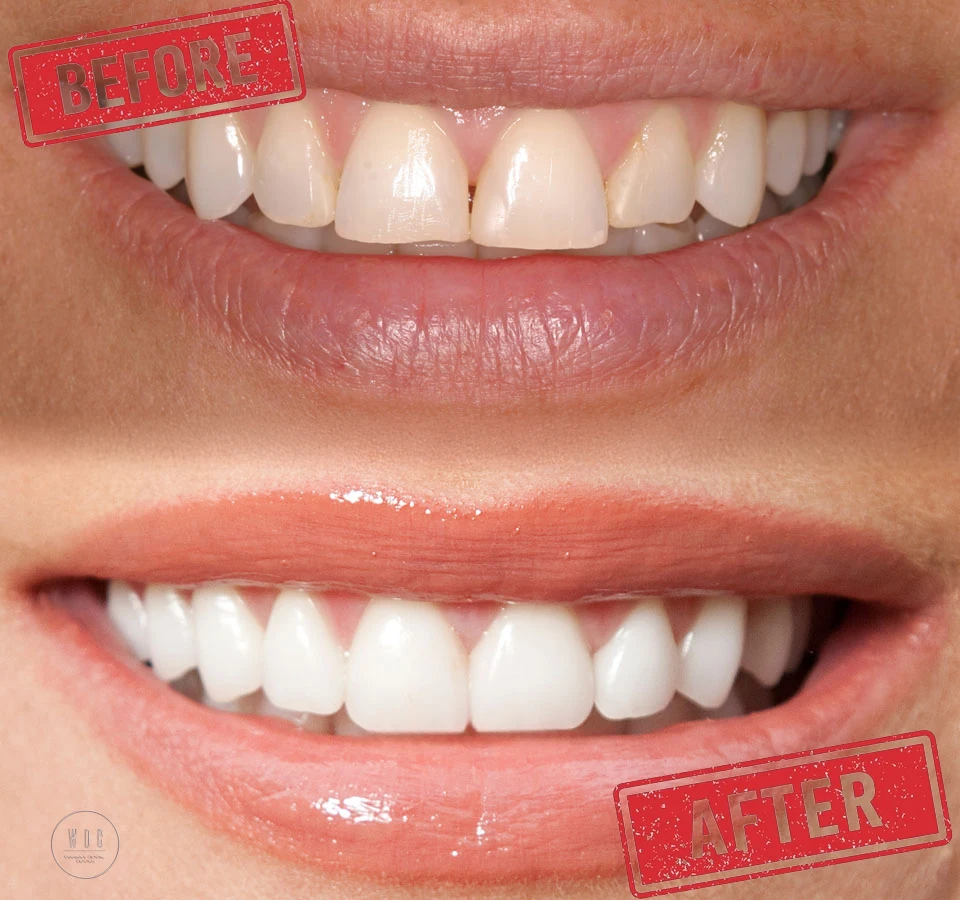
Dental bonding is one of the fastest and most affordable ways to improve your smile without invasive procedures. At our clinic in central Warsaw, patients often choose bonding as a cosmetic alternative to veneers or crowns — especially when they want quick results at a reasonable price. As a dentist with many years of experience in cosmetic dentistry, I am often asked: How much does dental bonding cost in Warsaw, and when is it the right choice? In this article, I will explain what bonding is, what benefits it offers, how much it costs in 2025, and how it compares to other treatments. What is dental bonding? Bonding involves applying a tooth-colored composite resin directly onto the tooth surface to improve its shape, size, or color. With this method, we can: close gaps between teeth (diastema), rebuild chipped or fractured enamel, lengthen teeth that appear too short, cover stains or discoloration. The treatment is completely painless, does not require anesthesia, and can be done in a single visit. Dental bonding price in Warsaw At Warsaw Dental Center, the cost of dental bonding is 1,000 PLN per tooth. For comparison: a composite filling costs 700–800 PLN, a porcelain veneer costs around 4,000 PLN, a ceramic crown starts at 2,500 PLN. 👉 This makes bonding an excellent middle-ground solution — less expensive than veneers, but more aesthetic than a regular filling. Check our full price list here When is bonding the best choice? Bonding is ideal for patients who want a quick and affordable improvement in smile aesthetics. It works particularly well in cases such as: small gaps between teeth, reshaping front teeth, restoring chipped edges, masking stains that do not respond to whitening. For larger corrections or when maximum durability is needed, we recommend veneers or ceramic crowns. Benefits of dental bonding immediate results (usually in one appointment), non-invasive and painless procedure, no drilling or reduction of natural tooth structure, more affordable than veneers, reversible — bonding can be removed or replaced if necessary. How does the procedure work? Consultation – the dentist examines your teeth and selects the right shade. Surface preparation – the tooth is cleaned and gently etched. Application of composite resin – the dentist sculpts the material to the desired shape. Curing with a special light – hardening the composite. Polishing – achieving natural shine and smooth finish. The entire procedure usually takes 30–60 minutes per tooth. How long does bonding last? With proper care, dental bonding lasts between 3 and 5 years. Lifestyle habits (coffee, tea, wine) may affect discoloration. To maintain results, we recommend regular check-ups and professional hygiene appointments. FAQ – Common questions about bonding Is bonding painful?No, it is painless and usually does not require anesthesia. How much does bonding cost in Warsaw?The price is 1,000 PLN per tooth at our clinic. Can bonding be combined with whitening?Yes, but whitening should be done first (see our whitening offer here), followed by bonding to match the shade. Does bonding damage natural teeth?No, bonding is non-invasive and preserves healthy tooth structure. Conclusion Dental bonding is a fast, painless, and cost-effective way to improve your smile. At Warsaw Dental Center, we use advanced materials and techniques to achieve natural and aesthetic results. If you are considering a smile makeover, bonding might be the perfect solution for you. 👉 Book your consultation today and discover how easily you can transform your smile. Medical Director, DDS, MSc Urszula Leończak

Differences Between Tooth Bonding and Porcelain Veneers : what you should know.
Many people wonder what the difference is between tooth bonding and porcelain veneers. Both procedures are popular in cosmetic dentistry and help improve the appearance of a smile, but they differ in terms of materials, durability, and cost. In this article, we will answer the most frequently asked questions about tooth bonding and porcelain veneers to help you choose the best solution for your needs. What is tooth bonding and porcelain veneers? Tooth bonding is a procedure in which a composite resin material is applied to the tooth’s surface, shaped by the dentist to cover imperfections such as cracks, discolorations, or unevenness. Bonding is ideal for minor aesthetic corrections and repairing small tooth damage. Porcelain veneers are thin shells made of porcelain that are bonded to the front surface of the tooth. Veneers are used to significantly improve the shape, color, and appearance of teeth. They are a more advanced option than bonding and are intended for long-lasting aesthetic changes. What are the differences in durability between bonding and veneers? Durability is one of the key aspects that distinguish tooth bonding from porcelain veneers: – Tooth bonding: Bonding lasts between 3 to 10 years, depending on oral care and the patient’s habits. Composite material is less resistant to stains and damage than porcelain, which may require more frequent repairs or adjustments. – Porcelain veneers: Porcelain veneers are much more durable, often lasting between 10 to 20 years. Porcelain is more resistant to stains and damage, making veneers a long-term investment in a beautiful smile. What is the difference in the procedure for bonding and veneers? Tooth bonding is a quick and painless procedure that can be completed in a single visit to the dentist. The dentist prepares the tooth, applies the composite material, and then sculpts and hardens it with UV light. The entire procedure takes about 30 to 60 minutes per tooth. Porcelain veneers usually require two or more visits. In the first visit, the dentist removes a small amount of enamel from the tooth surface, then takes an impression, which is sent to a laboratory. During the second visit, the finished veneers are bonded to the teeth. This process is more time-consuming and requires greater precision. Which procedure is more aesthetic? In terms of aesthetics, porcelain veneers are generally considered more advanced: – Tooth bonding: Composite material mimics the natural color of teeth well but may discolor over time, especially in individuals who consume coffee, tea, or smoke. – Porcelain veneers: Porcelain is known for its excellent replication of the natural tooth structure and is resistant to staining. As a result, the smile looks natural and fresh for a longer time. What is the price difference between tooth bonding and porcelain veneers? The cost of tooth bonding is significantly lower than porcelain veneers, making bonding a more affordable option for patients looking for quick and economical cosmetic solutions. – Tooth bonding: The cost of the procedure ranges from 300 to 800 PLN per tooth, depending on the clinic and materials used. – Porcelain veneers: Porcelain veneers typically cost between 1,500 to 2,500 PLN per tooth. The higher price is due to the durability and aesthetic quality that porcelain provides. When should you choose bonding and when porcelain veneers? Tooth bonding is a good option if you need a quick, less invasive repair of minor cosmetic defects. It’s ideal if you want to: – Correct small imperfections – Remove discolorations – Change the shape or length of your teeth Porcelain veneers are a better choice if you are looking for a long-lasting, more aesthetic, and damage-resistant solution. Veneers are recommended when: – Teeth require significant corrections in shape or color – You want a long-term, aesthetic solution – You need excellent resistance to stains Conclusion Choosing between tooth bonding and porcelain veneers depends on your needs, budget, and expectations regarding durability and aesthetics. Tooth bonding is quicker, cheaper, and less invasive, ideal for minor corrections. Porcelain veneers are a long-term investment, providing a lasting and aesthetic result. It’s worth consulting with a dentist who will help you choose the right solution. Source: www.forbes.com www.sciencedirect.com
Benefits of Cosmetic Dentistry you didn’t know
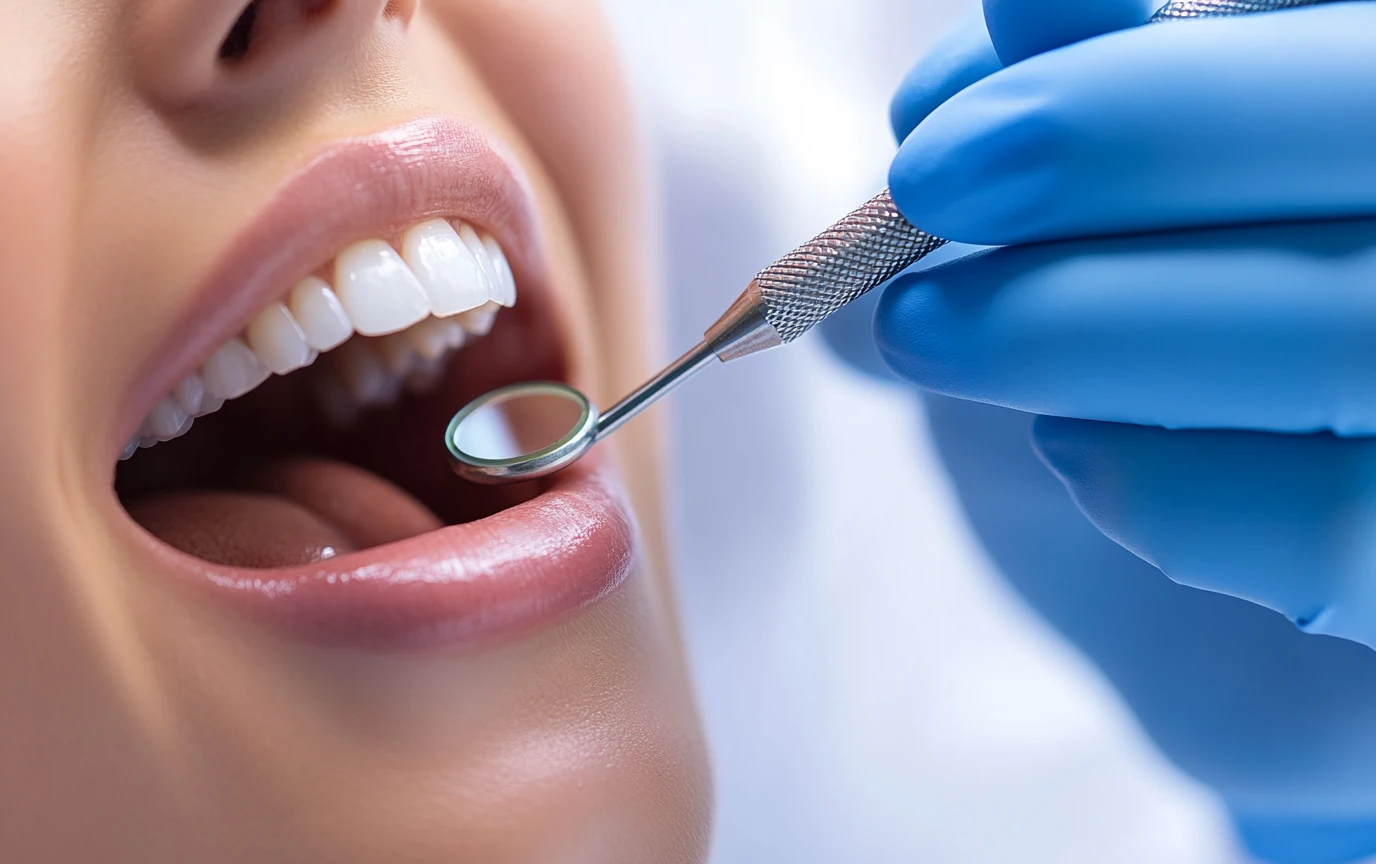
Modern cosmetic dentistry in Warsaw, at Warsaw Dental Center offers many benefits for those looking to enhance the appearance and health of their smile. More and more people are seeking solutions that not only improve oral health but also enhance the aesthetics of their teeth. Below, we outline the 7 key benefits of cosmetic dentistry that are worth considering. 1. Improve the Shape and Color of Your Teeth One of the biggest advantages of cosmetic dentistry is the ability to improve the appearance of your teeth. With modern technology and advanced techniques, dentists in Warsaw can correct a variety of issues such as crooked teeth, gaps, discoloration, or cracks. Treatments like veneers, teeth whitening, and bonding can transform your smile, making it brighter and more uniform. 2. Boost Your Confidence Aesthetic improvements to your teeth have a huge impact on self-confidence. A beautiful smile makes you feel more secure in your interactions with others. Investing in cosmetic dental treatments can not only improve your oral health but also give you the confidence to face everyday life with a smile. 3. Enhance Chewing and Speech Functions In addition to enhancing appearance, many dental treatments also improve the functionality of your teeth. Correcting bite issues or replacing missing teeth can greatly improve your chewing efficiency and speech clarity. These treatments are especially important for those with more severe dental problems, as they offer both aesthetic and functional benefits. 4. Increase Tooth Durability Cosmetic procedures like veneers, crowns, and bonding not only improve the appearance of your teeth but also protect them from further damage. Strengthening the structure of your teeth reduces the risk of future problems like cracks, cavities, and wear. 5. Protection Against Future Damage Improving the aesthetics of your teeth often goes hand in hand with preventive measures to stop further damage. Cosmetic fillings and veneers provide an extra layer of protection, helping to maintain the health of your teeth over time. 6. Quick and Painless Procedures Thanks to technological advancements, many cosmetic procedures are now quick and virtually painless. For instance, teeth whitening can be done in just a few hours, with results visible almost immediately. These quick treatments allow you to get back to your routine without prolonged recovery times. 7. Long-lasting Results Most cosmetic dental treatments provide long-lasting results, keeping your smile looking great for many years. Regular dental check-ups and proper oral hygiene will help maintain the appearance of your teeth and prolong the effects of treatments. Popular Cosmetic Dentistry Procedures in Warsaw In Warsaw, you have access to a wide range of cosmetic procedures, such as Invisalign, veneers, crowns, bonding, and teeth whitening. These treatments can be tailored to meet the specific needs of each patient, ensuring both aesthetic and functional outcomes. Warsaw Dental Center: Your Premier Choice for Cosmetic Dentistry When it comes to enhancing your smile, Warsaw Dental Center stands out as the top choice for cosmetic dentistry in Poland’s capital. Recognized as the leading dental clinic in Warsaw, this state-of-the-art facility combines cutting-edge technology with a team of highly skilled professionals to deliver exceptional results. At Warsaw Dental Center, patient comfort and satisfaction are paramount. The clinic offers a comprehensive range of cosmetic dental services, including veneers, teeth whitening, and dental bonding, all tailored to meet your unique needs. With over 8,000 satisfied patients, their expertise in creating dazzling smiles is well-established. What sets Warsaw Dental Center apart is their commitment to using advanced techniques and the latest dental technology. Their dentists, trained at prestigious institutions, ensure that every procedure is performed with precision and care. The clinic’s patient-centric approach means you’ll receive personalized treatment in a comfortable, welcoming environment. Choose Warsaw Dental Center for your cosmetic dentistry needs, and experience the perfect blend of expertise, technology, and compassionate care. Your dream smile is just a visit away at this top-rated dental clinic in Poland. Final thoughts: Warsaw Dental Center, at the heart of Warsaw Poland, offers a variety of procedures that can enhance and accentuate not only the appearance of your smile but also the function of your teeth and boost your overall confidence. Whether you’re looking for teeth straightening, whitening, or bite correction, our skilled doctors and use of modern technology ensures that anyone can enjoy a healthy and beautiful smile.
Dental bonding in Warsaw, our expert dentists explains the procedure costs, durability and after care.
Dental bonding in Warsaw is one of the most popular methods for improving the aesthetics of a smile. If you’re considering this treatment, you probably have a few questions. In this article, we will answer the three most frequently asked questions about tooth bonding, focusing on costs, durability, and comfort. You’ll also learn about the factors that influence the price of dental bonding in Warsaw and where to find the best specialists. How Much Does Dental Bonding Cost in Warsaw? The cost of dental bonding in Warsaw depends on many factors, such as the dentist’s experience, the clinic’s location, and the materials used. On average, the price of dental bonding in Warsaw ranges from 500 to 1200 PLN per tooth. Here are the factors affecting the price: – Extent of the procedure: Repairing minor damage will be cheaper than a full reconstruction of several teeth. – Dentist’s experience: Specialists with years of experience may charge higher fees due to the quality of service. – Composite materials: Higher quality materials are more durable and aesthetically pleasing, which can influence the price. – Clinic location: Clinics in central districts of Warsaw may have higher prices than those on the outskirts. To get an accurate estimate, it’s best to consult directly with Dr. Natalia Rogulska at Warsaw Dental Center. How Long Does Dental Bonding Last? The durability of tooth bonding typically ranges from 3 to 10 years, depending on several factors: – Oral hygiene: Regular brushing, flossing, and dental check-ups can prolong the life of the bonding. – Patient habits: Avoid habits such as biting nails, using teeth to open bottles, or chewing hard objects. – Diet: Limiting the consumption of coffee, tea, red wine, and other staining products helps maintain the bonding’s appearance. – Quality of the work: Bonding performed by an experienced dentist in a reputable clinic ensures better durability. Keep in mind that composite material used in bonding is less resistant to stains and damage than porcelain veneers. However, proper care can significantly extend its lifespan. Is Dental Bonding Painful? Tooth bonding is a painless and non-invasive procedure. Here’s what you should know about the comfort during the procedure: – No need for anesthesia: In most cases, anesthesia is not required, as the procedure involves applying composite material to the tooth’s surface. – Quick procedure: The treatment takes between 30 minutes to 1 hour per tooth, minimizing patient discomfort. – No interference with tooth structure: Unlike other cosmetic treatments, bonding does not require grinding or removing healthy tooth tissue. Patients rarely experience any discomfort during or after the procedure. However, if you have any concerns, you can always discuss them with your dentist before starting the treatment. Where to Get Dental Bonding in Warsaw? Warsaw offers many reputable dental clinics specializing in dental bonding. When choosing a clinic, consider: – Patient reviews: Check feedback and recommendations from other patients. – Dentist’s experience: Choose a specialist with proven experience in aesthetic procedures. – Technology and materials: Ensure that the clinic uses modern composite materials and equipment. We invite you to schedule an appointment with Dr. Natalia Rogulska at Warsaw Dental Center, who specializes in tooth bonding procedures. Conclusion Dental bonding in Warsaw is an excellent solution for those looking to quickly and effectively improve the aesthetics of their smile. Knowing the answers to the most frequently asked questions – regarding costs, durability, and comfort – can help you make an informed decision about undergoing this procedure. Remember, investing in your smile is an investment in your confidence and well-being. relevant links for further research: https://www.webmd.com/oral-health/dental-bonding https://en.wikipedia.org/wiki/Dental_bonding https://www.healthline.com/health/dental-and-oral-health/teeth-bonding

Frequently Asked Questions About Tooth Bonding – A Complete Guide
Tooth bonding is one of the most popular dental procedures for improving the aesthetics of a smile. It is a quick and painless method to repair minor tooth damage and enhance their appearance. Below we answer the most frequently asked questions about bonding to help you better understand this procedure and its benefits. What is tooth bonding? Tooth bondingis a procedure in which a composite resin material is applied to the tooth surface. The dentist then sculpts the material to cover imperfections such as cracks, discolorations, or gaps between the teeth. Bonding can also be used to lengthen or reshape a tooth. What are the benefits of tooth bonding? The benefits of tooth bonding include: – Speed – The procedure typically takes 30 minutes to 1 hour per tooth. – Painless – Bonding does not require anesthesia as it does not deeply interfere with the tooth structure. – Cost– The cost of tooth bonding is lower than other aesthetic treatments, such as veneers or crowns. Is tooth bonding durable? Yes, but the durability of tooth bonding depends on several factors. With proper oral hygiene and regular dental check-ups, bonding can last between 3 to 10 years. Composite material is less durable than porcelain, so it may discolor or become damaged if not properly cared for. How much does tooth bonding cost? The cost of tooth bonding varies depending on the location and scale of the procedure. On average, in Poland, the cost ranges from 300 to 600 PLN per tooth. In high-end dental clinics, the price may be higher due to the quality of materials used and the dentist’s experience. How long does tooth bonding take? Tooth bonding is a relatively quick procedure, taking 30 minutes to 1 hour per tooth. The time depends on the size of the surface that needs repair and the number of teeth being bonded. Is tooth bonding painful? No, tooth bonding is a painless procedure. In most cases, it does not require anesthesia unless larger cavities or tooth reconstruction are needed. What are the indications for tooth bonding? Bonding is ideal for individuals who want to improve the appearance of their teeth without invasive procedures. The most common indications include: – Discoloration that cannot be removed with whitening – Cracks or chips in the teeth – Small gaps between teeth – Changing the shape or length of teeth – Repairing worn-down enamel What are the limitations of tooth bonding? While tooth bonding has many advantages, there are some limitations. The composite resin used in bonding is not as stain-resistant as porcelain, so it may discolor over time. Additionally, bonding is not as durable as porcelain veneers, meaning it may require more frequent repairs. How should you care for teeth after bonding? To keep your tooth bonding in good condition, it’s recommended to: – Avoid consuming foods and drinks that can stain, such as coffee, tea, or red wine. – Brush your teeth regularly with a soft-bristle toothbrush and use low-abrasion toothpaste. – Avoid biting on hard objects like nuts, pencils, or nails, which could damage the bonding. – Visit your dentist regularly for check-ups to monitor the condition of the composite. Can bonding be done on front teeth? Yes, tooth bonding on front teeth is a popular method to improve the aesthetics of a smile. Bonding allows for correcting the shape, color, and damage of front teeth, making the smile look more attractive. What are the differences between bonding and veneers? Tooth bonding and veneers differ in terms of material and durability. Veneers are thin porcelain shells that are more durable and resistant to stains than the composite resin used in bonding. On the other hand, tooth bonding is a cheaper and less invasive procedure, though it may require more frequent repairs. Conclusion Tooth bonding is a quick, painless, and relatively affordable method to improve the appearance of teeth, available in many dental clinics. With modern composite materials, it’s possible to repair cracks, discolorations, or gaps between teeth in an aesthetic and comfortable manner. If you’re considering tooth bonding, consult dr Natalia Rogulska at Warsaw Dental Center to see if this procedure is right for you. Relevant links for further research: https://jada.ada.org/article/S0002-8177(14)65275-2/fulltext https://meridian.allenpress.com/operative-dentistry/article/38/6/E237/206253/Comparison-of-Enamel-and-Dentin-Shear-Bond
Diastema – what is it and is it worth removing?
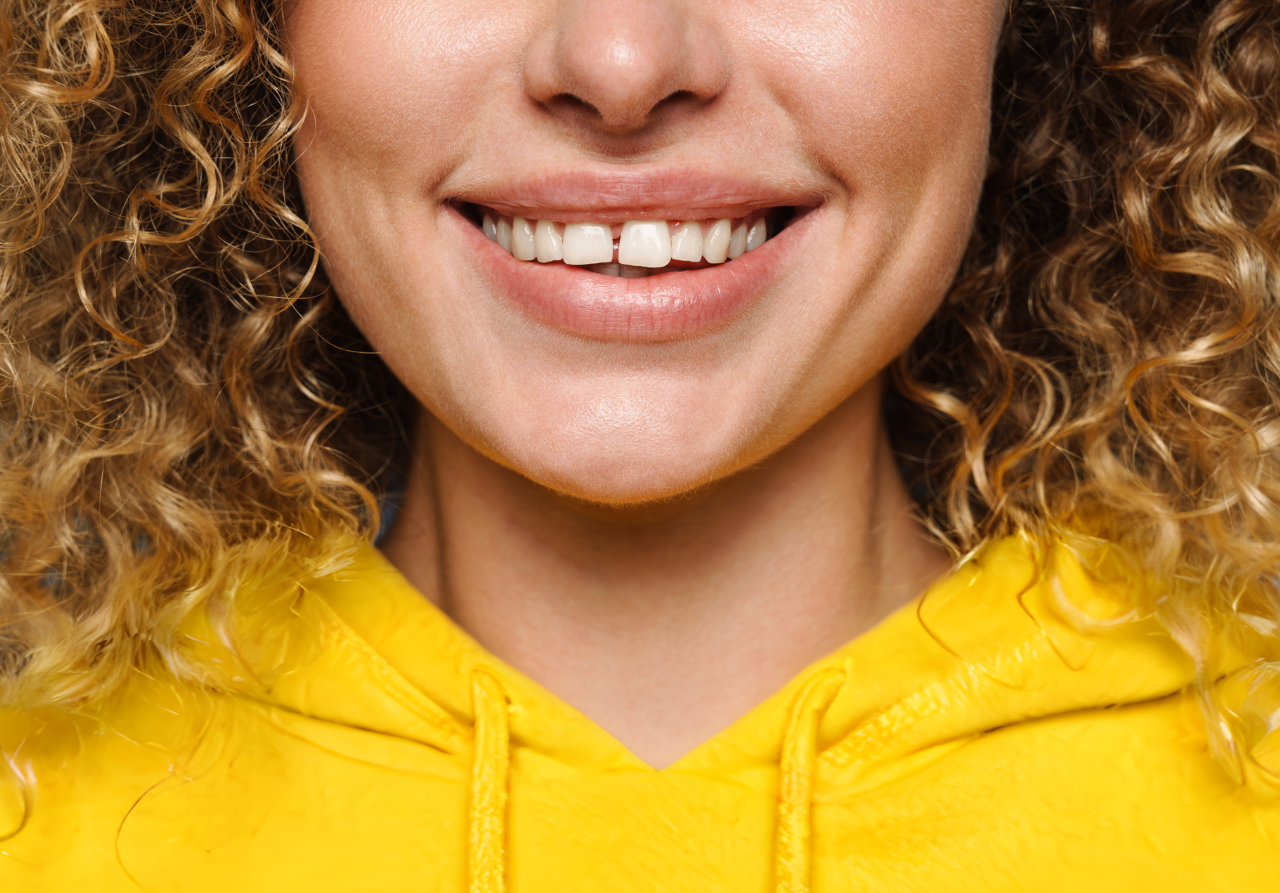
Diastema – what is it? Diastema refers to the gap between teeth, occurring when the space exceeds 0.5 mm. It is most commonly observed between the upper front teeth in both adults and children. There are several types of diastemas, differing in the arrangement of teeth relative to each other: Parallel diastema – when the teeth are aligned parallel to each other. Divergent diastema – when the lower tooth ends are apart, with roots close to each other. Convergent diastema – when the tooth crowns are inclined towards each other, with roots apart. In terms of the cause, the following can be distinguished: Physiological diastema – usually occurring in children between the ages of 7 and 9 when baby teeth are replaced by permanent ones. True diastema – resulting from various factors such as an overgrowth of the labial frenulum, malocclusion, or missing teeth. Pseudo diastema – associated with the absence of lateral incisors, reduction in their size, or the presence of an extra tooth. Discussing diastema is important for understanding issues related to dental alignment and making appropriate dental interventions. How to effectively treat diastema between teeth – best methods for closing the gap Treating diastema, or the gap between teeth, can be effective through various methods, depending on its cause. When opting for treatment, it is important to seek professional dental services where a dentist will choose the appropriate therapy, ensuring effectiveness and durability of the results. Treatment of diastema often relies on orthodontic therapy, using fixed, removable, or clear aligners. This process may be time-consuming, but after its completion, it’s essential to maintain the achieved result through proper retention. In the case of convergent diastema, therapy with fixed braces is the only effective treatment method. However, divergent diastema can also be corrected using removable orthodontic appliances. The final choice of treatment method depends on the size of the diastema and the patient’s age. If the absence of one tooth is the cause of diastema, implantation may be an effective treatment option. In cases of excessive tooth presence, extraction may be necessary before commencing orthodontic treatment. Consultation with an experienced dentist will allow the selection of the most effective method for treating diastema, tailored to the individual needs of the patient. Diastema – the value of treatment and health benefits Diastema, or the gap between teeth, may be more than just an aesthetic flaw. Exceeding 2 mm in width, it is classified as a malocclusion, suggesting the need for treatment. This is not just a matter of appearance but also of oral health. It promotes the development of periodontal diseases and can impede proper pronunciation. For some people, diastema is a source of complexes, while for others, it’s an element of their beauty. Some celebrities proudly showcase their smiles with visible gaps between teeth, while others opt for their removal. Regardless of the decision, it’s important to remember oral health. Even a small diastema may require attention to prevent dental problems. Regular cleaning of interdental spaces and the use of dental floss are important for maintaining oral hygiene. It’s also important to consult with an experienced dentist who can advise on the best steps to take. Treating diastema can improve not only the appearance of the smile but also oral health, providing greater confidence and communication comfort. Gap between front teeth – charm or problem to solve? People’s attitudes towards diastema can vary. For some, it’s a characteristic feature that adds charm to their smile, while others perceive it negatively. However, in some cases, diastema can be a significant malocclusion, requiring intervention. Removing diastema can be a matter of patient preference if it’s solely an aesthetic imperfection. However, for those who wish to eliminate this feature, there are effective solutions such as veneers or bonding, which can quickly and effectively correct this flaw.
Bonding teeth Warsaw. What is its cost?
What is Tooth Bonding and Why Should You Consider It? Tooth bonding is a fast, non-invasive procedure that is becoming increasingly popular and receiving numerous positive reviews. But what exactly is bonding and why should you consider this solution? Bonding relies on the principle of adhesion, eliminating the need for tooth grinding and enamel damage. During this procedure, a dentist applies a special composite resin directly to the teeth, also used in treating cavities. Through adhesion, the composite forms a tight seal, allowing for the correction of minor cavities, cracks, and discolorations while preserving the integrity of the enamel. The flexibility of the composite offers wide possibilities for correcting the appearance of teeth, allowing the dentist to precisely match the shape and color of the material to the natural shade of your teeth. This achieves a beautiful and natural smile without the need to interfere with the tooth structure. Thus, bonding is an effective solution for individuals wishing to improve the appearance of their teeth in a simple and safe manner. When Can Bonding Be Done? Bonding, as a cosmetic procedure, is ideal for minor aesthetic improvements. Here are situations where this procedure is worth considering: Masking minor enamel imperfections: If you have minor scratches or other small defects on the surface of your teeth, bonding can effectively conceal them. Reducing discoloration: This treatment is an effective way to reduce the visibility of discolorations on the tooth surface, such as stains from coffee or smoking. Closing small gaps between teeth: If you have small gaps between your teeth, bonding can help close them, improving smile aesthetics. Correcting tooth shape: Bonding can be used to change the shape of teeth, giving them a more harmonious form. Temporary smile improvement before prosthetic reconstruction: If you are planning more advanced prosthetic treatment, bonding can temporarily enhance the appearance of your smile, giving you confidence until a full reconstruction is performed. However, bonding is not suitable for larger tooth defects or significant aesthetic corrections. Additionally, it is not recommended for patients expecting long-lasting effects, as its durability may be limited. It’s also important to remember that bonding can only be applied to healthy teeth. In cases of decay or periodontal disease, these conditions must be treated before undergoing cosmetic procedures. What Is the Cost of Tooth Bonding? The cost of tooth bonding may depend on various factors, including the extent of smile correction and the number of teeth involved in the procedure. Typically, it is also recommended to treat all teeth and apply fillings in case of cavities. In our clinic, the price for this procedure is 900 Polish złoty. However, additional costs such as radiological examinations may be added to this price, but you will receive an exact quote during your consultation visit. Does Health Insurance Cover the Cost of Bonding? Check if your policy covers these expenses. Health insurance may partially or fully cover the costs associated with bonding. However, it’s important to note that terms and limitations vary depending on the policy. Before opting for this procedure, make sure your health insurance covers it, and whether it covers part or all of the procedure costs. If you are considering bonding but are concerned about the costs, consult your insurance agent or physician to find out if there is a possibility of coverage through your policy. It’s also worth checking insurers’ offerings on their websites for more information on coverage for bonding costs and other medical procedures.
Cosmetic dentistry – what does tooth reconstruction involve?
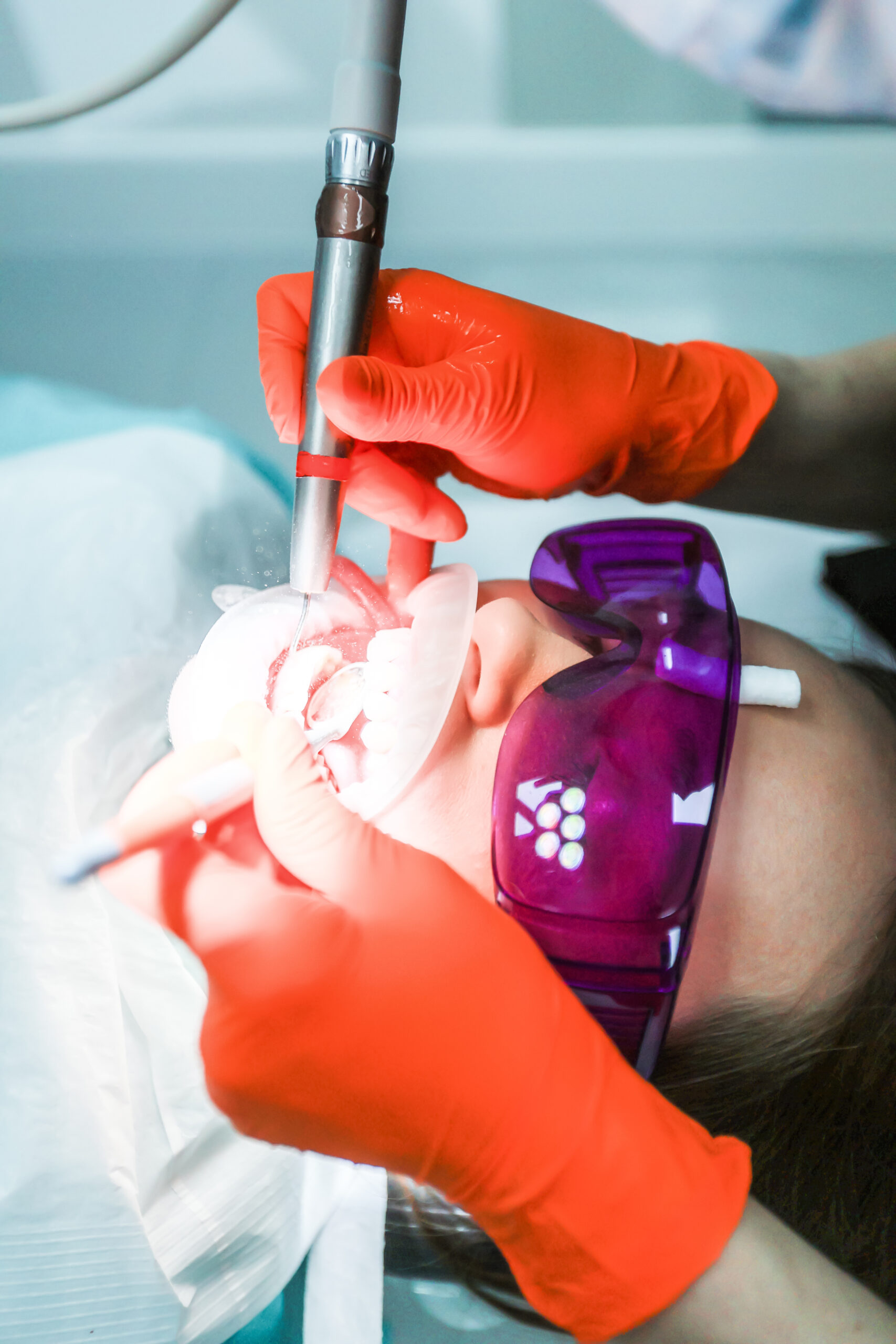
Aesthetic Dentistry offers the possibility of comprehensive tooth reconstruction, even in situations where they are seriously damaged. The only condition is the preservation of a larger part of the visible part of the tooth, i.e., the crown. The aim of aesthetic tooth reconstruction is to restore their natural appearance by filling in tooth gaps and correcting their shape, color, and alignment. Methods of Aesthetic Tooth Reconstruction Renowned dental clinics use high-quality materials that perfectly mimic the natural shape and color of teeth. Even the most complex cases, such as damage, discoloration, or fractures of teeth, can be effectively repaired using one of the following methods, restoring a beautiful and confident smile to the patient. Veneers Aesthetic reconstruction of front teeth often involves the use of veneers. These are delicate porcelain shells that are applied to the teeth and securely attached to them. Thanks to the properties of porcelain, which diffuses natural light, the teeth look very natural. Veneers can be used provided there is a sufficient presence of enamel both quantitatively and qualitatively. Their purpose is to mask various imperfections of teeth, such as damage, gaps between teeth, discoloration, and surface irregularities (reconstruction of tooth enamel). Before applying veneers, all bite defects, decay, and gum inflammation should be treated. It is also recommended to whiten the teeth before starting prosthetic treatment using veneers. Dental Crown After root canal treatment or in the case of a tooth fracture, a dental crown is used for its reconstruction. The crown covers the tooth, restores its natural appearance, strengthens it, and provides comfort similar to that of natural teeth. It can be made of porcelain fused to a sturdy substructure or composite. The process of making a crown involves grinding the tooth using local anesthesia. The reconstruction of a fractured tooth involves placing the finished crown using special cement, which has adhesive properties and is selected according to the color in the case of all-ceramic crowns. In the case of crowns on a metal substructure, color matching of the cement is not necessary. There are three types of crowns: full, three-quarter, and half crowns. Each case is considered individually to minimize potential side effects and achieve the desired effects. Porcelain crowns are considered the most aesthetic and are therefore most commonly used in dentistry. Additionally, they are extremely durable and present well. The average lifespan of a porcelain crown is about 10 years. Tooth Reconstruction Using Glass Fibers One of the most popular methods of repairing a fractured tooth is reconstruction using glass fiber posts. These fibers are characterized by durability, aesthetics, and a natural color that they impart to the teeth. This method is particularly recommended for tooth reconstruction after root canal treatment. The anterior tooth reconstruction procedure can be performed during a single visit to the dental office, making it an ideal solution for emergency cases. Importantly, it does not require grinding of adjacent teeth. However, it should be noted that this technique is not recommended for molars (6, 7, 8) due to significant loads. Glass fibers are not necessary in all tooth reconstruction procedures, but they are extremely useful where the dentist needs greater mechanical strength of a specific tissue fragment. Their use brings benefits due to their adhesive properties, allowing for the restoration of proper tooth function and better distribution of chewing forces. Additionally, reinforcement using glass fibers can be used to improve tooth stiffness, which affects their functionality. Aesthetic Tooth Reconstruction – Is it Worth It? It is not worth underestimating chips and tooth defects, as they not only affect appearance but also oral health. Reconstruction of cracked or chipped teeth does not have to involve high costs, but neglect can significantly increase the final expenses for treatment. If you are considering aesthetic tooth reconstruction, we warmly invite you to our clinic. On our website, you will find detailed information about prosthetics and aesthetic dentistry, a price list of dental services, and contact information. Contact us by phone or email to schedule a visit and establish a treatment plan. We are looking forward to seeing you!
What is dental bonding?
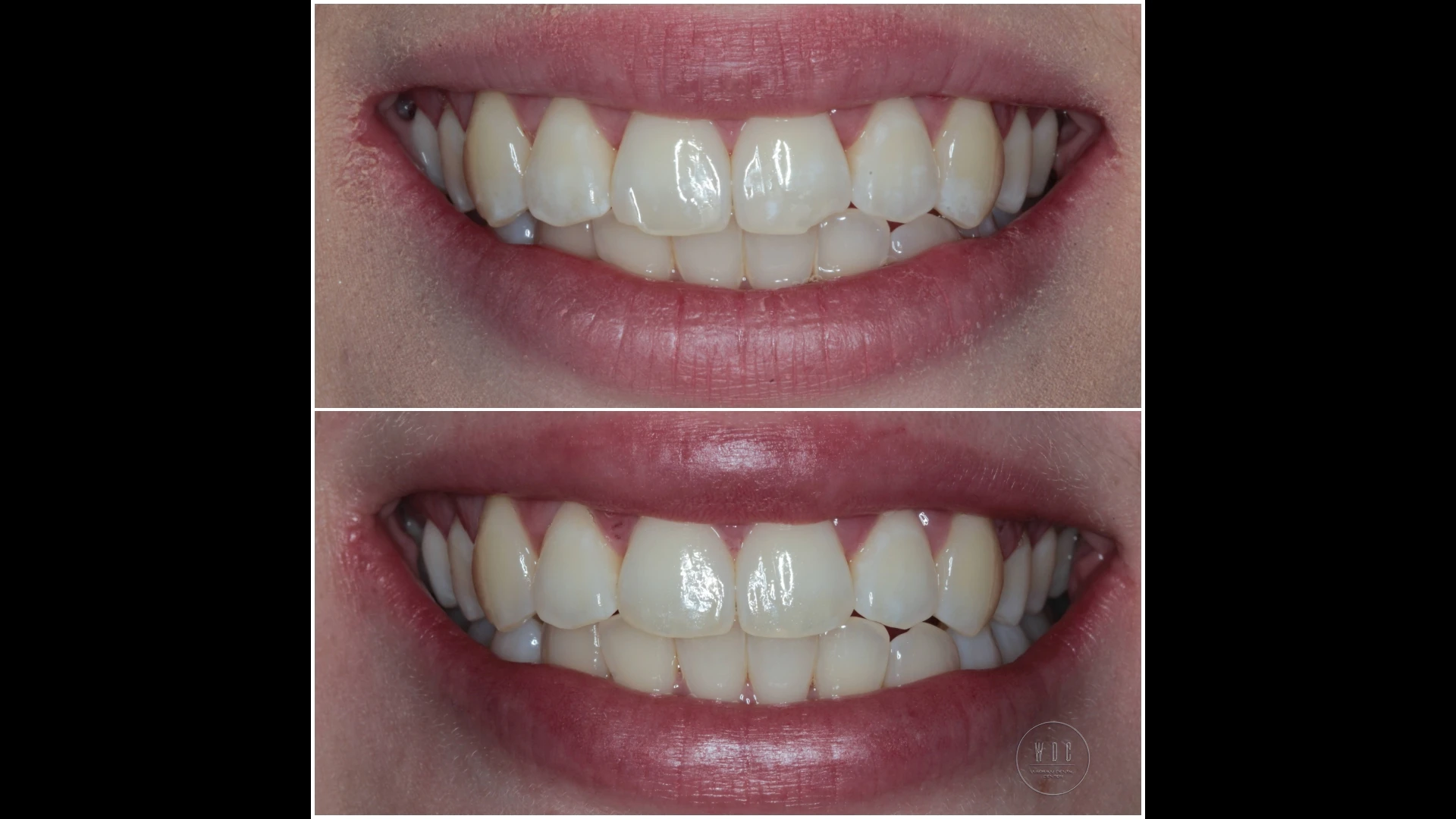
Dr Natalia Rogulska patient success story Composite veneers, also known as dental bonding, are a method of tooth restoration often used as an alternative to ceramic (porcelain) veneers. We asked our team of top specialists in Warsaw, including Dr. Natalia Rogulska, questions to familiarize you with the topic of bonding. What is Tooth Bonding? Tooth bonding is a minimally invasive procedure aimed at improving the aesthetics of one or more teeth using composite material. It is worth emphasizing that these composites perfectly mimic the structure of tooth tissues, consisting of precisely combined various chemical components. What are the Advantages of Bonding? According to Dr. Natalia Rogulska, one of the advantages of composite veneers is their excellent match to the patient’s natural tooth color, resulting in a harmonious, stunning effect. Dental bonding is gaining increasing popularity due to its high level of aesthetics and quick execution. Another advantage is the significantly lower cost compared to traditional ceramic (porcelain) veneers, making this method more economical. When to Consider Dental Bonding? We asked the top doctors from the heart of Warsaw – Warsaw Dental Center. The most common indication for this procedure is surface damage to the crown, especially various types of cavities, chips, or cracks. In the case of minor damage, instead of using a crown or veneer, a special composite material can be applied, which bonds with the hard tissue of the crown, adhering perfectly to it. Dental bonding can also be performed for aesthetic reasons, such as discoloration of individual teeth or minor differences in their length or width. The procedure is also used for diastemas and to eliminate gaps between teeth. Dr. Natalia Rogulska emphasizes that the procedure does not require intervention in the natural structure of the teeth. This makes it a reversible procedure, recommended for individuals who have not yet decided on a permanent solution or currently cannot afford porcelain veneers. The procedure is entirely safe, painless, and simple to perform, as confirmed by numerous procedures conducted at Warsaw Dental Center and the smiles of many satisfied patients from Warsaw and all over Poland. This is a significant advantage for those who cannot or should not use anesthesia at the moment. However, it is worth remembering that dental bonding is not as durable as veneers or crowns, so it may need to be repeated every few years. What are the Effects and Durability of Bonding? Using composite material restorations can be an alternative to veneers. This method is not as durable as a porcelain veneer but allows for gentle modification of the shape and appearance of teeth. Bonding allows for concealing minor chips and other mechanical damages without the need for grinding the crown, as required when using porcelain veneers. The effect is not permanent. Over time, teeth may get damaged, discolored, and lose their initial appearance. Regular check-ups are essential to maintain the effect of the procedure. At Warsaw Dental Center, we estimate the lifespan of composite material restorations to be around three to five years. Bonding vs. Whitening Bonding is often confused with whitening. The difference is that with whitening, teeth are lightened using a chemical preparation. With bonding, the shade of the tooth can only be minimally changed by applying a layer of composite material. To achieve a more significant color difference, a much thicker layer of material would be needed, which would give an unnatural effect. It is worth noting that dental bonding is most often used on individual teeth that have been damaged or have permanent discoloration, while whitening is applied to all teeth. Contraindications for Dental Bonding To perform the procedure, the teeth must be free of decay, and the periodontium should not show signs of inflammation. Special caution should be exercised with patients with bruxism, as uncontrolled grinding or clenching of teeth can significantly affect the durability of the effect. Such patients should be provided with a special protective splint and frequent check-ups. For patients who smoke, due to the risk of discoloration, veneers are recommended. Before the procedure, we recommend consulting one of the experienced doctors at Warsaw Dental Center, who will assess the condition of the oral cavity and discuss possible contraindications. Bonding vs. Veneers When choosing a method of tooth restoration, it is essential to consider that the final decision at Warsaw Dental Center always belongs to the patient. However, it is recommended to listen to the doctor’s opinion. For young patients whose teeth are healthy, the bite function is preserved, and the goal is only to improve minor aesthetic flaws, bonding can be an effective solution. In the case of comprehensive restoration of damaged teeth, it is worth considering investing in porcelain restoration, which provides more spectacular and lasting results. Cost of Bonding in Warsaw At our Warsaw clinic, the cost of bonding is one thousand złoty per tooth. During the consultation, the doctor thoroughly explains the entire procedure, assesses the condition of the teeth, and determines the cost based on the number of teeth on which the procedure will be performed. Article written on January 01, 2024 and updated on June 30, 2024 based on the latest technology and research.