

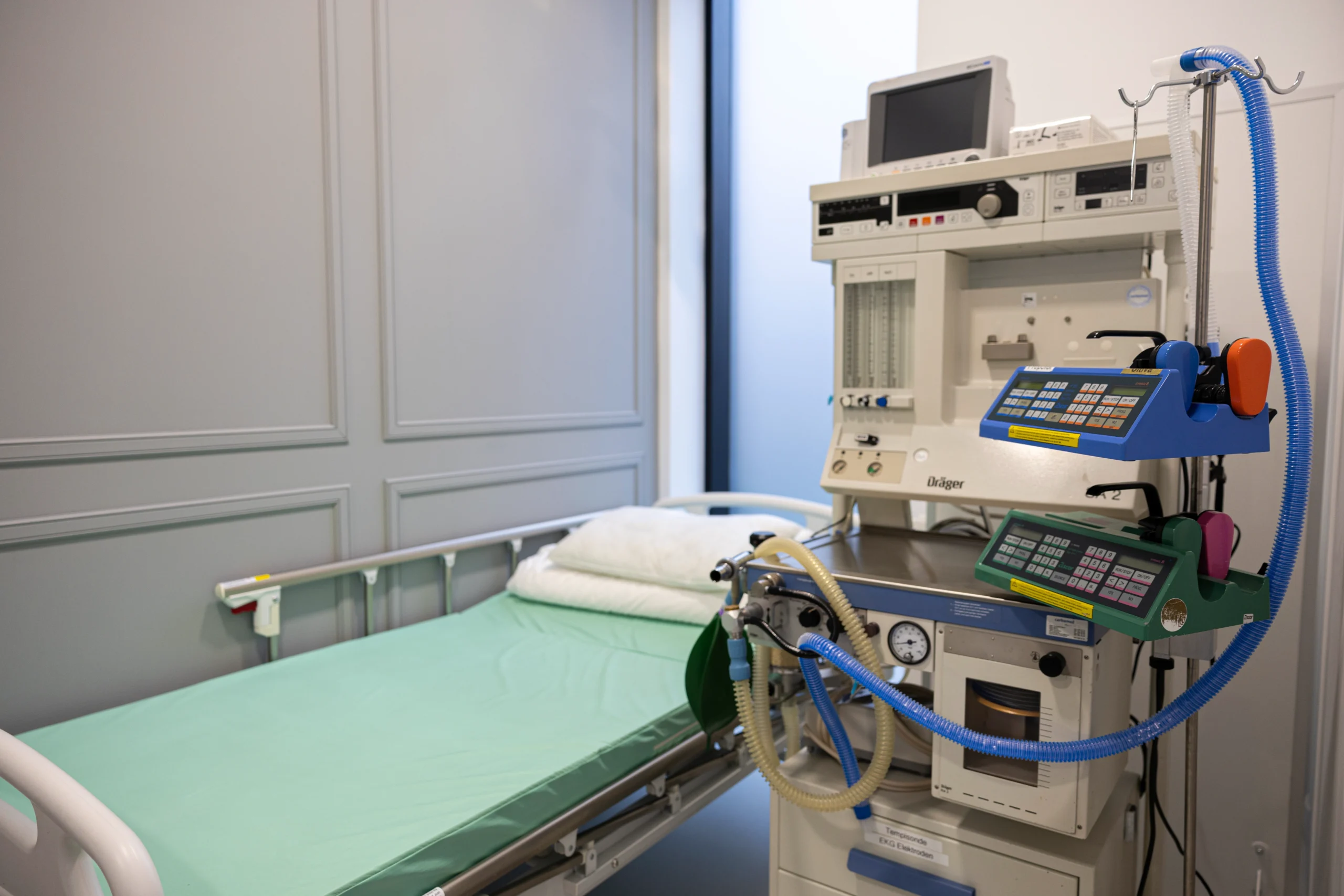
General anesthesia is a medical technique that allows patients to undergo surgery or other invasive procedures without feeling pain or being conscious. While the idea of being completely unconscious during a procedure may seem intimidating, understanding how general anesthesia works, its benefits, and potential risks can help alleviate any concerns. In this comprehensive guide, we’ll cover what general anesthesia is, when it’s needed, how it works, potential side effects, and what you should expect during recovery. What Is General Anesthesia? General anesthesia is a medically induced state of unconsciousness used during surgeries and medical procedures that would otherwise be too painful or distressing for patients. It affects the entire body and blocks pain by interrupting nerve signals in the brain and body. Key Features of General Anesthesia: Induces complete unconsciousness Blocks pain sensations Relaxes muscles Prevents memory of the procedure It is administered by an anesthesiologist or nurse anesthetist through inhalation (gas) or intravenously (IV). The depth of anesthesia can be adjusted as needed during the procedure. When Is General Anesthesia Used? General anesthesia is typically used for: Major Surgeries: Such as heart surgery, brain surgery, or organ transplants Complex Dental Procedures: Including wisdom teeth removal or jaw surgery Emergency Surgeries: Like appendectomies or trauma surgery Diagnostic Procedures: In rare cases, for procedures like endoscopies when local anesthesia isn’t sufficient Your doctor will decide if general anesthesia is necessary based on your health, the type of procedure, and the expected level of discomfort. How Does General Anesthesia Work? General anesthesia works by disrupting nerve signals in the brain and central nervous system. It consists of three main components: Induction: The process of putting the patient to sleep, typically through IV medication. Maintenance: Keeping the patient in an unconscious state during the procedure, usually through a combination of gas and IV drugs. Emergence: Gradually waking the patient after the procedure is complete. An anesthesiologist monitors vital signs such as heart rate, blood pressure, breathing, and oxygen levels throughout the procedure. Risks and Side Effects of General Anesthesia While modern anesthesia is generally safe, especially when administered by experienced professionals, there are potential risks: Common Side Effects: Nausea and vomiting Sore throat from the breathing tube Drowsiness or confusion upon waking Less Common but Serious Risks: Allergic reactions to anesthesia medications Breathing difficulties Heart complications Postoperative cognitive dysfunction (POCD), particularly in elderly patients Your anesthesiologist will assess your overall health and medical history to minimize these risks. How to Prepare for General Anesthesia Proper preparation can significantly reduce the risk of complications. Before your procedure: Follow Fasting Instructions: Avoid eating or drinking for 6-8 hours before surgery. Discuss Medications: Inform your doctor about all medications, including supplements. Report Medical History: Include allergies, previous surgeries, or reactions to anesthesia. Avoid Smoking and Alcohol: Both can interfere with anesthesia. Your medical team will provide detailed instructions specific to your procedure. What to Expect During Recovery After surgery, patients are moved to a recovery room where they are monitored as the effects of anesthesia wear off. Here’s what to expect: Waking Up: You may feel groggy, disoriented, or nauseous. Vital Sign Monitoring: Nurses will track your heart rate, breathing, and blood pressure. Pain Management: Medications may be administered to manage any discomfort. Most patients recover from anesthesia within a few hours, but complete recovery may take up to 24 hours. It’s essential to have someone accompany you home and avoid driving or making important decisions for at least a day. Who Should Avoid General Anesthesia? While rare, some individuals may have a higher risk of complications, including those with: Severe heart or lung conditions Obesity A history of adverse reactions to anesthesia Obstructive sleep apnea In such cases, alternative forms of anesthesia (such as local or regional) may be considered. Frequently Asked Questions (FAQ) Is general anesthesia safe? Yes, when administered by trained professionals, general anesthesia is considered safe. The anesthesiologist monitors the patient throughout the procedure. How long does it take to recover from general anesthesia? Initial grogginess usually wears off within a few hours, but full cognitive recovery can take up to 24 hours. Can I eat before general anesthesia? No, patients are usually advised to fast for 6-8 hours before surgery to prevent complications such as aspiration. Is it possible to wake up during general anesthesia? Awareness during general anesthesia is extremely rare, occurring in about 1-2 cases per 1,000 surgeries. Conclusion: Is General Anesthesia Right for You? General anesthesia is a safe and effective way to ensure comfort and pain relief during surgical procedures. By understanding the process, risks, and recovery, you can feel more confident and prepared for your procedure. If you have any questions or concerns about general anesthesia, always consult your doctor or anesthesiologist for personalized advice.
Dentophobia – how to deal with it?
Dentophobia, or intense fear of visiting the dentist, is becoming an increasingly common problem that can lead to serious health complications. In this article, we will examine the causes of dentophobia, methods of its recognition, and effective ways of dealing with this problem. Causes of fear of dental visits Fear of the dentist often has its roots in traumatic experiences associated with dentistry. Experiences such as painful injections, feelings of pain, or bleeding can leave a deep imprint in memory and lead to avoiding visits to the dentist at all costs. It is important to remember that fear is a natural human reaction to situations that we perceive as unpleasant or threatening to our bodies. Some dental procedures, such as root canal treatment, are associated with the experience of pain, which reinforces negative associations with visiting the dentist. Additionally, many people feel awkward in situations where they have to rely on others and have no control over the course of events. A visit to the dentist often involves entrusting oneself to the care of a specialist, which can lead to increased anxiety. Symptoms of dentophobia Dentophobia can manifest through various symptoms, the most common of which include: Feeling anxious several days before a scheduled dental visit Experiencing headaches or stomachaches due to stress associated with the visit Excessive sweating or trembling during a dental appointment Tendency to postpone or cancel scheduled appointments with the dentist If you notice any of these symptoms in yourself, there is a high probability that you are dealing with dentophobia. How to counteract dentophobia Overcoming dentophobia begins with understanding the sources of your own fear and openly admitting to yourself that you have a problem. This first step enables us to take conscious actions and seek solutions. It is also important to find an empathetic and communicative dentist, as the atmosphere in the office itself can help reduce feelings of fear and stress. Before and during the visit, it is worth experimenting with various relaxation techniques, such as deep breathing or meditation. They can help alleviate symptoms of anxiety. Also, do not hesitate to express your concerns and request modifications to the treatment process, such as shorter appointments. In cases of severe fear associated with the dentist, it is also worth considering psychological therapy. Such therapy can help us confront our fears and learn to effectively cope with them in the future.
Dental treatment during pregnancy – Is it safe?
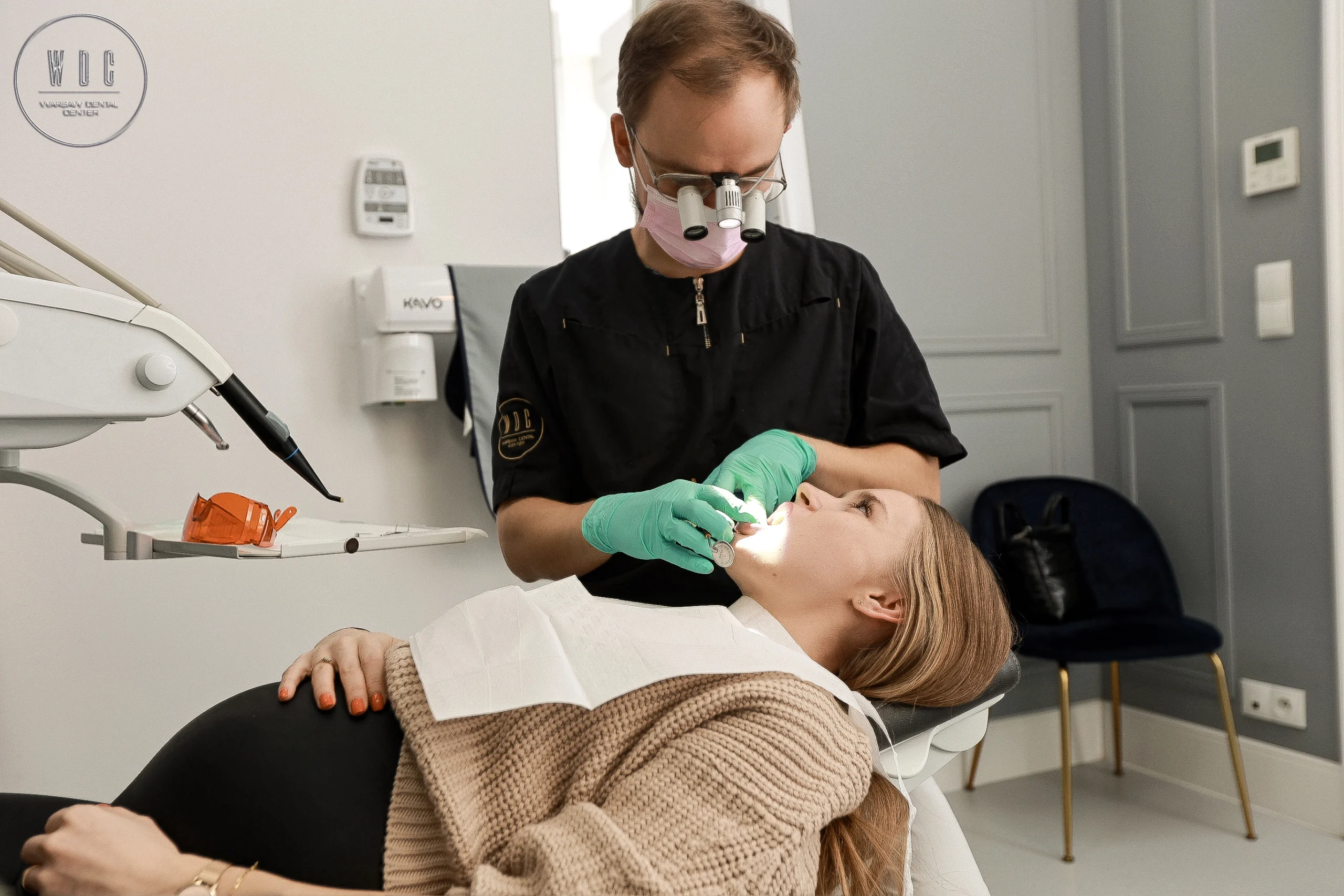
Dr. Bartosz Leończak performs a procedure on a pregnant patient Dental Treatment During Pregnancy – Is It Safe? The answer is yes! It is safe, but there is a lot of information to consider. Oral health during pregnancy requires special attention. Oral Health during Pregnancy During pregnancy, the risk of gingivitis and caries increases due to various factors: Gingivitis – Bacterial buildup is the main cause of gingivitis. During pregnancy, hormones can increase the response to bacteria in the gum tissue, causing this condition. Cavities – It is also worth paying attention to the risk of caries during this period. Pregnancy changes a woman’s diet, often causing cravings for foods that can increase the risk of tooth decay. Additionally, acidity in the mouth, caused by e.g. frequent vomiting, may lead to weakening of the enamel and susceptibility to caries. For this reason, the special importance of daily oral care during pregnancy should be emphasized. By taking care of her oral health, a woman has a chance to have a positive impact not only on her own health, but also on the health of your child. You should not be afraid of visiting the dentist during this period, as professional teeth cleaning is considered safe dental treatment during pregnancy. X-rays Most dental procedures and routine checkups require X-rays. Good news! Studies have shown that the use of these procedures does not pose a threat to pregnant patients, provided that a protective cover is used for the abdominal cavity and thyroid gland. To sum up, it is always recommended to consult your midwife and dentist before undertaking any dental procedures during pregnancy. The Warsaw Dental Center team is available to answer all your questions and concerns!
Anesthesia in dentistry
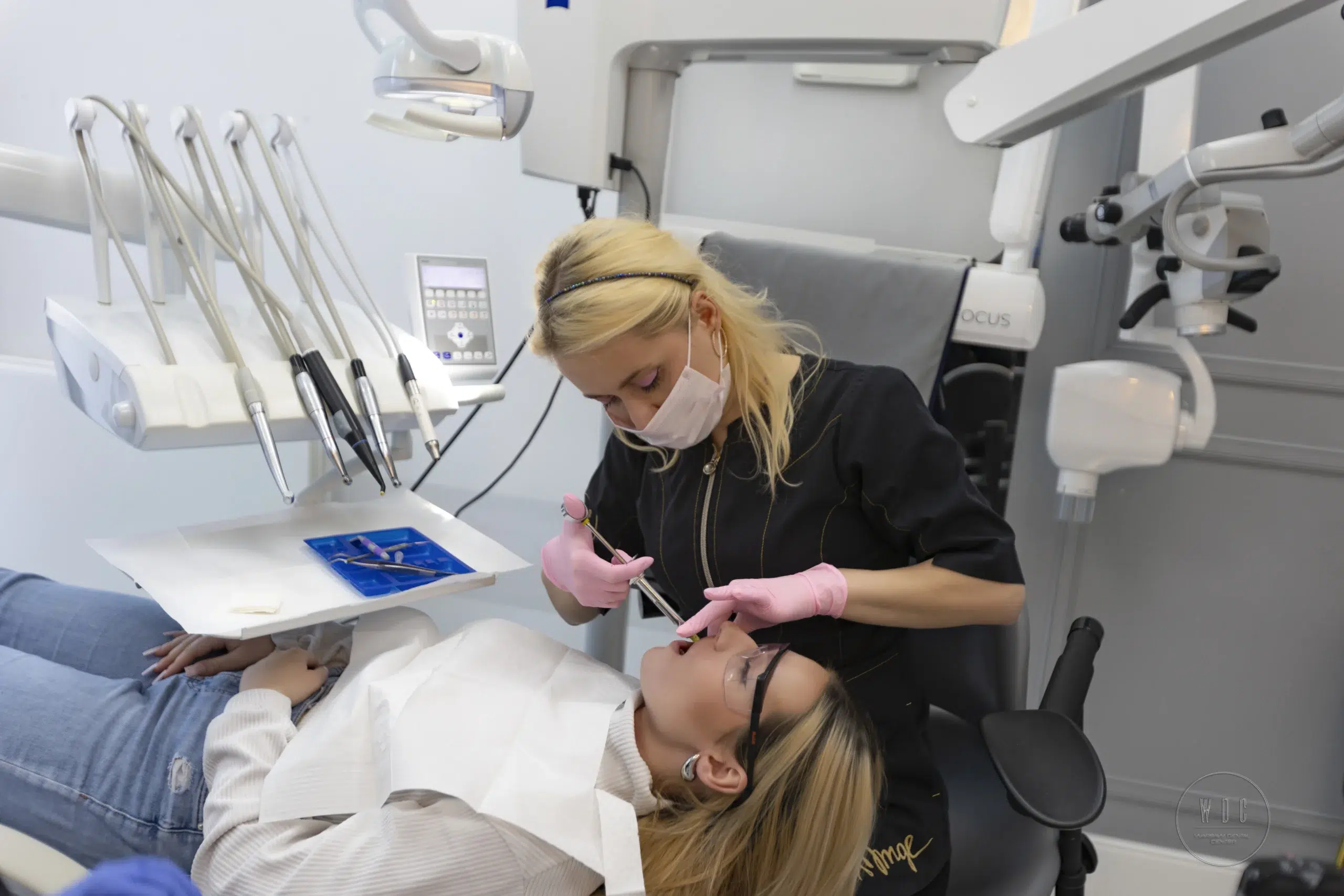
Appropriate anesthesia is a key element of comfortable and effective dental treatment. For many people, visiting the dentist can be a stressful experience, and anesthesia plays an important role in relieving this stress and minimizing any possible pain during the procedure. Warsaw Dental Center strives to improve anesthesia methods to provide patients with the highest possible level of comfort and safety. Evolution of Comfort Today, thanks to modern technologies and advances in dentistry, anesthesia is much more effective and comfortable. This is an issue that not only ensures comfort for the patient, but also allows the dentist to focus on getting the procedure right. Types of Anesthesia Anesthesia used at Warsaw Dental Center can be administered in various ways. The most popular is local anesthesia, which involves numbing only a specific area of the oral cavity. The dentist uses a small needle to inject an anesthetic into the area where the procedure will be performed. This means that the patient does not feel pain during treatment. In the case of more complicated procedures or for people suffering from severe fear of the dentist, it is also possible to use general anesthesia. In such a situation, the patient is sedated and unaware of the procedure. Although this type of anesthesia carries greater risks, for some patients it is the only option that allows them to overcome their fear and receive the dental care they need. Gaining Comfort It is worth emphasizing that Warsaw Dental Center not only cares about the effectiveness of anesthesia, but also about the patient’s comfort at various stages of the visit. The atmosphere of the clinic, the courtesy of the staff and the use of modern equipment influence the overall patient experience and can significantly reduce the stress associated with visiting the dentist. The Role of Trust Regardless of the type of anesthesia, trust between the patient and the dentist is crucial. A good dentist will always listen to his patient’s concerns and explain each stage of the procedure, which helps build trust and minimize the stress associated with a visit to Warsaw Dental Center. The future of comfort At Warsaw Dental Center, they make many efforts to ensure patients’ comfort and safety during treatment. Anesthesia plays a key role here, enabling effective treatment with minimal pain. Thanks to the continuous development of medical technologies, it can be expected that anesthesia methods will continue to improve, providing even greater comfort during visits to the dentist.
Anesthesia at the dentist: what are its types?
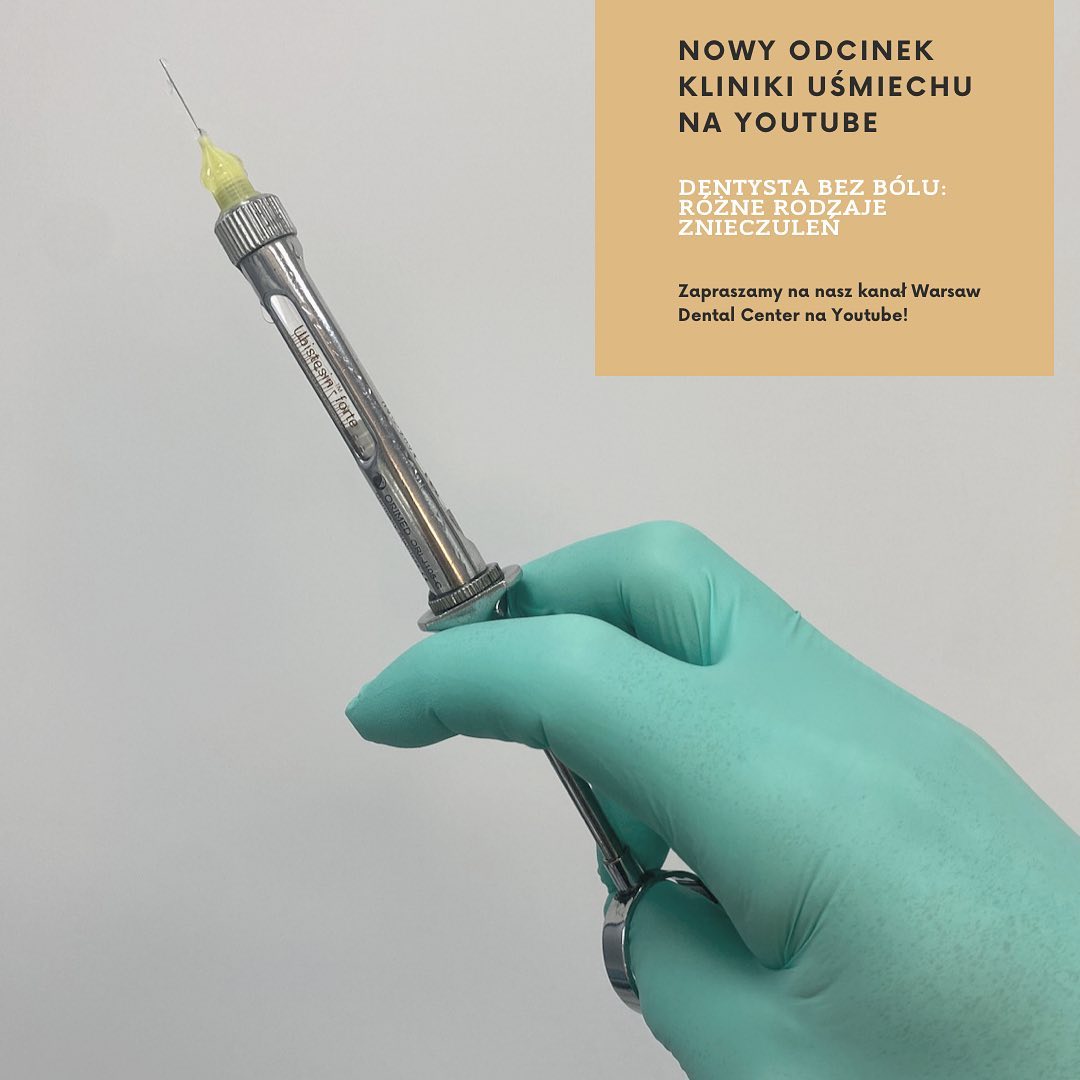
The new episode of the Smile Clinic is already available! Anesthesia at the dentist: what are its types? Today, most patients decide to undergo anesthesia before a dental procedure. Few of them, however, are aware of the wide range of methods currently offered by dental offices. Are you curious what we can surprise you with? We invite you to watch the episode! Material available at this link: https://bit.ly/KlinikaUsmiechu_Znieczulenie_u_dentysty Subscribe to the Warsaw Dental Center channel on Youtube: http://bit.ly/obserwujWDC Remember to click after watching the material! Thanks to this, you will be up to date with news from WDC

Are you afraid of the dentist? Unnecessarily!
Overcoming Dentist Fear: A Modern Approach to Dentistry Is the sight of a dentist’s office still associated with fear? Modern dentistry has long moved away from the unpleasant associations of the past. Research shows that almost half of Poles avoid visits to the dentist out of fear. But is it worth being afraid? It turns out that these fears are unfounded. The modern approach to dentistry focuses on patient comfort. Many treatments can now be performed painlessly and stress-free. Past negative experiences with equipment noise or pain are a thing of the past. Modern offices offer various relaxation methods that turn a visit to the dentist into a pleasure. One way is to use your favorite music or audiobook during the treatment. Additionally, patients can focus their attention on interesting programs and music videos displayed on TVs mounted above the armchairs. If pain is the cause of anxiety, it is worth knowing that anesthesia has become very effective and common.Nowadays, in most cases, they eliminate the fear of pain. Even people suffering from severe fear of the dentist can benefit from general anesthesia (anesthesia) supervised by a qualified anesthesiologist.Thanks to this, the patient sleeps during the procedure and does not feel any unpleasant sensations, and does not remember anything from the procedure itself. Prevention also plays a key role.Regular dental checkups every six months minimize the risk of dental problems such as tooth decay.In addition, there is proper oral hygiene, which is helped to maintain by qualified hygienists. When it comes to where to visit, Warsaw Dental Center offers boutique quality dentistry. Their clinic, located in the heart of Warsaw, in Powiśle, focuses on individual approach to the patient and friendly interiors that provide comfort and a feeling of being at home. We invite you to visit the Warsaw Dental Center. You can make an appointment via e-mail email: kontakt@warsawdentalcenter.pl or by phone: 22 542 18 04. There is no need to be afraid of visiting the dentist. Modern methods, comfortable conditions and qualified care make taking care of your oral health easier and more enjoyable than ever before.
Warsaw Dental Center in Elle Polska!
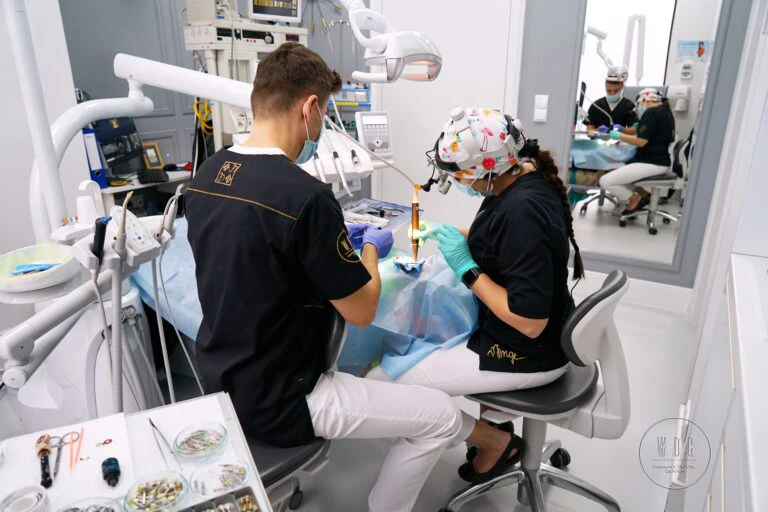
ELLE magazine published an interview with Dr. Urszula Leóńczak and Bartosz Leończak about anesthesia.Why is it worth choosing?It happens that treatment of several teeth is necessary, requiring a quick response from doctors of various specialties. “In such situations or when the patient is afraid of local anesthesia, it is worth using treatment under anesthesia,” says Dr. Urszula Leończak from Warsaw Dental Center. This solution will also work well if the patient suffers from dental phobia, i.e. fear of visiting the dentist.Specialists from WDC talk in ELLE about why it is worth choosing treatment under anesthesia! Link to the text available here: www.elle.pl

Dental treatment during pregnancy
Pregnancy is an extraordinary period in every woman’s life. Over the course of nine months, the body undergoes significant changes, which require special care and attention. Future mothers try to avoid medications and take care of their diet, well-being and immunity. Unfortunately, not everything can be predicted. What should you do if you experience a sudden toothache while waiting for your baby to be born? Can dental treatment be undertaken in such a situation? What forms of anesthesia are safe during pregnancy? Dental treatment during pregnancy – is a visit to the dentist possible? Regular visits to the dentist reduce the risk of caries and allow you to respond to oral problems on an ongoing basis. It is worth undergoing a dental examination before getting pregnant, as hormonal changes affect the health of the oral cavity. Increased hormone levels can lead to swelling and redness of the gums. The optimal period for more advanced treatments is usually the 4th-6th month of pregnancy, although most of them can be performed throughout the entire pregnancy. Safe dental anesthesia during pregnancy Many women are concerned about the safety of dental anesthesia during pregnancy, especially due to restrictions on the use of medications during this period. However, modern medicine takes into account the safety of the mother and child. Currently used anesthetics, such as preparations containing articaine, are adapted to the needs of the pregnant patient, minimizing the risk to the fetus. Safe anesthesia allows for effective dental treatment, which is important for the future mother’s well-being and avoiding stress, which may also negatively affect the health of the fetus. Root canal treatment during pregnancy In the first trimester of pregnancy, the mother’s body is particularly susceptible, so it is recommended to avoid more advanced dental procedures. In the case of root canal treatment, it is worth postponing it until the second trimester or, preferably, until after the baby is born cka. However, delaying root canal treatment may lead to inflammation that threatens the health of the mother and baby. In such situations, treatment should be carried out as soon as possible, often using modern methods under a microscope, which shorten the duration of the procedure. Sandblasting teeth during pregnancy Teeth sandblasting is absolutely safe and even recommended for pregnant women. The process of removing plaque helps prevent the growth of decay-causing bacteria and tartar. It is recommended to sandblast at least twice every nine months. Tooth removal or extraction during pregnancy If a tooth needs to be removed, it is a good idea to postpone the procedure at least until the second trimester of pregnancy or, if possible, until after the baby is born. This is a more invasive procedure that may carry some risks for mother and baby. Therefore, doctors suggest optimal moments to perform it. Teeth whitening during pregnancy Future mothers should refrain from whitening their teeth during pregnancy due to the presence of strong chemicals in the preparations. These substances may pose a potential risk to the health of the fetus. Treatment of cavities during pregnancy Treatment of dental cavities, after appropriate anesthesia, is relatively non-invasive and can be performed during pregnancy. Untreated caries can lead to inflammation that is dangerous for both mother and child. General oral hygiene during pregnancy Maintaining your oral health during pregnancy is crucial. Regular visits to the dentist in each trimester, thorough oral hygiene, using appropriate dental products for pregnant women and following your doctor’s recommendations are important steps in ensuring your oral health during this unique period. In summary, dental care during pregnancy is possible and important for the health of mother and child. Safe anesthesia and adapted methods Treatment modalities allow you to maintain a healthy oral cavity during this unique period.
Treatment under anesthesia
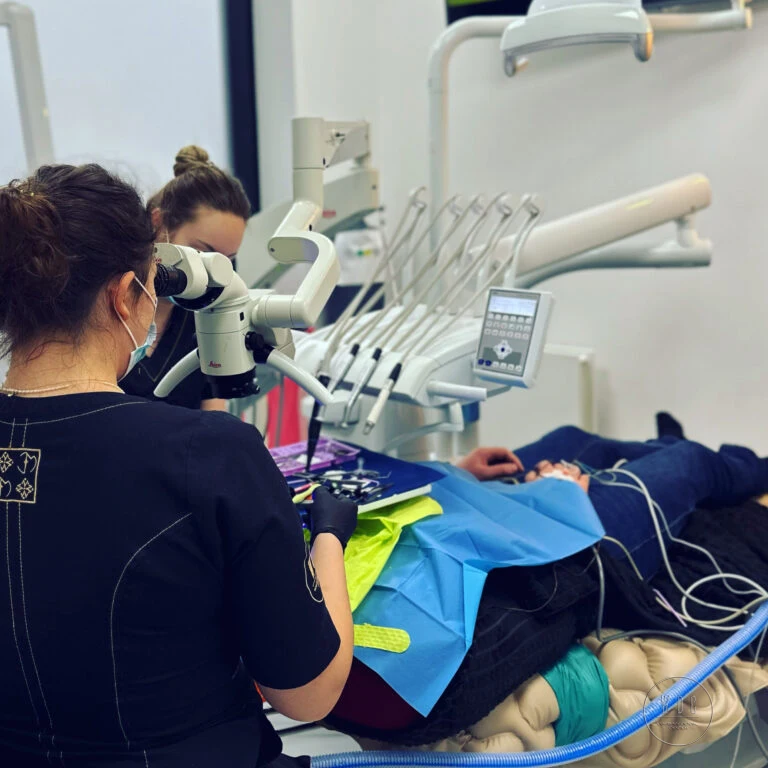
The treatment under general anesthesia that we offer to our patients is becoming more and more popular. Why? Because it is a perfect solution for people suffering from dental phobia – the fear of the dentist. General anesthesia at the dentist significantly reduces the anxiety associated with treatment. In our renowned clinic, we specialize in ensuring comfort and peace of mind for patients during the procedure thanks to the use of professional general anesthesia. Procedures performed under general anesthesia are absolutely safe, which is due to the cooperation of two teams: dental and anesthesiological. The entire process is supervised by an experienced doctor and qualified staff who precisely control the dose of the administered sedative. The role of the anesthesiologist is particularly important during the procedure – he constantly monitors the patient’s condition, which ensures the highest level of safety. OUR EXPERTISE IN GENERAL ANESTHESIA We are aware that combining dentistry with anesthesiology guarantees the safe procedure and the patient’s peace of mind. In our center, we offer effective and painless dental treatment under general anesthesia. We have high-class anesthetic facilities that ensure the health and comfort of the person undergoing the procedure. The use of anesthesia perfectly helps people struggling with dental phobia – most of our patients experience a reduction in stress related to a visit to the dentist after the first visit to our clinic. Moreover, this method is also ideal for people with dental hypersensitivity and patients with limited mobility. It is worth emphasizing that if there are no contraindications, we can perform a variety of procedures under general anesthesia, including surgical, endodontic, prosthetic, implantological and orthodontic procedures.
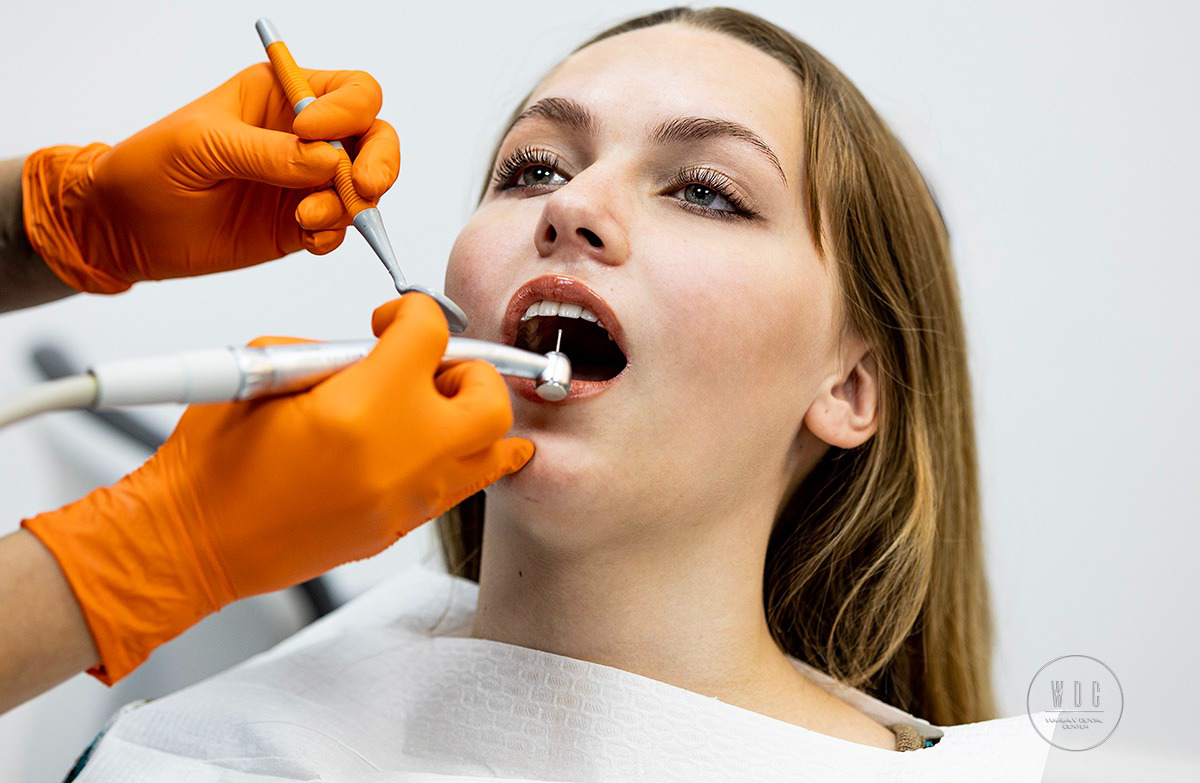
Painless dental treatment: Use of modern anesthesia techniques
At Warsaw Dental Center, all patients can feel comfortable and safe. Do you dream of painless dental treatment? The good news – modern dentistry offers many modern anesthesia techniques that make a visit to the dentist much less stressful. In this article, you will learn more about these innovative methods and how they can help you achieve a beautiful, healthy smile. Local anesthesia: An essential tool in the fight against pain during dental procedures. They are applied directly to the treated area to eliminate pain and discomfort. Thanks to the precise administration of local anesthesia, patients experience minimal discomfort during drilling, tooth extraction or root canal treatment. Inhalation Oxygen and Nitrous Oxide Anesthesia: Also known as “laughing gas”, these two gases are used to relax the patient before undergoing surgery. Oxygen and nitrous oxide inhalation help relieve fear and anxiety, allowing patients to feel more comfortable during dental treatment. Computer anesthesia: This is an advanced tool that allows precise and painless administration of local anesthesia. The computer controls the rate of anesthesia administration, adapting it to the individual needs of the patient. This technique minimizes pain and discomfort, and also limits possible complications related to an excessive dose of anesthesia. Infiltration anesthesia: An innovative method involving the use of small, low-dose syringes for anesthesia. This technique minimizes the pain associated with administering a traditional syringe. Thanks to this, patients only feel a slight sting and the unpleasant feeling associated with a large amount of fluid in the mouth disappears. Laser anesthesia: The use of a laser in dentistry not only enables precise procedures, but also enables painless anesthesia. Laser can be used for local anesthesia, which eliminates the need to use traditional syringes. This is especially beneficial for patients with severe needle anxiety. Thanks to modern anesthesia techniques, dental treatment has become much more comfortable and painless. Patients can now enjoy their visit to the dentist knowing that their experience will be more enjoyable. If you want painless treatment, it’s worth talking to your dentist about the available anesthesia options and choosing the one that best suits your needs. It is also worth remembering that each patient is different and the appropriate anesthesia method should be selected individually. If you have concerns or questions about painless dental treatment, consult with an experienced dentist who will help you find the best solution. Remember that oral health is extremely important to your overall health, so do not neglect regular visits to the dentist. Painless treatment is now available to everyone, so there is no reason to delay taking care of your smiles and health! At the end, If you are looking for professional dental care, we encourage you to use the services of our clinic – Warsaw Dental Center. We are a team of experienced and committed dentists who attach great importance to the comfort and safety of our patients. At Warsaw Dental Center, we offer comprehensive dental care, including painless treatment using modern anesthetic techniques. Our priority is to provide patients with a calm and stress-free experience during each visit. Our qualified specialists use the latest technologies and innovative treatment methods to achieve the best results. Regardless of whether you need a filling, root canal treatment, prosthetics or implantology, we are ready to take care of your health and smile. Please contact us and arrange a visit. Our friendly staff will answer all your questions and help you find the best solution for your dental needs. See for yourself that a visit to the dentist can be pleasant and painless! Warsaw Dental Center – your partner in a healthy and beautiful smile.