

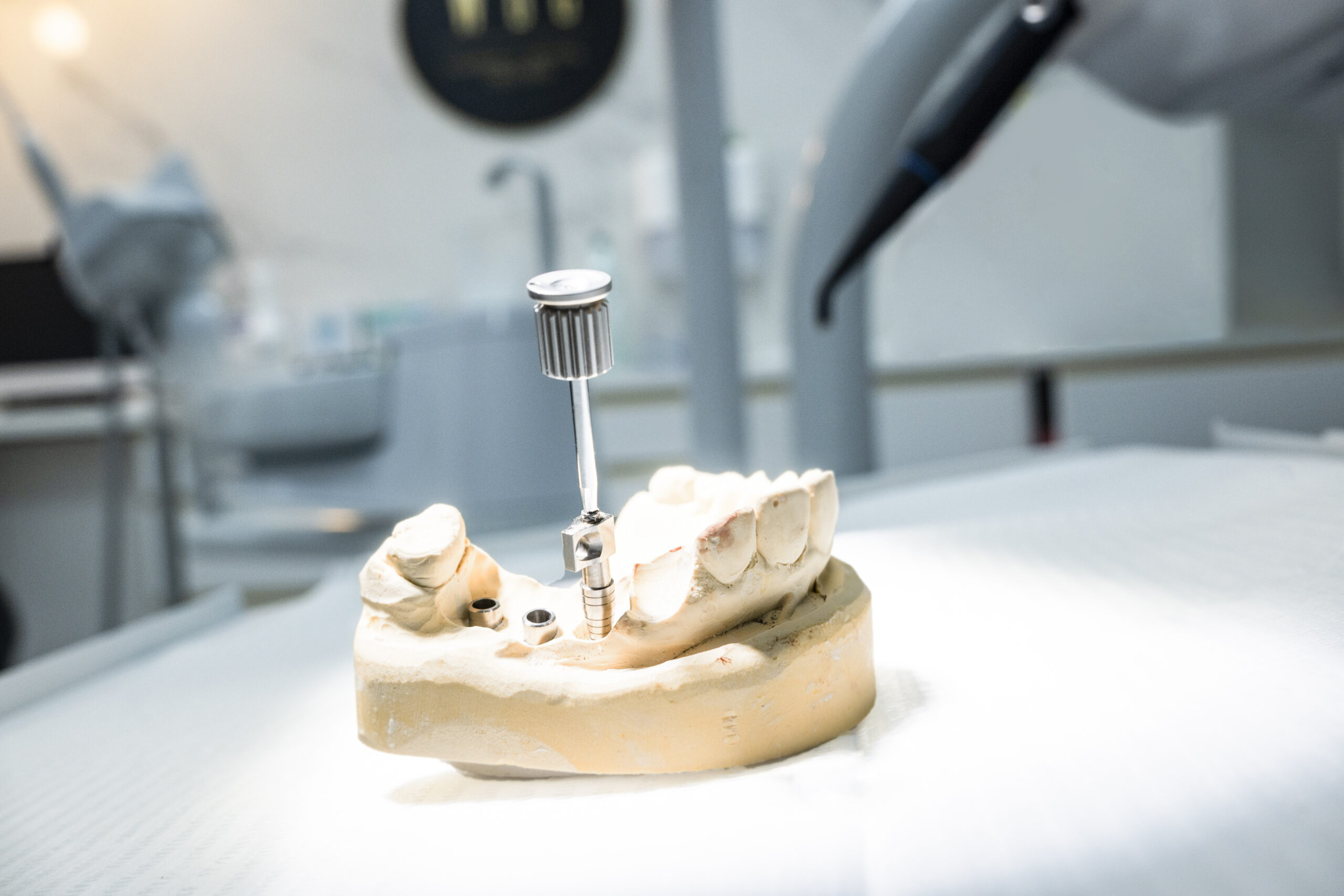
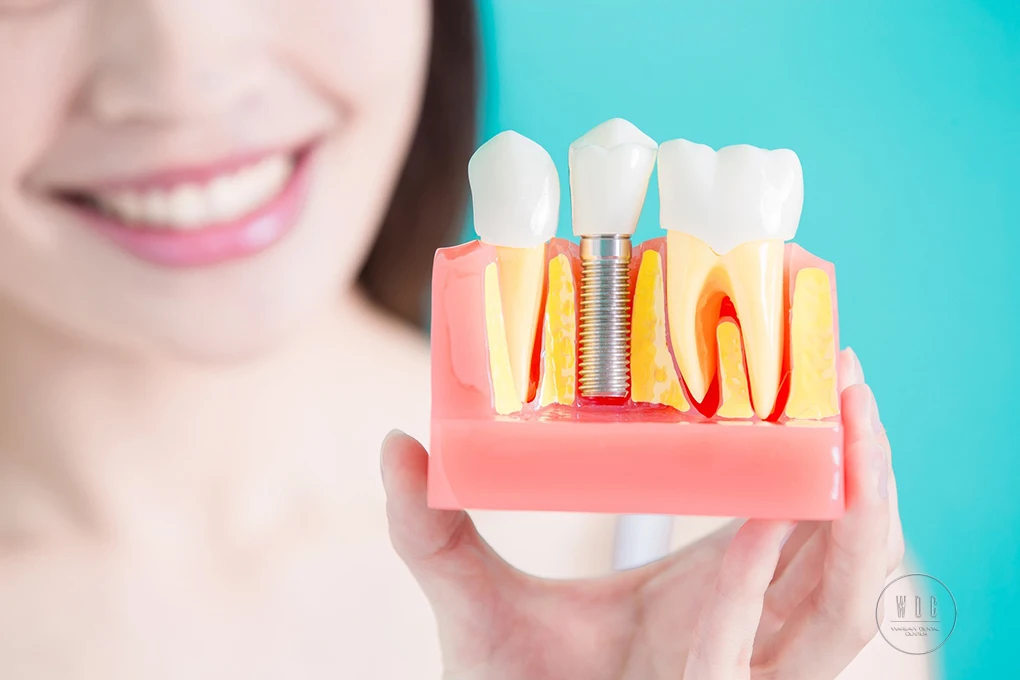
Healthy teeth are an important factor influencing an individual’s overall well-being. Maintaining proper oral hygiene practices not only contributes to achieving a radiant smile but above all promotes maintaining a healthy lifestyle. Nowadays, increasing attention is being paid to dental implants, which constitute a significant element in improving oral health. These implants, by serving as replacements for missing teeth, revolutionize our perception of both dental functionality and aesthetics. The question of how long the dental implant healing process lasts becomes extremely important for those interested in this solution. Recovery After the Procedure Recovery after dental implantation surgery is a crucial stage in returning to health. In the first few days after the procedure, patients confront the healing process, which typically lasts about two weeks. During this time, some discomfort and inconveniences may occur. It is recommended to consume soft food to avoid burdening the fresh wound, which further accelerates the return to full functionality. Don’t forget the importance of oral hygiene. Gentle tooth brushing and rinsing the mouth with a mild saline solution are the basis for protection against infections. This simple routine can significantly speed up the healing process. Long-Term Healing Process and Osseointegration In addition to the initial return to health, the main goal becomes osseointegration, the fusion of the implant with the bone. This stage of the healing process is responsible for the time needed for the dental implant to heal. To achieve successful osseointegration, a period of 3 to 5 months is usually required. During osseointegration, the newly implanted implant forms a secure connection with the jawbone. This durable connection provides a solid foundation for the artificial tooth or teeth. Generally, excessive stress on the implant should be avoided during this phase, as it may disrupt proper healing. Factors Affecting the Healing Process Duration It should be remembered that the regenerative abilities of each individual are unique. Several factors may influence the length of the recovery period. Typical factors affecting healing time include age, overall health condition, oral hygiene practices, and lifestyle. For example, smoking or the presence of chronic illnesses may require a longer recovery period. On the other hand, the quality and density of the bone in which the implant is located also directly affect the healing time. Monitoring the Progress of Implant Healing Regular follow-up visits to the dentist are crucial for patients with new dental implants. They allow for professional monitoring of the implant site and early detection of potential problems. Although inflammatory conditions and changes in skin color may be typical during the healing process, high levels of pain or signs of infection should be reported. Patients must remember that healing is just one stage of the journey with a dental implant. Equally important is the upcoming period, which requires monitoring and meticulous oral care. The ultimate goal is a successful, fully functional implant that ensures durability and joy from the restored smile. Trust Experienced Experts and Enjoy a Beautiful Smile At the Warsaw Dental Center in Warsaw, we believe in smile transformation, which we confirm with our exceptional service. With us, you can be sure that you will be treated with due care, and dental implants and aesthetic dentistry are among our specialties.
What to eat after implantation – recommendations and advice
Dental implants are an effective method of restoring lost teeth. Not only do they improve the aesthetics of your smile, but they are also very durable. Nevertheless, to avoid complications and the need for surgical interventions, it is important to strictly follow the specialist’s recommendations. Below you will find tips on care after dental implant implantation, developed by experts from Warsaw Detal Center. Care after dental implant implantation: First 24 hours: After dental implant surgery, do not use oral hygiene fluids for the first 24 hours. Swelling and bruising: Swelling and bruising around the implantation site are normal. Ice packs may help reduce swelling. Disturbing symptoms should be reported to a specialist. Head position: In the first days after the procedure, it is recommended to position the head above the body line while sleeping. Avoiding heating: Avoid heating the implant area, for example by avoiding sleeping on the operated side or supporting your head with your hand. Avoiding touching: Do not touch the implant or the area around it. Smoking and alcohol: Smoking and drinking alcohol are prohibited for at least 7 days after the procedure. Oral hygiene: Within a few weeks after the procedure, especially in the first days, it is recommended to gently brush your teeth with a soft toothbrush and rinse your mouth with antibacterial fluids. Medicines: When prescribed medicines such as antibiotics or anti-inflammatory drugs, it is necessary to follow the recommended doses. Dietary recommendations after implantation: Immediately after the procedure: You should not eat any food for the first two hours after the procedure. Then, hot foods are avoided for 2 days and fluids in the form of cool meals are recommended instead. Avoiding certain products: It is recommended to avoid dairy products, carbonated drinks and alcohol in the first 48 hours. Do not chew hard foods with the operated side facing forward for the wound to heal. Avoiding certain foods: Spicy foods may cause irritation around the implant and should be avoided until complete healing. Physical exercise and activity: High exercise: For 7 days after the procedure, it is recommended to avoid intense physical exercise, lifting weights and bending. Swimming pool, sauna, solarium: It is also recommended to refrain from visiting the swimming pool, sauna and solarium until the swelling disappears. When to contact your doctor: Disturbing symptoms: If severe pain persists after the procedure, swelling does not subside, the patient regains feeling at the site of surgery after more than 24 hours, experiences headache, heavy bleeding or other disturbing symptoms, you should immediately consult a dentist. Check-up visit to the dentist: First check-up: The patient should make an appointment for the first check-up approximately 10 days after the procedure, during which the doctor will assess the healing progress and possibly remove the stitches. Regular visits: Once your health returns to normal, regular check-ups are recommended at least every six months to monitor the condition of the implant and the overall health of your oral cavity. We would like to remind you that following the specialist’s instructions and choosing a reputable dental clinic, such as Warsaw Dental Center, can help ensure effective and safe care for dental implants.