



The issue often lies not in obvious symptoms but rather hides behind imperceptible gums – we’re talking here about wisdom teeth. Imagine an elusive force causing pain, something you can’t immediately see or touch. This is often the misunderstood riddle of pain associated with wisdom teeth. Gum Inflammation Gum inflammation associated with the eruption of wisdom teeth, also known as pericoronitis, is a problem that can be not only painful but also potentially serious for oral health. When a wisdom tooth only partially erupts, it allows bacteria to settle in the gum tissues, leading to inflammation, swelling, and discomfort. This particularly affects teenagers and young adults as wisdom teeth often emerge during this stage of life. Discomfort associated with pericoronitis can vary from dull to intense, even unbearable. If the wisdom tooth doesn’t fully erupt, a pocket forms, which becomes an ideal environment for bacterial growth, leading to chronic inflammation and gum pain. This is a problem that requires professional intervention to prevent worsening of the situation and potential negative consequences for overall oral health. Treatment for pericoronitis often involves cleaning the infected bacterial pocket and potentially removing the wisdom tooth, which is the source of the problem. This way, further complications can be prevented, and comfort and oral health can be improved. Infection (Pericoronal Abscess) Accumulation of bacteria and food debris under the gum can lead to a serious problem – pericoronal abscess. This type of infection is usually more painful than standard inflammation as it forms a pocket filled with pus, a symptom of the body’s fight against infection. Pulsating pain may prompt an immediate visit to the dentist in search of relief. Unfortunately, traditional oral hygiene practices such as brushing or flossing often do not reach deep bacterial hideouts. Professional intervention thus becomes the only way to eliminate the infection. Untreated abscesses can lead to serious consequences, including the possibility of spreading to other areas of the oral cavity and the body. In such situations, immediate dental intervention is necessary. Treatment may involve draining the abscess, using antibiotics to combat infection, and maintaining constant vigilance to prevent recurrences. In chronic cases or when standard methods fail, complete removal of the tooth, especially the wisdom tooth, may be necessary to cure the infection and prevent further pain. Malocclusion Achieving harmony in the mouth is often hindered by wisdom teeth, which disrupt the already crowded dental landscape. Improper eruption can cause tooth displacement, leading to potential problems such as jaw pain or bite disturbances. Early action in cases of problematic wisdom teeth can prevent further complications that require more advanced treatment. Usually, the interfering wisdom tooth is removed to alleviate pressure on other teeth and avoid the need for complicated orthodontic intervention. Excessive Number of Teeth The appearance of wisdom teeth can overcrowd the oral cavity, leading to aesthetic problems and discomfort. Regular visits to the dentist can allow early detection of this problem, enabling appropriate preventive actions, such as wisdom teeth removal, to avoid further complications. Decay Wisdom teeth, due to their location in the back of the mouth, are prone to decay due to difficulties in maintaining hygiene. Treatment of wisdom tooth decay usually involves their removal, allowing the preservation of the health of neighboring teeth and preventing further damage. Eruption Pressure Erupting wisdom teeth can cause discomfort and pain associated with pressure on surrounding tissues. Early diagnosis and appropriate treatment, such as wisdom tooth extraction, can alleviate these symptoms and prevent complications. Bone Resorption Bone resorption around wisdom teeth can weaken the jaw structure and cause pain. Regular dental check-ups allow for early detection of this problem and prompt action, such as wisdom tooth extraction, to halt the resorption process. Early intervention and regular dental care are important for maintaining oral health and integrity, especially concerning wisdom teeth. Preventive measures can prevent serious complications and improve patients’ quality of life.
Wisdom teeth – do they always need to be removed?
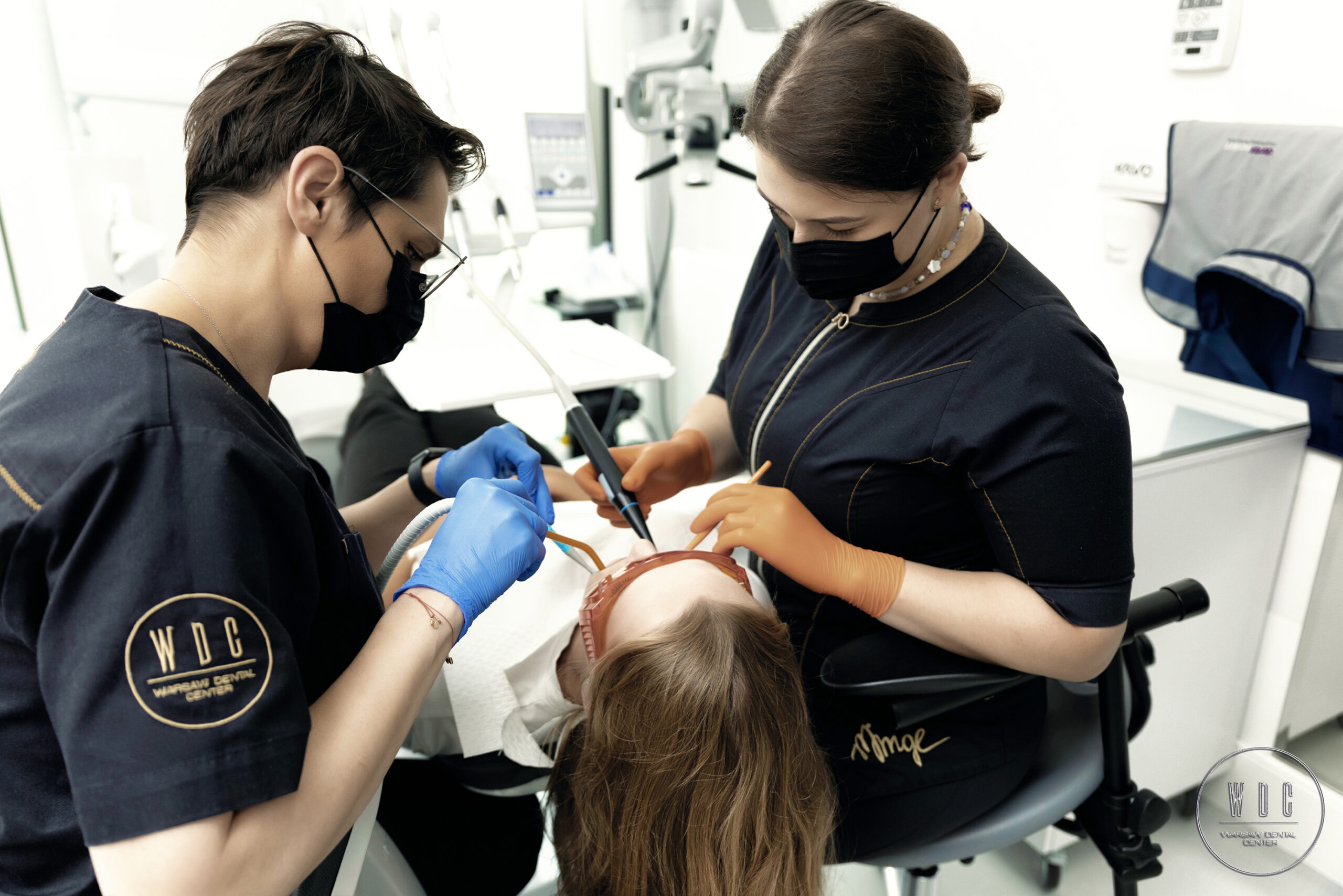
Erupting wisdom teeth can cause discomfort, but not always. Only an experienced dentist can accurately assess whether it is necessary to remove these teeth and how to proceed in a given case. What are wisdom teeth? Wisdom teeth, also known as quads, are the last four molars located on either side of the jaw. They are characterized by the fact that they most often appear in the oral cavity between the ages of 16 and 20, and sometimes even later, even at the age of 25-30. That’s why they are called wisdom teeth – their appearance is associated with increased maturity. However, not everyone has all four wisdom teeth. Some people do not have them at all, even though their buds are located in the jawbone. Although wisdom teeth are not essential, it cannot be said that they are completely unnecessary. Despite the potential problems they may pose, they may prove useful, for example as a transplant material, although today implants are more often preferred. Do you always need to remove wisdom teeth? Wisdom teeth are the last to erupt and there is often not enough room in the mouth for their proper development. These can become lodged under the gum tissue or bone, which can lead to pain, swollen gums and an increased risk of bleeding. In extreme cases, even trismus may occur. However, it is worth noting that it is not always necessary to remove them. Although wisdom teeth are susceptible to decay and other problems, they can sometimes be treated successfully. However, some countries recommend preventive wisdom teeth removal to avoid future complications. It is best to do this when they start to appear, but removal is possible at any time. Procedure for surgical removal of wisdom teeth The method of removing wisdom teeth depends on the individual characteristics of the patient. The procedure can be performed under local or general anesthesia. Usually, wisdom tooth removal is not complicateded, although it may take longer than other teeth, especially if it requires additional chiseling. If the wisdom tooth is properly erupted, removal is usually not a major problem and can be done under routine local anesthesia. The period after wisdom tooth removal After wisdom tooth removal, it is important to apply gentle pressure on the tooth with gauze for about half an hour to minimize bleeding. Applying cold compresses at home can help reduce pain and swelling. Usually, symptoms after the procedure disappear within a few days, but if the pain intensifies, the bleeding does not stop or a fever appears, a visit to the dentist is necessary. You should not eat or drink anything in the first hours after the procedure. Then you can drink liquids at room temperature or cool and avoid foods that require intense chewing. It is worth following these recommendations for at least 2-3 days. It is important for the patient not to worry that the removal of a wisdom tooth will negatively affect the arrangement of the remaining teeth – it usually does not have a major impact on the arrangement of the remaining bite. Symptoms that suggest a visit to the dentist for wisdom teeth include pain around the teeth, sore gums, and a feeling of pressure. A professional evaluation by your doctor will determine whether wisdom teeth removal is necessary and what the best course of action is. It is worth choosing trusted clinics, such as Warsaw Dental Center, where an experienced team of dentists will provide accurate diagnosis and professional care.