


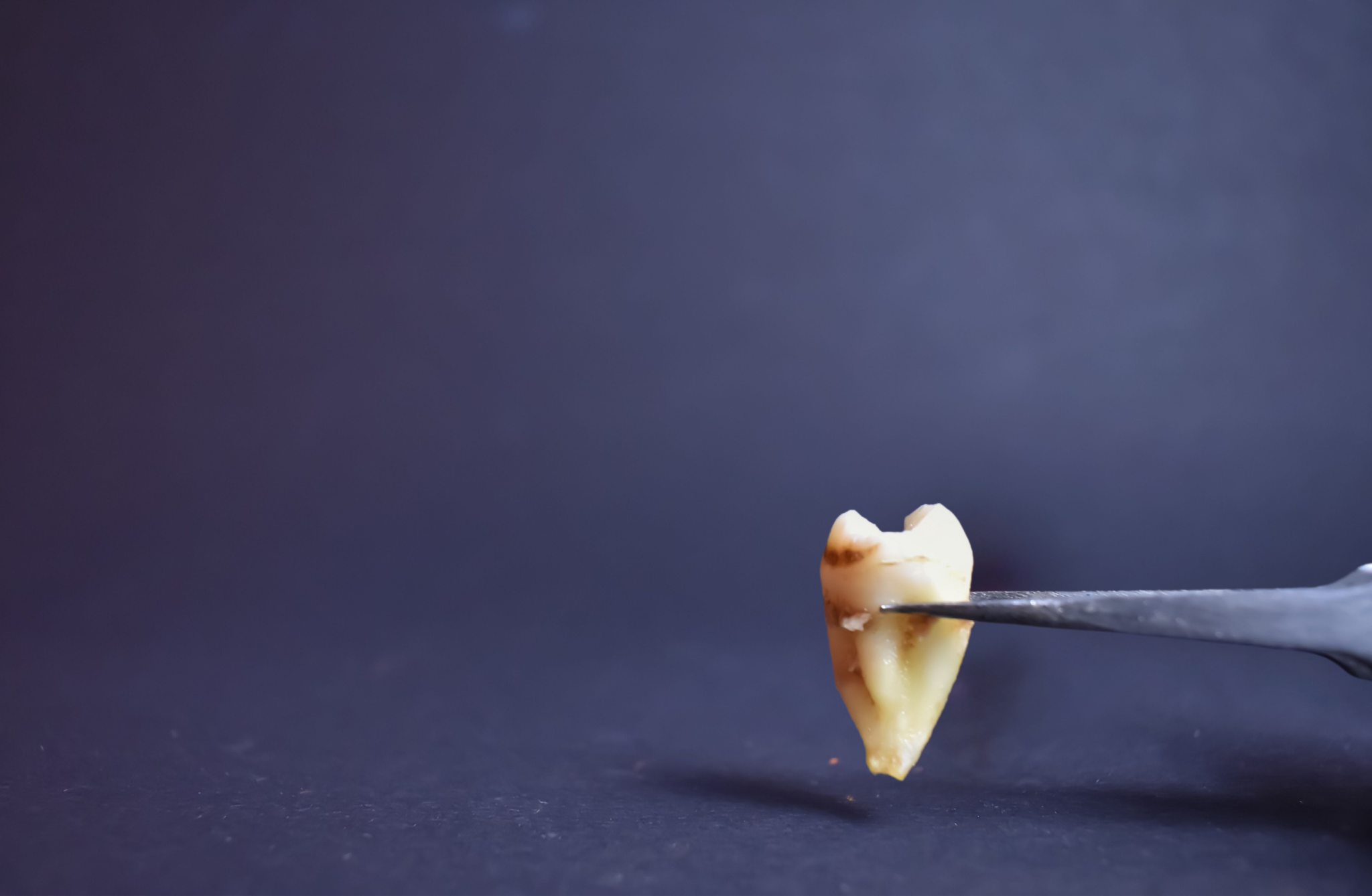
A moving tooth can be a sign of a serious condition or a result of an injury. The crucial factor is timing, as a delay in intervention can result in irreversible consequences. This condition requires immediate attention and should not be trivialized. The first step should be to consult with a specialist dentist. Causes of tooth mobility The symptom of a loose tooth may be noticeable during chewing, biting, or tooth brushing. There are many potential causes of mobility in permanent teeth. Often, this results from mechanical trauma, dislocations, fractures, or bruxism, which is teeth grinding. Frequently, loose teeth are a symptom of serious conditions such as advanced decay, complications associated with developing periodontal disease, or gum disease. Tooth mobility may also result from an infection caused by bacteria that destroy both the gums and the bone in which the tooth is anchored. Tooth mobility may occur after root canal treatment or during orthodontic therapy. Often, this is a complication of such treatment. In the case of children experiencing loose primary teeth, there is no cause for concern as this is a physiological phenomenon usually associated with the eruption of permanent teeth. What to do when a tooth begins to move? If we notice that one of our teeth is starting to lose stability, we should consult a dentist as soon as possible. Only then is there a chance to save the moving tooth. The specialist will assess the degree of tooth mobility using appropriate diagnostic tools such as a periotest. Four degrees of mobility are distinguished (from 0 to 3, where 0 indicates minimal mobility characteristic of some healthy teeth). A quick and accurate diagnosis is the foundation for further action. Usually, an X-ray is necessary for a more precise evaluation of the situation. In the event that a tooth (or several teeth) begins to move after an injury or impact, it is essential to immediately seek emergency dental care or visit a dental office. In such situations, prompt action is crucial. Thanks to a procedure called reimplantation, or repositioning the tooth in its socket, even knocked-out teeth can be saved. It is essential to store the lost tooth under proper conditions. Dental prevention We emphasize the importance of dental prevention in maintaining oral health, which includes consistent oral hygiene, regular check-ups with the dentist, and professional dental cleaning in the dental office. It is also important to learn the correct technique of brushing teeth, tongue, and gum massage. Thorough tooth brushing prevents the formation of dental plaque, the development of primary and secondary caries, and reduces the risk of periodontal and soft tissue inflammations. According to dental experts, daily oral hygiene, regular check-ups, and performed hygiene procedures play an important role in the durability of dental treatment (including implantological, surgical, prosthetic, or conservative). Therefore, we can conclude that the primary responsibility for the long-term effects of dental treatment lies with the patients themselves. Early diagnosis and prompt treatment, regardless of the type of condition, are also crucial, significantly affecting the treatment prognosis.
Teeth splinting: a solution for loose teeth
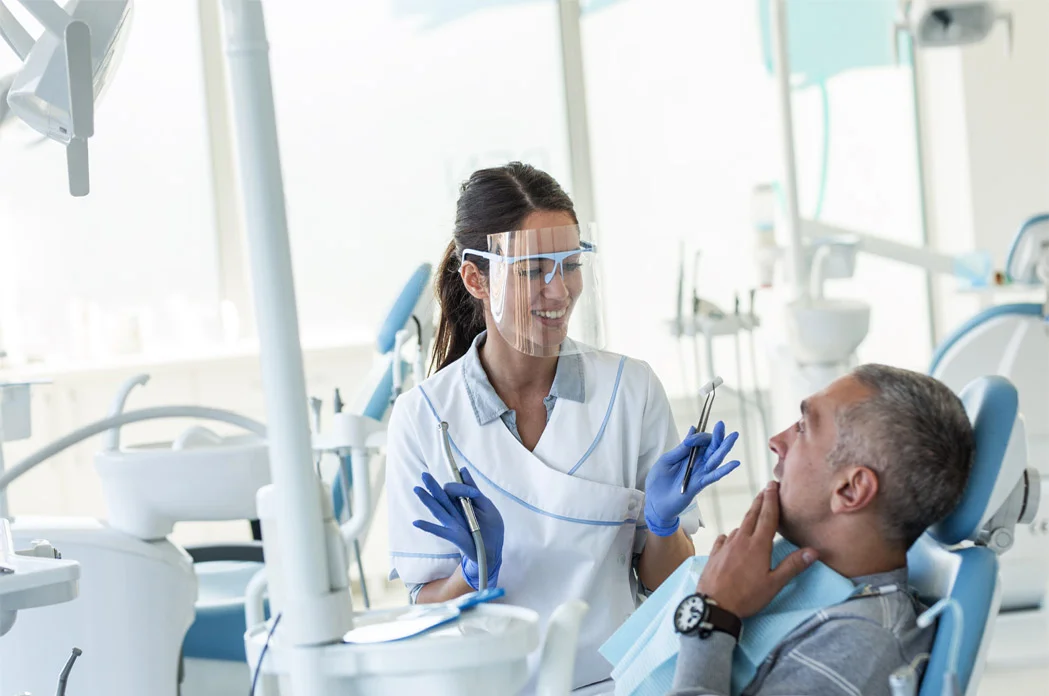
Loose teeth may have various causes, but it is always a problem that should be dealt with as soon as possible in the dentist’s office, because if left untreated, it may even lead to tooth loss. One of the methods, an alternative to traditional implantological and prosthetic procedures, is tooth splinting. It is worth considering this option to solve the problem of loose teeth. Find out what the treatment is and when it is used. What is splinting of loose teeth? Tooth splinting is a dental procedure that aims to stabilize loose teeth and avoid the need for removable prosthetic restorations. The procedure involves connecting loose teeth using a special material (fiberglass or composite materials) to restore the physiological function of the dental arches and ensure the patient’s comfort while eating and chewing food. Tooth splinting is most often used in the case of large bone loss and periodontal diseases, loosening of teeth due to mechanical injuries, the need for implants and during orthodontic procedures. Teeth splinting can also improve the treatment of periodontal diseases. Teeth splinting is also performed to establish bite balance and to treat parafunctions of the masticatory system. It can also be used to correct the shape of the patient’s teeth. Methods of splinting loose teeth There are two ways to splint teeth. The first one is performed using light-cured composite materials, the second one is performed using glass fiber. Each of these tooth splinting methods is effective. Whenever possible, healthy teeth are used to support the splinting. What is splinting teeth with fiberglass? Splinting with fiberglass in the case of loose teeth involves attaching a fiberglass tape to the teeth on the palatal or lingual sides, which stabilizes bites a tooth or teeth. Teeth splinting with composite Composite material is quite often used to connect teeth and to stabilize them. Loose teeth are connected on the palate or tongue side with a composite matched to the natural color of the teeth. This is a simpler and cheaper solution than installing a fiberglass ribbon. How is tooth splinting done? The splinting of loose teeth itself takes several to several minutes. However, the procedure usually requires prior tooth preparation, on which a splint will be placed with a drill, but it is not a complicated procedure. Does tooth splinting hurt? Splinting loose teeth is painless, regardless of the method used. Pain may appear at the initial stage of the procedure, especially when the dentist has to prepare the interdental surfaces with a drill. Local anesthesia can then be used, which increases the patient’s comfort. Teeth splinting – price The price of a treatment aimed at stabilizing and strengthening loose teeth depends mainly on the chosen method of installing a splint. Splinting with fiberglass is more expensive than using composite materials. How much money the procedure requires also depends on the number of immobilized teeth. The final price is usually several hundred zlotys. Advantages and disadvantages of tooth splinting The situation when loose teeth need to be strengthened with a splint is the last alarm signal and a way to preserve the teeth, among others. with advanced periodontal disease. The advantages of the treatment are as follows: splinting stabilizes loose teeth and strengthens them, allows you to avoid crown posts and removable prosthetic restorations, By splinting teeth, periodontal diseases can be treated more effectively. The main disadvantages of the procedure are its price. The patient may also feel some discomfort at the beginning until he or she gets used to the new situation in the oral cavity, which is quite common in the case of loose teeth that have been present for a long time. Teeth splinting –post-treatment indications After splinting, proper oral hygiene is especially important. You should brush your teeth after every meal and take care of the gaps between the connected teeth, which need to be cleaned effectively with dental floss. Imprecise cleaning may result in the development of tooth decay. After tooth splinting, regular visits to the dentist’s office are also necessary. A good choice is a clinic proven and recommended by customers, such as Warsaw Dental Center, where a team of experienced specialists comprehensively and individually treats each patient.