


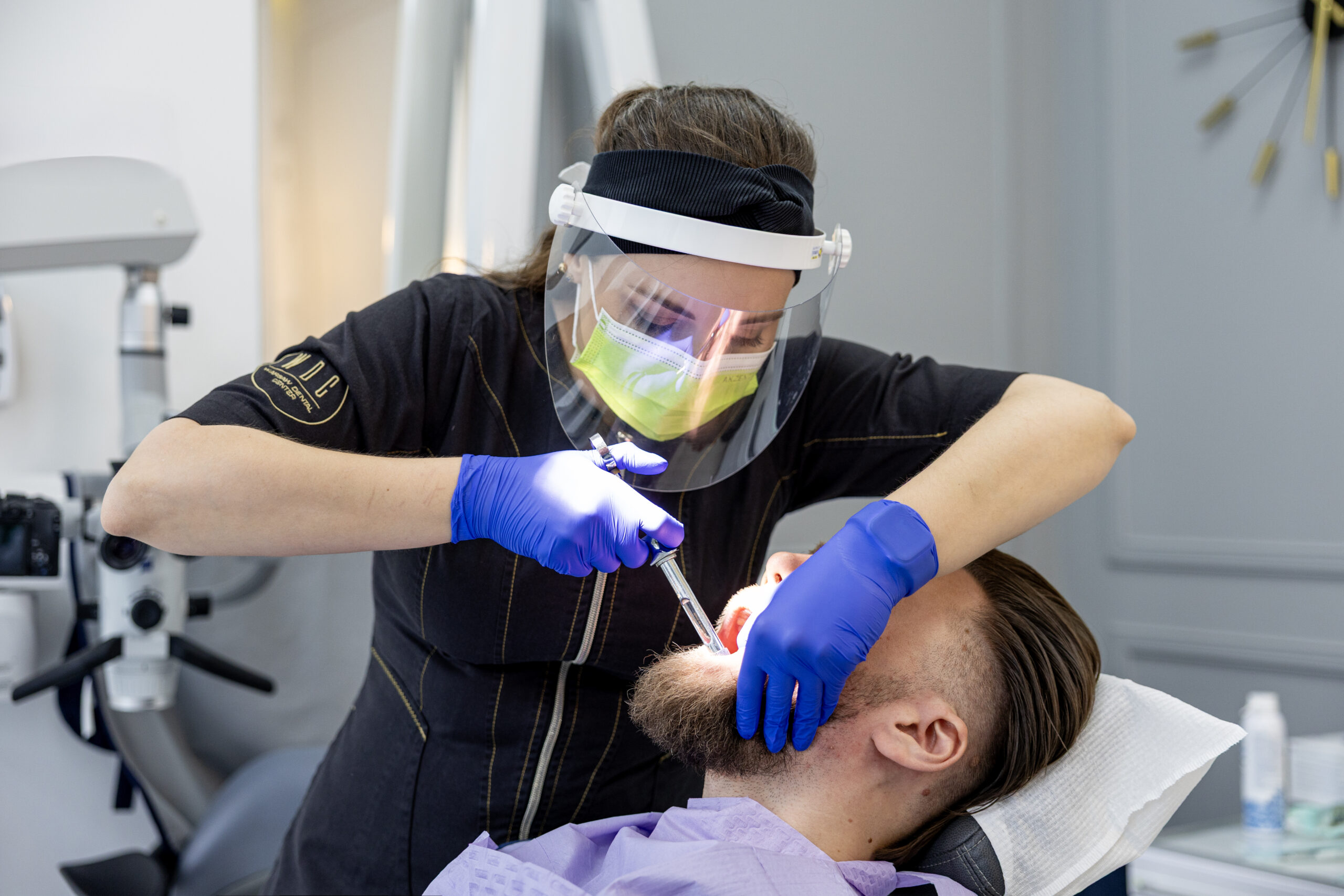
An In-House Prosthetic Laboratory A Fusion of Dentistry and Art You Can Truly Feel as a Patient In the world of dentistry, most clinics must send prosthetic work to external laboratories, often located hundreds of kilometers away. This means longer waiting times, more intermediaries, and less control over the final outcome. Warsaw Dental Center operates differently. We belong to a unique group of clinics that have their own on-site prosthetic laboratory. This is not just a technical addition it is a rare integration of the dentist’s office and the technician’s workshop, one that significantly elevates the standard of care. A Faster Path to a Beautiful Smile The Advantage of an On-Site Prosthetic Laboratory The most noticeable difference for patients is time.When restorations are created on-site, there is no need to ship impressions, models, or scans to another city and wait for them to return. What normally takes weeks in a standard clinic can often be completed at Warsaw Dental Center in just a few days, and in selected cases even the same day. This is especially important in treatments involving crowns, veneers, and bridges. During a fitting, if any adjustment is needed, the technician simply steps into the treatment room, evaluates the situation, and takes the work to the laboratory sometimes for just a few minutes. Instead of scheduling another visit, we perform corrections immediately, saving you time and reducing the total number of appointments to the minimum. Eliminating courier shipments shortens waiting time from weeks to days, and for minor adjustments even to hours. The entire process becomes more predictable: no shipping delays, no color-matching errors, no need to repeat impressions. Everything happens within one integrated team that knows your medical history and ensures continuity of your treatment. Real-Time Smile Individualization To make a crown, bridge, or veneer look truly natural, high-quality material alone is not enough.Crucial elements include: shade, color transitions, enamel translucency, shape harmonized with your face, lips, and neighboring teeth. In a clinic with an on-site laboratory such as Warsaw Dental Center, the dental technician can assess all of this directly at the chair looking at you, not only at a plaster model. The technician can meet you in person to perfectly match the shade and shape of your restorations. During the visit, they can take additional photos, perform shade tests, and make delicate shape corrections on the spot. If you notice during a fitting that one tooth could be slightly shorter or the shade a bit warmer, you communicate it immediately and the technician makes the adjustment the same day. This approach blends dentistry with an artistic sense of aesthetics. We do not create “just a crown” we create an individualized restoration designed to harmonize with your smile and personality. Thanks to this, veneers, crowns, and bridges do not look like “foreign elements” but like a natural part of your smile. Full Quality Control On-Site, Whenever You Need It Having an in-house prosthetic laboratory means we take responsibility for every stage of the restoration process. At Warsaw Dental Center, the dentist and the technician can discuss your case in real time, review solutions, and jointly decide on materials and technologies. Instead of slow communication with an external lab, everything happens instantly. We have full control over the materials used we know exactly which ceramics and composites we work with and select them for each specific clinical situation, not according to a generic protocol. This translates into durability, comfort, and predictable long-term outcomes. Quality control is not a slogan it is our daily practice, from the initial scan, through design and fabrication, to cementation of the final work. In clinics without an in-house laboratory, part of the responsibility for the final result lies with an external technician. With us, the entire process remains within one cohesive team. It requires investment in equipment, technology, and highly trained staff, but it gives real, measurable benefits for patients: better fit, fewer corrections, and the comfort of knowing that the same team oversees your smile from start to finish. Less Stress, More Comfort For patients, the most important factors are safety and predictability. Knowing that the entire prosthetic facility is on-site means you can count on quick assistance in emergency situations for example, when a crown chips or a bridge becomes loose. Instead of waiting for a repair from an external lab, we can take care of it almost immediately. Shorter periods of wearing temporary crowns mean greater comfort at work, in social situations, and during meals. Your life does not have to revolve around appointment calendars and delivery schedules. Most adjustments can be planned and performed in a way that minimally disrupts your day. An in-house prosthetic laboratory is much more than a technical convenience. It represents a specific philosophy of care based on close collaboration between dentist and technician, individualized treatment, and full control over every stage of the process. Thanks to this, we can honestly say that at Warsaw Dental Center we combine on-site quality control, personalized aesthetics, and faster results all under one roof, in your dental clinic. Summary Choosing a clinic with its own prosthetic laboratory means choosing not only a beautiful final result, but also shorter treatment time, fewer visits, and greater influence over the appearance of your smile. It is a fusion of dentistry and prosthetic artistry, where the entire journey from planning to the final restoration happens under one roof, within one experienced team, for your comfort. Your dream restoration. Created and delivered faster.
Dental Bonding in Warsaw: Price, Procedure, and Results
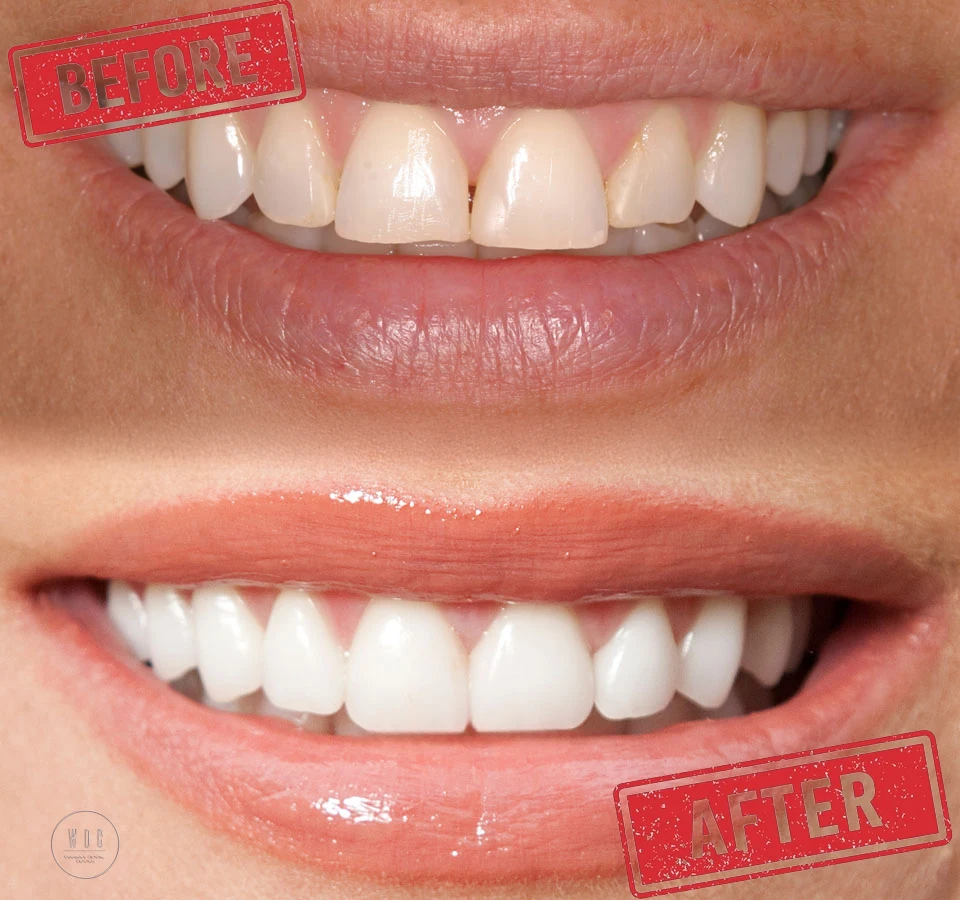
Dental bonding is one of the fastest and most affordable ways to improve your smile without invasive procedures. At our clinic in central Warsaw, patients often choose bonding as a cosmetic alternative to veneers or crowns — especially when they want quick results at a reasonable price. As a dentist with many years of experience in cosmetic dentistry, I am often asked: How much does dental bonding cost in Warsaw, and when is it the right choice? In this article, I will explain what bonding is, what benefits it offers, how much it costs in 2025, and how it compares to other treatments. What is dental bonding? Bonding involves applying a tooth-colored composite resin directly onto the tooth surface to improve its shape, size, or color. With this method, we can: close gaps between teeth (diastema), rebuild chipped or fractured enamel, lengthen teeth that appear too short, cover stains or discoloration. The treatment is completely painless, does not require anesthesia, and can be done in a single visit. Dental bonding price in Warsaw At Warsaw Dental Center, the cost of dental bonding is 1,000 PLN per tooth. For comparison: a composite filling costs 700–800 PLN, a porcelain veneer costs around 4,000 PLN, a ceramic crown starts at 2,500 PLN. 👉 This makes bonding an excellent middle-ground solution — less expensive than veneers, but more aesthetic than a regular filling. Check our full price list here When is bonding the best choice? Bonding is ideal for patients who want a quick and affordable improvement in smile aesthetics. It works particularly well in cases such as: small gaps between teeth, reshaping front teeth, restoring chipped edges, masking stains that do not respond to whitening. For larger corrections or when maximum durability is needed, we recommend veneers or ceramic crowns. Benefits of dental bonding immediate results (usually in one appointment), non-invasive and painless procedure, no drilling or reduction of natural tooth structure, more affordable than veneers, reversible — bonding can be removed or replaced if necessary. How does the procedure work? Consultation – the dentist examines your teeth and selects the right shade. Surface preparation – the tooth is cleaned and gently etched. Application of composite resin – the dentist sculpts the material to the desired shape. Curing with a special light – hardening the composite. Polishing – achieving natural shine and smooth finish. The entire procedure usually takes 30–60 minutes per tooth. How long does bonding last? With proper care, dental bonding lasts between 3 and 5 years. Lifestyle habits (coffee, tea, wine) may affect discoloration. To maintain results, we recommend regular check-ups and professional hygiene appointments. FAQ – Common questions about bonding Is bonding painful?No, it is painless and usually does not require anesthesia. How much does bonding cost in Warsaw?The price is 1,000 PLN per tooth at our clinic. Can bonding be combined with whitening?Yes, but whitening should be done first (see our whitening offer here), followed by bonding to match the shade. Does bonding damage natural teeth?No, bonding is non-invasive and preserves healthy tooth structure. Conclusion Dental bonding is a fast, painless, and cost-effective way to improve your smile. At Warsaw Dental Center, we use advanced materials and techniques to achieve natural and aesthetic results. If you are considering a smile makeover, bonding might be the perfect solution for you. 👉 Book your consultation today and discover how easily you can transform your smile. Medical Director, DDS, MSc Urszula Leończak
Dental Crowns: Everything You Need to Know About Types, Costs, and the Procedure
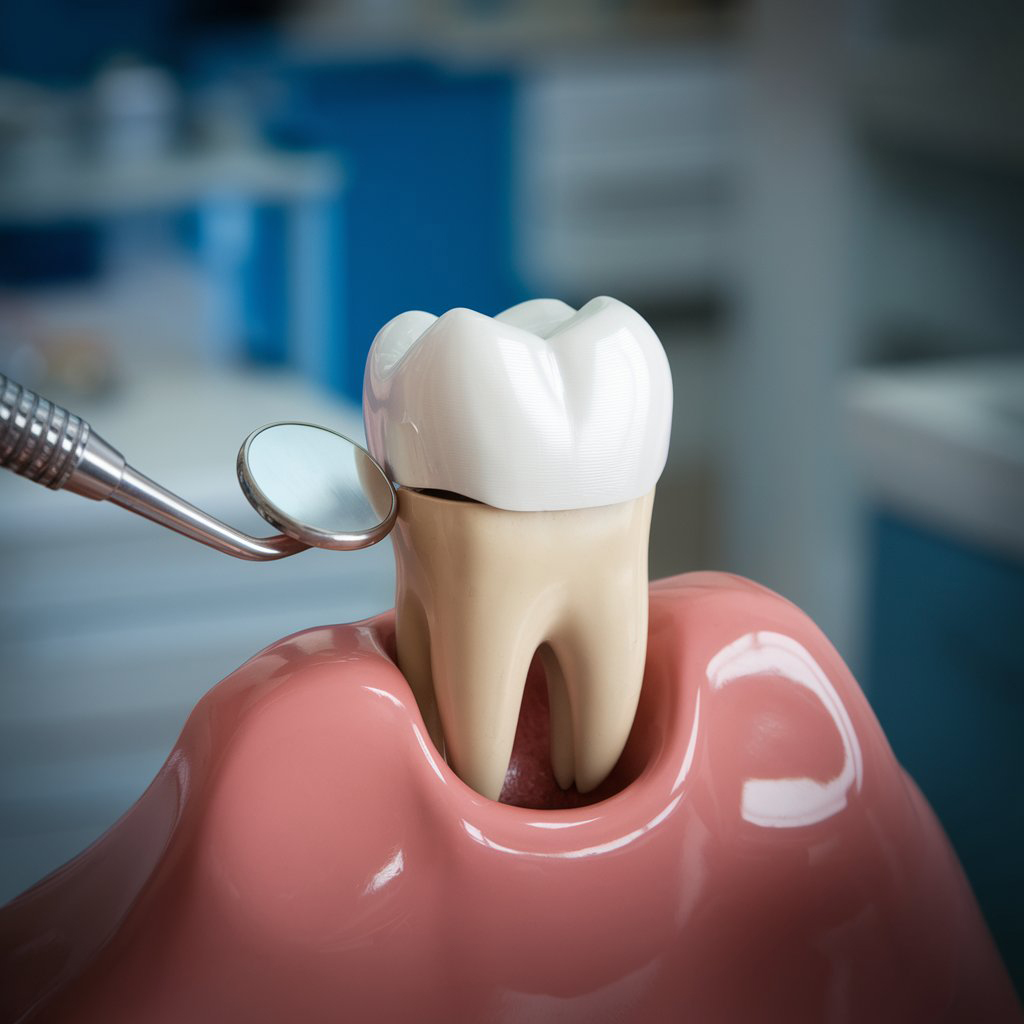
Prosthetic dentistry plays a crucial role in restoring the health and aesthetics of your smile. One of the most popular solutions are dental crowns. In this article, we will discuss what dental crowns are, their types, costs, and when it’s worth considering them. What Are Dental Crowns? Dental crowns are durable prosthetic restorations placed over a prepared tooth or implant. Their primary purpose is to rebuild the tooth both functionally and aesthetically. They help restore the natural shape, size, and color of a tooth, contributing to the improvement of your smile aesthetics. Types of Dental Crowns Choosing the right crown depends on the individual needs and aesthetic expectations of the patient. The most popular types of dental crowns include: 1. Metal Crowns: Made from non-precious or precious metals. They are durable but less aesthetic, so they are rarely used on front teeth. 2. Porcelain-Fused-to-Metal Crowns: Combine the strength of metal with the aesthetics of porcelain. They are a popular compromise between durability and appearance. 3. All-Ceramic Crowns: Made entirely of ceramic. They offer the highest aesthetics and are ideal for front teeth as they perfectly mimic natural enamel. 4. Zirconia Crowns: Made from zirconium oxide. They are extremely durable and biocompatible, minimizing the risk of allergic reactions. When to Use Dental Crowns? Placing a crown on a tooth is recommended in the following situations: – Significant Tooth Damage: For large cavities caused by decay or injury when restoration with a filling is not possible. – After Root Canal Treatment: Teeth after root canal treatment are weakened and more prone to fractures, so a crown provides additional protection. – Aesthetic Defects: For discolorations, improper shape, or tooth positioning that are not suitable for orthodontic treatment. – Implant Restoration: The crown is the final element complementing a *dental implant*, restoring full functionality and aesthetics. How Much Does a Dental Crown Cost? The cost of dental crowns depends on the chosen material and the manufacturing technology: – Metal Crowns: The most economical, prices start from a few hundred złoty. – Porcelain-Fused-to-Metal Crowns: Mid-range prices, costing from 800 to 1,500 złoty. – All-Ceramic Crowns: Prices range from 1,500 to 3000 złoty, depending on the ceramic used. –Zirconia Crowns: The most expensive but also the most aesthetic and durable, costing from 2,000 to 4,000 złoty. Remember that the cost of a dental crown may vary depending on the dental clinic and the region of the country. Does Placing a Crown Hurt? Many patients worry about whether placing a crown on a tooth hurts. The procedure is performed under local anesthesia, making it painless. You may experience slight discomfort after the anesthesia wears off, but it usually subsides after a few hours. How Long Does It Take to Place a Crown? The process of placing a crown usually involves several visits: 1. First Visit: Consultation, diagnostics, and tooth preparation (shaping). 2. Second Visit: Taking impressions and selecting the crown color. 3. Third Visit: Trying on the crown and making any necessary adjustments. 4. Fourth Visit: Final cementing of the crown. The entire process can take from 1 to 3 weeks, depending on the prosthetic laboratory and the patient’s individual needs. How to Care for a Dental Crown? To ensure your dental crown lasts for many years, it’s important to: – Maintain Regular Oral Hygiene: Brush your teeth at least twice a day and use dental floss. – Avoid Hard Foods: They can damage the crown or cause it to become loose. – Regular Check-ups: Visit your dentist at least every six months to assess the condition of the crown and your oral health. Advantages of Dental Crowns – Improved Smile Aesthetics: Crowns perfectly mimic natural teeth. – Restoration of Chewing Function: They allow you to eat normally. – Tooth Protection: They prevent further damage to a weakened tooth. – Durability: With proper care, they can last even several decades. Warsaw Dental Center: Top Choice for Dental Crowns in Warsaw, Poland Are you searching for high-quality, affordable dental crowns in Warsaw, Poland? Look no further than Warsaw Dental Center, the premier destination for comprehensive dental care in the heart of Poland’s capital. Why Choose Warsaw Dental Center for Dental Crowns? – All-Inclusive Services: One of the few clinics in Warsaw offering all dental treatments under one roof – Cutting-Edge Technology: In-house CAD/CAM for same-day crowns and on-site Panoramic X-Ray facilities – Competitive Pricing: Affordable dental crowns without compromising on quality – International Expertise: Dentists trained abroad and fluent in English – Global Patient Base: Trusted by patients from UK, USA, Sweden, Denmark, and Norway Dental Crown Prices at Warsaw Dental Center (2024) Crown Type Price (PLN) Porcelain on metal 1500 All-ceramic 2500 Zirconium 2500 Expert Dentists at Your Service Meet our renowned cosmetic dentistry specialists: – Dr. Natalia Rogulska – Dr. Aleksandra Kostrz Both doctors bring international training and a global perspective to their practice, ensuring world-class dental care. Comprehensive Dental Services Warsaw Dental Center offers a full range of dental treatments, including: – Dental implants – Root canal treatment – Orthodontics – Veneers – Teeth whitening – Emergency dental care Why Patients Choose Warsaw Dental Center – EU-Standard Care: High-quality treatments meeting European standards – Cost-Effective: Significant savings compared to dental work in other countries – Short Wait Times: Quick access to dental procedures – Holistic Approach: Focus on overall oral health, not just individual treatments Join Our 11,000+ Satisfied Patients Warsaw Dental Center has established itself as a leader in global dental tourism, combining Polish dental expertise with international standards of care. Experience Top-Tier Dental Care in Warsaw Choose Warsaw Dental Center for your dental crown needs and benefit from: – Expert care from internationally trained professionals – State-of-the-art technology – Comprehensive, all-inclusive dental services – Clear communication with English-speaking staff Don’t compromise on your smile. Trust Warsaw Dental Center for all your dental needs, including high-quality, affordable dental crowns in Warsaw, Poland. Citations: [1] https://warsawdentalcenter.pl/en/ [2] https://warsawdentalcenter.pl/en/crowns-what-are-they-and-when-is-it-recommended-to-wear-them/ [3] https://www.whatclinic.com/dentists/poland/warsaw/dental-crowns
Dental bonding in Warsaw, our expert dentists explains the procedure costs, durability and after care.
Dental bonding in Warsaw is one of the most popular methods for improving the aesthetics of a smile. If you’re considering this treatment, you probably have a few questions. In this article, we will answer the three most frequently asked questions about tooth bonding, focusing on costs, durability, and comfort. You’ll also learn about the factors that influence the price of dental bonding in Warsaw and where to find the best specialists. How Much Does Dental Bonding Cost in Warsaw? The cost of dental bonding in Warsaw depends on many factors, such as the dentist’s experience, the clinic’s location, and the materials used. On average, the price of dental bonding in Warsaw ranges from 500 to 1200 PLN per tooth. Here are the factors affecting the price: – Extent of the procedure: Repairing minor damage will be cheaper than a full reconstruction of several teeth. – Dentist’s experience: Specialists with years of experience may charge higher fees due to the quality of service. – Composite materials: Higher quality materials are more durable and aesthetically pleasing, which can influence the price. – Clinic location: Clinics in central districts of Warsaw may have higher prices than those on the outskirts. To get an accurate estimate, it’s best to consult directly with Dr. Natalia Rogulska at Warsaw Dental Center. How Long Does Dental Bonding Last? The durability of tooth bonding typically ranges from 3 to 10 years, depending on several factors: – Oral hygiene: Regular brushing, flossing, and dental check-ups can prolong the life of the bonding. – Patient habits: Avoid habits such as biting nails, using teeth to open bottles, or chewing hard objects. – Diet: Limiting the consumption of coffee, tea, red wine, and other staining products helps maintain the bonding’s appearance. – Quality of the work: Bonding performed by an experienced dentist in a reputable clinic ensures better durability. Keep in mind that composite material used in bonding is less resistant to stains and damage than porcelain veneers. However, proper care can significantly extend its lifespan. Is Dental Bonding Painful? Tooth bonding is a painless and non-invasive procedure. Here’s what you should know about the comfort during the procedure: – No need for anesthesia: In most cases, anesthesia is not required, as the procedure involves applying composite material to the tooth’s surface. – Quick procedure: The treatment takes between 30 minutes to 1 hour per tooth, minimizing patient discomfort. – No interference with tooth structure: Unlike other cosmetic treatments, bonding does not require grinding or removing healthy tooth tissue. Patients rarely experience any discomfort during or after the procedure. However, if you have any concerns, you can always discuss them with your dentist before starting the treatment. Where to Get Dental Bonding in Warsaw? Warsaw offers many reputable dental clinics specializing in dental bonding. When choosing a clinic, consider: – Patient reviews: Check feedback and recommendations from other patients. – Dentist’s experience: Choose a specialist with proven experience in aesthetic procedures. – Technology and materials: Ensure that the clinic uses modern composite materials and equipment. We invite you to schedule an appointment with Dr. Natalia Rogulska at Warsaw Dental Center, who specializes in tooth bonding procedures. Conclusion Dental bonding in Warsaw is an excellent solution for those looking to quickly and effectively improve the aesthetics of their smile. Knowing the answers to the most frequently asked questions – regarding costs, durability, and comfort – can help you make an informed decision about undergoing this procedure. Remember, investing in your smile is an investment in your confidence and well-being. relevant links for further research: https://www.webmd.com/oral-health/dental-bonding https://en.wikipedia.org/wiki/Dental_bonding https://www.healthline.com/health/dental-and-oral-health/teeth-bonding
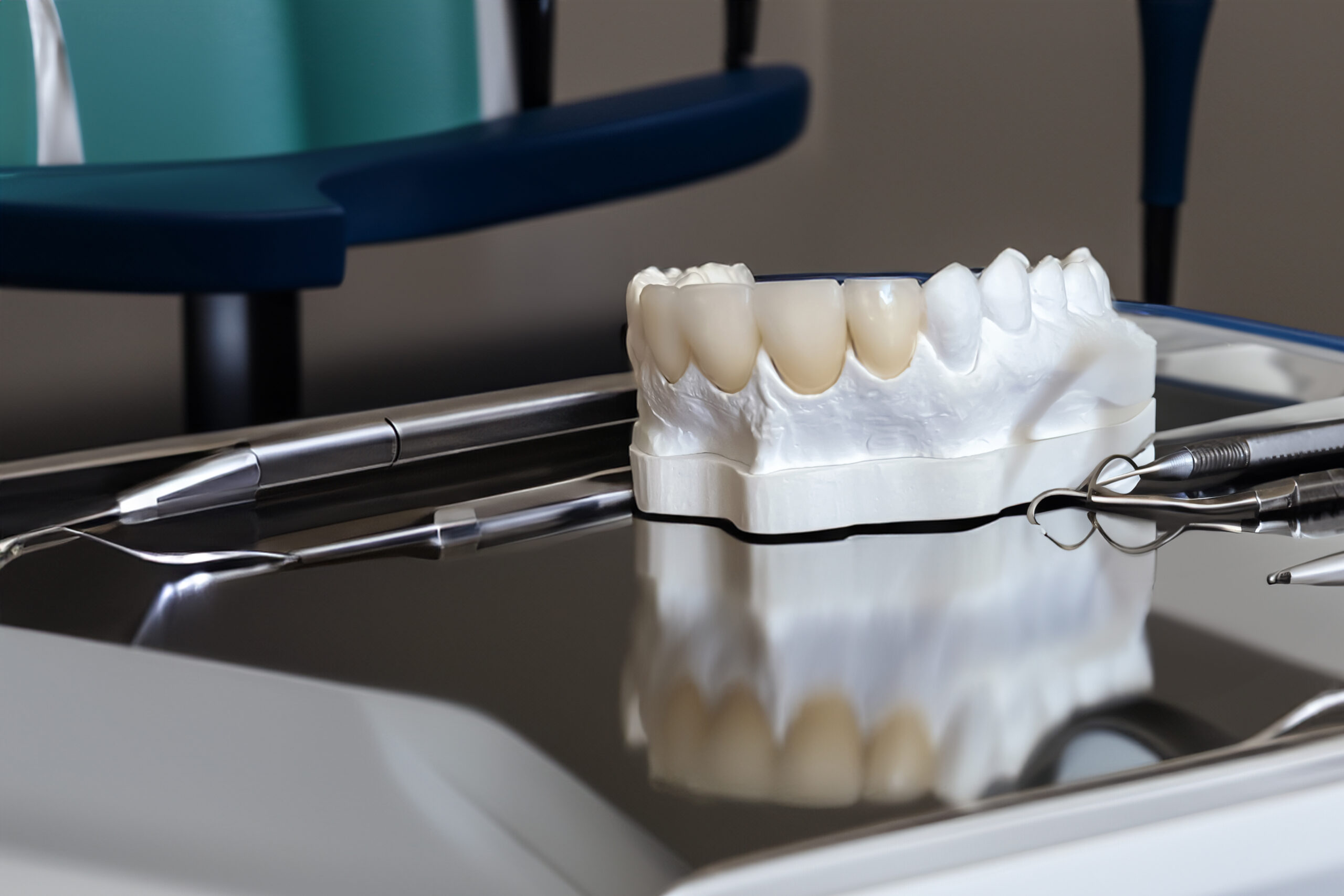
Types of dental crowns and their applications
An artificial tooth crown is a type of prosthetic restoration used when the natural crown has been damaged. The causes of this can be various: trauma, decay, or anatomical anomalies. Aesthetic reasons, such as improving the shape or color of the tooth, may also be an indication for crown placement. A tooth crown is a kind of “cap” attached to a specially prepared, trimmed tooth. It provides a solution for strengthening the tooth and restoring its functionality and aesthetics. Crowns can be temporary or permanent. Temporary crowns serve to protect the tooth between visits to the dentist, before the final restoration is applied. They are usually made of acrylic and do not have high durability. Types of Tooth Crowns Classification according to the material they are made of: Metal Crowns Advantages: high durability, low cost. Disadvantages: may cause allergic reactions, unnatural appearance. Porcelain Crowns (All-Ceramic) Advantages: no allergic reactions, very good aesthetics – thanks to partial translucency, they mimic natural enamel excellently, do not change the color of adjacent tissues. Disadvantages: high hardness may affect wear on opposing teeth, quite fragile, may crack with improper use. Zirconia Crowns Advantages: no allergic reactions, high durability, good aesthetics, high thermal insulation properties. Disadvantages: high hardness may affect wear on opposing teeth, limited translucency affecting aesthetics, high cost. Combined Crowns – Porcelain on Zirconia Substructure Advantages: high durability, natural appearance, no allergic reactions, excellent adhesion to the tooth. Disadvantages: require more tooth trimming due to their thickness, which may limit their application. Combined Crowns – Porcelain on Metal Substructure Advantages: good durability, high flexibility minimizing the risk of cracking. Disadvantages: may cause allergic reactions, as well as discoloration of adjacent tissues. Indications for Tooth Crowns cavities caused by decay, cavities resulting from trauma, enamel discoloration, e.g. after tetracycline therapy, discoloration after endodontic treatment, enamel development disorders, correction of worn and rotated teeth, improving the aesthetics of teeth Contraindications for Tooth Crowns too much tooth damage, periodontal diseases, periapical changes Treatment Process Consultation visit, often combined with radiological diagnostics Preparation, i.e. grinding of teeth, can be done under local anesthesia or sedation Impression taking, serving as a model for making crowns by the prosthetic laboratory Selection of the appropriate color and determination of the occlusal height Placement of temporary crowns, protecting the trimmed teeth Fitting of the final crowns and their cementation with specialized prosthetic cement The durability of tooth crowns depends largely on the patient, their oral hygiene, dietary habits, and regularity of check-up visits. The type of material they are made of also affects durability. Well-maintained crowns can last up to 20 years.
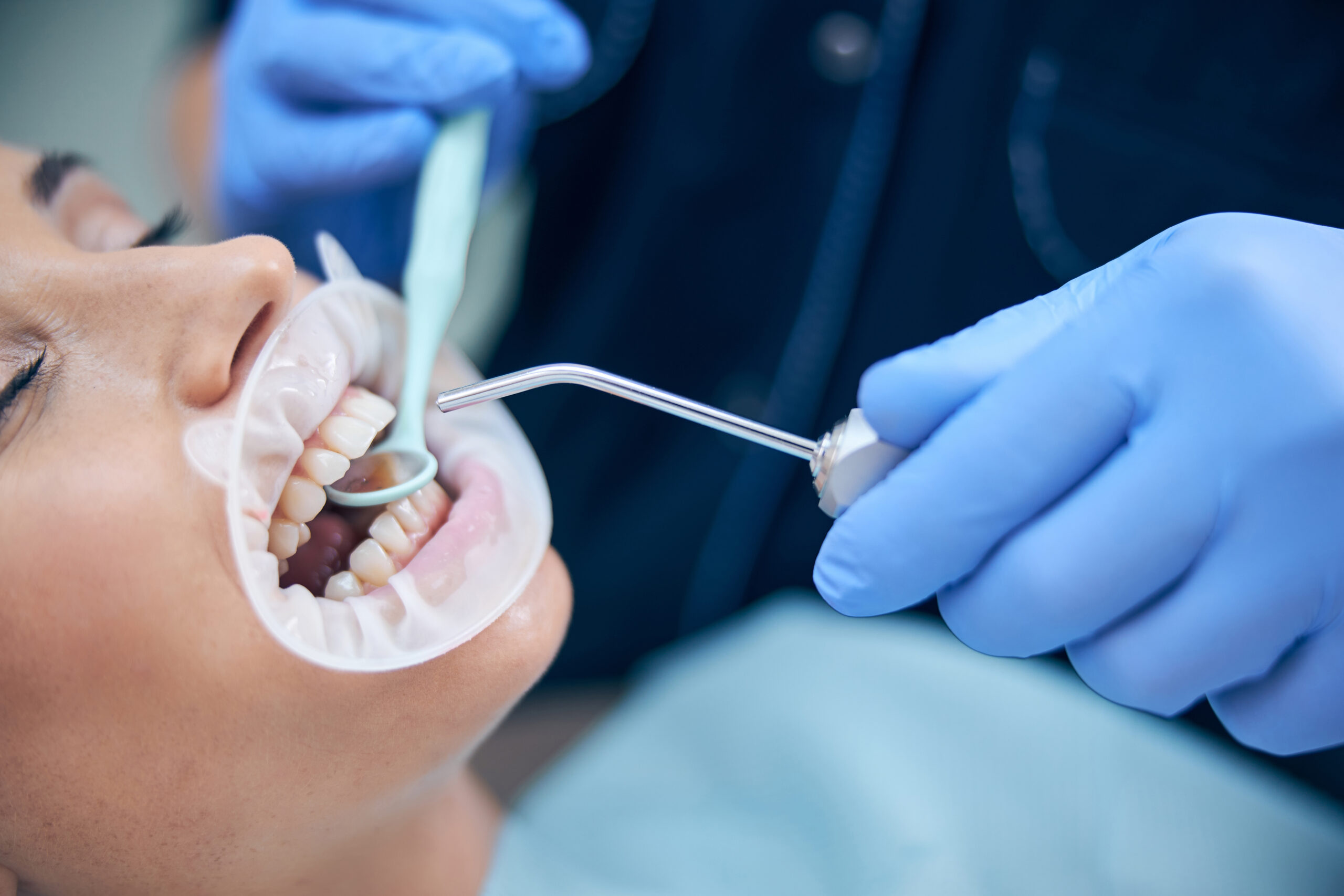
The consequences of neglecting dental care and avoiding prosthetic treatment
Teeth can be lost for various reasons, but most often their removal is necessary due to decay. Many people ignore individual cavities, postponing treatment until the gaps become visible during smiling or speaking. However, this is a mistake – it is important to understand that even after losing a single tooth, it is necessary to replace it to avoid serious health consequences. What are they? Why opt for prosthetic treatment? Dental deficiencies can cause a range of unpleasant consequences. In addition to difficulty in proper chewing, which can lead to digestive problems, unfilled gaps can also cause headaches and other discomforts related to the movement of remaining teeth. The aesthetic aspect should not be underestimated either. Dental gaps not only negatively impact the appearance of the smile but can also cause cheek sagging and increased wrinkles on the face, significantly lowering our well-being. Additionally, untreated gaps can cause speech problems and increase the risk of inflammatory conditions in the oral cavity. They can also negatively affect the condition of the temporomandibular joints. It is worth remembering that prosthetic treatment not only improves our oral health but also positively affects our well-being and smile aesthetics. How to effectively fill dental gaps? Dental prostheses are an ideal solution for such problems. In Warsaw, it is worth visiting a renowned dental center, Warsaw Dental Center, where specialists offer comprehensive prosthetic services. Thanks to prostheses, it is possible to restore full bite functionality, which translates into the patient’s comfort and self-esteem improvement. The key aspect is the individual adaptation of prostheses to the patient’s needs and anatomical conditions. Both full dentures and single gap fillings are available as options. Discover more about prosthetic solutions at Warsaw Dental Center today!
Journey from Inside the Tooth to a Perfect Smile
Caring for a beautiful smile goes deeper than just superficial prosthetic procedures. In today’s world, the concern for dental aesthetics is a process that begins with the smallest details, even at the root canal treatment stage. Every patient desires their smile to be unique and healthy. Root Canal Treatment and Veneer Placement: Optimal Solutions for Healthy and Aesthetic Teeth If you’re dealing with issues such as a dead tooth, gum problems, or pulp issues, promptly consult with a dentist. Effective procedures are available in aesthetic dentistry, including porcelain veneers and crowns, which restore the natural appearance of teeth. Root canal treatment is a commonly used procedure in prosthetic dentistry. It involves removing infected pulp from inside the tooth and sealing it with a special material to prevent further damage. In cases where aesthetics and occlusal functionality are lacking after root canal treatment, veneer placement is recommended – thin ceramic overlays that adhere perfectly to the tooth’s surface, restoring its natural appearance. Veneers can also be made of composite, known for its durability and aesthetics. Before undergoing the procedure, it’s important to consult with a dentist who will assess the condition of the teeth and help choose the best solution. By collaborating with an experienced prosthetic laboratory, veneers and crowns tailored to the patient’s individual needs can be obtained. Porcelain veneers are highly popular due to their durability and natural appearance. The veneer placement procedure is painless and requires minimal tooth grinding. The placement of veneers and crowns not only restores a beautiful smile but also improves occlusal function and hides minor tooth imperfections and discolorations. Aesthetic dentistry enables patients to achieve their desired smile and self-confidence. Regular oral hygiene and dental check-ups are crucial for maintaining the health and beauty of teeth. The dentist will monitor the condition of veneers and crowns and perform necessary conservation treatments. In case of any issues, such as chipping or detachment of a veneer, immediate contact with the dentist is necessary. Root canal treatment and veneer placement represent a comprehensive approach to achieving healthy and attractive teeth. Thanks to aesthetic dentistry, patients can enjoy a beautiful smile and full oral functionality. Regardless of the cause of dental problems, there are effective methods for restoring the health and beauty of teeth. Therefore, it’s worth consulting with a dentist and considering root canal treatment and veneer placement to regain a beautiful smile and full self-confidence. Regain Your Natural Smile After Root Canal Treatment with Tooth Veneers and Modern Technologies After root canal treatment, tooth veneers can be a key element in restoring a natural smile. Thanks to innovative technologies, it’s possible not only to improve the color of the tooth but also its shape. Porcelain veneers are popular, perfectly reflecting the natural aesthetics of teeth after root canal treatment. Made of durable material, they perfectly conform to the front surface of the tooth. In the case of dark teeth, veneers can be additionally whitened, ensuring the desired effect. The process of veneer placement is practically painless. It only requires minimal tooth grinding to ensure a perfect fit. If a tooth crown is damaged, a veneer may be necessary to restore aesthetics. If you’re considering veneers after root canal treatment, consult with a dentist. During the consultation, they will assess the condition of your teeth and propose an appropriate treatment plan. Before proceeding with the procedure, it’s important to consent to the processing of personal data. The dentist will use appropriate materials to ensure durable and aesthetic results. In some cases, a repeat procedure may be necessary. Thanks to tooth veneers after root canal treatment, you’ll regain your natural smile and self-confidence. Schedule a consultation with a dentist to learn more about the procedure and restoring the beauty of your smile.

Ways to save a broken tooth
Common belief among many patients is that a broken tooth always leads to the necessity of its extraction. However, there are cases where prompt intervention in the dental office can prevent this necessity. Given the right conditions and quick reaction, a broken or severely damaged tooth can be preserved, eliminating the need for its removal. Causes of Tooth Fractures Fracture or damage to a tooth can result from neglected caries or mechanical injuries. Especially front teeth are susceptible to severe mechanical damage. Untreated caries gradually leads to the degradation of dentin, which can result in chipping or falling out of tooth fragments. Dealing with Minor Tooth Damage Tooth chipping is a problem that can lead to minor tissue loss. In such situations, repair is relatively simple, requiring only the intervention of a dentist in the office. To restore the chipped dentin fragment, light-cured composite filling is applied, matched in color to the rest of the tooth and other teeth in the arch. Alternatively, veneers can be used. Procedure for Cracked or Broken Teeth Larger tooth damage, such as crown fracture or crack, requires a more advanced approach. Often, the dental pulp is damaged, so taking an X-ray is necessary before starting treatment. After root canal treatment, crown restoration can be performed. During crown restoration, composite material can be used, or a glass fiber post-core can be applied. The latter material not only ensures crown restoration but also prevents future fractures. Deep Tooth Fractures Fracture of the tooth below the gum line requires immediate repair to avoid displacement of adjacent teeth. The dentist may propose a procedure involving tooth extraction and using it as a base for a prosthesis.
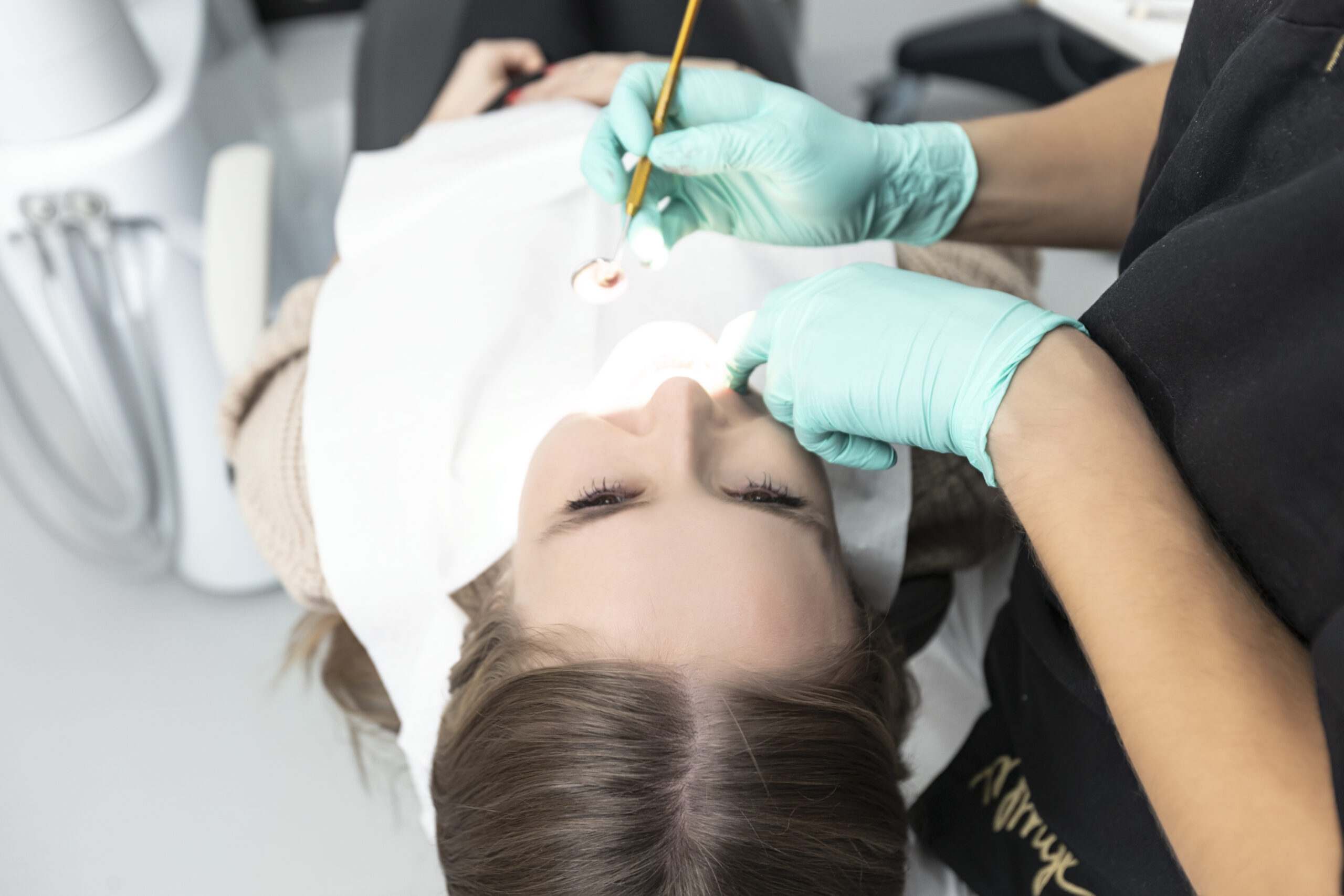
Bonding teeth Warsaw. What is its cost?
What is Tooth Bonding and Why Should You Consider It? Tooth bonding is a fast, non-invasive procedure that is becoming increasingly popular and receiving numerous positive reviews. But what exactly is bonding and why should you consider this solution? Bonding relies on the principle of adhesion, eliminating the need for tooth grinding and enamel damage. During this procedure, a dentist applies a special composite resin directly to the teeth, also used in treating cavities. Through adhesion, the composite forms a tight seal, allowing for the correction of minor cavities, cracks, and discolorations while preserving the integrity of the enamel. The flexibility of the composite offers wide possibilities for correcting the appearance of teeth, allowing the dentist to precisely match the shape and color of the material to the natural shade of your teeth. This achieves a beautiful and natural smile without the need to interfere with the tooth structure. Thus, bonding is an effective solution for individuals wishing to improve the appearance of their teeth in a simple and safe manner. When Can Bonding Be Done? Bonding, as a cosmetic procedure, is ideal for minor aesthetic improvements. Here are situations where this procedure is worth considering: Masking minor enamel imperfections: If you have minor scratches or other small defects on the surface of your teeth, bonding can effectively conceal them. Reducing discoloration: This treatment is an effective way to reduce the visibility of discolorations on the tooth surface, such as stains from coffee or smoking. Closing small gaps between teeth: If you have small gaps between your teeth, bonding can help close them, improving smile aesthetics. Correcting tooth shape: Bonding can be used to change the shape of teeth, giving them a more harmonious form. Temporary smile improvement before prosthetic reconstruction: If you are planning more advanced prosthetic treatment, bonding can temporarily enhance the appearance of your smile, giving you confidence until a full reconstruction is performed. However, bonding is not suitable for larger tooth defects or significant aesthetic corrections. Additionally, it is not recommended for patients expecting long-lasting effects, as its durability may be limited. It’s also important to remember that bonding can only be applied to healthy teeth. In cases of decay or periodontal disease, these conditions must be treated before undergoing cosmetic procedures. What Is the Cost of Tooth Bonding? The cost of tooth bonding may depend on various factors, including the extent of smile correction and the number of teeth involved in the procedure. Typically, it is also recommended to treat all teeth and apply fillings in case of cavities. In our clinic, the price for this procedure is 900 Polish złoty. However, additional costs such as radiological examinations may be added to this price, but you will receive an exact quote during your consultation visit. Does Health Insurance Cover the Cost of Bonding? Check if your policy covers these expenses. Health insurance may partially or fully cover the costs associated with bonding. However, it’s important to note that terms and limitations vary depending on the policy. Before opting for this procedure, make sure your health insurance covers it, and whether it covers part or all of the procedure costs. If you are considering bonding but are concerned about the costs, consult your insurance agent or physician to find out if there is a possibility of coverage through your policy. It’s also worth checking insurers’ offerings on their websites for more information on coverage for bonding costs and other medical procedures.
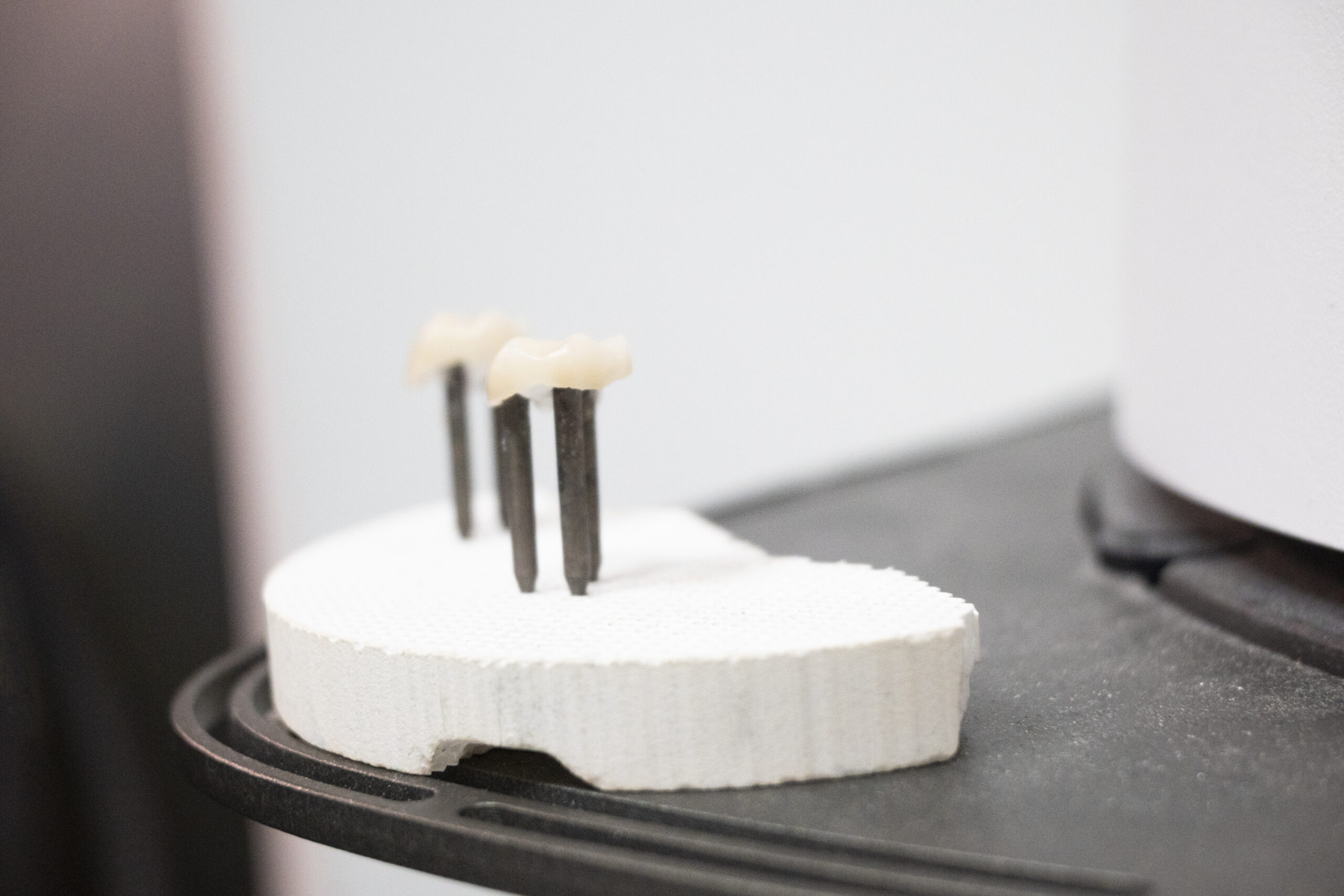
Dental Crowns – what are they and who should choose them?
Dental Crowns and bridges are permanent prosthetic solutions that are attached to existing teeth or implants. Unlike dentures, which can be removed and cleaned daily, crowns can only be removed by a dentist. What are Dental Crowns? A dental crown provides an ideal solution for damaged teeth, offering them comprehensive coverage. Its main function is to strengthen and protect the tooth. Additionally, it improves aesthetics and aligns its appearance. Crowns can also be used on implants and can be made from various materials such as porcelain, ceramic, gold, acrylic, or iron alloy. Ceramic and porcelain crowns can be matched to the natural shade of the remaining teeth, providing a harmonious aesthetic effect. Dental Crowns and Their Types Dental crowns are classified based on the material from which they are made. Here are their types: Porcelain Crowns – can be made on a metal or ceramic substructure. Metal core crowns are particularly recommended for molars. Gold Substructure Porcelain Crowns – recommended for patients with severely damaged teeth due to the strong anti-cavity action of gold. All-Ceramic Crowns – characterized by exceptional aesthetics. Due to their appearance, they are difficult to distinguish from natural teeth. Such crowns are commonly used for anterior teeth replacements. All-Metal Crowns – are currently used much less frequently. Composite and Acrylic Crowns – serve as temporary solutions. However, if porcelain crowns cannot be applied to a patient (e.g., due to material hardness), it is possible to have permanent crowns made of composite or acrylic. Dental Crowns – When Are They Needed? Dental crowns are used as prosthetic replacements, especially for teeth that have undergone endodontic (root canal) treatment. Additionally, they are used in cases of congenital enamel deficiency and for rebuilding damaged or decayed teeth. There are several situations in which dental crowns are recommended: Protecting a weak tooth from fracturing Securing a dental bridge Covering a dental implant Correcting a misshapen tooth Therefore, dental crowns serve not only to restore aesthetics and bite function but also to protect and stabilize teeth and other prosthetic solutions. Contraindications for Dental Crowns During a visit to the dental office, the dentist assesses whether the condition of the remaining tooth allows for the placement of a crown. Dental crowns are not recommended in cases where: The remaining tooth structure above the gum line is less than 2-3 mm Teeth are severely decayed, reaching the gum line or even deeper In the above situations, the dentist often orders the lengthening of the clinical crown of the tooth, followed by the creation of a temporary crown. After six months, the dentist prepares a porcelain crown for placement. Are Dental Crowns Durable? The durability of dental crowns largely depends on the precision and skill of the dentist. It is essential to perform the procedure accurately and use appropriate dental techniques. With a well-made crown, one can expect it to last for 10-15 years.