

Teeth whitening has become one of the most popular procedures in modern aesthetic dentistry. More and more people want a brighter smile and often wonder whether professional whitening is safe for their enamel. The internet is full of conflicting opinions. Some claim whitening damages teeth, while others say it is completely safe. So what is the truth? At Warsaw Dental Center, patients frequently ask us this question. In this article we explain whether teeth whitening damages enamel, address the most common myths, and clarify when the procedure is truly safe. How Does Teeth Whitening Work? Professional teeth whitening uses preparations containing hydrogen peroxide or carbamide peroxide. These substances penetrate the enamel and break down pigment molecules located within the tooth structure. It is important to understand one key point:whitening does not remove enamel and does not wear down the teeth. The process simply lightens discoloration within the tooth. In modern dental clinics, whitening is performed under controlled conditions using clinically tested materials that are safe for both teeth and gums. Myth 1: Teeth Whitening Damages Enamel This is one of the most common myths. Clinical studies show that professional whitening performed under the supervision of a dentist does not damage enamel. The products used in dental clinics are carefully tested and applied in controlled concentrations. After treatment, teeth may become temporarily more sensitive, but this effect usually disappears within a few days. Myth 2: Whitening Causes Permanent Tooth Sensitivity Some patients experience temporary sensitivity to cold or hot temperatures after whitening. This happens because the procedure can temporarily increase enamel permeability. In most cases, this sensitivity disappears within 24 to 72 hours. Using remineralizing toothpaste or fluoride treatments helps restore comfort quickly. Myth 3: Home Remedies Are Safer Online advice often suggests whitening teeth with baking soda, lemon juice, or activated charcoal. However, these methods may actually be more harmful than professional whitening because they work by mechanically abrading the enamel surface. Over time this can weaken the enamel and make teeth more sensitive and prone to discoloration. For this reason, professional whitening performed in a dental clinic is considered a much safer option. When Is Teeth Whitening Safe? Professional whitening is considered safe when: teeth are healthy and free from active decay gums are in good condition the procedure is preceded by a dental examination certified whitening products are used For this reason, dentists typically perform an examination before whitening and often recommend professional dental hygiene to remove tartar and stains. How Long Do Whitening Results Last? The longevity of whitening results depends largely on lifestyle habits. Coffee, tea, red wine, and smoking can cause discoloration to return more quickly. On average, the effects of professional whitening last between 12 and 24 months. To maintain results longer, it is recommended to: undergo regular dental hygiene treatments limit strongly staining foods and beverages use remineralizing toothpaste Can Everyone Whiten Their Teeth? Not every patient is an ideal candidate for whitening. The procedure is usually not recommended for: pregnant women patients with active tooth decay individuals with gum disease certain types of internal tooth discoloration In these cases, dentists may recommend alternative aesthetic solutions such as dental bonding or porcelain veneers. Summary Professional teeth whitening does not damage enamel when performed correctly and under the supervision of a dentist. It is a safe and effective way to improve the appearance of your smile. The key to a successful result is proper diagnosis and an individualized treatment approach. This ensures the procedure is not only effective but also comfortable for the patient. If you are considering whitening your teeth, the best step is to consult with a dentist who can recommend the most suitable method for achieving a brighter smile.
White Spots on Teeth : Causes, Diagnosis and Treatment
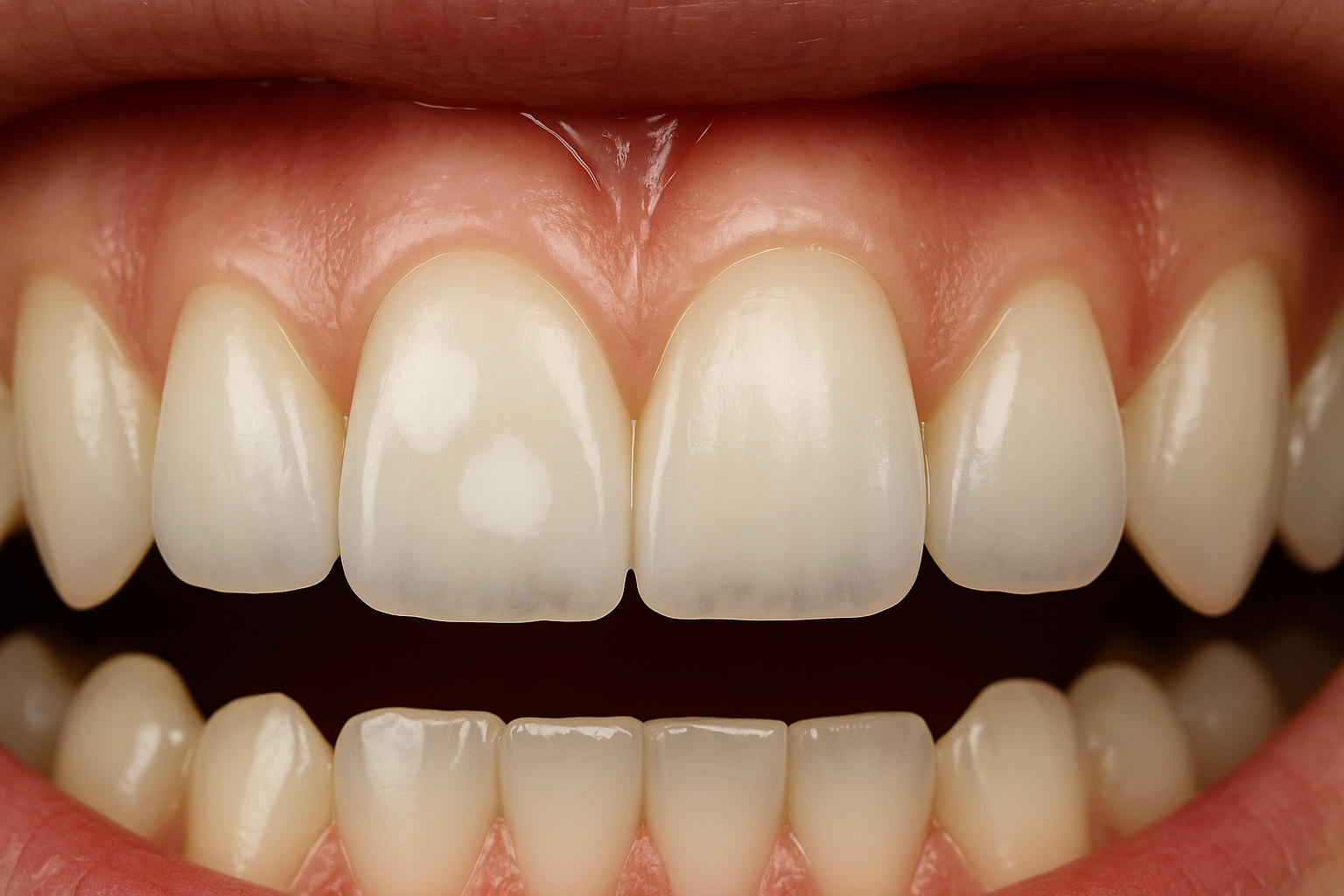
White spots on teeth are an aesthetic concern that increasingly worries patients of all ages. They may appear in both children and adults. While many people treat them merely as a cosmetic defect, in reality, they can be an early sign of developing disease, such as incipient caries. As a dentist with many years of experience, I know that proper diagnosis of such changes allows us to avoid more serious problems and plan effective treatment. In this article, I will explain: the main causes of white spots on teeth, how modern dental clinics diagnose them, which treatment methods bring the best results, and how to prevent the recurrence of this problem. Causes of White Spots on Teeth 1. Early Caries The most common cause of white spots is early-stage caries. At this stage, enamel demineralization occurs due to the action of bacteria and acids. Fortunately, the process can still be reversible if the patient visits the dentist promptly. 2. Fluorosis In children, excessive fluoride intake – from diet or supplements – may cause chalky white marks on tooth surfaces. This phenomenon is called fluorosis and requires dental assessment to determine appropriate treatment. 3. Demineralization after Orthodontic Treatment Patients who have worn fixed braces often notice white discolorations around brackets. These marks are areas of enamel demineralization, which can be treated effectively if detected early. 4. Enamel Developmental Disorders Congenital enamel defects (enamel hypoplasia) also manifest as white or yellowish spots. This is a developmental issue that requires an individualized approach. 5. Diet and Oral Hygiene Poor eating habits, frequent consumption of fizzy drinks, sweets, or acidic foods, as well as lack of professional dental cleaning, all increase the risk of white spots forming. Diagnosis of White Spots At Warsaw Dental Center, we use advanced diagnostic methods to precisely assess the nature of such changes: Microscope examination – allows us to observe enamel under magnification and assess the degree of demineralization, Intraoral photos and X-rays – help to check whether decay is developing beneath the enamel surface, Analysis of oral hygiene habits – helps determine the cause and tailor an effective treatment plan. It’s important to remember that the sooner a patient visits the dentist, the greater the chance to stop the progression and avoid drilling. Treatment of White Spots on Teeth 1. Enamel Remineralization In the earliest stages, we apply fluoride, calcium, and phosphate preparations to help rebuild the enamel structure. This treatment is completely painless. 2. ICON – Resin Infiltration This modern technique removes white spots without drilling. The dentist applies a special infiltrating resin that penetrates enamel micropores and restores natural tooth color. ICON is especially effective for spots after orthodontic treatment. 3. Teeth Whitening In some cases, controlled whitening helps even out the tooth shade and reduce the visibility of white spots. The procedure is performed under dental supervision to minimize sensitivity. 4. Porcelain Veneers If the changes are extensive or aesthetics require full correction, porcelain veneers are the best option. These thin ceramic shells provide teeth with perfect color and shape. Prevention : How to Avoid White Spots Regular professional cleaning at the dental office (at least once or twice a year). Daily brushing with fluoride toothpaste and flossing. Limiting sweets and acidic beverages in the diet. Routine dental check-ups – especially important for children and patients after orthodontic treatment. For pregnant women – regular check-ups to prevent demineralization and caries. Conclusion White spots on teeth may appear to be only a minor aesthetic issue, but they are often the first sign of caries or enamel mineralization disorders. Modern dentistry offers many solutions – from remineralization and ICON infiltration to aesthetic veneers. At Warsaw Dental Center, we approach every patient individually, using microscopes and advanced diagnostic tools to provide the best treatment. Urszula Leończak, MSc – Medical Director, Dentist
How smoking cigarettes affects teeth and oral health
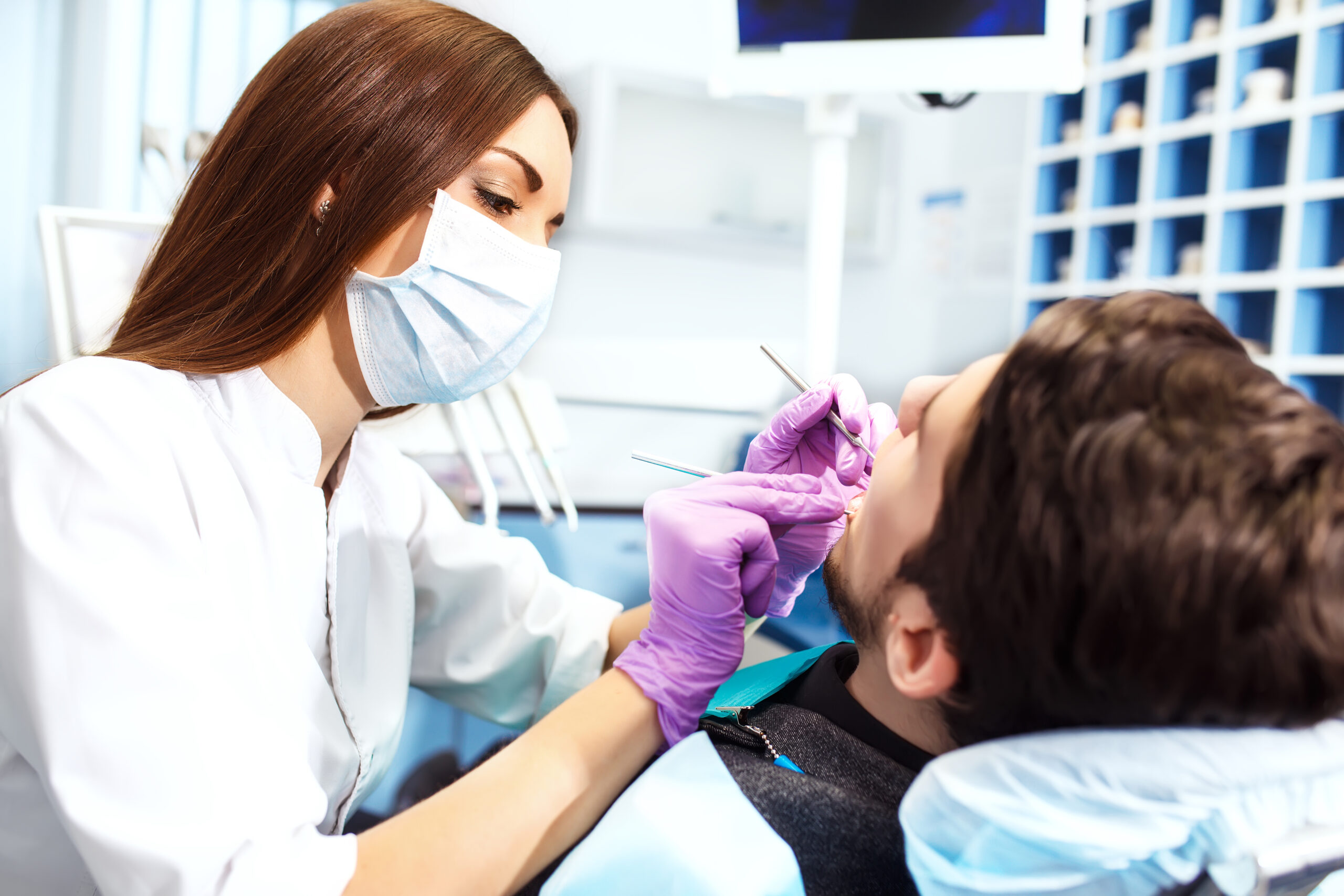
Statistics clearly show that as many as one in four people in Poland regularly smoke cigarettes, which poses a significant health problem in our society. Despite widespread awareness of the negative impact of smoking on overall health, many people underestimate the effects of this habit on oral health and teeth. Many smokers lack knowledge about the link between smoking and periodontal diseases, leading to neglect of this aspect of health. Below, we present key information on this topic to increase public awareness and encourage preventive action. Cigarettes and oral health – the effects of smoking on teeth and oral cavity Maintaining proper oral hygiene becomes a challenge for people who smoke cigarettes. Toxic substances present in tobacco not only negatively affect the oral flora but also increase the risk of various oral diseases. Tooth discoloration – the effects of smoking and methods of removal Smoking cigarettes is not only a harmful habit for health but also a serious aesthetic problem. Nicotine, present in cigarette smoke, combined with oxygen, gives teeth an unsightly yellowish color. These discolorations can start from subtle changes, such as slight staining, to noticeable yellowing, significantly deteriorating the appearance of the smile. Over time, lack of proper oral hygiene leads to the accumulation of dental plaque, which promotes the absorption of nicotine and tar substances, leading to deepening discoloration. Moreover, dental calculus not only negatively affects the aesthetics of teeth but also promotes the development of cariogenic bacteria, which can result in serious damage. Fortunately, there are dental methods that can effectively remove discolorations and restore teeth to their natural color. Available treatments include professional cleaning, bonding, veneers, and crowns. The choice of the appropriate method depends on the individual needs and preferences of the patient, who should consult a dentist to make the right decision. How to avoid bad breath in smokers Smoking cigarettes can lead not only to nicotine addiction but also to breathing problems. A variety of harmful chemicals present in cigarette smoke, such as ammonia, carbon monoxide, or phenol, deposit in the oral cavity, throat, and lungs, causing unpleasant breath, known as smoker’s halitosis. It is worth noting that smokers have much more difficulty maintaining proper oral hygiene, which often leads to periodontal diseases and tooth decay. The mechanism of these diseases is mainly based on the development of bacteria that produce unpleasant odors. To avoid this problem, smokers should take special measures to maintain fresh breath and a healthy oral cavity. Weakening of bone tissue blood circulation Weakening blood circulation is also a result of tobacco consumption. This habit leads to impaired blood circulation in bone tissue, which in turn negatively affects tissue healing processes. Additionally, it may hinder or limit the performance of certain medical procedures. This is significant in terms of the effectiveness of implant procedures, where impaired blood circulation may disrupt the integration of the implant with the bone, and in extreme cases, even cause its rejection. Impairment of salivary gland function Tobacco smoke adversely affects the functioning of salivary glands, leading to impaired function. As a result, there is increased activity of submandibular and sublingual glands in smokers, resulting in changes in saliva composition. In smokers, saliva becomes thicker, losing its natural moisturizing properties, and weakening its protective functions. Dry mouth promotes the development of fungal infections and inflammatory conditions, which can exacerbate oral health problems. Negative effects of smoking cigarettes on oral health Smoking cigarettes can increase the risk of many oral diseases, including: Tooth decay, Gum inflammation, Inflammation of the cheek mucosa, Tongue inflammation, Alveolar bone resorption, Dry mouth (xerostomia), Halitosis (bad breath), Leukoplakia (white patches on the cheek mucosa and tongue), Oral candidiasis (thrush), Salivary gland inflammation, Salivary gland stones. How can smokers take care of their oral and dental health? Regular performance of high-quality oral hygiene procedures several times a day is crucial. Additionally, it is important to undergo professional cleaning at least twice a year in a dental office and to regularly attend dental consultations. However, the most important step in maintaining overall oral health is to quit smoking cigarettes. For smoking patients, our clinic offers a wide range of services aimed at improving smile aesthetics and comprehensive dental treatment. We have highly qualified medical staff and state-of-the-art equipment, guaranteeing satisfactory therapeutic and aesthetic results. Testimonials from our patients confirm the effectiveness of our actions.
Causes and treatment methods of tooth discoloration
For most of you, a beautiful smile is associated with intact and white teeth. However, sometimes uniform whiteness of teeth can be disrupted by various types of discoloration. Before deciding to whiten your teeth on your own, we encourage you to consult with a dentist, as such changes may be caused by a serious systemic disease. In the following article, we explain what causes tooth discoloration, how to effectively get rid of them, what whitening methods are available to enjoy long-lasting results, and how much teeth whitening treatment costs. To determine the cause of tooth discoloration, the dentist will conduct a thorough dental examination, collect medical history, and if necessary, prescribe radiological diagnostics. The color and distribution of individual discolorations can help the dentist identify the cause. Changes may involve the entire dental complex, its fragments, or individual teeth, and they may differ in the type of discoloration. They may affect both teeth with vital and non-vital pulp. Consulting with a professional dentist is an important step in effectively combating discolorations. Causes of Tooth Discoloration They can be divided into external and internal factors. External factors include a wide range of lifestyle and dietary habits, including: Consumption of intensely pigmented products such as certain juices, herbal teas, cola, and other carbonated beverages, Intake of iron-containing supplements, Consumption of substances such as coffee, tea, cigarettes, red wine, Use of tetracycline antibiotics during tooth development, Inadequate quality of daily oral hygiene practices, Use of older filling materials The influence of these factors can significantly weaken the effectiveness of standard hygiene actions, such as brushing, flossing, or mouth rinsing, if these activities are not performed immediately after exposure to these factors. Neglecting these practices or their low quality strongly contributes to the formation of discolorations. What Causes Tooth Discoloration? The tendency to tooth discoloration is also an individual matter, depending, among other things, on the degree of enamel mineralization. Internal factors include: Inherited enamel defects, Tooth damage during enamel formation, Diseases such as porphyria and alkaptonuria, Hormonal disorders, Hyperbilirubinemia, Tooth decay, Traumatic and inflammatory changes in the tooth pulp, Age As mentioned earlier, to effectively treat discolorations, it is necessary to determine their cause. The only competent person to make a diagnosis is a dentist. It is worth seeking professional advice before deciding to conceal or remove discolorations. The specialist will advise on how to achieve white and healthy teeth and which method will be the best for the patient. How to Effectively Whiten Teeth? – Teeth Whitening Methods What are the available teeth whitening methods? Here are some of them: Using whitening toothpaste, gels, and strips Tray-based whitening Professional teeth whitening using the beyond lamp Professional hygienization procedure Application of veneers or crowns Many people wonder how to effectively whiten teeth. It should be noted that professional treatment performed in a dental office will always be much more effective than treatments performed at home. Additionally, it is important to remember that systemic diseases can also be the cause of tooth discoloration. Rapid diagnosis of such conditions is crucial for effective treatment and teeth whitening. We encourage you to use the services of our dentist at Warsaw Dental Center in Warsaw.

Teeth whitening – the best methods and their costs
What is teeth whitening? The teeth whitening procedure in a dental office is based on the application of a specialized product that affects the enamel and dentin, leading to their lightening. The product is then activated with a special light, causing its components to start the teeth whitening process. Some dentists prefer the term “lightening” of teeth, noting that the final effect depends on the original shade of the patient’s teeth. The most commonly used substances include carbamide peroxide, hydrogen peroxide, or urea peroxide. However, it should be remembered that the whitening effect is temporary, and the procedure should be repeated to maintain the results. What are the best methods for teeth whitening in Warsaw? Home teeth whitening methods Toothpaste manufacturers compete with promises of whitening, but the actual effects may require a long wait and are often far from expectations. Moreover, these methods can lead to enamel abrasion, increasing the risk of damage and decay. For lasting and safe results, it is best to consult a dentist who will propose individually tailored solutions. There are also whitening trays available on the market, but due to the lack of personalization, there is a risk that the whitening agent may get on the gums, causing damage and negatively affecting the teeth. Teeth whitening at the dentist – a professional approach Several methods can be distinguished in professional teeth whitening at the dentist: Tartar removal: This procedure eliminates the buildup of mineralized dental plaque. Scaling, sandblasting, and tooth polishing maintain proper oral hygiene. ZOOM lamp whitening: This is an effective and faster method using a whitening gel with hydrogen peroxide activated by LED light. Patients enjoy the effect of white teeth after the first treatment, which lasts about an hour. Tray method: Teeth whitening using trays customized to the patient’s needs. The trays are filled with a special gel and applied to the teeth. To achieve a satisfactory effect, the trays should be used for several weeks. Combined with the ZOOM lamp treatment, the effects will be more lasting. Veneers: Veneers are composite or porcelain overlays. They are applied to damaged or decayed teeth. This method is irreversible and requires grinding of the natural teeth. Is it worth whitening teeth at the dentist? Professional teeth whitening performed by a dentist is the most effective and safest method to achieve a white smile while protecting oral health. However, it should be noted that teeth may be sensitive in the first few days after the procedure. Home whitening or in a beauty salon may carry risks for the health of teeth and oral cavity. Dental care, which is lacking in beauty salons, is crucial. The Warsaw Dental Center offers teeth whitening under the supervision of experienced hygienists and constantly under the control of a dentist, ensuring safety and lasting, satisfactory effects. If you value the safety of the procedure and the guarantee of original materials, it is worth investing in teeth whitening in a dental office. What does teeth whitening look like at the Warsaw Dental Center? The initial step is thorough teeth cleaning, performed by an experienced hygienist. In the next stage, to protect the gums from the whitening gel, the hygienist uses a liquid dental dam. Then, the whitening gel is applied four times, with each application activated by light for 15 minutes, totaling 60 minutes for the entire procedure. It is possible to end the whitening after three 15-minute sessions, but for better and more lasting effects, four sessions are recommended. After the whitening procedure, the hygienist takes an impression of the teeth, which is needed to prepare an individual whitening tray. This tray, along with the home whitening gel, will be ready for pickup at our clinic after a few days. This allows the whitening process to continue at home for about a week after the clinic treatment. How much does teeth whitening cost in Warsaw? The price of teeth whitening is 2500 PLN and includes a 60-minute whitening treatment in the office, preparation of personalized home whitening trays, and whitening gel sufficient for about a week of use. Which teeth cannot be whitened? Teeth affected by decay, covered with crowns or veneers, as well as those that have undergone root canal treatment, should not be whitened because they do not respond to the whitening process. A dentist can determine which teeth should not be subjected to whitening. Therefore, self-whitening at home or in a beauty salon may not be safe. What are the contraindications to teeth whitening? Contraindications to teeth whitening include: – Pregnancy and breastfeeding – Decay – Gum inflammation and periodontitis – Allergies to whitening agents – Patients under 16 years of age – Drug-induced discolorations – Teeth with prosthetic restorations like crowns and veneers or extensive composite fillings, as they do not undergo whitening How many times should teeth be whitened? How often can teeth whitening be performed in Warsaw? It is important to consult a dentist to determine the appropriate frequency of teeth whitening in the office for your specific situation. Factors such as tooth sensitivity, the degree of staining, and the overall health of teeth and gums will influence this decision. Generally, teeth whitening in the office is not performed frequently due to potential tooth sensitivity and the need to preserve the integrity of natural enamel. Your dentist will advise how often this procedure can be safely repeated in your individual case. How long does the effect last after teeth whitening in Warsaw? The duration of teeth whitening effects can vary significantly depending on several factors, such as the method used, individual habits, and the initial condition of the teeth. Generally, the whitening effect after professional whitening in the office can last from six months to two years. However, this can be a shorter or longer period depending on: 1. Diet: Consuming substances that cause staining, such as coffee, tea, red wine, and certain fruits and vegetables, can shorten the duration of the whitening effect. 2. Oral hygiene: Regular tooth brushing, using dental
What color of teeth should I choose?
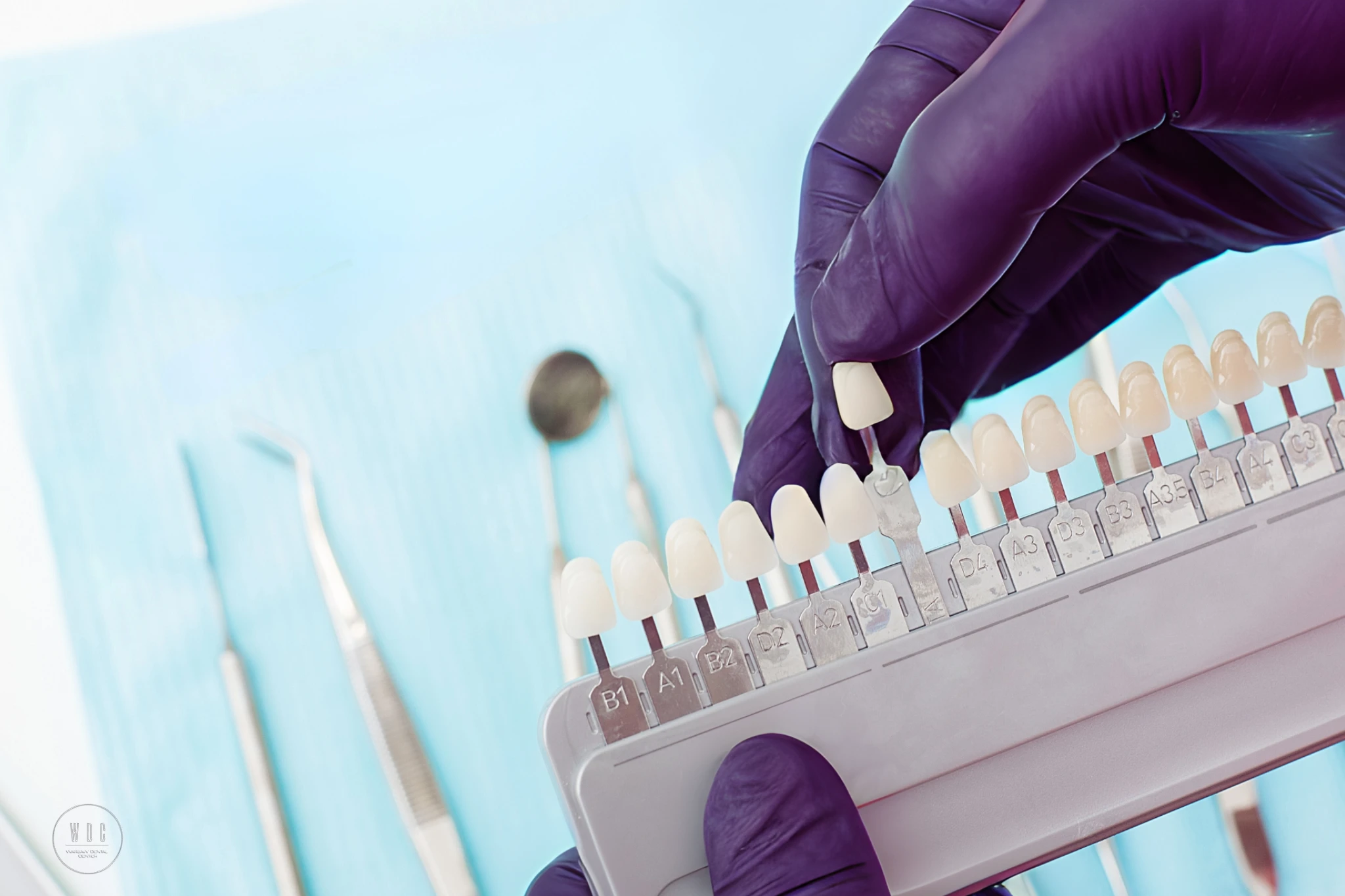
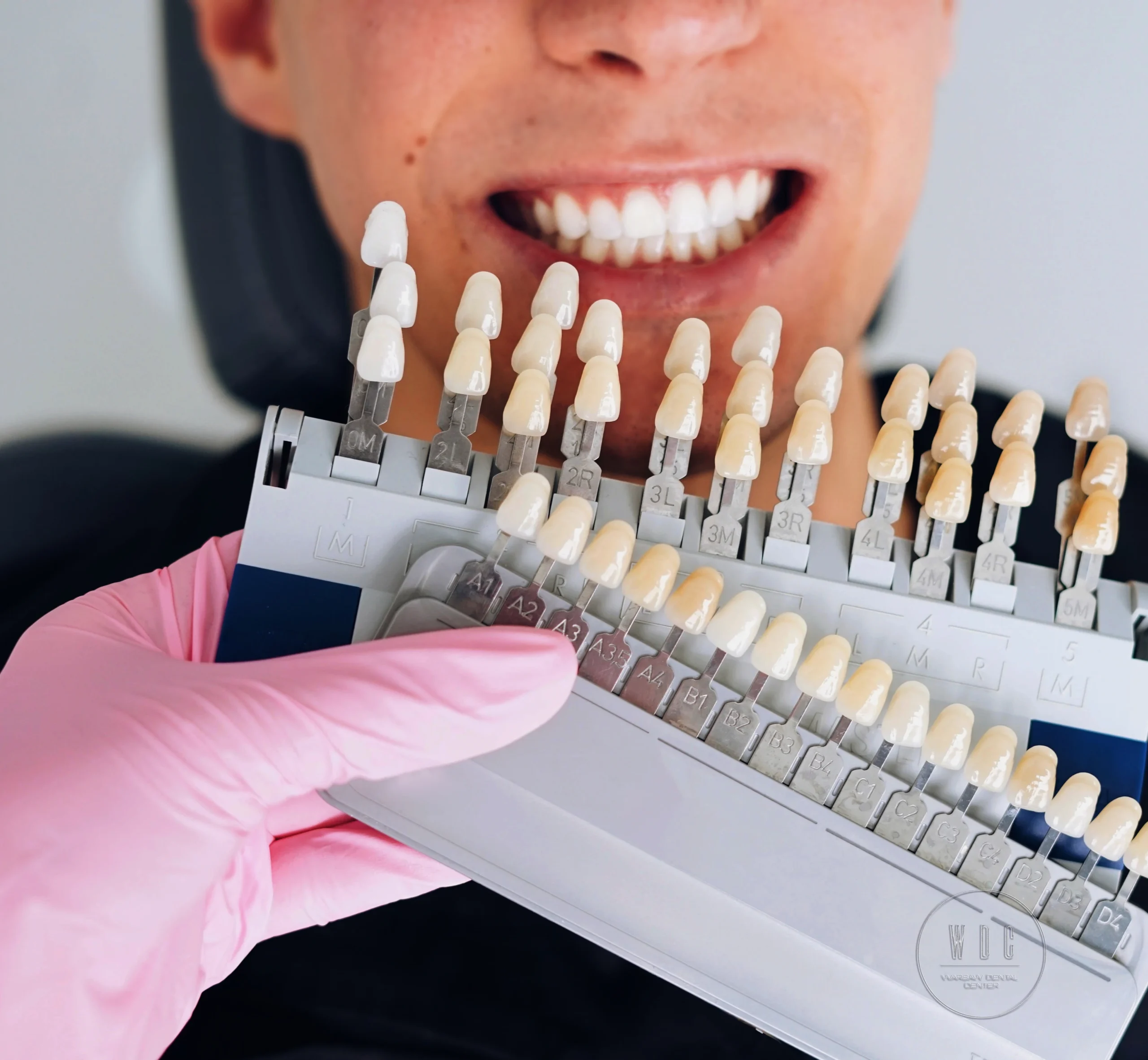
The symbol of beauty is snow-white teeth, just like in an advertisement. However, this color does not mean perfect health. The appearance of our teeth has much to do with their layered structure. Enamel, which is the outermost layer, is actually transparent. Below there is dentin, and deep inside there is neural pulp. The color of teeth is mainly influenced by the enamel, which has its own shade, but is transparent. Transparent dentin also affects the final appearance of the teeth, so the color is an individual feature. To measure the color of our teeth, the so-called a shade guide that contains the sixteen most common shades. Thanks to it, you can select the appropriate shade that will be available to the patient after the whitening procedure. There are various factors that influence the color of teeth. This is, for example, genetics, but also diet. This includes consuming highly coloring products, such as strong tea, red wine, soy sauce, turmeric or curry. These are also lifestyle and addictions. They also affect the color of your teeth. The frequency and technique of brushing your teeth are very important (it is recommended to brush your teeth after each meal, gently, in circular motions). Avoid intensive tooth scrubbing, which may damage the enamel and cause discoloration. It is also important to choose the right toothbrushes and wash them immediately after consuming acidic products. Tooth color assessment and whitening in a dental clinic. It is best to assess the color of teeth and decide on possible treatment in a dental office, based on the assessment of professionals. The dentist or qualified hygienist evaluates the causes of discoloration, which may be endogenous (internal) or exogenous (external). On this basis, an appropriate whitening method is selected to guarantee satisfactory results. Teeth whitening in Warsaw Teeth whitening using an LED lamp is very popular at Warsaw Dental Center. In vol In this process, a gel containing hydrogen peroxide is applied to the tooth surface and the LED lamp activates the accelerator, catalyzing the chemical reaction. Thanks to this, after just one treatment, the patient can enjoy a beautiful, white smile that can be brightened by up to 9 shades.
Teeth whitening: Discover your beauty
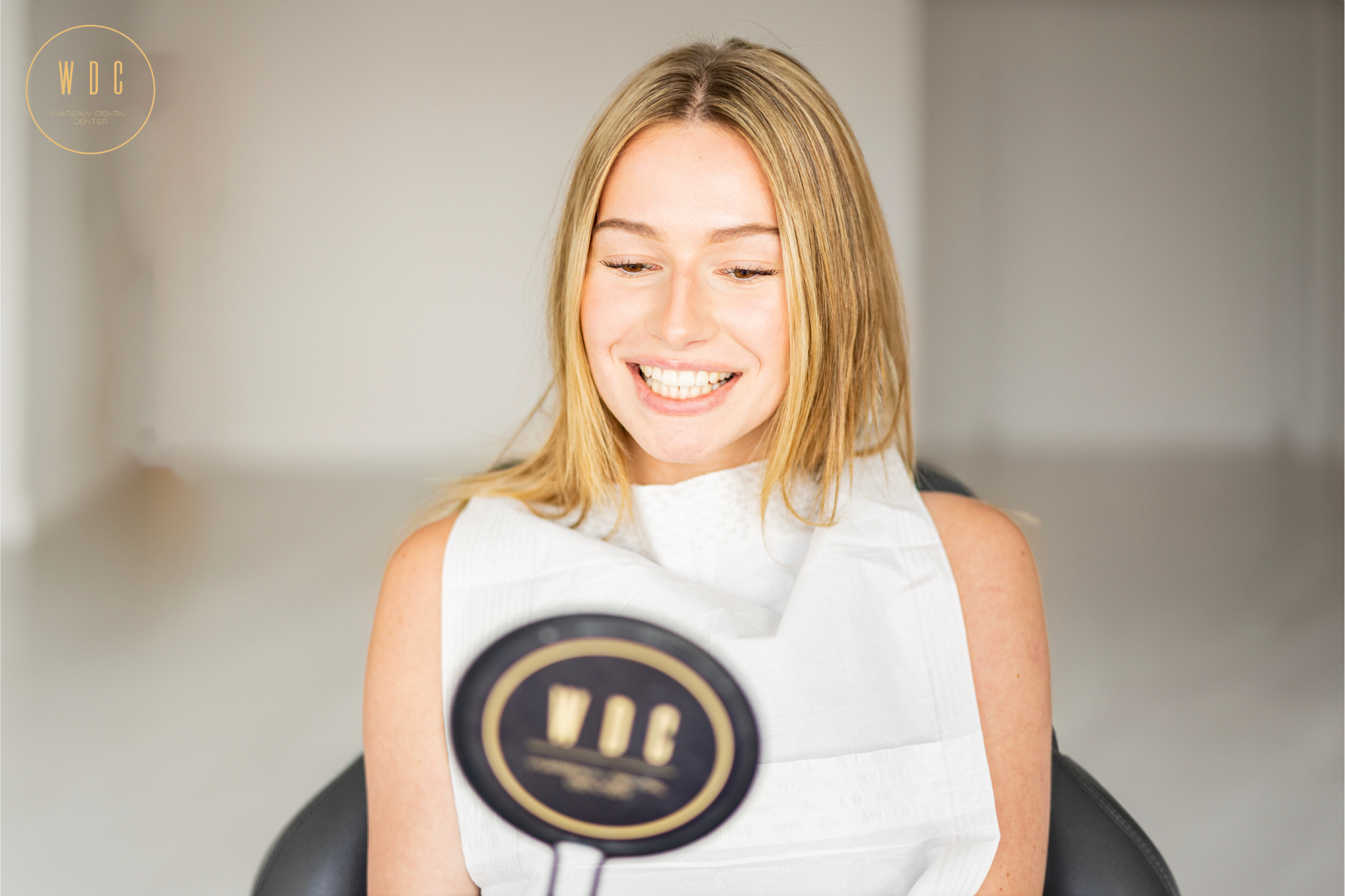
A satisfied patient just after whitening by certified hygienist Klaudia Sławnikowska. A beautiful smile is something that each of us wants to have. One way to improve the appearance of our smile is teeth whitening. Thanks to this simple procedure, we can discover our beauty and regain self-confidence. Teeth whitening is the process of removing stains and discolorations that accumulate on our teeth as a result of consuming coffee, tea, red wine and other foods and drinks. While it’s important to brush your teeth regularly and maintain good oral hygiene, sometimes we need more to keep our teeth white and radiant. One way to whiten your teeth is to use special whitening pastes. These products contain ingredients that help remove stains and restore the natural whiteness of your teeth. However, it is important to remember that not all whitening toothpastes are as effective as we would expect. Therefore, it is worth consulting a dentist who can advise us on the best solution. Another popular way to whiten your teeth is to use whitening trays. These overlays are individually molded onto our teeth and contain a whitening gel. While wearing the overlays, the gel acts on our teeth, removing stains and giving them a whitish tint. This process can be performed at home, under the supervision of a dentist, which makes it a convenient and effective method. If we are looking for more advanced teeth whitening methods, we can opt for professional whitening treatments at a dentist’s office. The dentist can use laser teeth whitening, which is one of the most effective ways to achieve immediate results. During this treatment, the dentist applies a special whitening gel to the teeth and then activates it with a laser. This combination effectively removes stains and gives your teeth a dazzling shine. Teeth whitening can also be combined with other cosmetic procedures, such as porcelain crowns or veneers. These solutions they not only whiten your teeth, but also improve their shape and appearance. This is a perfect solution for people who want to change their smile and enjoy the beautiful appearance of their teeth. However, remember that teeth whitening should be done in moderation and under the supervision of a professional. Excessive use of bleaches can lead to tooth sensitivity and damage to enamel. Therefore, it is important to consult your dentist before starting any teeth whitening method. Discover your beauty through teeth whitening and enjoy a beautiful smile that attracts attention and adds self-confidence. Remember that everyone deserves healthy and radiant teeth, which are the showcase of our beauty. Additionally If you are looking for a professional teeth whitening consultation, you can contact Warsaw Dental Center. Valuable advice and information about various teeth whitening methods and available treatments can be obtained via mobile phone or email. Warsaw Dental Center is a renowned dental center that offers comprehensive dental aesthetics services. If you care about a beautiful smile and professional care, contact Warsaw Dental Center today to arrange a consultation. Experienced dental staff will provide you with an individual approach and help you find the best solution for you. Don’t hesitate to discover your beauty and take care of the appearance of your smile thanks to the services of Warsaw Dental Center. You can contact Warsaw Dental Center: Mobile phone: +48 22 542 18 04 Email: kontakt@warsawdentalcenter.pl Don’t wait, consult the experts of Warsaw Dental Center and enjoy a beautiful, radiant smile that attracts attention and adds self-confidence.