


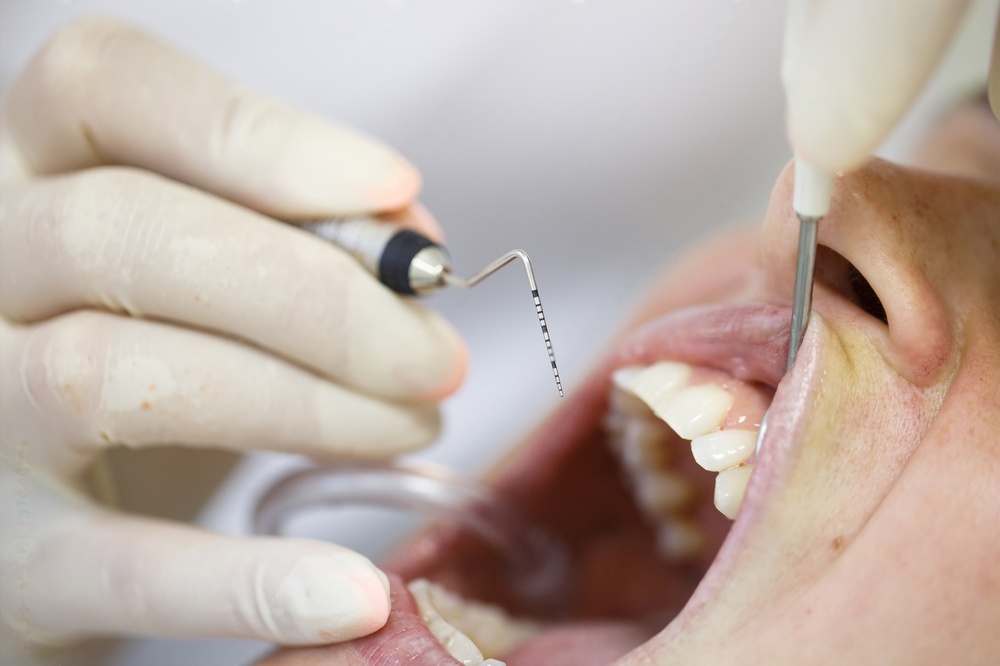
Did you know that periodontal disease is the second most common cause of tooth loss among adults, after dental caries? Yes exactly. Interestingly, people all over the world struggle with them, both in developed and developing countries. Research conducted around the world indicates that up to 50% of the population suffers from periodontal disease (1). So if you notice something disturbing around your gums or feel pain, the best solution is to visit a dentist and ask a periodontist for advice. Unraveling the World of Gums: A Journey into Periodontology and the Role of a Periodontologist! 🦷 This is a field of medicine that deals with periodontitis – a multifactorial disease that leads to damage to the tissues around the teeth. The interesting thing is that the bacterial biofilm responsible for this is necessary for the development of the disease, but is not sufficient in itself to cause it. A periodontist is a dentist who treats periodontal diseases, once called periodontitis. The animation below shows the stages of development of periodontal disease. What are the factors for the development of periodontal disease? Recent scientific research draws attention to the genetic aspect of periodontal diseases (2). It turns out that if our family, for example parents or other close relatives, had these diseases and led to tooth loss at a young age, there is a high risk that we may also be exposed to these problems. This applies to us even if we maintain perfect oral hygiene. Genes have a significant influence, which is an important discovery in periodontology. Bacteria and the biofilm formed from them are a key element in the development of periodontal diseases. This biofilm attaches to teeth, bones and gums, causing inflammation to which our immune system responds. In response to this reaction, bone loss may occur, resulting in tooth mobility and unpleasant breath odor. It is important to remember about daily oral hygiene to prevent these problems. It is worth remembering that the development of periodontal diseases may be influenced by additional factors, such as smoking, diabetes or osteoporosis(3). The impact of alcohol consumption and a stressful lifestyle cannot be underestimated. However, none of these factors alone is sufficient to cause periodontal disease. For it to develop, it is necessary to combine at least two of the above-mentioned risk factors. That is why awareness and attention to a healthy lifestyle are so important to reduce the risk of these problems. What impact does periodontal disease have on the entire body? Although many people view the mouth as an isolated ecosystem of the body, it is actually an integral part of the entire immune system. When a patient suffers from periodontal disease, bacterial imbalances in the mouth can affect the rest of the body. Harmful bacteria can easily spread to other areas of the body through the bloodstream. The body triggers an inflammatory response as part of the immune response, but this often makes us more susceptible to other diseases. Additionally, because the oral cavity is regularly exposed to bacteria from the environment, it is especially susceptible to infections. Therefore, patients must take special care of their oral hygiene to prevent gum disease. How does periodontal disease affect the body? Gum and bone disease is often associated with general health problems such as: – Cardiovascular diseases – Heart disease – Stroke – Diabetes – Pregnancy complications – Osteoporosis – Kidney diseases – Rheumatoid arthritis – Cancer Although gum disease does not always lead to these other conditions, it is important to be aware of the link and take care of your oral health. What symptoms should refer us to a periodontist? -red, bleeding gums – gum pain – Bad breath (halitosis) – Movable teeth – Changes in the alignment of teeth – Teeth lengthening Phases of periodontal disease Healthy gums feel firm to the touch and do not bleed or swell. However, periodontal disease can cause them to become red, swollen and bleeding. If left untreated, it can lead to the destruction of the jawbone, which may result in tooth loss. Damage to the tissues around the teeth occurs gradually. In fact, many people do not feel pain in the early stages of the disease. That’s why it’s important to know the warning signs. Gum disease goes through four stages: 1. Gingivitis. This is the earliest stage of periodontal disease. It starts with red, swollen gums that may bleed when brushing or flossing. There is no bone loss at this stage. As a result, gingivitis is completely reversible with appropriate treatment. 2. Mild periodontitis. Bacteria have penetrated under the gums, affecting the supporting bone. The gums may come away from the teeth, creating pockets around them. Plaque and bacteria like to hide in those pockets where toothbrush and floss cannot reach. 3. Moderate periodontitis. If the disease is left untreated, the bacteria begin to destroy the ligaments, soft tissues and bone that hold the teeth in place. You may notice bad breath and pus (infection) around the gum line. Some people feel pain at this stage. 4. Advanced periodontitis. As periodontal disease worsens, bone loss continues. This may cause the teeth to become loose and eventually fall out. If the disease is treated early enough, it is reversible. But if you have already lost bone around your teeth due to infection, the disease is too advanced to reverse. However, it can be controlled with appropriate treatment and consistent, careful oral hygiene. What does periodontal disease diagnosis look like in the office? During a routine examination, your dentist can tell if you have gum disease. He or she will check for plaque buildup on your teeth and ask about your symptoms. He or she may refer you to a periodontist (gum specialist) for further evaluation and treatment. The dentist or periodontist will measure the depth of the pockets around your teeth using an instrument called a periodontal probe. This will allow them to assess how much bone you have lost around your teeth. The deeper the pockets, the