


What is oral cavity sanitation? Oral cavity sanitation is a series of dental procedures aimed at comprehensive treatment of teeth and periodontium. Its main goal is to eliminate inflammation, cavities, wounds, abscesses, infections, and caries, which can lead to infection of other tissues and organs. Oral cavity sanitation is recommended before planned surgical procedures and for women planning pregnancy. It is a comprehensive dental procedure aimed at complete healing of teeth and gums, minimizing the risk of infection spreading to other parts of the body. Through oral cavity sanitation, patients can enjoy better oral health and overall bodily health. Oral cavity sanitation and bodily health Proper dental care is crucial for overall health. Problems with teeth and oral cavity can lead to serious complications such as: Endocarditis, Bone infections, Internal organ abscesses, e.g., kidneys and liver, Brain inflammation, Meningitis. It is advisable for oral cavity sanitation to be performed by an experienced dentist. In the case of planned surgical or oncological procedures, consultation with a doctor is necessary. It is important for the dentist to confirm that the patient’s teeth are in good condition before the procedure. It is worth noting that infections in the oral cavity can spread to other areas of the body, posing a particular risk to individuals with weakened immune systems, undergoing complex surgical procedures, undergoing cancer therapy, and pregnant women (infections can harm the fetus and lead to miscarriage). Therefore, early treatment of teeth and periodontium is essential. Patients in risk groups should consult a dentist for oral cavity sanitation. Indications for oral cavity sanitation Oral cavity sanitation is crucial for every individual, not only in the context of upcoming surgical treatment, but also for overall oral health. It is important to maintain a state free of inflammation in oral tissues, especially in the case of: 1. Planned pregnancy, 2. Cancer treatment, 3. Surgical procedures (e.g., cardiological, orthopedic, ophthalmic), 4. Transplantation. Additionally, individuals suffering from chronic conditions should pay particular attention to oral cavity sanitation. Inflammatory conditions in teeth and periodontium can serve as additional sources of infection and affect the functioning of the immune system, leading to exacerbation of symptoms of diseases. For this reason, oral cavity sanitation is particularly recommended in cases of diseases such as rheumatoid arthritis (RA), chronic obstructive pulmonary disease (COPD), allergies, heart diseases, and osteoporosis. Oral Cavity Sanitation: What are the Procedures and Prevention? Oral cavity sanitation is a comprehensive process that often requires collaboration among specialists from various dental fields. Depending on the overall condition of the teeth, it consists of several procedures, such as: 1. Extraction of teeth that do not qualify for other forms of treatment. 2. Root canal treatment (endodontics) to remove infections. 3. Prosthetic restorations to restore bite function. 4. Treatment of caries and restoration of cavities. 5. Scaling and professional cleaning of periodontal pockets to remove dental calculus. 6. Alleviation of inflammation and treatment of abscesses. 7. Correction of bite abnormalities and removal of orthodontic appliances. Additionally, oral cavity sanitation includes prevention aimed at preventing new inflammatory conditions. Patients are educated by dentists on proper oral hygiene, regular check-up visits, and disinfection and replacement of toothbrushes every 2–3 months and after each infection. These measures help maintain oral health at an appropriate level. How Long Does Oral Cavity Sanitation Take and Its Effects? The duration of treatment depends on the condition of the teeth and periodontium. Some procedures require waiting for several days, which prolongs the process. Therefore, prompt action and regular visits to the dentist are important. In some cases, immediate intervention is necessary. Unconditional sanitation of the teeth may be required to remove all inflammatory foci in one procedure. In extreme cases, this may even involve the extraction of several teeth. It is worth noting that tooth loss requires simultaneous prosthetic treatment to avoid complications.
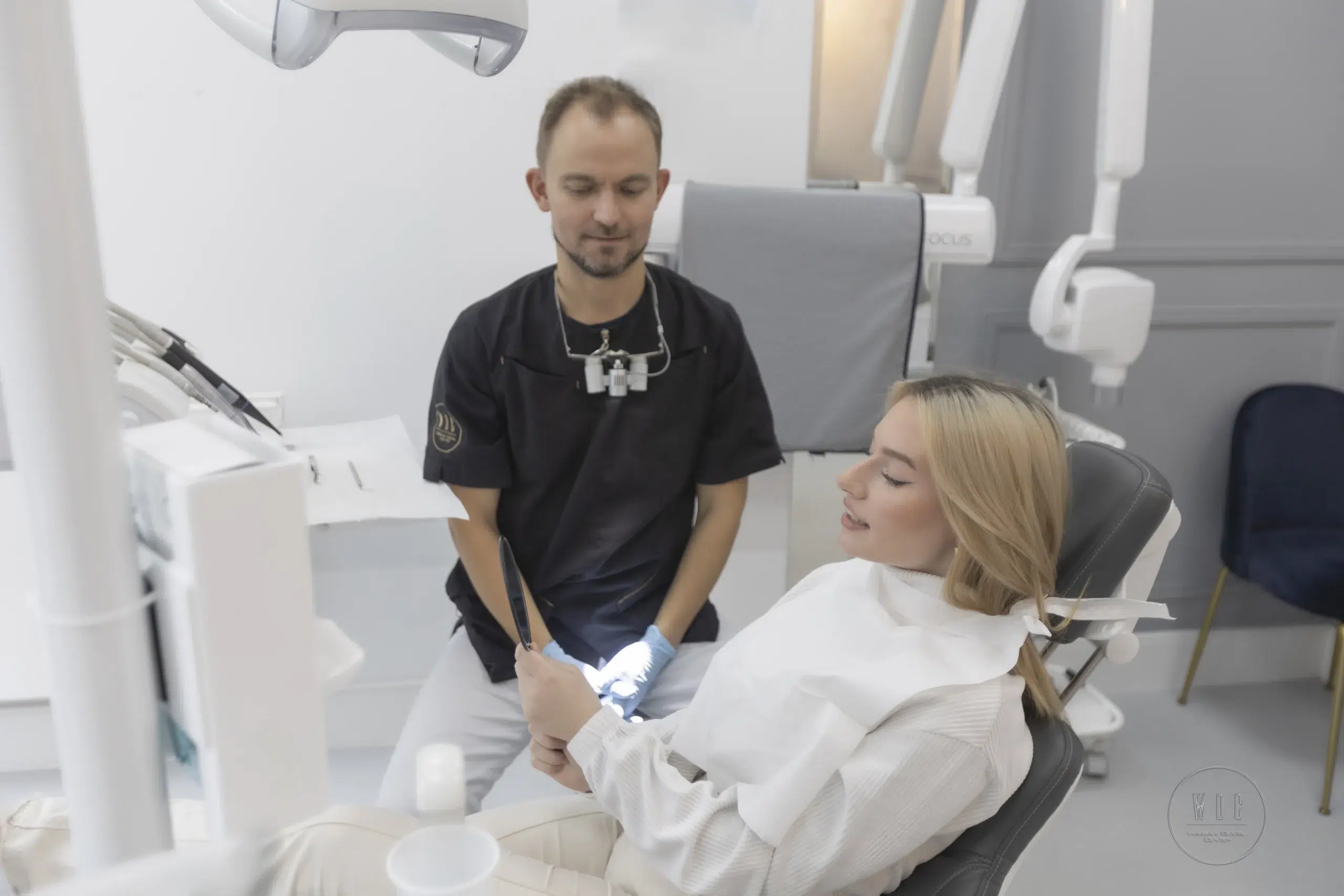
A cosmetic dentist can improve the appearance and health of your gums
It is obvious that taking care of your teeth is of great importance for your oral health. However, we often forget about an equally important part – the gums. Gums form the foundation of healthy teeth and are important not only for aesthetics, but also for overall oral health. Cosmetic Dentistry: Gum Health and Smile Aesthetics That’s why it’s worth talking about cosmetic dentistry, which aims not only to improve the aesthetics of your smile, but also the health of your gums. A cosmetic dentist is a specialist who not only cares about the appearance of teeth, but also about their surroundings – the gums. You’re probably wondering why this is so important? Well, healthy gums are the foundation of healthy teeth. Gum diseases, such as gingivitis and periodontitis, can lead to more serious problems, including tooth loss. Not only that, but research also shows a link between oral health and overall body health. Neglected gum health may affect the risk of heart disease and diabetes. Cosmetic Dentistry Treatments: Improving the Condition of the Gums Cosmetic dentistry not only repairs aesthetic imperfections, but can also effectively help treat gum problems. A procedure such as scaling can be crucial in improving the health of your gums and the aesthetics of your smile. Scaling is a procedure for removing plaque and tartar from the tooth surfaces and gum line. This is important because removing plaque prevents further inflammation and gum disease. Gum Health: A Key Role for Overall Health Taking care of the health and appearance of your gums is not only a matter of aesthetics, but above all of general health. A cosmetic dentist is not only a specialist in a beautiful smile, but also a guardian of oral health. Therefore, let us remember to visit the Warsaw Dental Center regularly to enjoy both a beautiful smile and healthy gums for many years.