

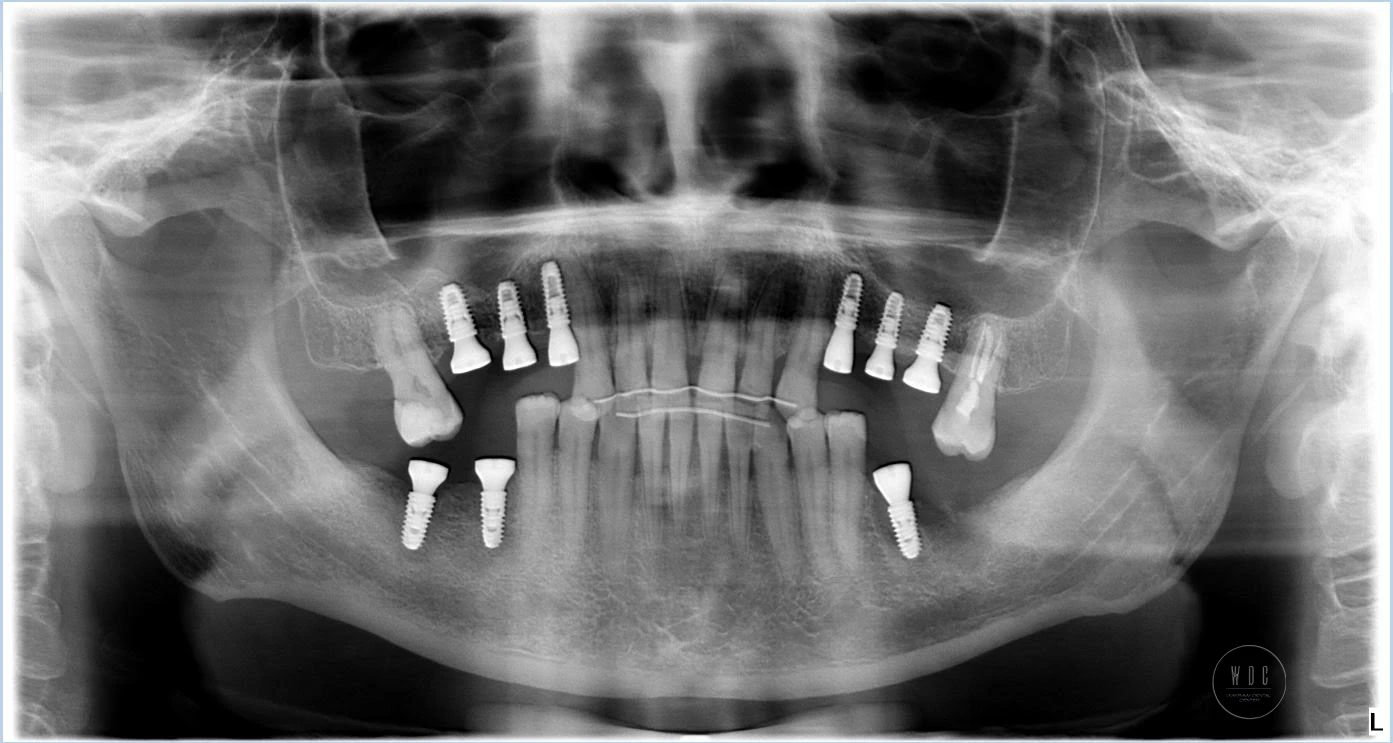
Tooth implantation has become an increasingly popular method for restoring a beautiful smile and full oral functionality. However, many people wonder if they can return to work immediately after the procedure. Is it possible? It’s essential to know that the recovery time after a tooth implantation can vary depending on individual factors. Generally, most patients can return to work the next day after the procedure. However, there are a few guidelines to keep in mind. First, it is important to be cautious and avoid putting excessive pressure on the implanted tooth. In the first days after the implantation, it’s better to avoid hard foods and prolonged chewing. Second, you should maintain excellent oral hygiene. Regular brushing, flossing, and rinsing the mouth will help prevent infections and speed up the healing process. If you feel weak or uncertain, consult your dentist, who can provide you with proper advice regarding returning to work and daily activities. Returning to work immediately after tooth implantation is possible, but it’s essential to listen to your body and follow your dentist’s recommendations. Remember that each case can be different, so it’s best to consult directly with a specialist before making a decision. Benefits of Tooth Implantation Tooth implantation has many benefits for patients who choose this procedure. Here are some of the main advantages of tooth implants: 1. Durability: Dental implants are exceptionally durable and can last for many years with proper care. They are made from titanium, a strong and biocompatible material that does not cause allergic reactions or rejection by the body. 2. Natural Appearance: Prosthetic crowns attached to implants are designed to closely resemble natural teeth. This allows tooth implantation to restore a natural appearance and boost self-confidence. 3. Improved Chewing Function: Missing teeth can make chewing and eating certain foods difficult. Tooth implants restore full chewing functionality, enabling patients to enjoy their favorite foods and maintain a healthy diet. 4. Prevention of Bone Loss: Missing teeth can lead to the loss of bone mass in the jaw. Tooth implants help preserve the natural bone structure, which is essential for maintaining overall oral health. Tooth Implantation Statistics Tooth implantation is becoming increasingly popular worldwide. Here are some statistics about this procedure: – According to the American Association of Implant Dentistry, over 3 million people in the United States have dental implants. – In Europe, dental implantology is gaining popularity, with the number of patients opting for this procedure steadily increasing. – In Poland, tooth implantation is one of the most common dental treatments. More and more people are choosing implants to restore a beautiful smile and full oral functionality. These statistics demonstrate that tooth implantation is becoming more accepted and popular as an effective solution for missing teeth. Tooth Implant Procedure Overview The tooth implant procedure consists of several stages, performed by an implantologist dentist. Here is the basic process of the procedure: 1. Patient Evaluation: First, the dentist conducts a detailed assessment of the patient’s oral health, including an evaluation of bone structure and overall health. This helps determine whether the patient is a good candidate for tooth implantation. 2. Treatment Planning: Based on the oral assessment, the dentist creates an individualized treatment plan. The plan considers factors such as the number and placement of implants and the type of prosthetic crown. 3. Preparing the Implant Site: If there is insufficient bone mass, a bone graft procedure may be required. This involves adding bone material to the area where the implant will be placed. 4. Implant Placement: After preparing the site, the dentist places a titanium screw into the jawbone. After the procedure, the patient receives a temporary prosthesis to wear until the implant heals. 5. Osseointegration: After implant placement, the process of osseointegration occurs, in which the implant fuses with the bone. This process typically takes several months and is crucial for the stability of the implant. 6. Attaching the Prosthetic Crown: Once osseointegration is complete, the dentist attaches the prosthetic crown to the implanted tooth. The crown is custom-made to match the shape and color of the patient’s natural teeth, providing an aesthetic result. The process of tooth implantation can vary depending on individual patient needs and the recommendations of the implantologist. Returning to Work After the Procedure – How Is It Possible? Many people planning tooth implantation worry about whether they will be able to return to work immediately after the procedure. While recovery time can vary based on individual factors, most patients are able to return to work the day after the procedure. It’s important, however, to be cautious and avoid putting too much strain on the implanted tooth. In the first few days after tooth implantation, it’s wise to avoid hard foods and prolonged chewing. Additionally, you should maintain proper oral hygiene. Regular brushing, flossing, and rinsing the mouth help prevent infections and speed up the healing process. If you experience weakness or discomfort, consult your dentist for appropriate instructions on returning to work and resuming daily activities. Returning to work immediately after tooth implantation is possible, but it is important to listen to your body and follow the dentist’s recommendations. Remember that each case is unique, so it’s best to consult with a specialist before making any decisions. How to Ensure a Comfortable Return to Work After Tooth Implant Surgery? To ensure a smooth and comfortable return to work after tooth implantation, consider the following practical tips: 1. Rest: After the procedure, your body needs time to recover. It’s important to give yourself enough time to rest and avoid excessive physical exertion in the first few days after the surgery. 2. Avoid Smoking and Alcohol: Smoking and drinking alcohol can slow down the healing process and increase the risk of complications. Therefore, it’s wise to give up these habits for a while after the surgery. 3. Pain Management: If you experience pain or discomfort after the procedure, consult your dentist for appropriate pain medication. Regular use