

A Season of Gratitude Christmas is a time to slow down, reflect, and feel gratitude, and today my heart is full. On behalf of the entire Warsaw Dental Center team, I would like to thank you, our Patients, for trusting us with something deeply personal: your oral health, your comfort, and often your confidence. Both in our professional work and beyond it, this season reminds us that gratitude is not just a feeling. It is a daily practice: in every consultation, every procedure, and every smile we help restore. Six Years of Growth and Reaching 10,001 oral surgeries When we opened Warsaw Dental Center six years ago, we could not have imagined where this journey would lead. We dreamed of ethical dentistry where the Patient always comes first. What we did not anticipate was that together we would reach the milestone of 10,001 successful oral surgery procedures. This achievement is not about numbers. It is about 10,001 stories: fears overcome, comfort restored, smiles rebuilt, and trust earned one Patient at a time. Experience That Matters: Experts in Oral Surgery in Warsaw Every surgical procedure represents a Patient’s trust. That responsibility defines how we train, plan, and work. Reaching 10,001 procedures confirms one thing: our standards must continue to rise. Precision, safety, and empathy come above all else. Our most frequently performed advanced surgical procedures include: Dental implants performed by Dr Bartosz Leonczak, using advanced 3D planning and guided surgery to ensure long-term stability. Wisdom tooth removal, including complex and impacted cases, carried out with calm precision by Dr Bartosz. Bone regeneration and sinus lift procedures, essential for successful implant treatment and performed at an expert level rarely found in other clinics in Poland. Root-end microsurgery (apicoectomy) performed by Dr Urszula Leonczak, allowing natural teeth to be preserved whenever possible. Soft tissue grafting and recession coverage, delicate microsurgical procedures that restore gum health and aesthetics. These procedures define what advanced oral surgery in Warsaw truly means: mastery built on thousands of hours of surgical practice, rigorous training, and continuous improvement. Why Patients Choose Warsaw Dental Center Complex oral surgery requires more than technical skill alone. It demands modern infrastructure, precise planning, and a philosophy of care that places the Patient first. At Warsaw Dental Center, we combine: microscope-assisted precision, digital and interdisciplinary treatment planning, state-of-the-art technology, including CBCT imaging and intraoral scanners, a “Patient First” approach at every stage, from diagnosis through recovery. All of this makes our clinic a leading center for complex oral surgery and dental implant treatment in Warsaw. Our Vision for 2026 As we enter the New Year, our promise remains simple: to be even better than yesterday. We mentor young dentists in the WDC surgical philosophy, where empathy, precision, and ethics guide every decision. We are also modernizing our equipment, investing in advanced Canon EOS R6 Mark III and EOS R5 Mark II cameras for microscopic documentation, as well as a new milling system to further increase precision and efficiency. Innovation is not our goal. It is our standard. From My Heart to Yours After 10,001 procedures, one truth remains unchanged: trust is built with each Patient, one by one. Thank you for trusting us, recommending us, and allowing us to grow together with you. May this Christmas bring you peace, health, and reasons to smile. And may the New Year bring continued excellence in medical care and the same human connection that defines who we are. With gratitude, Urszula Leonczak Medical director, dentist MSc. Warsaw Dental Center
Sinus Lift Surgery in Warsaw, Poland : High-End Dental Care with Dr. Bartek Leonczak
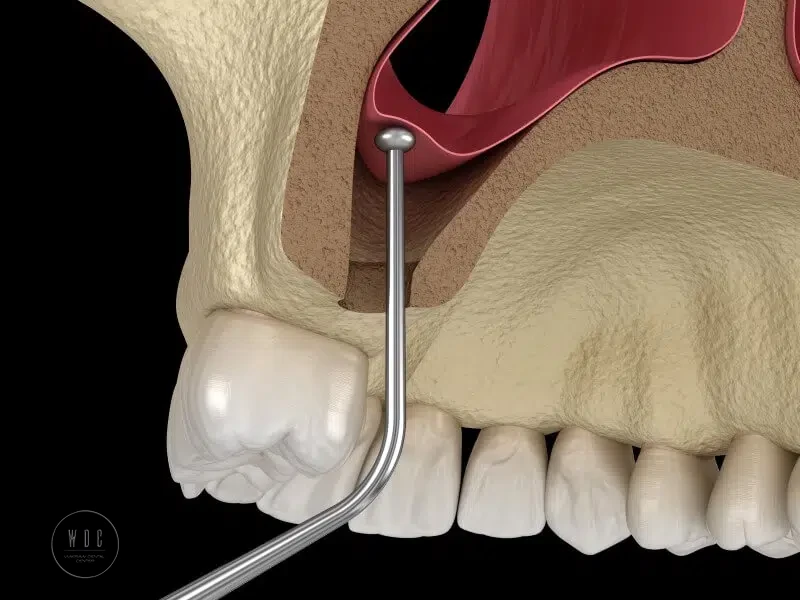
Patients seeking professional dentistry in Warsaw, Poland often require advanced procedures like sinus lift surgery to ensure successful dental implants. At Warsaw Dental Center, we pride ourselves on offering high-end services in oral surgery. Under the expertise of Dr. Bartek Leonczak – a certified specialist in dental surgery with international training – patients (including many from abroad) receive world-class care. This comprehensive guide explains what a sinus lift is, why it’s necessary for implants, and how Warsaw Dental Center stands apart. We emphasize Dr. Leonczak’s extensive qualifications, the foreign patients welcome policy, and the superior techniques that make our clinic a leader in implantology. Why a Sinus Lift Is Key for Dental Implants A sinus lift, also known as sinus floor augmentation, is a specialized bone grafting procedure that adds bone to the upper jaw in the area of the molars and premolars. This area lies directly below the maxillary sinuses (hollow spaces behind your cheeks and above the upper teeth). When upper back teeth are lost or extracted, the surrounding jawbone often shrinks or thins over time due to lack of stimulation. In addition, the sinus cavity can expand downward (a natural process called pneumatization), leaving insufficient bone height to securely anchor a dental implant. For a dental implant to be stable long-term, dentists generally prefer at least 7–8 millimeters of bone height in the upper jaw. If you have substantially less bone (for example, due to years of tooth loss or periodontal disease), a sinus lift is the solution. During a sinus lift procedure, the oral surgeon gently lifts the Schneiderian membrane (the sinus lining) upward and packs bone graft material into the newly created space. This augmentative surgery effectively increases the bone volume in the upper jaw, providing a solid foundation to place dental implants in areas that would otherwise be too risky. In many cases, a sinus lift can make the difference between being a candidate for implants or not. It is considered a routine and safe treatment option in modern implantology, with a low risk of complications when performed by an experienced surgeon. Ultimately, a successful sinus lift allows patients with bone deficiencies to receive implants that feel and function like natural teeth. Meet Dr. Bartek Leonczak – Expert in Dental Surgery Dr. Bartosz “Bartek” Leonczak is one of Warsaw Dental Center’s greatest assets, especially for international patients seeking complex surgical care. He is a highly qualified oral surgeon who obtained his Specialist in Dental Surgery title after rigorous post-graduate training and a state examination. Dr. Leonczak’s expertise is backed by international experience: he honed his implantology skills in South Korea under the innovators of the Osstem dental implant system, and refined advanced gum surgery techniques in Munich under renowned surgeons like Otto Zuhr and Markus Hürzeller. Such extensive training means that he stays at the forefront of the latest surgical methods and biomaterials in dentistry. Crucially for our foreign clientele, Dr. Leonczak is fluent in English (as well as Polish), ensuring clear communication and comfort for international patients. He is known not only for his technical precision but also for his empathy and calm demeanor. Patients frequently commend his ability to make even the most anxious individuals feel at ease in the dental chair. This combination of skill and compassion is vital in procedures like sinus lifts, which can sound intimidating to patients. Under Dr. Leonczak’s care, you can feel confident that you are in the hands of a surgeon who has successfully performed numerous sinus lifts and implant placements, with a focus on patient safety and comfort. High-End Sinus Lift Procedure at Warsaw Dental Center At Warsaw Dental Center, we deliver high-end services for sinus lift surgery that distinguish us from other clinics. The entire process is meticulously planned and executed using cutting-edge technology and internationally proven techniques. Here’s how a typical sinus lift in Warsaw is performed at our center: Consultation and Evaluation: Dr. Leonczak begins with a thorough consultation, reviewing your dental history and overall health. He examines your mouth and takes note of any missing teeth in the upper jaw. This step is crucial to determine if a sinus lift is necessary and to plan for eventual dental implant placement. The mantra is personalized care – every patient’s anatomy and needs are unique. Diagnostic Imaging: Next, we conduct detailed diagnostic tests, typically digital X-rays or a 3D CBCT scan (Cone Beam Computed Tomography). This advanced imaging provides a precise map of your jawbone height and the size and location of your maxillary sinuses. Accurate imaging allows Dr. Leonczak to measure how much additional bone is needed. For instance, if only 3-4 mm of bone height remains where an implant is desired, a significant lift and graft will be planned to reach the ~8 mm target. Cutting-edge planning software is used to simulate the procedure, ensuring there are no surprises during surgery. Treatment Planning: Using the data from your scans, Dr. Leonczak formulates a tailored surgical plan. He chooses the best sinus lift technique for your case – either a lateral window sinus lift (through the side of the gum) or a less invasive crestal (osteotome) approach through the tooth socket – depending on how much bone augmentation is required. Studies show that both the direct (lateral) and indirect (crestal) approaches yield similar implant success rates when properly indicated, so the technique is selected based on what will be minimally invasive yet sufficient for your needs. The choice of bone graft material is also made at this stage. Options include autogenous bone (your own bone, often harvested from the jaw or chin), donor bone, or bone substitutes like bioactive ceramics. Autogenous bone is considered the “gold standard” for grafting due to its excellent healing properties, but synthetic and donor grafts are also very successful and safe. Dr. Leonczak will discuss the pros and cons of each with you. Sinus Lift Surgery: On the day of surgery, our team ensures you are comfortable. The procedure is typically done under local anesthesia, so the area will be fully numb (if you are especially anxious, sedation or general anesthesia can be arranged – part of our commitment to patient comfort). Dr. Leonczak makes a small incision in the gum tissue where the back teeth used
Tooth Implantation – Is It Possible to Return to Work Immediately After the Procedure?
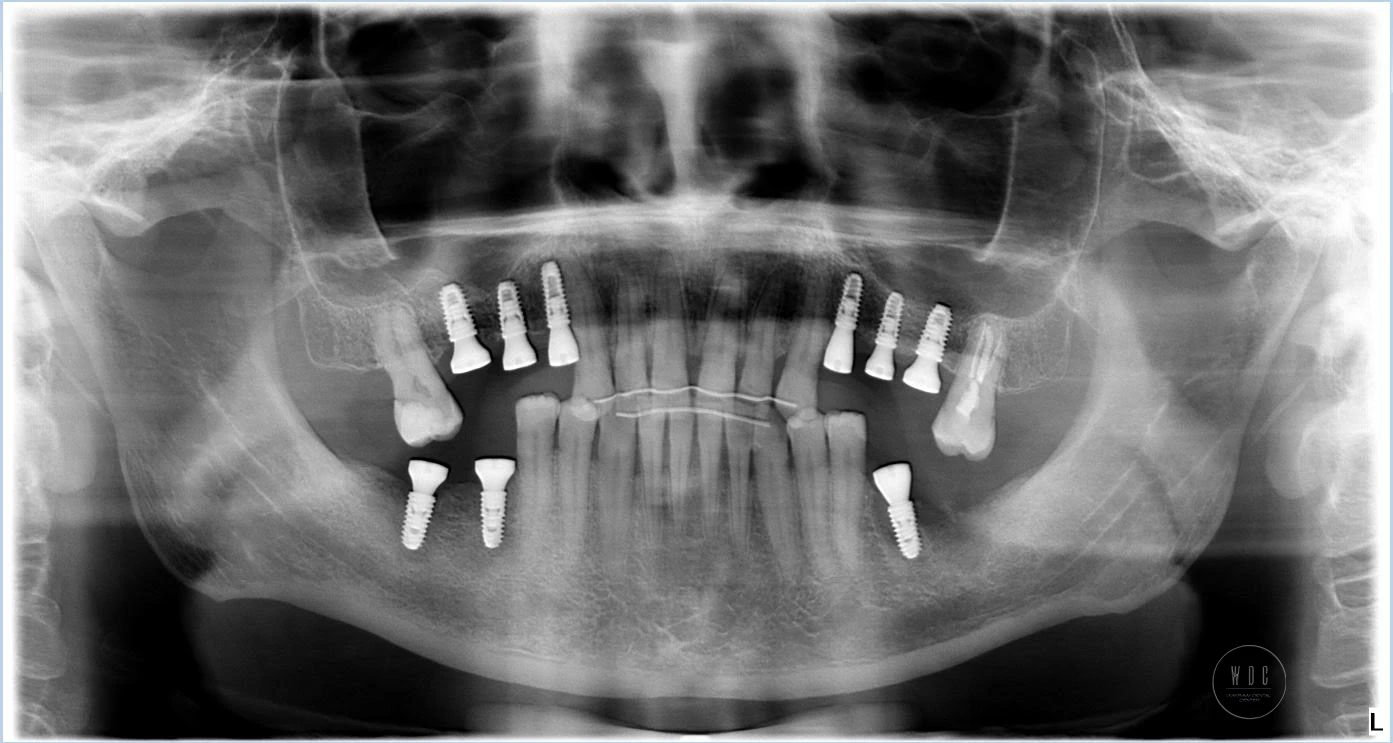
Tooth implantation has become an increasingly popular method for restoring a beautiful smile and full oral functionality. However, many people wonder if they can return to work immediately after the procedure. Is it possible? It’s essential to know that the recovery time after a tooth implantation can vary depending on individual factors. Generally, most patients can return to work the next day after the procedure. However, there are a few guidelines to keep in mind. First, it is important to be cautious and avoid putting excessive pressure on the implanted tooth. In the first days after the implantation, it’s better to avoid hard foods and prolonged chewing. Second, you should maintain excellent oral hygiene. Regular brushing, flossing, and rinsing the mouth will help prevent infections and speed up the healing process. If you feel weak or uncertain, consult your dentist, who can provide you with proper advice regarding returning to work and daily activities. Returning to work immediately after tooth implantation is possible, but it’s essential to listen to your body and follow your dentist’s recommendations. Remember that each case can be different, so it’s best to consult directly with a specialist before making a decision. Benefits of Tooth Implantation Tooth implantation has many benefits for patients who choose this procedure. Here are some of the main advantages of tooth implants: 1. Durability: Dental implants are exceptionally durable and can last for many years with proper care. They are made from titanium, a strong and biocompatible material that does not cause allergic reactions or rejection by the body. 2. Natural Appearance: Prosthetic crowns attached to implants are designed to closely resemble natural teeth. This allows tooth implantation to restore a natural appearance and boost self-confidence. 3. Improved Chewing Function: Missing teeth can make chewing and eating certain foods difficult. Tooth implants restore full chewing functionality, enabling patients to enjoy their favorite foods and maintain a healthy diet. 4. Prevention of Bone Loss: Missing teeth can lead to the loss of bone mass in the jaw. Tooth implants help preserve the natural bone structure, which is essential for maintaining overall oral health. Tooth Implantation Statistics Tooth implantation is becoming increasingly popular worldwide. Here are some statistics about this procedure: – According to the American Association of Implant Dentistry, over 3 million people in the United States have dental implants. – In Europe, dental implantology is gaining popularity, with the number of patients opting for this procedure steadily increasing. – In Poland, tooth implantation is one of the most common dental treatments. More and more people are choosing implants to restore a beautiful smile and full oral functionality. These statistics demonstrate that tooth implantation is becoming more accepted and popular as an effective solution for missing teeth. Tooth Implant Procedure Overview The tooth implant procedure consists of several stages, performed by an implantologist dentist. Here is the basic process of the procedure: 1. Patient Evaluation: First, the dentist conducts a detailed assessment of the patient’s oral health, including an evaluation of bone structure and overall health. This helps determine whether the patient is a good candidate for tooth implantation. 2. Treatment Planning: Based on the oral assessment, the dentist creates an individualized treatment plan. The plan considers factors such as the number and placement of implants and the type of prosthetic crown. 3. Preparing the Implant Site: If there is insufficient bone mass, a bone graft procedure may be required. This involves adding bone material to the area where the implant will be placed. 4. Implant Placement: After preparing the site, the dentist places a titanium screw into the jawbone. After the procedure, the patient receives a temporary prosthesis to wear until the implant heals. 5. Osseointegration: After implant placement, the process of osseointegration occurs, in which the implant fuses with the bone. This process typically takes several months and is crucial for the stability of the implant. 6. Attaching the Prosthetic Crown: Once osseointegration is complete, the dentist attaches the prosthetic crown to the implanted tooth. The crown is custom-made to match the shape and color of the patient’s natural teeth, providing an aesthetic result. The process of tooth implantation can vary depending on individual patient needs and the recommendations of the implantologist. Returning to Work After the Procedure – How Is It Possible? Many people planning tooth implantation worry about whether they will be able to return to work immediately after the procedure. While recovery time can vary based on individual factors, most patients are able to return to work the day after the procedure. It’s important, however, to be cautious and avoid putting too much strain on the implanted tooth. In the first few days after tooth implantation, it’s wise to avoid hard foods and prolonged chewing. Additionally, you should maintain proper oral hygiene. Regular brushing, flossing, and rinsing the mouth help prevent infections and speed up the healing process. If you experience weakness or discomfort, consult your dentist for appropriate instructions on returning to work and resuming daily activities. Returning to work immediately after tooth implantation is possible, but it is important to listen to your body and follow the dentist’s recommendations. Remember that each case is unique, so it’s best to consult with a specialist before making any decisions. How to Ensure a Comfortable Return to Work After Tooth Implant Surgery? To ensure a smooth and comfortable return to work after tooth implantation, consider the following practical tips: 1. Rest: After the procedure, your body needs time to recover. It’s important to give yourself enough time to rest and avoid excessive physical exertion in the first few days after the surgery. 2. Avoid Smoking and Alcohol: Smoking and drinking alcohol can slow down the healing process and increase the risk of complications. Therefore, it’s wise to give up these habits for a while after the surgery. 3. Pain Management: If you experience pain or discomfort after the procedure, consult your dentist for appropriate pain medication. Regular use
Causes of wisdom tooth pain
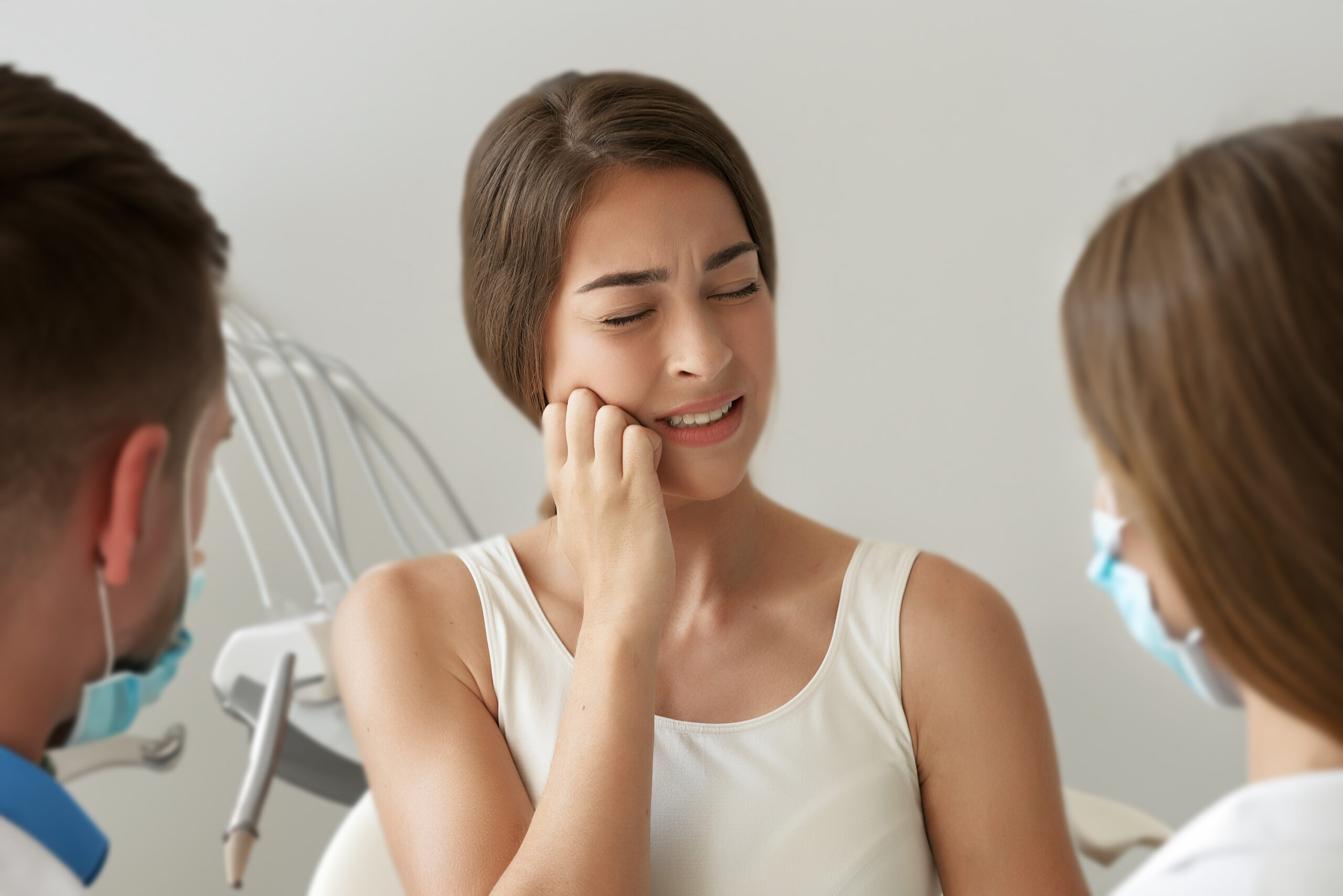
The issue often lies not in obvious symptoms but rather hides behind imperceptible gums – we’re talking here about wisdom teeth. Imagine an elusive force causing pain, something you can’t immediately see or touch. This is often the misunderstood riddle of pain associated with wisdom teeth. Gum Inflammation Gum inflammation associated with the eruption of wisdom teeth, also known as pericoronitis, is a problem that can be not only painful but also potentially serious for oral health. When a wisdom tooth only partially erupts, it allows bacteria to settle in the gum tissues, leading to inflammation, swelling, and discomfort. This particularly affects teenagers and young adults as wisdom teeth often emerge during this stage of life. Discomfort associated with pericoronitis can vary from dull to intense, even unbearable. If the wisdom tooth doesn’t fully erupt, a pocket forms, which becomes an ideal environment for bacterial growth, leading to chronic inflammation and gum pain. This is a problem that requires professional intervention to prevent worsening of the situation and potential negative consequences for overall oral health. Treatment for pericoronitis often involves cleaning the infected bacterial pocket and potentially removing the wisdom tooth, which is the source of the problem. This way, further complications can be prevented, and comfort and oral health can be improved. Infection (Pericoronal Abscess) Accumulation of bacteria and food debris under the gum can lead to a serious problem – pericoronal abscess. This type of infection is usually more painful than standard inflammation as it forms a pocket filled with pus, a symptom of the body’s fight against infection. Pulsating pain may prompt an immediate visit to the dentist in search of relief. Unfortunately, traditional oral hygiene practices such as brushing or flossing often do not reach deep bacterial hideouts. Professional intervention thus becomes the only way to eliminate the infection. Untreated abscesses can lead to serious consequences, including the possibility of spreading to other areas of the oral cavity and the body. In such situations, immediate dental intervention is necessary. Treatment may involve draining the abscess, using antibiotics to combat infection, and maintaining constant vigilance to prevent recurrences. In chronic cases or when standard methods fail, complete removal of the tooth, especially the wisdom tooth, may be necessary to cure the infection and prevent further pain. Malocclusion Achieving harmony in the mouth is often hindered by wisdom teeth, which disrupt the already crowded dental landscape. Improper eruption can cause tooth displacement, leading to potential problems such as jaw pain or bite disturbances. Early action in cases of problematic wisdom teeth can prevent further complications that require more advanced treatment. Usually, the interfering wisdom tooth is removed to alleviate pressure on other teeth and avoid the need for complicated orthodontic intervention. Excessive Number of Teeth The appearance of wisdom teeth can overcrowd the oral cavity, leading to aesthetic problems and discomfort. Regular visits to the dentist can allow early detection of this problem, enabling appropriate preventive actions, such as wisdom teeth removal, to avoid further complications. Decay Wisdom teeth, due to their location in the back of the mouth, are prone to decay due to difficulties in maintaining hygiene. Treatment of wisdom tooth decay usually involves their removal, allowing the preservation of the health of neighboring teeth and preventing further damage. Eruption Pressure Erupting wisdom teeth can cause discomfort and pain associated with pressure on surrounding tissues. Early diagnosis and appropriate treatment, such as wisdom tooth extraction, can alleviate these symptoms and prevent complications. Bone Resorption Bone resorption around wisdom teeth can weaken the jaw structure and cause pain. Regular dental check-ups allow for early detection of this problem and prompt action, such as wisdom tooth extraction, to halt the resorption process. Early intervention and regular dental care are important for maintaining oral health and integrity, especially concerning wisdom teeth. Preventive measures can prevent serious complications and improve patients’ quality of life.

How to prepare for oral surgery
Preparing for oral surgery can be stressful, but well-planned activities can significantly help with the surgical process and faster recovery. So let’s see how you can properly prepare for it. Consultation with a doctor The most important step is to consult the doctor who will perform the surgery. During your visit, you can discuss any doubts, questions and receive preparation tips. Your doctor may recommend specific actions, such as stopping taking certain medications or following an appropriate diet before surgery. Mental preparation Mental preparation is also key. Oral surgery can be stressful, so it’s worth finding ways to cope with your emotions. Breathing exercises, meditation or talking to loved ones can help calm your nerves. Home preparation Take care of your home environment before surgery. Prepare a comfortable place to rest after the procedure, provide soft pillows, blankets and anything that will help you feel comfortable. Also prepare easy-to-prepare meals, as it may be difficult to eat thicker foods after surgery. Taking care of hygiene Before surgery, you should take special care of your oral hygiene. Regularly brushing your teeth, using dental floss and rinsing your mouth with appropriate disinfectants will help reduce the risk of infection and speed up the healing process of wounds after surgery. Limiting eating and drinking before surgery Depending on your doctor’s advice, you may need to limit what you eat and drink before the surgery. It is usually recommended not to eat or drink anything a few hours before the planned procedure. This is important to avoid possible complications related to the effects of anesthesia. Post-operative support After surgery, it is important that you have the support of your loved ones. Some activities may be difficult to perform, so help with everyday duties will be very valuable. Also remember to visit your doctor regularly to monitor the healing process and any problems. It is worth remembering that each surgery is different, so you should always follow your doctor’s recommendations. Well-prepared pre-operative planning can reduce anxiety and help you recover faster.
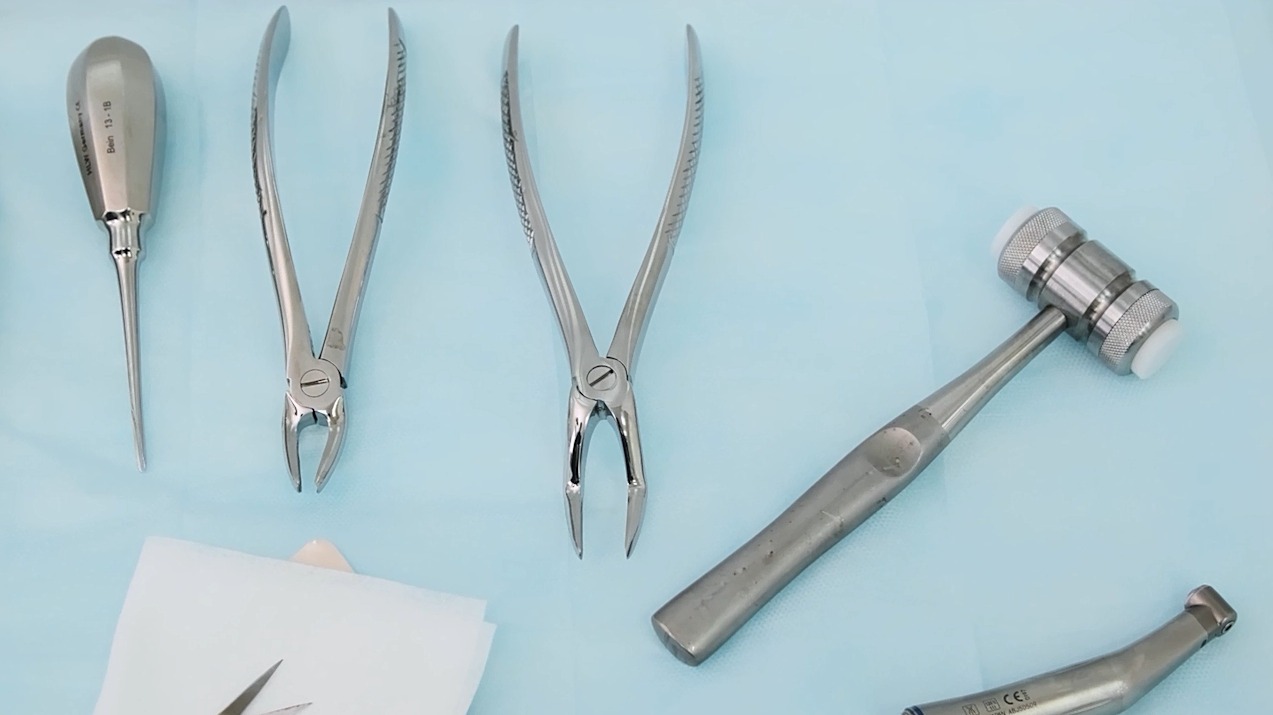
What are the recommendations after tooth extraction?
Tooth extraction is a surgical procedure in dentistry aimed at removing one or several teeth from the bone. When is this required?How to take care of yourself after this intervention?In the latest material, Dr.dentist Bartosz Leończak presents some key tips that will help the patient after the procedure. Link to the material: https: KlinikaUsmiechu_Usuniecie_zeba Subscribe to the Warsaw Dental Center channel here and follow WDC. Don’t forget to click 🔔 after watching the video to stay up to date with WDC news! Follow us on other platforms too! ► Facebook ► Instagram

Cutting the frenulum in a child
The procedure of cutting the frenulum (frenotomy) is a relatively simple and quick procedure, often performed in children. Its aim is to eliminate diastema (gaps between teeth) and support the proper development of the child to avoid problems with pronunciation, bite and oral hygiene. The frenulum is a fibrous mucosa that connects two parts of the body, limiting their mobility. In the oral cavity, frenulums enable the maintenance of appropriate muscle tone, tongue and lip movements, and chewing functions. Unfortunately, incorrect structure of the frenulum can lead to problems such as speech defects, difficulties with chewing food and maintaining oral hygiene. The types of frenulums in the oral cavity are: Lingual frenulum (sublingual): Connects the lower surface of the tongue with the floor of the mouth. A short sublingual frenulum may impede proper sucking in infants and lead to problems with speech and bite in older children. Frenum of the upper lip: Connects the inner side of the upper lip to the gingiva of the maxilla. A shortened labial frenulum may contribute to diastema between the front teeth. Frenulum of the lower lip: Connects the inner side of the lower lip with the mucous membrane of the mandible. Its overgrowth may lead to the exposure of tooth necks and make oral hygiene difficult. Buccal frenulum: Located on both sides of the mouth, connecting the gum tissues to the inside of the cheeks. Incorrect buccal frenulums may make hygiene and the installation of dentures difficult. A short tongue frenulum may cause problems with sucking in infants and make it difficult to transition to solid food in older children. The frenulum cutting procedure can be performed on both children and adults. Doctors recommend performing it as early as possible, especially in infants if a problem with the frenulum affects their ability to suck. This procedure is short, simple and performed under local anesthesia. There may be some slight bleeding after the procedure, but this should stop within a few days. Indications for the procedure may include sucking problems in infants and malocclusions and speech problems in older children. It is worth consulting a doctor before the procedure, and there are certain contraindications, such as blood clotting disorders, taking medications that reduce clotting, upper respiratory tract infections, allergy to anesthetic drugs and general poor health. To sum up, cutting the frenulum is a procedure that may have a positive impact on the child’s health and development. The procedure is performed under local anesthesia, is relatively simple and aims to improve the quality of life by eliminating potential problems related to the frenulum.
Wisdom teeth – do they always need to be removed?
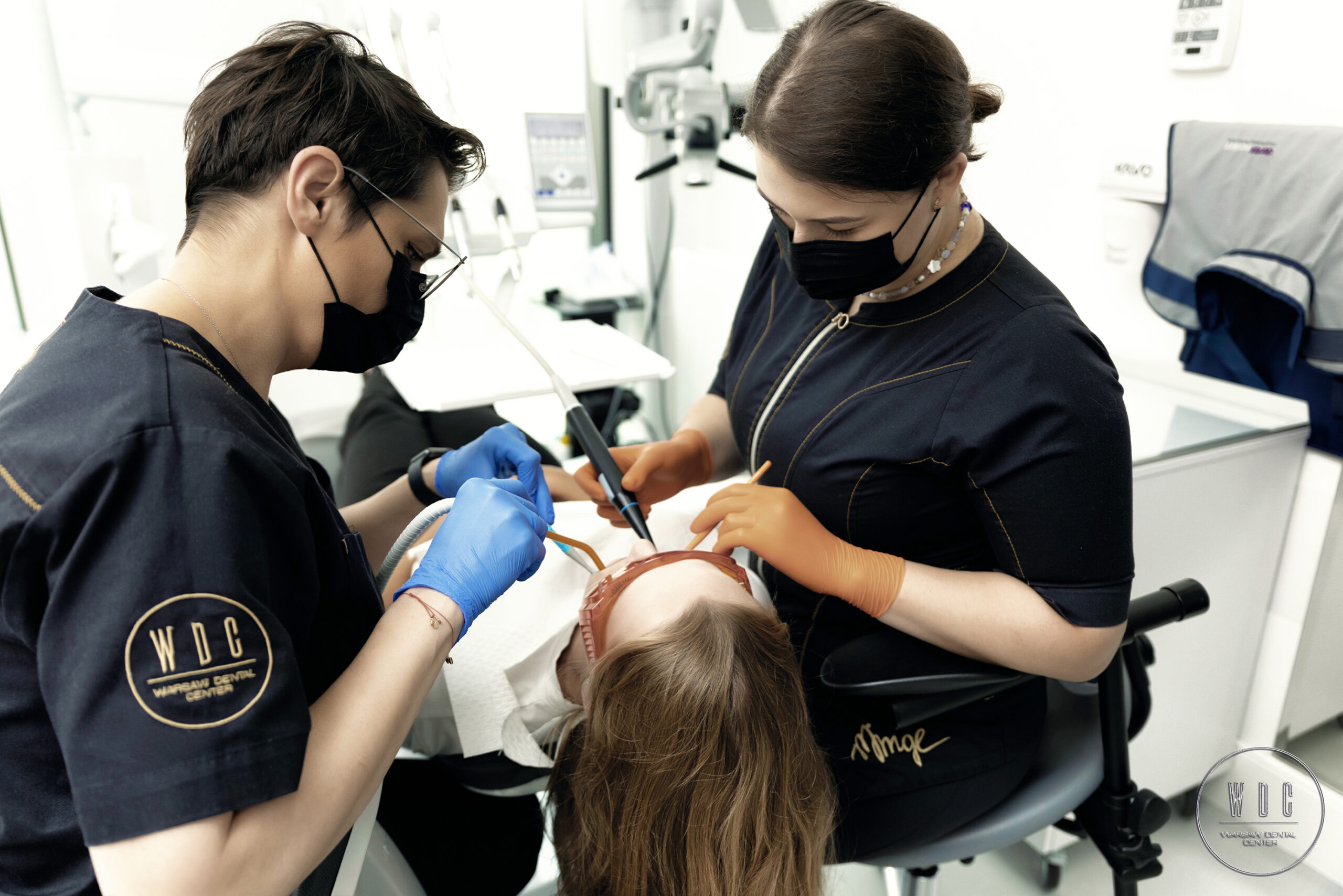
Erupting wisdom teeth can cause discomfort, but not always. Only an experienced dentist can accurately assess whether it is necessary to remove these teeth and how to proceed in a given case. What are wisdom teeth? Wisdom teeth, also known as quads, are the last four molars located on either side of the jaw. They are characterized by the fact that they most often appear in the oral cavity between the ages of 16 and 20, and sometimes even later, even at the age of 25-30. That’s why they are called wisdom teeth – their appearance is associated with increased maturity. However, not everyone has all four wisdom teeth. Some people do not have them at all, even though their buds are located in the jawbone. Although wisdom teeth are not essential, it cannot be said that they are completely unnecessary. Despite the potential problems they may pose, they may prove useful, for example as a transplant material, although today implants are more often preferred. Do you always need to remove wisdom teeth? Wisdom teeth are the last to erupt and there is often not enough room in the mouth for their proper development. These can become lodged under the gum tissue or bone, which can lead to pain, swollen gums and an increased risk of bleeding. In extreme cases, even trismus may occur. However, it is worth noting that it is not always necessary to remove them. Although wisdom teeth are susceptible to decay and other problems, they can sometimes be treated successfully. However, some countries recommend preventive wisdom teeth removal to avoid future complications. It is best to do this when they start to appear, but removal is possible at any time. Procedure for surgical removal of wisdom teeth The method of removing wisdom teeth depends on the individual characteristics of the patient. The procedure can be performed under local or general anesthesia. Usually, wisdom tooth removal is not complicateded, although it may take longer than other teeth, especially if it requires additional chiseling. If the wisdom tooth is properly erupted, removal is usually not a major problem and can be done under routine local anesthesia. The period after wisdom tooth removal After wisdom tooth removal, it is important to apply gentle pressure on the tooth with gauze for about half an hour to minimize bleeding. Applying cold compresses at home can help reduce pain and swelling. Usually, symptoms after the procedure disappear within a few days, but if the pain intensifies, the bleeding does not stop or a fever appears, a visit to the dentist is necessary. You should not eat or drink anything in the first hours after the procedure. Then you can drink liquids at room temperature or cool and avoid foods that require intense chewing. It is worth following these recommendations for at least 2-3 days. It is important for the patient not to worry that the removal of a wisdom tooth will negatively affect the arrangement of the remaining teeth – it usually does not have a major impact on the arrangement of the remaining bite. Symptoms that suggest a visit to the dentist for wisdom teeth include pain around the teeth, sore gums, and a feeling of pressure. A professional evaluation by your doctor will determine whether wisdom teeth removal is necessary and what the best course of action is. It is worth choosing trusted clinics, such as Warsaw Dental Center, where an experienced team of dentists will provide accurate diagnosis and professional care.