

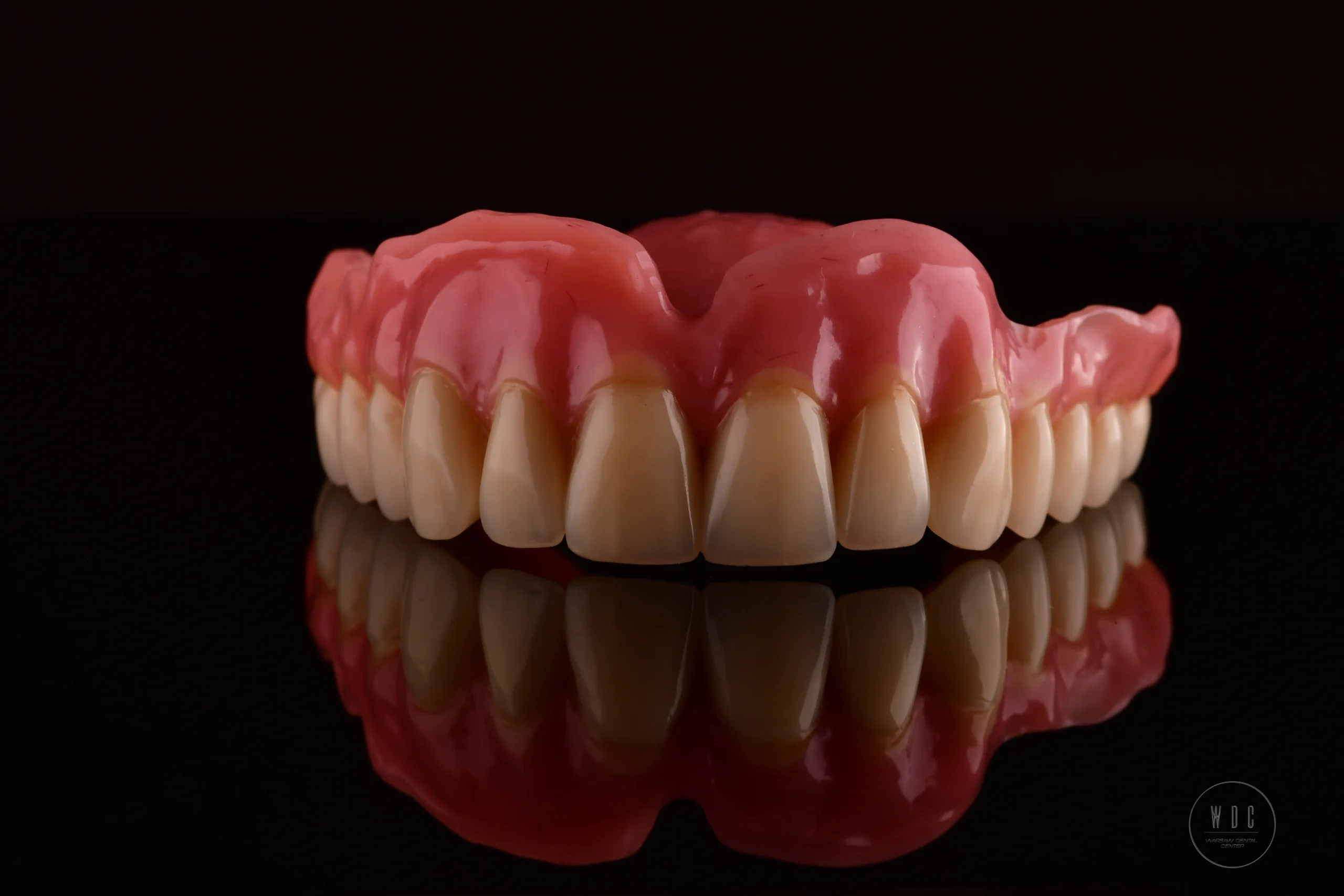
A prosthesis is one of the most commonly used methods to restore a cosmetic smile for individuals who have lost their teeth due to various reasons. Unfortunately, many people with allergies cannot use them because prostheses are often made with metals that can trigger allergic reactions. What types of prostheses available on the market can be used by people with allergies? How do you recognize an allergy to a prosthesis? How to Recognize a Prosthesis Allergy? An allergy to a prosthesis is typically a contact allergy, which occurs when the allergenic material comes into contact with the body. It often manifests as redness or swelling in areas of the oral cavity where the prosthesis touches the mucous membrane. Patients may also experience itching or burning in the mouth. If such symptoms or other concerning signs are noticed, it is important to consult a doctor promptly. Suitable Prosthesis for Allergics While many prostheses contain metal elements, there are also options available on the market that do not. One such solution is acrylic prostheses, which not only do not cause allergies but also boast flexibility and durability. They are suitable even for individuals who no longer have their natural teeth. Allergics may also consider acetal and nylon prostheses, although these are typically used for individuals who still have some of their own teeth. If in doubt, consulting with a prosthetist is advisable. Choosing the right prosthesis is crucial for comfort and oral health, especially for individuals with allergies. Thanks to safe options available on the market, even those with allergies can enjoy a beautiful smile.
Effects of Wearing Old and Poorly Fitted Dentures
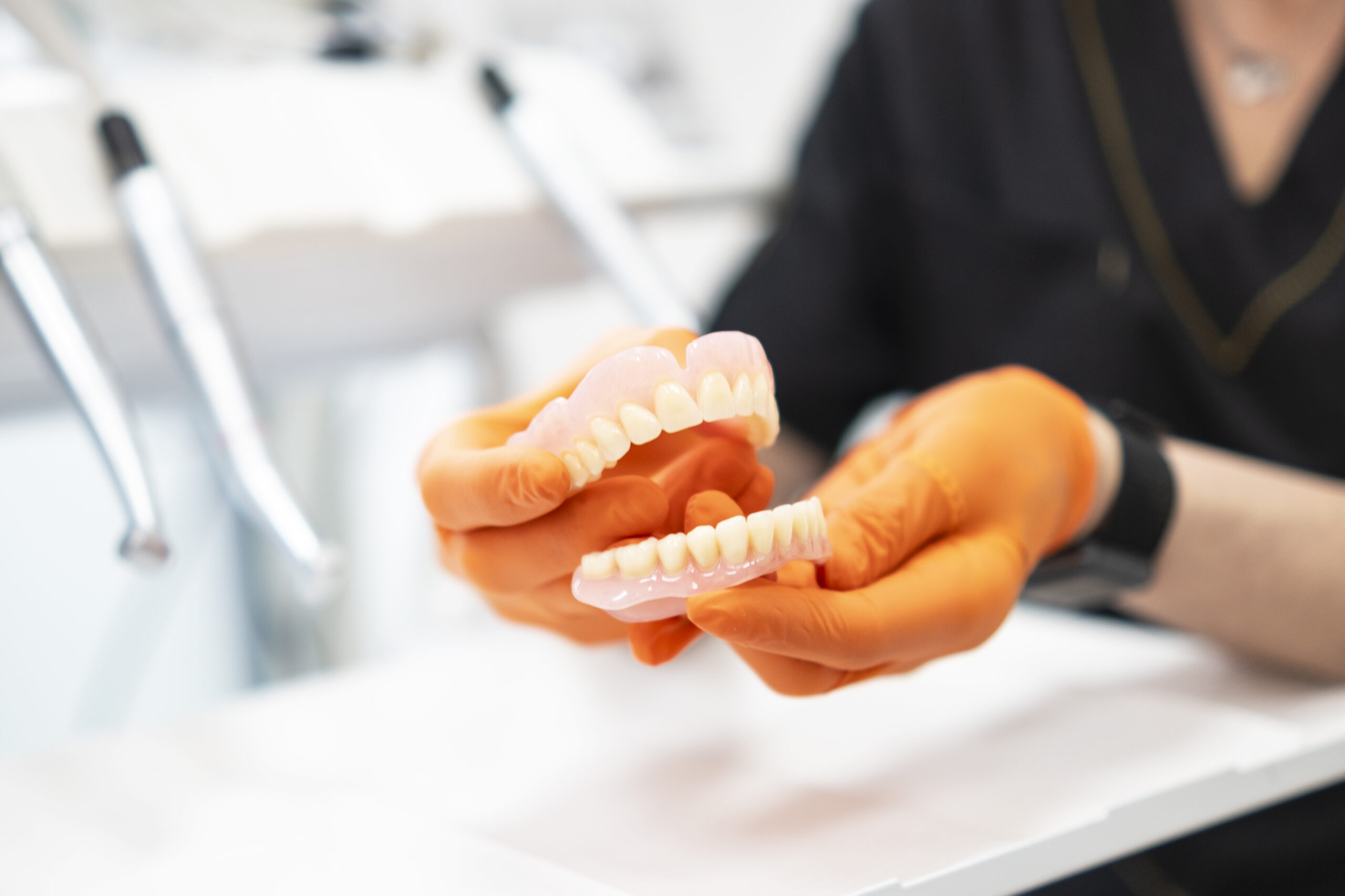
Why is Proper Denture Fitting Important? Dental prostheses need to be perfectly fitted to meet the specific needs of each patient. Unfortunately, many people still use poorly fitted dentures or fail to replace them in time. What are the consequences of this, and how can you recognize when it’s time to replace your dentures? Negative Effects of Improper Dentures Ill-fitted dentures can lead to a range of health problems. Using inappropriate materials can trigger allergic reactions, causing pain and discomfort. Moreover, poorly fitted dentures make eating, speaking, and smiling difficult, thereby lowering the quality of life. Difficulties in chewing can result in swallowing larger food pieces, leading to digestive issues. Oral irritations caused by poorly fitted dentures can promote infections, requiring additional treatment. In the long run, using such dentures negatively impacts the patient’s well-being and self-esteem. How to Recognize if Dentures Are Improperly Fitted? Here are a few signs that may indicate improperly fitted dentures: Discomfort or pain: If you experience discomfort or pain after wearing dentures, consult with your dentist. Unnatural movement: Dentures should not shift or fall out, for example, when sneezing. Irritations and infections: Frequent oral irritations could be a sign of poorly fitted dentures. Changes in the oral cavity: Every few years, it’s essential to check for changes in the oral cavity that could affect denture fitting. Regular Check-ups and Denture Replacement To avoid these problems, regular dental check-ups are recommended. At the Warsaw Dental Center in Warsaw, dentists can assess denture fitting and make necessary adjustments or replacements. Regular visits to the dentist help maintain oral health and ensure the comfort of denture use.
How to properly care for dentures?
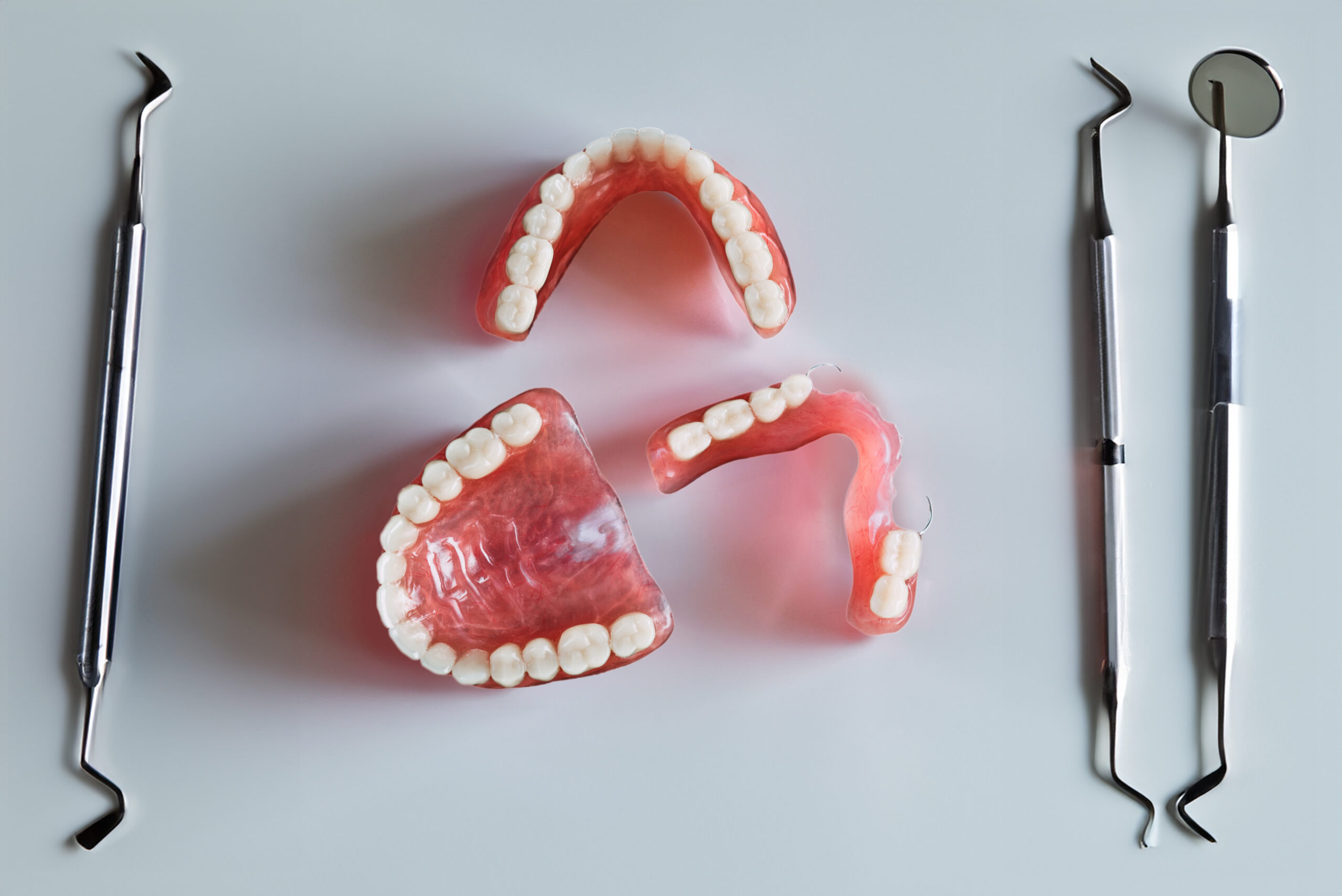
The fabrication of a denture for a toothless area of the oral cavity is a significant investment in health. However, for the denture to serve for a long time, proper maintenance is necessary. Cleaning dentures is not complicated. It is enough to familiarize yourself with the basic principles to avoid commonly made mistakes. In addition to caring for dental prosthetic hygiene, it is also important to have knowledge about what to do in case of damage. Basic principles of dental prosthetic care The fundamental principle of caring for dental prosthetics is their regular cleaning, requiring the same consistency as with natural teeth. Proper cleaning of dentures not only extends their lifespan but is also important for maintaining the health of remaining teeth and gums. It removes accumulated microorganisms that can lead to oral infections. During the cleaning of prosthetic replacements, it is recommended to avoid traditional toothpaste as many of them contain abrasive substances that can damage the denture, promoting the accumulation of deposits and contaminants. Cleaning dentures becomes much more effective and safe using products specifically designed for such prosthetic replacements. Cleaning of dentures should cover all surfaces, so it is advisable to use dedicated accessories, such as special double-sided brushes that allow access to the most difficult-to-reach places. The care of dental prosthetics can be effectively supported by using special disinfectant products such as pastes, concentrates, and effervescent tablets. The most popular are tablets that chemically cleanse the replacement and, during dissolution, assist in mechanical cleaning. However, it is important for the primary cleaning method to be mechanical using a brush. Excessive use of chemical cleaning can have a negative impact on the material from which the denture is made. Proper denture hygiene also includes its storage. It is not recommended to remove the prosthetic replacement before sleep unless necessary. In such cases, it is recommended to store it in dry conditions. Denture hygiene does not end with daily cleaning alone. Periodically, it may be necessary to take it to the dental laboratory, where professional denture cleaning and a thorough examination of their condition will be carried out. Such actions are crucial for maintaining the high quality and aesthetics of the prosthetic replacement. How often to clean dentures? The optimal frequency of cleaning dentures is at least twice a day – in the morning and evening. Even better, if the patient has the opportunity to clean the denture during the day, which positively affects not only appearance and health, but also well-being and comfort during meals. Residues of food left on the surface of the denture can interfere with taste sensations during subsequent meals. Regularly maintaining cleanliness of the denture contributes to maintaining oral hygiene and preventing potential health problems. Home methods for denture cleaning Periodic cleaning of dentures can also be done using simple household items. Immersing the denture in a solution of baking soda and vinegar is an effective way to disinfect it. However, it is important to remember to thoroughly rinse the denture after using home cleaning methods. This ensures the removal of any remaining substances that could potentially irritate the mucous membrane. What to do in case of denture damage? In the event of denture damage (e.g., breakage, cracking, tooth or clasp detachment), immediate consultation with a dental office or dental technician is essential. They will handle the professional repair of the replacement. Regardless of how tempting it may be to repair the denture independently, it should be avoided, as it may result in permanent damage. To maintain the denture in excellent condition, regular check-ups with the dentist are necessary. They will assess when the denture needs correction, professional cleaning, or even replacement with a new one. Systematic checks also allow for the early detection of any abnormalities in the oral cavity. This ensures the full functionality of the denture, and the health of the oral cavity remains under the constant care of specialists.
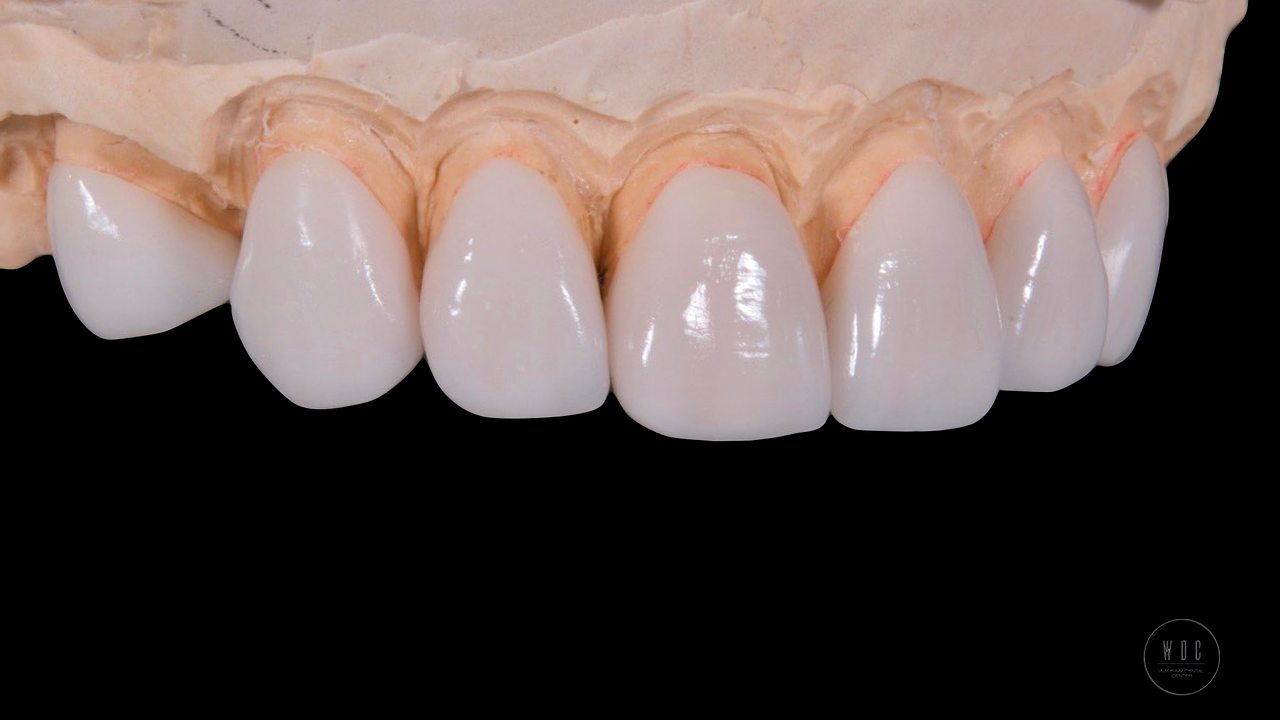
Discover New Possibilities with Dentures
Have you ever wondered how important it is to have a healthy, full smile? Your teeth play a key role not only in eating and speaking, but also in shaping your appearance and self-confidence. Thanks to modern solutions in the field of dentistry, such as dentures, we can now enjoy a full, healthy smile, regardless of age or oral health. At Warsaw Dental Center, we are proud that we can help you regain your smile. Dentures: What is it?: Dentures are replacement devices used to replace missing teeth. They can restore both the function and aesthetics of your smile. Dentures can be full, replacing all the teeth in your mouth, or partial, replacing just a few missing teeth. Types of Dentures There are many types of dentures, including fixed dentures, removable dentures, immediate dentures, implanted dentures and flexible dentures. Choosing the right type of denture depends on many factors, such as the number of missing teeth, oral health and patient preferences. At Warsaw Dental Center, our experienced dentists will help you choose the best solution for your smile. Advantages of Dentures Dentures offer many benefits. They can improve the appearance of your smile, improve your ability to eat and speak, and improve your overall comfort and confidence. Dentures can also help maintain facial structure by preventing it from collapsing after tooth loss. Warsaw Dental Center: Your Place for Dentures At Warsaw Dental Center, we are proud of our reputation as one of the leading dental centers in Poland. Our team consists of experienced dentists who are at the forefront of innovation in the field of dental prostheses. We use the latest technologies and techniques to provide you with comfortable and effective treatment. We invite you to use our services and experience the difference that modern dentistry can bring.Whether you need full dentures, partial dentures, or implant-supported dentures, we are here to help you regain your smile and confidence. Call us today to schedule a consultation and learn more about how dentures can improve your life. We are waiting for you at Warsaw Dental Center, where your health and smile are our priority.