

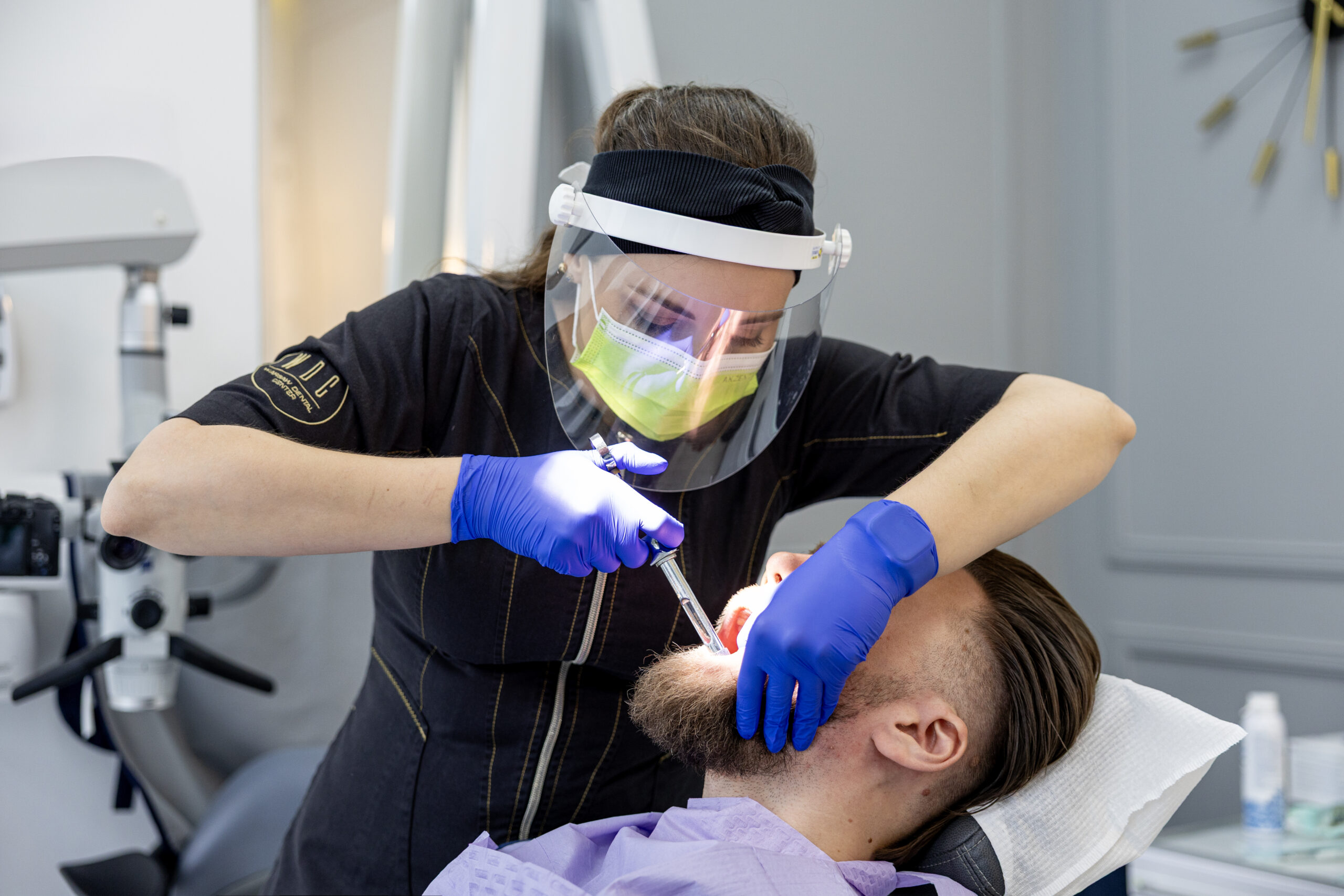
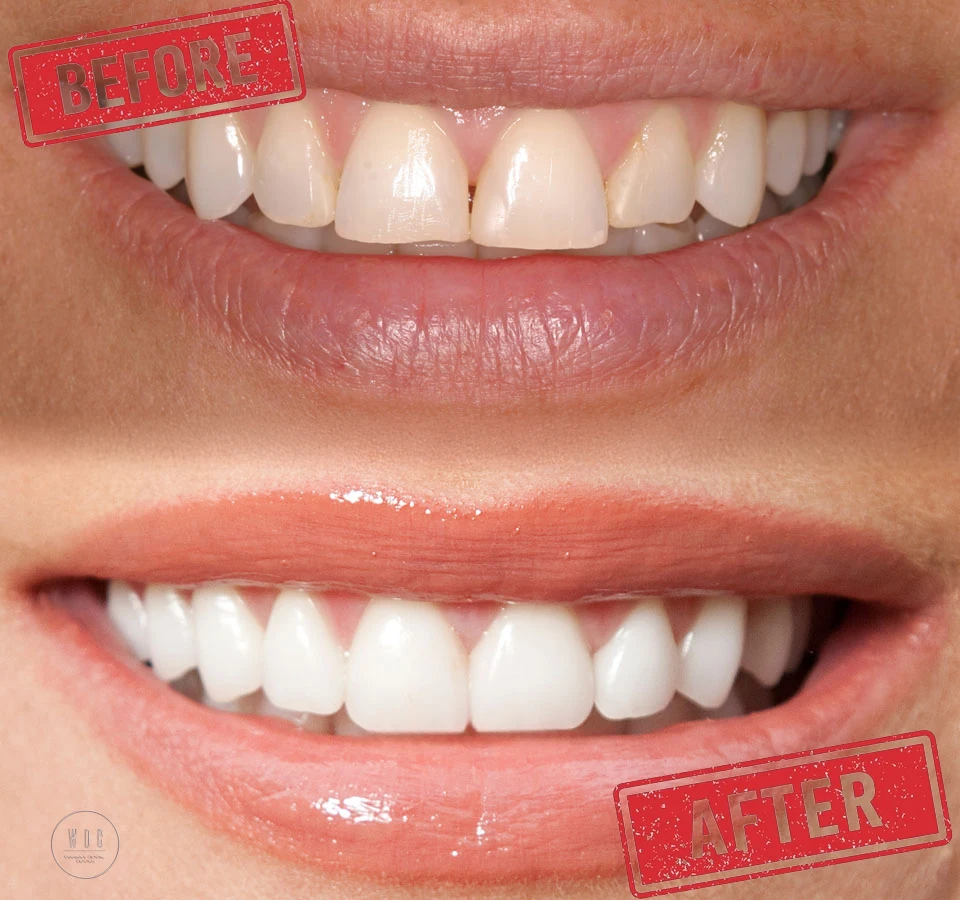
Dental bonding is one of the fastest and most affordable ways to improve your smile without invasive procedures. At our clinic in central Warsaw, patients often choose bonding as a cosmetic alternative to veneers or crowns — especially when they want quick results at a reasonable price. As a dentist with many years of experience in cosmetic dentistry, I am often asked: How much does dental bonding cost in Warsaw, and when is it the right choice? In this article, I will explain what bonding is, what benefits it offers, how much it costs in 2025, and how it compares to other treatments. What is dental bonding? Bonding involves applying a tooth-colored composite resin directly onto the tooth surface to improve its shape, size, or color. With this method, we can: close gaps between teeth (diastema), rebuild chipped or fractured enamel, lengthen teeth that appear too short, cover stains or discoloration. The treatment is completely painless, does not require anesthesia, and can be done in a single visit. Dental bonding price in Warsaw At Warsaw Dental Center, the cost of dental bonding is 1,000 PLN per tooth. For comparison: a composite filling costs 700–800 PLN, a porcelain veneer costs around 4,000 PLN, a ceramic crown starts at 2,500 PLN. 👉 This makes bonding an excellent middle-ground solution — less expensive than veneers, but more aesthetic than a regular filling. Check our full price list here When is bonding the best choice? Bonding is ideal for patients who want a quick and affordable improvement in smile aesthetics. It works particularly well in cases such as: small gaps between teeth, reshaping front teeth, restoring chipped edges, masking stains that do not respond to whitening. For larger corrections or when maximum durability is needed, we recommend veneers or ceramic crowns. Benefits of dental bonding immediate results (usually in one appointment), non-invasive and painless procedure, no drilling or reduction of natural tooth structure, more affordable than veneers, reversible — bonding can be removed or replaced if necessary. How does the procedure work? Consultation – the dentist examines your teeth and selects the right shade. Surface preparation – the tooth is cleaned and gently etched. Application of composite resin – the dentist sculpts the material to the desired shape. Curing with a special light – hardening the composite. Polishing – achieving natural shine and smooth finish. The entire procedure usually takes 30–60 minutes per tooth. How long does bonding last? With proper care, dental bonding lasts between 3 and 5 years. Lifestyle habits (coffee, tea, wine) may affect discoloration. To maintain results, we recommend regular check-ups and professional hygiene appointments. FAQ – Common questions about bonding Is bonding painful?No, it is painless and usually does not require anesthesia. How much does bonding cost in Warsaw?The price is 1,000 PLN per tooth at our clinic. Can bonding be combined with whitening?Yes, but whitening should be done first (see our whitening offer here), followed by bonding to match the shade. Does bonding damage natural teeth?No, bonding is non-invasive and preserves healthy tooth structure. Conclusion Dental bonding is a fast, painless, and cost-effective way to improve your smile. At Warsaw Dental Center, we use advanced materials and techniques to achieve natural and aesthetic results. If you are considering a smile makeover, bonding might be the perfect solution for you. 👉 Book your consultation today and discover how easily you can transform your smile. Medical Director, DDS, MSc Urszula Leończak

Differences Between Tooth Bonding and Porcelain Veneers : what you should know.
Many people wonder what the difference is between tooth bonding and porcelain veneers. Both procedures are popular in cosmetic dentistry and help improve the appearance of a smile, but they differ in terms of materials, durability, and cost. In this article, we will answer the most frequently asked questions about tooth bonding and porcelain veneers to help you choose the best solution for your needs. What is tooth bonding and porcelain veneers? Tooth bonding is a procedure in which a composite resin material is applied to the tooth’s surface, shaped by the dentist to cover imperfections such as cracks, discolorations, or unevenness. Bonding is ideal for minor aesthetic corrections and repairing small tooth damage. Porcelain veneers are thin shells made of porcelain that are bonded to the front surface of the tooth. Veneers are used to significantly improve the shape, color, and appearance of teeth. They are a more advanced option than bonding and are intended for long-lasting aesthetic changes. What are the differences in durability between bonding and veneers? Durability is one of the key aspects that distinguish tooth bonding from porcelain veneers: – Tooth bonding: Bonding lasts between 3 to 10 years, depending on oral care and the patient’s habits. Composite material is less resistant to stains and damage than porcelain, which may require more frequent repairs or adjustments. – Porcelain veneers: Porcelain veneers are much more durable, often lasting between 10 to 20 years. Porcelain is more resistant to stains and damage, making veneers a long-term investment in a beautiful smile. What is the difference in the procedure for bonding and veneers? Tooth bonding is a quick and painless procedure that can be completed in a single visit to the dentist. The dentist prepares the tooth, applies the composite material, and then sculpts and hardens it with UV light. The entire procedure takes about 30 to 60 minutes per tooth. Porcelain veneers usually require two or more visits. In the first visit, the dentist removes a small amount of enamel from the tooth surface, then takes an impression, which is sent to a laboratory. During the second visit, the finished veneers are bonded to the teeth. This process is more time-consuming and requires greater precision. Which procedure is more aesthetic? In terms of aesthetics, porcelain veneers are generally considered more advanced: – Tooth bonding: Composite material mimics the natural color of teeth well but may discolor over time, especially in individuals who consume coffee, tea, or smoke. – Porcelain veneers: Porcelain is known for its excellent replication of the natural tooth structure and is resistant to staining. As a result, the smile looks natural and fresh for a longer time. What is the price difference between tooth bonding and porcelain veneers? The cost of tooth bonding is significantly lower than porcelain veneers, making bonding a more affordable option for patients looking for quick and economical cosmetic solutions. – Tooth bonding: The cost of the procedure ranges from 300 to 800 PLN per tooth, depending on the clinic and materials used. – Porcelain veneers: Porcelain veneers typically cost between 1,500 to 2,500 PLN per tooth. The higher price is due to the durability and aesthetic quality that porcelain provides. When should you choose bonding and when porcelain veneers? Tooth bonding is a good option if you need a quick, less invasive repair of minor cosmetic defects. It’s ideal if you want to: – Correct small imperfections – Remove discolorations – Change the shape or length of your teeth Porcelain veneers are a better choice if you are looking for a long-lasting, more aesthetic, and damage-resistant solution. Veneers are recommended when: – Teeth require significant corrections in shape or color – You want a long-term, aesthetic solution – You need excellent resistance to stains Conclusion Choosing between tooth bonding and porcelain veneers depends on your needs, budget, and expectations regarding durability and aesthetics. Tooth bonding is quicker, cheaper, and less invasive, ideal for minor corrections. Porcelain veneers are a long-term investment, providing a lasting and aesthetic result. It’s worth consulting with a dentist who will help you choose the right solution. Source: www.forbes.com www.sciencedirect.com
Dental bonding in Warsaw, our expert dentists explains the procedure costs, durability and after care.
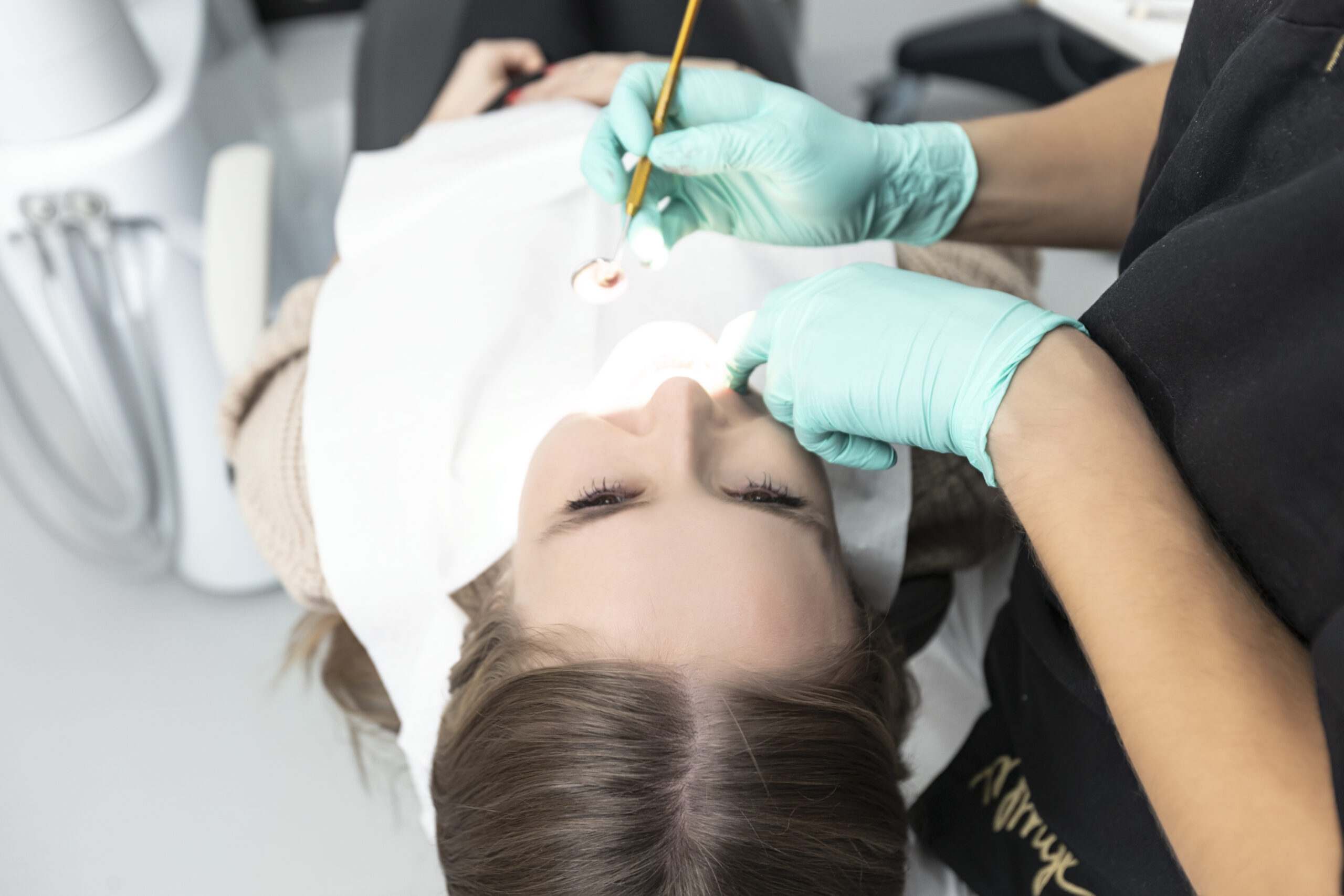
Dental bonding in Warsaw is one of the most popular methods for improving the aesthetics of a smile. If you’re considering this treatment, you probably have a few questions. In this article, we will answer the three most frequently asked questions about tooth bonding, focusing on costs, durability, and comfort. You’ll also learn about the factors that influence the price of dental bonding in Warsaw and where to find the best specialists. How Much Does Dental Bonding Cost in Warsaw? The cost of dental bonding in Warsaw depends on many factors, such as the dentist’s experience, the clinic’s location, and the materials used. On average, the price of dental bonding in Warsaw ranges from 500 to 1200 PLN per tooth. Here are the factors affecting the price: – Extent of the procedure: Repairing minor damage will be cheaper than a full reconstruction of several teeth. – Dentist’s experience: Specialists with years of experience may charge higher fees due to the quality of service. – Composite materials: Higher quality materials are more durable and aesthetically pleasing, which can influence the price. – Clinic location: Clinics in central districts of Warsaw may have higher prices than those on the outskirts. To get an accurate estimate, it’s best to consult directly with Dr. Natalia Rogulska at Warsaw Dental Center. How Long Does Dental Bonding Last? The durability of tooth bonding typically ranges from 3 to 10 years, depending on several factors: – Oral hygiene: Regular brushing, flossing, and dental check-ups can prolong the life of the bonding. – Patient habits: Avoid habits such as biting nails, using teeth to open bottles, or chewing hard objects. – Diet: Limiting the consumption of coffee, tea, red wine, and other staining products helps maintain the bonding’s appearance. – Quality of the work: Bonding performed by an experienced dentist in a reputable clinic ensures better durability. Keep in mind that composite material used in bonding is less resistant to stains and damage than porcelain veneers. However, proper care can significantly extend its lifespan. Is Dental Bonding Painful? Tooth bonding is a painless and non-invasive procedure. Here’s what you should know about the comfort during the procedure: – No need for anesthesia: In most cases, anesthesia is not required, as the procedure involves applying composite material to the tooth’s surface. – Quick procedure: The treatment takes between 30 minutes to 1 hour per tooth, minimizing patient discomfort. – No interference with tooth structure: Unlike other cosmetic treatments, bonding does not require grinding or removing healthy tooth tissue. Patients rarely experience any discomfort during or after the procedure. However, if you have any concerns, you can always discuss them with your dentist before starting the treatment. Where to Get Dental Bonding in Warsaw? Warsaw offers many reputable dental clinics specializing in dental bonding. When choosing a clinic, consider: – Patient reviews: Check feedback and recommendations from other patients. – Dentist’s experience: Choose a specialist with proven experience in aesthetic procedures. – Technology and materials: Ensure that the clinic uses modern composite materials and equipment. We invite you to schedule an appointment with Dr. Natalia Rogulska at Warsaw Dental Center, who specializes in tooth bonding procedures. Conclusion Dental bonding in Warsaw is an excellent solution for those looking to quickly and effectively improve the aesthetics of their smile. Knowing the answers to the most frequently asked questions – regarding costs, durability, and comfort – can help you make an informed decision about undergoing this procedure. Remember, investing in your smile is an investment in your confidence and well-being. relevant links for further research: https://www.webmd.com/oral-health/dental-bonding https://en.wikipedia.org/wiki/Dental_bonding https://www.healthline.com/health/dental-and-oral-health/teeth-bonding

Frequently Asked Questions About Tooth Bonding – A Complete Guide
Tooth bonding is one of the most popular dental procedures for improving the aesthetics of a smile. It is a quick and painless method to repair minor tooth damage and enhance their appearance. Below we answer the most frequently asked questions about bonding to help you better understand this procedure and its benefits. What is tooth bonding? Tooth bondingis a procedure in which a composite resin material is applied to the tooth surface. The dentist then sculpts the material to cover imperfections such as cracks, discolorations, or gaps between the teeth. Bonding can also be used to lengthen or reshape a tooth. What are the benefits of tooth bonding? The benefits of tooth bonding include: – Speed – The procedure typically takes 30 minutes to 1 hour per tooth. – Painless – Bonding does not require anesthesia as it does not deeply interfere with the tooth structure. – Cost– The cost of tooth bonding is lower than other aesthetic treatments, such as veneers or crowns. Is tooth bonding durable? Yes, but the durability of tooth bonding depends on several factors. With proper oral hygiene and regular dental check-ups, bonding can last between 3 to 10 years. Composite material is less durable than porcelain, so it may discolor or become damaged if not properly cared for. How much does tooth bonding cost? The cost of tooth bonding varies depending on the location and scale of the procedure. On average, in Poland, the cost ranges from 300 to 600 PLN per tooth. In high-end dental clinics, the price may be higher due to the quality of materials used and the dentist’s experience. How long does tooth bonding take? Tooth bonding is a relatively quick procedure, taking 30 minutes to 1 hour per tooth. The time depends on the size of the surface that needs repair and the number of teeth being bonded. Is tooth bonding painful? No, tooth bonding is a painless procedure. In most cases, it does not require anesthesia unless larger cavities or tooth reconstruction are needed. What are the indications for tooth bonding? Bonding is ideal for individuals who want to improve the appearance of their teeth without invasive procedures. The most common indications include: – Discoloration that cannot be removed with whitening – Cracks or chips in the teeth – Small gaps between teeth – Changing the shape or length of teeth – Repairing worn-down enamel What are the limitations of tooth bonding? While tooth bonding has many advantages, there are some limitations. The composite resin used in bonding is not as stain-resistant as porcelain, so it may discolor over time. Additionally, bonding is not as durable as porcelain veneers, meaning it may require more frequent repairs. How should you care for teeth after bonding? To keep your tooth bonding in good condition, it’s recommended to: – Avoid consuming foods and drinks that can stain, such as coffee, tea, or red wine. – Brush your teeth regularly with a soft-bristle toothbrush and use low-abrasion toothpaste. – Avoid biting on hard objects like nuts, pencils, or nails, which could damage the bonding. – Visit your dentist regularly for check-ups to monitor the condition of the composite. Can bonding be done on front teeth? Yes, tooth bonding on front teeth is a popular method to improve the aesthetics of a smile. Bonding allows for correcting the shape, color, and damage of front teeth, making the smile look more attractive. What are the differences between bonding and veneers? Tooth bonding and veneers differ in terms of material and durability. Veneers are thin porcelain shells that are more durable and resistant to stains than the composite resin used in bonding. On the other hand, tooth bonding is a cheaper and less invasive procedure, though it may require more frequent repairs. Conclusion Tooth bonding is a quick, painless, and relatively affordable method to improve the appearance of teeth, available in many dental clinics. With modern composite materials, it’s possible to repair cracks, discolorations, or gaps between teeth in an aesthetic and comfortable manner. If you’re considering tooth bonding, consult dr Natalia Rogulska at Warsaw Dental Center to see if this procedure is right for you. Relevant links for further research: https://jada.ada.org/article/S0002-8177(14)65275-2/fulltext https://meridian.allenpress.com/operative-dentistry/article/38/6/E237/206253/Comparison-of-Enamel-and-Dentin-Shear-Bond
Bonding teeth Warsaw. What is its cost?
What is Tooth Bonding and Why Should You Consider It? Tooth bonding is a fast, non-invasive procedure that is becoming increasingly popular and receiving numerous positive reviews. But what exactly is bonding and why should you consider this solution? Bonding relies on the principle of adhesion, eliminating the need for tooth grinding and enamel damage. During this procedure, a dentist applies a special composite resin directly to the teeth, also used in treating cavities. Through adhesion, the composite forms a tight seal, allowing for the correction of minor cavities, cracks, and discolorations while preserving the integrity of the enamel. The flexibility of the composite offers wide possibilities for correcting the appearance of teeth, allowing the dentist to precisely match the shape and color of the material to the natural shade of your teeth. This achieves a beautiful and natural smile without the need to interfere with the tooth structure. Thus, bonding is an effective solution for individuals wishing to improve the appearance of their teeth in a simple and safe manner. When Can Bonding Be Done? Bonding, as a cosmetic procedure, is ideal for minor aesthetic improvements. Here are situations where this procedure is worth considering: Masking minor enamel imperfections: If you have minor scratches or other small defects on the surface of your teeth, bonding can effectively conceal them. Reducing discoloration: This treatment is an effective way to reduce the visibility of discolorations on the tooth surface, such as stains from coffee or smoking. Closing small gaps between teeth: If you have small gaps between your teeth, bonding can help close them, improving smile aesthetics. Correcting tooth shape: Bonding can be used to change the shape of teeth, giving them a more harmonious form. Temporary smile improvement before prosthetic reconstruction: If you are planning more advanced prosthetic treatment, bonding can temporarily enhance the appearance of your smile, giving you confidence until a full reconstruction is performed. However, bonding is not suitable for larger tooth defects or significant aesthetic corrections. Additionally, it is not recommended for patients expecting long-lasting effects, as its durability may be limited. It’s also important to remember that bonding can only be applied to healthy teeth. In cases of decay or periodontal disease, these conditions must be treated before undergoing cosmetic procedures. What Is the Cost of Tooth Bonding? The cost of tooth bonding may depend on various factors, including the extent of smile correction and the number of teeth involved in the procedure. Typically, it is also recommended to treat all teeth and apply fillings in case of cavities. In our clinic, the price for this procedure is 900 Polish złoty. However, additional costs such as radiological examinations may be added to this price, but you will receive an exact quote during your consultation visit. Does Health Insurance Cover the Cost of Bonding? Check if your policy covers these expenses. Health insurance may partially or fully cover the costs associated with bonding. However, it’s important to note that terms and limitations vary depending on the policy. Before opting for this procedure, make sure your health insurance covers it, and whether it covers part or all of the procedure costs. If you are considering bonding but are concerned about the costs, consult your insurance agent or physician to find out if there is a possibility of coverage through your policy. It’s also worth checking insurers’ offerings on their websites for more information on coverage for bonding costs and other medical procedures.
What is dental bonding?
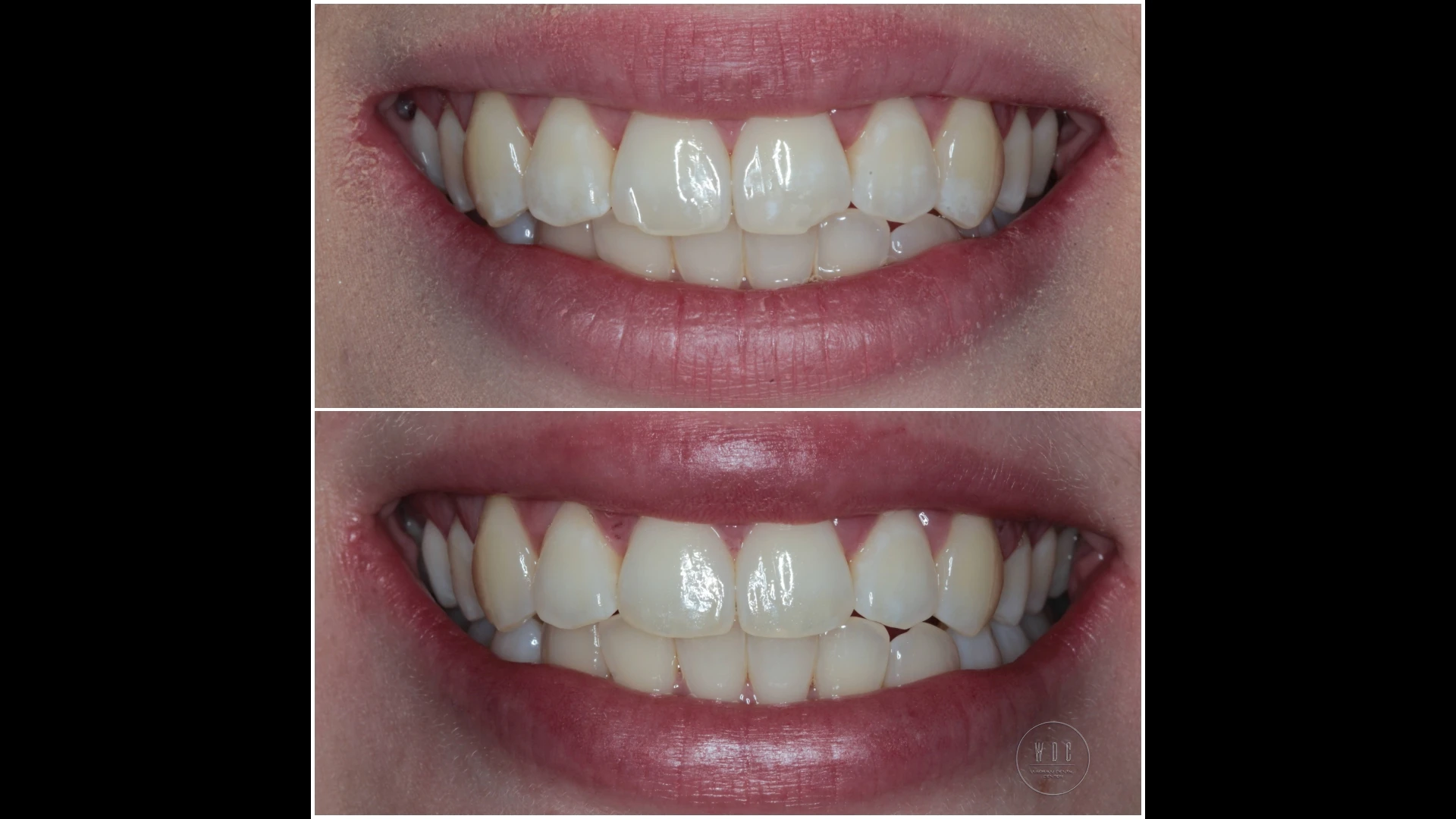
Dr Natalia Rogulska patient success story Composite veneers, also known as dental bonding, are a method of tooth restoration often used as an alternative to ceramic (porcelain) veneers. We asked our team of top specialists in Warsaw, including Dr. Natalia Rogulska, questions to familiarize you with the topic of bonding. What is Tooth Bonding? Tooth bonding is a minimally invasive procedure aimed at improving the aesthetics of one or more teeth using composite material. It is worth emphasizing that these composites perfectly mimic the structure of tooth tissues, consisting of precisely combined various chemical components. What are the Advantages of Bonding? According to Dr. Natalia Rogulska, one of the advantages of composite veneers is their excellent match to the patient’s natural tooth color, resulting in a harmonious, stunning effect. Dental bonding is gaining increasing popularity due to its high level of aesthetics and quick execution. Another advantage is the significantly lower cost compared to traditional ceramic (porcelain) veneers, making this method more economical. When to Consider Dental Bonding? We asked the top doctors from the heart of Warsaw – Warsaw Dental Center. The most common indication for this procedure is surface damage to the crown, especially various types of cavities, chips, or cracks. In the case of minor damage, instead of using a crown or veneer, a special composite material can be applied, which bonds with the hard tissue of the crown, adhering perfectly to it. Dental bonding can also be performed for aesthetic reasons, such as discoloration of individual teeth or minor differences in their length or width. The procedure is also used for diastemas and to eliminate gaps between teeth. Dr. Natalia Rogulska emphasizes that the procedure does not require intervention in the natural structure of the teeth. This makes it a reversible procedure, recommended for individuals who have not yet decided on a permanent solution or currently cannot afford porcelain veneers. The procedure is entirely safe, painless, and simple to perform, as confirmed by numerous procedures conducted at Warsaw Dental Center and the smiles of many satisfied patients from Warsaw and all over Poland. This is a significant advantage for those who cannot or should not use anesthesia at the moment. However, it is worth remembering that dental bonding is not as durable as veneers or crowns, so it may need to be repeated every few years. What are the Effects and Durability of Bonding? Using composite material restorations can be an alternative to veneers. This method is not as durable as a porcelain veneer but allows for gentle modification of the shape and appearance of teeth. Bonding allows for concealing minor chips and other mechanical damages without the need for grinding the crown, as required when using porcelain veneers. The effect is not permanent. Over time, teeth may get damaged, discolored, and lose their initial appearance. Regular check-ups are essential to maintain the effect of the procedure. At Warsaw Dental Center, we estimate the lifespan of composite material restorations to be around three to five years. Bonding vs. Whitening Bonding is often confused with whitening. The difference is that with whitening, teeth are lightened using a chemical preparation. With bonding, the shade of the tooth can only be minimally changed by applying a layer of composite material. To achieve a more significant color difference, a much thicker layer of material would be needed, which would give an unnatural effect. It is worth noting that dental bonding is most often used on individual teeth that have been damaged or have permanent discoloration, while whitening is applied to all teeth. Contraindications for Dental Bonding To perform the procedure, the teeth must be free of decay, and the periodontium should not show signs of inflammation. Special caution should be exercised with patients with bruxism, as uncontrolled grinding or clenching of teeth can significantly affect the durability of the effect. Such patients should be provided with a special protective splint and frequent check-ups. For patients who smoke, due to the risk of discoloration, veneers are recommended. Before the procedure, we recommend consulting one of the experienced doctors at Warsaw Dental Center, who will assess the condition of the oral cavity and discuss possible contraindications. Bonding vs. Veneers When choosing a method of tooth restoration, it is essential to consider that the final decision at Warsaw Dental Center always belongs to the patient. However, it is recommended to listen to the doctor’s opinion. For young patients whose teeth are healthy, the bite function is preserved, and the goal is only to improve minor aesthetic flaws, bonding can be an effective solution. In the case of comprehensive restoration of damaged teeth, it is worth considering investing in porcelain restoration, which provides more spectacular and lasting results. Cost of Bonding in Warsaw At our Warsaw clinic, the cost of bonding is one thousand złoty per tooth. During the consultation, the doctor thoroughly explains the entire procedure, assesses the condition of the teeth, and determines the cost based on the number of teeth on which the procedure will be performed. Article written on January 01, 2024 and updated on June 30, 2024 based on the latest technology and research.
Bonding – a method of tooth reconstruction
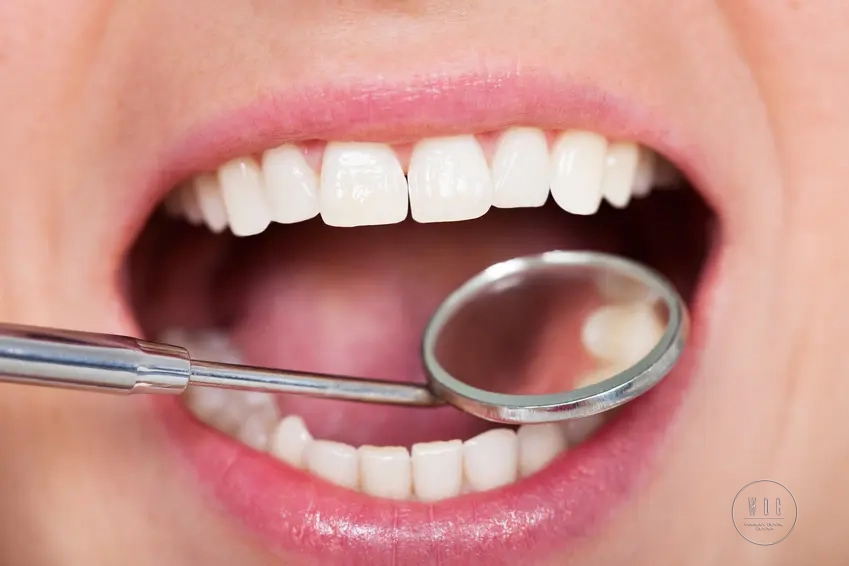
Bonding – you know that this term is one of the most frequently searched terms by people interested in aesthetic dentistry. We would like to tell you what exactly this procedure involves, through the statements of experts from Warsaw Dental Center. Bonding: What exactly is it? The term “bonding” comes from “bond”, i.e. the system that connects the composite to the tooth. It is used to describe a method of minimally invasive aesthetic improvement. In our dental clinic, Warsaw Dental Center, we offer bonding treatment for patients who want to solve minor problems, such as slight crookedness, rotation, asymmetry of the shape or color of teeth. Before starting the procedure, our doctors conduct a thorough dental interview and examination to assess whether it is appropriate and how many teeth it will cover (it is important that bonding can be performed on a single tooth). As a result of this approach, we can plan for the expected results. Bonding Warsaw – how to prepare for the procedure When assessing the condition of the teeth, we carefully remove any cavities, perform professional hygiene, and possibly whiten them in the office (although this is not necessary, it may be recommended). Then, based on scans or impressions and photographic documentation, we create a design of the final work, known as “wax up”. In the next visit, the patient has the opportunity to assess the so-called “mock up”, i.e. a model presenting the design of the work. This allows for any adjustments to achieve the expected results. The further process includes the use of special composite injection splints, prepared based on the previous steps. The dentist injects liquid composite into the area of the tooth being rebuilt and then hardens it using UV rays emitted by a lamp. The final step is a precise finishing that gives the restoration a natural shine. The durability of the effect depends on your lifestyle and oral hygiene. Typically, additions to vol ego type persist for 3-5 years. Regular check-ups, a proper diet and healthy chewing habits are important to maintain their durability. How much does bonding cost? Due to its price (starting from PLN 700 per tooth), the bonding treatment is an attractive alternative for those patients who do not decide to have veneers installed. However, it is worth remembering that full prosthetic reconstruction offers long-lasting effects. For bonding procedures, in the renowned Warsaw Dental Center clinic, the contact specialists are Dr. Natalia Rogulska and Marcin Kopeć.