

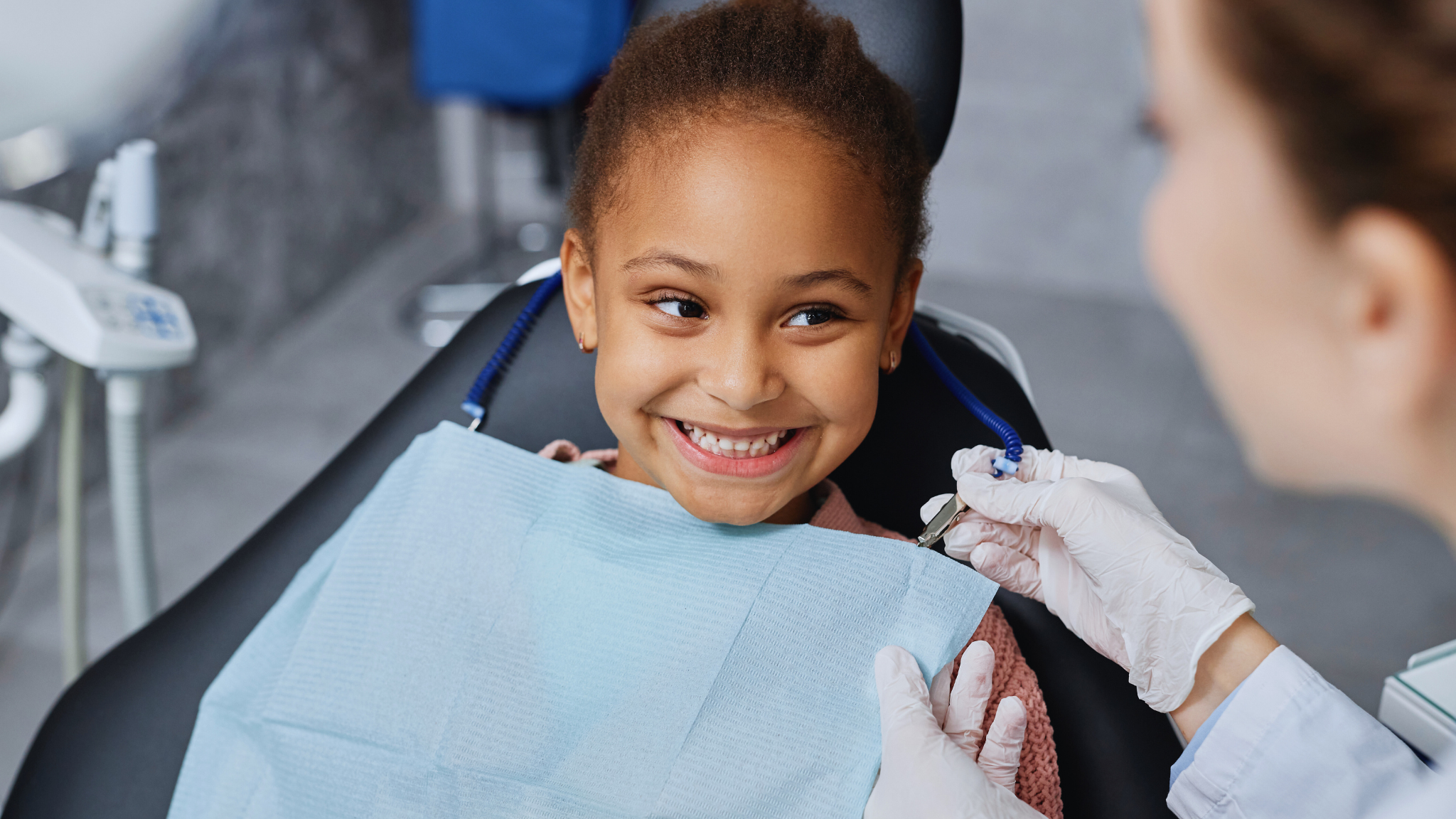
Baby teeth, like permanent teeth, have roots, which can lead to the need for root canal treatment. Many parents may be surprised by this because they believe that since baby teeth eventually fall out, treatment is unnecessary. However, root canal treatment for baby teeth is important to avoid more serious health problems. Why is it important to care for baby teeth? You’ll find the answers to this and many other questions regarding root canal treatment for baby teeth on our blog. How do the roots of baby teeth differ from those of permanent teeth? The roots of baby teeth are typically thinner and more curved than those of permanent teeth. This unique structure allows for their resorption, or natural shrinking, at the appropriate time when permanent teeth begin to erupt. This process is crucial for the smooth transition from baby teeth to permanent teeth. Thanks to the resorption of baby tooth roots, permanent teeth can take their place without hindrance, which is essential for healthy oral development and proper alignment of permanent teeth. When do baby teeth require root canal treatment? Root canal treatment for baby teeth is usually necessary in cases of advanced tooth decay that remains untreated. The dentist makes this decision when decay-causing bacteria lead to infection of the pulp, causing inflammation and pain. When assessing the need for root canal treatment, the dentist considers the expected presence of the tooth in the oral cavity. If the tooth will be present for a longer period, root canal treatment is usually chosen. Another reason may be trauma, such as from a fall, which leads to tooth damage. In most cases, this concerns front teeth, which are particularly prone to injuries due to their location. When will a dentist refrain from performing root canal treatment on a baby tooth? A prerequisite for undertaking endodontic treatment of a baby tooth is good cooperation with the patient because it is a relatively time-consuming and complicated procedure. Local anesthesia is often necessary as well. However, there are various contraindications that may result in refraining from root canal treatment. These include: Advanced tooth decay, which limits the possibility of tooth reconstruction due to a small amount of healthy tissue Reduced immunity in the child, which may increase the risk of complications after treatment Existing heart conditions that may increase the risk of complications during the procedure Some orthodontic defects that may hinder effective root canal treatment In the event of any of these contraindications, the dentist may opt for a different form of treatment or even tooth extraction if necessary for maintaining oral health. What is the process of root canal treatment for baby teeth? The procedure for root canal treatment of baby teeth differs slightly from that used for permanent teeth. A commonly used method is the coronal pulp amputation, which involves removing the coronal part of the pulp and preserving the living pulp in the tooth’s canals. Full endodontic treatment, on the other hand, involves removing the entire pulp from the canals, disinfecting them, and filling them with a special material. This procedure is similar to root canal treatment for permanent teeth but differs in the root filling material to allow for natural resorption during tooth replacement. The dentist selects the treatment method according to the individual needs of the young patient, considering their age, cooperation, and the extent of decay. Why is it worth treating baby teeth with root canal treatment? Preserving healthy baby teeth is crucial for the proper development of the face and jaw in children. Improper loss of baby teeth can lead to bite problems that may require orthodontic intervention. Additionally, baby teeth can be as painful as permanent teeth, so it is important not to ignore symptoms of pain or discomfort in the oral cavity. Summary Despite common belief, baby teeth sometimes require root canal treatment. The decision on the treatment method depends on many factors, including the child’s age, cooperation, and the time until the physiological replacement of baby teeth with permanent ones. Therefore, it is important to care for baby teeth and take appropriate steps in case of problems.
When should you schedule your child’s first visit to the dentist?
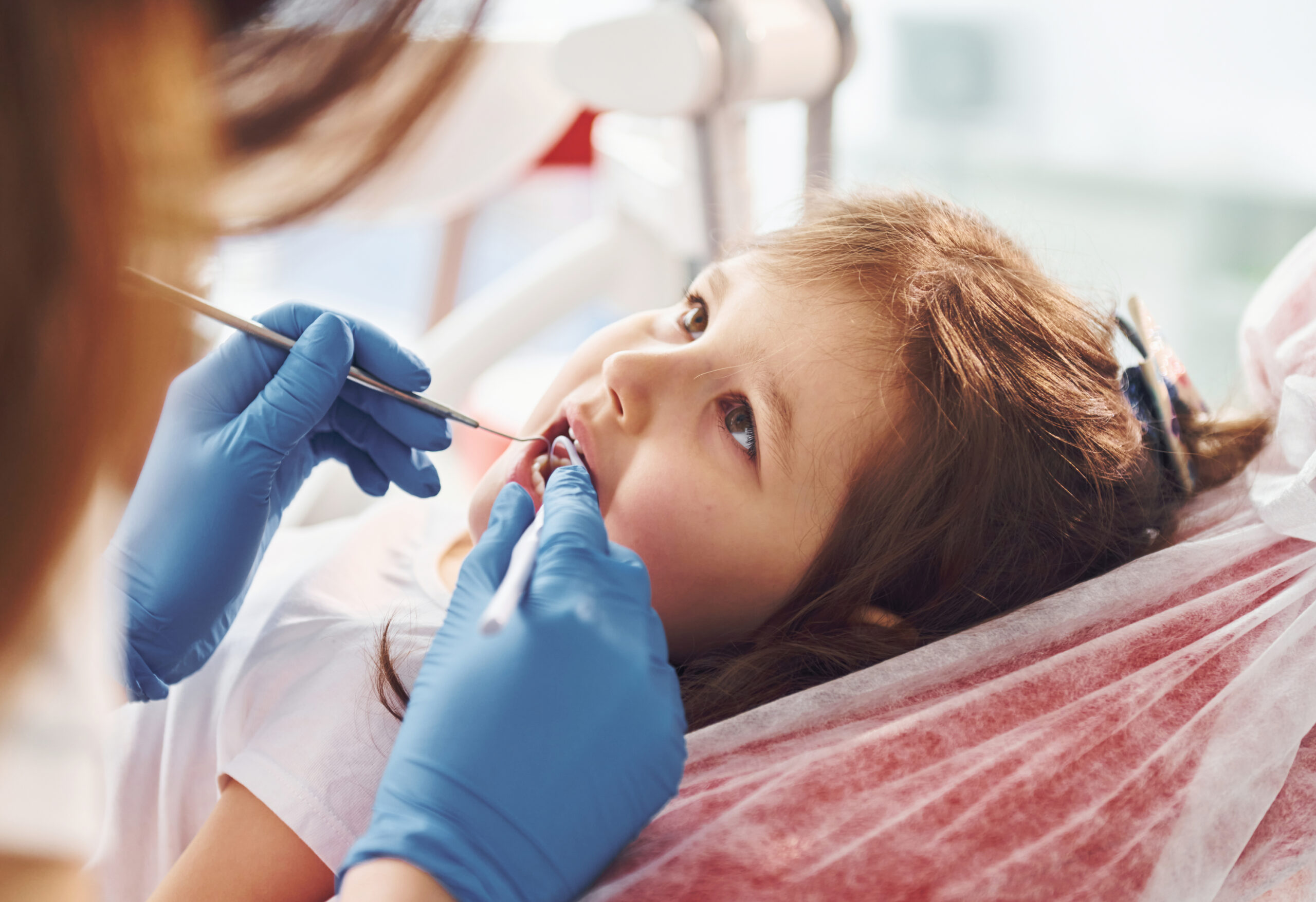
Professional dental care for a young child can effectively prevent serious oral problems in the future. Many parents often wonder when is the best time to start regular visits to a pediatric dentist. Should they opt for it right after the first baby tooth appears, or is it better to wait until the transition to permanent teeth begins? Proper dental consultations can ensure the full development of healthy teeth from the earliest years. Recommendations for the first visit with a child to the dentist It is recommended that a child’s first visit to the dental office take place shortly after the appearance of the first baby tooth, which typically occurs around 6 months of age. Although the child may not yet feel comfortable in the dental chair at that time, it is often suggested that the first visit take place when the toddler is around 1.5-2 years old. At this age, the child may better adjust to the atmosphere of the dental office and be more cooperative with the dentist. Additionally, with more teeth present, the visit can be more comprehensive and beneficial for the development of a healthy smile. The significance of the first dental visit for a child The first visit to the dental office is often referred to as an adaptation visit. It is not only an opportunity for the child to become familiar with the dental office environment, but also the first meeting with the dentist and dental tools. It is also an excellent opportunity to emphasize the importance of regular oral health check-ups. How to prepare a child for the first dentist visit? To ensure a positive experience associated with a dentist visit and encourage the child to care for oral hygiene, it is important to prepare them properly. Before the visit, explain to the child what a dentist does, what a typical visit looks like, and why it is important. It is good to dispel any fears associated with the first visit, reassuring the child that there is no reason for stress or anxiety.
Why dental care is important for children
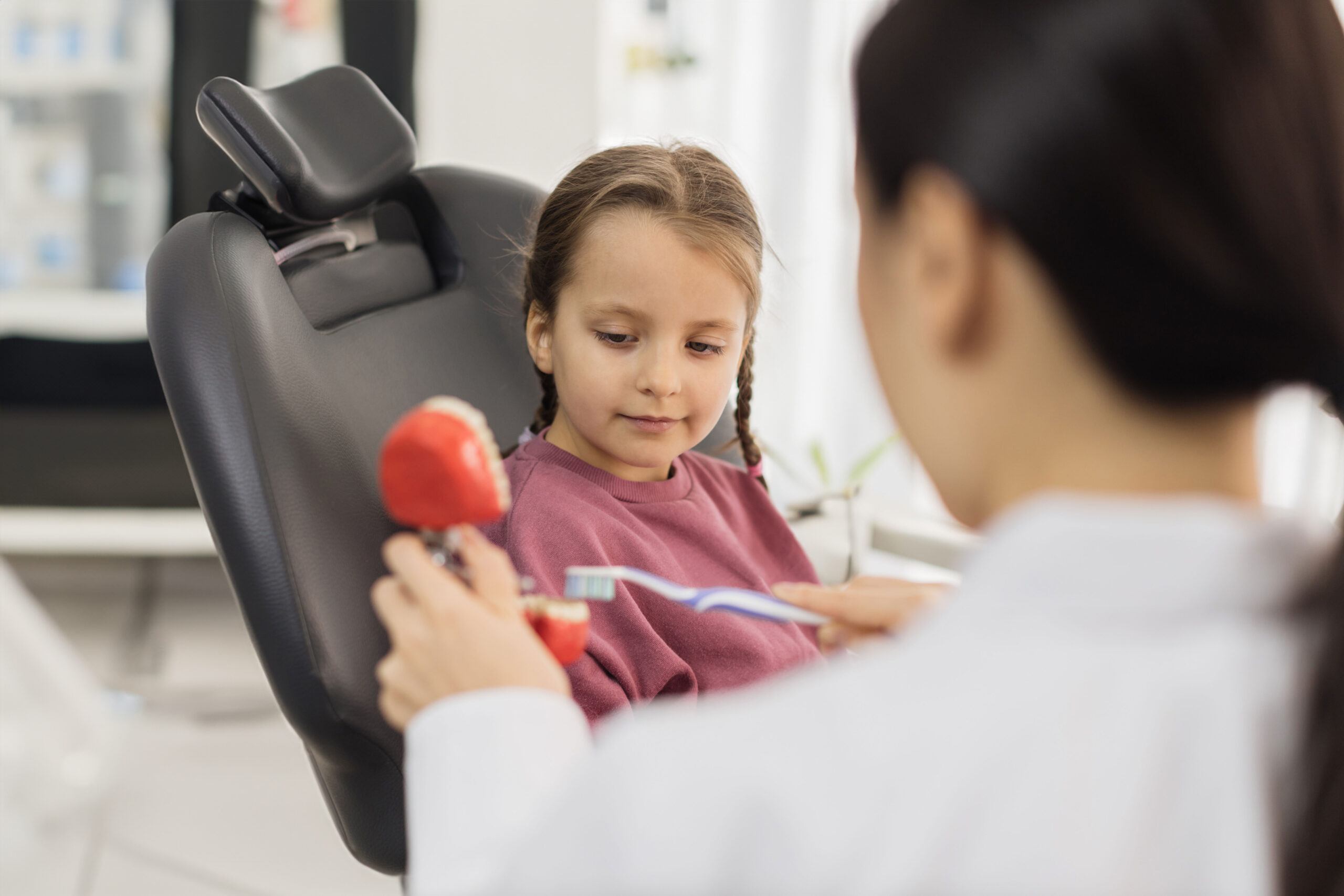
Research unequivocally demonstrates that the state of children’s teeth leaves much to be desired. The most common ailment is tooth decay, which affects not only primary teeth but also increasingly worrisomely, permanent teeth. The main factors influencing this state of affairs include: Low quality of oral hygiene procedures Insufficient frequency of conducting these procedures Lack or insufficient number of regular dental check-up visits Inadequate dietary habits Use of improper toothpaste lacking fluoride Fluoride and dental health Fluoride is an important element supporting the health of bones and teeth through the mineralization process. It is an essential component of oral hygiene products. Effectively, fluoride reduces the amount of acids produced by decay-causing bacteria and limits the accumulation of dental plaque, which serves as food for these bacteria. Additionally, it disrupts the metabolism of these microorganisms, preventing the decay process. Even children under the age of two can benefit from fluoride-containing toothpaste. Therefore, our dentists at Warsaw Dental Center strongly recommend regular use of fluoride toothpaste for maintaining oral health. How to take care of the teeth of young children? The appearance of the first tooth is the moment to begin regular hygiene procedures. Parents should brush their child’s teeth at least twice a day – in the morning and evening – until the child reaches 7-8 years of age. The quality of these procedures is important to ensure their effectiveness. During brushing, only a small amount of toothpaste should be applied, and after brushing, the child should not rinse the mouth but only spit out the excess paste. Additionally, it is important to choose an appropriate toothbrush for the child’s age, ensuring the correct size and hardness. If necessary, it is always worth seeking the help of a pediatric dentist. They are experts who provide support and advice. It is also important to remember that before the first teeth appear, it is necessary to take care of the child’s oral hygiene, including regular cleaning of the gum ridges and oral mucosa using gauze soaked in chamomile or boiled water. For any doubts or questions, we encourage you to seek assistance from the specialists at Warsaw Dental Center. There you will find professional care and answers to all questions regarding your child’s oral health. Need a dentist for your child? Learn what causes poor dental health in the youngest Dentists unanimously emphasize that poor dietary habits contribute to the development of tooth decay in children. The biggest culprit is an excess of simple sugars in the diet. These simple sugars ferment in the oral cavity, providing a primary food source for decay-causing bacteria. An increase in the acidity level on the tooth surface caused by an excess of simple sugars leads to demineralization of the enamel, facilitating the penetration of decay-causing bacteria into deeper layers of the tooth. Products containing a combination of starch and sugar particularly favor the development of tooth decay. The consequences of tooth decay in children can vary from mild to serious and far-reaching. It can cause pain, sometimes requiring the removal of primary teeth. Furthermore, it can lead to problems with chewing, digestion, and even speech. Later in life, it can pose serious orthodontic challenges requiring prolonged and burdensome treatment. In addition, tooth decay can lead to psychological problems such as complexes, dissatisfaction with appearance, as well as fear and reluctance to visit the dentist. Therefore, it is crucial to take care of children’s oral health from the appearance of the first tooth until they have full awareness of oral hygiene. This includes learning to perform effective hygiene procedures, shaping proper dietary habits, and regular check-up visits to the dentist (at least twice a year). Do not delay making an appointment with a pediatric dentist – we invite you to Warsaw Dental Center. It is important to take care of your child’s dental health from a very young age.

Pediatric dentistry: How to care for the health of children’s teeth?
Pediatric dentistry Our children’s dental health is one of the most important aspects of their overall health and well-being. At Warsaw Dental Center, located in the heart of Warsaw, we know the importance of early education and dental care for children. In this blog post, we will share with you our best tips for taking care of your little ones’ dental health. Early prevention: Visits to the dentist should start from the child’s first birthday or when the first tooth appears. Regular checkups help detect problems at an early stage and keep your teeth healthy throughout your life. At Warsaw Dental Center, we offer special programs for children that help them understand why regular visits to the dentist are so important. Learning how to brush your teeth properly: Children should start brushing their teeth as soon as their first tooth appears. Initially, you can use soft, moistened gauze or a special baby brush. Be sure to teach your child toothbrushing techniques as soon as they are ready. In our clinic, we offer special workshops for children, where we teach them how to properly care for their teeth. Healthy diet: A diet full of fruits, vegetables and calcium-rich foods is crucial for healthy teeth. Avoid excessive sugar consumption, which can lead to tooth decay. Parents should make sure that the child does not eat meals or drink sweet drinks, including milk, at night. Safe ways to deal with anxiety: A visit to the dentist can be stressful for a child. At Warsaw Dental Center, we try to make each visit as stress-free as possible by using various techniques, such as games and activities, that help children relax and feel comfortable. Our team is specially trained to work with children to ensure they have a safe and positive experience.In cases where the child does not want to cooperate in any way, we can consider anesthesia, which is completely safe and makes the child go through treatment stress-free. By caring for your child’s dental health from an early age, you help ensure a healthy smile for life. At Warsaw Dental Center, we are always ready to help and advise on your child’s oral health issues. Please contact us at 48 22 542 18 04 or via e-mail: kontakt@warsawdentalcenter.pl. Our clinic is located at ul. Topiel 11, 00-342 Warszawa. We are waiting for you from Monday to Friday from 9:00 a.m. to 9:00 p.m.