Oral Surgeon in Warsaw -
Bartosz Leonczak

Oral surgery, digital implant dentistry, and bone regeneration in Warsaw

I understand that deciding to undergo oral surgery or implant treatment often comes with stress, uncertainty, and many questions. For many patients, this is not simply another dental visit, but a moment when they want to understand what is really happening in their mouth, what their options are, and who they can safely trust.

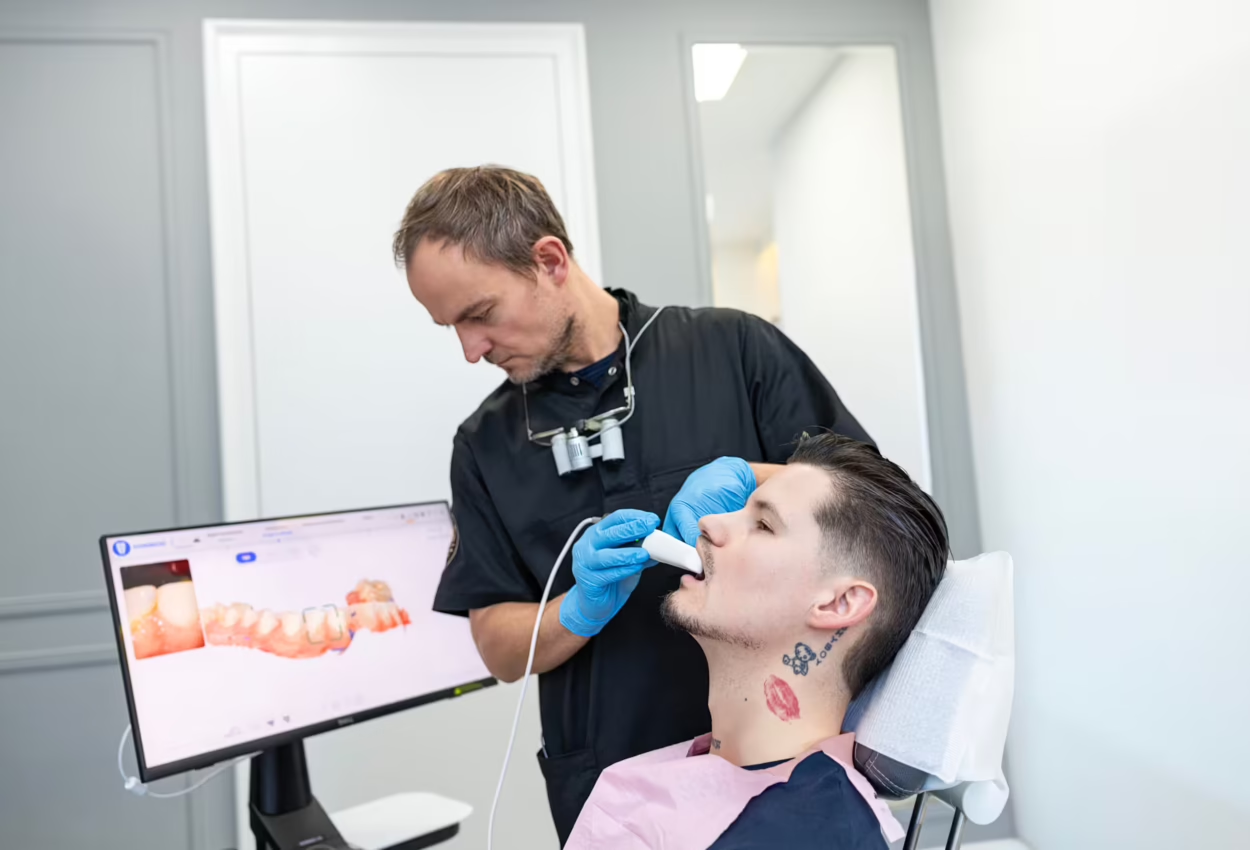
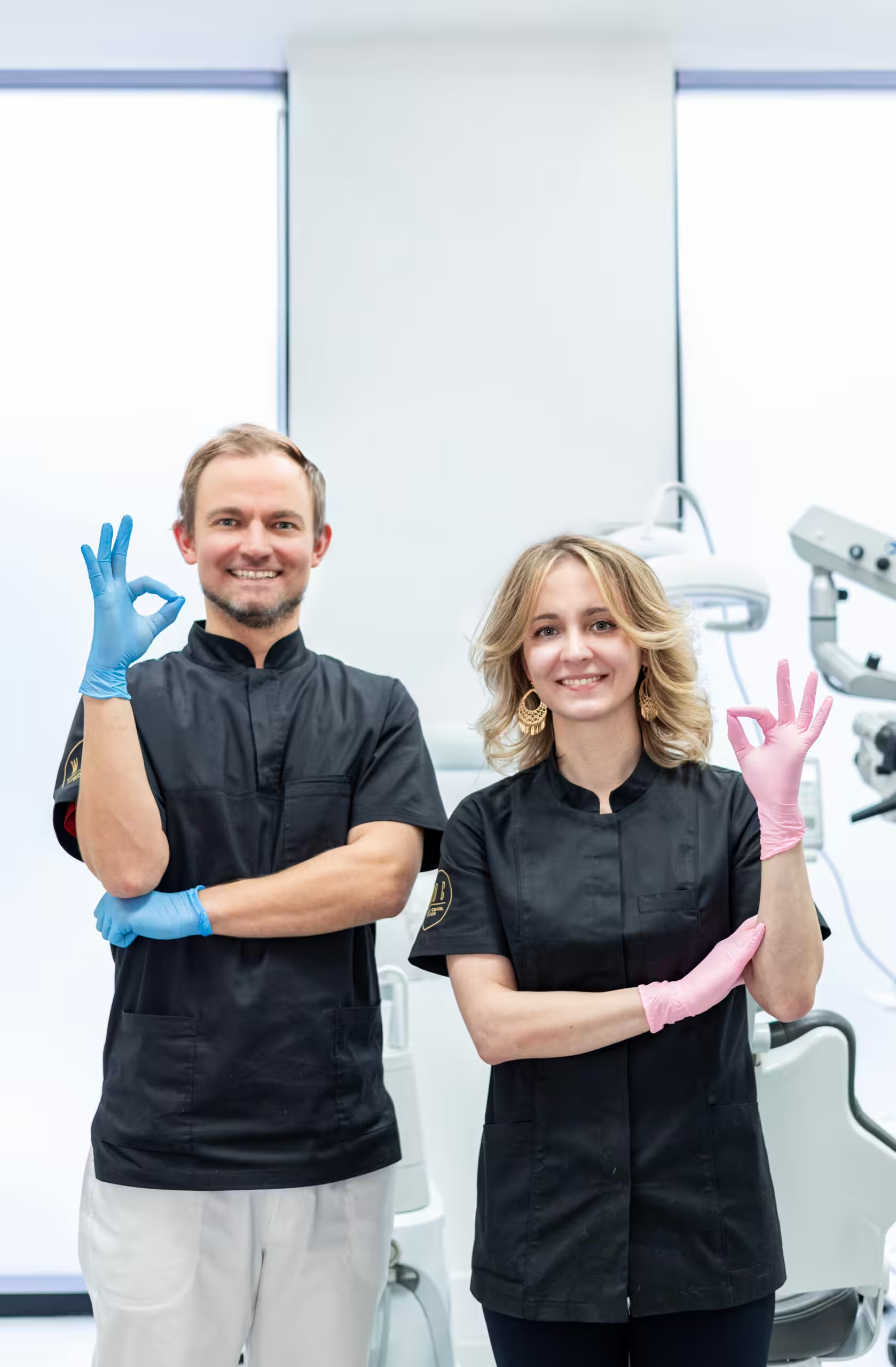
I am an oral surgeon and co-founder of Warsaw Dental Center in Warsaw. I specialize in advanced surgical and implant treatment, particularly in cases that require precise diagnostics, bone reconstruction, soft tissue management, and digital planning. Every treatment is carried out in a calm, precise, and transparent way, because a sense of safety begins with a clear explanation, a well-structured plan, and the confidence that every step has a clear medical rationale. My goal is not only to treat the condition, but to ensure that you feel safe, informed, and in control throughout the entire process.

I treat patients for whom the most important aspect is not only the procedure itself, but a safe, biologically sound, and long-term stable treatment plan. Many of my patients come to me after difficult previous experiences, unsuccessful treatments, or after being told their case is too complex. In such situations, my role is to carefully assess the possibilities, explain everything clearly, and propose a solution only if it is responsible and predictable.

Dr-Bartosz-Leonczak-2-scaled.jpg
Satisfied patients
4000 +
Procedures performed
5000 +
Verified patient reviews
50 +
Professional certificates
5 +
Languages

Polish and English

Dr Bartosz Leonczak completed his training with distinction at
the following prestigious institutions.

Who this consultation is for

This consultation is intended for:

  • patients looking for an oral surgeon in Warsaw,
  • individuals requiring implants, bone regeneration, sinus lift, or complex extractions,
  • patients after unsuccessful surgical or implant treatment,
  • those seeking a second opinion,
  • dentists referring more complex surgical and implant cases.

Main areas of treatment

Digital implant dentistry

Implant placement planned using 3D diagnostics, taking into account anatomy, function, and long-term stability.

Bone regeneration

Rebuilding bone structure in patients with bone loss to allow safe and predictable implant placement.

Sinus lift

A procedure to increase bone volume in the upper jaw where natural bone is insufficient for implants.

Atraumatic extractions

Tooth removal performed with maximum preservation of bone and soft tissue, especially important for future implant treatment.

Socket preservation

Techniques used to limit bone loss after extraction and improve conditions for further treatment.

Treatment of complex cases

Cases involving severe bone loss, challenging anatomy, previous failures, or requiring staged treatment.
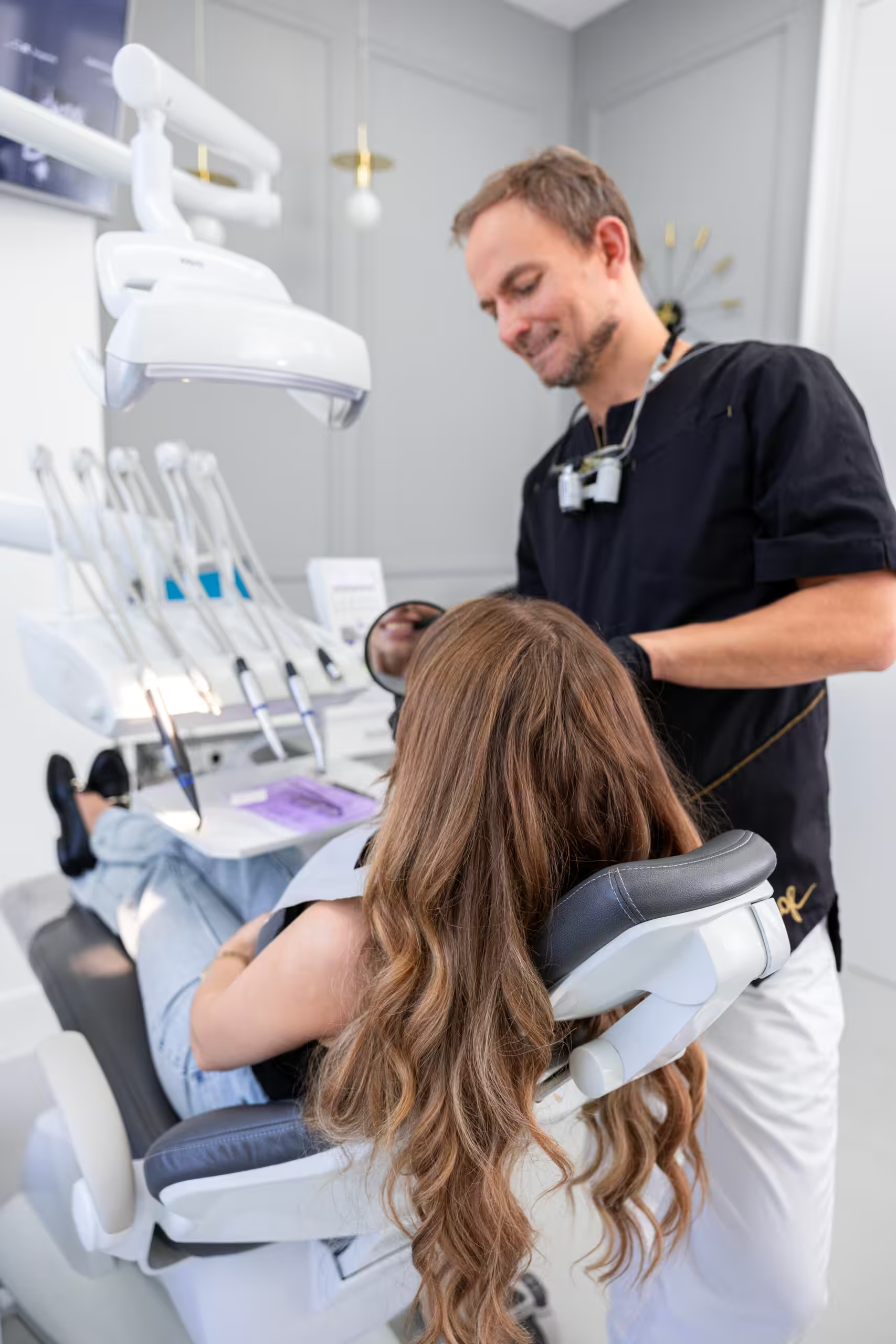
Oral surgeon in Warsaw – my approach

In oral surgery, the key factor is not only performing the procedure, but proper qualification, planning, and predictability. I focus not only on whether something can be done, but whether it should be done in a safe and responsible way with long-term success in mind.

In practice, this means:

  • assessing whether a procedure is possible and biologically justified,
  • planning treatment with long-term stability as a priority,
  • recommending staged treatment when necessary instead of quick but risky solutions.

Patients receive a clear explanation of their situation, available options, and a structured treatment plan. It is important to me that before treatment begins, the patient understands not only what we will do, but also why we are doing it and what they can realistically expect.

What makes my treatment different

3D diagnostics and digital planning

CBCT imaging and digital planning allow precise evaluation and preparation before any procedure.

A biologically driven approach

Bone quality, soft tissue condition, and healing processes are key to long-term treatment success.

Precision and minimally invasive techniques

Reducing surgical trauma improves comfort, healing, and predictability.

Experience with complex cases

A significant part of my work involves treating patients with advanced or previously rejected cases.

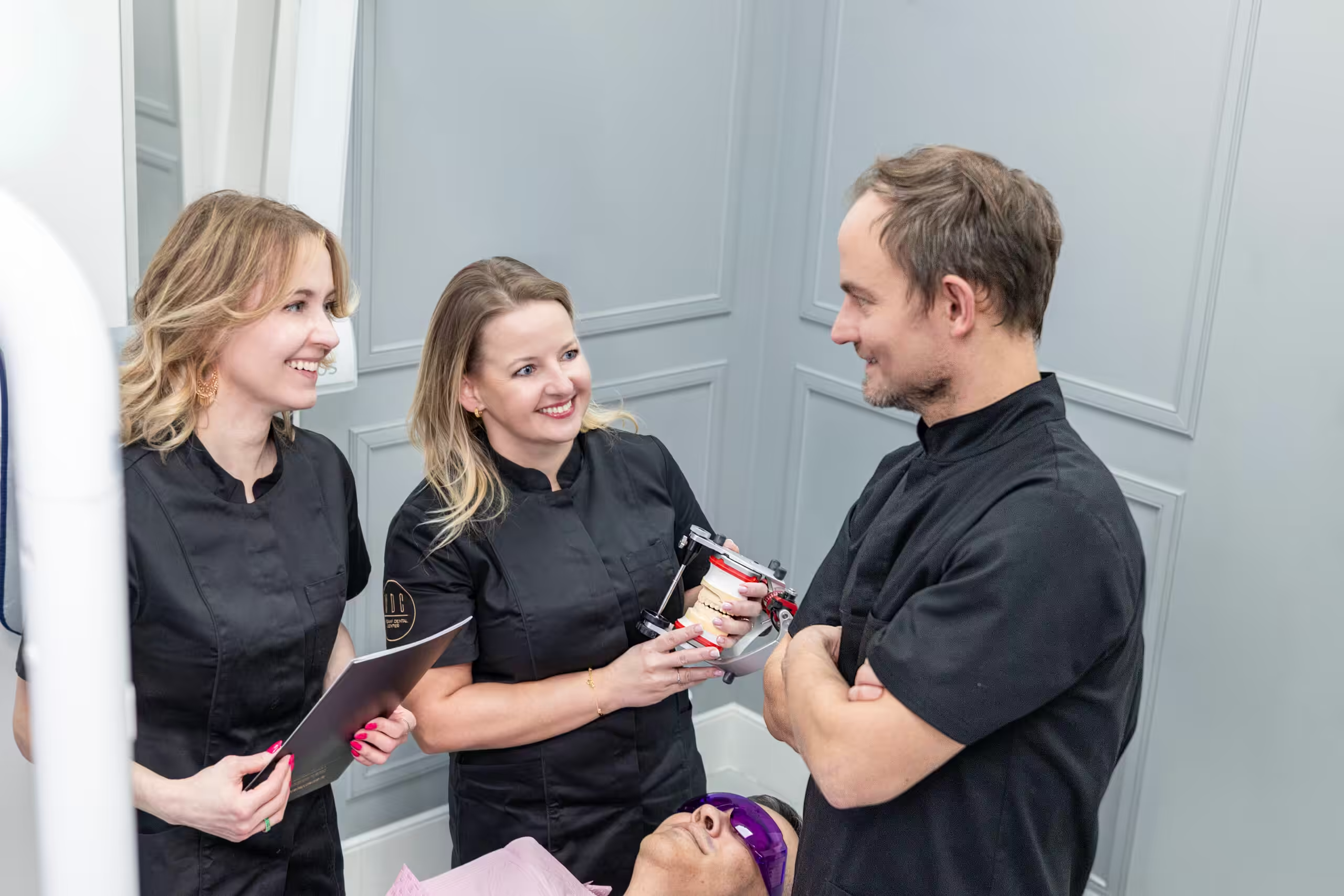
Calm communication and structured care

Patients are guided through the entire process in a clear, calm, and organized way. This approach is especially important in complex or previously unsuccessful cases, where precision and planning determine long-term success.

bartek-2-scaled.jpg

How treatment works

1. Consultation and diagnostics

A detailed examination, medical history, and imaging analysis allow for a safe and accurate diagnosis.

2. Treatment planning

Patients receive a clear explanation and structured plan, including alternatives and prognosis.

3. Procedure

Performed under local anesthesia with a focus on safety and precision.

4. Healing and next steps

Clear post-operative instructions and a structured follow-up plan ensure predictable recovery.

When to see an oral surgeon

  • when there is insufficient bone for implants,
  • when implant treatment has been previously ruled out,
  • for complex extractions,
  • after failed implant treatment,
  • when seeking a second opinion,
  • in cases requiring advanced diagnostics and staged treatment.

Complex cases and second opinion consultations

I treat patients who have previously been told that implant treatment is not possible, that there is not enough bone, or that their case is too complex. These situations require precise diagnostics, experience, and careful planning rather than rushed decisions.

My role is to evaluate the situation objectively and propose a safe solution only when it is biologically justified. A second opinion consultation helps patients understand their options clearly and make informed decisions without pressure.

Patient reviews

Patient trust is extremely important, especially in cases involving surgery, previous complications, or high levels of anxiety.

Education and professional development

My clinical approach is based on specialist training in oral surgery and continuous development in implantology, bone regeneration, and modern surgical techniques.

I regularly participate in international courses and postgraduate programs, focusing on:

  • digital implant dentistry,
  • bone regeneration,
  • soft tissue surgery,
  • complex case planning.

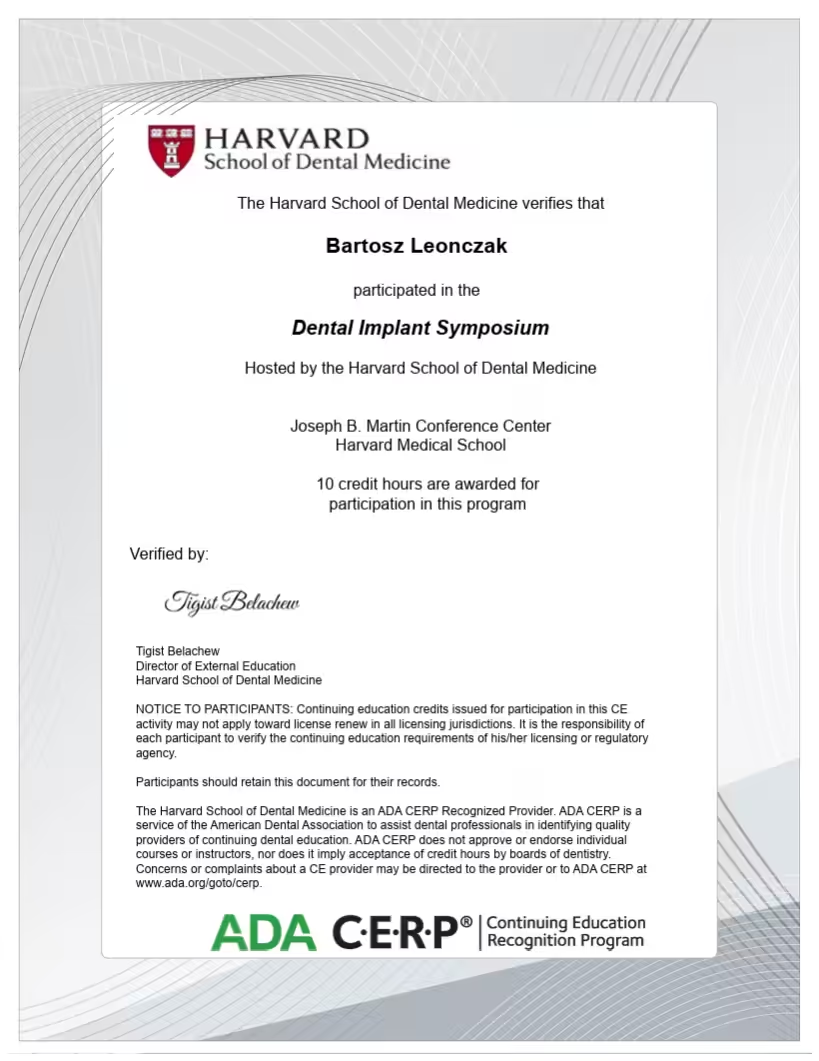
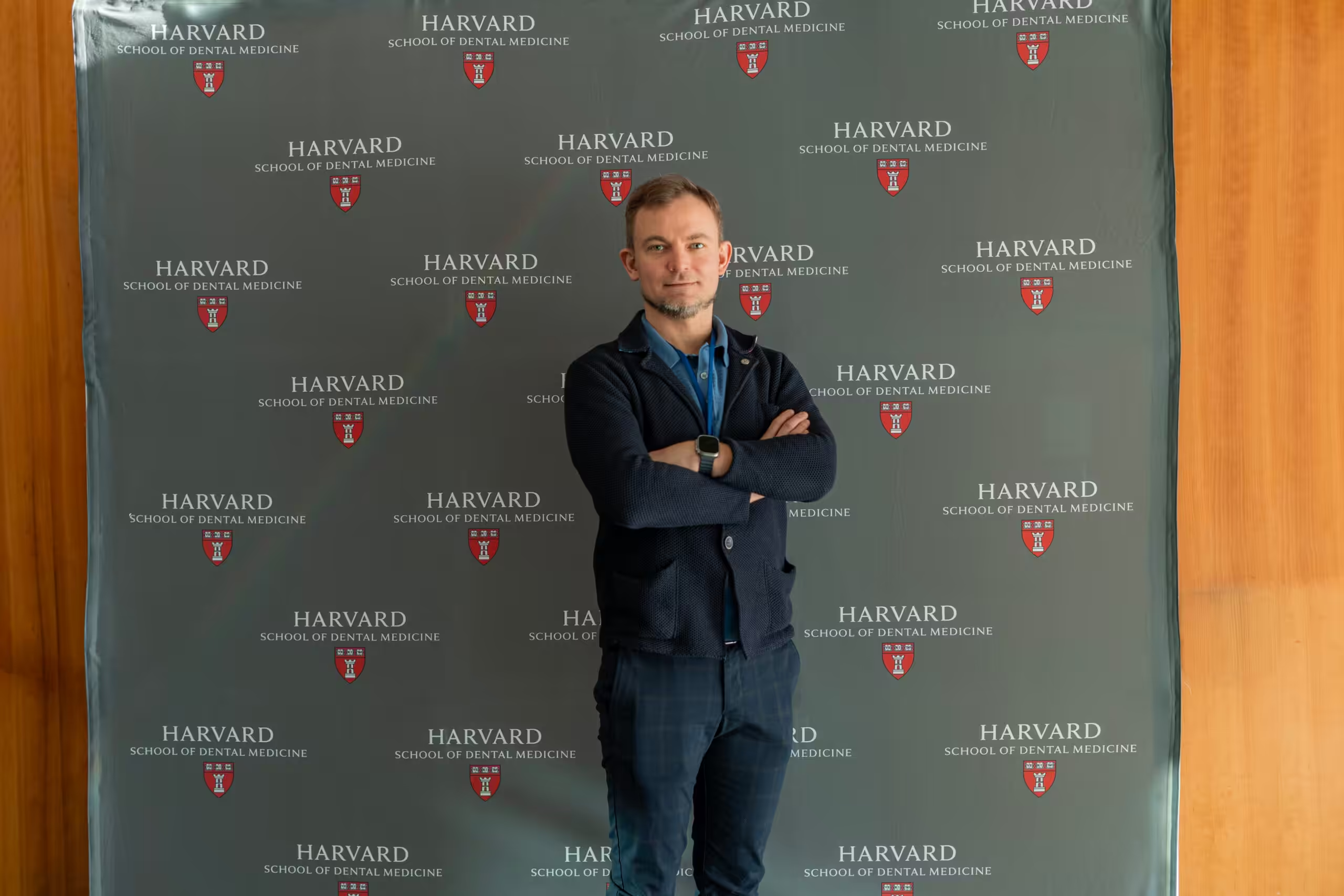
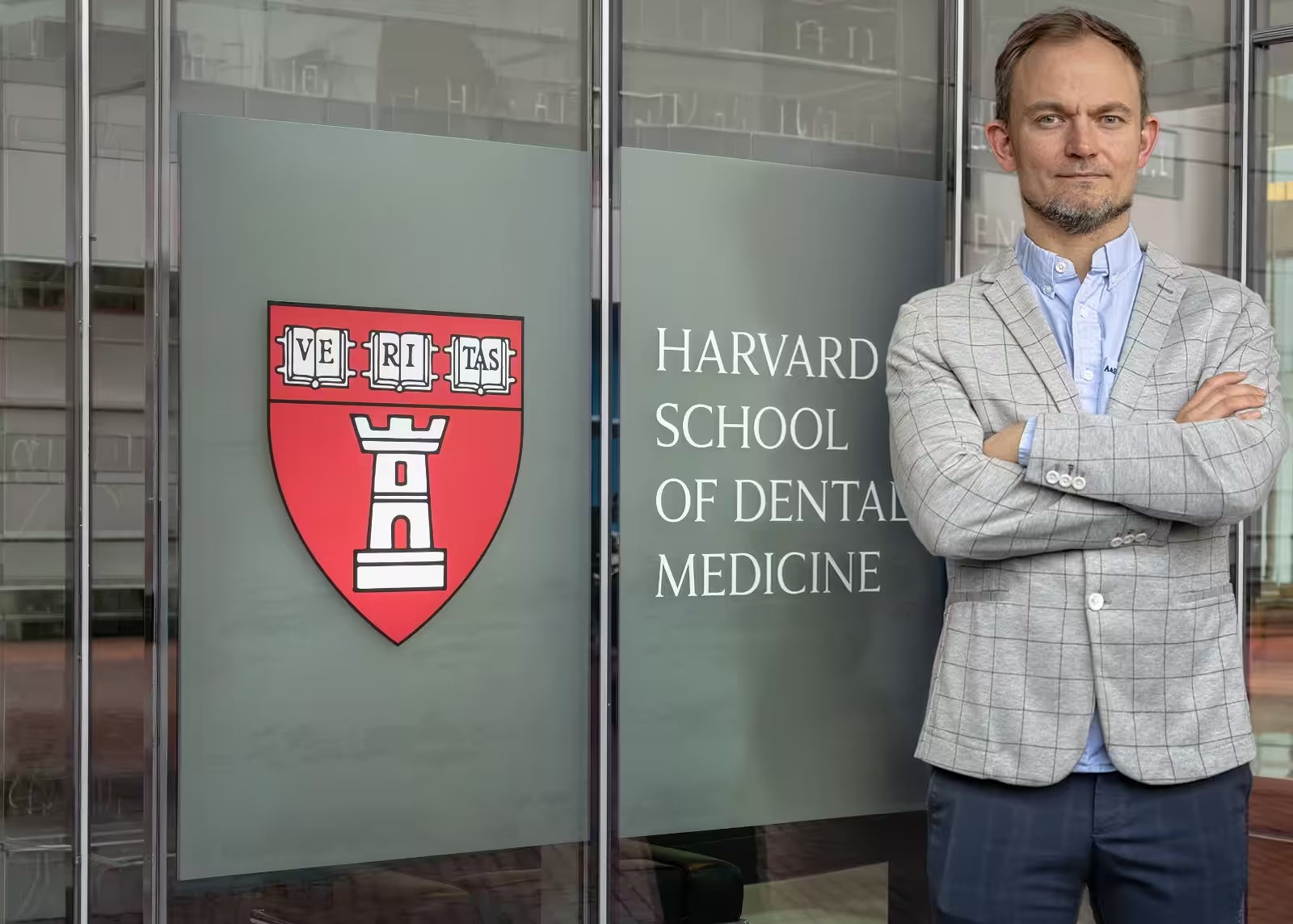
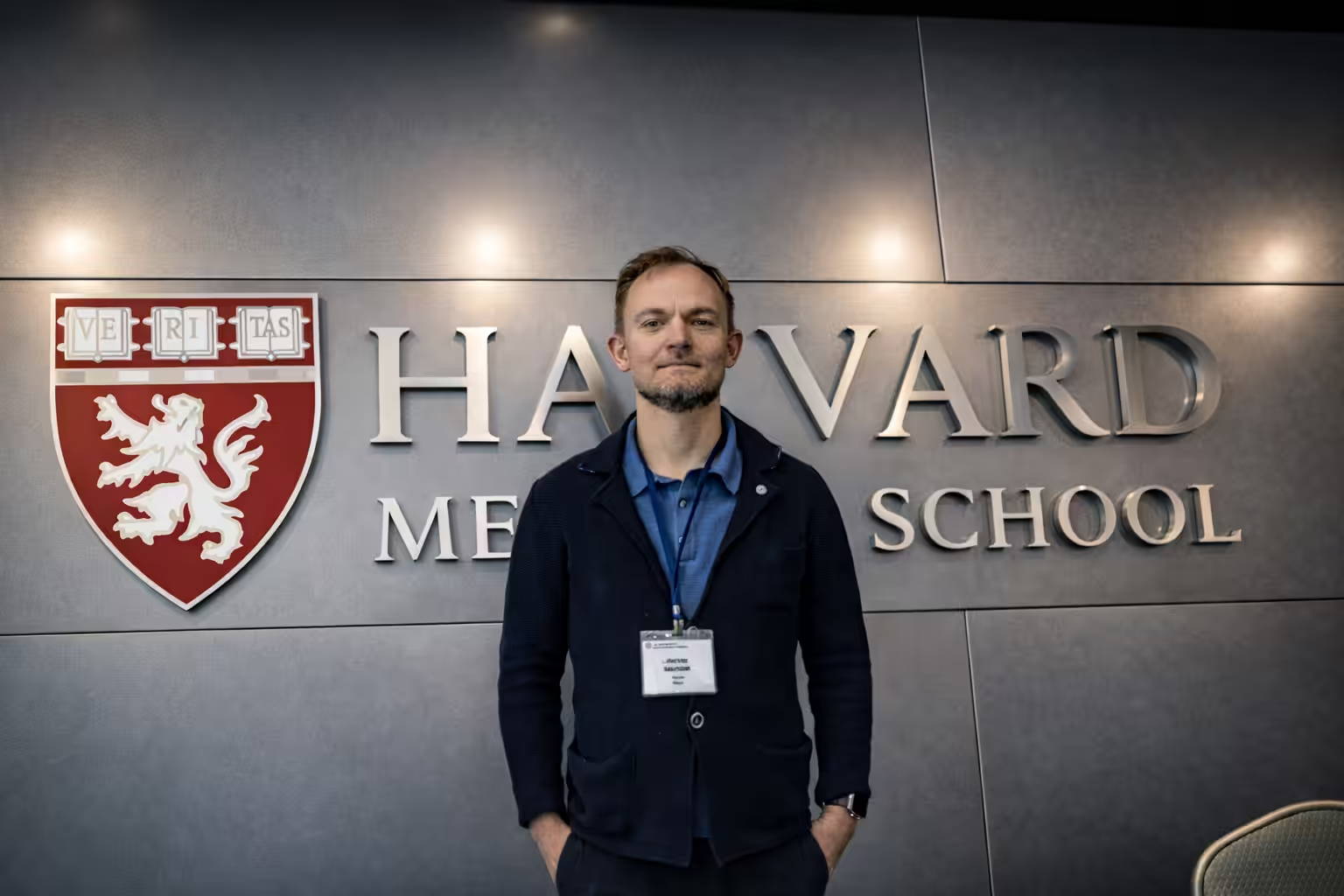
In 2025–2026, I participated in educational programs at Harvard School of Dental Medicine, including continuing education lectures and a preceptorship. This allows me to continuously update my clinical protocols and apply modern, evidence-based treatment standards.

Professional development is an ongoing process that directly translates into treatment quality and patient safety.

Technologies used in treatment

  • CBCT and 3D diagnostics – precise evaluation of anatomical conditions,
  • digital planning – accurate treatment preparation,
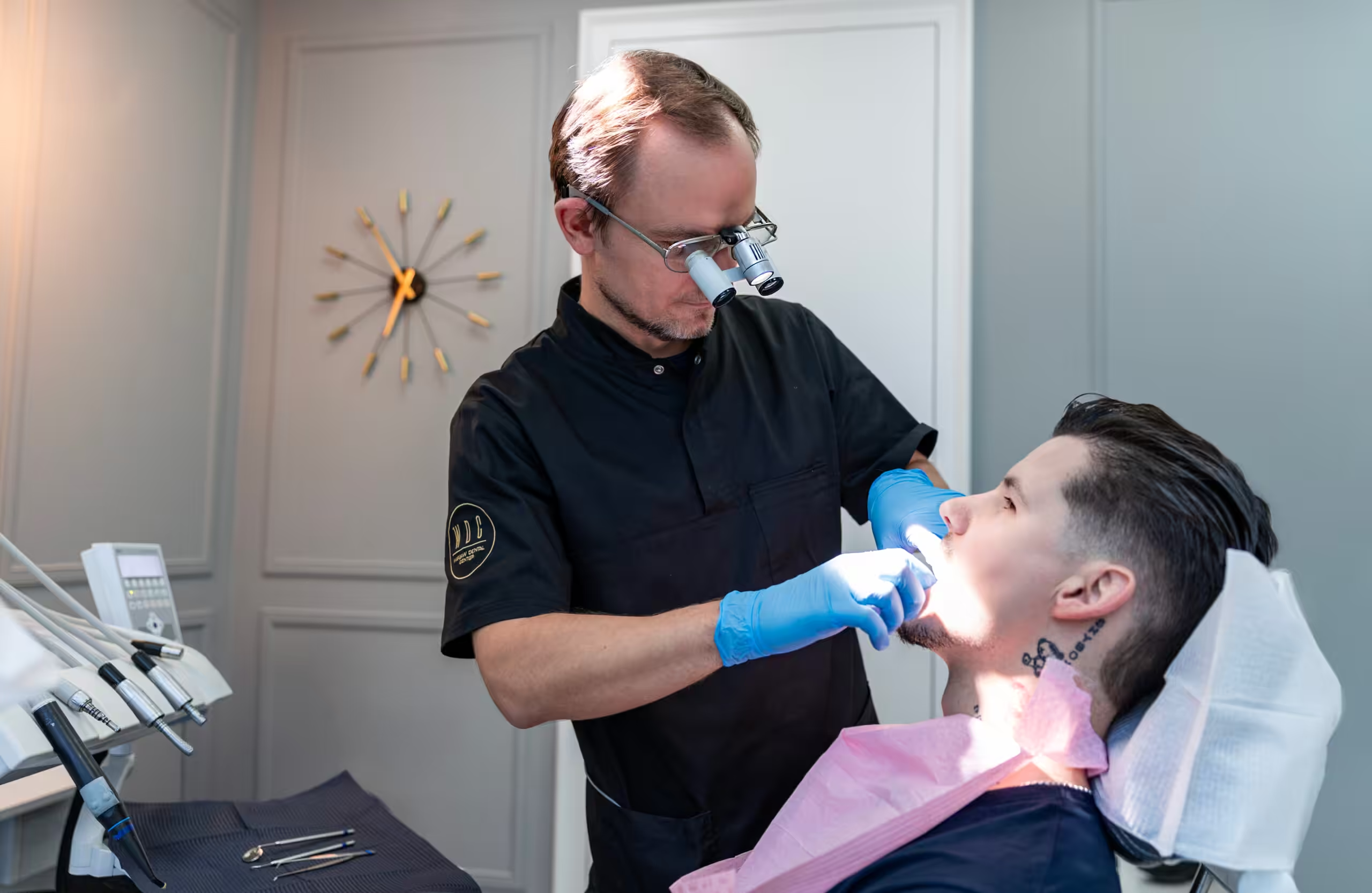
  • magnification during procedures – increased precision and control,
  • regenerative materials – support for bone reconstruction and healing.

Treatment for patients from Poland and abroad

I treat patients from Warsaw, across Poland, and internationally. Treatment can be planned in a structured way that fits the patient’s availability and travel schedule.

For referring dentists

I work with dentists in managing more complex surgical and implant cases.

Most common referrals include:

  • implant placement in limited bone conditions,
  • bone augmentation procedures,
  • sinus lift,
  • difficult extractions,
  • treatment after failures,
  • second opinion consultations,
  • treatment planning using 3D diagnostics.

Book a consultation

If you are looking for an oral surgeon in Warsaw specializing in implant dentistry, bone regeneration, and complex cases, I invite you to contact Warsaw Dental Center.

Treatment always begins with careful diagnostics, a clear conversation, and a structured plan tailored to your needs.

Certificates and Training

Certificate of completion from Harvard School of Dental Medicine awarded to oral surgeon Bartosz Leonczak.

Knowledge base:
Frequently Asked Questions (FAQ)

Understanding your treatment plan is the first step toward a calm and stress-free experience. Below are answers to the most common questions patients ask during their surgical and implant consultations.

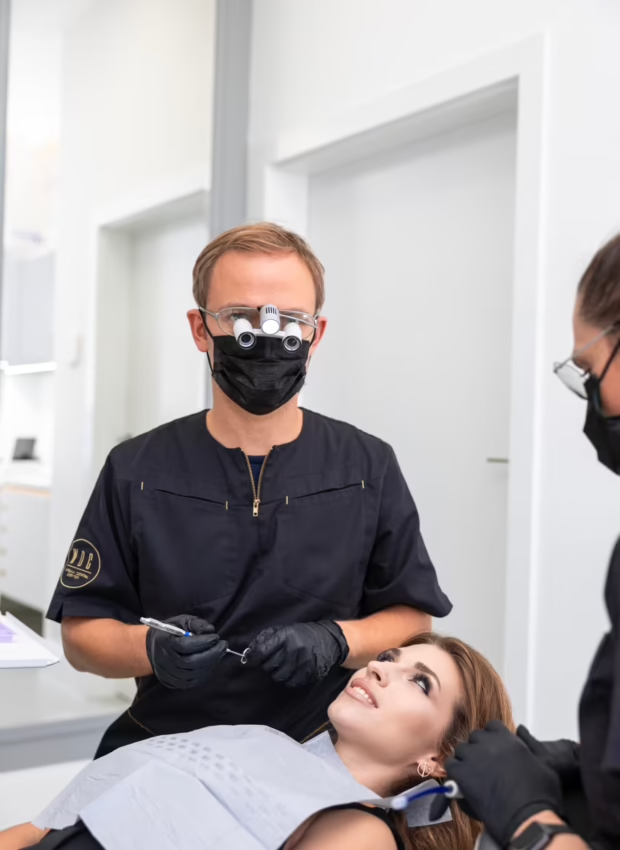
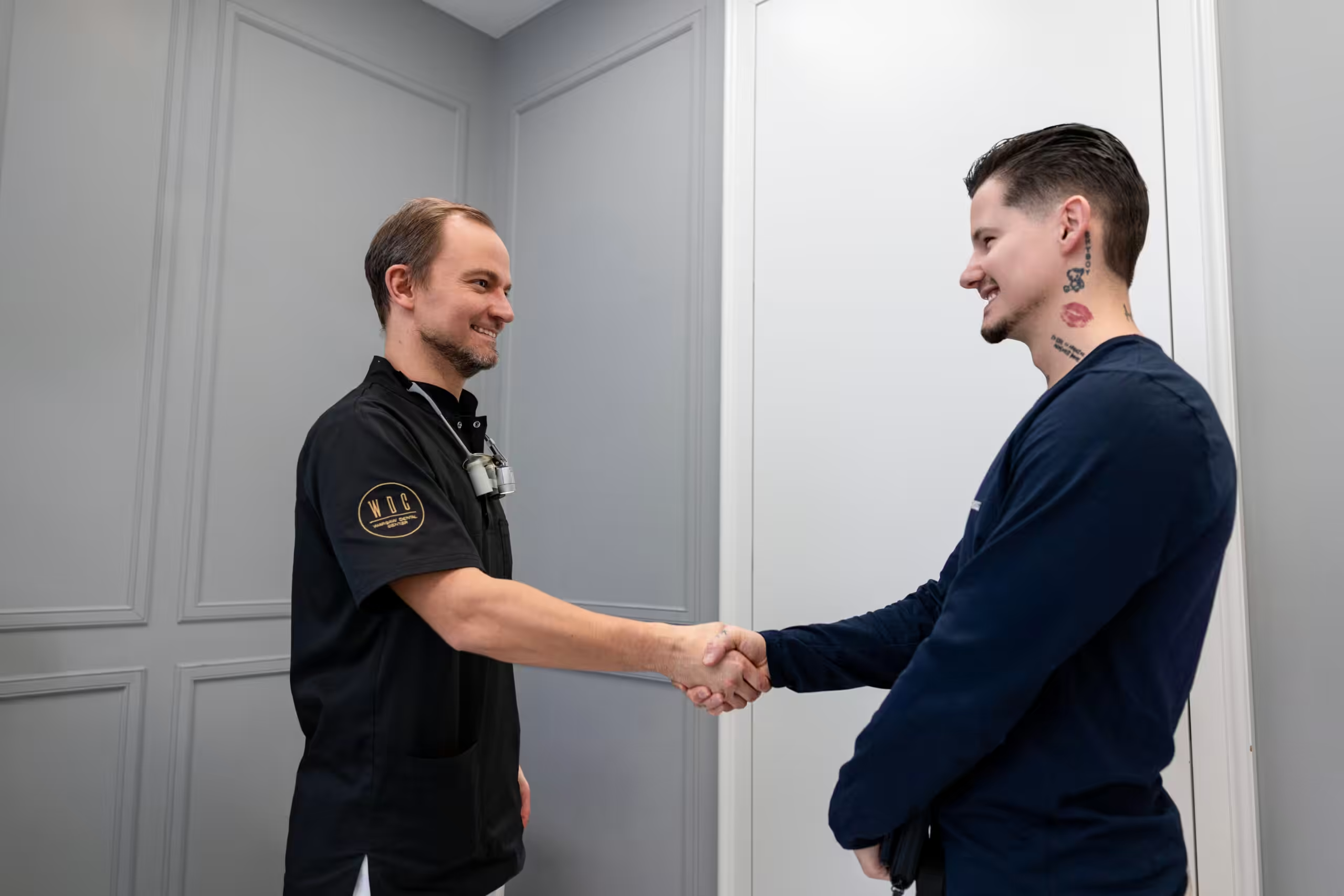
Dr Bartosz Leonczak during a surgical consultation

Pain, safety, and recovery

Do oral surgery procedures and dental implants hurt?

No, the procedure itself is completely painless. It is performed under highly effective local anesthesia. You may feel slight pressure or movement, but absolutely no pain. After the anesthesia wears off, you may experience mild discomfort, which is easily controlled with standard medication. We ensure a calm, unhurried, and stress-free environment throughout the entire process.

How long does recovery take?

Most patients return to their normal daily activities the very next day. You may experience mild swelling for the first 2 to 3 days. Sutures (stitches) are typically removed after 7 to 14 days. Because we use minimally invasive surgical techniques, the healing process is significantly faster and more comfortable than traditional methods.

Implants and bone regeneration

Can an implant always be placed immediately after a tooth is extracted?

Not always; it depends strictly on your biological conditions. Immediate implant placement requires sufficient existing bone and a complete absence of active infection. If these conditions are not met, the safest approach is to extract the tooth, preserve the socket, and allow the area to heal before placing the implant.

When is bone regeneration (augmentation) necessary?

Bone regeneration is required when your jawbone lacks the volume or density needed to securely anchor an implant. This bone loss often occurs due to missing teeth over a long period, past infections, or trauma. Using our 3D CBCT scans, we can evaluate your bone structure with millimeter precision to determine if augmentation is needed for long-term success.

What is a sinus lift?

A sinus lift is a safe, routine procedure used to increase bone volume in the upper back jaw. When upper molars are missing, the sinus cavity often expands downward, leaving too little bone for an implant. We gently lift the sinus membrane and place biocompatible bone grafting material beneath it, creating a strong, secure foundation for your future implant.

Complex cases, aesthetics, and international patients

I live abroad. Can I plan my implant treatment in Warsaw?

Yes, we regularly treat international patients and expats, coordinating care to fit travel schedules. We can organize your diagnostics, surgical procedures, and follow-up visits to ensure your trips to Poland are as efficient and stress-free as possible, without compromising the biological healing times required for long-term success.

Is it ever too late to get dental implants?

No, it is never too late, though treating long-standing missing teeth requires more advanced surgical experience. Even if you have suffered from severe, long-term bone loss, we utilize advanced bone regeneration techniques to rebuild the necessary foundation for secure, lifelong implants.

What should I do if a previous implant failed?

Failed implants and revision cases are a regular part of my clinical practice. Every case is unique. We carefully evaluate the site using 3D diagnostics to identify exactly why the failure occurred, resolve any biological issues, and create a highly predictable plan to successfully place a new implant.

Will my new implant look natural?

Yes, with proper digital planning, your implant crown will be indistinguishable from a natural tooth. A highly aesthetic result relies not just on the implant itself, but on meticulous soft tissue (gum) management.

Why do some dentists offer immediate implants, while you might suggest waiting?

Because responsible implantology prioritizes long-term biological success over speed. Placing an implant into compromised bone or infected tissue carries a significantly higher risk of failure. Staged treatment is often the safest and most predictable approach.

Bartosz Leonczak in the Media

My clinical work and approach to modern dentistry have also been presented in the media. Appearances and publications devoted to implantology, modern surgical techniques, and the development of aesthetic dentistry are an important part of how I help promote knowledge and build a more informed approach to treatment.Moja działalność kliniczna i podejście do nowoczesnej stomatologii były prezentowane również w mediach. Wystąpienia i publikacje poświęcone implantologii, nowoczesnym technikom chirurgicznym i rozwojowi stomatologii estetycznej są dla mnie ważnym elementem popularyzowania wiedzy oraz budowania bardziej świadomego podejścia do leczenia.

Kind words
from our patients
Schedule
your first visit
at Warsaw Dental Center!
Site links
Follow us

Warsaw Dental Center Leończak Sp.k.

NIP: 1182180875

Make an appointment

Umów wizytę